


Charting a Sustainable Blue Future for the Coral Triangle
UMS X Coral Triangle Initiative (CTI) 
Safeguarding the Coral Triangle’s Living Legacy
 HOW WE WORK
United for Our Seas: UMS and CTI-CFF in Action for Sabah’s Coastal Future
Universiti Malaysia Sabah (UMS) plays a pivotal role in Malaysia’s national coordination for the Coral Triangle Initiative on Coral Reefs, Fisheries and Food Security (CTI-CFF)—a six-nation partnership committed to safeguarding one of the world’s richest marine ecosystems. Through its Borneo Marine Research Institute (BMRI), UMS drives sustainable management of Sabah’s priority seascapes, integrating research, policy, and community engagement to protect biodiversity, ensure food security, and build resilience against climate change.
Universiti Malaysia Sabah
UMS × UNICEF: Protecting Children, Empowering Youth, Transforming Tomorrow
The Coral Triangle—spanning Malaysia, Indonesia, the Philippines, Timor-Leste, Papua New Guinea, and Solomon Islands—harbours over 75% of known coral species and sustains the livelihoods of 120 million people. As part of this network, UMS serves as the Sabah branch of CTI-CFF Malaysia, working with national agencies, local authorities, and coastal communities to realise the Coral Triangle’s Regional Plan of Action (RPOA). Its focus areas include seascape management, ecosystem-based fisheries, marine protected areas (MPAs), climate adaptation, and protection of threatened species. Since 2021, UMS has been officially mandated to assist in the preparation and coordination of Malaysia’s National Plan of Action (NPOA) CTI-CFF 2.0, the country’s blueprint for sustainable ocean governance. The plan outlines Sabah’s priority seascapes, integrates data-driven marine research, and supports inclusive, community-based approaches to resource management. Through BMRI, UMS acts as a scientific advisor and policy facilitator, bridging national commitments with local realities. UMS serves as a regional knowledge hub and training centre, hosting workshops, field research, and technical consultations with fisheries officers, conservation groups, and students. Its ecosystem-based fisheries management (EAFM) studies, coral-reef monitoring programmes, and threatened-species assessments inform conservation actions across Sabah’s coastal zones. These efforts strengthen human capital in marine science and policy, aligning with SDG 4 (Quality Education) and SDG 8 (Decent Work & Economic Growth). Through CTI-CFF frameworks, UMS champions adaptive strategies to safeguard livelihoods of marine-dependent communities against climate change impacts—rising sea temperatures, ocean acidification, and extreme weather events. By combining scientific innovation with local knowledge, UMS and CTI-CFF enhance both ecological resilience and socio-economic security, supporting SDG 13 (Climate Action) and SDG 2 (Zero Hunger).
Universiti Malaysia Sabah x WWF Malaysia
Major Initiatives & Impact
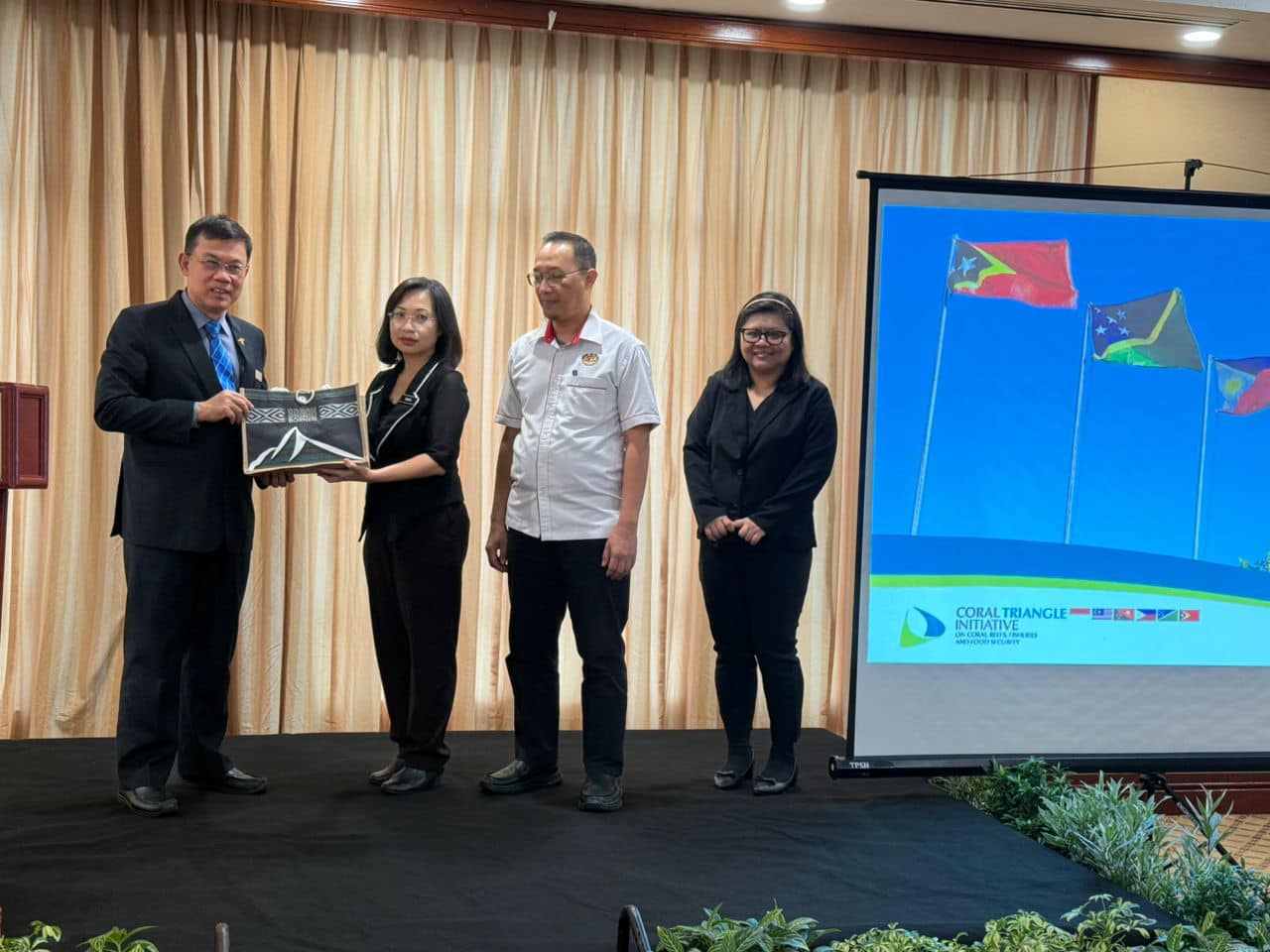
- i. Seascapes Consultation & Preliminary Mapping (2017) UMS/BMRI took part in early consultations for identifying priority seascapes in Sabah under CTI-CFF frameworks. Read More
- ii. Memorandum of Understanding between UMS & CTI-CFF (2018) UMS and CTI-CFF formalised collaboration via an MOU to provide a framework for joint research, capacity building and implementation in Sabah Read More on ICCC Report Summary
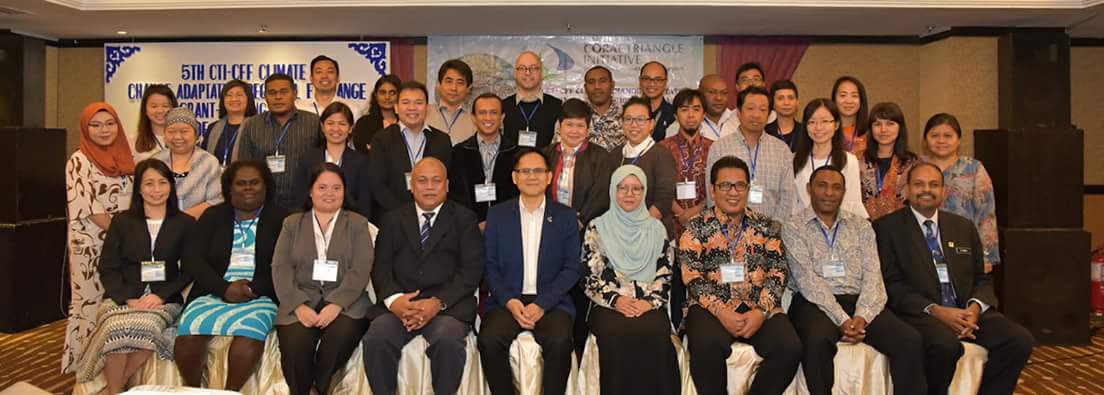
- iii. 5th CTI-CFF Discussion & Grant Writing Workshop UMS, as the CTI-CFF Sabah Branch, hosted the 5th CTI-CFF Discussion and Grant Writing Workshop with regional partners to strengthen research proposals and resource mobilisation for marine biodiversity projects. Read More
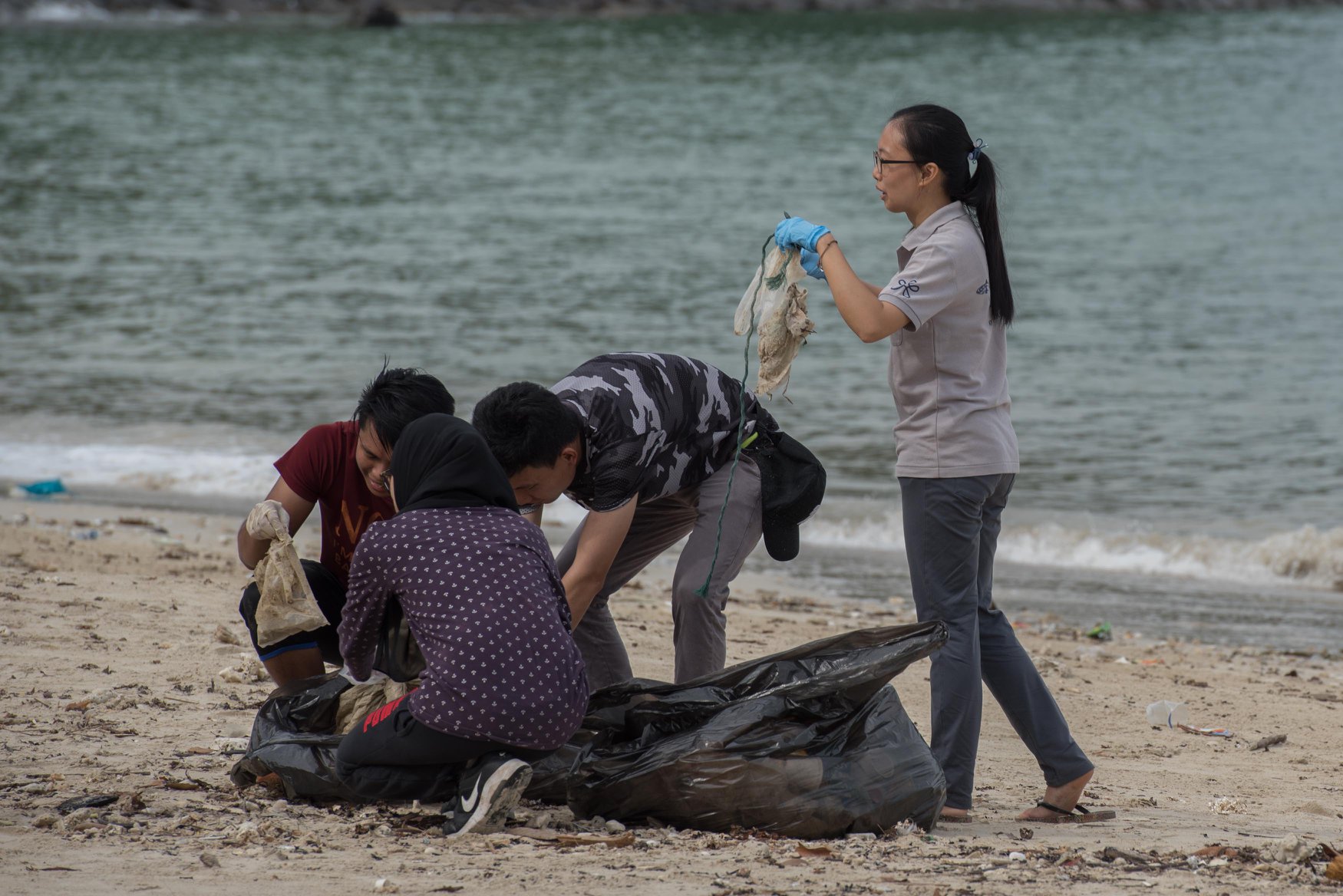
- iv. World Oceans & Coral Triangle Day Beach Clean-Up UMS’s ODEC Beach hosted a community beach clean-up in conjunction with World Oceans Day and Coral Triangle Day, mobilising students and volunteers to remove coastal litter. Read More
- vi. Virtual Ocean Celebration Series UMS hosted a regional CTI-CFF webinar highlighting coral-reef resilience, sustainable fisheries, and youth involvement in marine stewardship. Read More
- vii. Coral Triangle Day Webinar UMS hosted a regional CTI-CFF webinar highlighting coral-reef resilience, sustainable fisheries, and youth involvement in marine stewardship. Read More
- viii. World Seagrass Day Celebration UMS’s BMRI and Seagrass Guardians conducted a monitoring program at Kg Kibagu, Kota Kinabalu to document seagrass meadow health and blue-carbon potential. Read More
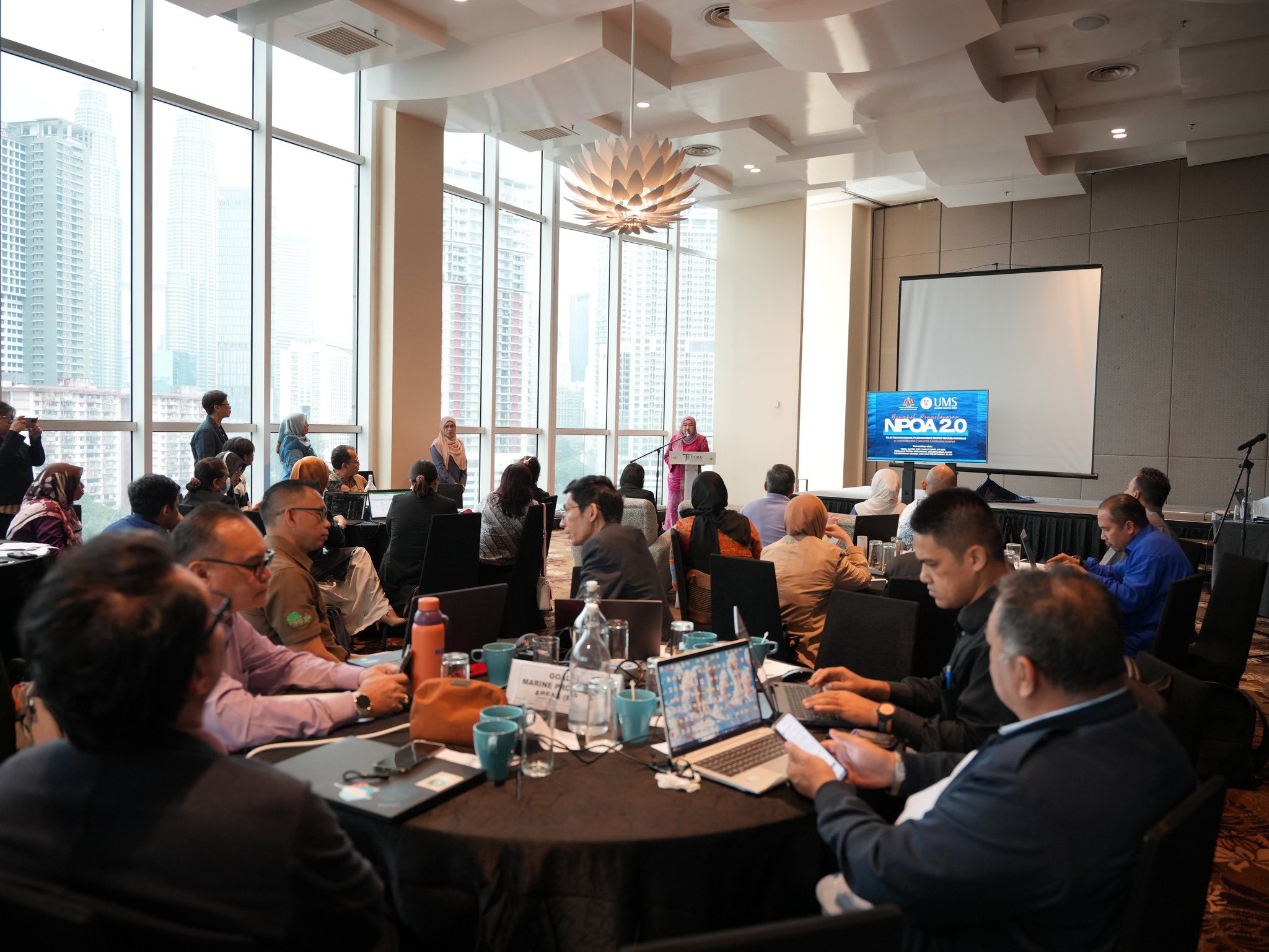
- ix. National Plan of Action CTI 2.0 Coordination Workshop (NPOA 2.0) UMS co-organised with the Ministry of Natural Resources & Environmental Sustainability (NRES) the National CTI 2.0 Workshop, officiated by Datuk Dr. Ching Thoo Kim. Read More
- x. Coral Nursery Site Launch UMS inaugurated its on-campus Coral Nursery Site (CNS), aligning with CTI and SDG efforts. The initiative creates artificial reef habitats and supports campus-based coral restoration. Read More
- xi. Waste to Worth Workshop (OC25 Series) Part of Ocean Celebration 2025, this workshop trained participants to convert marine debris and organic waste into useful materials. Read More
- xi. Webinar: Seagrass Ecosystems—Biodiversity & Conservation in Sabah Organised under CTI-CFF Goal 4, this webinar examined Sabah’s seagrass status, carbon-sequestration role, and habitat protection. Sponsored by NRES. Read More
- xi. Malaysia’s NPOA CTI-CFF 2.0 Mandate (Ongoing) BMRI UMS continues its role as Malaysia’s focal institution for drafting and coordinating the National Plan of Action CTI 2.0 (2021–2030), integrating ecosystem, policy, and community strategies. Read More
Together, these initiatives establish UMS as Malaysia’s academic epicentre for ocean sustainability within the Coral Triangle, uniting science, policy and society for a thriving marine future.