

Driving Green Growth Through Entrepreneurship, Skills Training, and Sustainable Livelihoods.


UMS - SDG 8 Decent Work and Economic Growth
Sparking innovation, securing livelihoods—UMS nurtures changemakers.
 From Campus Competency to Global Productivity
Empowering Decent Work and Resilient Economies Through Education and Collaboration
Universiti Malaysia Sabah (UMS) remains steadfast in advancing SDG 8: Decent Work and Economic Growth through a holistic approach that integrates education, innovation, research, industry collaboration, and community empowerment. UMS strategically strengthens local and regional economic resilience by enhancing graduate employability, nurturing future-ready talent, and expanding high-value partnerships with government, industry, and international institutions. Through research-led development, skills-based programmes, knowledge transfer initiatives, and institutional human capital excellence, UMS continues to foster inclusive and sustainable economic growth that benefits students, staff, industries, and communities across Sabah and the wider ASEAN region.
Where Every Role is Valued, and Every Life Matters
UMS Commitment to Decent Work and Living Income for Every Employee
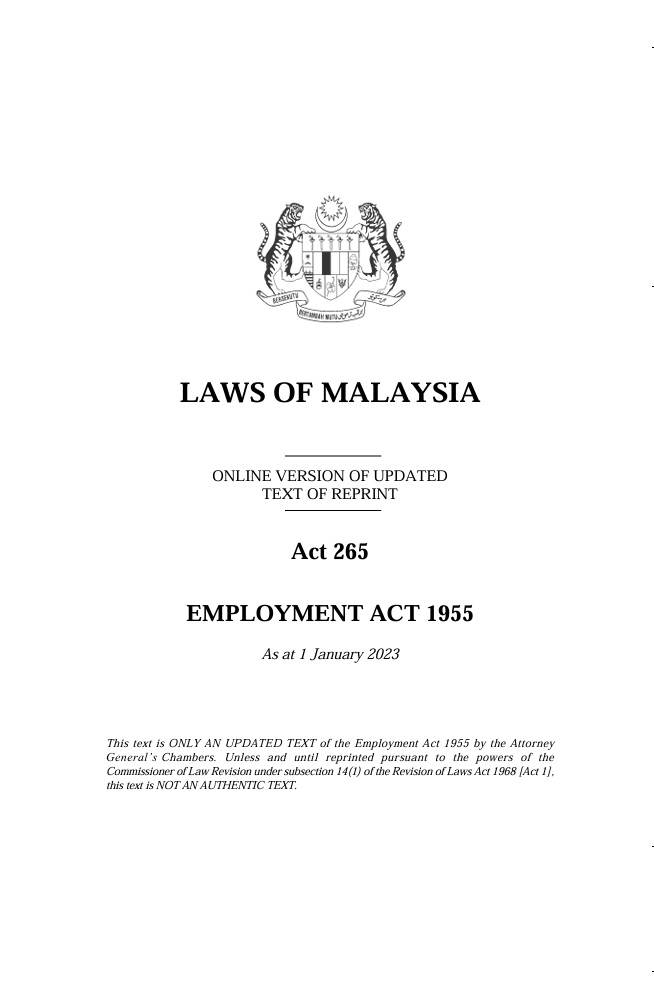
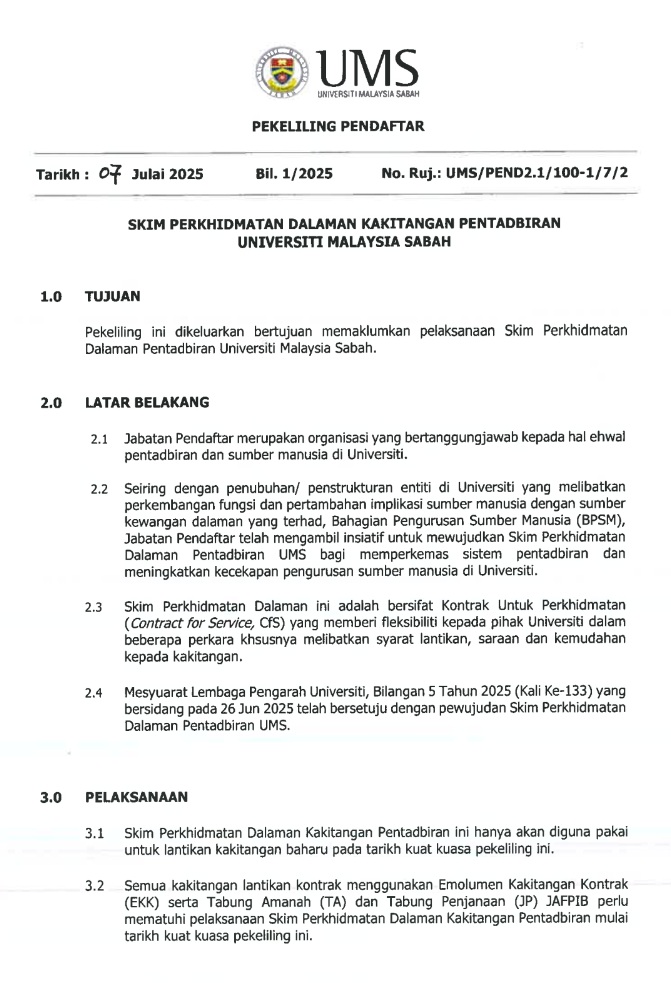
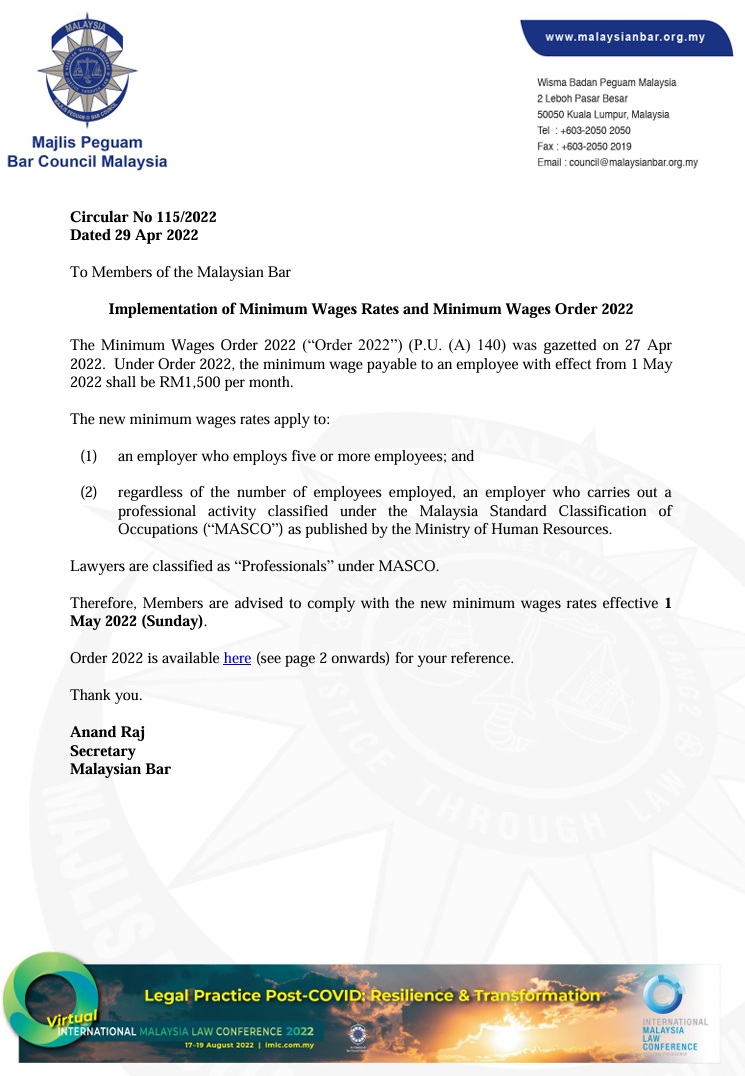
Universiti Malaysia Sabah (UMS), as a public higher education institution under the Ministry of Higher Education (MOHE), is firmly committed to promoting fair, ethical, and equitable compensation aligned with SDG 8: Decent Work and Economic Growth, particularly Indicator 8.5 — full and productive employment and decent work for all. As part of the Malaysian public service system, the remuneration structure for all academic and non-academic staff at UMS is governed by the Public Service Department (Jabatan Perkhidmatan Awam, JPA) salary framework. This system ensures that wages are set through transparent, standardized, and regulated national guidelines that consider job classification, qualifications, competency levels, responsibilities, years of service, and career progression pathways. UMS adopts a remuneration structure that is not only compliant with national legislation, including the Employment Act, Minimum Wage Orders, and related service circulars, but also reflects efforts to ensure that employees are able to maintain financial stability and access essential welfare benefits. The structure typically encompasses base salary, fixed allowances, medical benefits, leave entitlements, insurance coverage, and pension or EPF contributions depending on employment category. These benefits complement the monthly remuneration and function as social protection mechanisms that reduce vulnerability and increase long-term financial resilience. In line with the Minimum Wage Order 2022, Malaysia’s national minimum wage is set at RM1,500 per month. However, basic remuneration levels for public service positions—such as entry-level administrative, technical, and support roles—are benchmarked above minimum wage, taking into account qualification requirements, job nature, and responsibility. While base salary may vary by grade and scheme, many positions include fixed allowances such as Cost of Living Allowance (COLA), Public Service Allowance, and Special Incentive Allowances, which position the take-home pay above the minimum national requirement. Academic staff remuneration is structured based on professional qualifications, scholarly expertise, research accomplishments, and tenure, with clear promotion schemes leading to higher income brackets.
Every Voice Matters, Every Member Counts
Inclusive Labour Representation and Social Dialogue at Universiti Malaysia Sabah
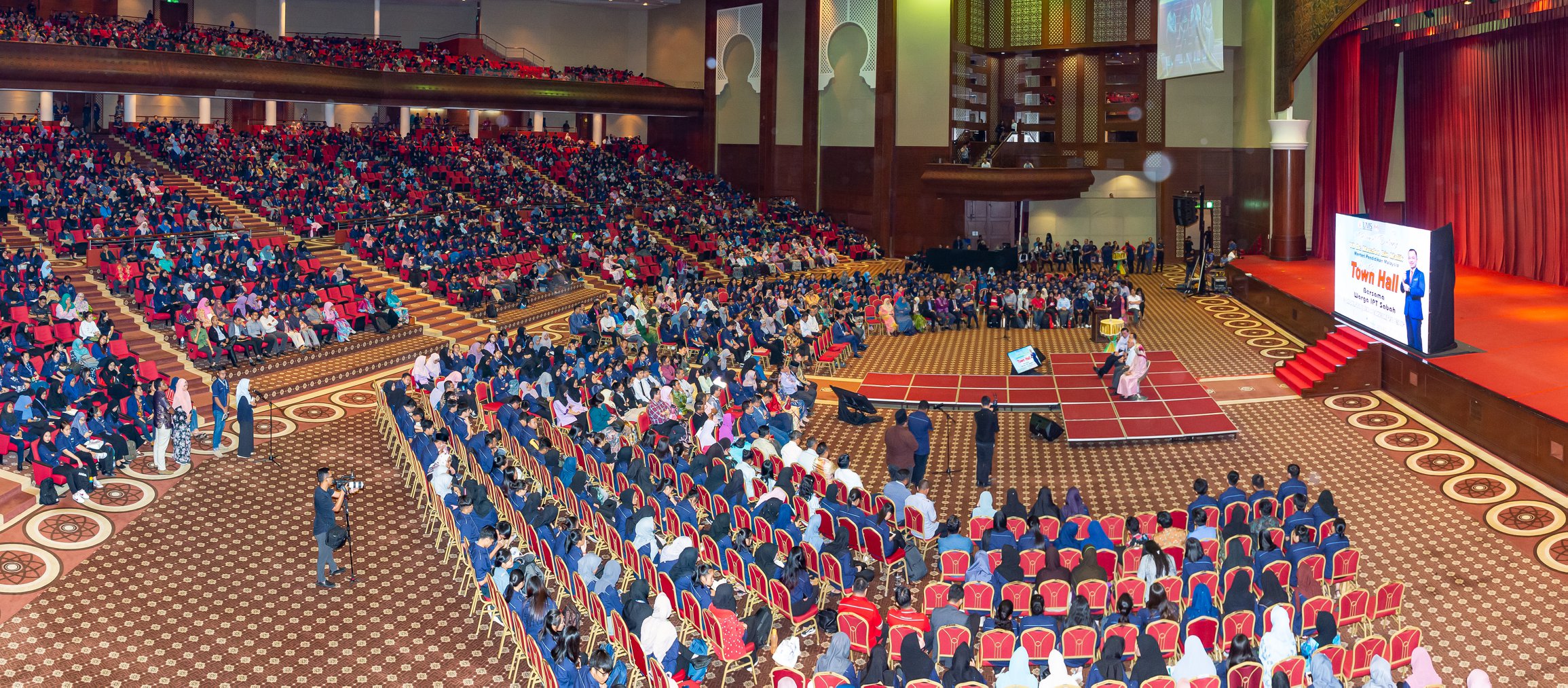
Universiti Malaysia Sabah (UMS) upholds and protects the rights of workers to freely associate, organise, and participate in recognised unions or staff associations in accordance with national labour laws, public service regulations, and international labour principles, particularly those aligned with ILO Convention No. 87 (Freedom of Association) and Industrial Relations Act 1967 (Act 177). As a public university operating under the Ministry of Higher Education and Public Service Department (JPA), UMS recognises official employee representation platforms for all categories of staff — including academic employees, support staff, women, contract-based employees, and international academic or research professionals. This recognition ensures that every staff member has an accessible avenue for consultation, advocacy, and negotiation related to welfare, working conditions, career progression, and institutional policies. The recognition of formal staff representation at UMS is reflected through multiple authorised organisations, including: This ecosystem ensures that no category of worker is excluded from representation, including female staff, early-career academics, non-permanent staff, and international teaching or research personnel — reflecting UMS’s commitment to inclusiveness, non-discrimination, and fair industrial relations. The structure is also supported by the UMS Staff Policy (2023) and Public Service Circular No. 7/2018, both of which affirm the rights of employees to raise issues through recognised channels and to participate in organisational matters affecting their welfare and professional development. Through these associations, UMS fosters a collaborative human capital model where staff engagement, consultation, and democratic dialogue are institutional norms rather than privileges. Union and association representatives frequently participate in formal engagement mechanisms such as town halls, university senate sub-committees, human resources meetings, welfare reviews, and policy consultations. This shared-governance approach ensures transparency, balanced decision-making, and alignment between institutional priorities and employee needs. The impact of recognising staff unions and associations extends across multiple dimensions:
- 1. Strengthening Employee Voice and Industrial Harmony Formal recognition reduces conflict, prevents discrimination, and provides early mediation mechanisms. Staff are encouraged to express concerns through constructive dialogue, significantly reducing grievance escalation and promoting a healthier organisational climate.
- 2. Promoting Gender Equity and Women’s Empowerment With KESUMBA as the women’s association, female staff members have structured representation that focuses on leadership pathways, maternity and family support policies, gender-sensitive facilities, and equal opportunity frameworks. Such recognition aligns with SDG 5, SDG 8, and Malaysia’s Gender Equality Policy.
- 3. Inclusion of International Academic Community The establishment of the UMS International Staff Network (ISN) ensures international mobility staff are integrated, protected, and represented, strengthening the university’s globalisation agenda and knowledge-exchange ecosystem.
- 4. Enhancing Staff Welfare and Professional Development Representatives often collaborate with UMS to improve workplace benefits, scholarship opportunities for dependents, safety mechanisms, upskilling programmes, working facilities, and wellbeing support services.
- 5. Supporting Good Governance, Compliance and Transparency Recognition is aligned with public service ethics, whistleblowing frameworks, anti-discrimination principles, and rights-based employment management, strengthening UMS’s position as a responsible, ethical employer.
-
Collectively, these structures reinforce UMS as an institution that values human dignity, mutual respect, collective intelligence, and shared prosperity. By ensuring union recognition for all, including women and foreign nationals, UMS demonstrates a strong commitment to workforce inclusivity, organisational justice, and long-term human capital sustainability.
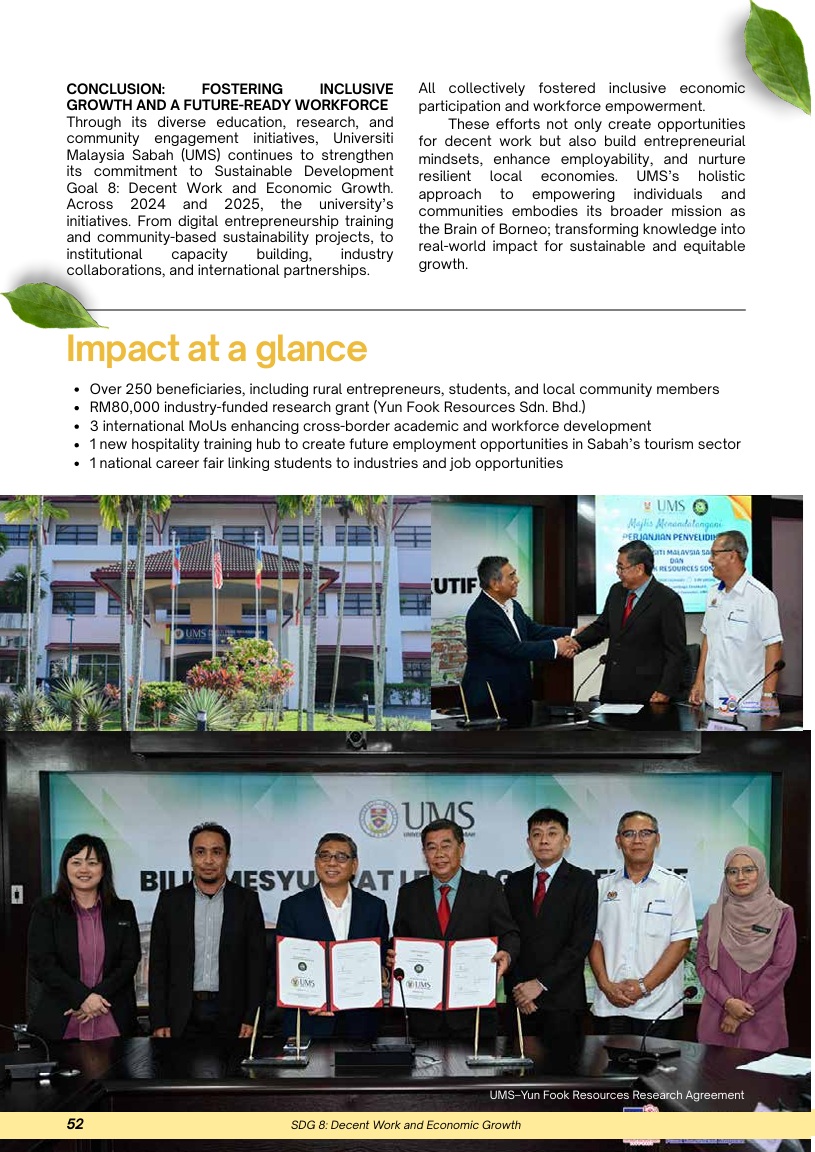
(1) PSAUMS (UMS Academic Staff Association, Persatuan Staf Akademik UMS)
Persatuan Staf Akademik UMS (PSAUMS) represents academic personnel including lecturers, academic fellows, researchers, and professional academic staff. PSAUMS focuses on safeguarding academic freedom, scholarly development, and intellectual well-being while ensuring that academic staff have proper representation in matters involving promotion pathways, research support, workload balance, sabbatical or training opportunities, and institutional policy deliberation. By promoting professional excellence and nurturing a supportive academic culture, PSAUMS contributes to the continuous improvement of teaching, research, publication, innovation output, and global academic competitiveness at UMS.Read More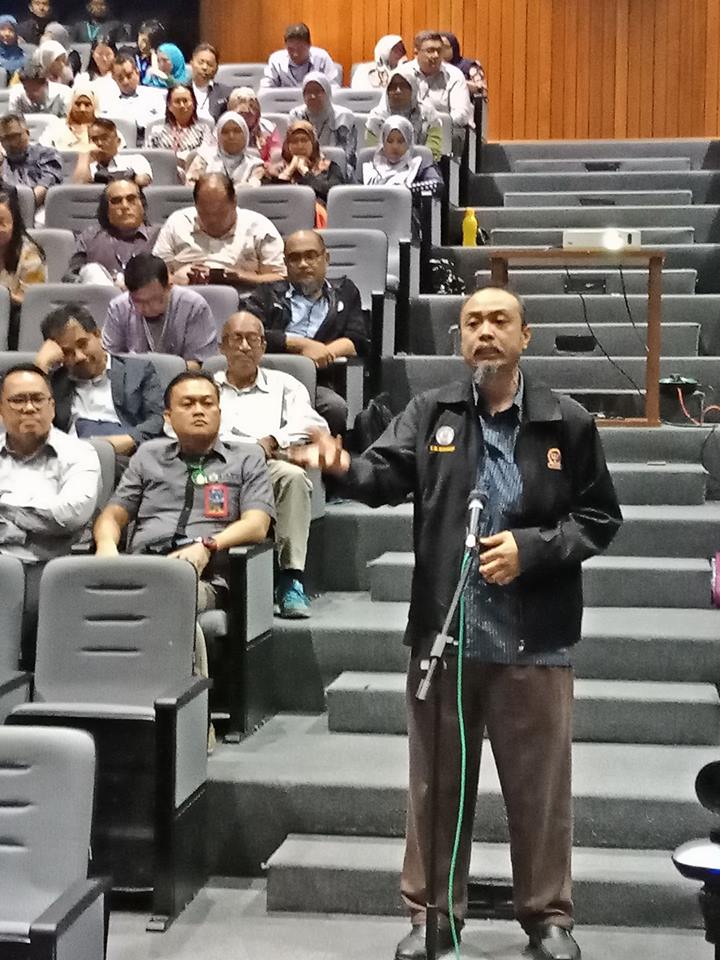
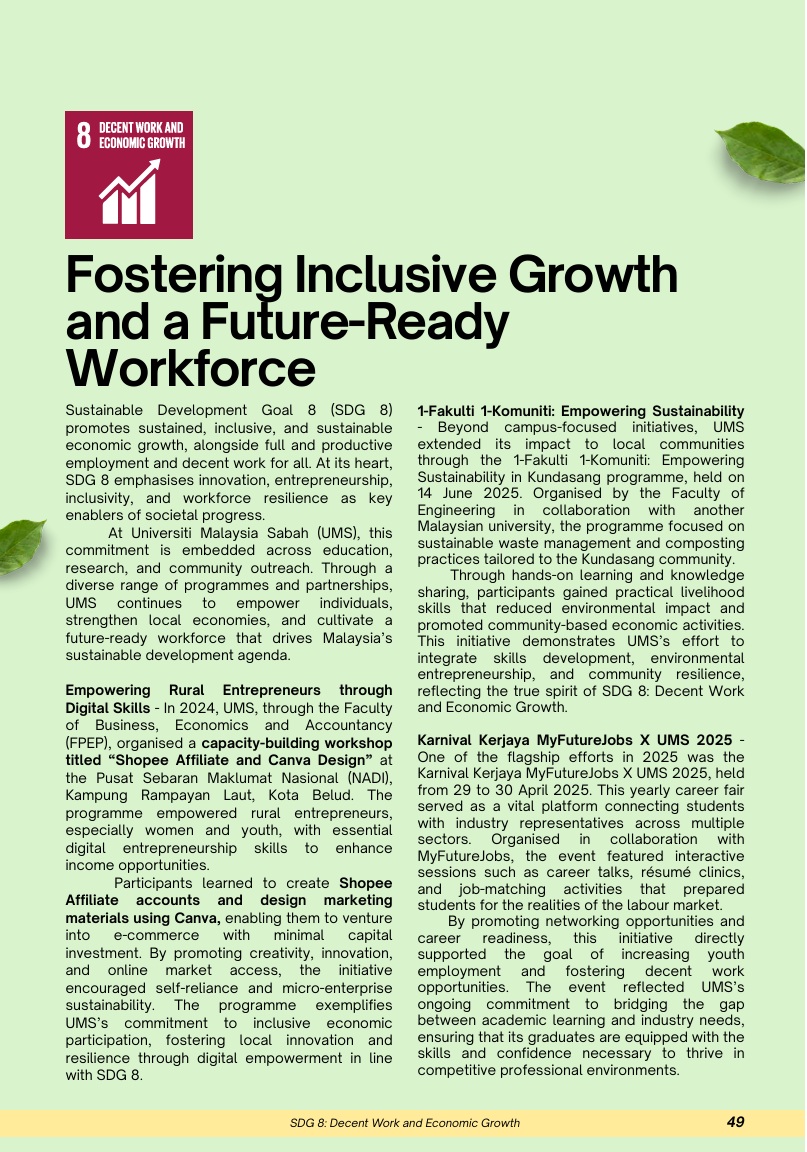
(2) KESUMBA (UMS Women's Welfare Club,Kelab Kebajikan Wanita UMS)
KESUMBA (UMS Women's Welfare Club, Kelab Kebajikan Wanita UMS) functions as a formal platform dedicated to empowering female staff members through programmes and advocacy efforts that support gender equality, leadership visibility, work–life balance, and mental and emotional well-being. The association coordinates activities related to professional development, women’s health, family empowerment, and workplace safety, reinforcing the principles of inclusivity and respect across the campus. KESUMBA also provides a safe and supportive environment for women to express views, share experiences, and seek assistance or mentorship while promoting policies that reflect fairness, empathy, and gender-sensitive workplace practices.Read More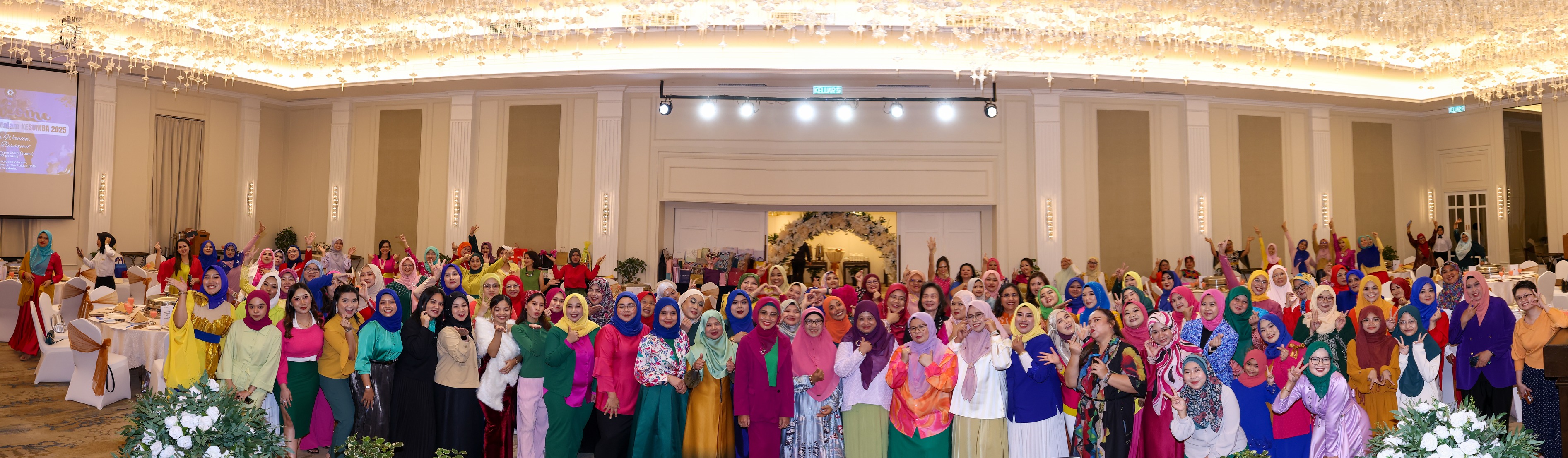
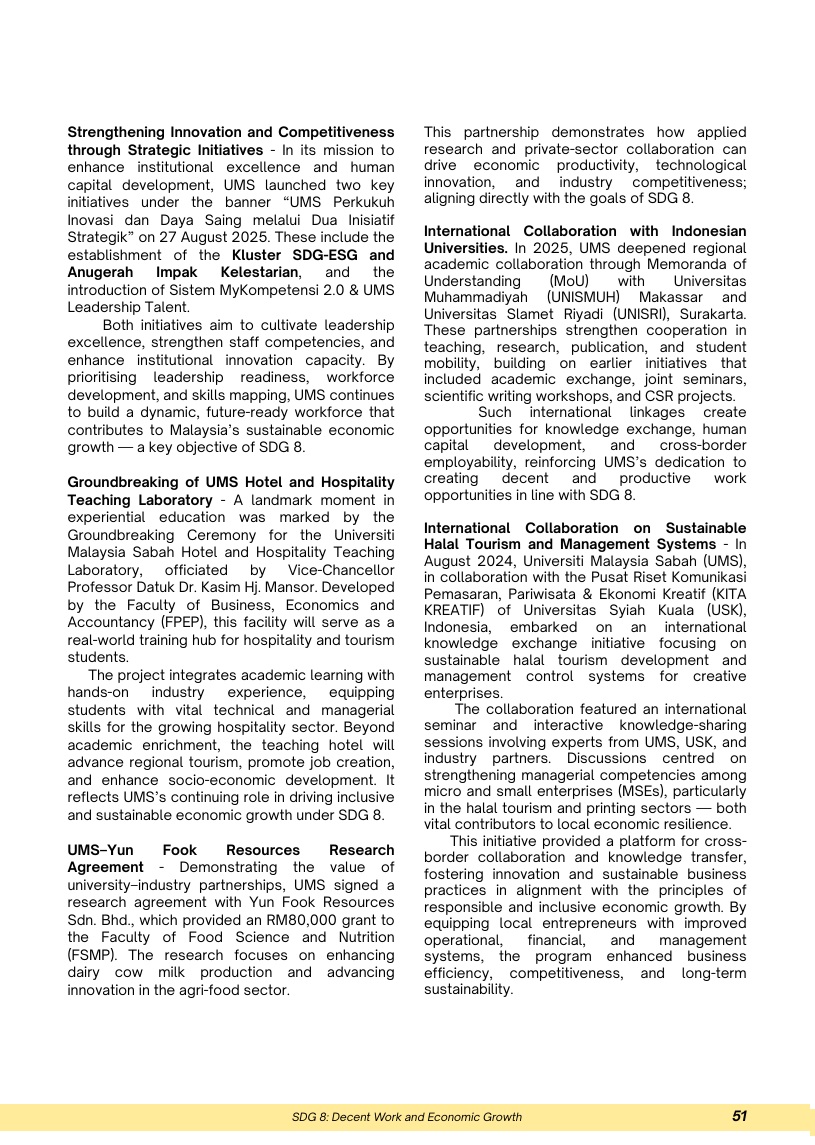
(3) KEKAUMAS (Universiti Malaysia Sabah General Staff Union, Kesatuan Kakitangan Am Universiti Malaysia Sabah)
KEKAUMAS (University Malaysia Sabah General Staff Union, Kesatuan Kakitangan Am Universiti Malaysia Sabah) represents general support staff across UMS and plays a crucial role in advocating for fair welfare policies, employment rights, and professional dignity within the institution. As an officially recognised union body, KEKAUMAS functions to ensure that non-academic and operational staff receive equitable treatment in areas such as career advancement, workload distribution, facility safety, training opportunities, benefits access, and grievance resolution. Through structured engagement with university leadership, KEKAUMAS provides a trusted channel for consultation and collective negotiation, helping strengthen labour relations, minimise workplace disputes, and improve job satisfaction. The union also promotes the upskilling and professionalisation of support staff through awareness sessions, welfare activities, and capacity-building programmes, ensuring that every employee — regardless of rank or role — is valued as a vital contributor to UMS’s growth and service excellence.Read More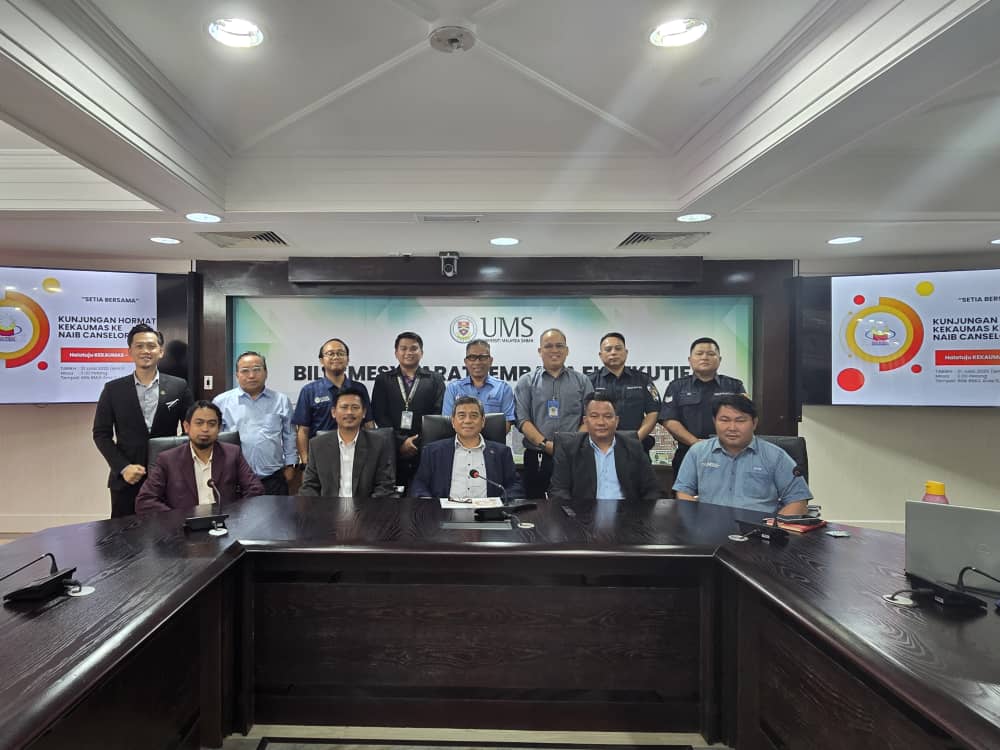
(4) National Level CUEPACS (Congress of Unions of Employees in the Public Service)
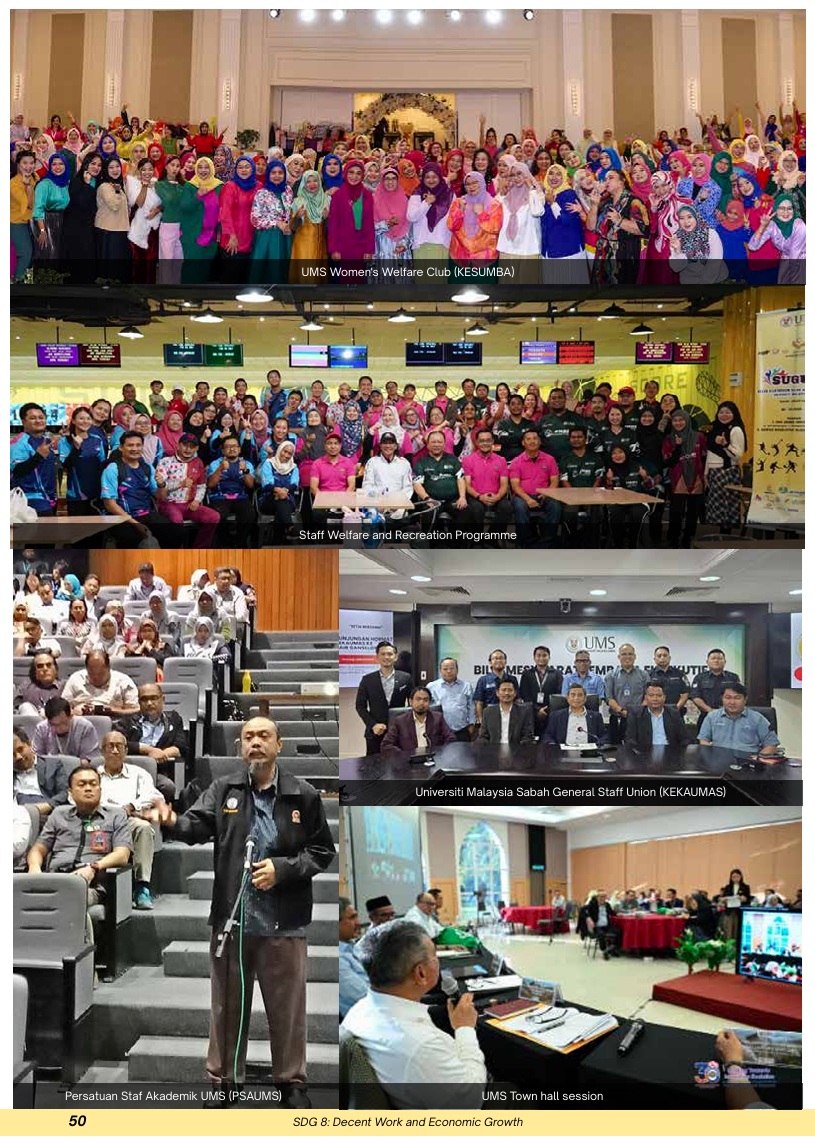
CUEPACS-affiliated unions at Universiti Malaysia Sabah serve as the primary representation body for administrative and support staff, ensuring their welfare, job security, rights, and benefits are protected under public service regulations. The union plays an active role in advocating for fair working conditions, safe workplaces, transparent performance evaluation, and equitable access to training and promotion opportunities. Through structured negotiations and official consultation channels, CUEPACS-affiliated members are empowered to voice concerns, participate in labour policy discussions, and collaborate with university management to maintain industrial harmony and organisational productivity. Read More UMS also recognises a range of professional, faculty-based, and welfare-focused associations such as Staff Welfare and Recreation Club (Kelab Kebajikan dan Rekreasi Staf, KRis) from Faculty of Science and Technology, and departmental clusters, which serve to enhance collegiality, holistic staff wellbeing, and community spirit across diverse work units. These associations organise capacity-building activities, wellness programmes, knowledge-sharing platforms, and recreational or social support initiatives that strengthen teamwork, motivation, and psychosocial resilience. By fostering an environment rooted in empathy, professional respect, collaboration, and mutual care, these groups contribute to a stronger, more cohesive workforce that aligns with UMS’s organisational culture and long-term sustainability goals.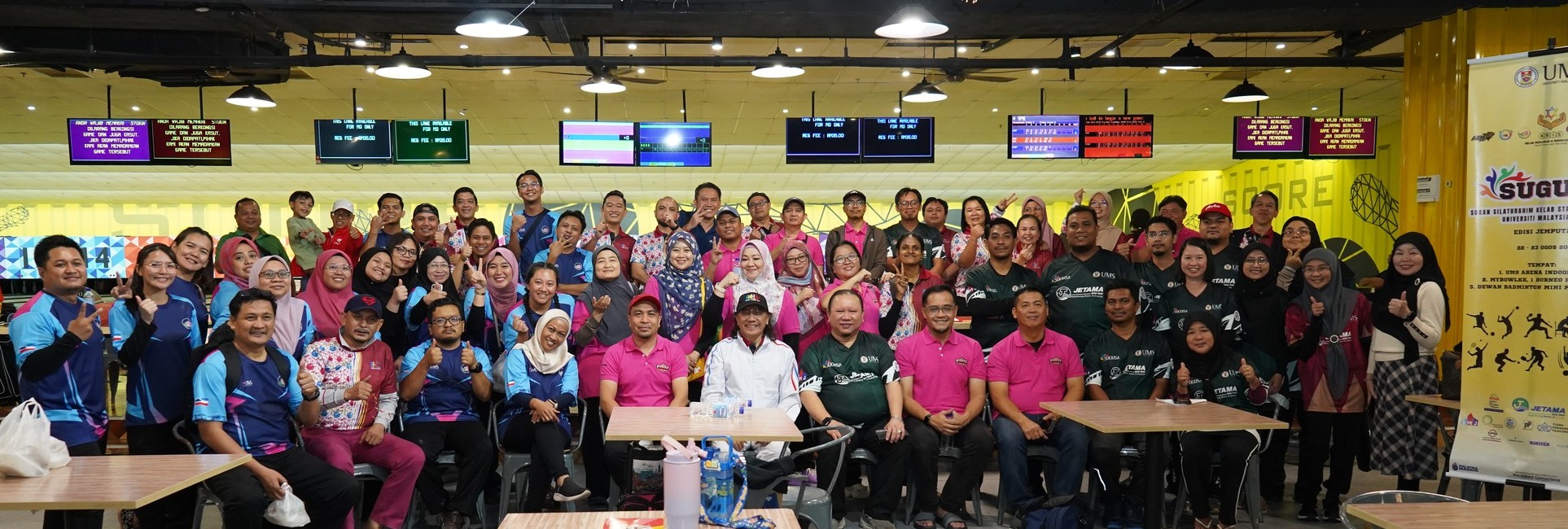
Every Individual Respected, Every Voice Protected
UMS Commitment to an Inclusive, Safe, and Non-Discriminatory Workplace
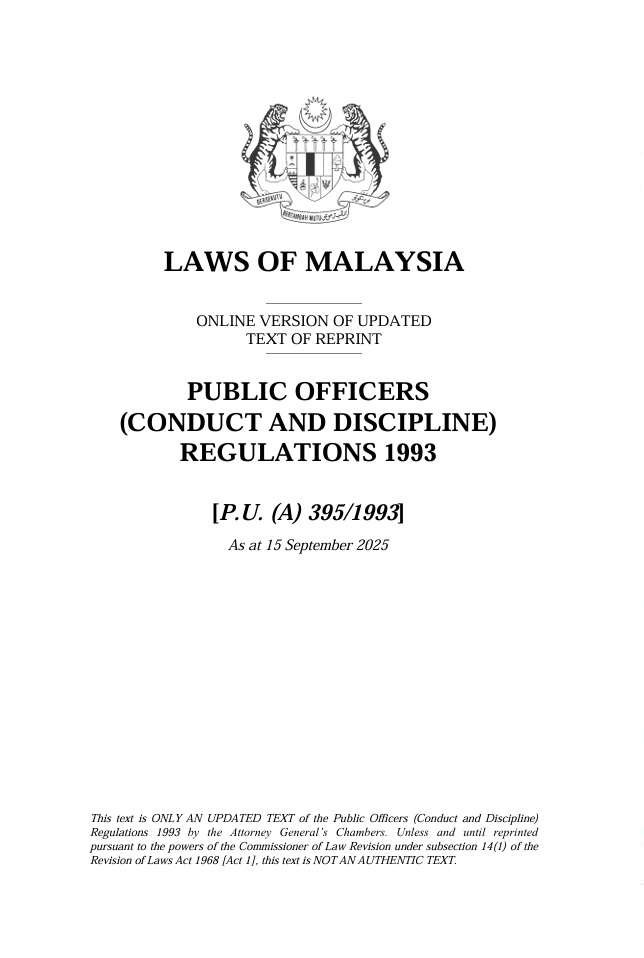
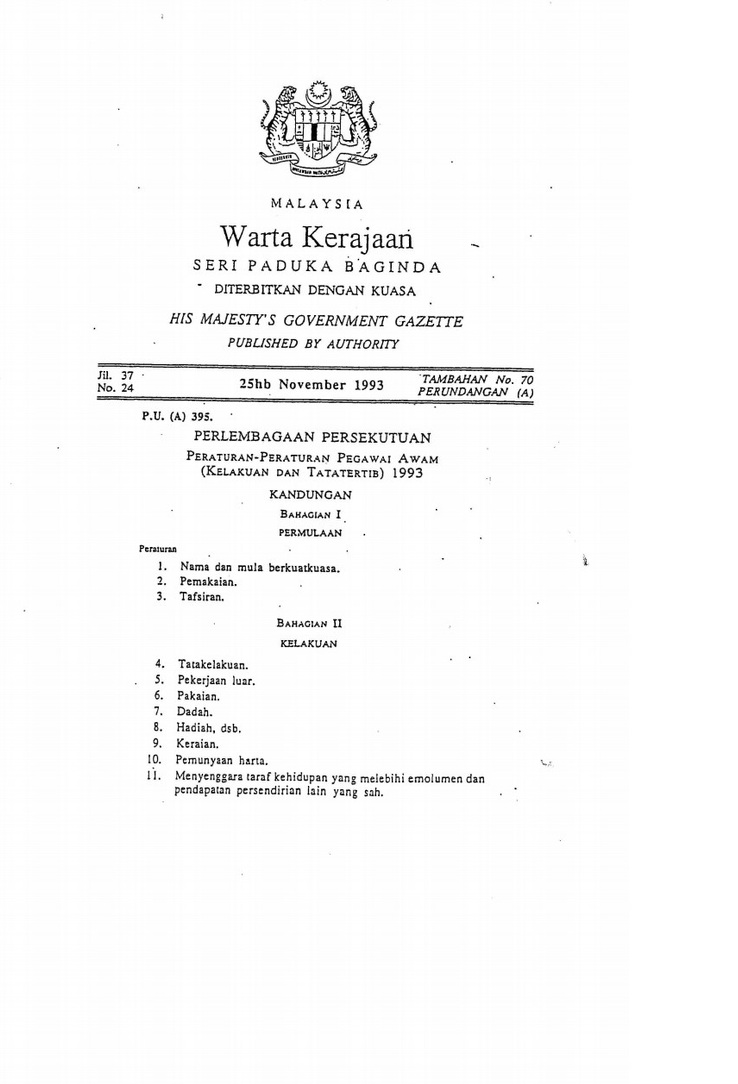
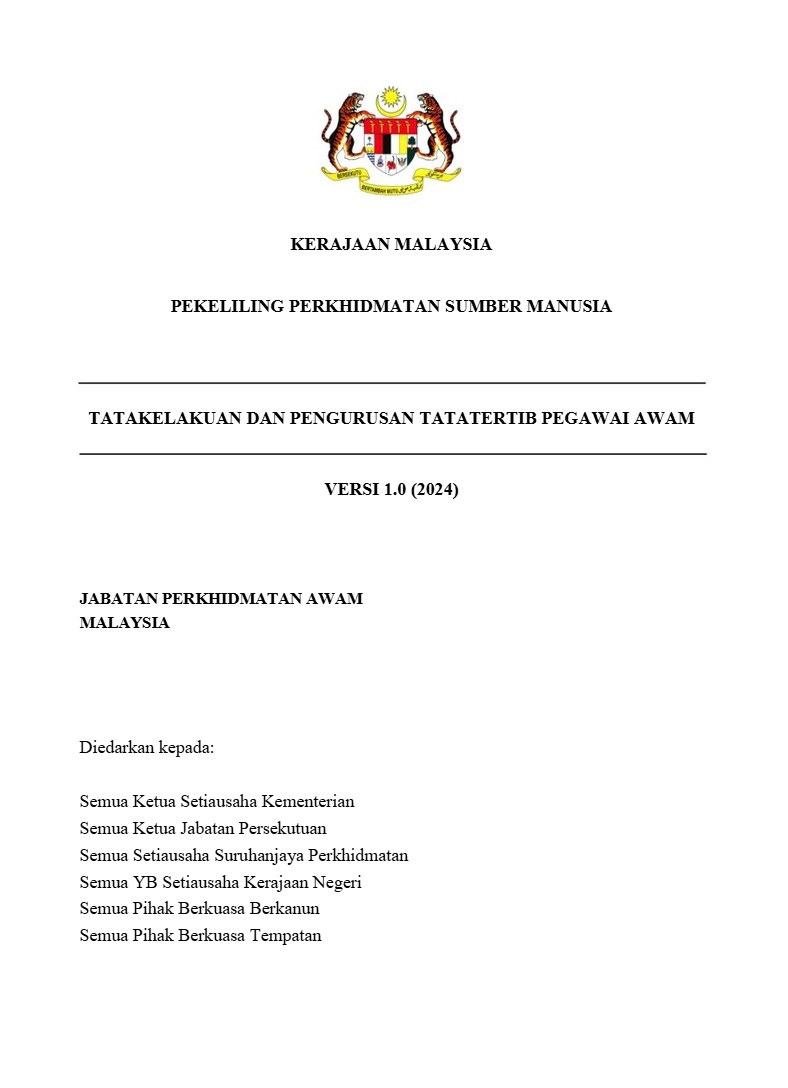
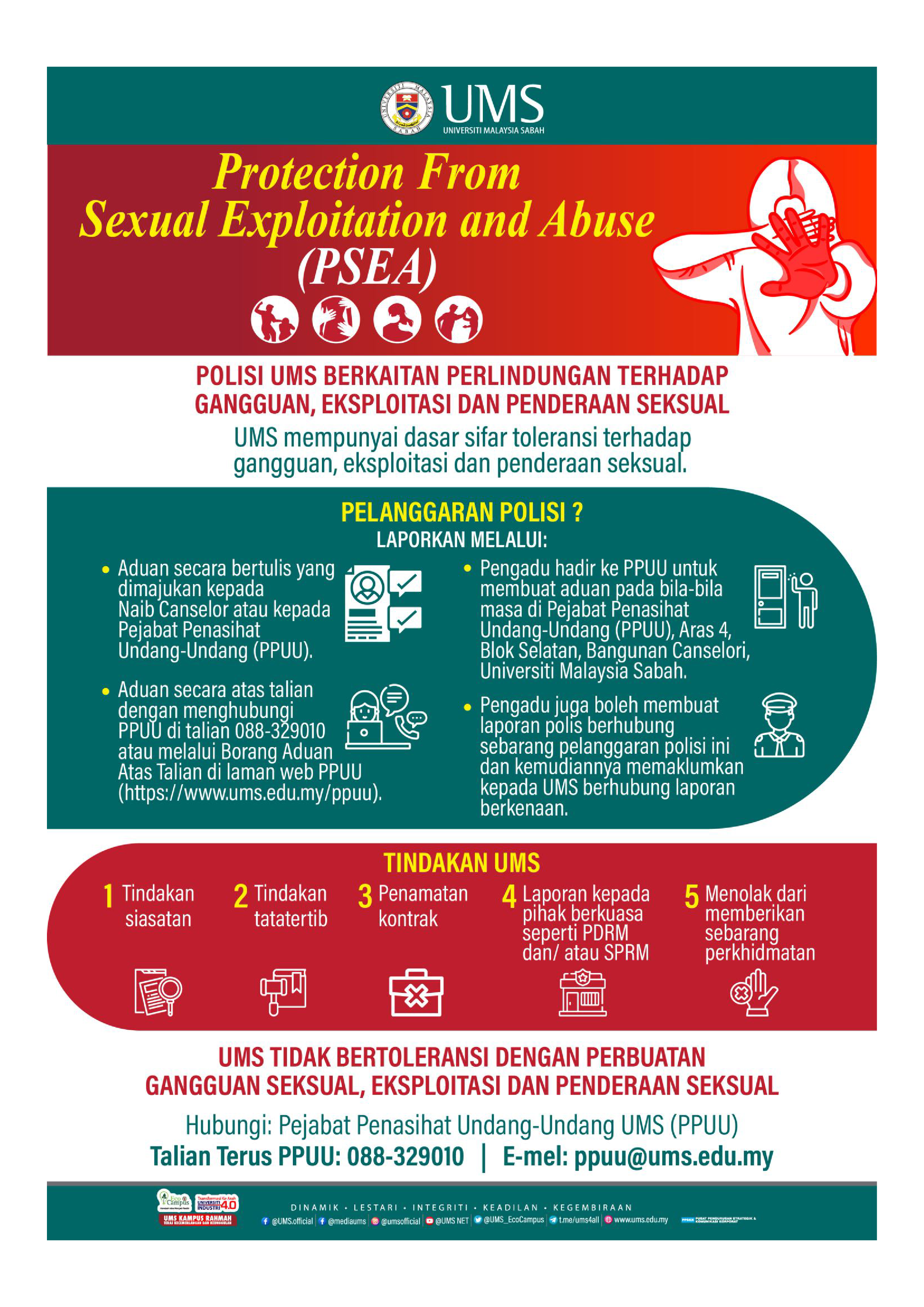
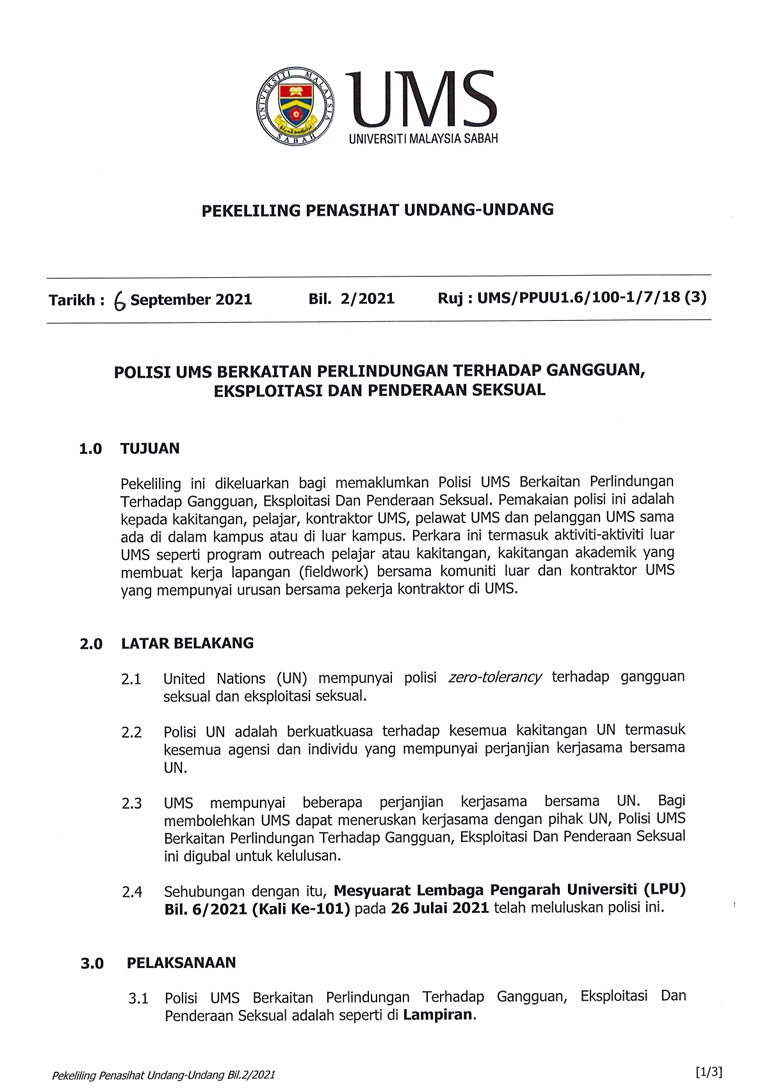
Universiti Malaysia Sabah (UMS) is fully committed to upholding human dignity, equality, fairness, and respect for all employees, recognising that a safe, inclusive, and discrimination-free workplace is essential for cultivating excellence, innovation, and long-term institutional sustainability. The university demonstrates this commitment through a zero-tolerance policy on discrimination, ensuring that no staff member or applicant is treated unfairly on the basis of religion, ethnicity, gender, sexual orientation, gender identity, age, disability status, marital status, nationality, political affiliation, social background, or health condition. Non-discrimination practices within UMS are enforced primarily through the Public Officers (Conduct and Discipline) Regulations 1993 and Peraturan-Peraturan Pegawai Awam (Kelakuan dan Tatatertib) 1993, which govern disciplinary procedures, workplace behaviour, and ethical responsibilities across all public educational institutions. These provisions prohibit harassment, intimidation, bullying, abuse of authority, or any form of discriminatory action, whether explicit or implicit. UMS further strengthens its institutional framework through policies, charters, and guidelines that reinforce inclusivity, fairness, and equal opportunities in recruitment, performance assessment, promotion, scholarship support, leadership appointment, and professional development pathways. In alignment with Malaysia’s national development agenda and the global United Nations principles on equality, UMS has developed and adopted progressive policies including the UMS Gender Equality and Inclusivity Policy, focusing on eliminating gender-based discrimination and promoting gender-sensitive decision making at all institutional levels. This policy is strengthened through awareness programmes, staff engagement sessions, and leadership accountability mechanisms that aim to prevent bias while supporting the empowerment and safety of vulnerable groups. The policy reinforces UMS’s corporate culture where merit, competence, and integrity form the foundation for employment decisions. UMS also enforces a structured protocol for the prevention, reporting, and management of sexual harassment through the Guidelines for Handling Sexual Harassment Cases (Legal Advisor Circular 1/2021). This guideline outlines confidential reporting mechanisms, victim-centred protections, evidence handling procedures, multi-agency response coordination, and disciplinary measures. Trained officers, counsellors, and legal advisors ensure that cases are handled professionally, impartially, and sensitively, while protecting the dignity, privacy, and emotional well-being of affected individuals. Anonymous reporting channels, formal inquiry panels, and support services are made available to staff, students, and visiting scholars. Complaint management is supported through multiple institutional units, ensuring transparency and fairness. Reports can be made through the Human Resource Division, Legal Office, Integrity Unit (Unit Integriti), Counselling Unit, or through formal whistleblowing procedures. Each report is assessed based on due process, evidence, and non-retaliation principles, ensuring that no complainant faces discrimination, intimidation, disciplinary disadvantage, or reputational harm for filing a report in good faith. This approach aligns with public sector integrity standards and international best practices for organisational governance The existence and enforcement of these frameworks create measurable and meaningful impacts across several domains:
- 1. Psychological safety and organisational trust Having clear anti-discrimination policies enhances confidence among employees to speak up, seek support, and participate actively in professional activities without fear of bias or retaliation.
- 2. Fair and transparent recruitment & promotion UMS emphasises merit-based progression, ensuring that opportunities for career development, scholarship, leadership roles, training, and recognition are based on ability, performance, and commitment rather than personal background factors.
- 3. Gender-responsive and inclusive culture The Gender Equality and Inclusivity Policy, combined with KESUMBA and equity-based HR planning, supports women, single parents, vulnerable staff groups, and individuals requiring reasonable workplace accommodations.
- 4. Strengthened internationalisation and talent retention By eliminating bias against nationality, language, or cultural identity, UMS supports global scholars, visiting professors, and international research collaborations, enhancing its global academic reputation.
- 5. Contribution to national and global sustainability goals UMS’s policies align with the Rukun Negara, Higher Education Blueprint 2015–2025, Human Rights Commission of Malaysia (SUHAKAM) principles, and the UN Agenda 2030, reinforcing its position as a progressive and responsible institution.
- Looking ahead, UMS continues to strengthen its anti-discrimination agenda through initiatives such as proactive awareness campaigns, inclusive leadership training, disability-friendly facilities, digital reporting systems, gender-sensitive data monitoring, and mental health support systems. This holistic approach reflects UMS’s belief that a world-class university is not defined solely by rankings or facilities, but also by its ability to uphold justice, dignity, and equality for every member of its academic community.
Merit Defines Reward — Not Gender.
UMS Commitment to Fair and Transparent Pay for All Employees
Universiti Malaysia Sabah (UMS) is committed to ensuring a fair, transparent, and merit-based remuneration system that aligns with gender equity principles, the Public Service Department (JPA) regulations, and international decent work standards under SDG 5 (Gender Equality) and SDG 8 (Decent Work and Economic Growth). As a public university governed by Malaysian civil service policies, UMS does not differentiate pay scales between male and female staff for equivalent positions or rank, and instead follows a neutral-grading salary structure that is based solely on job classification, qualifications, seniority, competency, and performance achievements. The monitoring and enforcement of gender-equitable pay practices are guided by several authoritative frameworks including the Public Officers (Appointment, Promotion and Termination of Service) Regulations 2012, Service Circular No. 1/2016 – Rationalisation of Service Schemes, and relevant provisions under the Malaysian Remuneration System (SSM). These documents standardise salary scales nationwide, preventing individual institutions—including UMS—from manipulating salary levels based on gender, personal profile, or non-professional criteria. This ensures every employee holding the same grade (e.g., DS45, DS52, VK7 for academics or N29, N41, M44 for administrative/professional staff) receives equal basic salary regardless of gender. Read More UMS further strengthens this principle through transparent performance appraisal and promotion mechanisms, where staff are evaluated using competency-based criteria including academic output, administrative contribution, research impact, innovation activities, teaching effectiveness, community engagement, professional achievements, and disciplinary record. These indicators are gender-neutral and written into HRMIS (Human Resource Management Information System), enabling systematic tracking of patterns related to promotion and progression. Through HRMIS integration, pay-related gender data such as number of promotions, scholarship opportunities, leadership appointments, and award distribution can be monitored and analysed to ensure balanced representation and to detect any structural disparities.
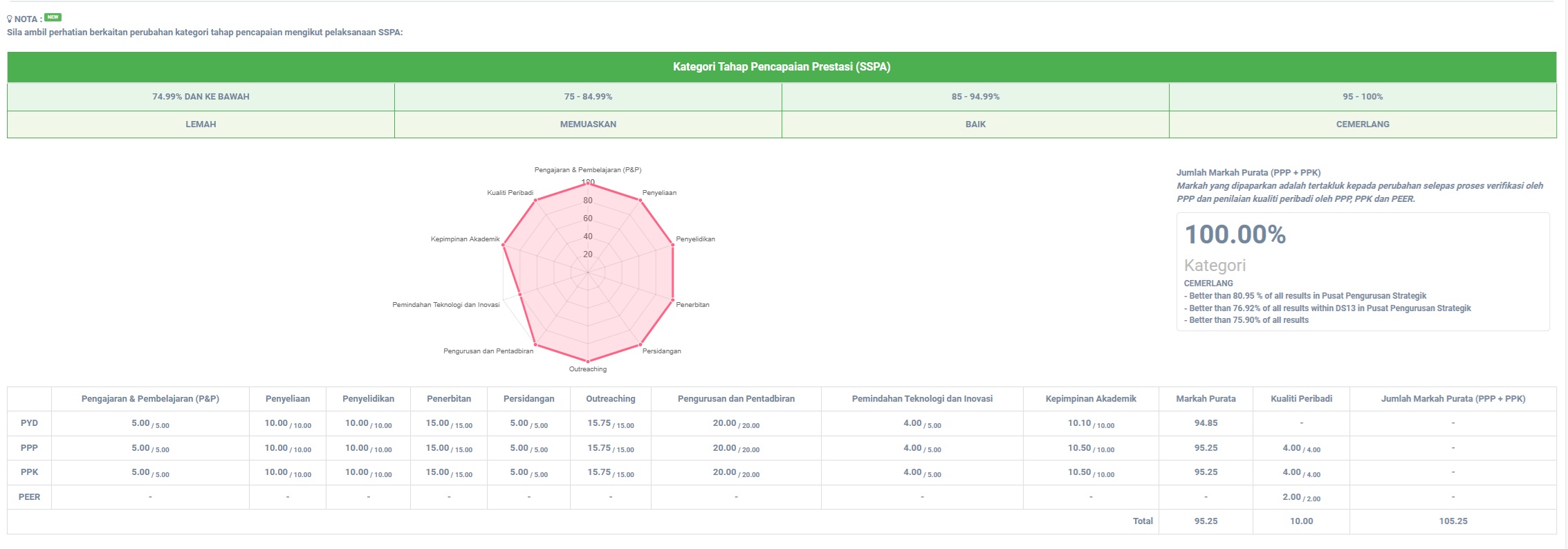
- 1. Promotes Fairness and Institutional Trust Employees are more confident in the integrity of the organisation when they know their earnings are not influenced by gender bias. This promotes psychological safety, job satisfaction, and long-term organisational loyalty.
- 2. Strengthens Female Workforce Participation and Leadership Pipeline With equitable pay guaranteed, UMS supports the empowerment and retention of qualified female scholars and administrators, contributing to national objectives to increase women’s participation in higher education leadership and STEM fields.
- 3. Enhances Institutional Competitiveness and Academic Talent Attraction A transparent pay-equity policy signals professionalism and fairness, making UMS an attractive employer for global academics and young professionals seeking a workplace that values meritocracy.
| Year | Total Academician | Female Academician | Female (%) | Male Academician | Male (%) |
|---|---|---|---|---|---|
| 2020 | 1057 | 534 | 50.52% | 523 | 49.48% |
| 2021 | 1040 | 528 | 50.77% | 512 | 49.23% |
| 2022 | 1107 | 564 | 50.95% | 543 | 49.05% |
| 2023 | 1148 | 587 | 51.13% | 561 | 48.87% |
| 2024 | 1200 | 619 | 51.58% | 581 | 48.42% |
| 2025 | 1240 | 638 | 51.45% | 602 | 48.55% |
Your Rights Matter, Your Voice Is Protected
UMS Employee Appeals and Grievance Protection Framework
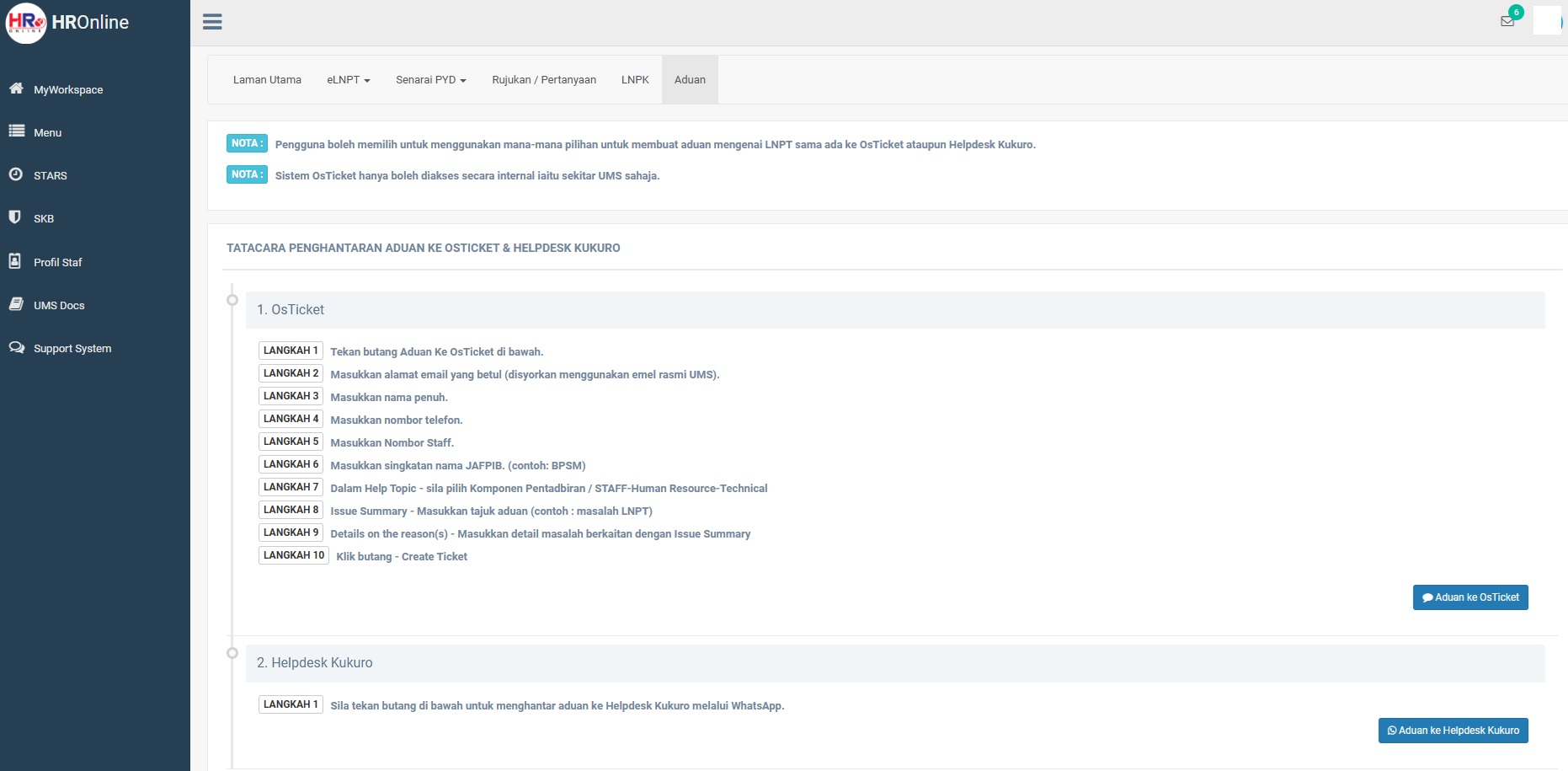
Universiti Malaysia Sabah (UMS) maintains a formal, structured, and transparent appeal and grievance resolution mechanism to protect and uphold the rights of all employees, including matters related to salary, benefits, promotion, performance appraisal, disciplinary action, working conditions, and employment status. This mechanism is aligned with national public service regulations and guided by principles of fairness, due process, confidentiality, non-retaliation, and equal opportunity, ensuring that every staff member is treated with respect and has access to a formal channel should they feel aggrieved or unfairly treated. The system applies to academic, administrative, technical, support, permanent, contract, and international staff, reflecting the university’s inclusive governance culture. UMS employees may submit appeals or grievances through multiple official channels, primarily under the Human Resource Division (Bahagian Sumber Manusia), ensuring access for employees at any level. To enhance accessibility and documentation integrity, UMS also provides a digital submission platform known as the UMS e-Respon System, which enables staff to lodge complaints, enquiries, suggestions, or appeals online with full record traceability. This system supports transparency, accountability, and monitoring while ensuring that each appeal is attended to by authorised officers and forwarded to the appropriate committee or authority. The institutional grievance and appeal procedures at UMS are aligned with the Public Officers (Appointment, Promotion and Termination of Service) Regulations 2012, which outline the rights of civil servants to be heard, to appeal promotion or disciplinary decisions, and to request formal review. Likewise, matters involving employee behaviour, disciplinary action, or administrative sanctions follow the Public Officers (Conduct and Discipline) Regulations 1993, requiring all disciplinary measures to comply with legal standards, evidence-based evaluation, and procedural fairness. These regulations ensure that decisions are never made arbitrarily and that staff are entitled to present evidence, submit documentation, request representation, and pursue further appeal escalation where applicable. When an appeal is submitted, it is reviewed through a structured decision-making hierarchy that may involve the Human Resource Division, Head of Responsibility Centre (PTj), Disciplinary Committee, and the UMS Appeal Board (Lembaga Rayuan Universiti) depending on the case category and severity. Sensitive or legally complex reports may also be managed through the UMS Legal Office, Integrity Unit (Unit Integriti), Office of Internal Audit, or relevant government agencies, ensuring that all procedures align with national ethical and legal standards. Throughout the process, confidentiality is strictly protected and retaliation is prohibited, reflecting compliance with public sector ethics and safe-reporting principles. The UMS appeal and grievance process is not only administrative, but also preventive and developmental in nature. The system supports the strengthening of trust between management and employees by demonstrating that concerns are not ignored but addressed through verified mechanisms. It also allows the institution to detect policy gaps, behavioural risks, or procedural inconsistencies which may require policy revisions or capacity-building interventions. In cases involving pay and remuneration, UMS refers to standardised salary schemes under JPA Malaysian Remuneration System (SSM), eliminating discretionary pay decisions that could lead to inequitable treatment or gender-based wage disparities.
overnance & Compliance Driven
UMS Commitment to Labour Rights, Collective Dialogue and Freedom of Association
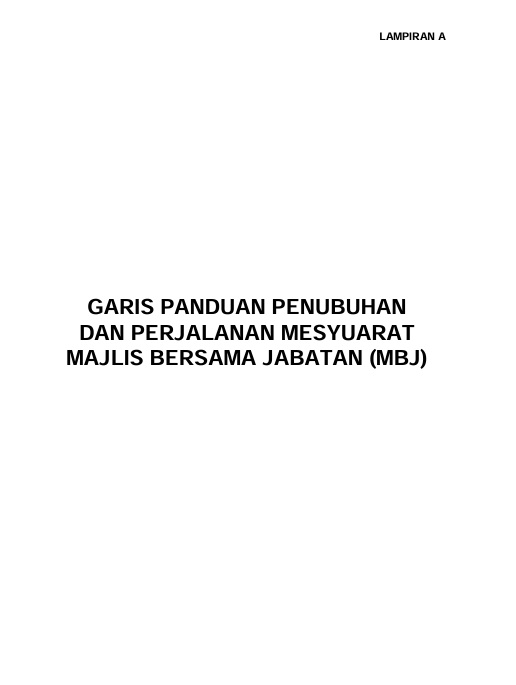
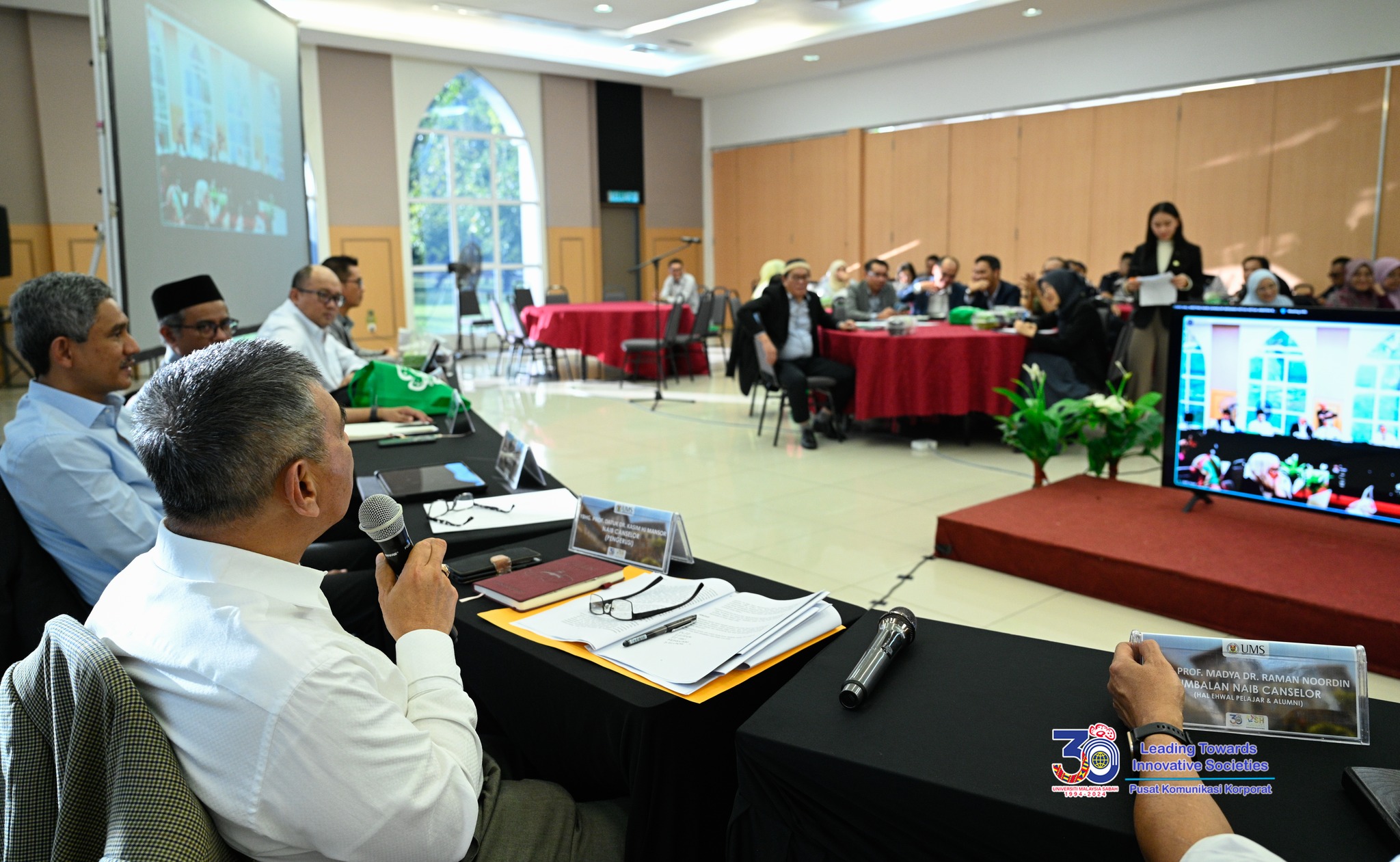
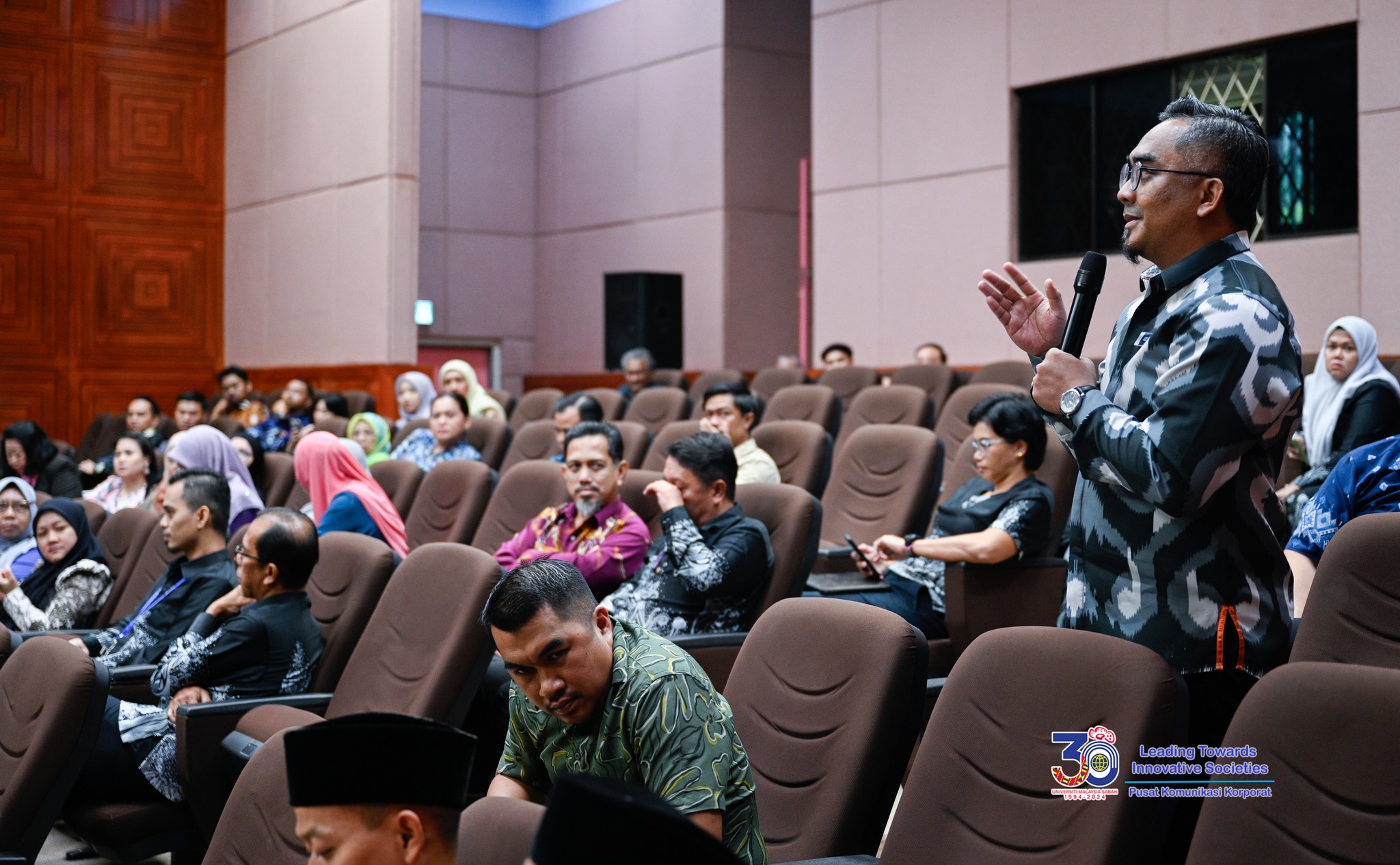
Universiti Malaysia Sabah (UMS) fully recognises and safeguards labour rights, particularly the principles of freedom of association and collective bargaining, for all categories of employees—including women, men, international academic and professional staff, contract-based employees, non-academic personnel, and administrative support staff. This commitment aligns with fundamental labour laws under the Industrial Relations Act 1967 (Act 177), which grants employees the legal right to form, join, or participate in trade unions and authorised associations without discrimination, coercion, or penalty. UMS also upholds Article 10 of the Federal Constitution, which guarantees the right to freedom of association, further reinforcing the university’s ethical and legal commitment to creating a workplace where every staff member can freely and safely participate in labour representation and advocacy. To ensure that these rights are systematically exercised, UMS implements structured labour-management dialogue through the Majlis Bersama Jabatan (MBJ), a formal consultative committee established based on the Panduan Penubuhan MBJ (JPA, Hubungan Majikan–Pekerja). The MBJ functions as the primary mechanism for employees and management to discuss and negotiate policies, welfare matters, working conditions, staff benefits, safety and health, and institutional improvement initiatives. Through this platform, staff representation is institutionalised rather than informal, enabling employees to raise matters constructively while ensuring management receives feedback grounded in collective interest. This process fosters mutual respect, industrial harmony, and shared governance. In addition to MBJ, UMS recognises membership in registered staff unions and professional bodies, such as CUEPACS-linked unions for support and administrative staff, the Persatuan Staf Akademik UMS (PPA-UMS/PSAUMS) representing academic employees, and other internal associations such as KESUMBA (women’s welfare association) and KEKAUMAS (general staff union). These entities function as legitimate labour advocacy channels that can convey concerns, facilitate collective consultation, and ensure employee voices are represented at institutional and national levels. Importantly, UMS does not restrict membership based on employment category, gender, nationality, or seniority, which demonstrates the institution’s equal and inclusive staff representation policy. UMS also ensures that international staff—including expatriate lecturers, visiting scholars, researchers, and global fellows—have access to representation and welfare. This ensures that foreign professionals receive appropriate support related to immigration matters, cultural adaptation, professional obligations, labour rights, and workplace integration. Through ISN, international staff are included in institutional conversations rather than being positioned only as external contributors. This openness supports UMS’s internationalisation agenda and creates a multicultural academic workforce in line with global higher education standards. Employee representation and labour rights at UMS are not merely symbolic; they are integrated into decision-making, institutional policy improvement, and collective welfare review. Negotiations and consultations through MBJ and unions address issues such as equitable workloads, training needs, conducive work environments, leave entitlements, safety, access to promotion, talent development, flexible work policy consideration, and welfare-based funding. When concerns arise, employees are able to engage through formal channels without fear of discrimination or retaliation, ensuring compliance with public sector integrity standards and ILO core labour principles.
SDG 8 Progress Report : Powering Change: Advancing Clean Energy Access, Innovation, and Education Across Borneo in 2024
In 2024, Universiti Malaysia Sabah (UMS) continues to champion Sustainable Development Goal 8 (Decent Work and Economic Growth) by fostering an inclusive, future-ready talent ecosystem and driving innovation-led economic development across Sabah and the wider region. Through strategic capacity-building, industry collaboration, and community-oriented entrepreneurship initiatives, UMS ensures that students, staff, and local communities benefit from meaningful economic opportunities and improved livelihoods.
By integrating employability training, entrepreneurship support, and community economic development, UMS advances a holistic model of decent work—ensuring that economic growth is inclusive, sustainable, and aligned with Sabah’s long-term development.