



From River Source to Coral Reef — Together for Sabah’s Living Landscapes
UMS–WWF Malaysia
Advancing Ecosystem Resilience & Coastal Communities in Sabah
 HOW WE WORK
UMS × WWF-Malaysia: Safeguarding Sabah’s Blue Planet
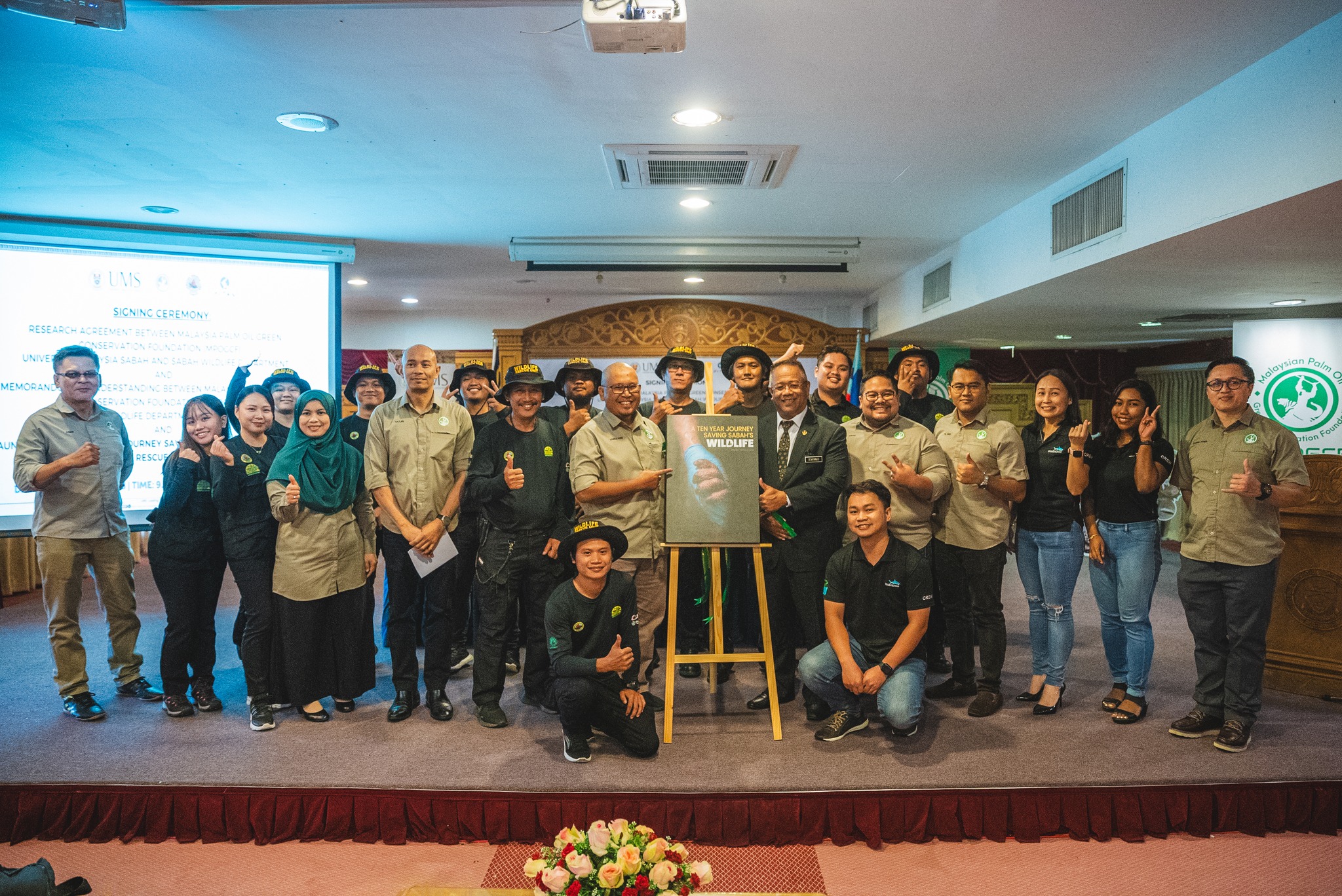
Universiti Malaysia Sabah (UMS) and WWF-Malaysia have forged a high-impact partnership that extends far beyond individual studies—together they are transforming how Sabah’s marine and coastal systems are managed, how communities build resilience, and how conservation science informs policy and practice. Through this collaboration, UMS plays a key role as the academic anchor for one of the region's most ambitious sustainability-science initiatives.
Universiti Malaysia Sabah
UMS × WWF-Malaysia: Advancing Marine, Biodiversity & Community Resilience
Universiti Malaysia Sabah (UMS) and the World Wide Fund for Nature – Malaysia (WWF-Malaysia) share a long-standing and transformative partnership dedicated to protecting Sabah’s coastal and marine ecosystems. Together, they have advanced scientific research, sustainable fisheries management, and community-driven conservation that strengthen both ecological integrity and local livelihoods.
A landmark milestone of this collaboration is the Climate Change Vulnerability Assessment of Tun Mustapha Park (TMP) — jointly produced by UMS and WWF-Malaysia — which assessed the park’s ecological and socio-economic resilience to climate impacts. The study continues to guide policy decisions and adaptive management strategies across Malaysia’s marine protected areas.
Beyond scientific research, WWF-Malaysia’s recent initiatives (2023–2025) includes active engagement in public education and environmental stewardship, including marine-biodiversity learning programmes, turtle and coral-reef conservation, and the “No Plastic in Nature” community clean-up campaigns.
These joint efforts, together with WWF-Malaysia’s broader trans-boundary learning projects in Tun Mustapha Park and the Semporna Priority Conservation Area, underscore the importance of knowledge exchange, multi-stakeholder collaboration, and community empowerment. Through this partnership, UMS stands as a leading academic partner in shaping sustainable ecosystem management and climate resilience across Sabah and the greater Borneo region.
Universiti Malaysia Sabah x WWF Malaysia
Major Initiatives & Impact
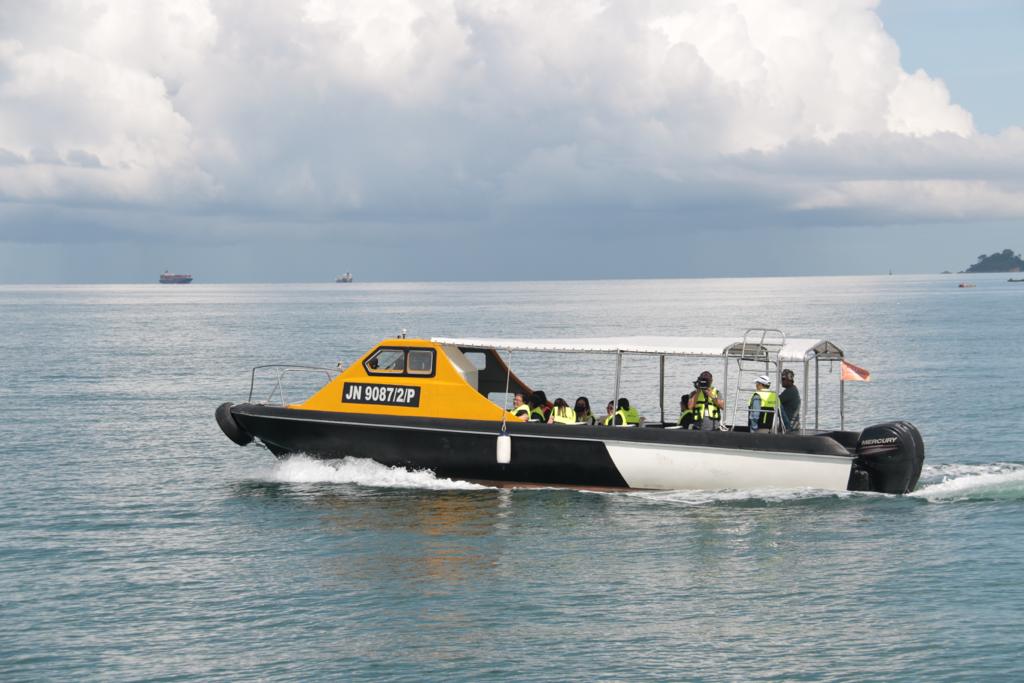
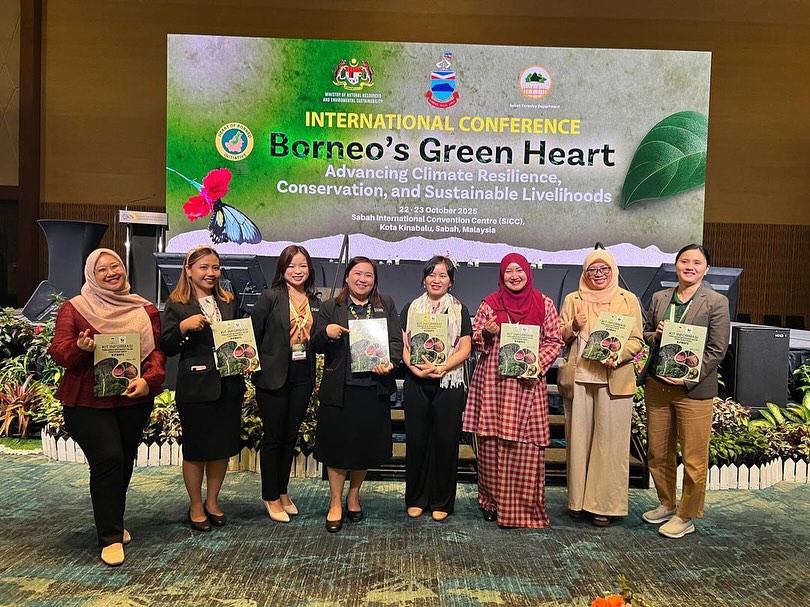
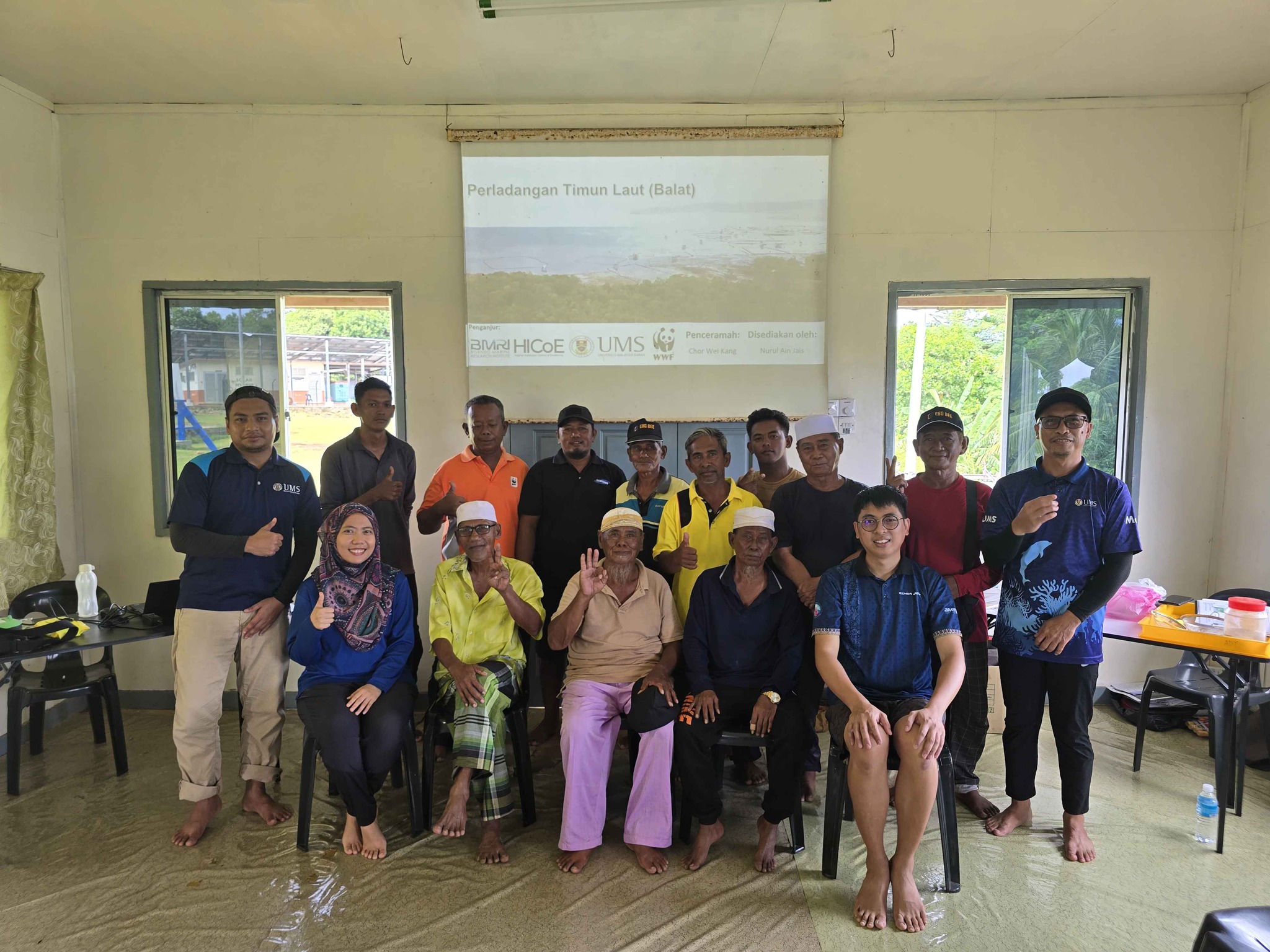
- i. Regional Climate-Risk Science & Policy The joint report Climate Change Vulnerability Assessment of Tun Mustapha Park (TMP) set a national benchmark for marine-park management, linking field data and modelling with actionable adaptation strategies for policy and planning. The study remains a cornerstone for climate-resilient governance of Malaysia’s largest marine protected area. Read More on Climate Change Vulnerability Assessment of Tun Mustapha Park (TMP) Read More on Climate Change Vulnerability Assessment of Lahad Datu’s Coastline in Sabah
- ii. Ecosystem Services for Coastal Communities Through WWF’s analytical tools (CIVAT & LEAP), UMS and WWF-Malaysia have conducted assessments in TMP, Lahad Datu, and the Semporna Priority Conservation Area. These studies guided investments in mangrove protection, coral restoration, and citizen-led biodiversity monitoring — fostering both ecological sustainability and local livelihoods. Read More
- iii. Science-to-Policy Translation Findings from the UMS–WWF collaboration are embedded in Sabah’s Marine Spatial Planning and Resiliency Frameworks, positioning UMS as a trusted partner to government, NGOs, and industries in shaping the future of sustainable blue economy development in the region. Read More
- iv. Community Resilience & Innovation Collaborative outreach — including “No Plastic in Nature” campaigns, drone-based reef monitoring, and elasmobranch tagging (UMS Project Code: GL00138) — translate academic knowledge into tangible grassroots action. These activities empower youth and local communities to champion environmental stewardship and circular economy innovations. Read More
- v. Scientific Expedition in Liwagu Sub-Catchment WWF-Malaysia and Universiti Malaysia Sabah (UMS) jointly conducted a scientific expedition in the Liwagu sub-catchment of Tambunan, Sabah, to collect baseline data on freshwater biodiversity, water quality, and riverine ecosystems. The four-day study—part of WWF-Malaysia’s long-term freshwater conservation work—established monitoring plots and fostered collaboration on sustainable catchment management, providing crucial insights for protecting the Liwagu River ecosystem and supporting community-based conservation in the Crocker Range region. Read More
- vi. Recreational Fishing for Blue-Economy Resilience Collaborative initiative between WWF‑Malaysia, Universiti Malaysia Sabah (UMS) and local partners was launched to explore responsible recreational fishing as a post-COVID-19 blue-economy livelihood for coastal communities in Sabah. The project seeks to integrate environmental stewardship with tourism and fishing practices, promoting sustainable development of marine resources and new alternative income streams for fishers Read More
- vii. Experts Assess Richness of Malaysian Coral Reefs WWF-Malaysia and Universiti Malaysia Sabah (UMS), together with regional marine scientists, conducted a 20-day expedition in the Semporna Priority Conservation Area within the Sulu-Sulawesi Marine Ecoregion to document coral and fish diversity in Malaysia’s Coral Triangle waters. The research provided critical baseline data for the conservation of coral reefs and marine species in Sabah, reinforcing regional collaboration for sustainable marine resource management. Read More
- viii. Shark Protection CollaborationThe collaborative project involving WWF‑Malaysia and Universiti Malaysia Sabah (UMS) tagged a total of nine rays and two sharks across key sites in Sabah — including the Lower Kinabatangan River, the Kudat-Banggi Priority Conservation Area and Lankayan Island. The data revealed that populations of euryhaline elasmobranchs remain very low (fewer than ten individuals recorded annually per site) and that these areas serve as critical habitats for both juvenile and adult specimens. The study recommends engaging local fishers in tagging efforts and promoting the use of circle hooks to mitigate injury and support sustainable elasmobranch management in Sabah. Read More
- x. EU Deforestation Regulation (EUDR) SeminarUniversiti Malaysia Sabah (UMS), in collaboration with WWF-Malaysia, hosted the EU Deforestation Regulation (EUDR) Seminar to raise awareness and foster dialogue on the impact of Europe’s new forest-risk commodity legislation on Malaysia’s supply chains. The seminar brought together experts from WWF-Malaysia, the Sabah Forestry Department, and academia to explore traceability systems, sustainable sourcing, and compliance readiness for palm oil, cocoa, and timber sectors. The discussion strengthened Sabah’s commitment to responsible trade and forest governance, aligning with global sustainability frameworks. Read More
From the coral reefs of Tun Mustapha Park to the forests of the Heart of Borneo, the partnership between UMS and WWF-Malaysia is a catalyst for real-world sustainability transformation. Their collaboration unites science, community engagement, and policy innovation—delivering measurable progress toward Malaysia’s national biodiversity and climate goals.