


Green cities, kind communities—UMS imagines better.

UMS - SDG 11 Sustainable Cities and Communities
Designing spaces where nature, culture, and people thrive together.
 Where culture thrives, nature breathes, and communities learn together.
Guardians of Heritage: UMS as a Living Museum of Culture, Nature, and Learning
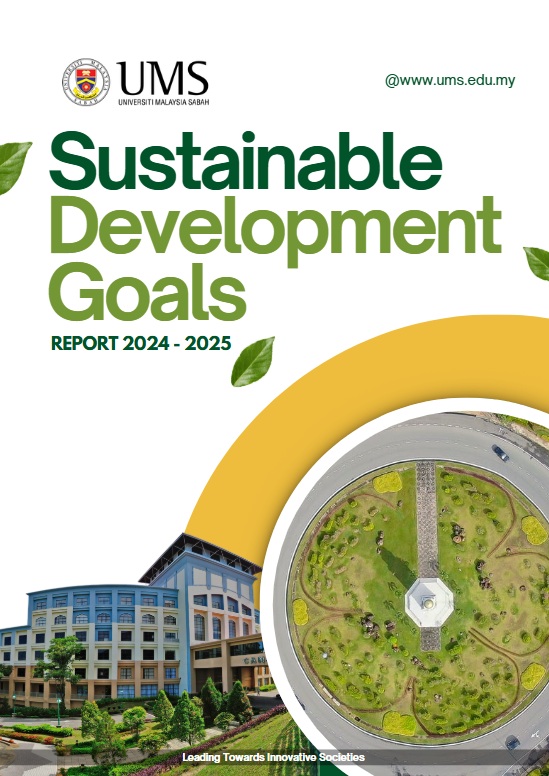
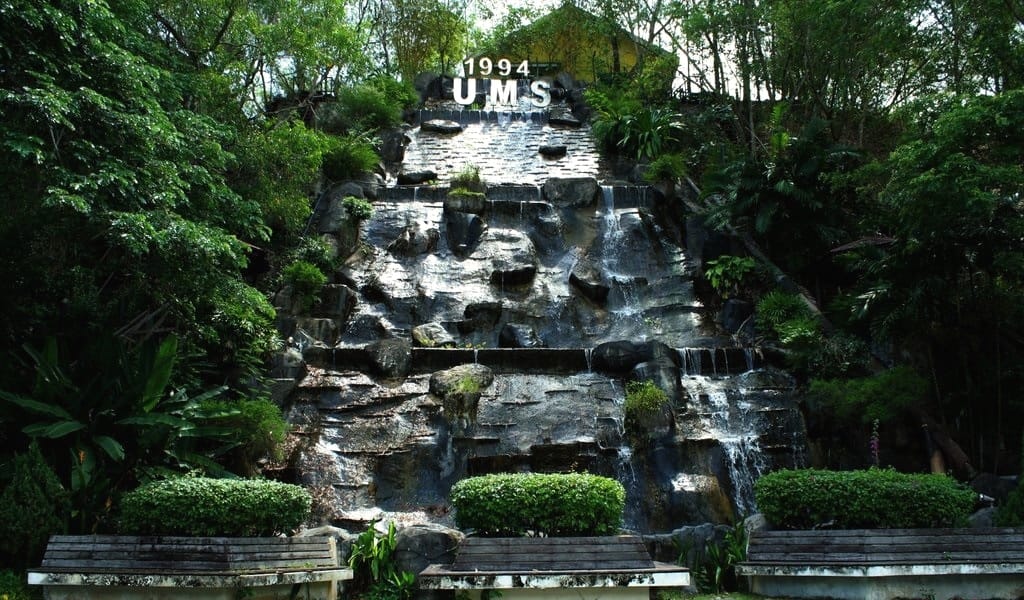
Universiti Malaysia Sabah (UMS) continues to illuminate its role as a transformative institution that nurtures inclusive, safe, resilient, and sustainable communities across Sabah. Since the establishment on 1994, UMS led a wide range of programmes, partnerships, and cultural initiatives that strengthen the bond between university, society, and the environment, demonstrating how education can become the heartbeat of sustainable cities and communities.
Preserving Borneo’s soul through education, access, and community engagement.
Open Doors, Open Knowledge: UMS as a Public Space for Cultural & Natural Heritage
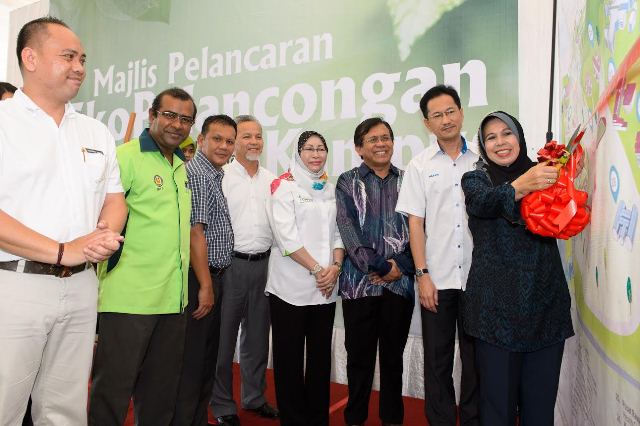
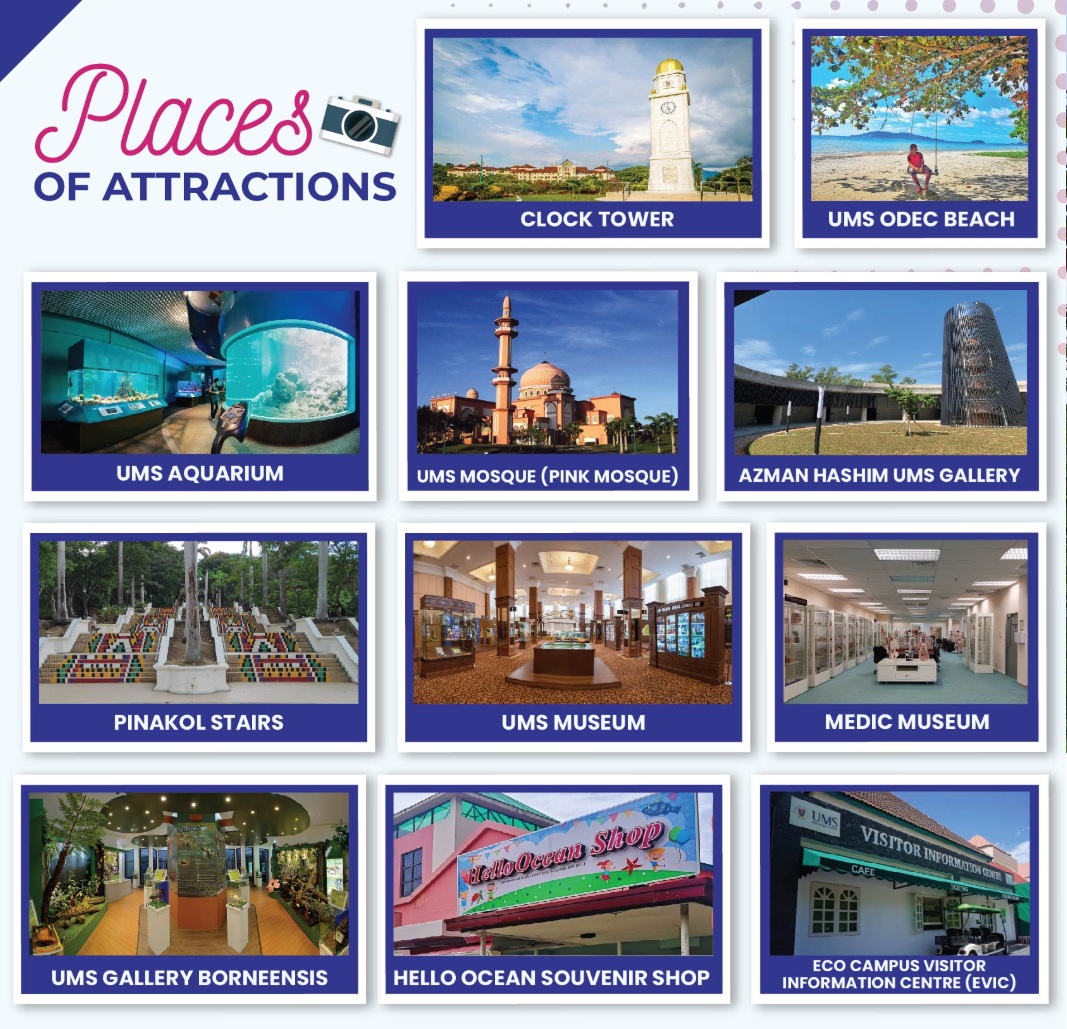
Universiti Malaysia Sabah (UMS) stands as one of Malaysia’s most distinctive higher education institutions for its strong commitment to cultural heritage protection, environmental stewardship, and public accessibility—principles central to SDG 11: Sustainable Cities and Communities. UMS made national history in September 2015 when it was officially launched as Malaysia’s first ecotourism university in conjunction with World Tourism Day, signalling a long-term vision to integrate education, sustainable tourism, cultural conservation, and community engagement. Since this milestone, UMS has positioned itself not merely as a centre for academic excellence, but as an inclusive public gateway to Borneo’s cultural treasures, natural landscapes, and shared historical memory. Through its open-access buildings, monuments, museums, and nature-based living laboratories, UMS strengthens urban and community sustainability by creating safe, educational, and culturally vibrant public spaces. These facilities—ranging from heritage museums and aquariums to forest trails and eco-labs—promote social inclusivity, cultural continuity, environmental awareness, and accessible learning opportunities for all. This commitment reflects UMS’s belief that heritage—whether cultural, architectural, or ecological—must be preserved through public participation, responsible tourism, and lifelong education, reinforcing the goals of SDG 11 by fostering resilient, inclusive, and sustainable communities across Sabah and beyond.
Empowering communities through open libraries, open access, and open futures.
Knowledge for All: UMS Libraries and Digital Platforms as Public Learning Spaces
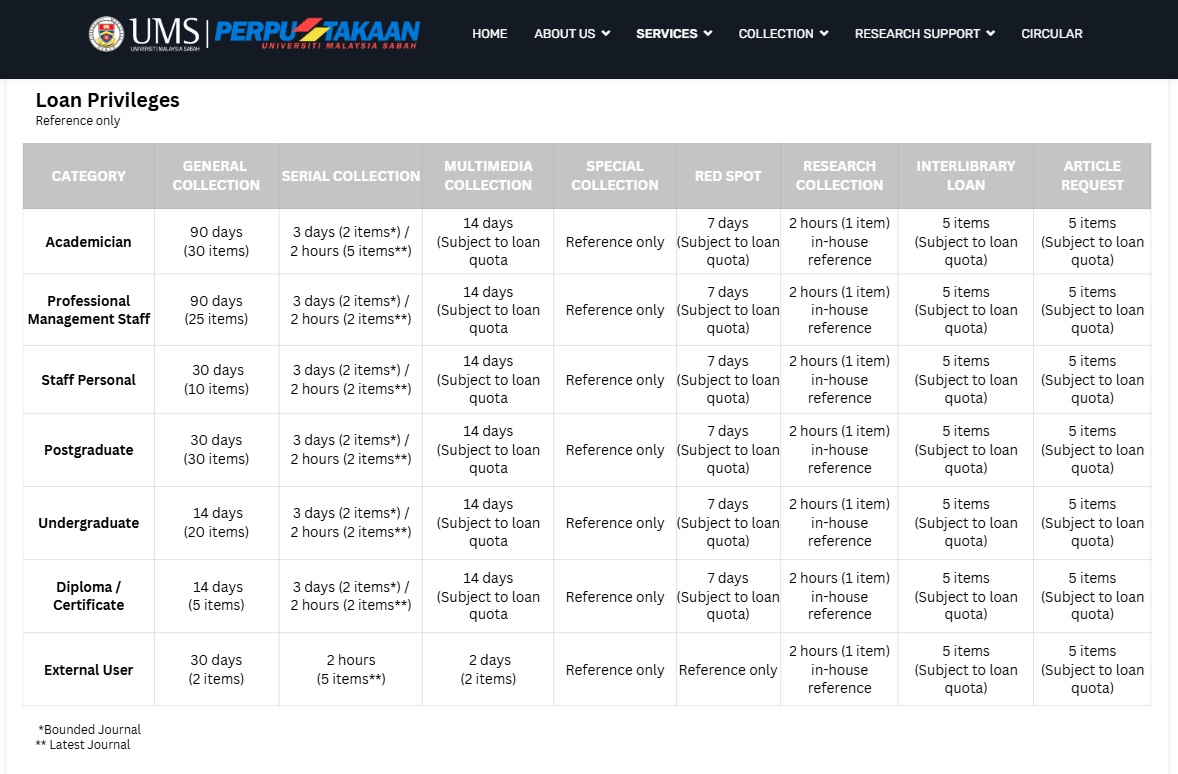
Universiti Malaysia Sabah (UMS) has long upheld the belief that access to information is a fundamental right and a critical pillar of sustainable community development. In line with SDG 11: Sustainable Cities and Communities, specifically Target 11.4 on safeguarding cultural and educational heritage and Target 11.7 on inclusive public spaces, UMS provides extensive, equitable, and publicly accessible library services that benefit not only its academic community but also the broader society in Sabah and Malaysia. Through physical libraries, digital repositories, open educational platforms, and community-oriented learning spaces, UMS positions itself as a regional open-knowledge hub that supports lifelong learning, public literacy, and inclusive intellectual growth.
Libraries as Inclusive Public Learning Spaces for All
iOER Portal: Inclusive Open Educational Resources Repository
Democratising Research Through Open Repositories
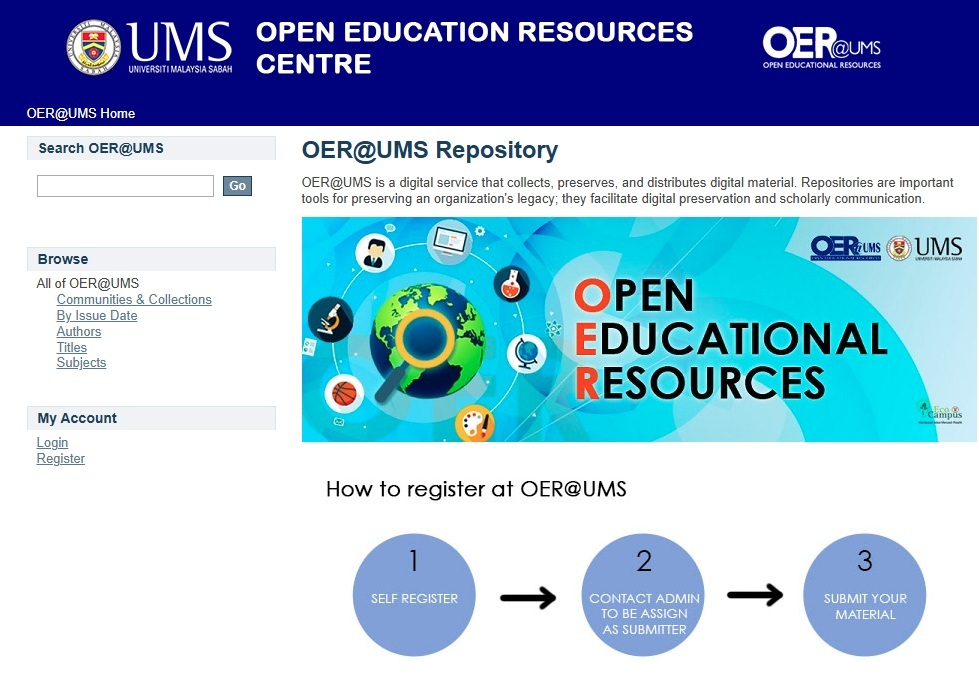
Another major component of UMS’s commitment to open knowledge is the UMS Digital Repository (ePrints)- the UMS Institutional Repository and UMS Open Education Resource Centre (OER@UMS Respository), both of which provide free public access to academic theses, dissertations, working papers, journal articles, and conference publications authored by UMS scholars. These platforms democratise access to research findings, ensuring that knowledge generated at UMS contributes to national and global scholarly communities. For local communities, especially teachers, NGOs, and government agencies, these repositories offer valuable reference materials that support educational planning, community projects, and public policy development.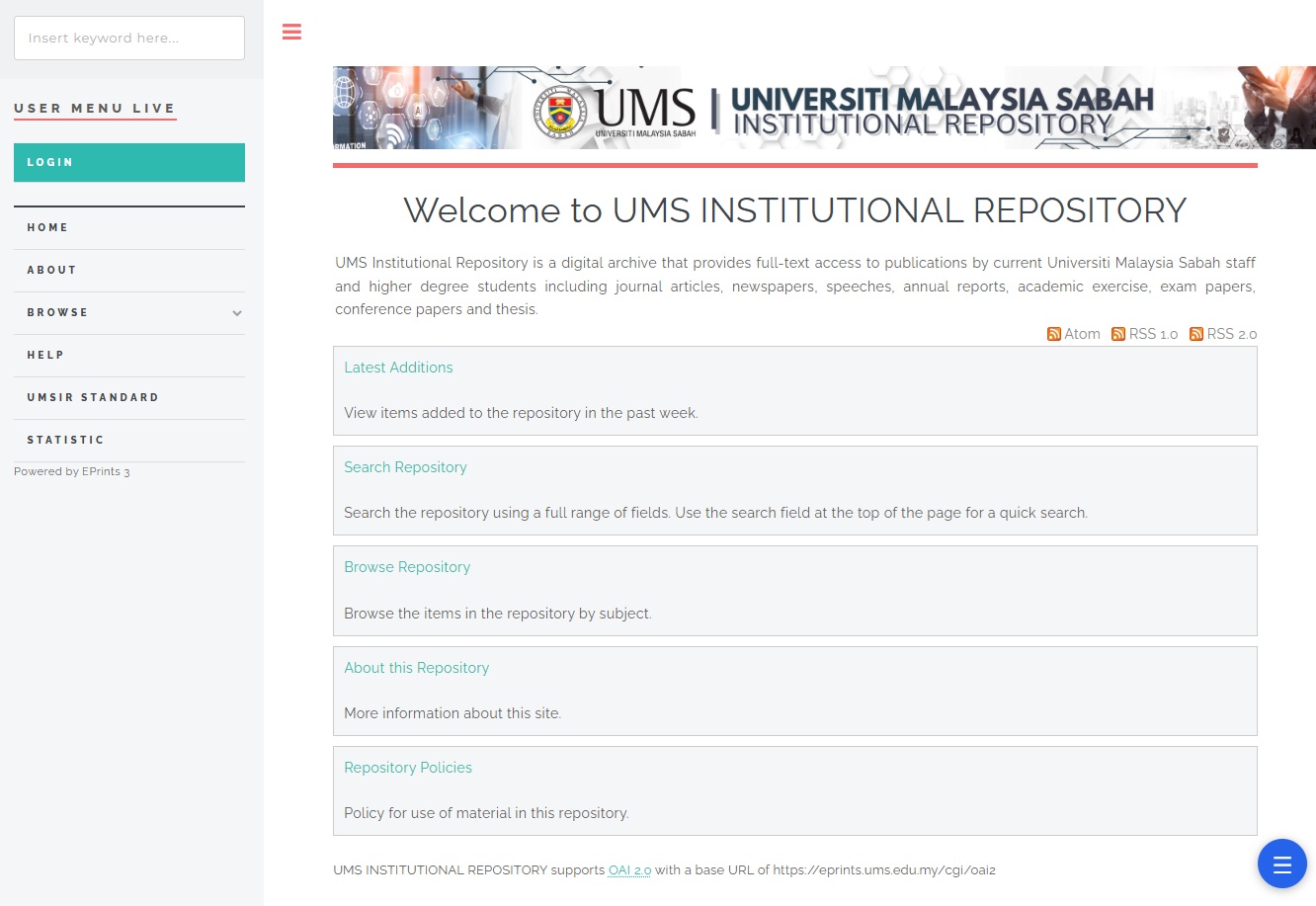
Inspiring Youth Through STEM Innovation and Discovery
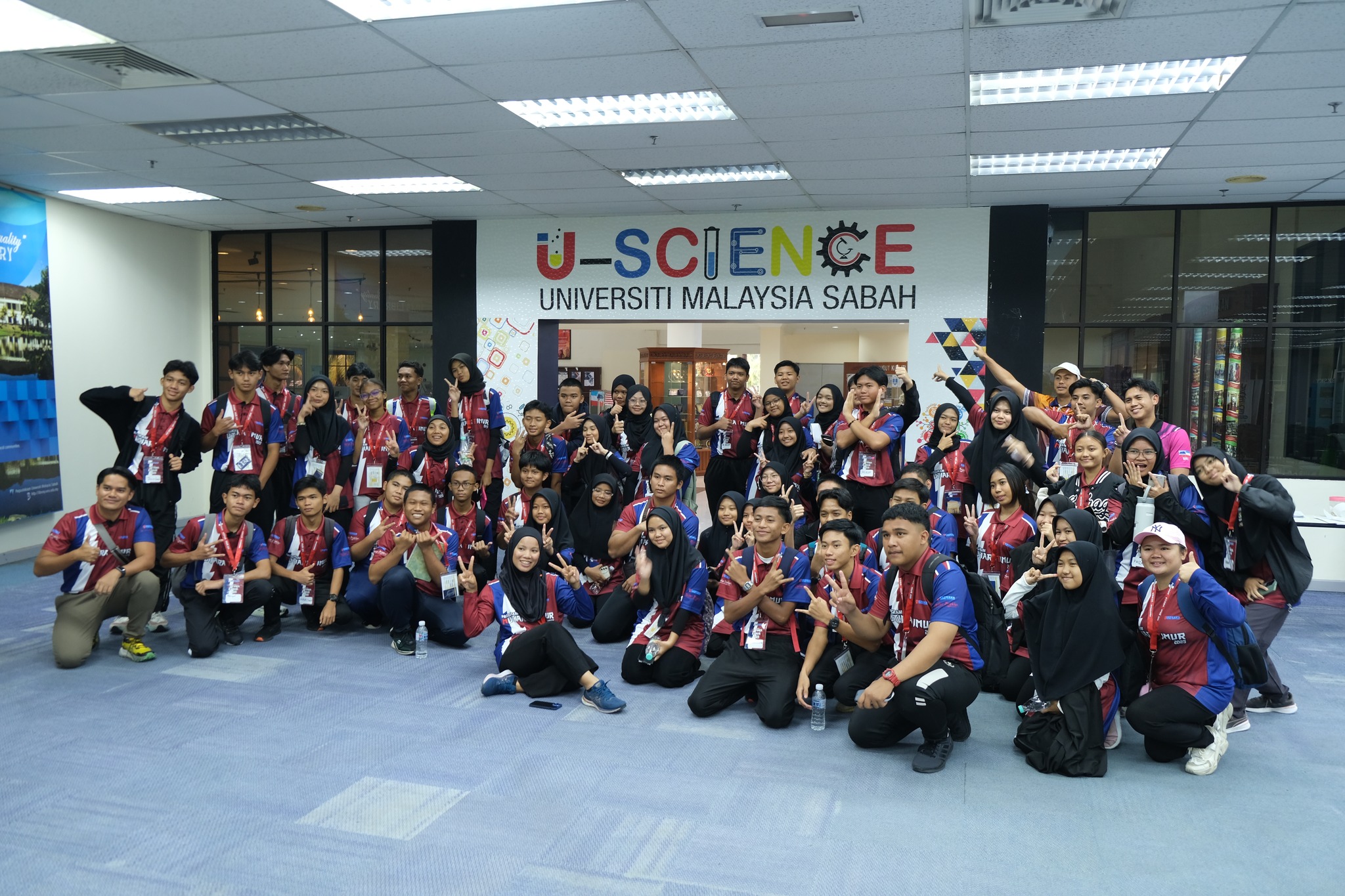
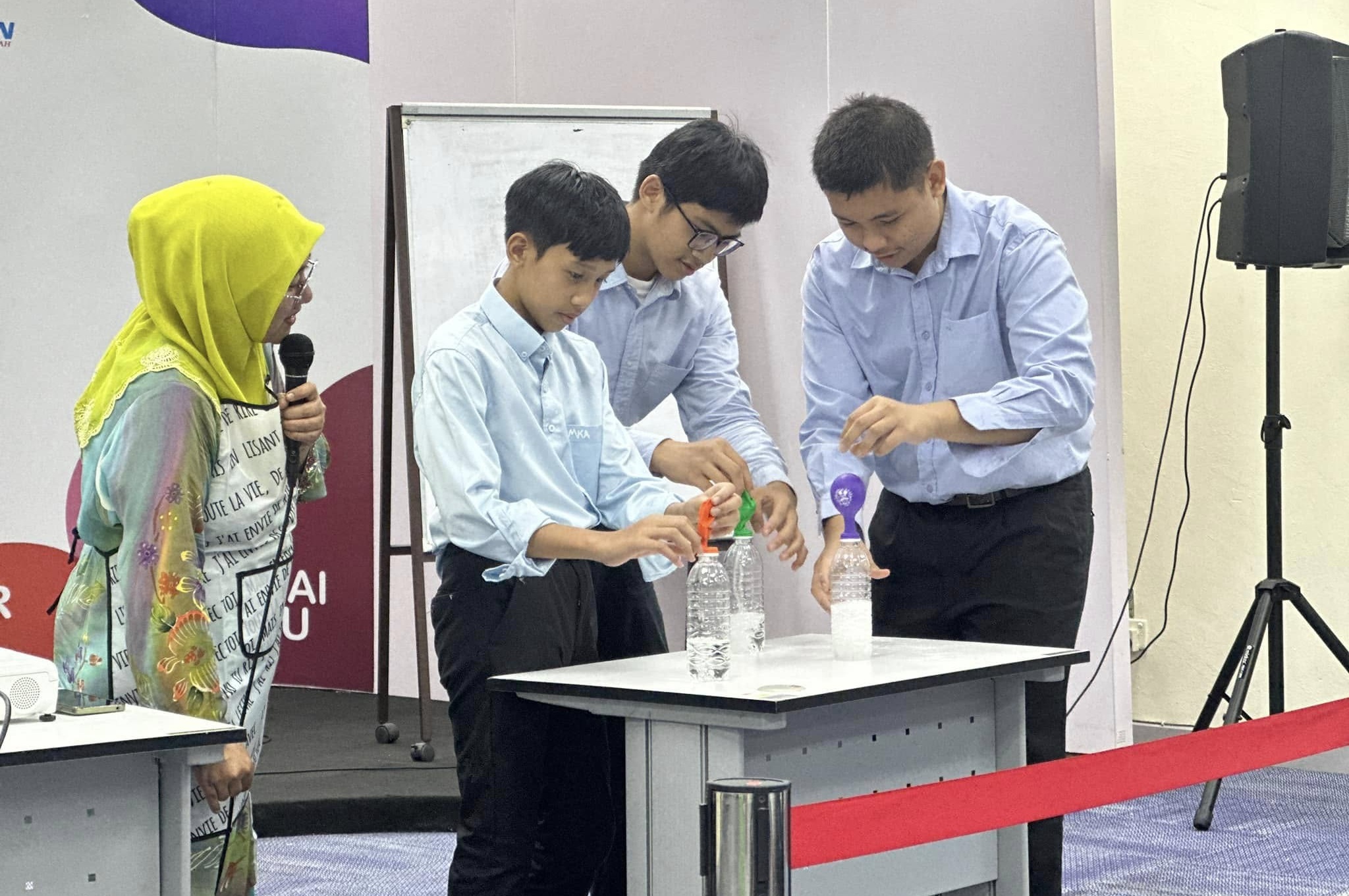
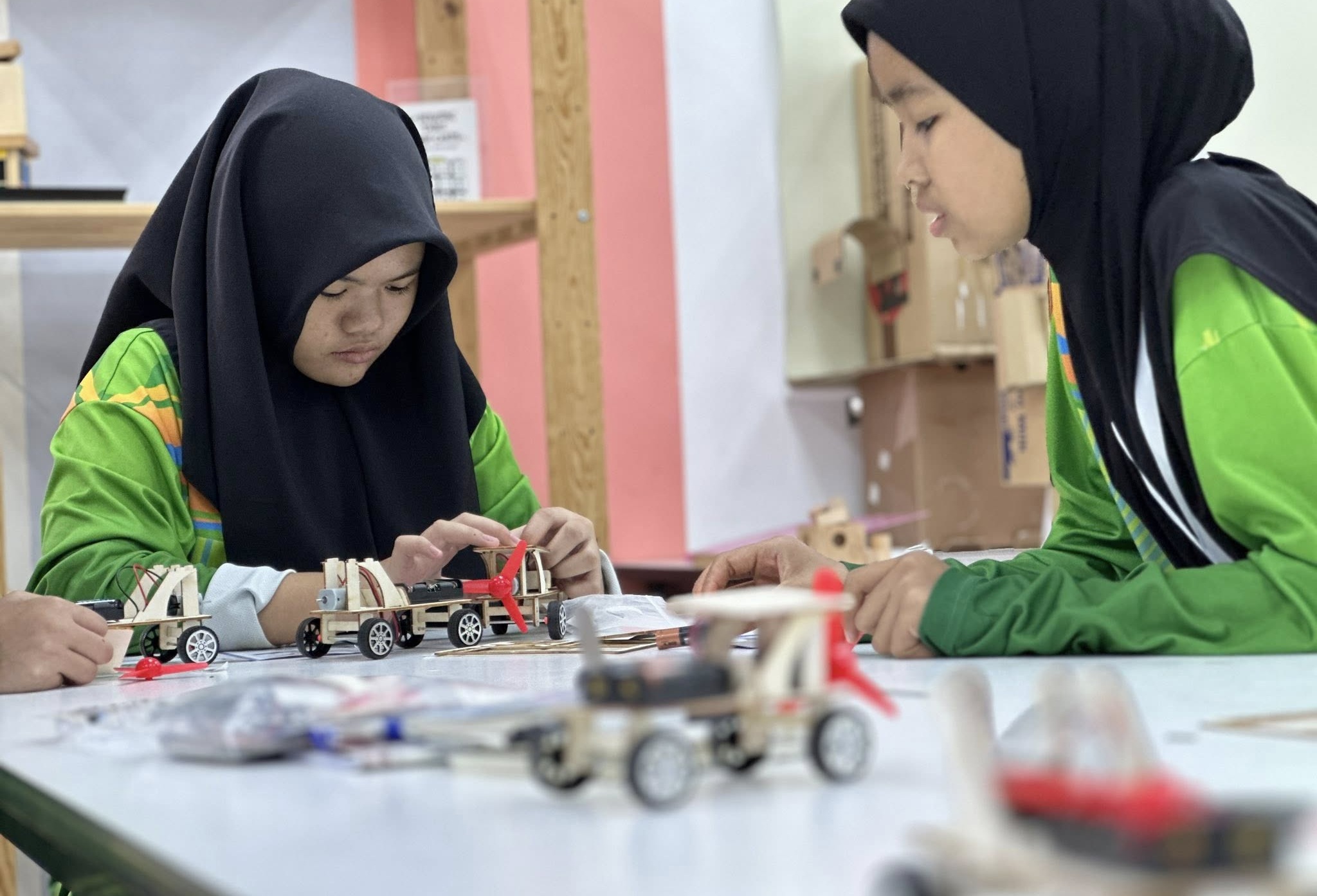
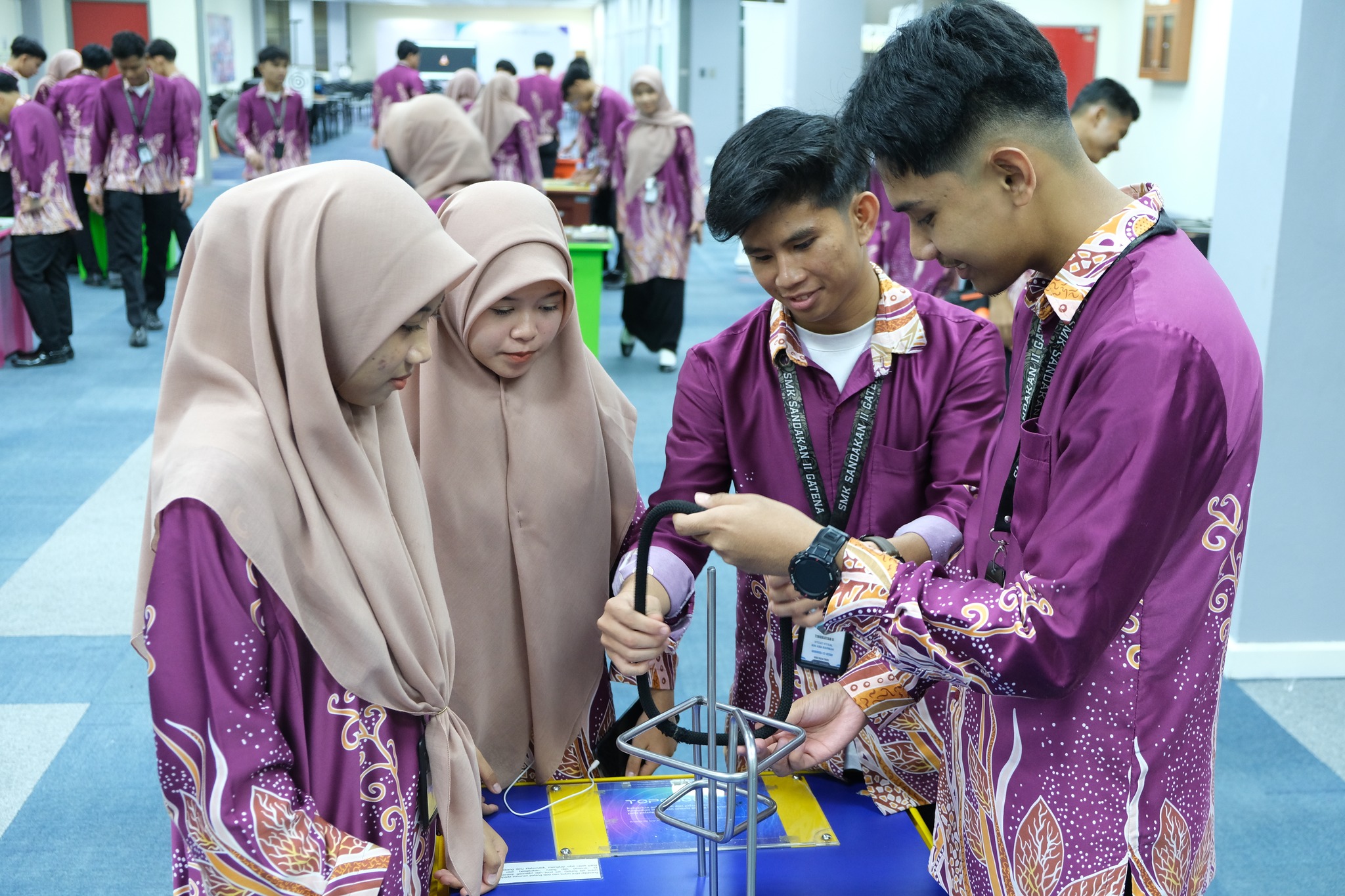
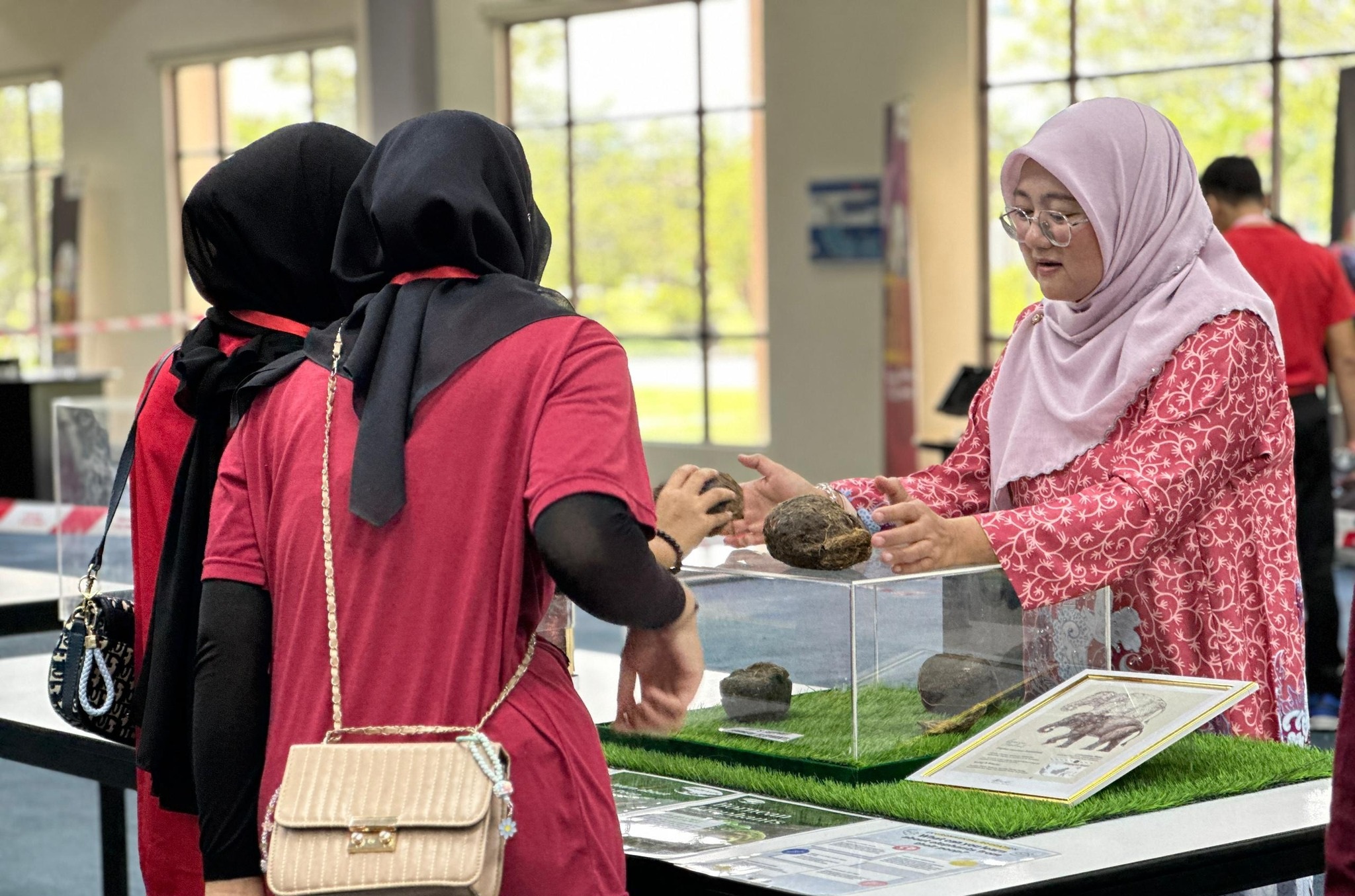
Complementing these academic resources is the U-Science Centre, UMS’s award-winning interactive STEM learning hub. Open to schools and families, U-Science provides hands-on exhibits, science demonstrations, robotics workshops, astronomy programmes, and STEM career activities. The centre’s mission aligns closely with SDG 11 by offering an inclusive educational space that promotes scientific literacy, creativity, and youth development. Through annual science fairs, outreach roadshows, and edu-tourism packages, U-Science attracts thousands of visitors and strengthens community understanding of technology and innovation.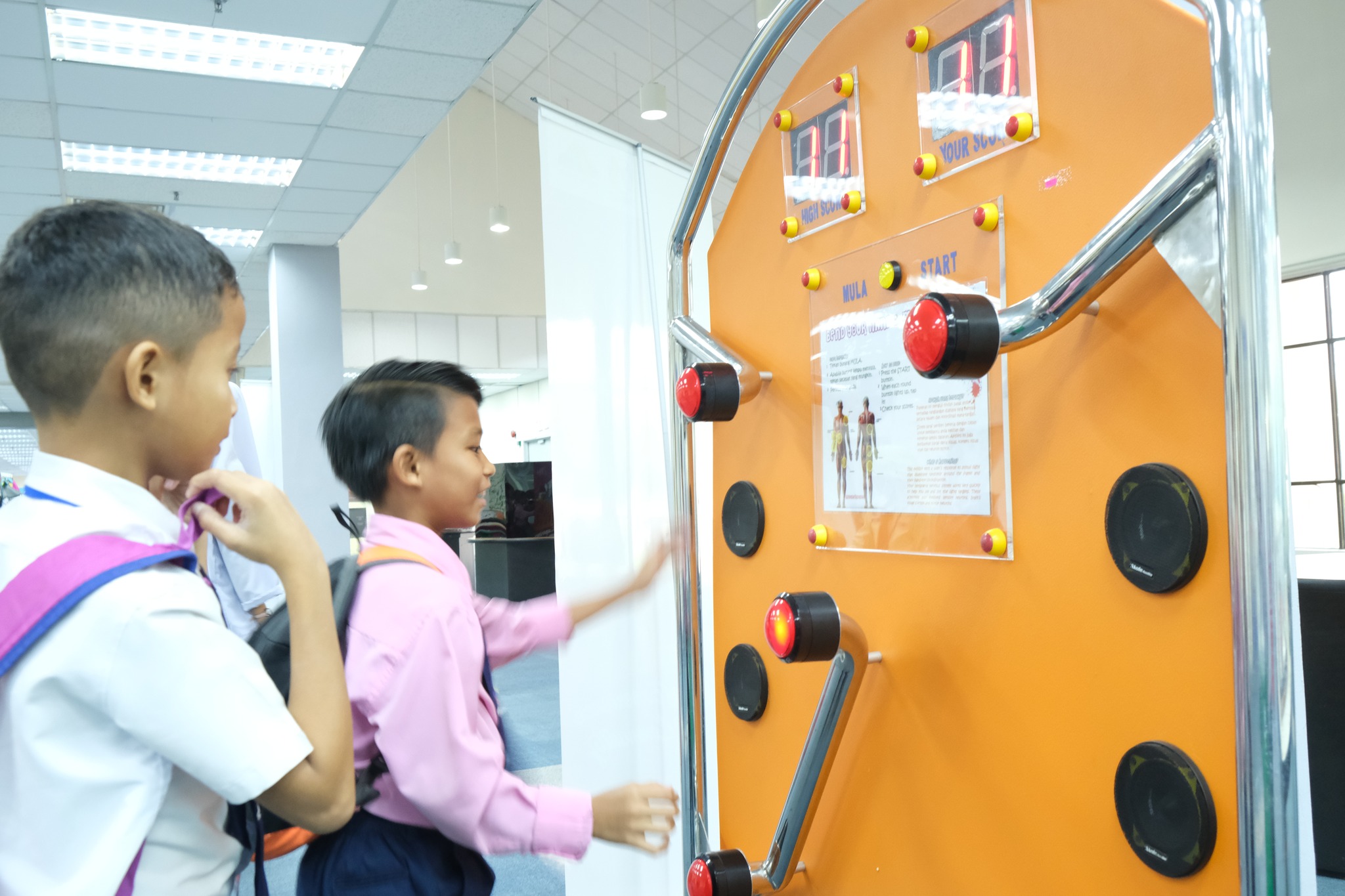
Expanding Public Learning Through MOOCs and Community Education
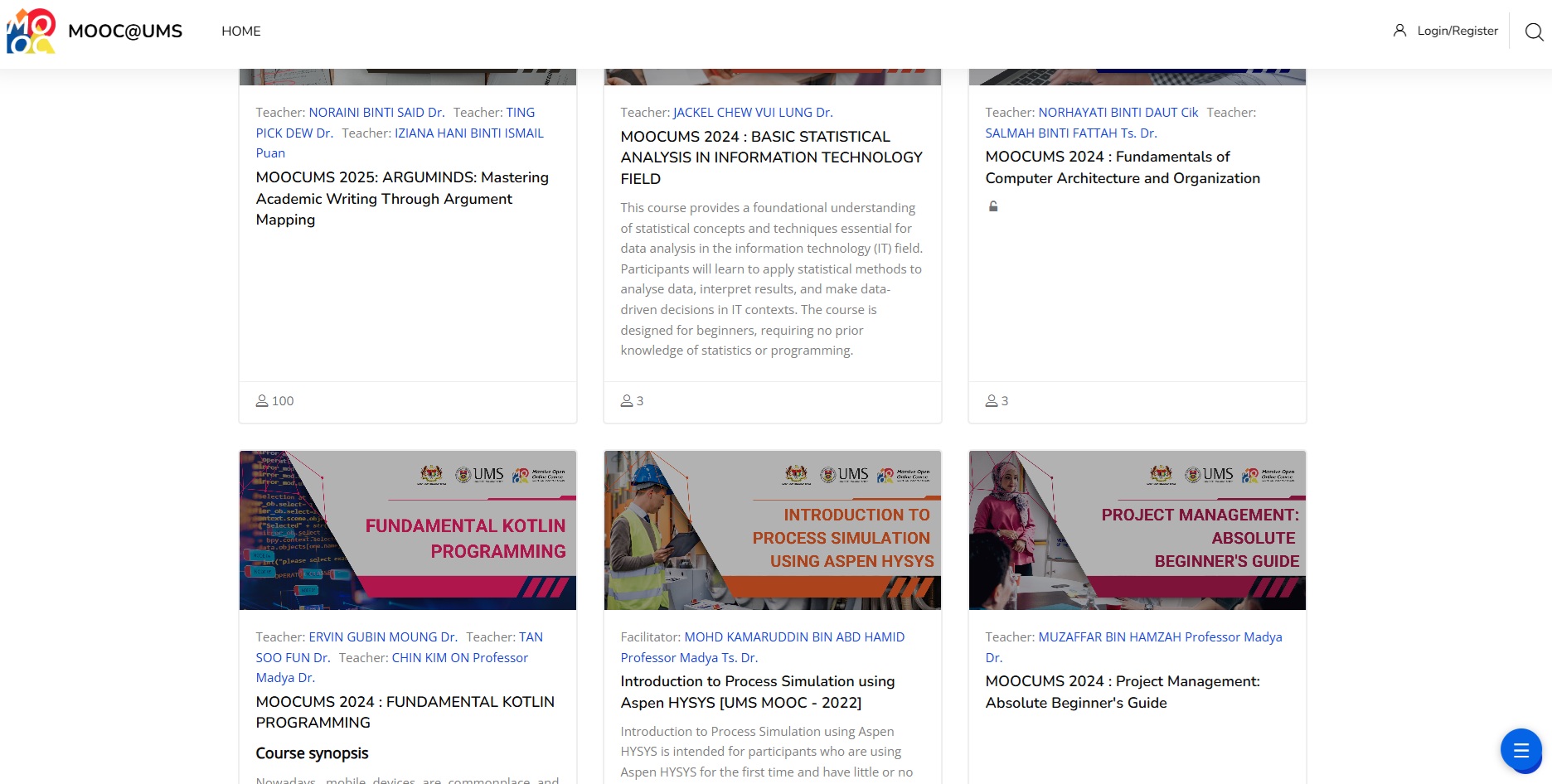
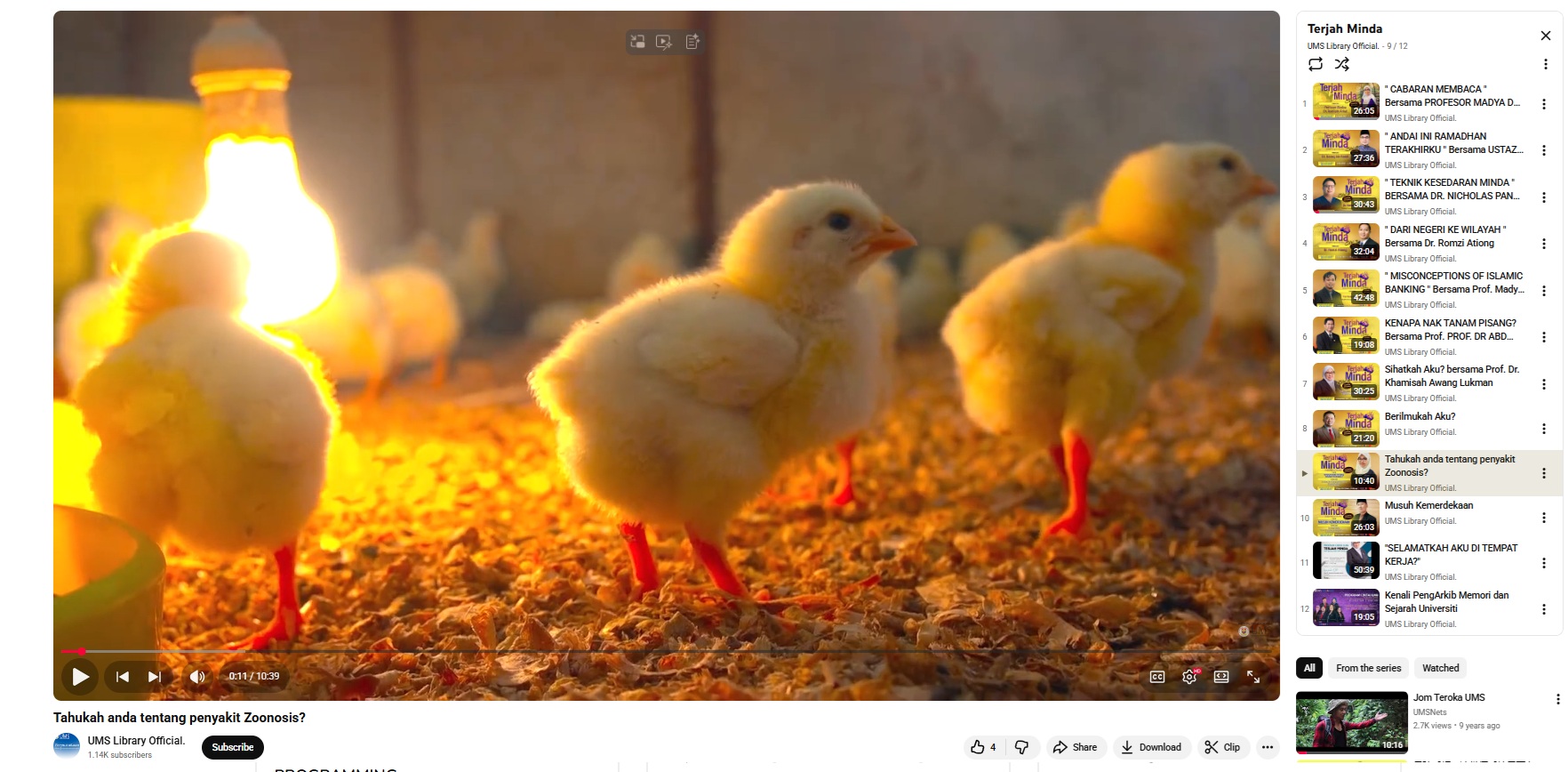
UMS also expands public access to knowledge through MOOCs (Massive Open Online Courses), open webinars, and community education programmes facilitated by faculties, institutes, and the Centre for Teaching Excellence (CTEL). These free online learning opportunities reach diverse audiences including working adults, rural communities, and international participants. Courses on environmental sustainability, cultural heritage, entrepreneurship, digital literacy, and marine conservation support the formation of informed, empowered, and resilient communities—hallmarks of SDG 11.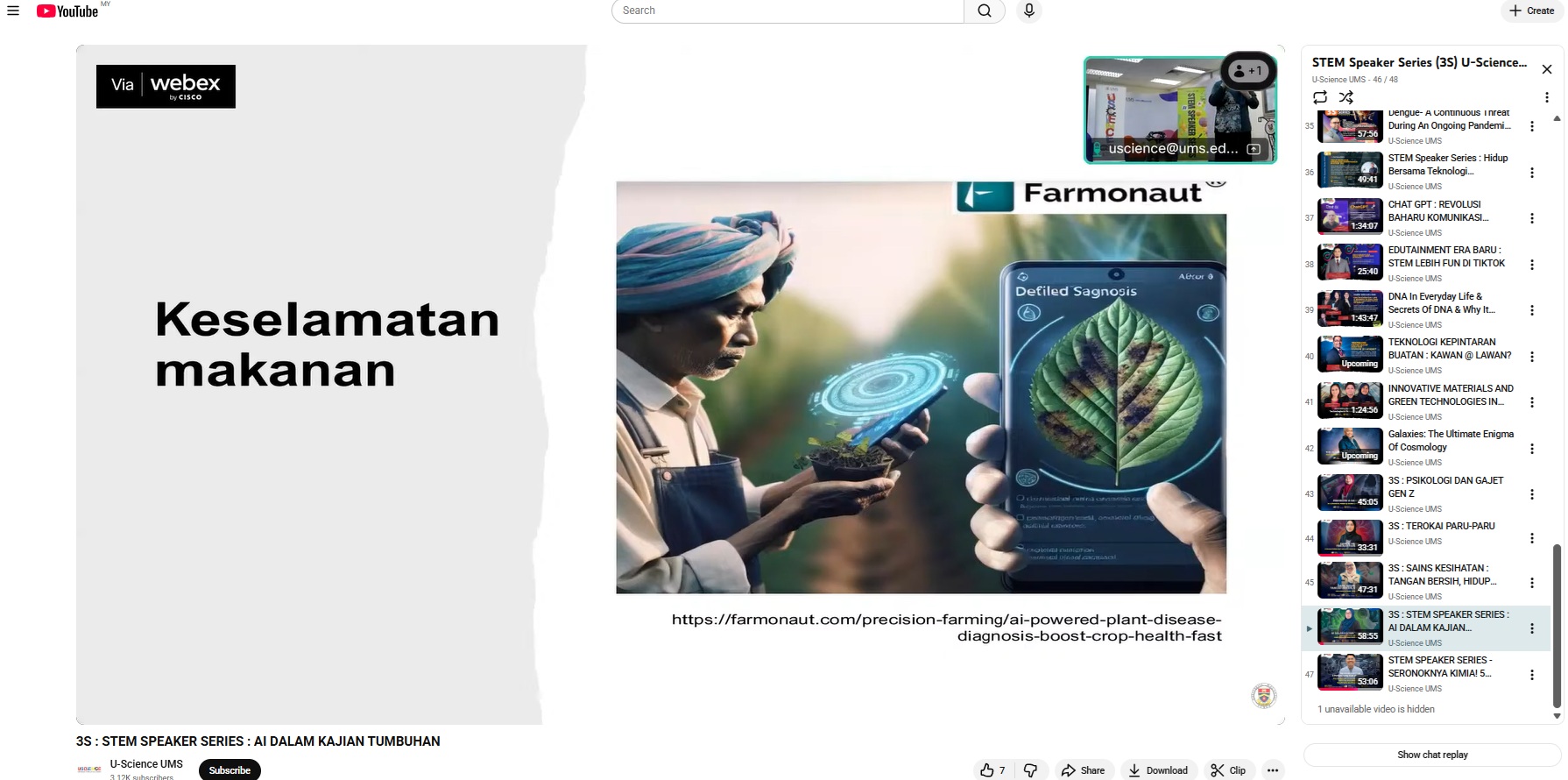
Building Inclusive, Connected, and Resilient Communities
In terms of community resilience and inclusivity, the provision of free access to libraries and learning spaces supports SDG 11 by creating safe, accessible, and non-discriminatory public environments where people from all backgrounds can learn and grow. These spaces foster intergenerational learning, stimulate community engagement, and promote social cohesion across diverse groups. Meanwhile, STEM access through U-Science empowers young people with future-ready skills, preparing them to participate in a rapidly evolving digital economy. UMS’s dedication to providing inclusive, accessible knowledge resources is demonstrated through measurable outcomes that reflect strong community engagement and widespread utilisation of its learning platforms. These figures highlight the university’s role as an open-knowledge institution that supports SDG 11 by ensuring quality information, educational spaces, and digital learning opportunities are available to all. The following evidence illustrates the scale and impact of UMS’s public access initiatives:- - 18,508 external library visitors recorded under the UMS Library Public Access Services.
- - Over 500 free educational resources published through the MoHE–UNESCO iOER Portal.
- - 60 average downloads per book, showing active engagement among community learners.
- - Thousands of users accessing the UMS ePrints and Institutional Repository annually.
- - U-Science Centre hosting STEM workshops, science festivals, and school programmes statewide.
- - MOOCs and open webinars providing nationwide and global learning opportunities at no cost.
Free, inclusive, and sustainable green spaces that nurture healthy and resilient communities.
Nature for Everyone: UMS Leading Public Access to Open and Green Spaces
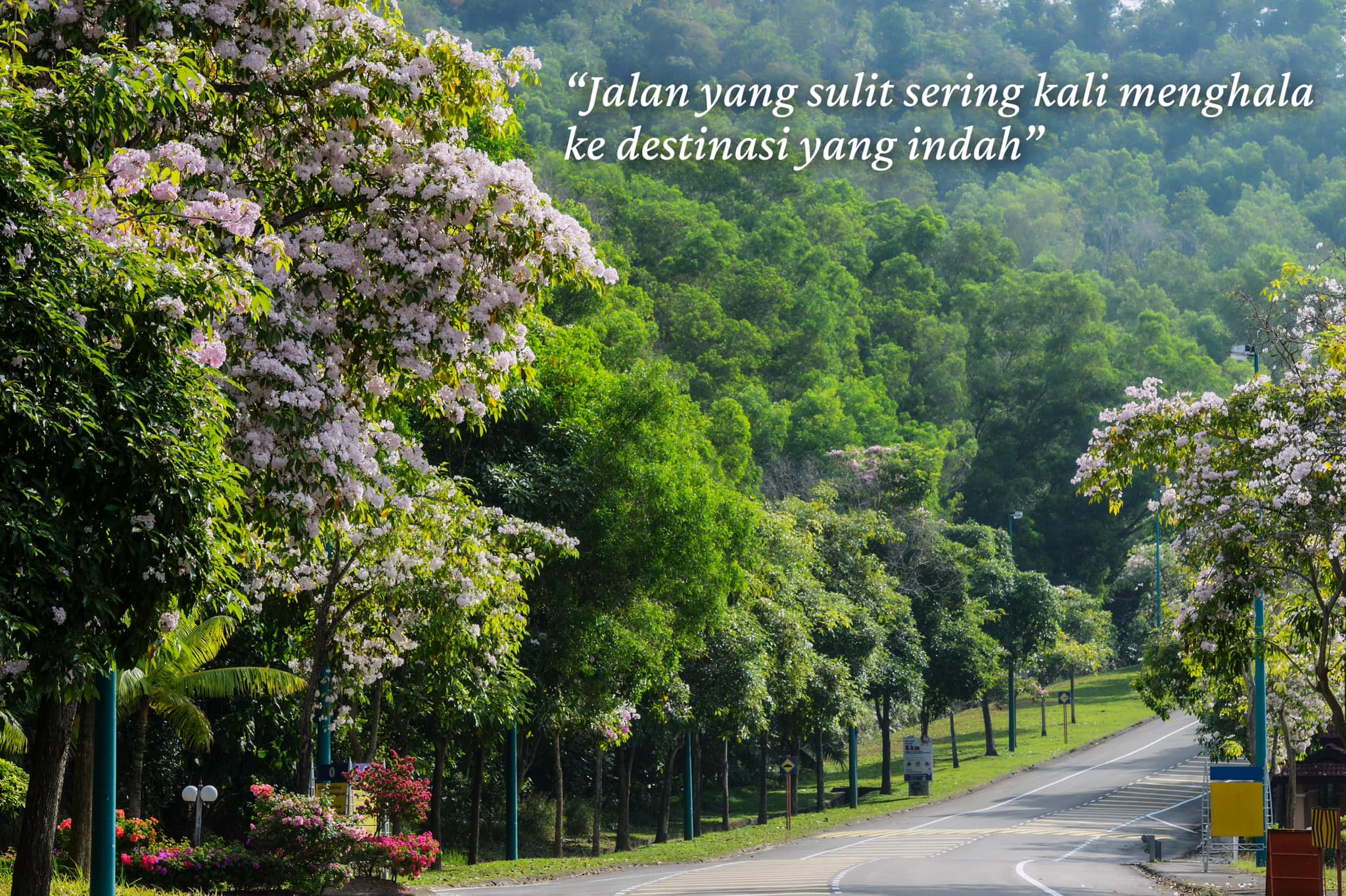
Universiti Malaysia Sabah (UMS) provides free and unrestricted public access to its extensive open and green spaces as part of its EcoCampus Framework and Sustainability and Climate Action Policy. This approach directly advances SDG 11: Sustainable Cities and Communities, particularly Target 11.7, which calls for safe, inclusive, and accessible green spaces for all. As Malaysia’s first eco-tourism university, UMS positions its campus as both an educational ecosystem and a community asset, empowering society to reconnect with nature, foster environmental literacy, and cultivate sustainable lifestyles. Spanning 375 hectares of forest, coastal, and landscaped environments, the UMS campus functions as one of Sabah’s largest and most accessible green lungs, serving thousands of local residents, students, families, hikers, and eco-tourists each year.
A Living Classroom: Forests, Trails, and Coastal Ecosystems
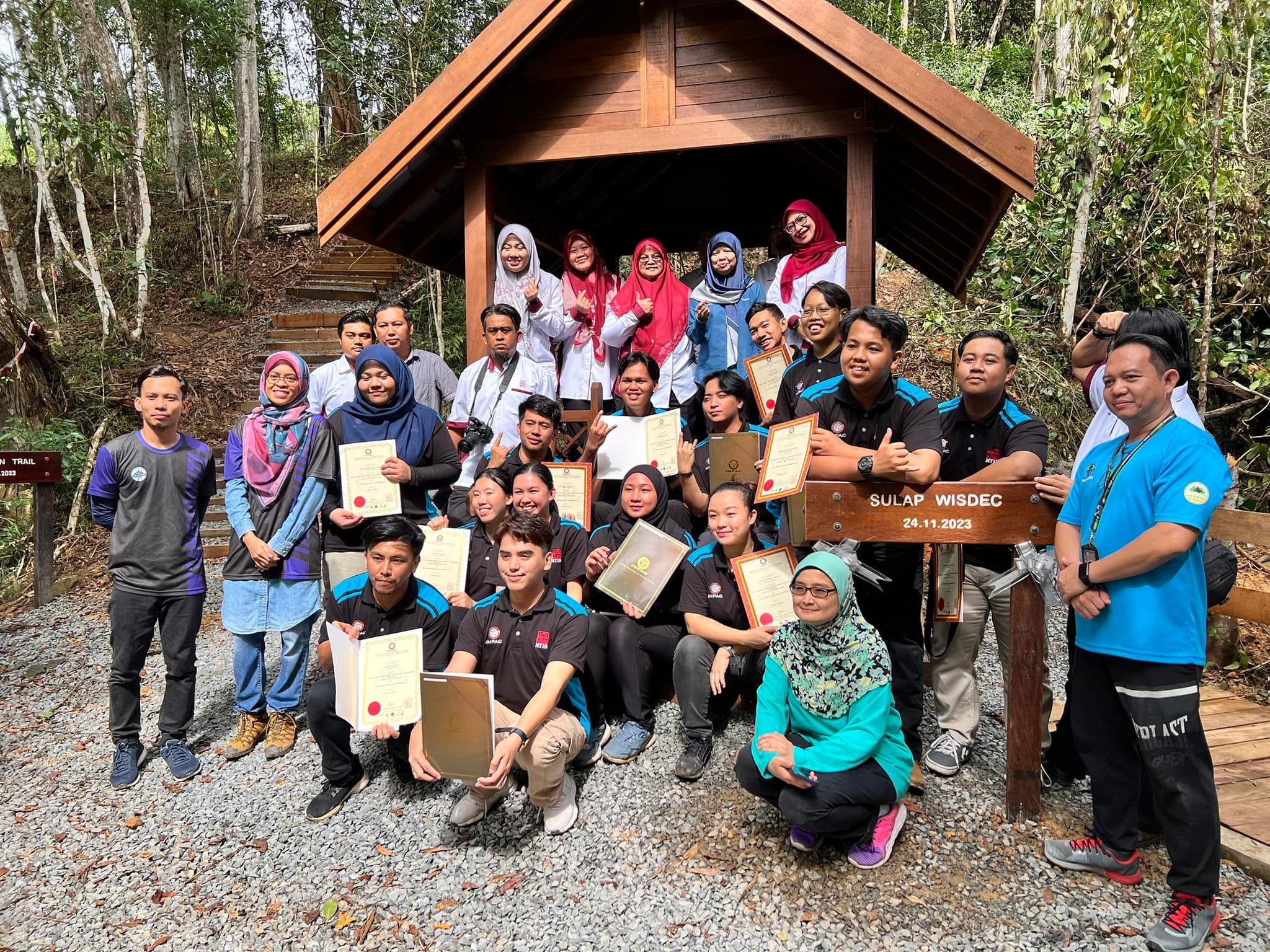
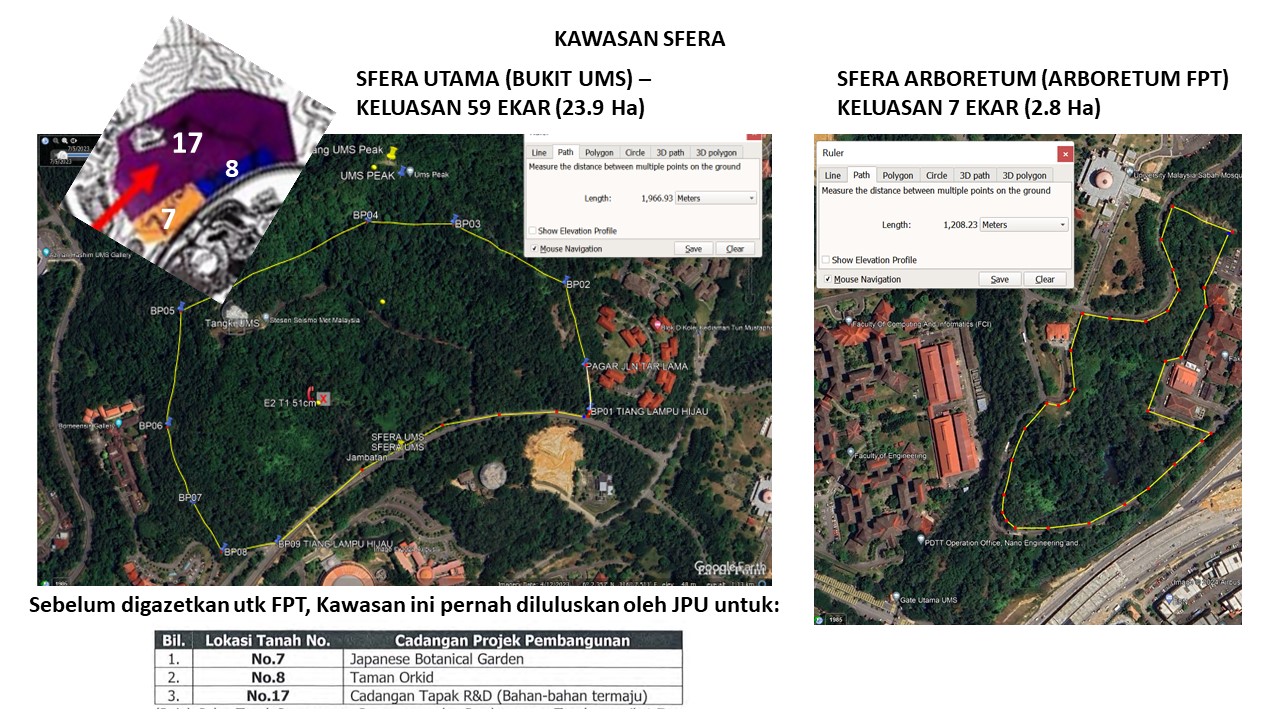
At the heart of UMS’s green-access vision is its landscape diversity, which blends built environments with natural ecosystems. The campus includes forest reserves, coastal walkways, rehabilitation sites, and curated gardens that double as living laboratories. Among these, the SFERA@UMS, Sustainable Forest Education and Research Area (SFERA) serves as a major public attraction where visitors can freely explore nature trails, learn about endemic species, and engage in guided environmental education programmes. Designed as an open science platform, SFERA supports biodiversity monitoring, forest restoration, and ecological interpretation—making nature accessible, visible, and meaningful to the community.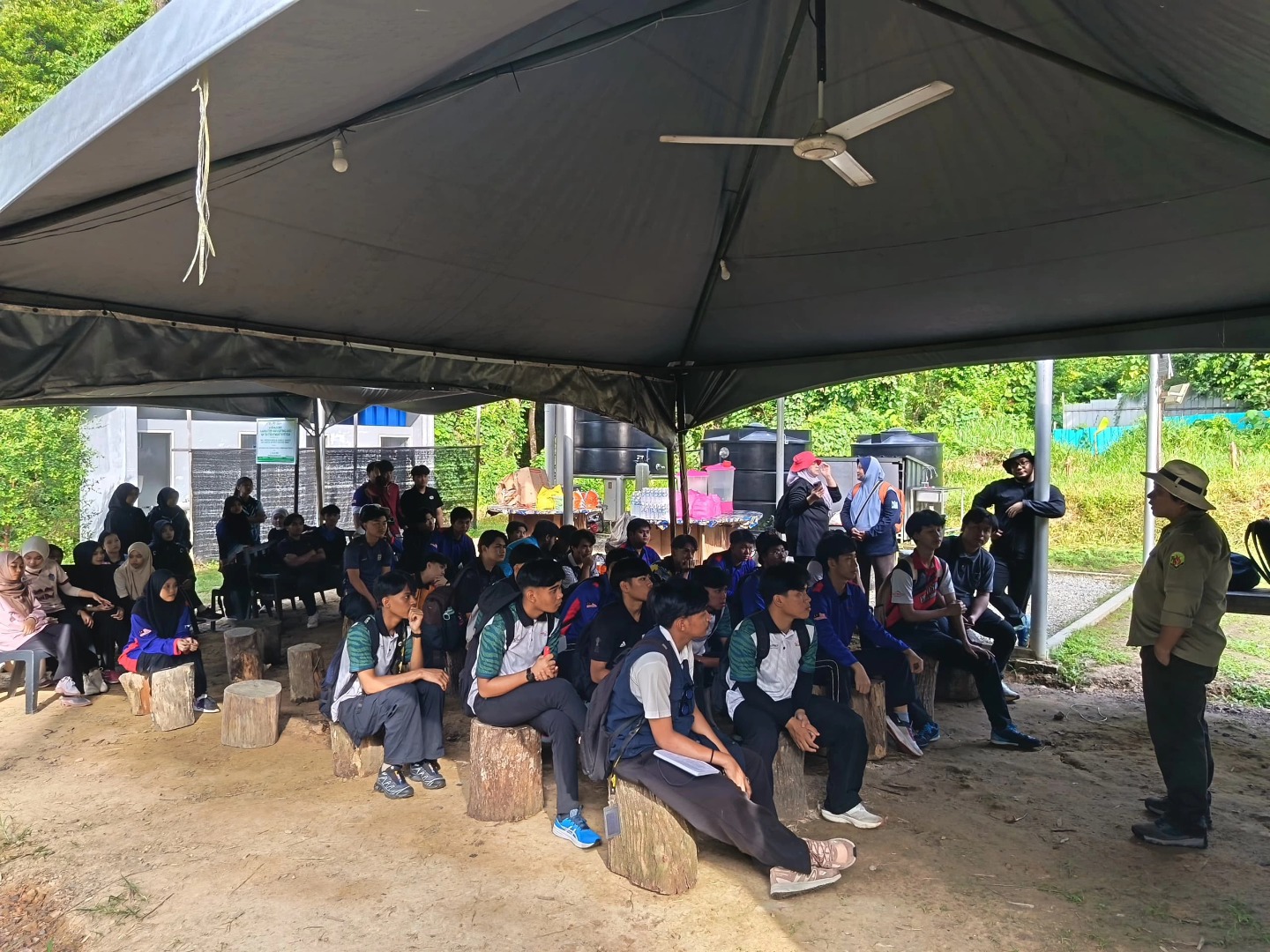
Green Open Spaces for Learning and Community Wellness
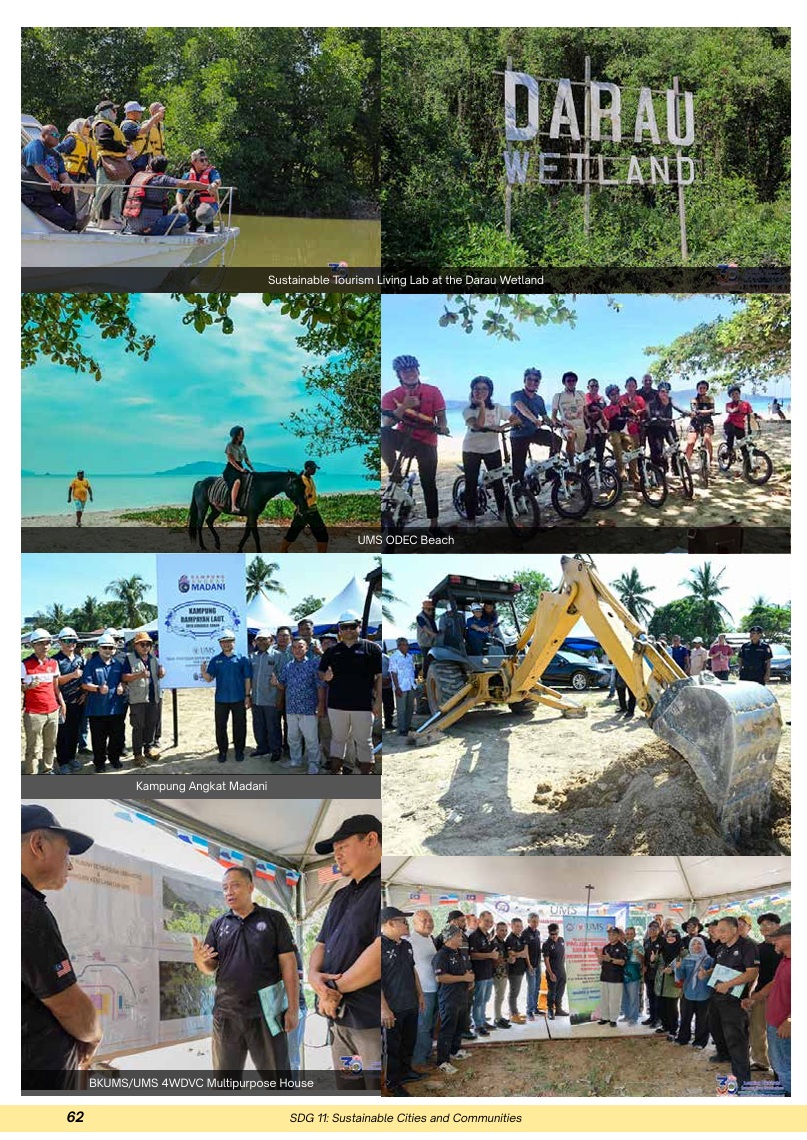
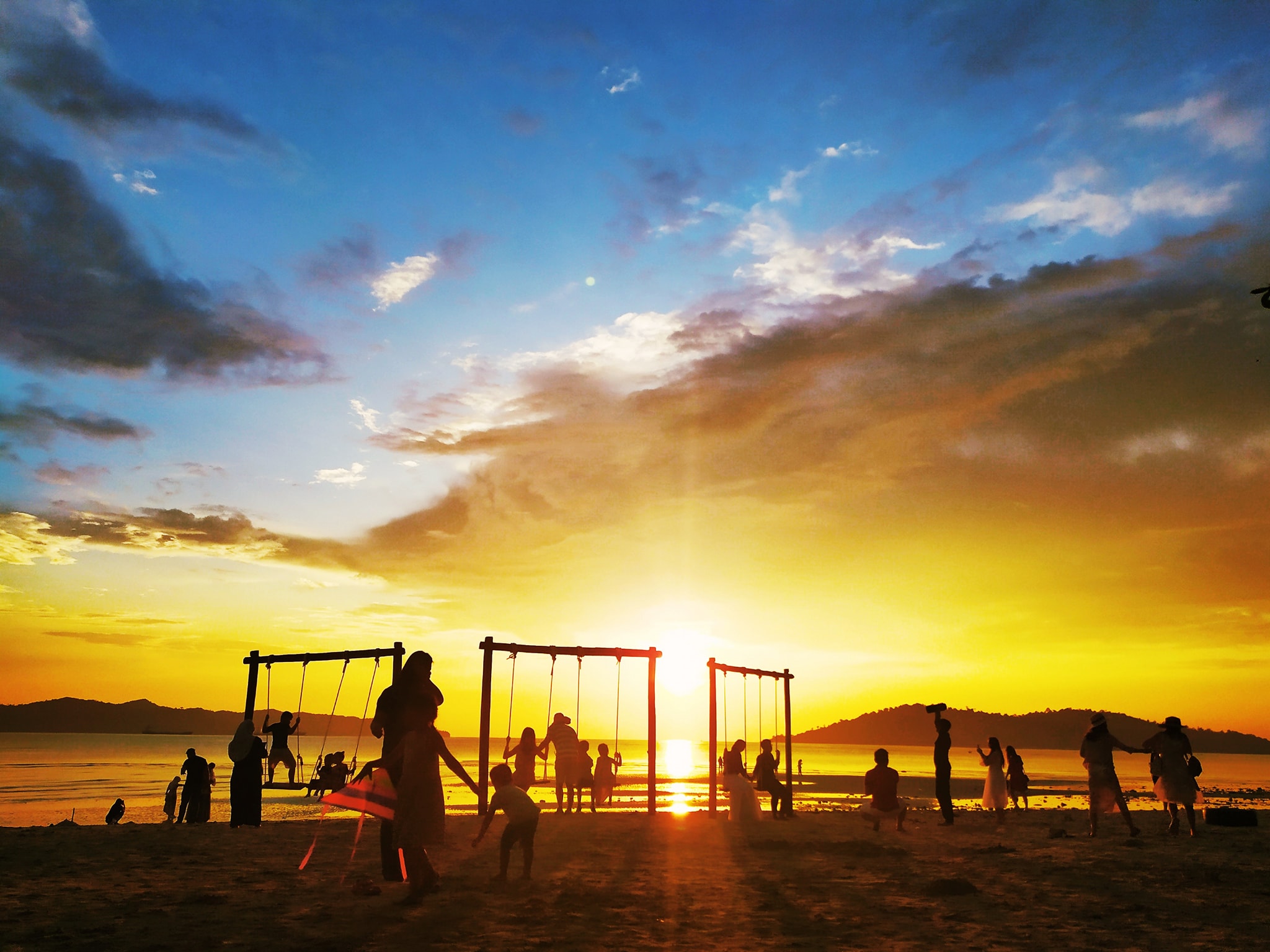
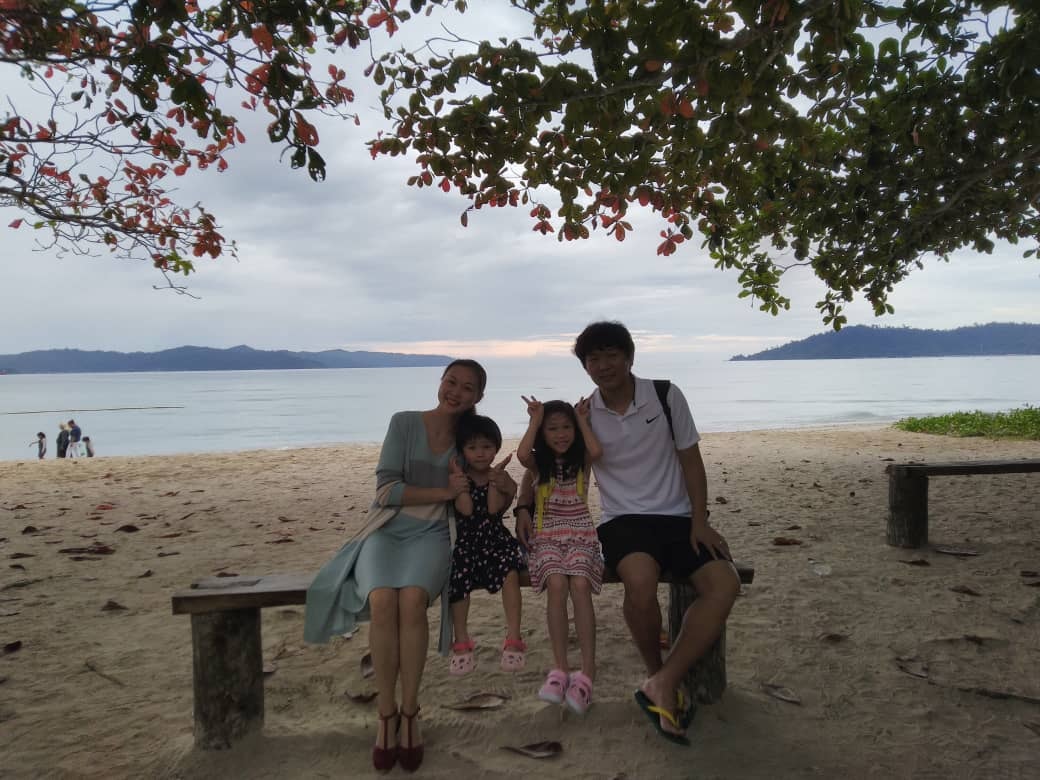
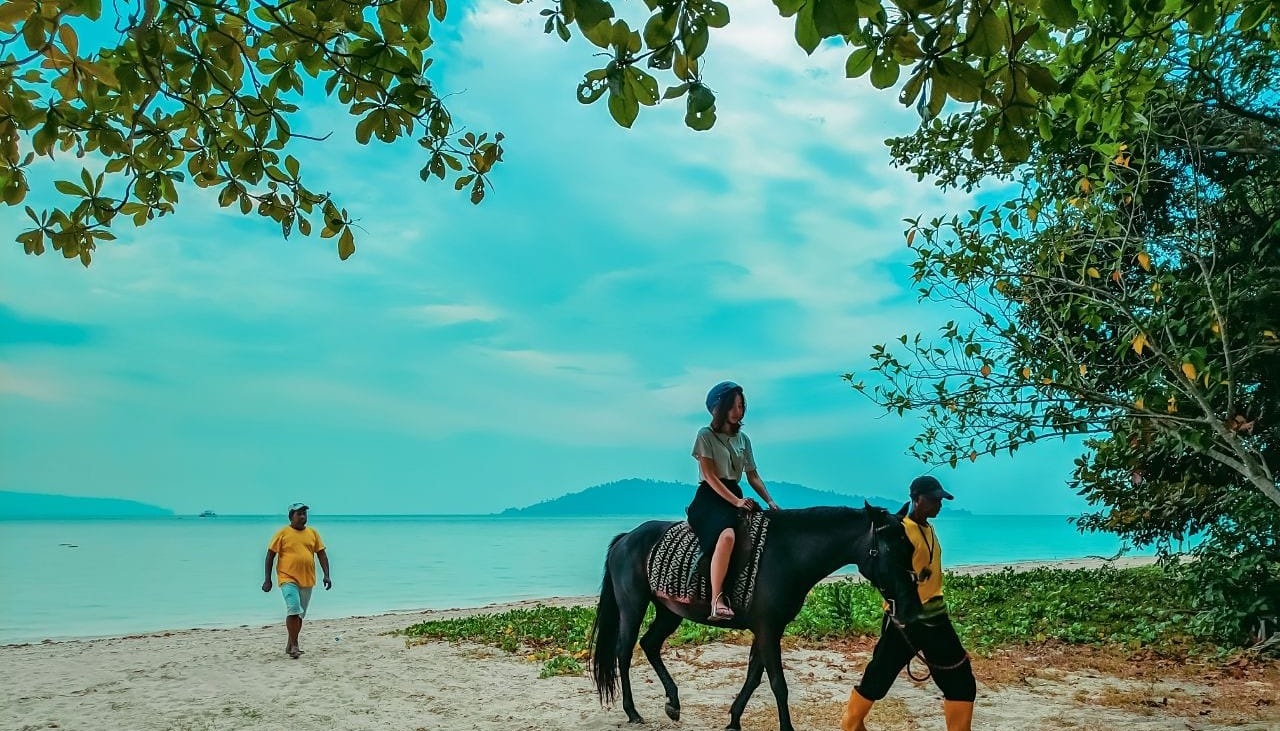
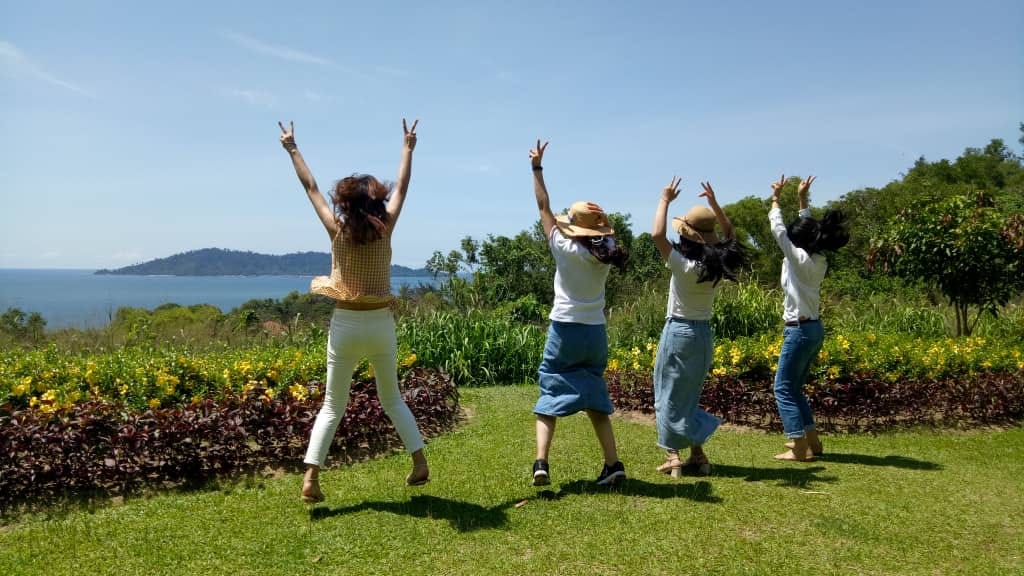
UMS also offers curated urban-nature spaces such as the EcoCampus Park, a landscaped public area that hosts recreational activities, sustainability events, and student–community gatherings. The park functions as a shared public arena for relaxation, photography, picnics, and wellness practices such as tai chi and yoga. Adjacent to these is the UMS ODEC Beach, a freshwater ecosystem open to the public for nature appreciation, birdwatching, and photography. This beach and its surrounding serves as a vital educational site for raising public awareness of hydrology, marine ecology, and water conservation. These green spaces enhance the mental and emotional wellbeing of community members, providing restorative natural environments in an increasingly urbanised world. By maintaining safe, shaded, and well-managed green areas, UMS contributes to the broader wellbeing of Kota Kinabalu residents while building a culture of environmental appreciation.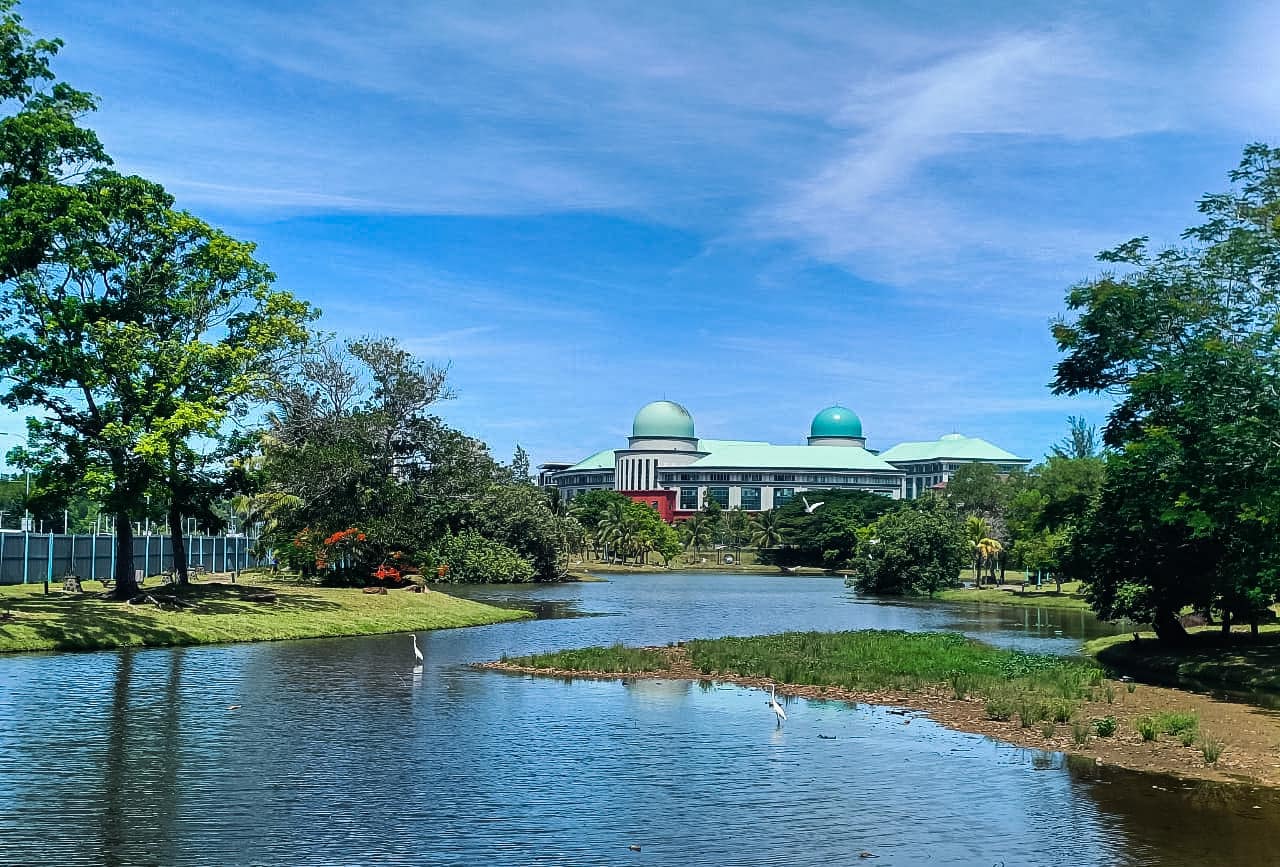
Faculty-Led Green Zones: A Campus-Wide Sustainability Network
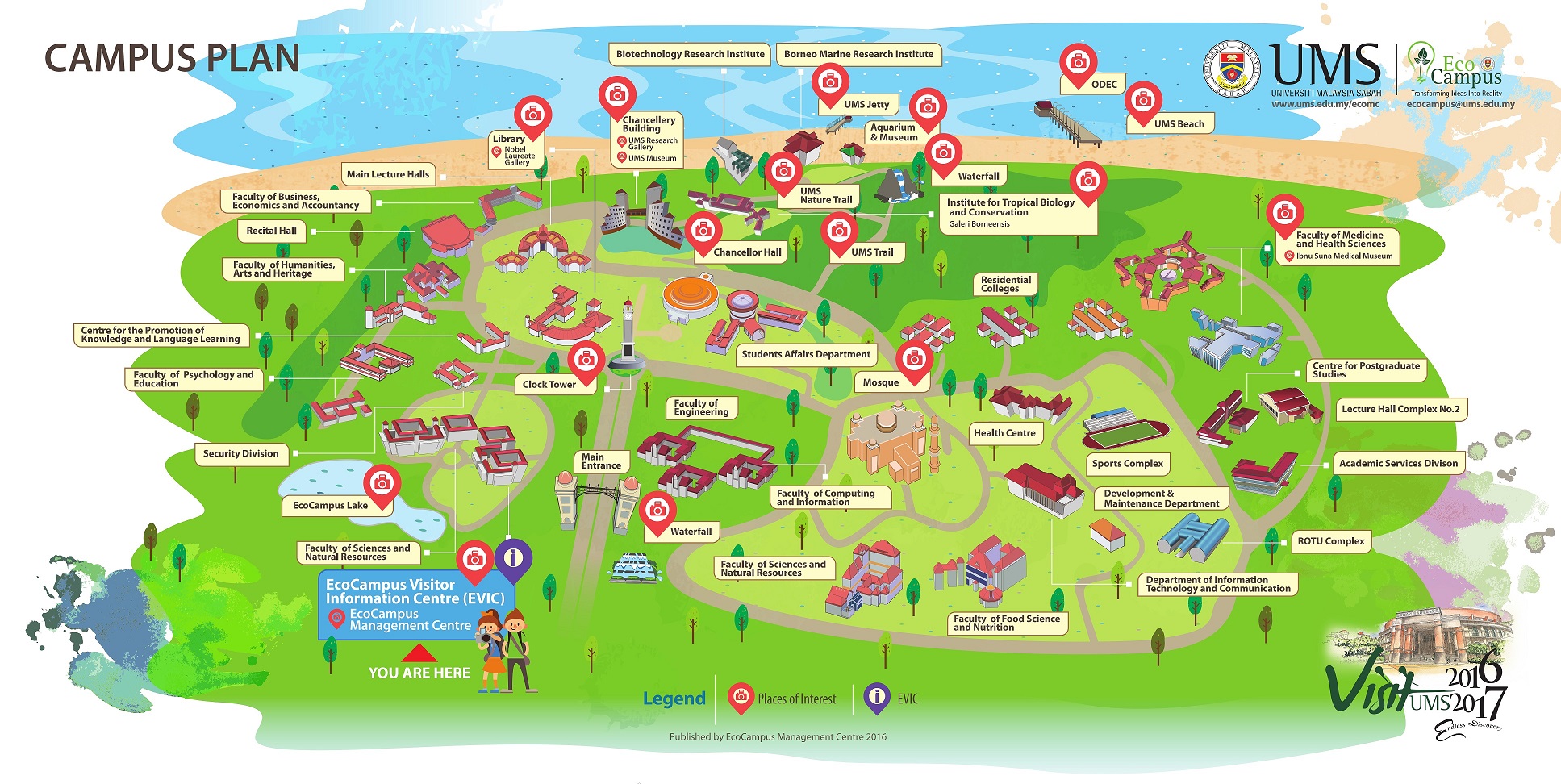
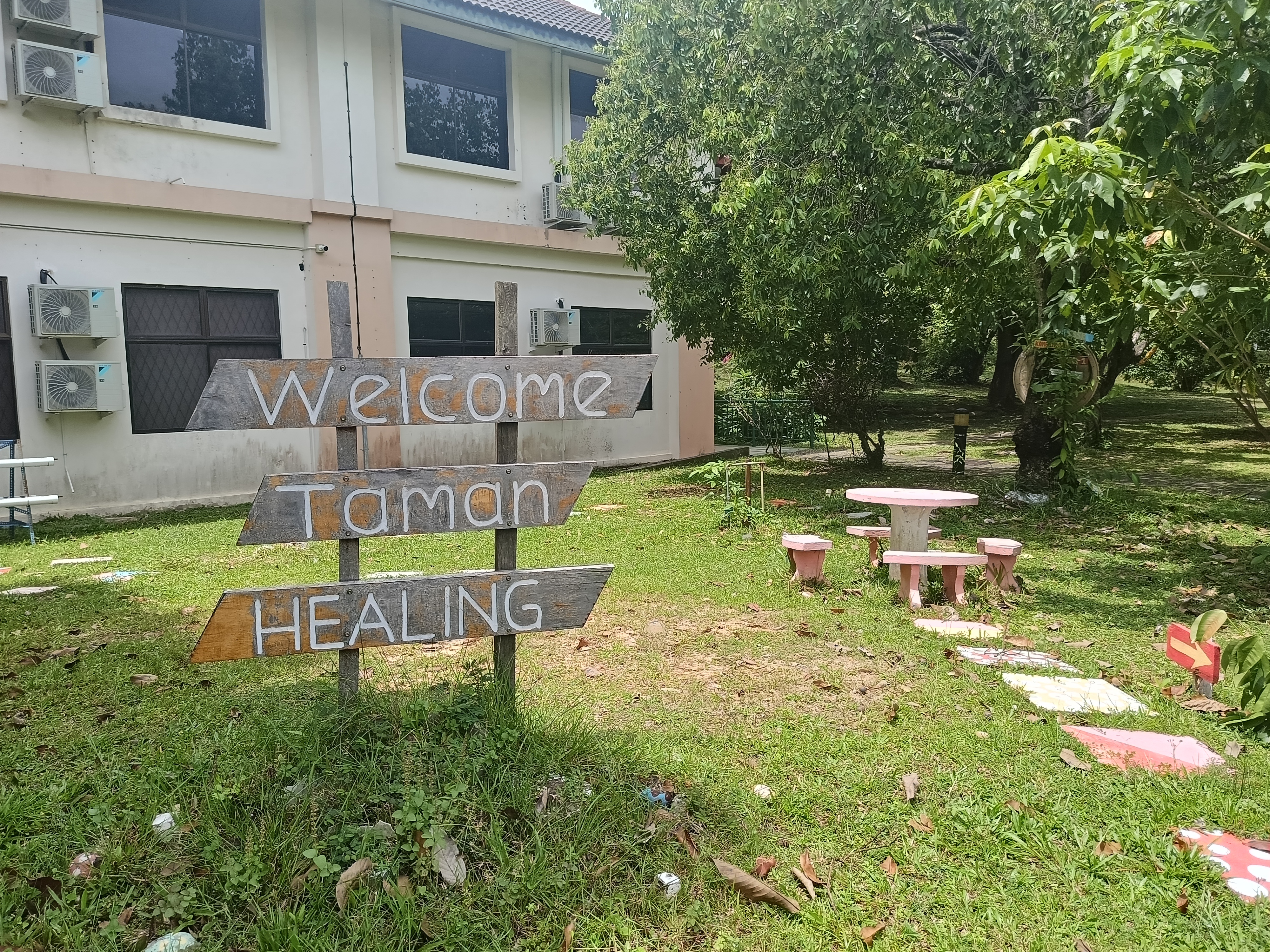
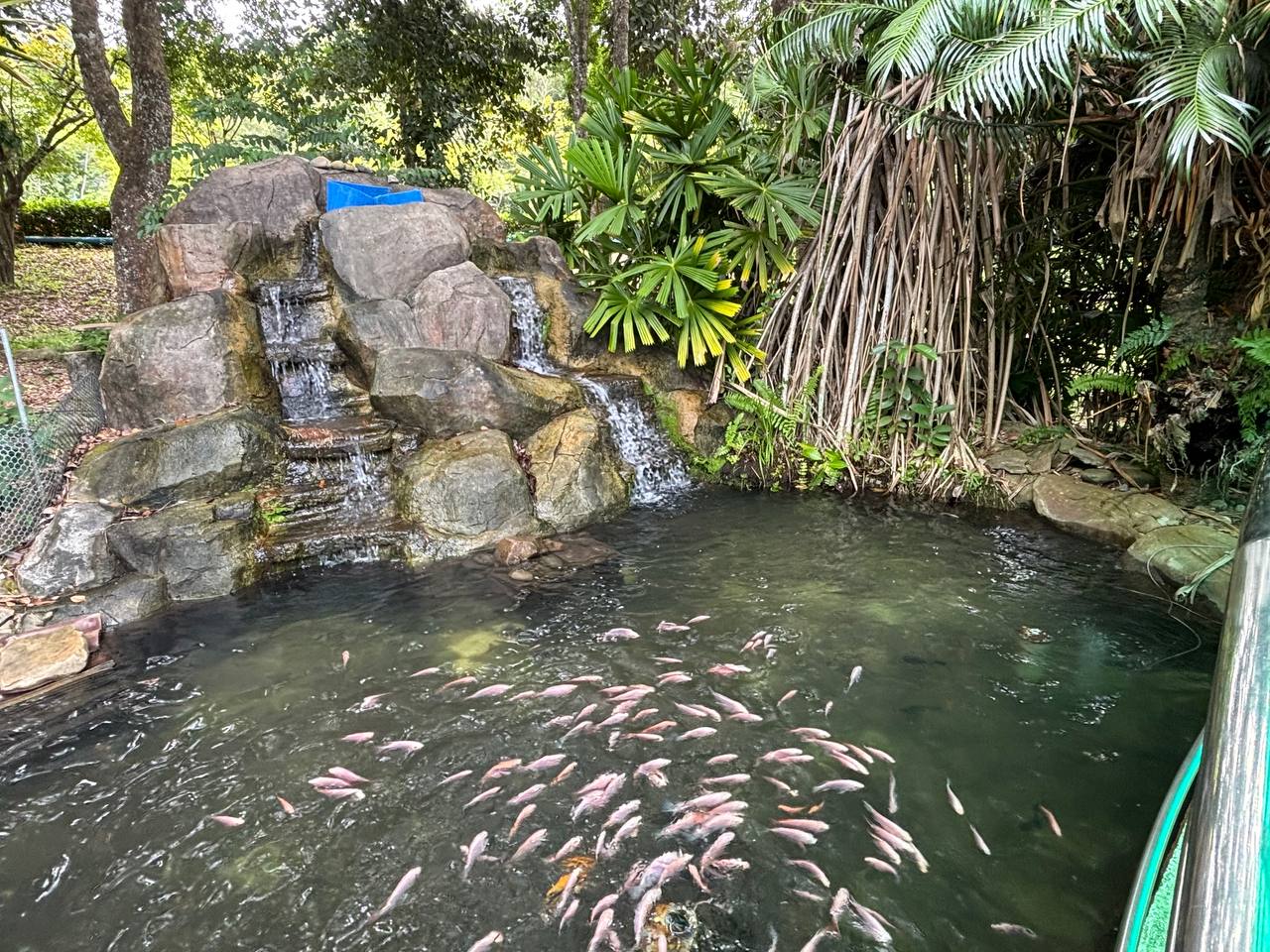
To strengthen environmental stewardship, every faculty at UMS manages its own Campus Green Zone, which includes native tree plantings, pocket gardens, biodiversity plots, and conservation areas. These zones are documented in the UMS Green Facilities Map, allowing the public to easily navigate and discover green attractions across the university. Each zone supports learning, research, and community engagement—for instance, students conduct tree inventories, schools participate in outdoor science lessons, and NGOs collaborate on conservation activities. These decentralised initiatives highlight UMS’s whole-campus sustainability model, where each academic unit contributes to a shared ecological vision.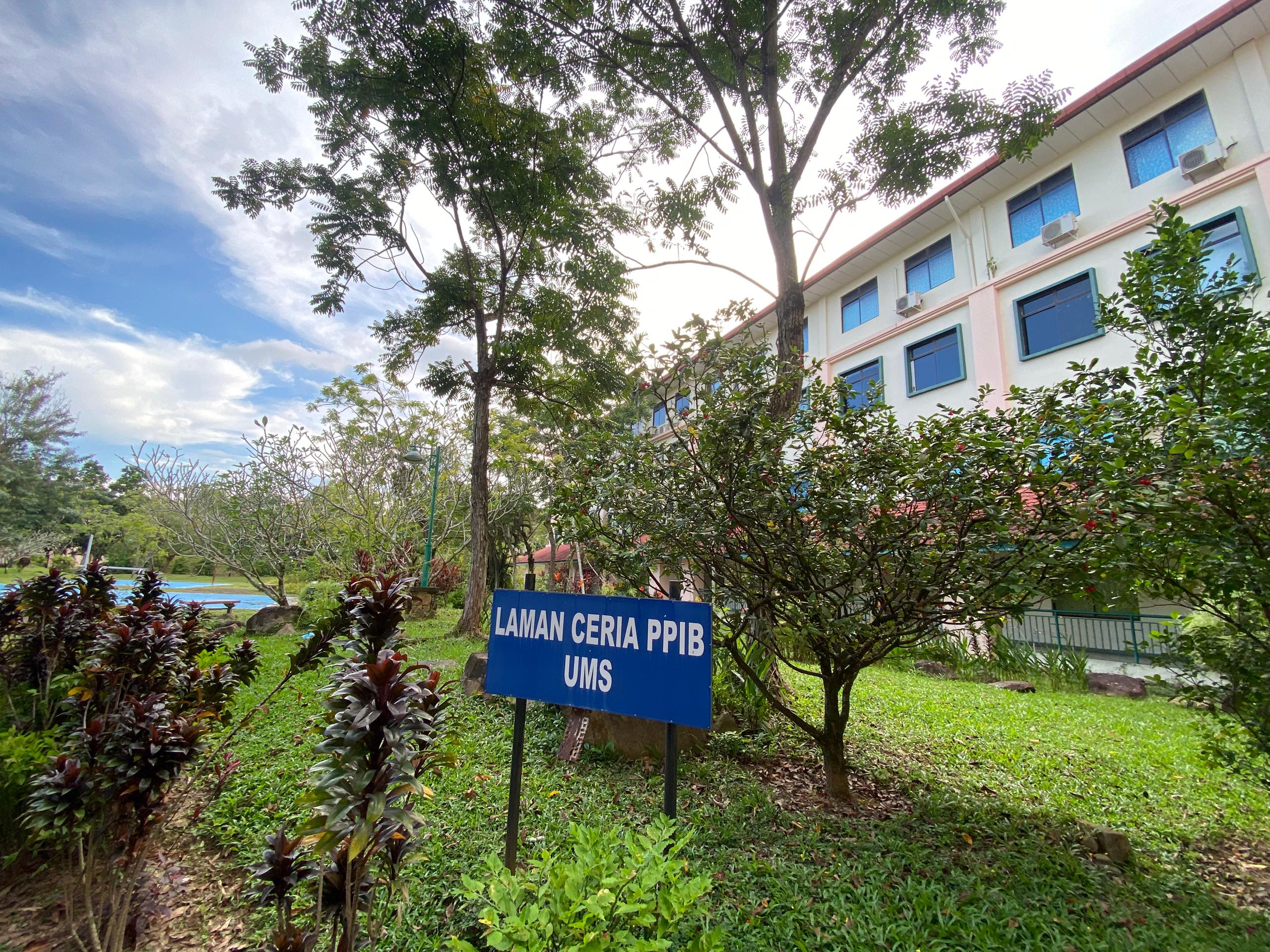
A Commitment to Free and Equitable Access
UMS’s strong dedication to open green spaces is supported by observable outcomes and participation data:- - 375 hectares of freely accessible green, forest, and coastal spaces.
- - Thousands of annual visitors recorded at Bukit UMS and SFERA@UMS.
- - EcoCampus Park and Darau Wetland regularly used for community events and environmental activities.
- - Faculty Green Zones actively used by schools, NGOs, researchers, and community groups.
- - Campus Green Facilities Map publicly available for easy navigation of green spaces.
- - Zero entry fees for all public green areas, supporting equitable access for all Malaysians.
Free, inclusive, and sustainable green spaces that nurture healthy and resilient communities.
Nature for Everyone: UMS Leading Public Access to Open and Green Spaces
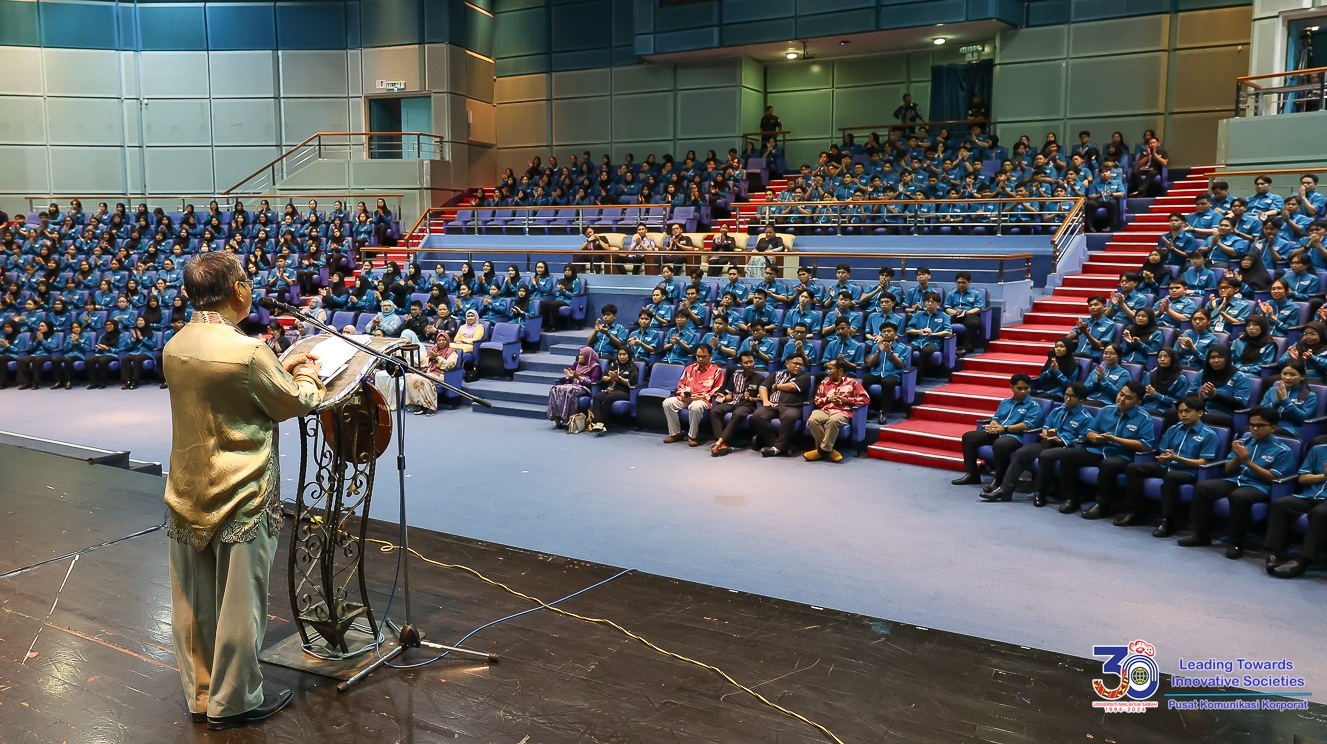
Universiti Malaysia Sabah (UMS) plays a pivotal role in strengthening local arts and cultural vitality, directly advancing SDG 11: Sustainable Cities and Communities, particularly Target 11.4 on safeguarding cultural heritage and Target 11.7 on providing inclusive public cultural spaces. As a multidisciplinary public university rooted in Sabah’s rich cultural landscape, UMS views artistic expression as a bridge between knowledge, identity, and community wellbeing. Through annual performances, concerts, and exhibitions involving its Gallery of Arts and Heritage (GAH UMS), student cultural bodies, and artistic ensembles, the university nurtures creative talent, preserves local traditions, and ensures that the arts remain accessible to the wider public.
Annual Cultural Performances That Strengthen Local Identity
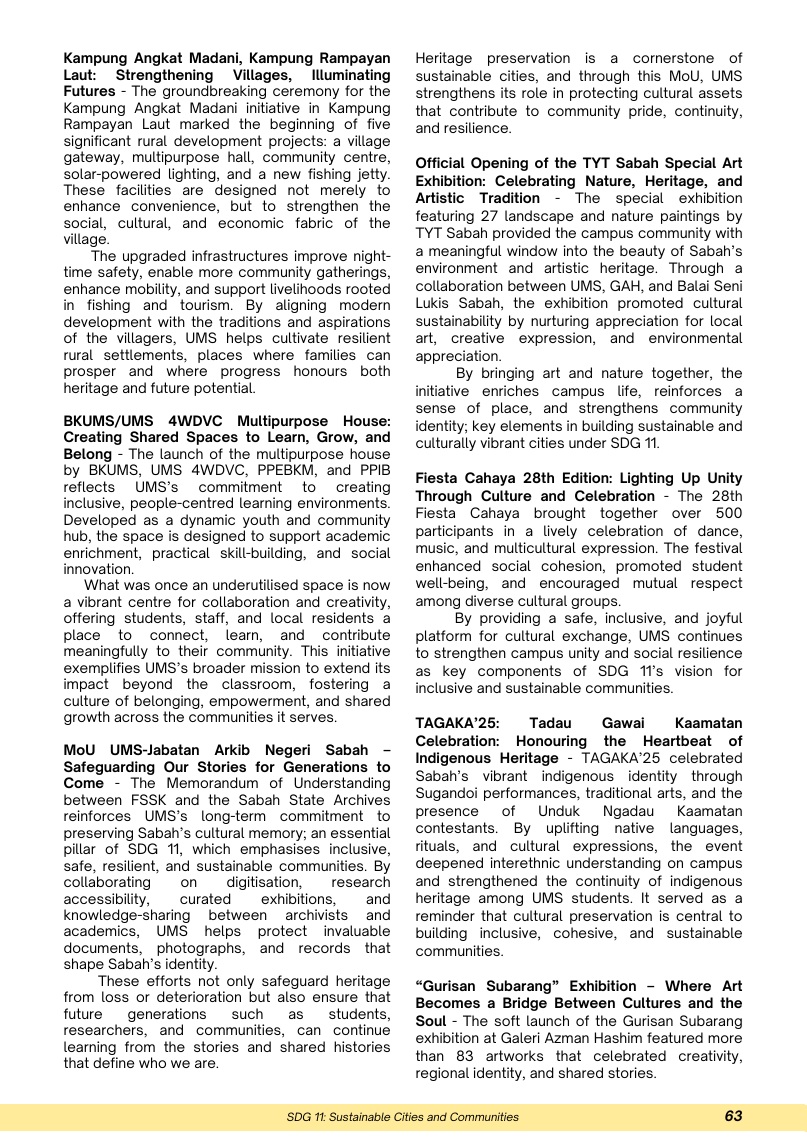
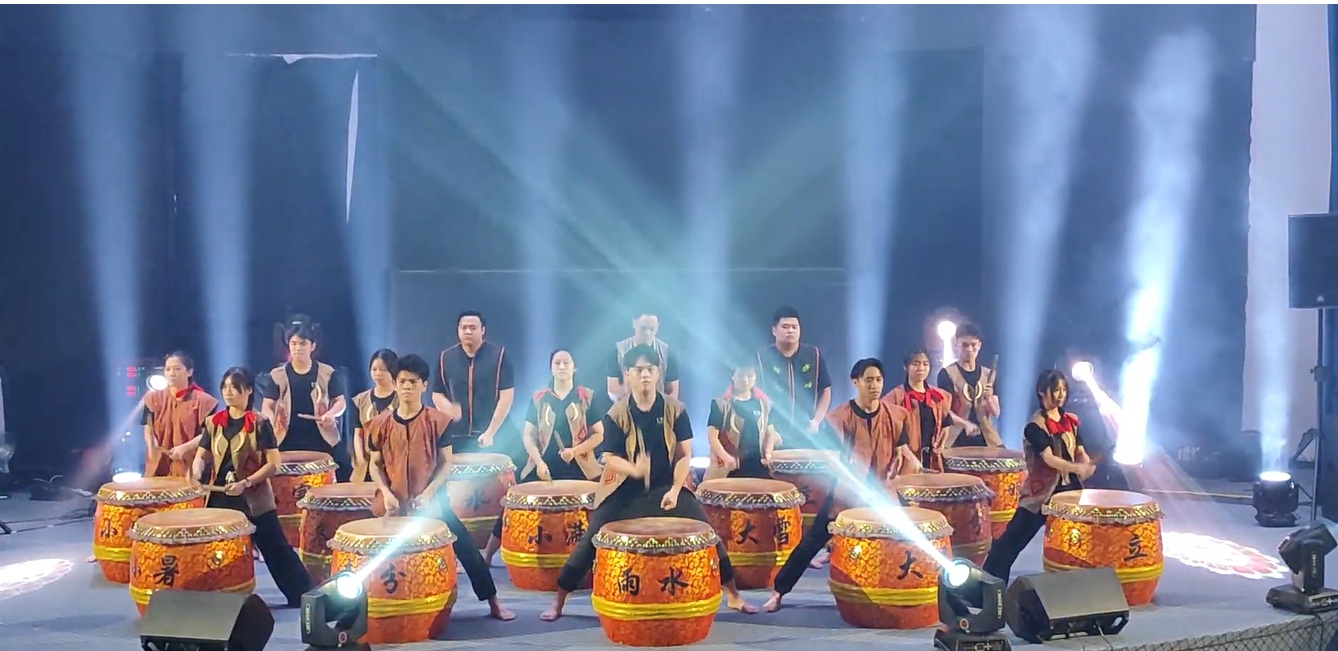
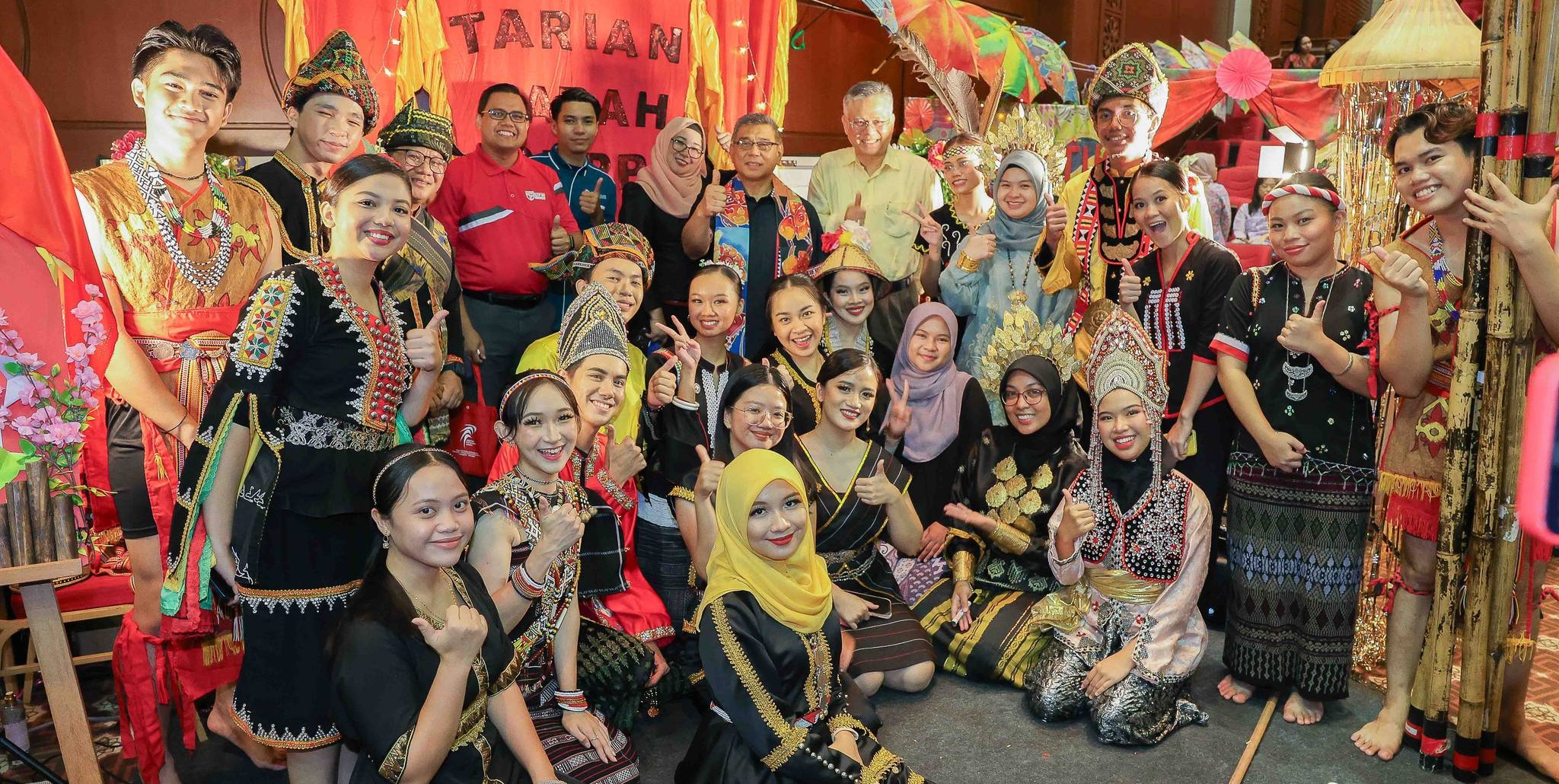
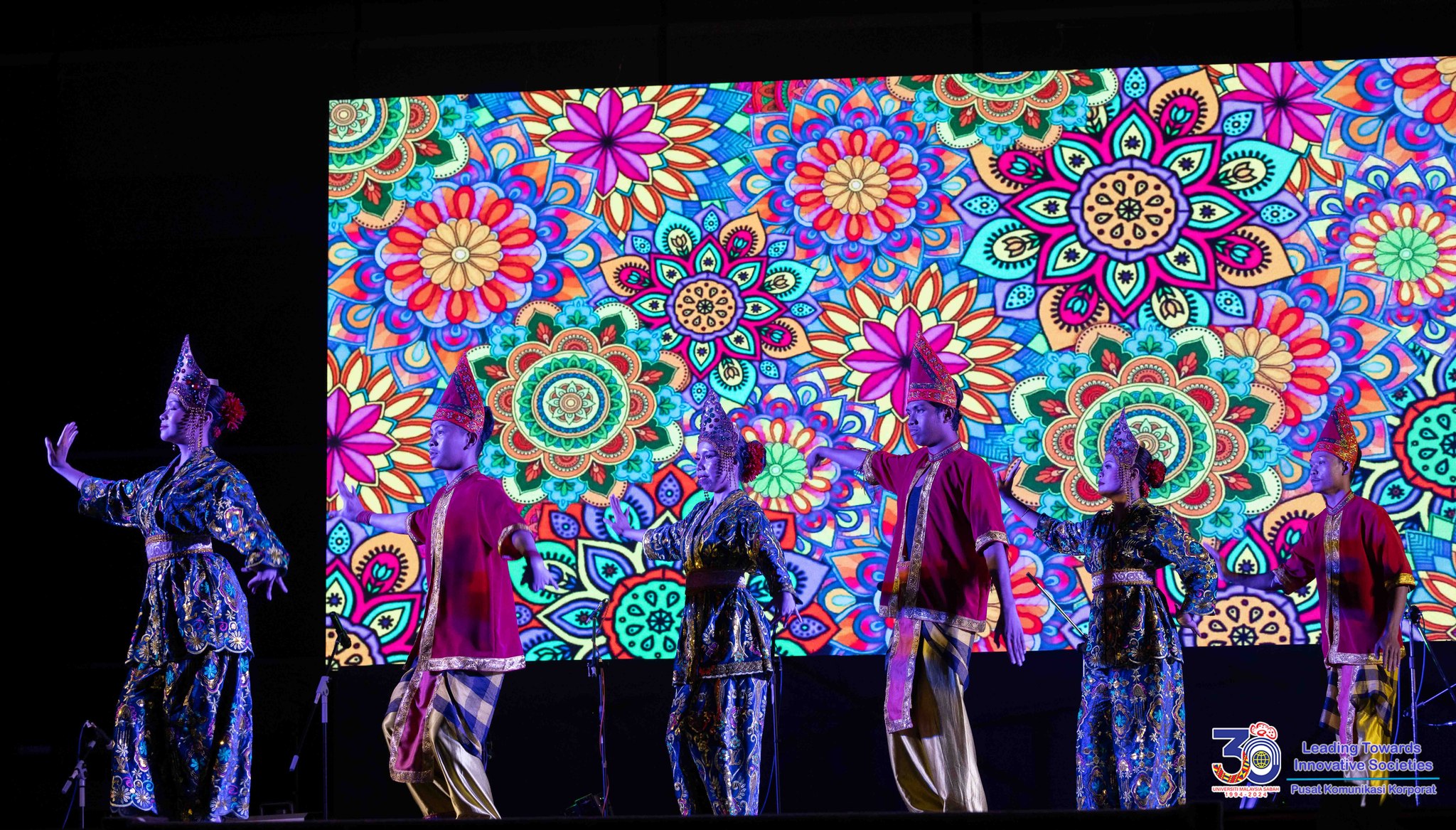
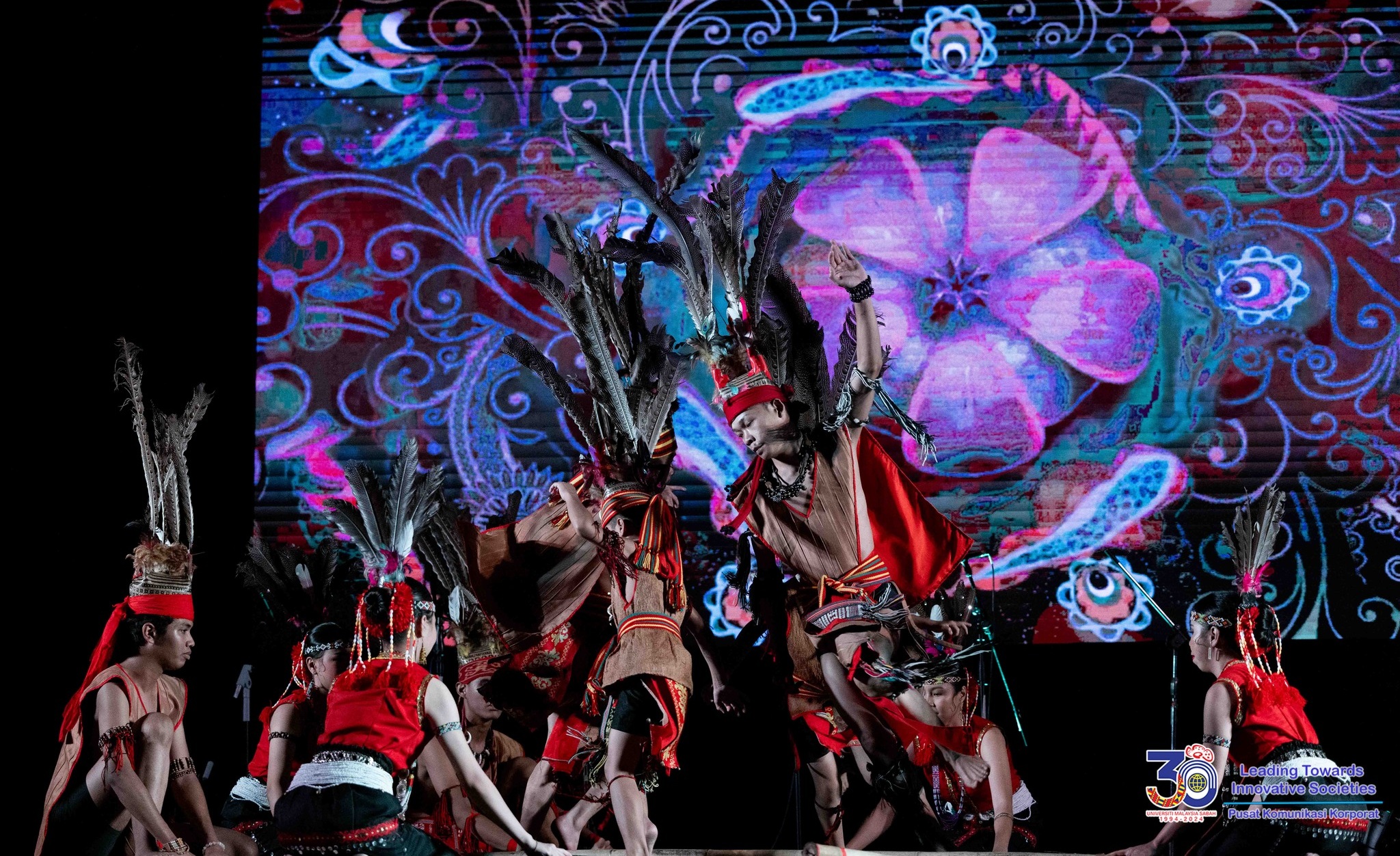
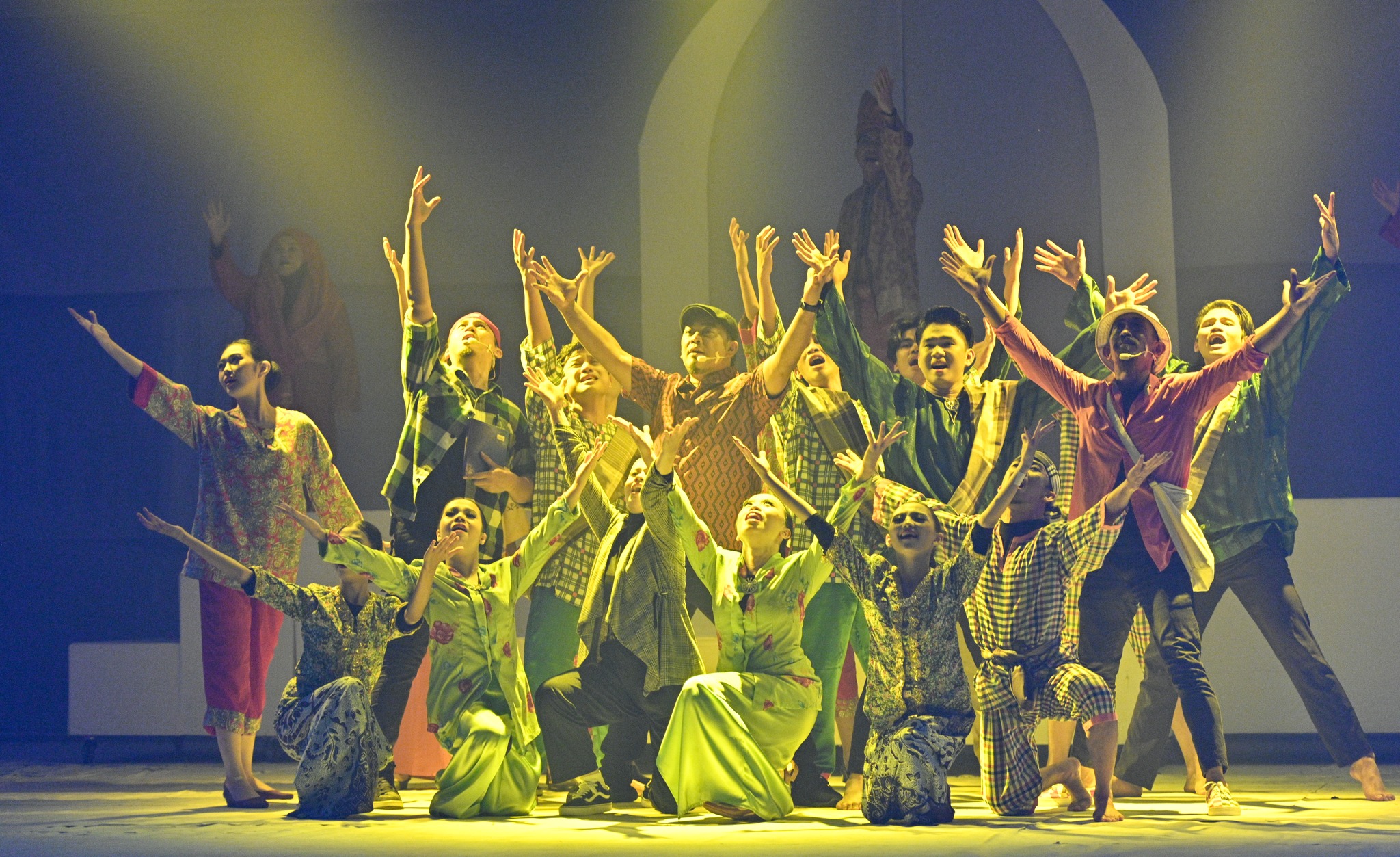
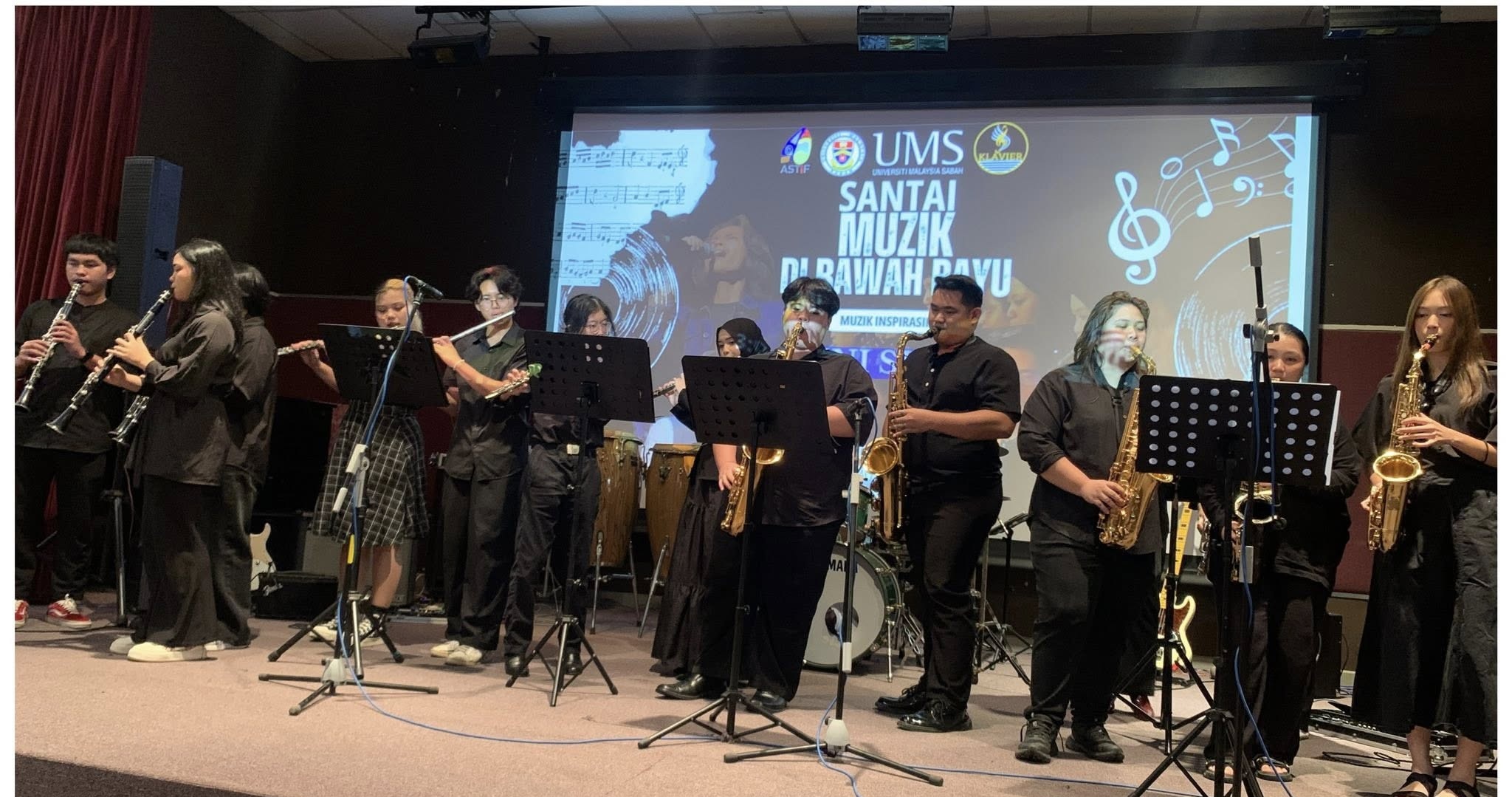
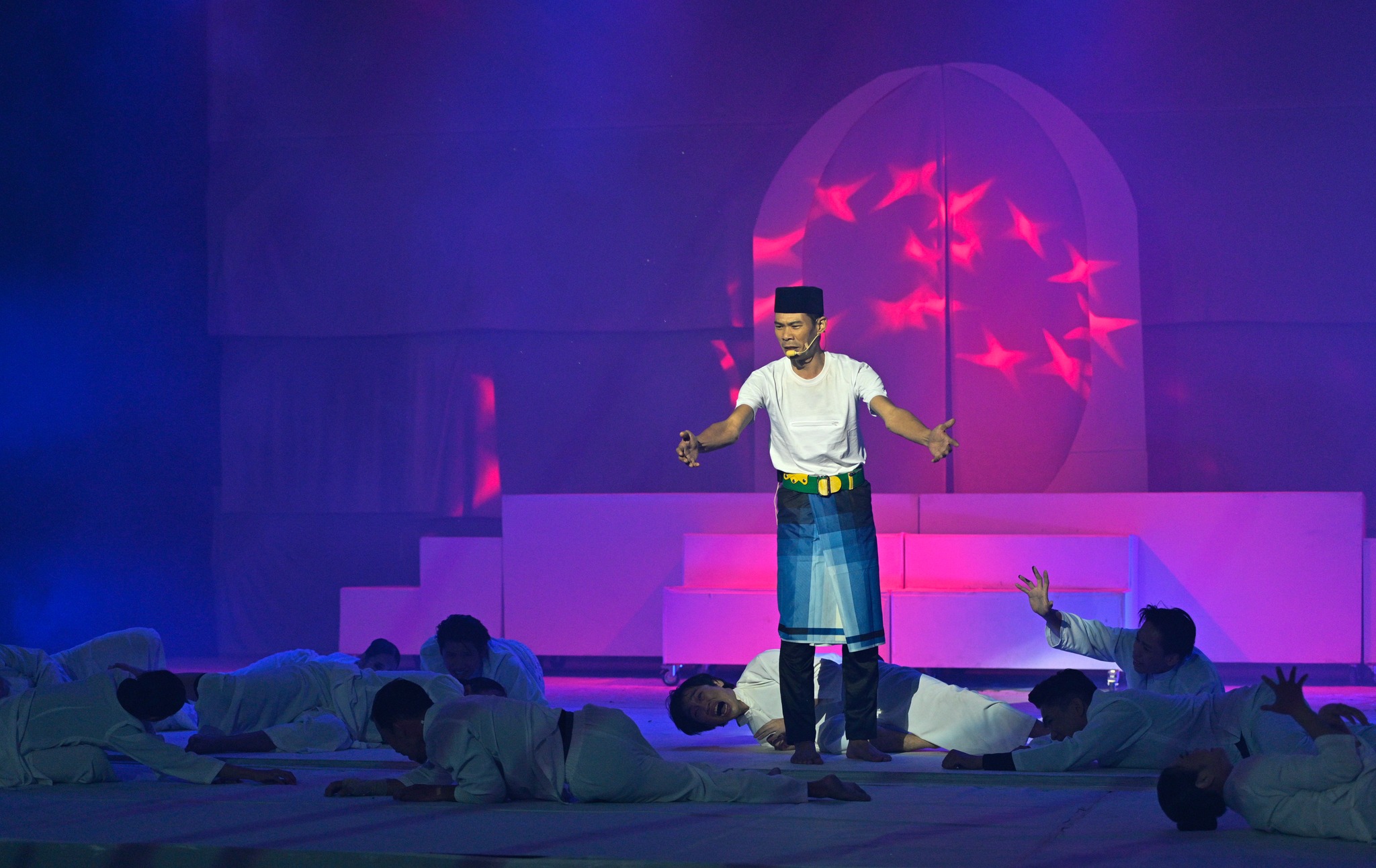
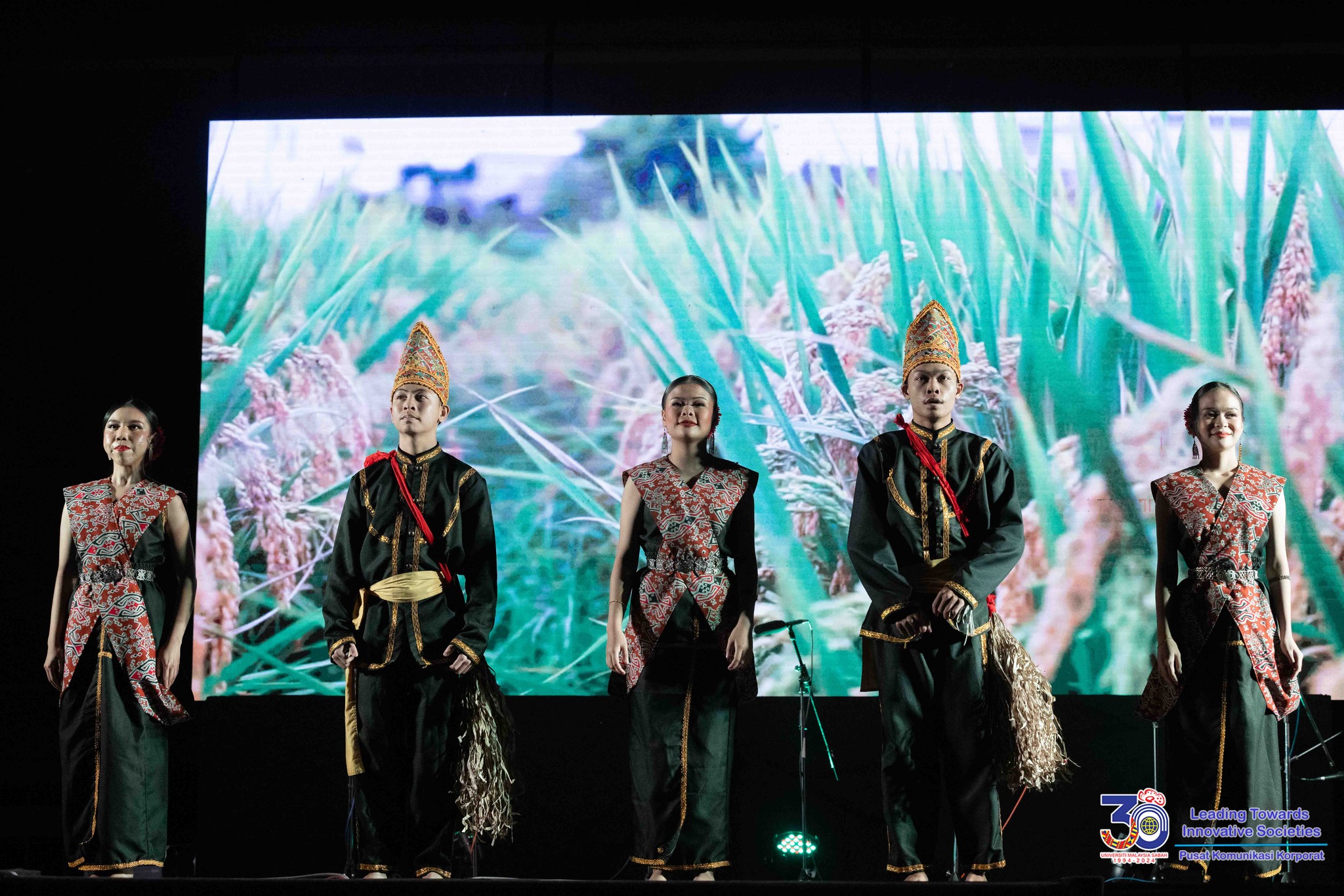
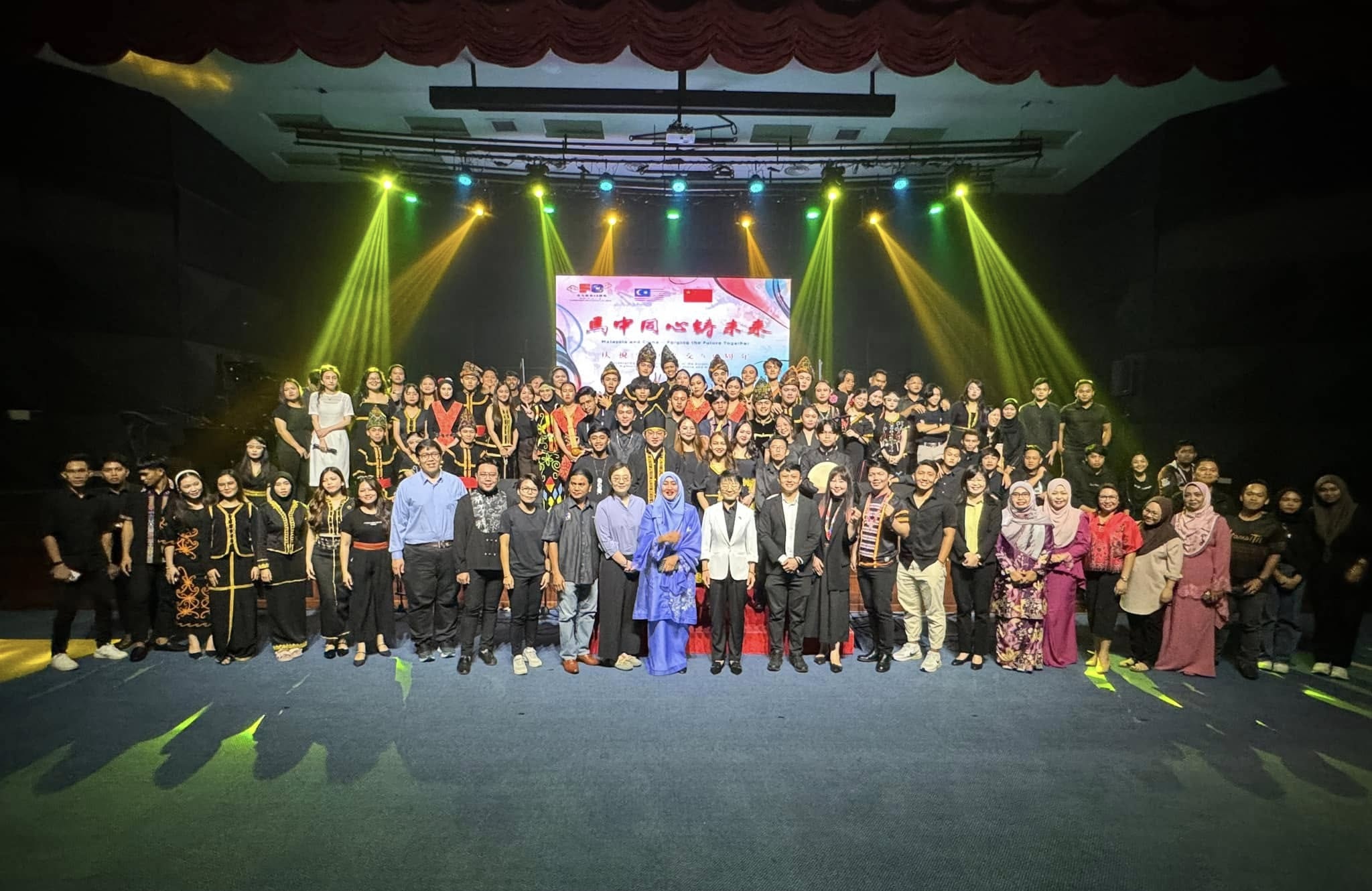
Every year, UMS organises more than 20 public performances, ranging from theatre productions and choir concerts to traditional music showcases and modern creative arts presentations. These events serve as vibrant platforms where students, local artists, and cultural practitioners collaborate to celebrate Sabah’s multicultural identity. Key annual highlights include the UMS Multicultural Festival and Rythmbunan Legacy - Festibu, a large-scale celebration of ethnic dances, traditional costumes, multilingual performances, and storytelling exhibitions. This event draws significant public attendance and reinforces appreciation for Sabah’s diverse indigenous heritage, including the Kadazan-Dusun, Bajau, Murut, and Bruneian Malay communities.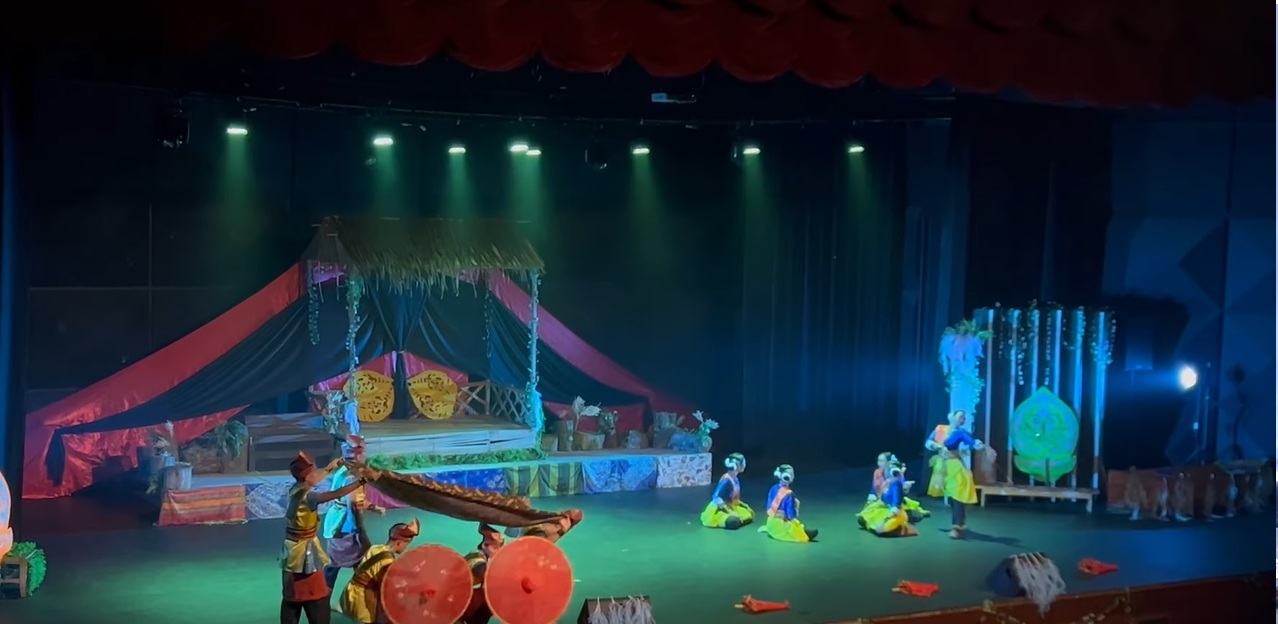
Choirs, Orchestras, and Theatre Ensembles as Cultural Ambassadors
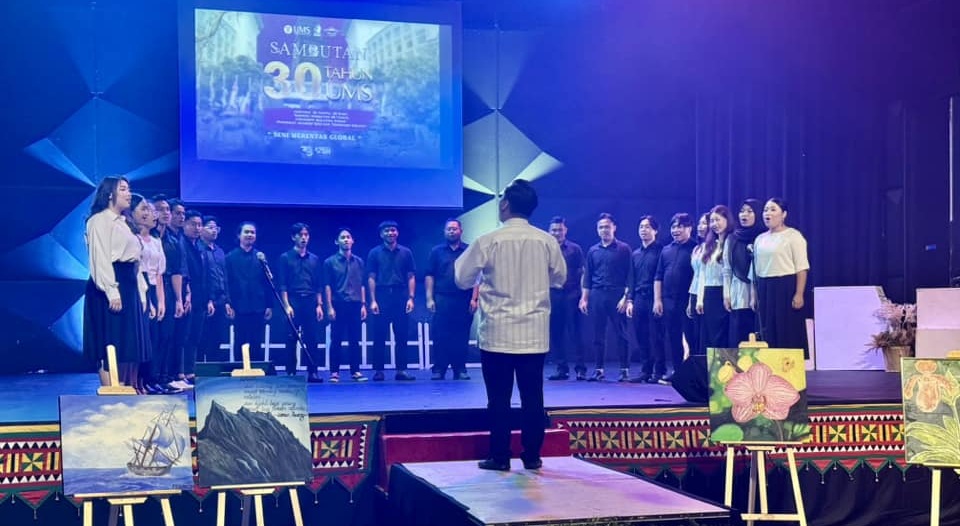
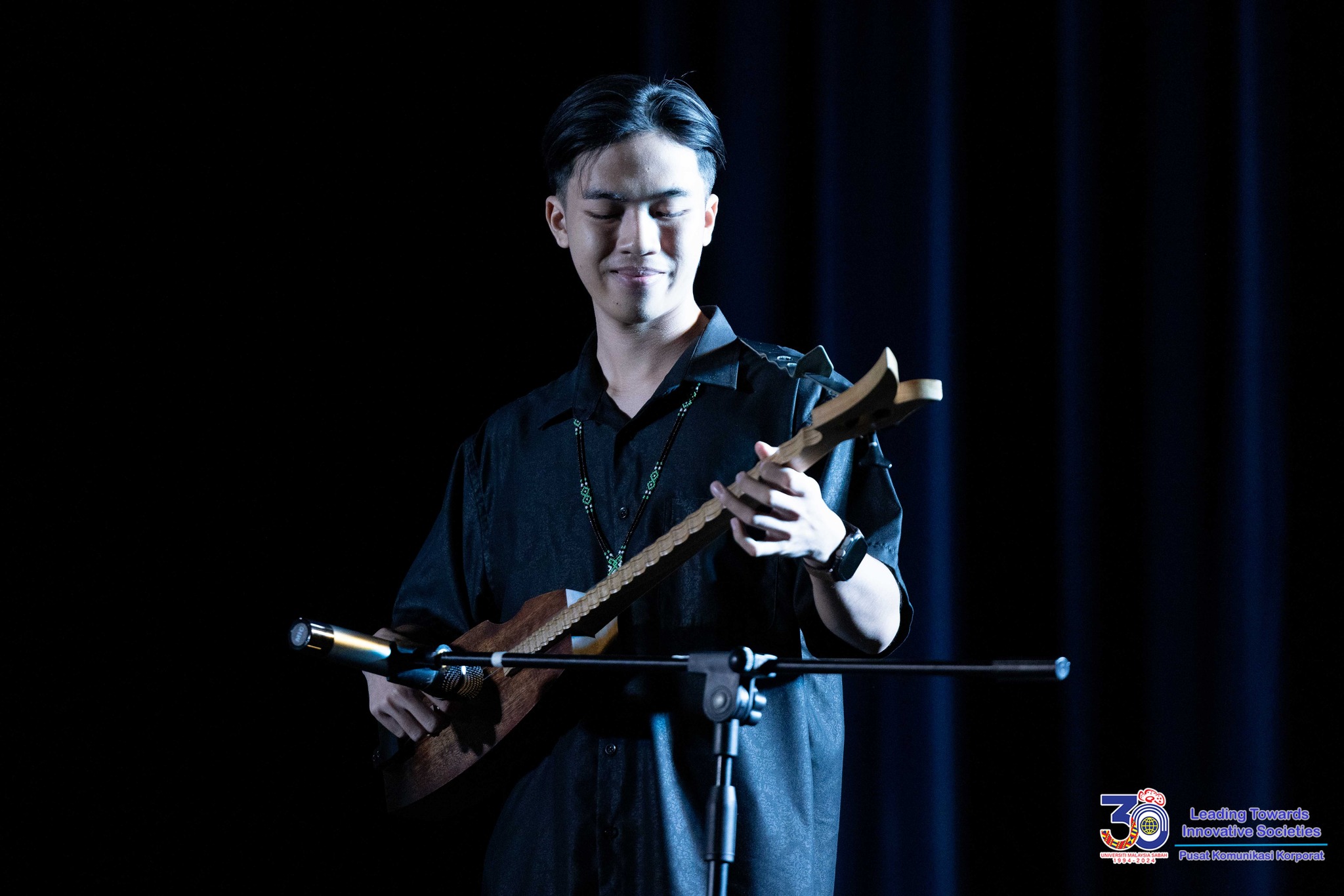
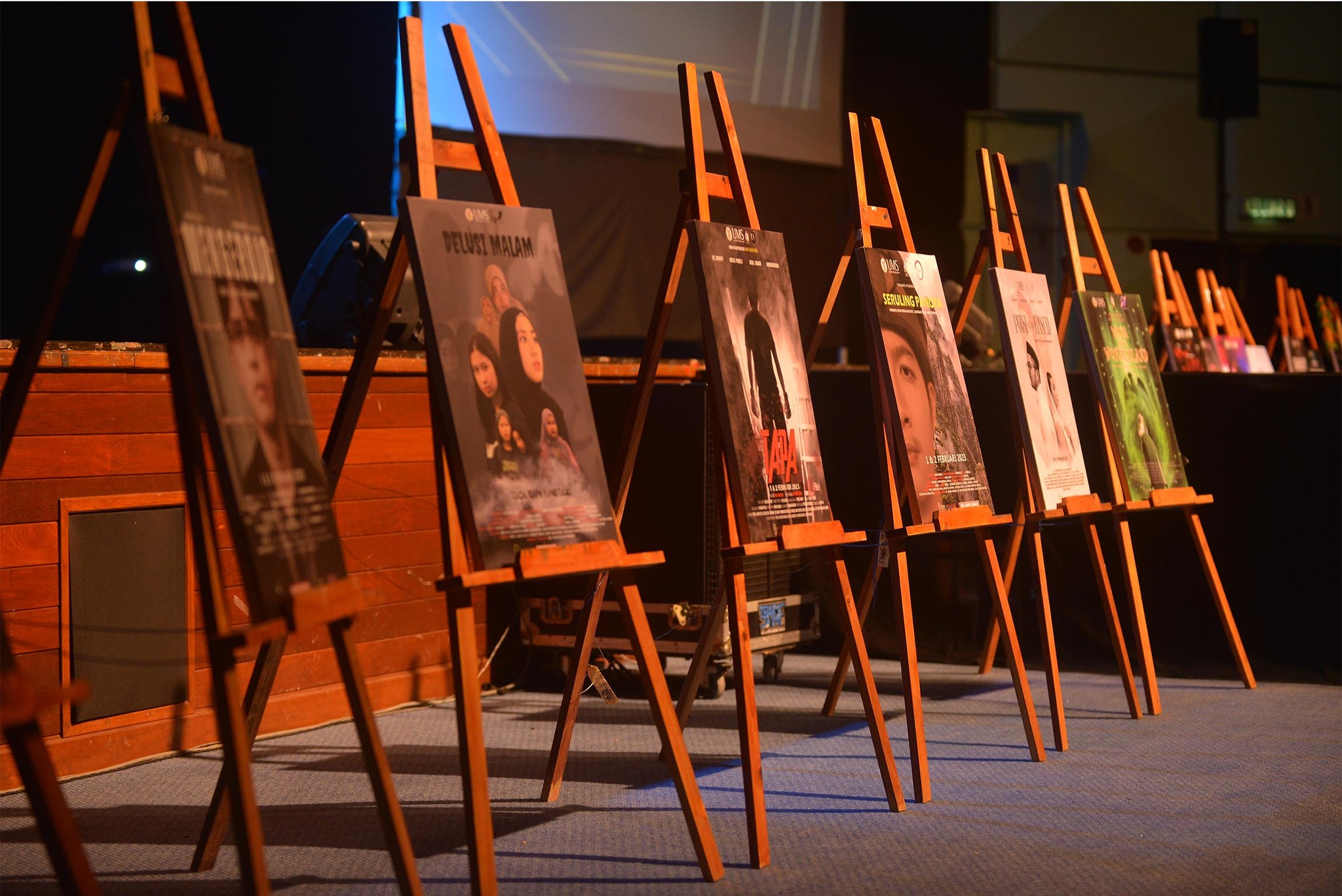
UMS contributes significantly to local performing arts through its active theatre groups, choir ensembles, and university orchestra. The UMS Choir and Orchestra Concert, held annually at the Chancellor Hall, attracts local families, schools, and music enthusiasts. These concerts blend classical, contemporary, and ethnic music, showcasing Sabah’s cultural narrative through vocal harmonies and orchestral arrangements. Student theatre groups further enrich the scene with performances that reinterpret local legends, explore social themes, and promote youth creativity. These artistic collectives serve as cultural ambassadors of UMS, fostering artistic excellence while providing meaningful public engagement opportunities.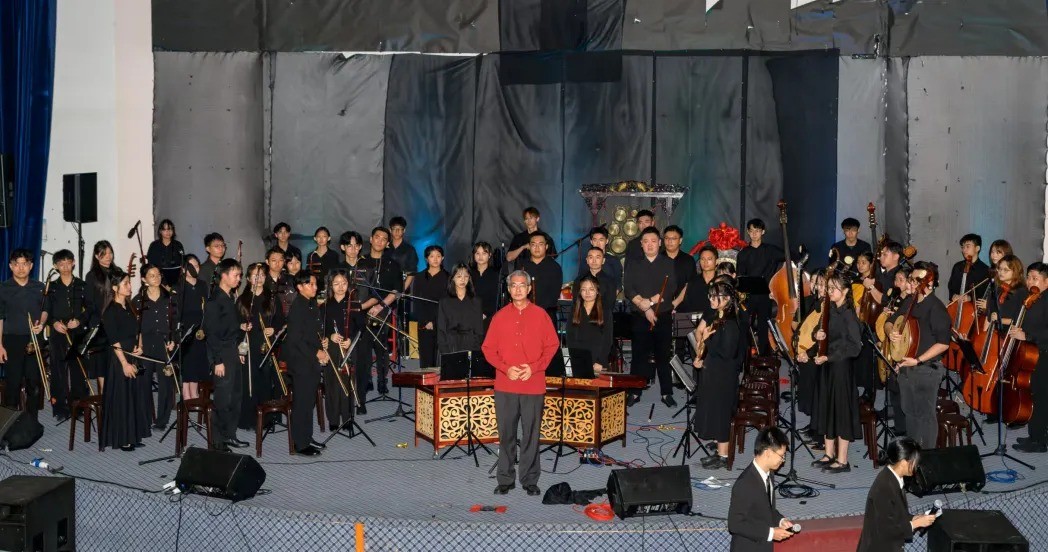
Collaborations That Elevate Sabah’s Creative Ecosystem
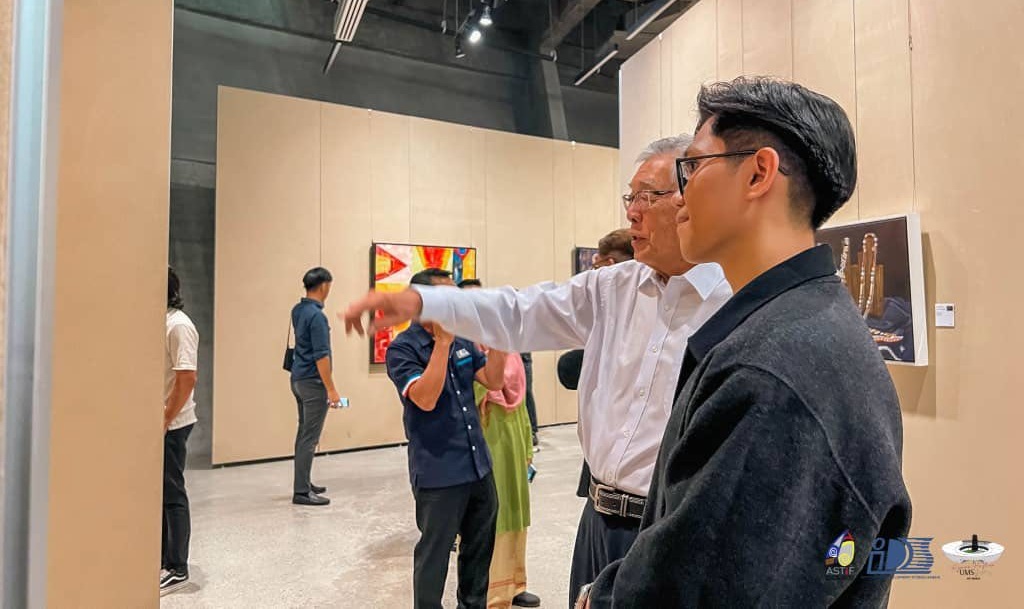
UMS’s cultural activities are strengthened through active collaborations with state institutions and creative partners. Events such as the Borneo Arts and Cultural Festival and UMS Creative Arts Week are organised in partnership with the Sabah Art Gallery, the Ministry of Tourism, Culture and Environment Sabah, as well as local theatre companies and independent performers. These collaborations broaden artistic exposure, enhance the professional development of students, and integrate UMS into Sabah’s creative industry ecosystem. Exhibitions hosted by GAH UMS further showcase works by emerging and established artists, positioning the university as a regional hub for creative exchange, visual arts, and cultural dialogue.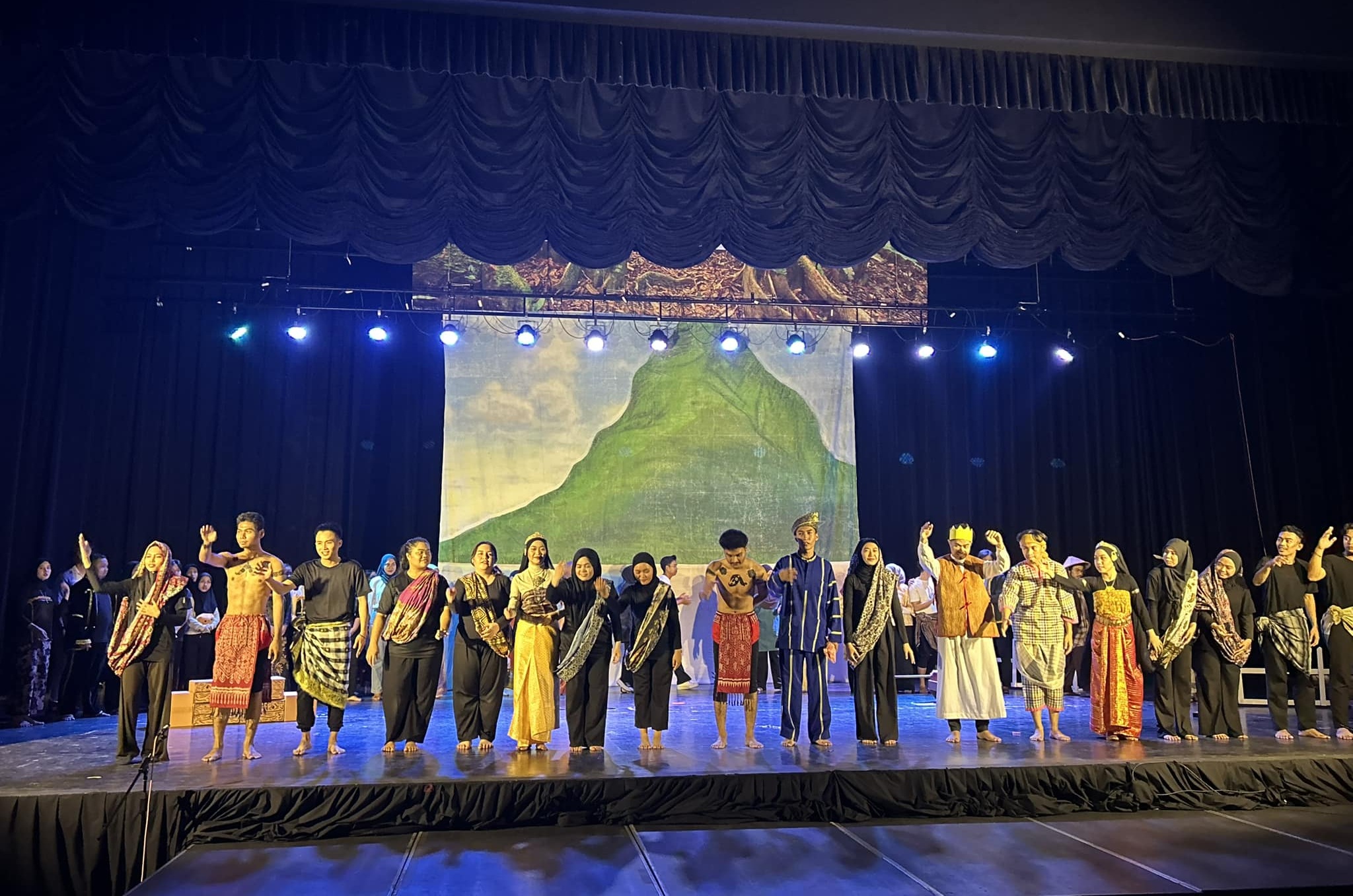
Accessible Cultural Spaces that Welcome the Public
UMS ensures that its artistic events are open to the public, reinforcing its commitment to inclusive and sustainable cultural spaces. Performances take place at accessible venues such as the Chancellor Hall, GAH UMS, Academy of Arts and Creative Technology (ASTiF) theatre studios, and open-air stages across the campus. Many events are free-of-charge or maintain minimal fees to ensure that communities—especially youths, families, and underrepresented groups—can participate in the arts. Through this approach, UMS supports SDG 11 by creating cultural environments where community members from all socioeconomic levels can engage in creative expression and heritage appreciation.
Strengthening Identity, Community, and Cultural Resilience
UMS’s active contribution to the arts generates wide-ranging social, cultural, and educational benefits. Culturally, its productions preserve Sabah’s indigenous heritage while promoting artistic diversity and creative experimentation. Socially, public performances foster community bonding, deepen interethnic understanding, and create shared cultural experiences that strengthen Sabah’s multicultural fabric. Economically, student performances and cultural festivals stimulate creative industry growth by providing platforms for collaborations, talent visibility, and community participation. In terms of SDG 11, UMS plays a direct role in ensuring that arts and culture remain accessible public goods, contributing to cultural continuity, liveability, and sustainable community development. By promoting the arts as an inclusive public avenue for expression and identity, UMS enhances social cohesion, supports cultural preservation, and empowers future generations to appreciate and protect the rich cultural heritage of Sabah. The university’s contributions to local arts and culture are backed by measurable outputs:- - Over 20 annual public performances involving theatre ensembles, choirs, orchestras, and traditional music groups.
- - Regular large-scale events such as UMS Cultural Night, UMS Choir and Orchestra Concert, and Creative Arts Week.
- - GAH UMS exhibitions featuring local artists, student creators, and cultural heritage collections.
- - Collaborations with the Sabah Art Gallery, Ministry of Tourism, Culture and Environment Sabah, and local creative industries.
- - Public access to performances at Chancellor Hall, GAH UMS, and faculty theatres with free or minimal entry fees.
- - Training opportunities for students in performing arts, event organisation, and creative production.
Echoes of Borneo: UMS Protecting Voices, Stories, and Cultural Souls.
Guardians of Living Heritage: UMS Preserving Sabah’s Intangible Cultural Legacy
Universiti Malaysia Sabah (UMS) plays a vital role in preserving and promoting the intangible cultural heritage of Sabah’s diverse communities, directly supporting SDG 11: Sustainable Cities and Communities, particularly Target 11.4 on safeguarding cultural and natural heritage. As a university situated within one of the most culturally diverse regions in the world, UMS recognises that intangible heritage—such as folklore, oral history, traditional music, local languages, community rituals, and artisanal knowledge—is essential for strengthening identity, social cohesion, and cultural resilience. Through research, community engagement, digital archiving, and collaborative cultural projects, UMS ensures that the stories, memories, and wisdom of indigenous and displaced communities continue to thrive across generations.
Documenting Folklore, Oral Traditions, and Indigenous Narratives
At the forefront of UMS’s cultural preservation efforts are the Faculty of Humanities, Arts and Heritage (FKSW), Academy of Arts and Creative Technology (ASTiF), Borneo Institute of Indigenous Studies (BorIIS) and the Borneo Heritage Research Unit (BOHRu). These academic units lead systematic documentation of traditional narratives, myths, legends, poetic forms, and oral literature across Sabah’s many ethnic groups. The Kadazan-Dusun Oral Tradition Project is one of the major initiatives that collects and analyses oral stories, chants, and ritual expressions from elders and cultural practitioners. This project captures the depth of Kadazan-Dusun cosmology, beliefs, and ancestral memory, providing valuable insights into community identity and cultural worldview. In addition, UMS researchers work with Bajau, Murut, Rungus, Lundayeh, and Bruneian Malay communities to record their folklore and traditional expressions. These culturally embedded narratives help preserve local philosophies, moral teachings, environmental knowledge, and community values that risk being lost amid modernisation.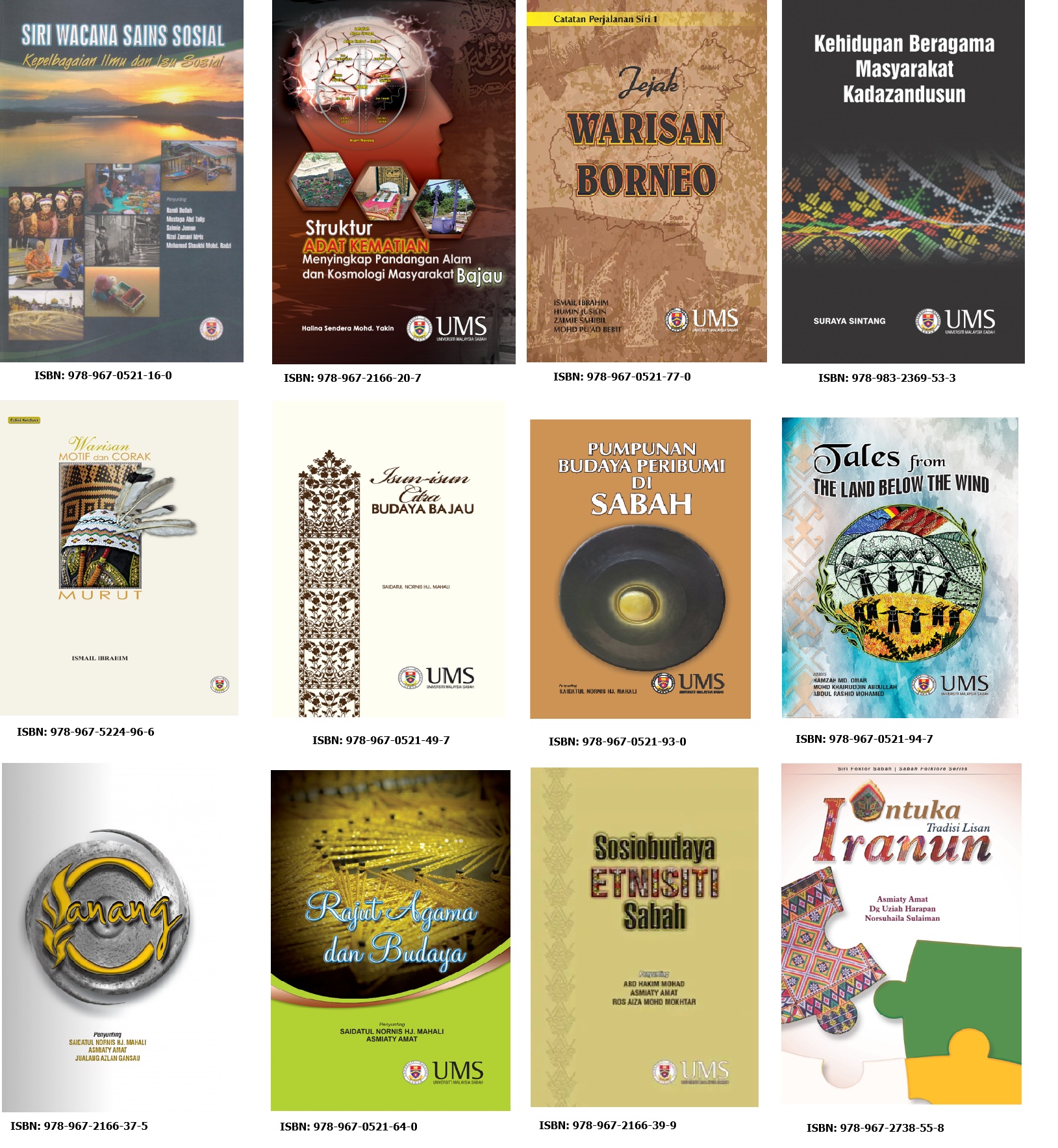
Preserving Endangered Languages and Linguistic Diversity
Recognising that language is a cornerstone of cultural heritage, UMS carries out extensive linguistic documentation through the Preservation of Endangered Sabah Languages Project. Sabah is home to over 50 languages and dialects, many of which are endangered due to urban migration, intermarriage, and declining intergenerational transmission. UMS linguists conduct fieldwork to document grammar, phonology, vocabulary, and oral expressions of languages spoken by smaller communities such as the Ida’an, Tatana, Sonsogon, and Paitan groups. These efforts align with UNESCO’s global priorities on safeguarding linguistic diversity and preventing language extinction. By producing dictionaries, corpora, language recordings, and teaching materials, UMS helps sustain the use and visibility of indigenous languages in schools, cultural institutions, and community programmes.Creative Productions That Revitalise Community Memory
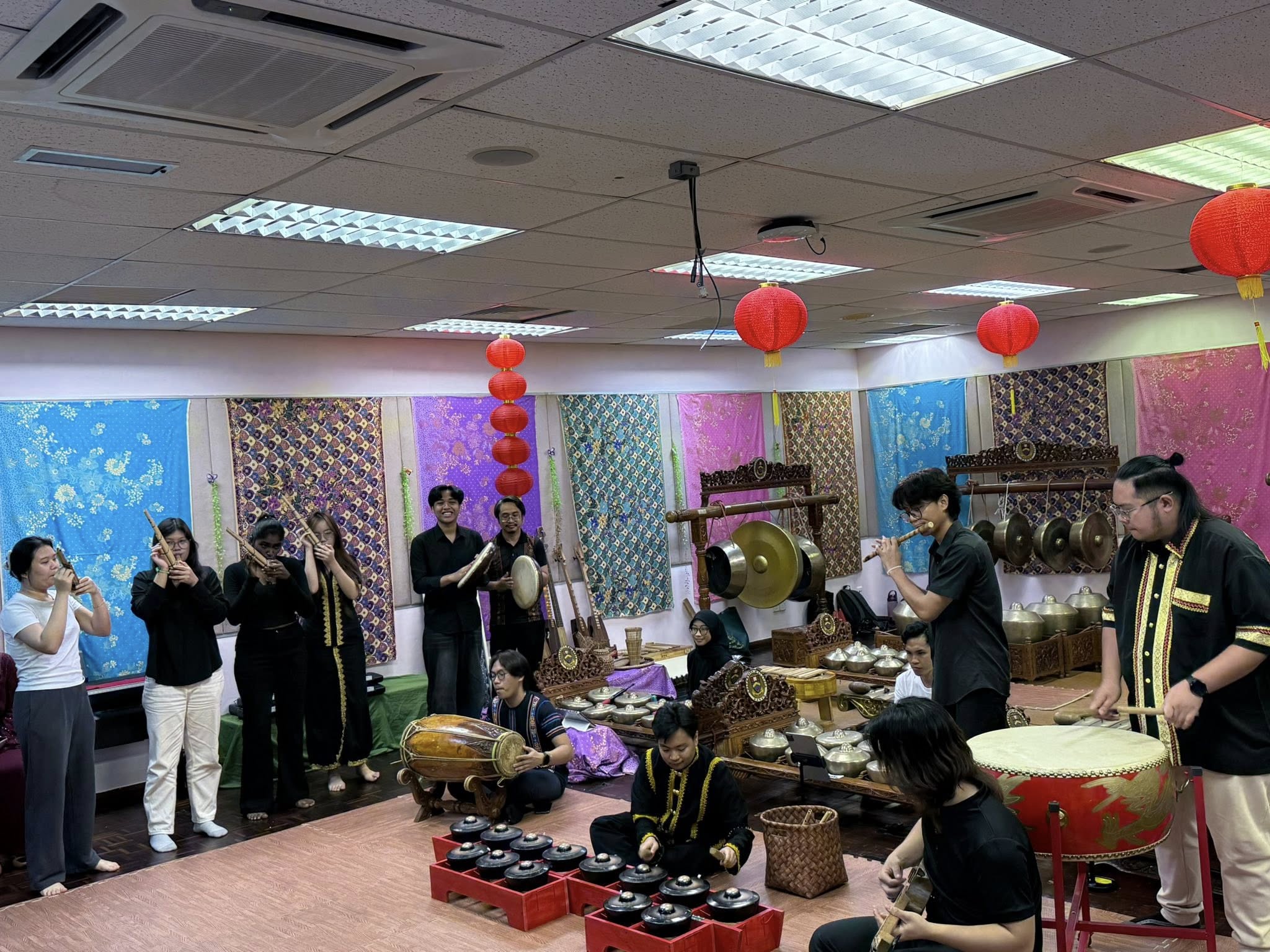
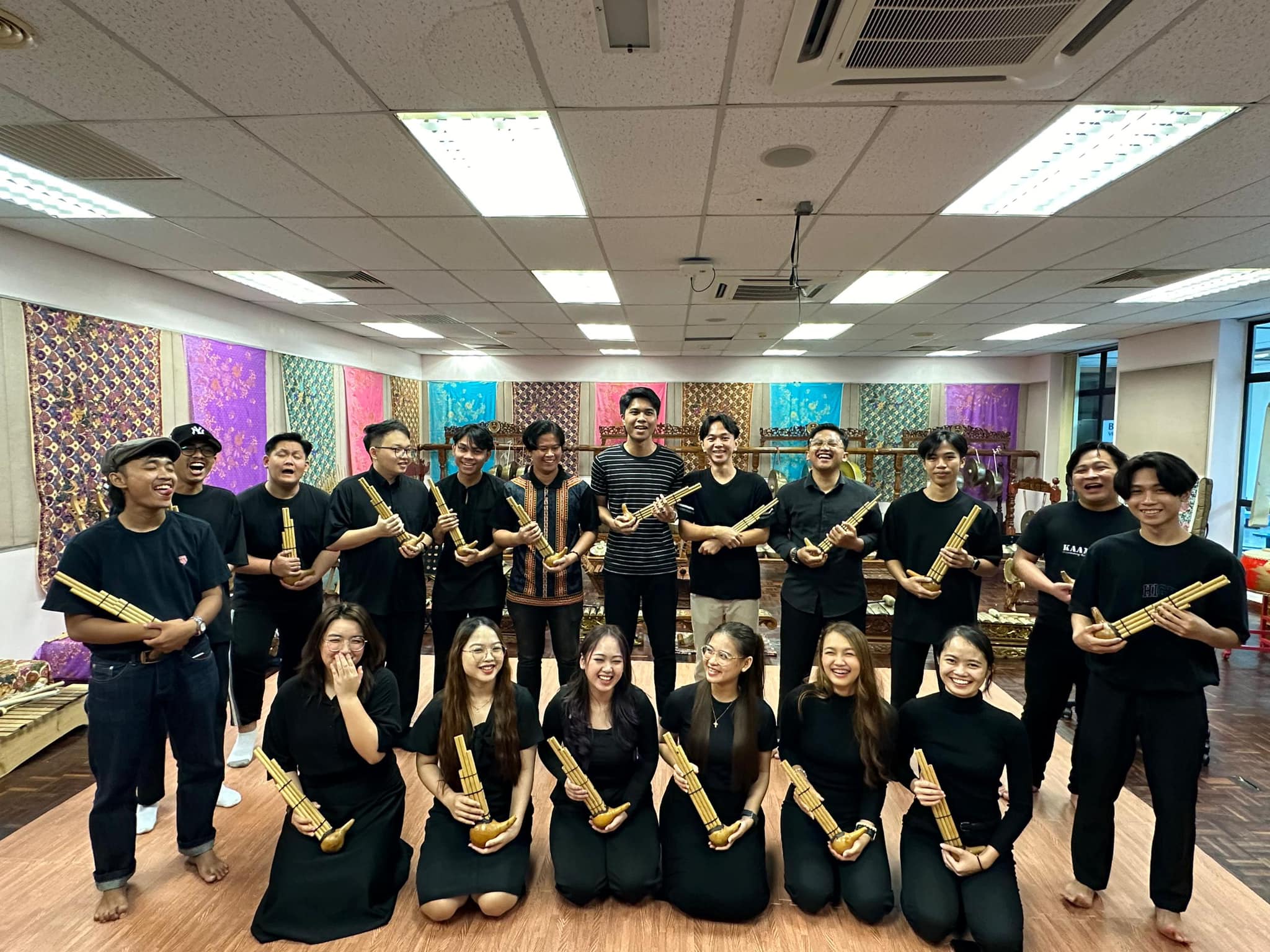
UMS also delivers cultural preservation through performing arts projects, which reinterpret traditional stories and artistic expressions for contemporary audiences. One notable example is Teater Muzikal Duzung – The Origin of Hampo’ Rungus, a musical theatre production that retells Rungus oral history through music, dance, storytelling, and costume. This production not only entertains but also educates the public about the cultural origins, spiritual beliefs, and historical experiences of the Rungus people. Another major initiative is SompoTune, a creative ethnomusicology project that documents traditional musical instruments, indigenous songs, and community performances. By recording, digitising, and archiving musical heritage, UMS ensures that ancestral musical knowledge remains accessible to future generations. Complementing these is the Borneo Cultural Knowledge Archive, a digital repository that captures and preserves intangible heritage through multimedia recordings—such as music, chants, dances, oral interviews, traditional craftsmanship, and cultural rituals. This digital approach allows heritage content to be shared widely with students, researchers, policymakers, and local communities.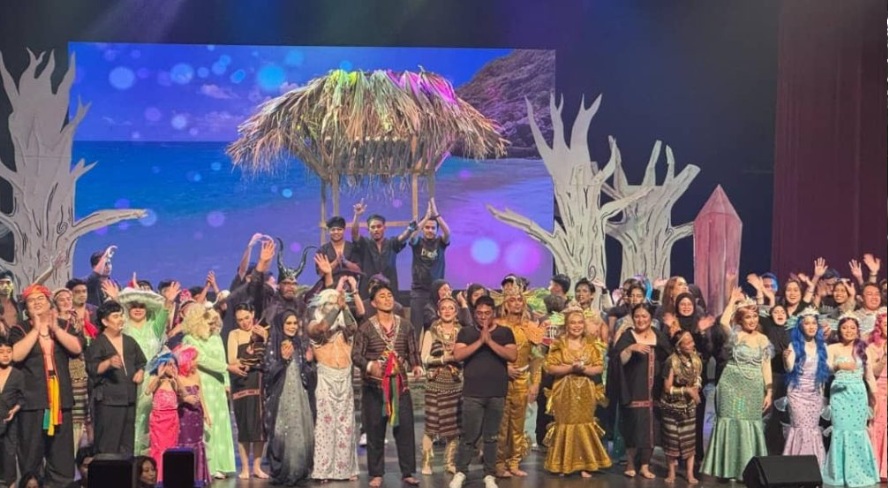
Empowering Walking, Cycling, and Green Transport for All
UMS Advancing Sustainable Mobility for a Greener Campus
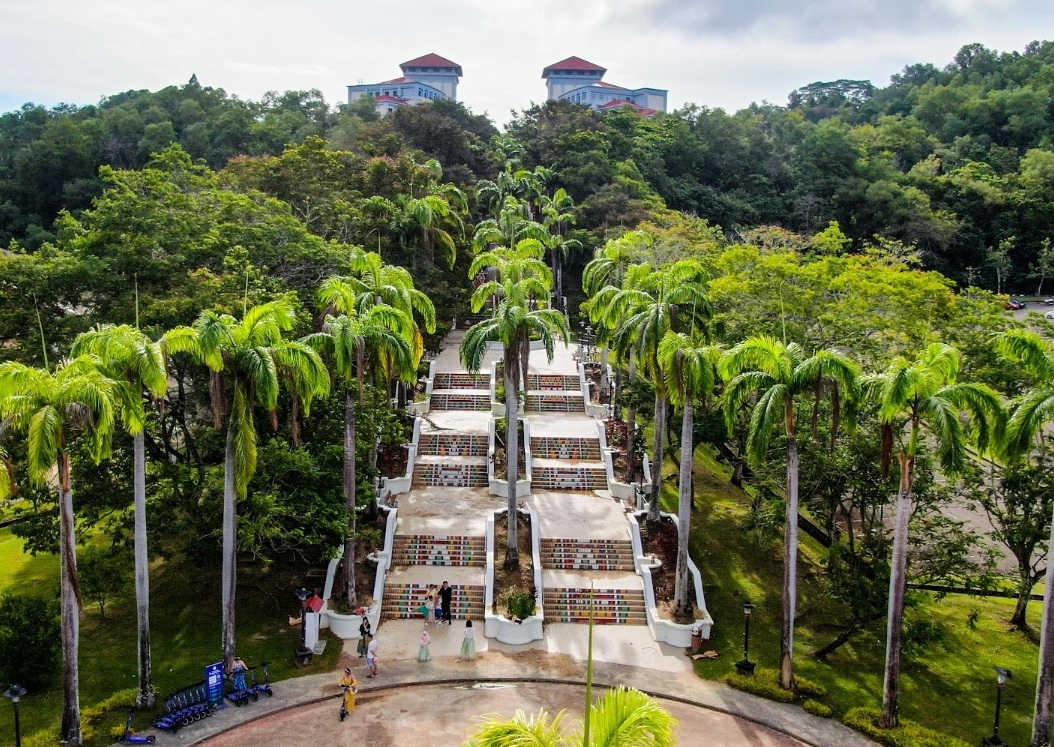
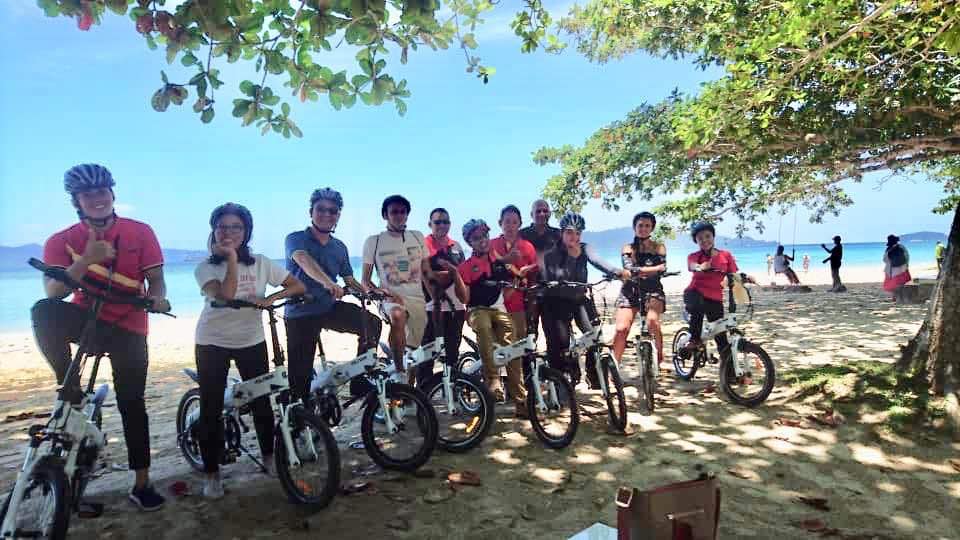
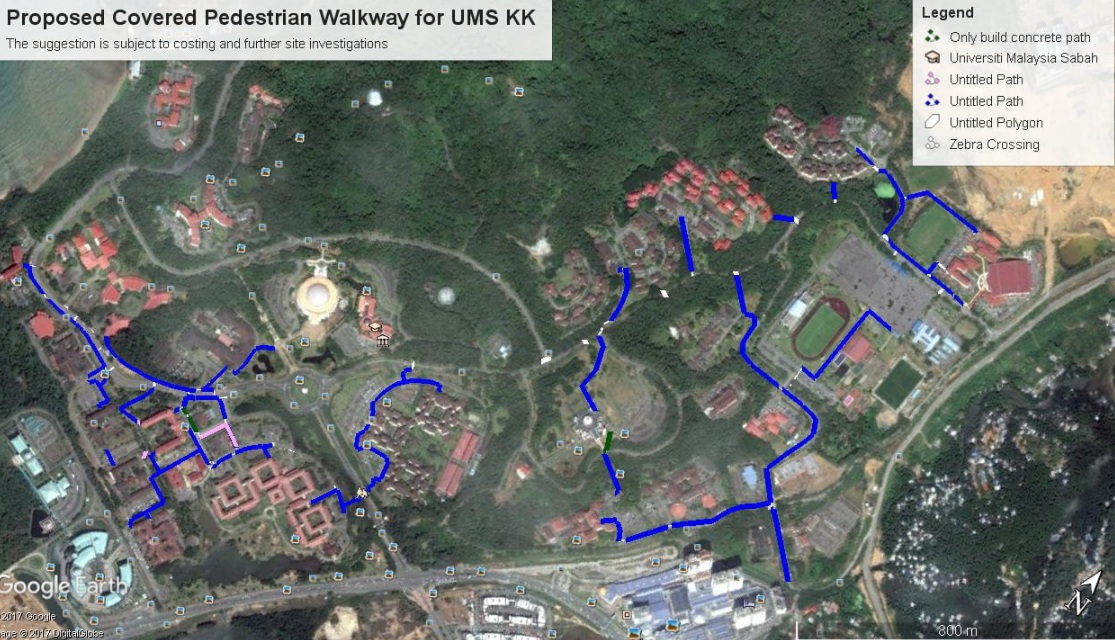
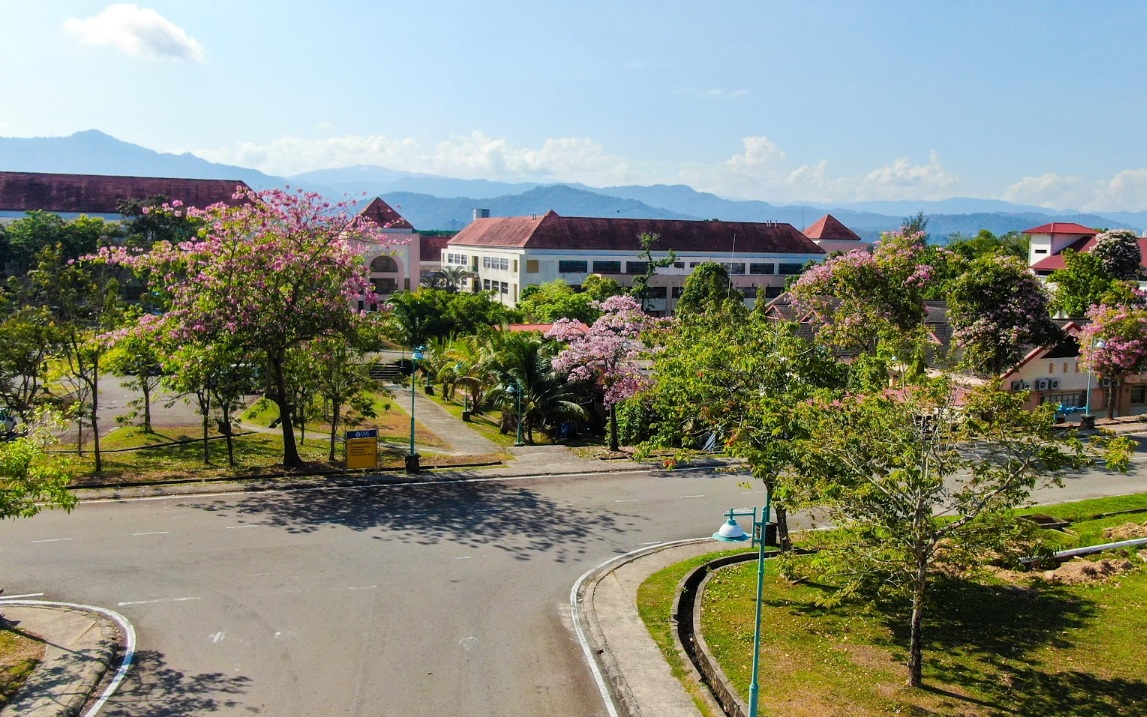
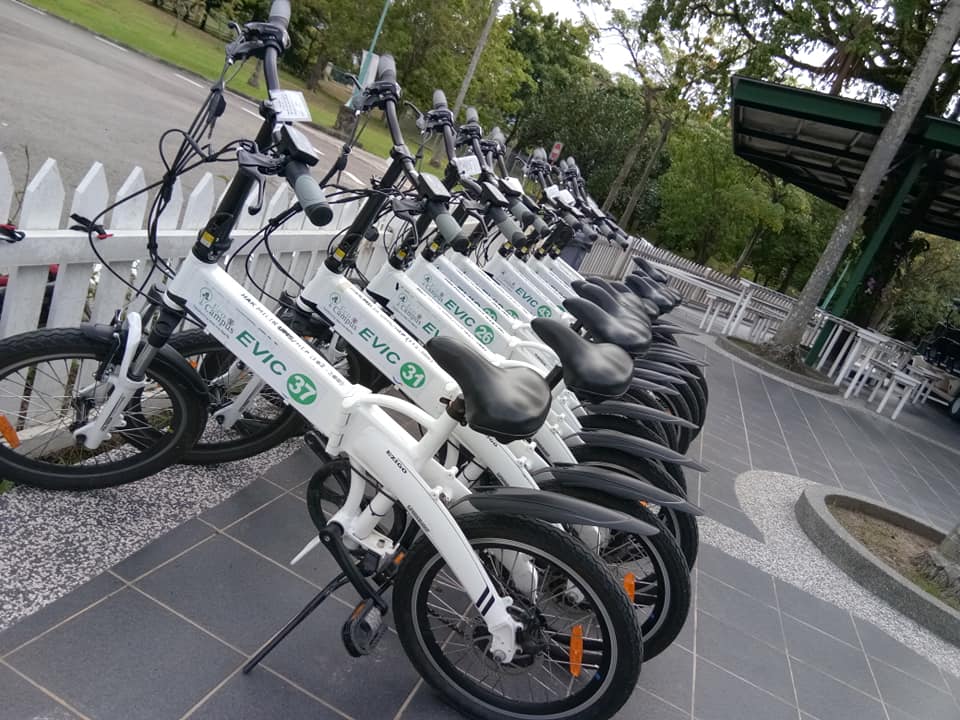
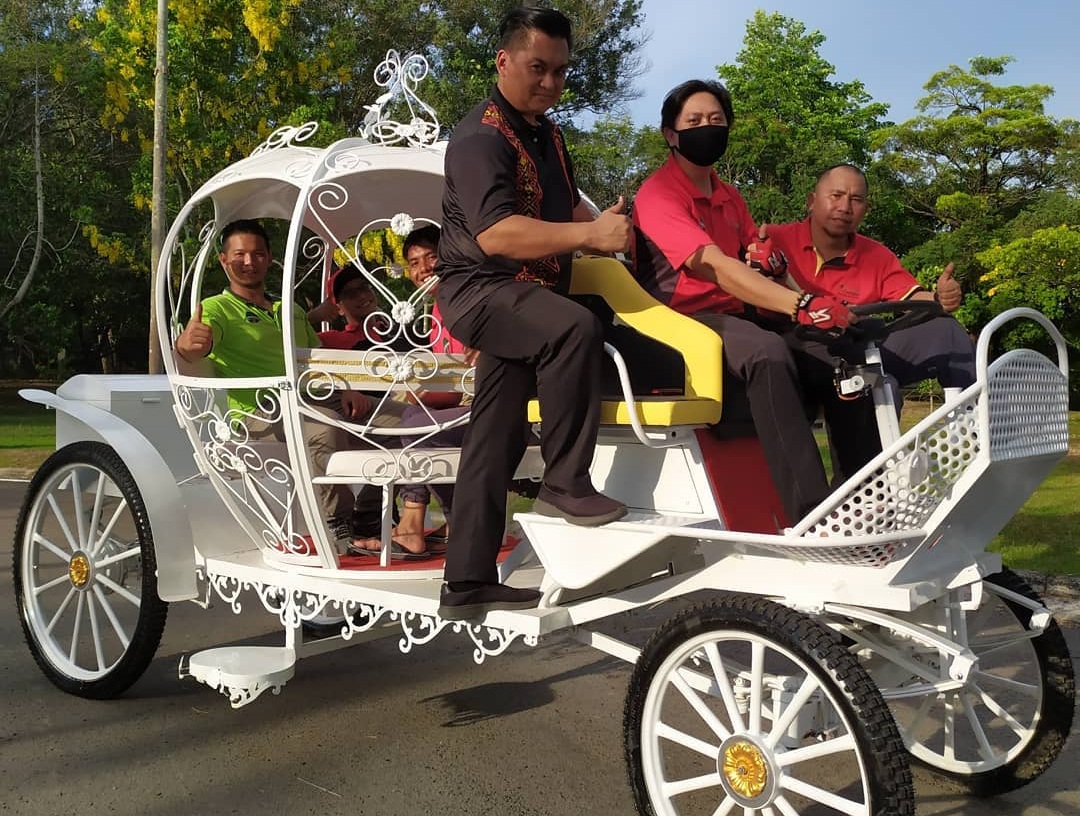
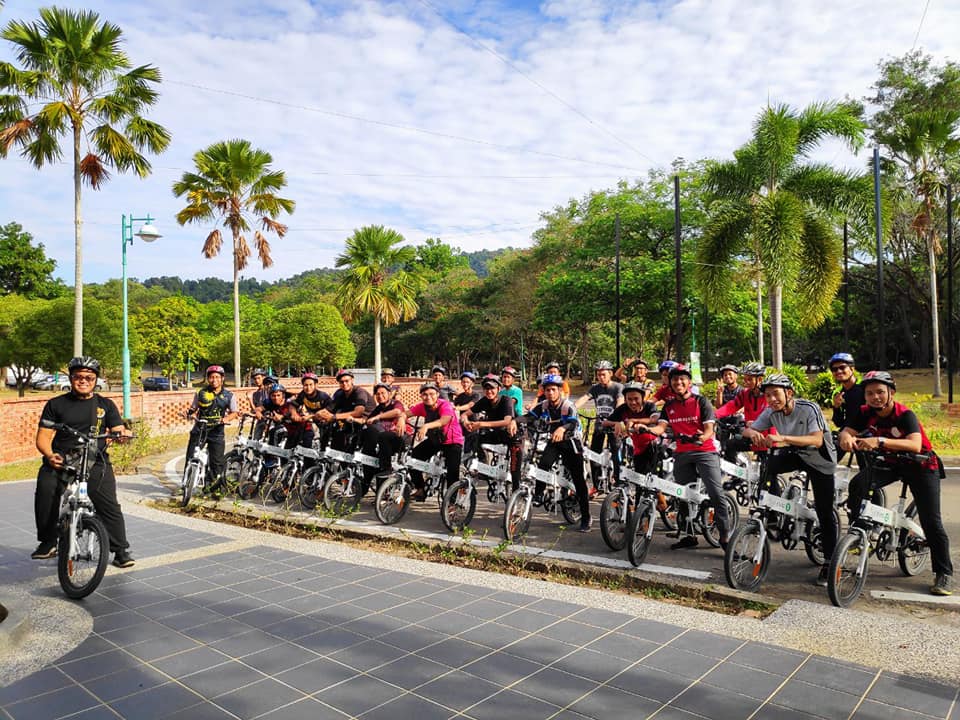
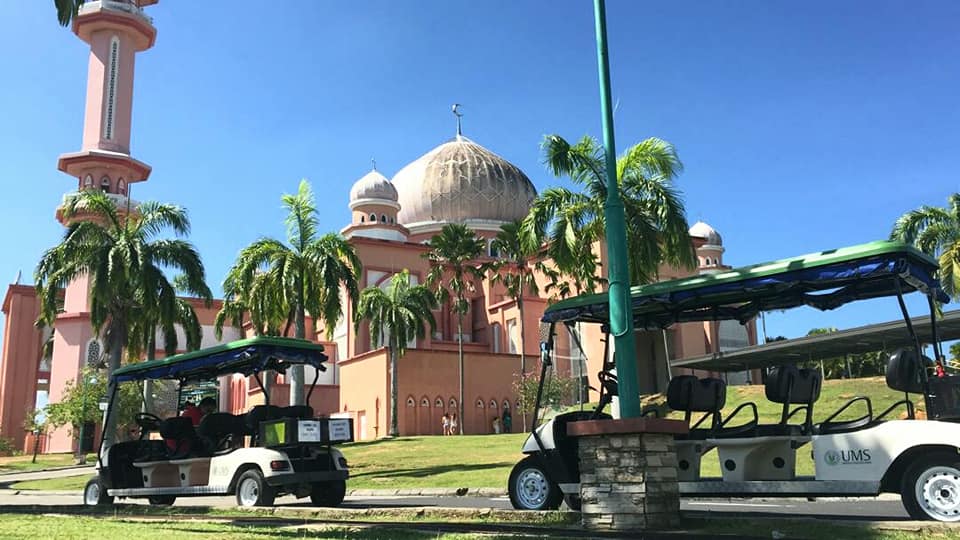
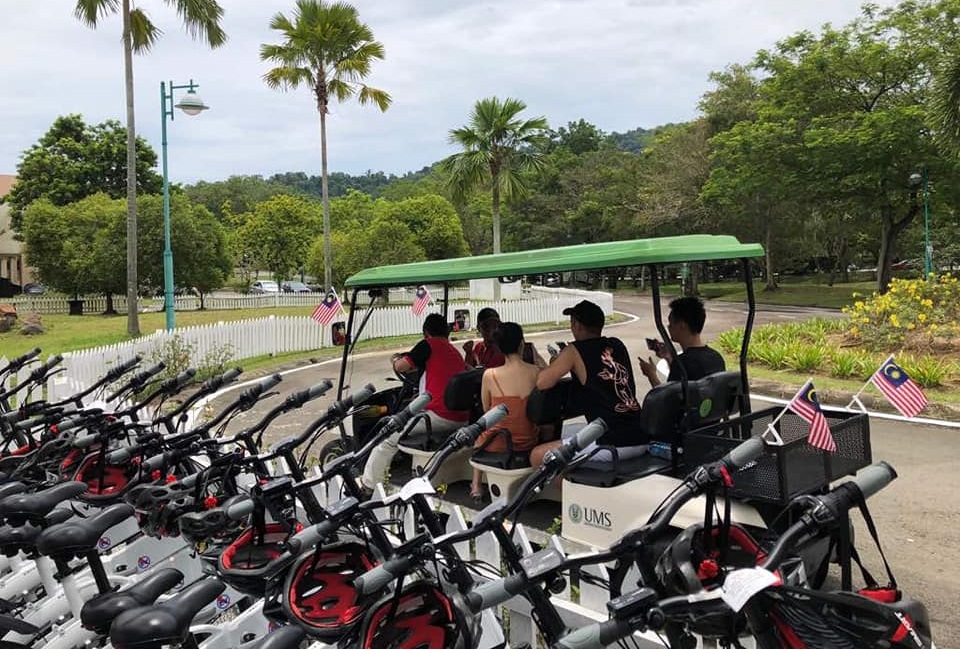
UMS actively reduces reliance on private vehicles by investing in a diverse portfolio of low-carbon commuting options designed to meet the needs of students, staff, and visitors. The UMS Shuttle Bus Service forms the core of this system, connecting key academic zones with residential areas both on and off campus. This service not only reduces traffic congestion but also ensures equitable mobility access, particularly for B40 and non-driving students who depend on affordable, reliable transport. Complementing this is the vehicle entry control system, which restricts entry to registered vehicles, directly lowering the volume of unnecessary private cars on campus. Evidence from campus mobility surveys shows increased shuttle bus ridership year-on-year, indicating behavioural shifts toward public transport. UMS further encourages walking and cycling by maintaining designated pedestrian walkways and cycling routes, prioritising safe, shaded, and accessible paths across the 375-hectare campus.
Promoting Alternative and Low-Carbon Transport Modes
UMS actively reduces reliance on private vehicles by investing in a diverse portfolio of low-carbon commuting options designed to meet the needs of students, staff, and visitors. The UMS Shuttle Bus Service forms the core of this system, connecting key academic zones with residential areas both on and off campus. This service not only reduces traffic congestion but also ensures equitable mobility access, particularly for B40 and non-driving students who depend on affordable, reliable transport. Complementing this is the vehicle entry control system, which restricts entry to registered vehicles, directly lowering the volume of unnecessary private cars on campus. Evidence from campus mobility surveys shows increased shuttle bus ridership year-on-year, indicating behavioural shifts toward public transport. UMS further encourages walking and cycling by maintaining designated pedestrian walkways and cycling routes, prioritising safe, shaded, and accessible paths across the 375-hectare campus.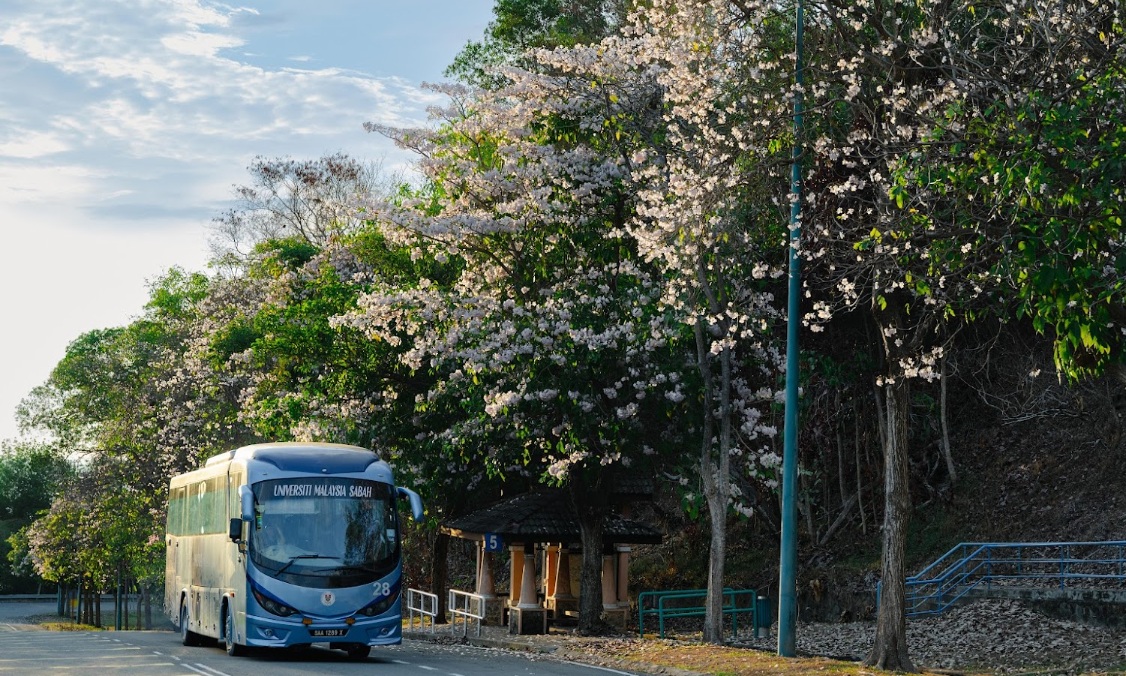

Policy Commitment to Low-Carbon Mobility
Universiti Malaysia Sabah (UMS) demonstrates a strong and systematic commitment to sustainable commuting through its Sustainable Mobility and Green Transport Policy, embedded within the university’s EcoCampus Framework and the UMS Sustainability & Climate Action Policy (2023–2027). These governance instruments outline clear institutional targets to reduce transport-related emissions, minimise single-occupancy private vehicle use, and expand the accessibility of low-carbon and non-motorised mobility options. The policy is aligned with SDG 11 – Sustainable Cities and Communities, specifically Target 11.2, which calls for accessible, safe, affordable, and sustainable transport systems for all. By incorporating mobility planning into its environmental governance structure, UMS ensures that sustainable commuting is not merely encouraged but is strategically monitored and improved each year. This formal policy direction provides both the mandate and the operational framework for UMS to advance as a low-carbon, pedestrian-friendly campus. Access UMS Sustainability and Climate Action Policy Here! Evidence-based decision-making forms the backbone of UMS’s sustainable mobility strategy. The university carries out regular transportation audits, mobility surveys, and vehicle registration analyses to understand commuting patterns among students, staff, and visitors. These audits gather data on travel modes—such as walking, cycling, shuttle bus use, private vehicles, and electric mobility devices—alongside fuel consumption and emissions. Additionally, UMS maintains a vehicle entry registration system, enabling the institution to track the number of active private vehicles on campus and regulate entry points to reduce congestion. The data collected feeds directly into the UMS Greenhouse Gas (GHG) Inventory Report, contributing to transparent reporting of Scope 1 and Scope 3 emissions. Surveys conducted between 2021 and 2024 show noticeable shifts in commuting behaviour, including increased reliance on shuttle services and a growing acceptance of pedestrian and cycling routes. These findings confirm that campus-wide interventions are influencing a measurable reduction in transport emissions.
SDG 11 Progress Report : Building Inclusive, Safe & Culturally Vibrant Communities in 2024
In 2024, UMS strengthened its commitment to SDG 11 by fostering inclusive, accessible, and culturally rich community spaces that support sustainable cities and communities. The university provides free or low-cost access to libraries, learning facilities, and cultural venues, enabling intergenerational learning, arts engagement, and social cohesion. Through diverse cultural and heritage-based programmes, UMS promotes multicultural understanding, creative expression, and community resilience across Sabah’s diverse populations. Supported by strong sustainability governance, SDG 11 principles are embedded into campus planning, community engagement, and long-term institutional strategies. Collectively, these efforts create an environment that is inclusive, resilient, and socially sustainable for students and the wider community.