

Guardians of Integrity and Peace

UMS - SDG 16 Peace, Justice and Strong Institutions
Peace grows where voices are heard and systems are fair

 UMS for Peaceful Futures
Empowering Governance, Justice, and Strong Institutions at UMS
Sustainable Development Goal 16 (SDG 16) emphasizes the need for peaceful, just, and inclusive societies built on strong, transparent, and accountable institutions. At Universiti Malaysia Sabah (UMS), this goal is embraced through initiatives that strengthen governance, foster ethical leadership, promote unity, and encourage meaningful civic participation. This year, UMS advanced SDG 16 through leadership training programmes, evidence-based policy development, youth engagement platforms, and risk management strengthening — all of which enhance institutional integrity, support social cohesion, and empower students and communities to contribute to national peace and resilience.
Universiti Malaysia Sabah
Institutional Commitment & Leadership
Sustainable Development Goal 16 (SDG 16) calls for the promotion of peaceful and inclusive societies, universal access to justice, and the strengthening of transparent, accountable institutions. Globally, SDG 16 forms the backbone of sustainable development, because stability, good governance, and trust in public systems are essential for a nation’s progress. Without peace, justice, and effective institutions, efforts in education, health, environment, and economic growth cannot flourish sustainably. At Universiti Malaysia Sabah (UMS), SDG 16 is more than a global mandate — it is deeply embedded in the university’s governance culture, leadership development programmes, and civic engagement initiatives. UMS recognizes that universities play a critical role in shaping ethical leaders, fostering national unity, and strengthening institutions through research, education, and community partnerships. By cultivating transparent governance systems and encouraging inclusive participation, UMS positions itself as a model for integrity and responsible leadership in higher education. This year, UMS further strengthened its contribution to SDG 16 through a series of impactful programmes focusing on ethical leadership, policy development, youth empowerment, and institutional resilience. These initiatives not only enhance the internal governance mechanisms of the university but also contribute to broader national objectives in peacebuilding, unity, and good governance — reflecting UMS’s long-standing commitment to building a just, peaceful, and resilient society.
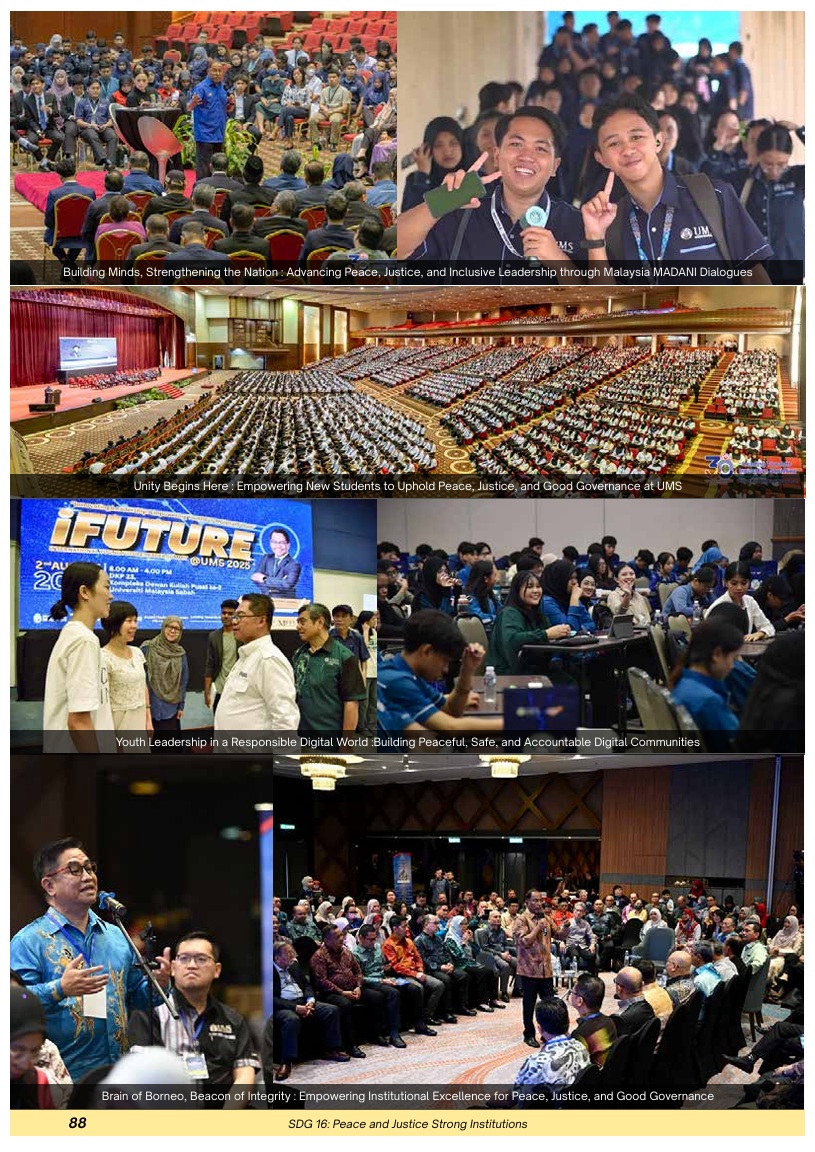
Building Minds, Strengthening the Nation : Advancing Peace, Justice, and Inclusive Leadership through Malaysia MADANI Dialogues
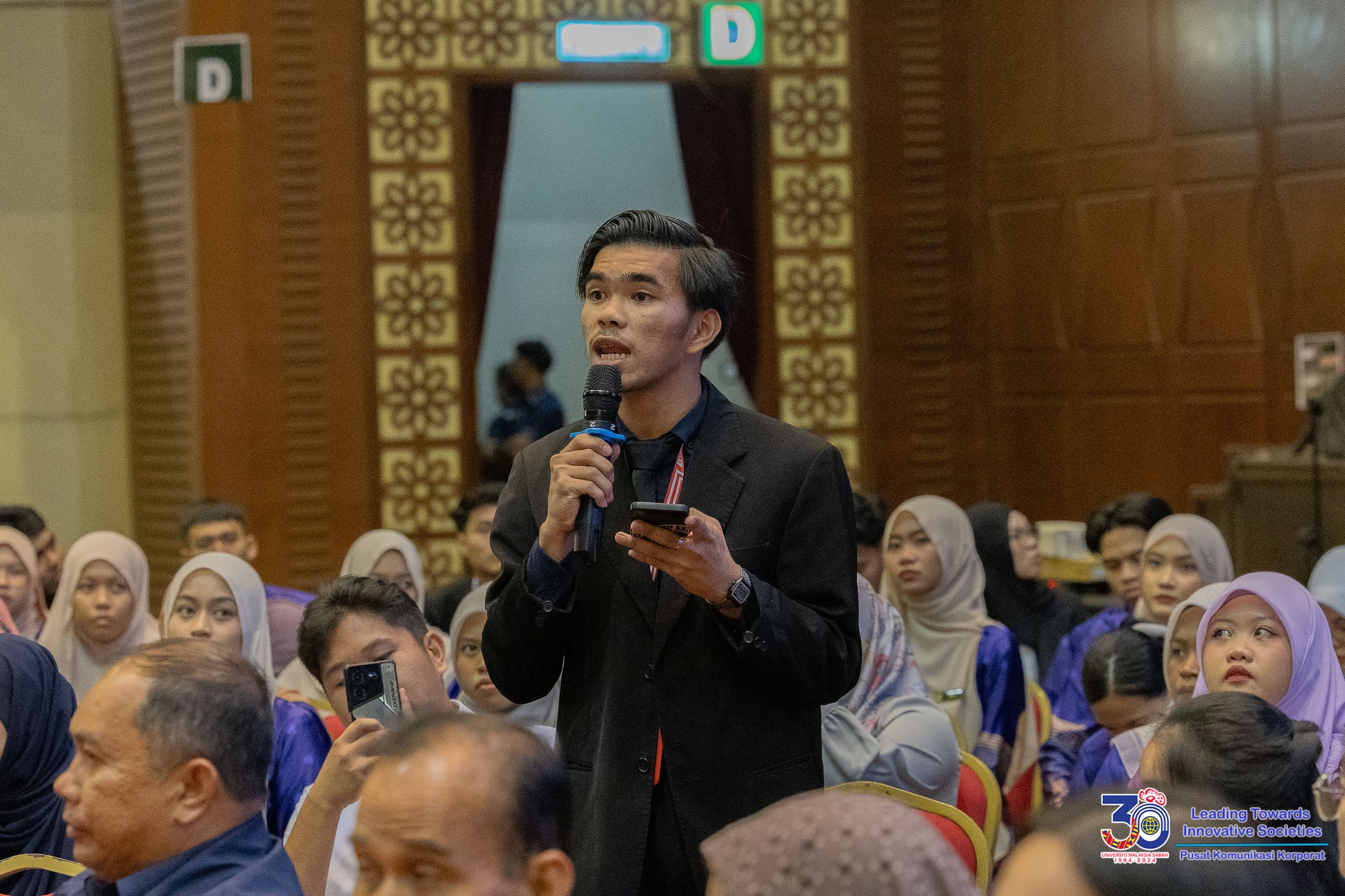
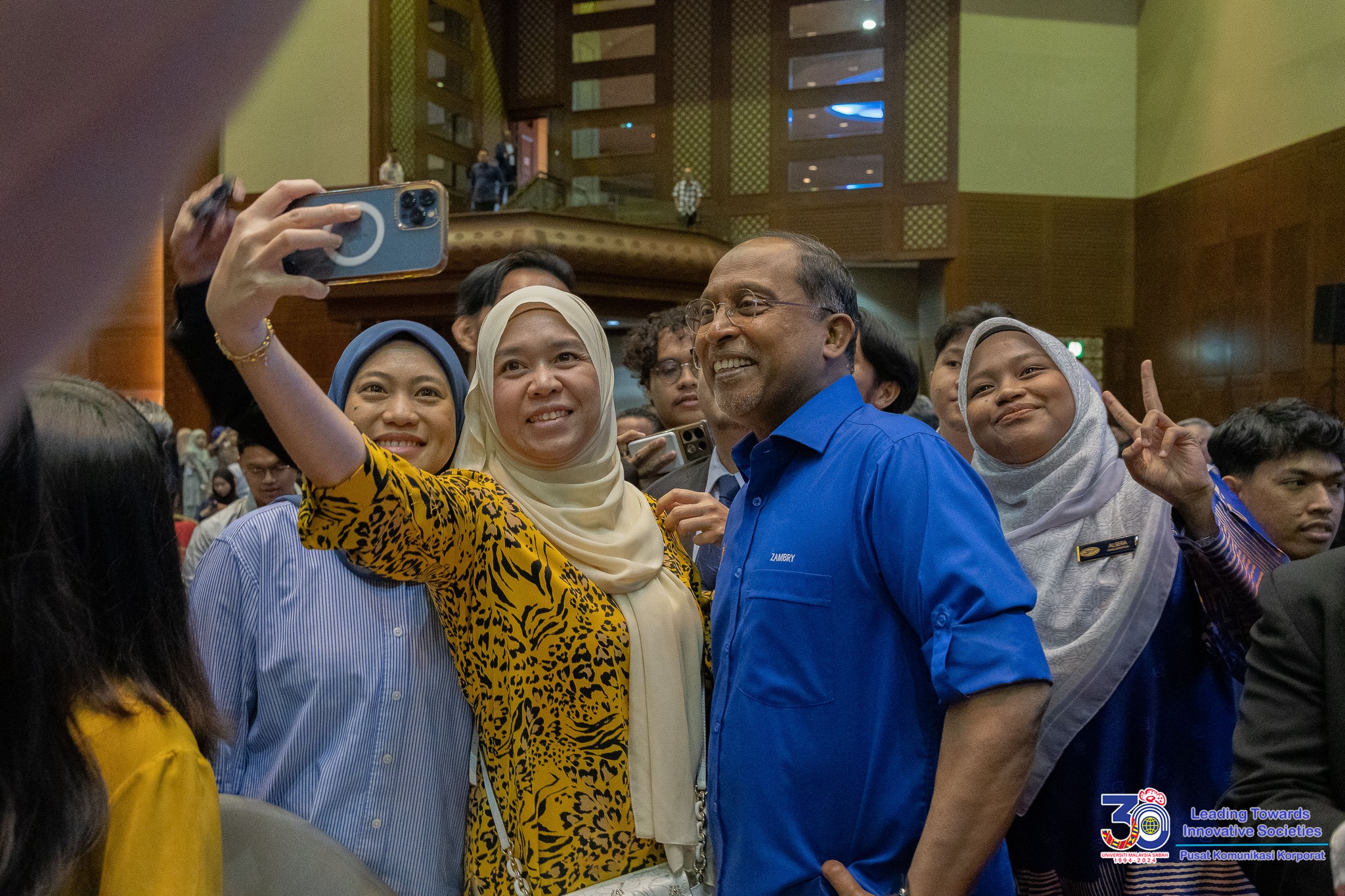
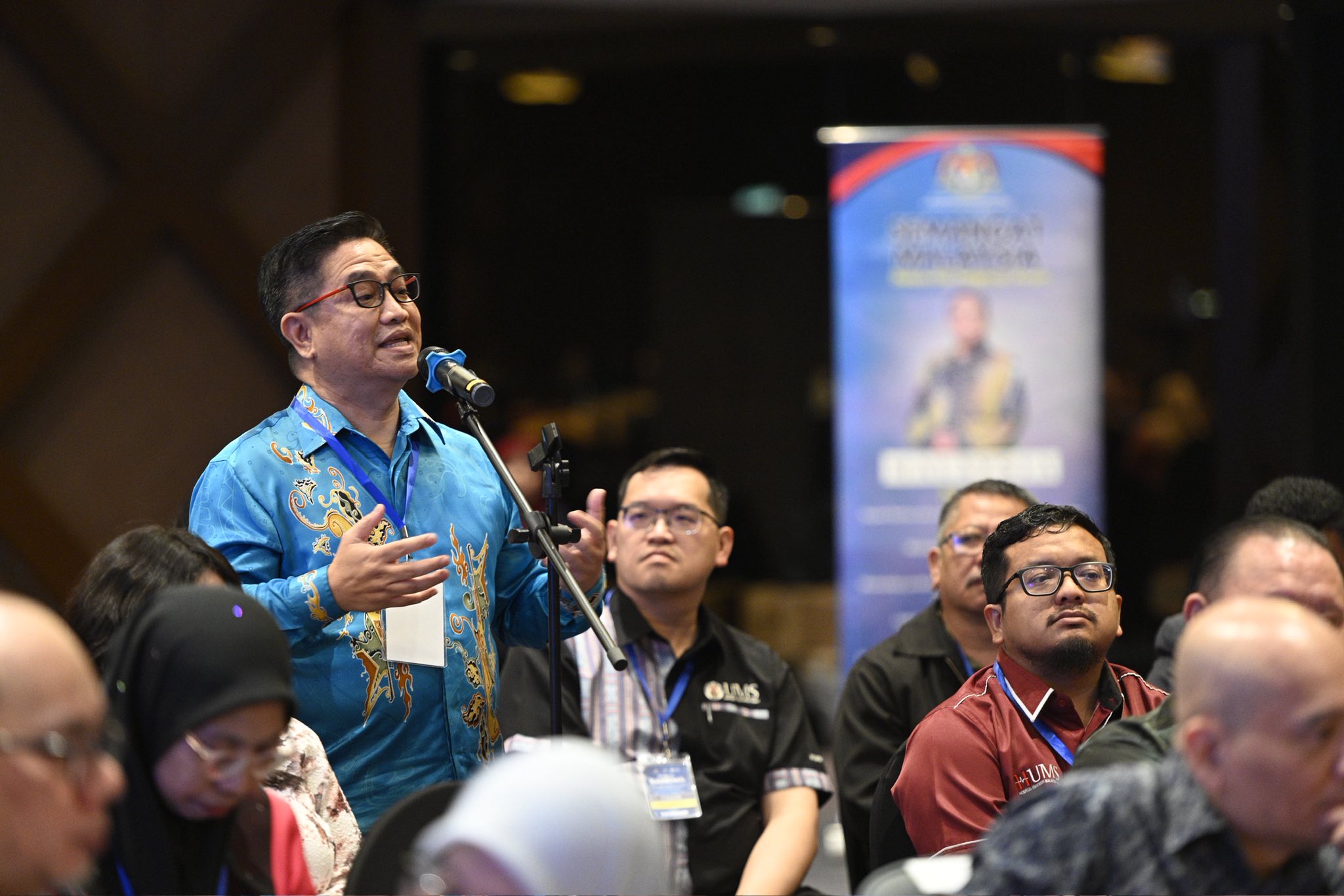
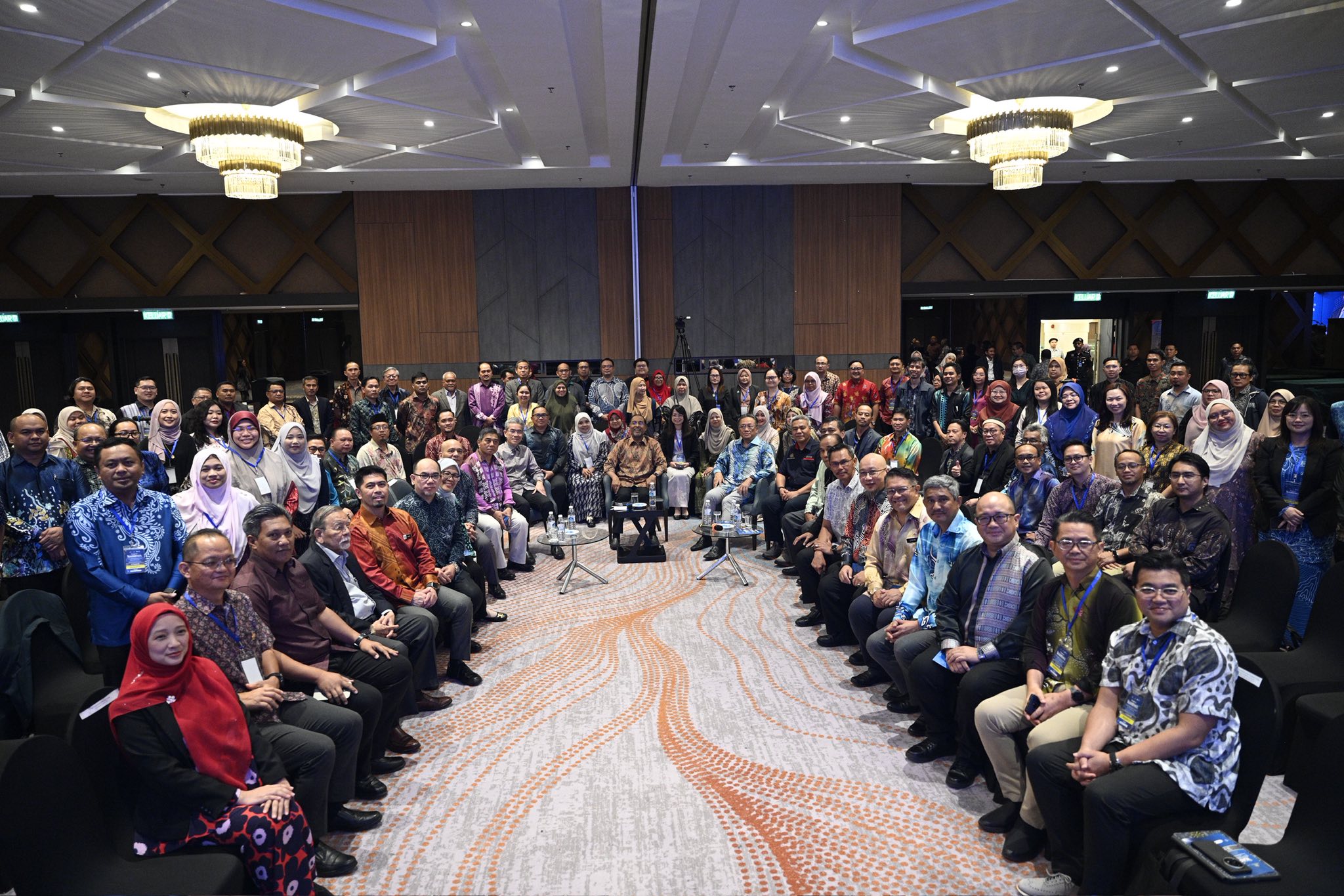
The “In Person With Doc Zam” programme held in conjunction with the Malaysia MADANI Nationhood Seminar demonstrates UMS’s commitment to SDG 16 by fostering open dialogue, inclusive participation, and values-based leadership within the university community. By bringing the Minister of Higher Education, Dato’ Seri Diraja Dr. Zambry Abd Kadir, together with UMS students, staff, and representatives from various higher education institutions, the session created a transparent platform where national issues, campus concerns, and civic responsibilities were openly discussed. This aligns with SDG 16.7, which emphasizes inclusive and participatory decision-making, as well as SDG 16.6, which encourages effective and accountable institutions grounded in trust and engagement. During the session themed “Bina Jiwa Bina Bangsa, (Build the Soul, Build the Nation,)” Dr. Zambry highlighted the importance of cultivating strong personal identity, ethical values, and responsible citizenship among students. By addressing real questions from attendees and offering insights into national development and university governance, the programme strengthened mutual understanding between leadership and youth—an essential component of peaceful and resilient societies. This interaction not only enhances transparency but also empowers students to become informed contributors to nation-building, in line with SDG 16’s vision of nurturing just, inclusive, and harmonious communities. The presence of key UMS leaders, including the Chairman of the UMS Board, Datuk Seri Panglima Abdul Rahman Dahlan, and the Vice-Chancellor, Prof. Datuk Dr. Kasim Hj. Mansor, further underscores the institution’s commitment to open governance and collaborative leadership. By fostering meaningful engagement with students and promoting shared values under the Malaysia MADANI framework, the programme strengthens the culture of integrity, accountability, and unity at UMS. These efforts collectively advance SDG 16 by ensuring that higher education institutions remain spaces of peace, dialogue, and strong institutional leadership.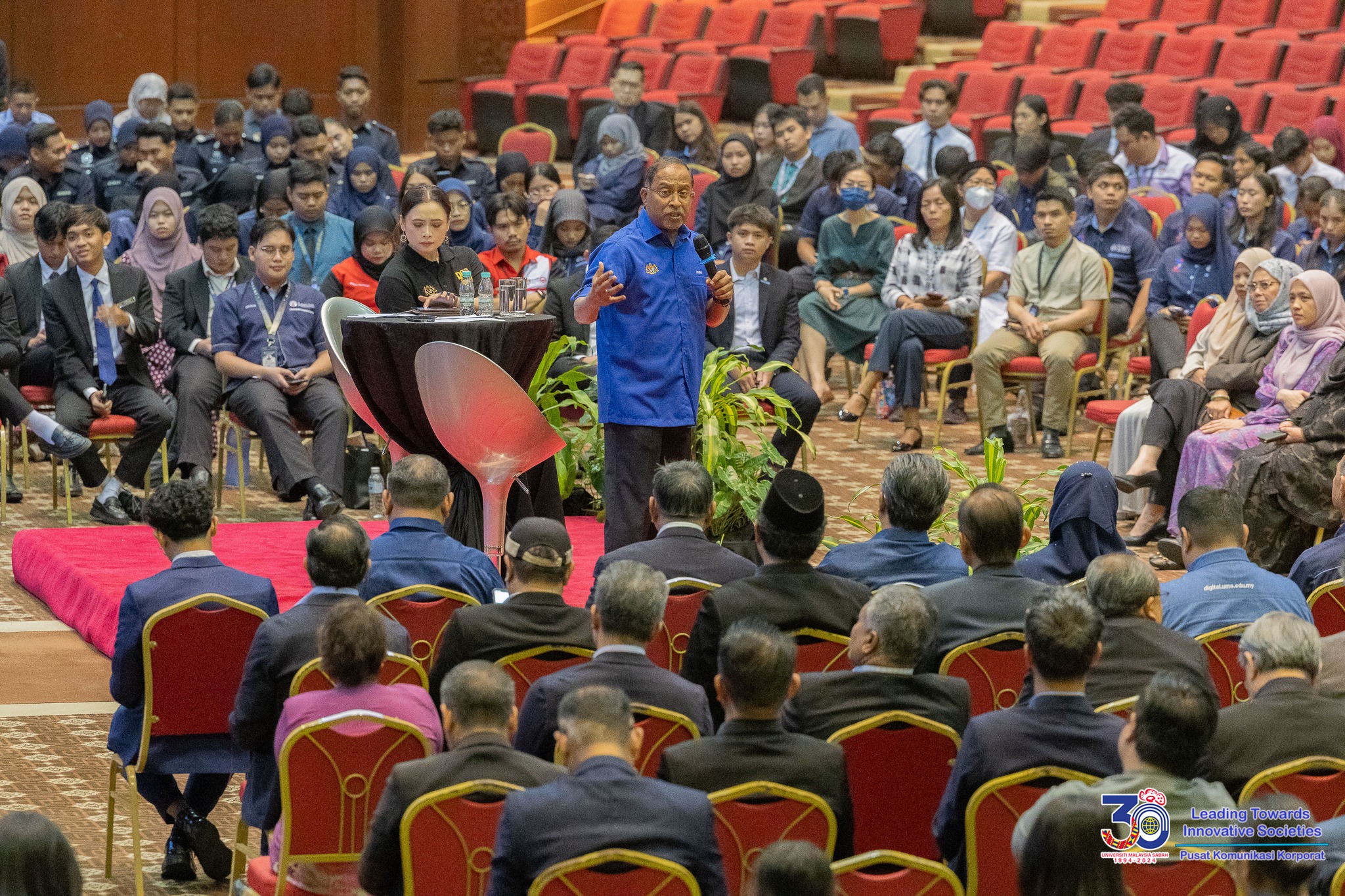
Empowering Voices, Shaping Leaders : UMS Youth Engagement for Peace, Justice, and Strong Institutions
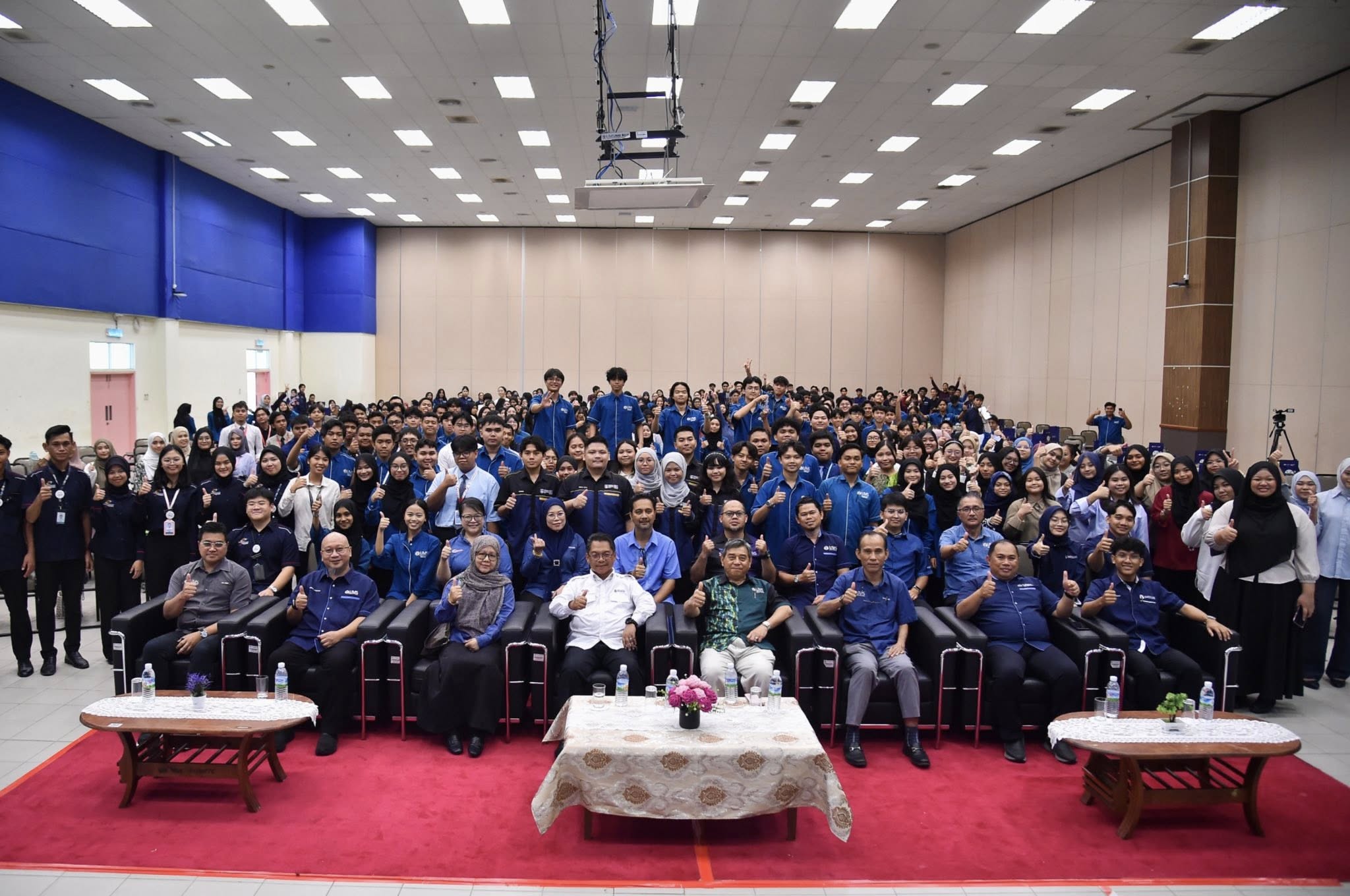
The “Talk To Us” (TTU) Forum, which brought together more than 500 new UMS students with the Deputy Minister of Higher Education, YB Datuk Ts. Mustapha Sakmud, clearly reflects the university’s commitment to SDG 16 by fostering inclusive, transparent, and participatory institutions. Through open dialogue and experience-sharing by distinguished UMS alumni, student leaders, and industry representatives, the programme created a safe space for students to voice questions, gain inspiration, and understand the values of integrity, responsibility, and ethical leadership. This two-way engagement strengthens trust between policymakers and the campus community, fully aligning with SDG 16.7, which emphasizes responsive, inclusive, and representative decision-making at all levels. Beyond leadership inspiration, the forum encouraged students to step outside the confines of the classroom and embrace their potential as future nation-builders. YB Datuk Ts. Mustapha’s message — urging students to be extraordinary individuals who seek knowledge, gain diverse experiences, and serve the community — reflects the essence of SDG 16, which promotes peaceful, just, and resilient societies shaped by informed and values-driven citizens. By highlighting the transformative journey of UMS graduates and the power of youth leadership, the forum reinforces UMS’s role in nurturing ethical, confident, and socially responsible leaders who can contribute to national unity and institutional integrity. The event also strengthened principles of justice and equity through the presentation of financial assistance under the UMS SULUNG Programme and the Early Education Assistance (BPA) by Yayasan Perkasa Siswa. With total support exceeding RM500,000, these initiatives ensure fair and inclusive access to higher education, reducing socioeconomic barriers faced by first-generation and financially challenged students. This reflects SDG 16’s emphasis on strengthening institutions that uphold fairness, equal opportunity, and social protection. Overall, the TTU Forum showcased UMS’s commitment to building a culture of open dialogue, ethical leadership, and inclusive participation — all crucial pillars in advancing SDG 16: Peace, Justice, and Strong Institutions.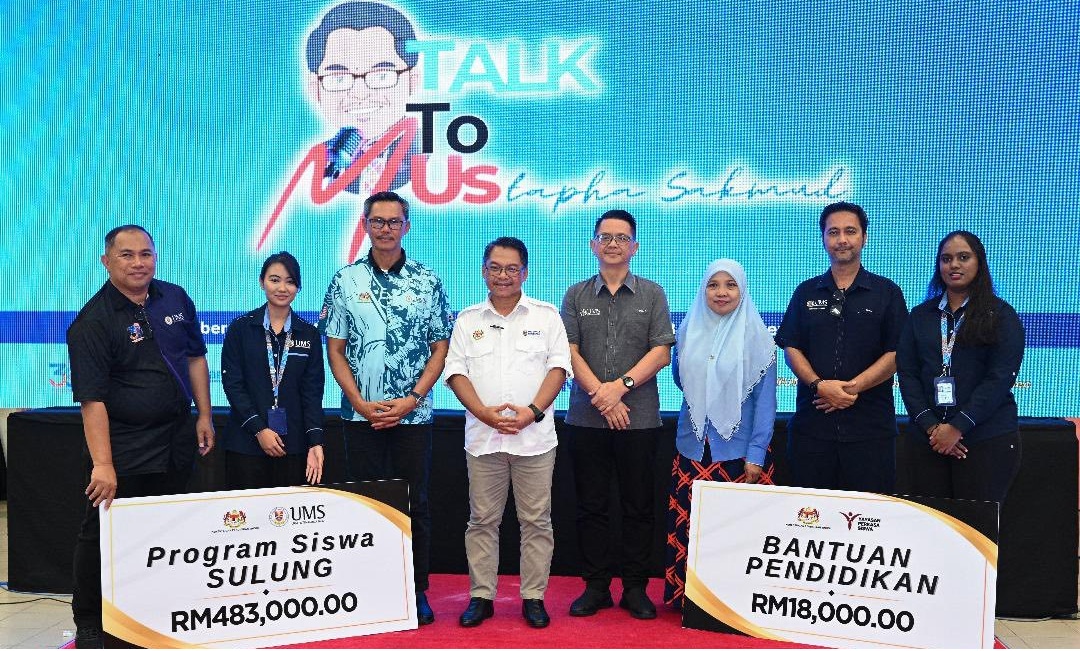
Unity Begins Here : Empowering New Students to Uphold Peace, Justice, and Good Governance at UMS
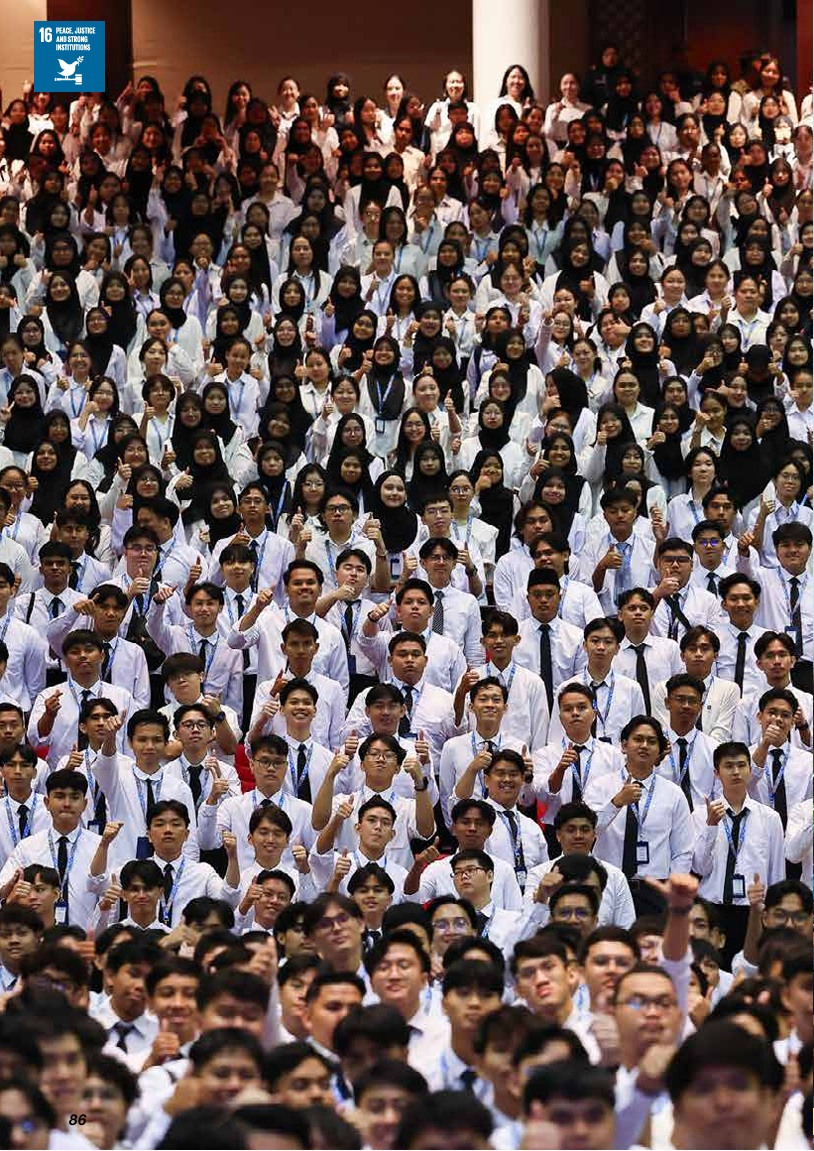
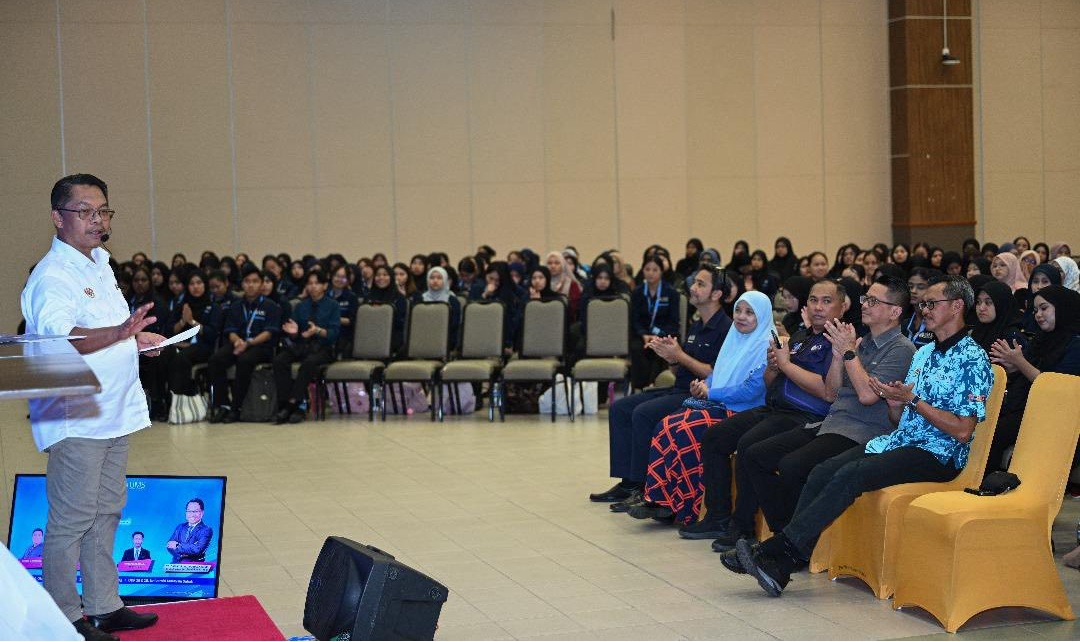
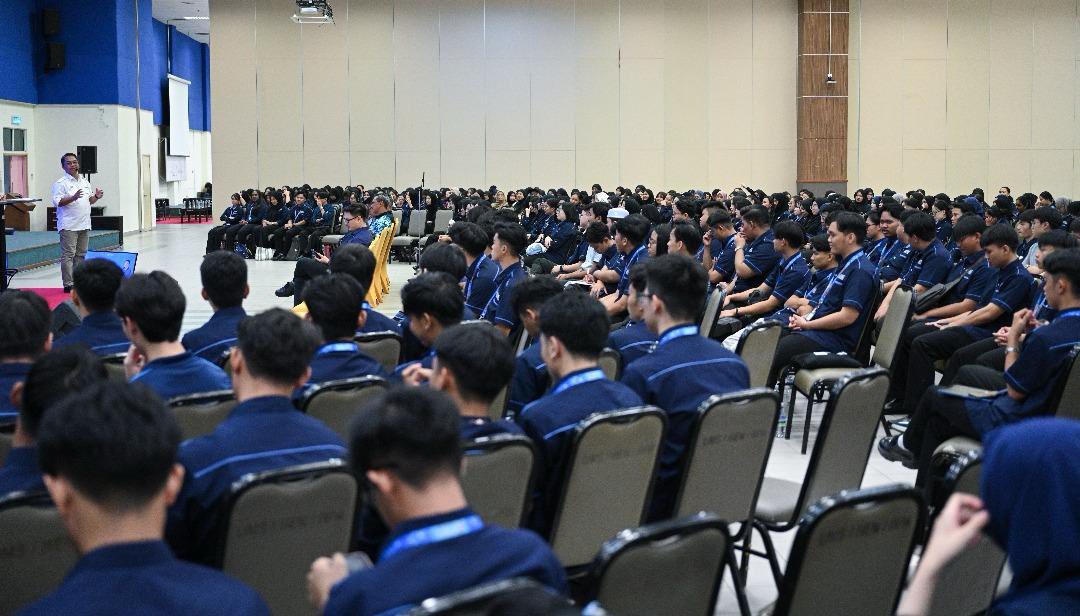
The Opening Ceremony of the 31st Annual Friendly Adaptation Week ( Annual Minggu Suai Mesra, Annual MSM) at UMS embodies the principles of SDG 16 by creating an inclusive, welcoming, and supportive environment for more than a thousand new students entering the UMS each year. As one of UMS’s key annual activities, the Annual MSM serves as a consistent platform for transparent institutional engagement, accessible information-sharing, and strengthened student–leadership interaction. By gathering the incoming cohort at the Dewan Canselor for an institutional-level orientation officiated by the Vice-Chancellor, YBhg. Professor Datuk Dr. Kasim Hj. Mansor, UMS demonstrates its commitment to effective governance practices in line with SDG 16.6 and SDG 16.7, ensuring that every new student is introduced to the university’s values through an open and participatory approach. The Annual MSM continues the tradition of offering a rich lineup of annual engagement programmes, including leadership talks, campus tours, student societies showcases, safety briefings, cultural introductions, and interactive sessions designed to build trust and unity within the university community. These activities expose new students to UMS’s governance culture, ethical expectations, and support systems that reinforce fairness, respect, and responsible citizenship. By encouraging dialogue, fostering friendships, and providing safe spaces for students to seek guidance, the Annual MSM strengthens social cohesion and supports SDG 16’s aspiration of peaceful and inclusive communities. As UMS welcomes its newest members under the theme The Brain of Borneo, the Friendly Adaptation Week through the Annual MSM reinforces the principle that strong institutions are built through empowered, well-informed individuals. Through its structured annual MSM programmes, UMS cultivates an environment rooted in integrity, accountability, and shared responsibility — nurturing future leaders who value justice, unity, and ethical conduct. This early exposure to a culture of transparency and openness ensures that the Annual MSM continues to serve as a cornerstone of UMS’s efforts to advance SDG 16: Peace, Justice, and Strong Institutions.e event also strengthened principles of justice and equity through the presentation of financial assistance under the UMS SULUNG Programme and the Early Education Assistance (BPA) by Yayasan Perkasa Siswa. With total support exceeding RM500,000, these initiatives ensure fair and inclusive access to higher education, reducing socioeconomic barriers faced by first-generation and financially challenged students. This reflects SDG 16’s emphasis on strengthening institutions that uphold fairness, equal opportunity, and social protection. Overall, the TTU Forum showcased UMS’s commitment to building a culture of open dialogue, ethical leadership, and inclusive participation — all crucial pillars in advancing SDG 16: Peace, Justice, and Strong Institutions.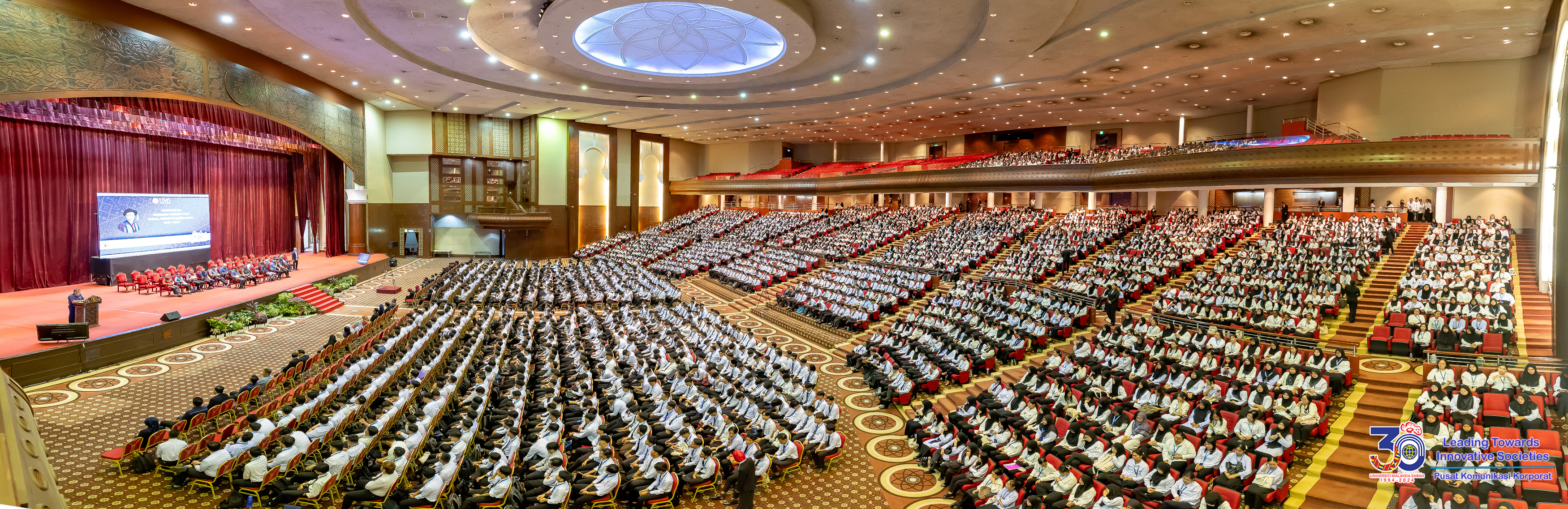
Youth Leadership in a Responsible Digital World :Building Peaceful, Safe, and Accountable Digital Communities
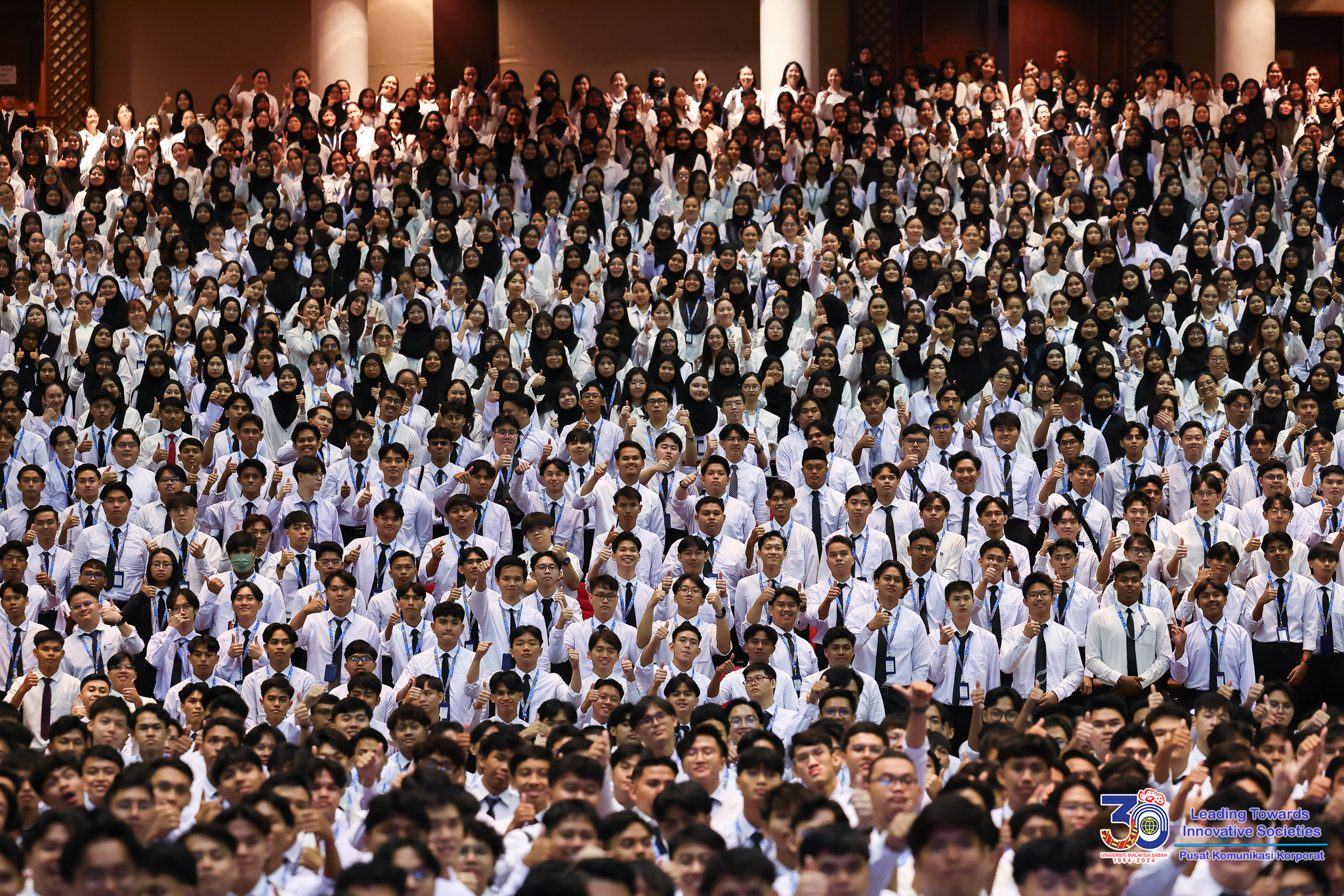
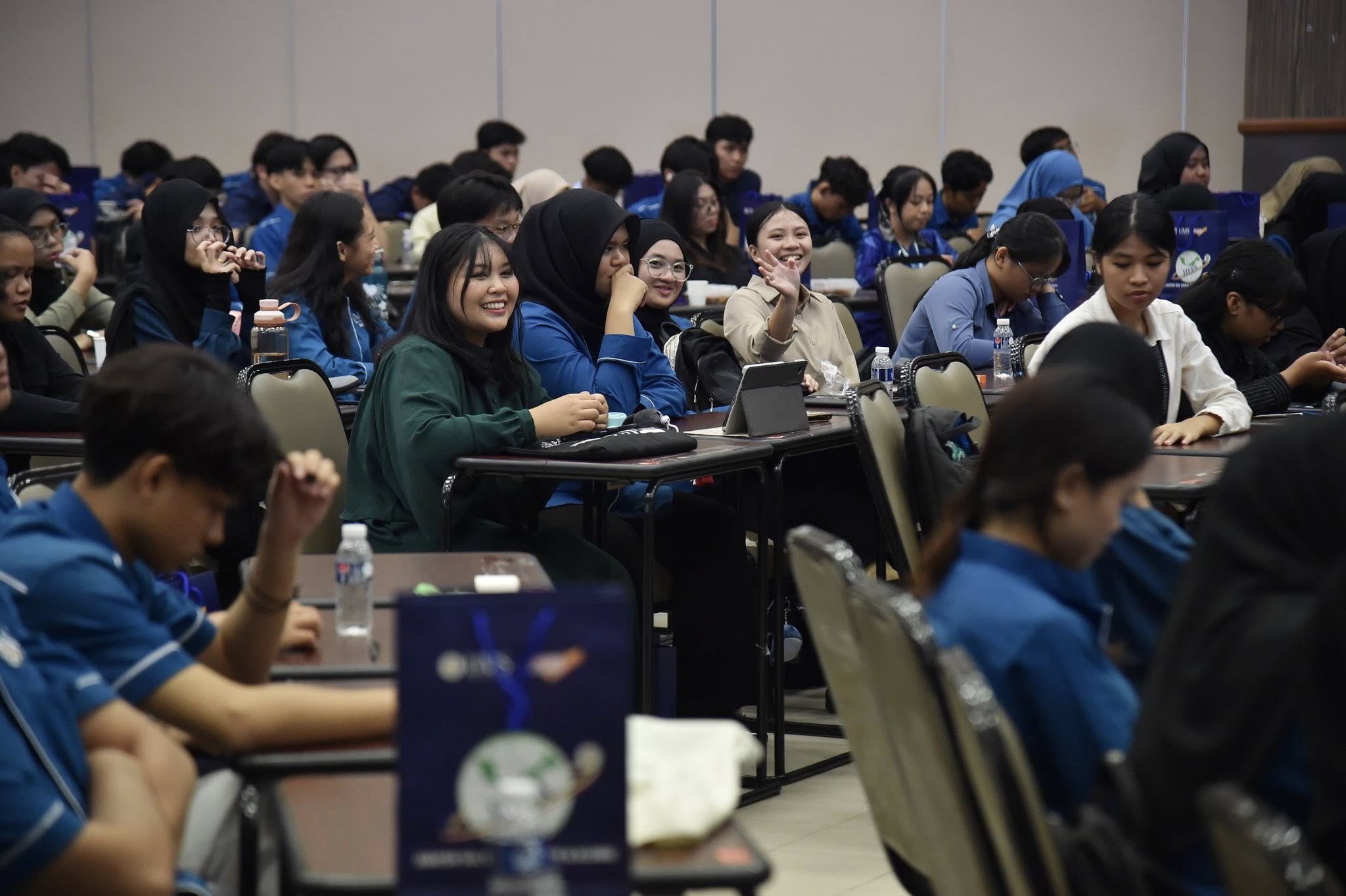
The i-FUTURE@UMS 2025 programme reflects UMS’s strong commitment to SDG 16 by empowering youth with the skills, values, and ethical foundations needed to navigate leadership in the digital era. Gathering more than 400 students from public and private institutions across Sabah, the programme creates an inclusive platform that strengthens youth participation in national dialogue, policymaking, and digital governance. The keynote address by the Deputy Minister of Higher Education, YB Datuk Ts. Mustapha Sakmud, highlighted the importance of ethical, responsible, and inclusive leadership in a rapidly evolving digital landscape—aligning with SDG 16.6 and 16.7, which emphasize effective, transparent institutions and participatory decision-making. By addressing digital citizenship, online influence, and youth empowerment, i-FUTURE builds a foundation of integrity and accountability among the next generation of leaders. The programme also sheds light on the digital divide affecting youth in rural Sabah and Sarawak, a challenge that directly impacts fair access to information, justice, and opportunities for civic participation. Through sessions led by the Malaysian Communications and Multimedia Commission (MCMC) and industry experts, participants gained awareness of cyber safety, AI-related risks, and digital ethics—key elements in promoting peaceful, safe, and trustworthy online communities. These learning experiences reinforce SDG 16’s emphasis on safeguarding communities from misinformation, digital exploitation, and harm while promoting digital literacy as a form of protection and empowerment. As a national KPT initiative held in Sabah for the first time, i-FUTURE expands inclusivity by bringing together youth from diverse backgrounds and academic disciplines to explore the role of technology in shaping society. The programme not only enhances digital leadership but also nurtures civic responsibility, moral values, and social harmony. By cultivating AI-aware, ethically grounded young leaders, UMS strengthens its mission to support SDG 16: Peace, Justice, and Strong Institutions—ensuring that future leaders uphold fairness, unity, and responsible governance in both physical and digital spheres.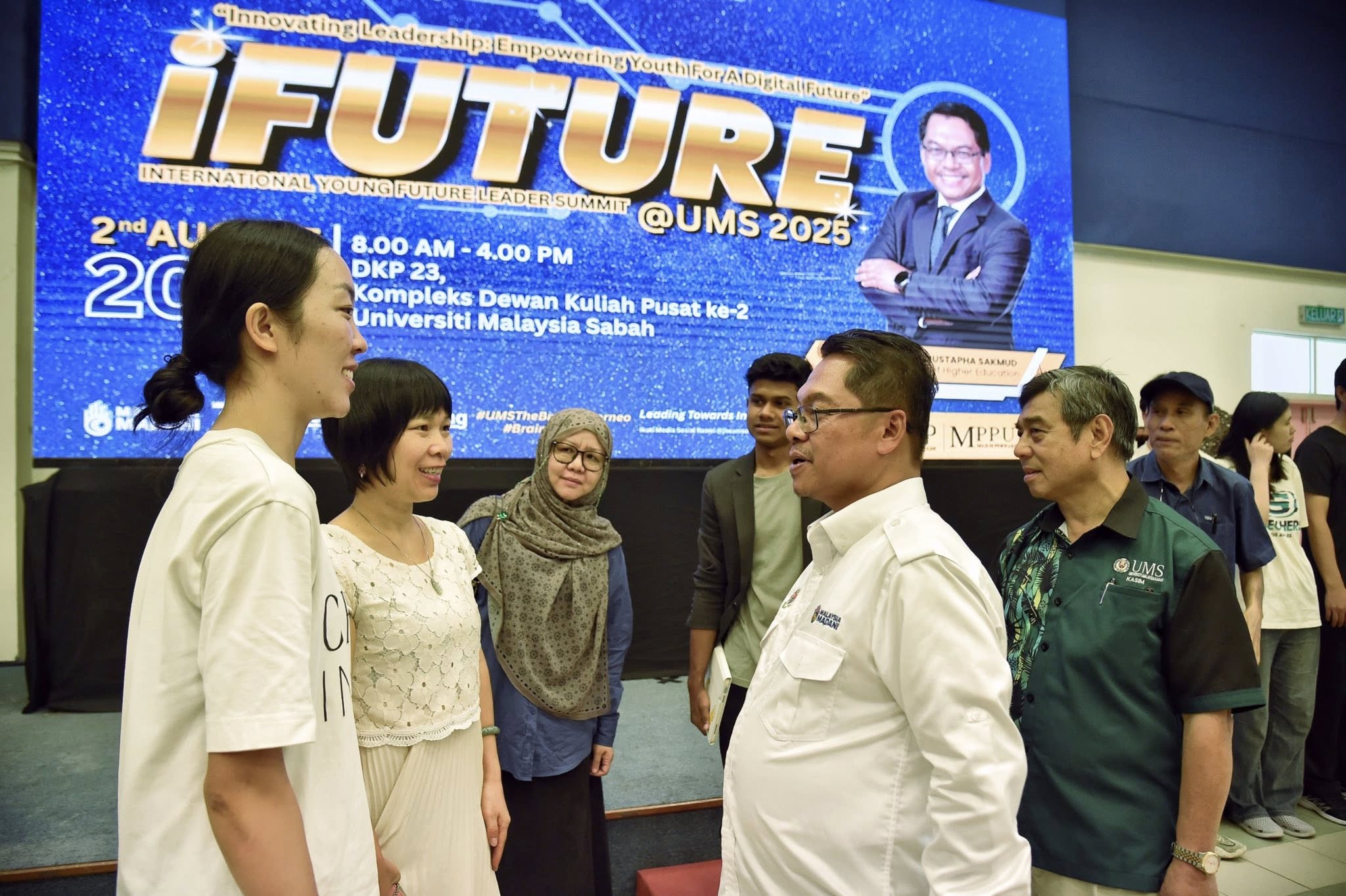
Brain of Borneo, Beacon of Integrity : Empowering Institutional Excellence for Peace, Justice, and Good Governance
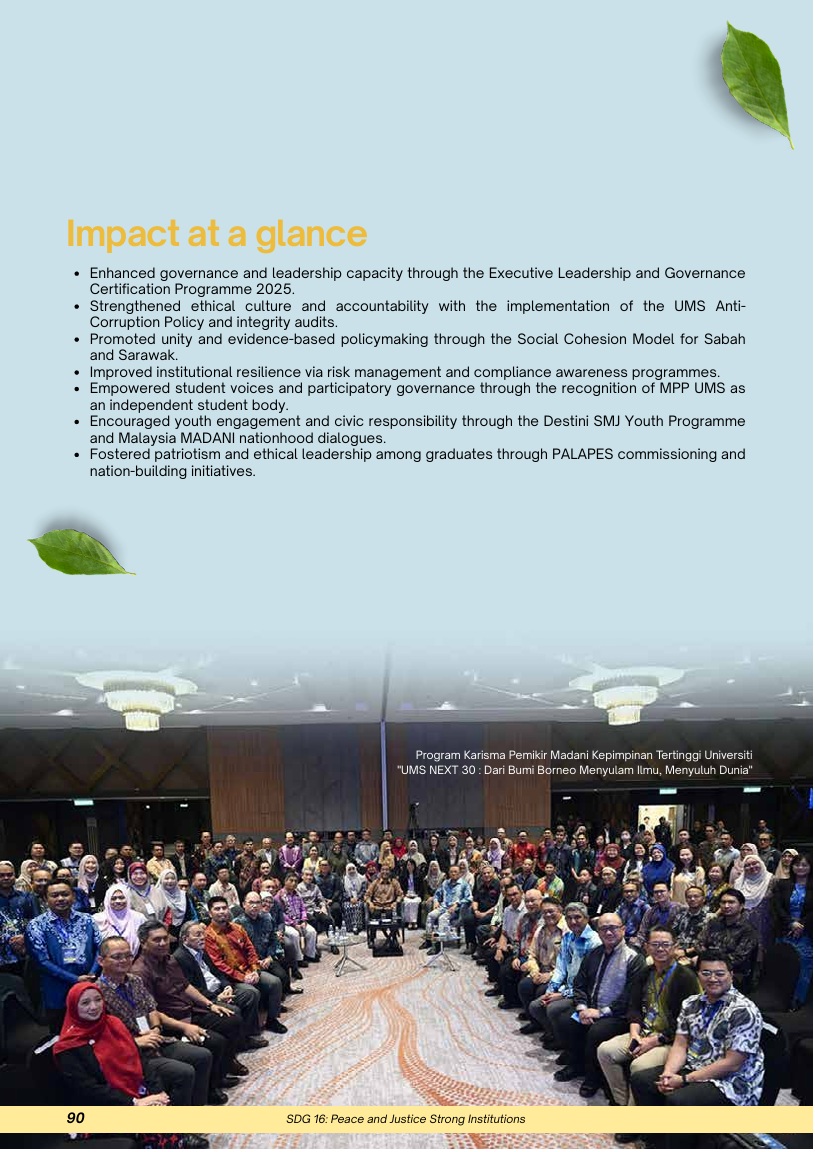
The Program KARISMA Pemikir MADANI Kepimpinan Tertinggi Universiti with the theme “UMS NEXT 30: Dari Bumi Borneo Menyulam Ilmu, Menyuluh Dunia” strongly supports SDG 16 by fostering visionary leadership, strategic governance, and inclusive dialogue among the highest levels of university management. In officiating the programme, the Minister of Higher Education, YB Dato’ Seri Diraja Dr. Zambry Abd Kadir, emphasized the strategic role of universities as the “brain of the nation,” highlighting UMS’s responsibility to become the “Brain of Borneo.” This reaffirms SDG 16.6 and 16.7, which call for effective, accountable, and participatory institutions capable of shaping national development. By positioning UMS as a knowledge hub and international reference centre for Borneo—particularly in areas such as biodiversity, maritime studies, and indigenous knowledge—the programme underscores the importance of strong institutions rooted in academic excellence, ethical leadership, and regional inclusivity. During the strategic dialogue session with UMS leadership, the Minister addressed key governance issues such as financial sustainability, youth unemployment in Sabah, and the relevance of academic programmes to industry needs. These discussions strengthen SDG 16 by ensuring higher education institutions remain transparent, responsive, and aligned with societal expectations. The call for new financial models and proactive income generation highlights the importance of accountable leadership and resilient governance structures within public universities. Meanwhile, the emphasis on industry-relevant programmes, entrepreneurship development, and graduate employability directly supports peaceful and just societies by reducing inequality and empowering youth with the skills needed to participate meaningfully in economic and civic life. The programme also reflects SDG 16’s emphasis on multi-stakeholder engagement, as it brought together national policymakers, UMS Board members, MQA leaders, AKEPT representatives, senior university administrators, and academic staff. Their collective presence signifies a unified commitment to strengthening governance, enhancing institutional capacity, and shaping long-term direction for UMS as it moves toward its 30-year milestone. Through visionary leadership, transparent policy discussions, and inclusive participation from all institutional levels, the KARISMA Pemikir MADANI programme reinforces UMS’s dedication to building strong, accountable, and forward-looking institutions—fully aligned with SDG 16: Peace, Justice, and Strong Institutions.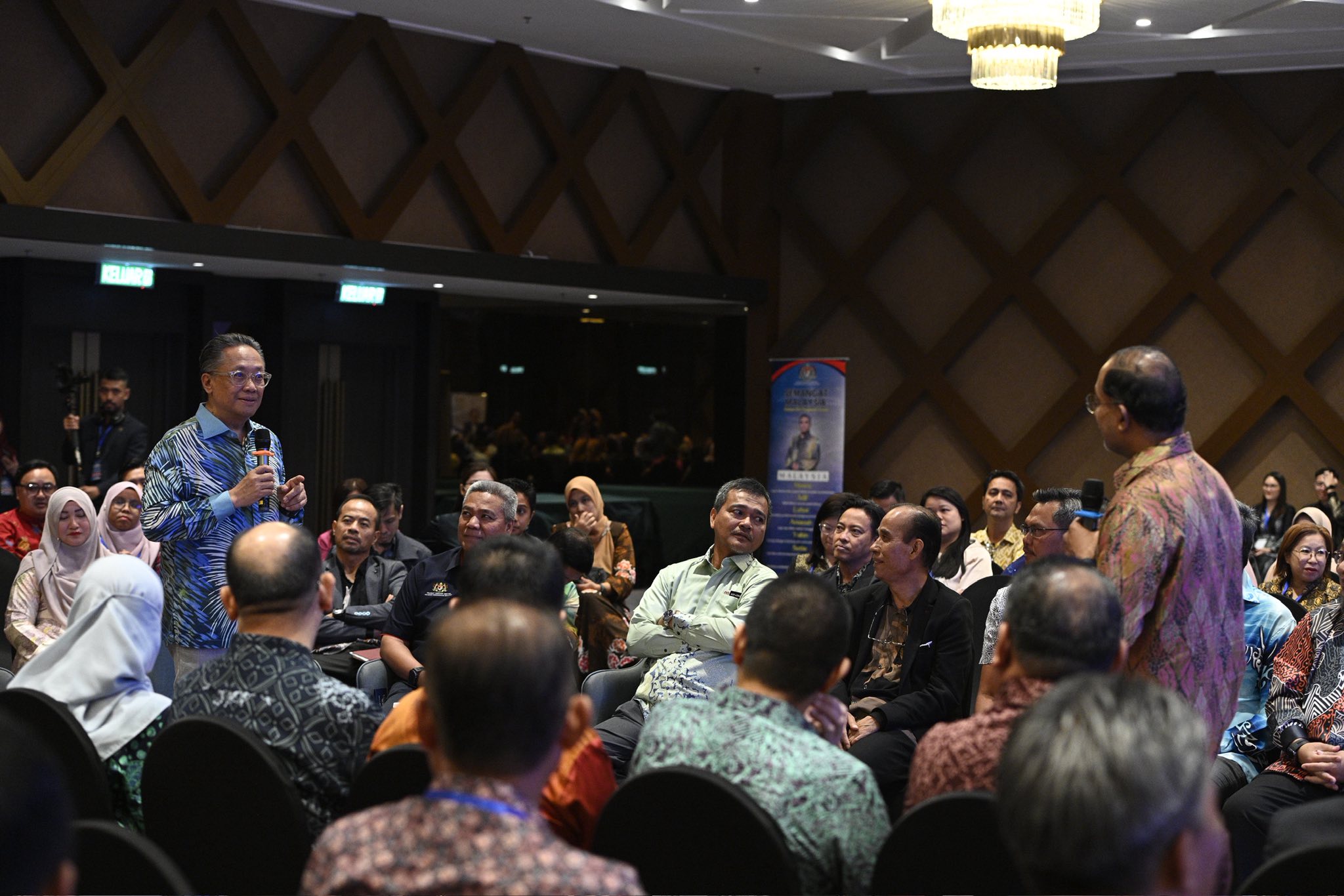
SDG 16 Progress Report: Promoting Peace, Justice & Strong Institutions in 2024
In 2024, UMS strengthened its commitment to SDG 16 by advancing good governance, institutional integrity, and inclusive decision-making across the university. Through clear policies on equality, anti-discrimination, and ethical conduct, UMS ensured that all members of its community have fair access to opportunities, representation, and support. Sustainability governance structures were further reinforced to enhance transparency, accountability, and coordinated monitoring of SDG initiatives.
UMS also embedded principles of justice, integrity, and responsible citizenship into academic programmes, research practices, and community outreach. These efforts promote awareness of human rights, social responsibility, and strong institutions among students and staff. Collectively, UMS’s initiatives in 2024 contribute to a peaceful, just, and inclusive campus environment and strengthen the university’s role as a trusted, accountable institution within the wider community.