Research Ecosystem Anchored in Borneo’s Biodiversity
Harnessing science to protect nature
UMS’s research excellence is built upon its strategic location in Sabah—home to rainforests, coral reefs, mangroves, mountains, and indigenous communities. The university’s flagship research institutes serve as engines of scientific advancement:
-
Borneo Marine Research Institute (BMRI) – marine ecology, aquaculture innovation, coral restoration, blue carbon
-
Institute for Tropical Biology & Conservation (ITBC) – endangered species research, forest conservation, tropical ecology
-
Biotechnology Research Institute (BRI) – bioproduct development, disease research, molecular biotechnology
-
Borneo Institute for Indigenous Studies (BorIIS) – indigenous knowledge, cultural sustainability, socio-economic resilience
These institutes generate impactful research that enriches global understanding of tropical biodiversity and supports environmental management across the region.
Climate Action, Adaptation & Environmental Resilience
Science-driven solutions for a changing environment
UMS leads research efforts addressing climate change, environmental degradation, and ecosystem vulnerability. Projects include:
-
climate modelling and vulnerability studies
-
watershed and coastal erosion mitigation
-
carbon sequestration and blue-carbon ecosystems
-
renewable energy integration across campus
-
disaster risk reduction research in flood, landslide & coastal communities
These initiatives empower policymakers, communities, and industries to adapt sustainably to climate challenges, contributing directly to SDG 13: Climate Action.
Sustainable Food Systems, Agriculture & Blue Economy
Innovating for food security and economic resilience
UMS conducts pioneering research in agriculture, fisheries, and food innovation to support sustainable rural livelihoods and resilient food systems. Key research areas include:
-
sustainable aquaculture and fish hatchery technologies
-
smart agriculture and IoT-based farming
-
food safety, nutrition and functional food development
-
biodiversity-based agriculture in mountain and highland ecosystems
-
seaweed biotechnology and blue-economy enterprise models
These efforts enhance food security, uplift coastal communities, and strengthen Sabah’s agricultural sustainability.
Biotechnology & Health Innovation
Harnessing science for societal well-being
UMS’s biotechnology and health sciences research supports community health, disease management, and biomedical innovation through:
-
molecular diagnostics and vaccine-related studies
-
natural product discovery from tropical species
-
zoonotic disease surveillance and One Health research
-
nutrition and dietetics research supporting public health
-
bioprocess engineering and microbiome studies
This research supports SDG 3: Good Health and Well-Being, strengthening resilience against emerging health threats.
Indigenous Knowledge, Culture & Sustainable Societies
Honouring heritage as a foundation for sustainability
Through Borneo Institute for Indigenous Studies (BorIIS), Faculty of Psychology & Social Work, Centre for the Promotion of Knowledge & Language Learning and Faculty of Social Sciences & Humanities, UMS leads national and regional efforts to preserve and revitalise Borneo’s indigenous cultural heritage. Research focuses on:
-
endangered languages and oral traditions
-
traditional ecological knowledge in forest and marine stewardship
-
indigenous rights, governance, and sustainable development
-
participatory community mapping and cultural archives
-
socio-economic studies on rural and indigenous communities
These studies reinforce SDG 11: Sustainable Cities & Communities, ensuring that cultural heritage remains a living pillar of development.
Interdisciplinary Innovation for a Sustainable Future
Breaking disciplinary boundaries to solve real-world problems
UMS encourages interdisciplinary approaches that combine science, engineering, humanities, economics, policy, and technology. Recent breakthroughs include:
-
coastal and marine spatial planning
-
sustainable tourism and geo-heritage research
-
AI-driven environmental monitoring
-
sustainable urban mobility and green transport
-
waste management, recycling, and circular economy studies
-
socio-economic policy studies supporting poverty alleviation
This reflects UMS’s alignment with SDG 9: Industry, Innovation & Infrastructure.
Global Partnerships for High-Impact Research
Connecting Borneo to the world
UMS collaborates with international institutions, national agencies, and NGOs to accelerate sustainable development research. Partners include:
-
WWF-Malaysia
-
UNEP & UN-Habitat
-
CTI-CFF
-
UNESCO
-
WHO
-
Global university networks & research consortia
These partnerships strengthen capacity, enhance global visibility, and enable UMS to contribute to international sustainability dialogues.
Research-to-Impact: Supporting Communities & Policymakers
Translating knowledge into real solutions
UMS ensures research outcomes reach those who need them most. Through community outreach, policy advisory roles, and industry collaborations, UMS translates scientific findings into:
-
conservation action plans
-
community-based environmental programmes
-
resilient livelihood models
-
educational resources for schools and local leaders
-
sustainable development guidelines for Sabah and Borneo
This ensures that research drives meaningful change, fulfilling UMS’s mandate as an anchor institution for regional development.
UMS: Science for a Sustainable Tomorrow
UMS’s research for sustainable development is more than academic inquiry—it is a living mission grounded in compassion, innovation, cultural respect, and environmental stewardship. From biodiversity conservation and climate resilience to food security and indigenous empowerment, UMS is shaping the knowledge, solutions, and leaders needed for a resilient and sustainable Borneo.
With science as its compass and community as its heart, UMS continues to drive sustainable development across Sabah and beyond—ensuring a healthy planet and equitable future for all.



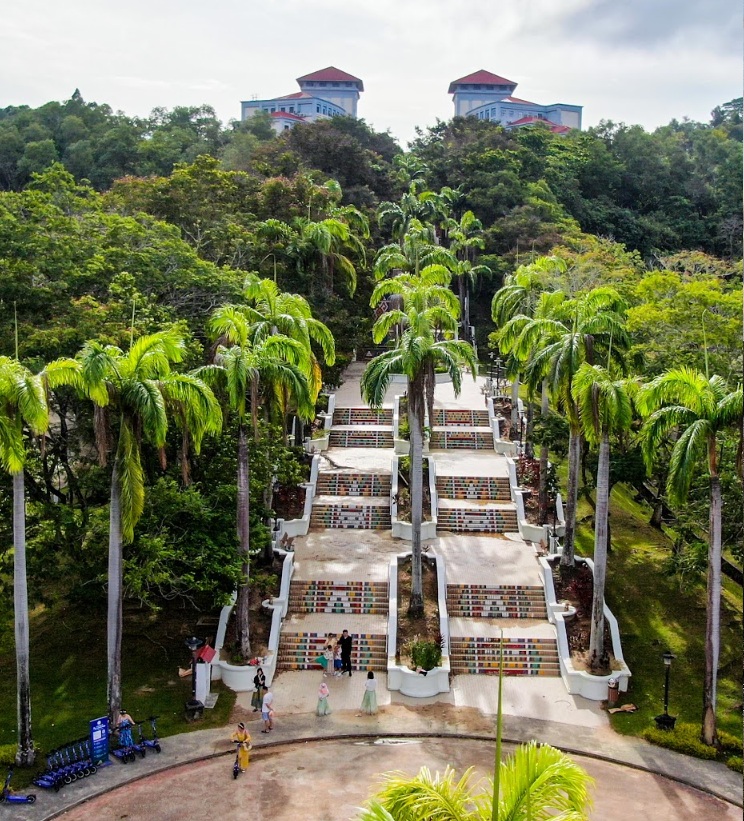
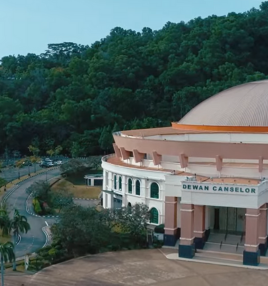
 Science, Innovation & Indigenous Knowledge for a Sustainable Borneo.