30+
Years of Service
since 1994
A Living, Breathing EcoCampus for Nature and People
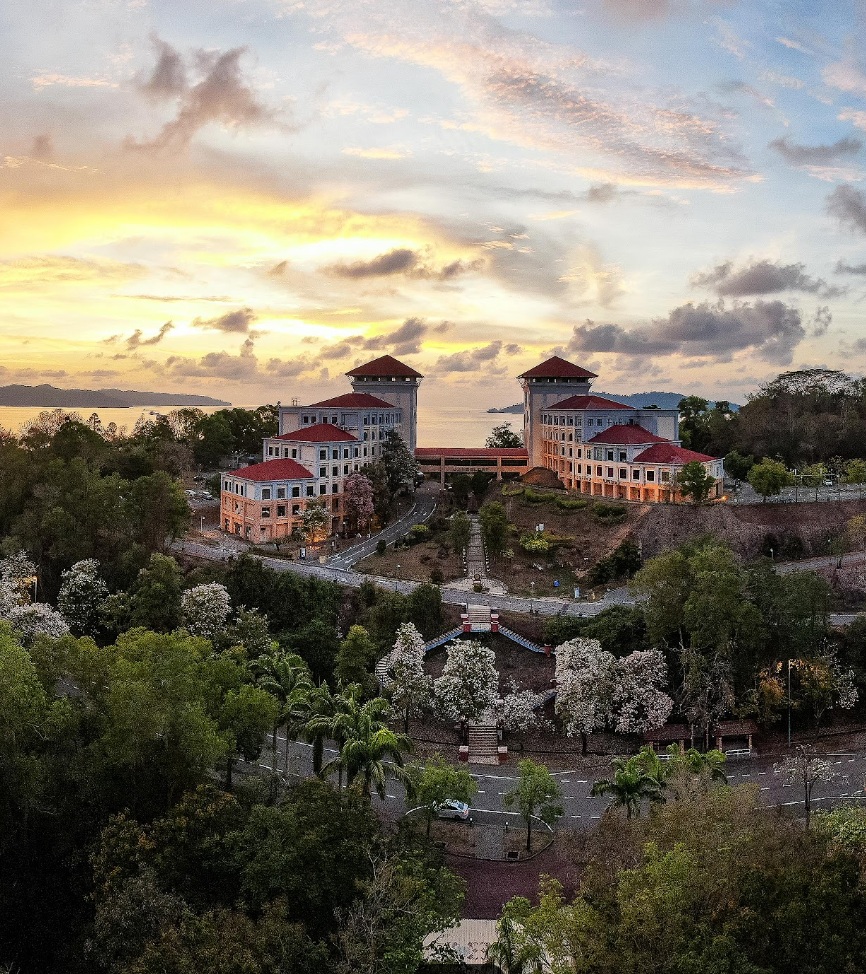
Universiti Malaysia Sabah (UMS) is committed to nurturing a campus environment that protects biodiversity, restores natural ecosystems, and supports sustainable living. As one of Malaysia’s greenest and most scenic universities, UMS integrates conservation into its daily operations, long-term planning, research activities, and student engagement. These campus conservation efforts reflect UMS’s dedication to safeguarding Sabah’s rich natural heritage while educating the next generation of environmental stewards.
Green Campus Biodiversity & Habitat Protection
UMS maintains and enhances biodiversity across its 375-hectare campus through targeted greening and habitat conservation initiatives. Native tree planting, reforestation activities, and the creation of biodiversity corridors help preserve local flora and fauna while improving ecological connectivity. Sustainable landscape management—such as reduced chemical use, natural vegetation zones, and eco-friendly maintenance practices—ensures that campus greenery remains healthy and resilient. These green spaces also serve as outdoor classrooms for environmental science, forestry, and conservation students.
Conservation of Marine, Freshwater & Coastal Ecosystems
Beyond terrestrial ecosystems, UMS carries out conservation work to protect aquatic and coastal environments within and surrounding the campus. Efforts include mangrove restoration, river rehabilitation, and monitoring of freshwater ecosystems to improve water quality and reduce pollution. Through the work of BMRI, UMS also leads marine conservation efforts such as seagrass surveys, coastal clean-up activities, and Blue Carbon awareness programmes. These initiatives support healthy ecosystems and strengthen climate resilience for coastal communities.
Sustainable Water, Soil & Landscape Management
UMS integrates environmental conservation into campus operations through responsible resource management. Rainwater harvesting systems, smart irrigation technology, erosion-control measures, and sustainable stormwater drainage help protect natural water bodies and soil systems around campus. These practices reduce environmental degradation, prevent campus flooding, and promote long-term ecological health.
Research-Driven Conservation & Living Labs
As a research-intensive university, UMS uses its campus as a living laboratory for conservation and environmental studies. The Mesilou Highland Living Lab, UMS Botanical Garden, and various field study sites provide spaces for biodiversity research, ecological monitoring, and student fieldwork. These living labs support research in forestry, marine science, climate adaptation, and habitat restoration—turning the entire campus into a hub for scientific discovery and sustainable learning.
Community & Regional Impact
UMS extends its sustainability impact far beyond campus by addressing the needs of communities across Sabah through targeted, high-impact initiatives. The university supports rural and underserved areas through practical water solutions such as low-cost filtration systems, river restoration projects, and rainwater harvesting installations. These efforts improve access to clean water and strengthen public health, particularly in remote villages where infrastructure is limited.
UMS also plays an important role in climate adaptation, working closely with coastal and island communities to build resilience against rising sea levels, coastal erosion, and extreme weather. Through research, education, and community engagement, UMS helps local populations develop strategies for sustainable resource use and long-term environmental protection. At the same time, the university preserves indigenous knowledge and cultural heritage by documenting oral traditions, languages, and community histories—ensuring that the wisdom of Sabah’s diverse ethnic groups is protected for future generations.
These community efforts are further strengthened through long-standing collaborations with Sabah Parks, SEARRP, and community-based organisations that support conservation, education, and sustainable livelihoods. Together, these initiatives enhance regional resilience and advance SDG 6 (Clean Water), SDG 11 (Sustainable Cities & Communities), and SDG 17 (Partnerships for the Goals).
Student & Community Engagement in Conservation
Campus conservation thrives through active participation from students and the wider community. Programmes such as KESUWA volunteerism, the Sustainability Ambassadors, river and beach clean-ups, tree planting events, and Earth/Ocean Day campaigns foster a culture of environmental responsibility. These activities empower students to be hands-on contributors to environmental protection while strengthening UMS’s identity as an EcoCampus rooted in community engagement.



 Sustaining Nature, Shaping Tomorrow