


From Science to Shore — Restoring Oceans, Empowering Communities

UMS - SDG 14 Life Below Water
Blue Harmony UMS: Education, Conservation, and Collaboration for Oceans
 Universiti Malaysia Sabah
Blue & Freshwater Futures: UMS for Sustainable Aquatic Ecosystems
Universiti Malaysia Sabah (UMS) continues to stand at the forefront of marine conservation, blue economy innovation, and ocean stewardship across the Coral Triangle region. Through world-class research, ecological restoration, community empowerment, and international partnerships, UMS delivers impactful initiatives that restore coral reefs, protect endangered species, promote sustainable fisheries, regenerate blue carbon ecosystems, and strengthen maritime security. In 2024, UMS’s collective efforts—from seaweed restoration and turtle conservation to blue-economy living labs, marine security collaborations, and large-scale public awareness programmes—demonstrated not only scientific excellence but also heartfelt commitment to safeguarding Sabah’s oceans. These actions ensure thriving marine biodiversity, resilient coastal communities, and a healthier ocean legacy for future generations.
Guardians of the Blue Frontier
Protecting Our Oceans, Sustaining Our Future
Situated in the heart of the Coral Triangle—home to 75% of the world’s known coral species and among the richest marine ecosystems on Earth—Universiti Malaysia Sabah (UMS) carries both a privilege and a profound responsibility in championing SDG 14: Life Below Water. As one of Malaysia’s leading institutions in marine science, aquaculture, biodiversity research, maritime governance and coastal resilience, UMS integrates cutting-edge science with real-world action. Its identity as Universiti Lautan Borneo is not symbolic; it reflects decades of dedication to understanding, protecting and sustainably managing the seas that define Sabah’s cultural heritage, food security and ecological future. UMS strengthened its leadership through impactful initiatives that combine conservation, scientific innovation and community empowerment. Signature programmes such as World Biodiversity Day, Ocean Celebration 2024, the establishment of the Blue Economy and Maritime Security Research Center, and flagship conservation projects—including coral nurseries, turtle sustainability efforts, and seaweed blue-carbon restoration—demonstrate UMS’s holistic, ecosystem-based approach to ocean sustainability. These efforts are further amplified through strong partnerships with Sabah Parks, ESSCOM, government ministries, industry players, and international research institutions from China, Japan and Southeast Asia. UMS’s commitment to marine protection extends beyond research outputs—it touches communities, shapes policies, strengthens maritime security, and inspires the next generation of ocean stewards. Whether through knowledge transfer programmes for fishermen, large-scale coastal clean-ups, edu-tourism initiatives, or AI-powered innovations for sustainable aquaculture, UMS proves that healthy oceans are a shared responsibility. By aligning science, policy, and public engagement under one unified mission, UMS continues to lead Sabah, Malaysia, and the region toward a resilient blue future—one where oceans remain vibrant, life-giving, and protected for generations to come.
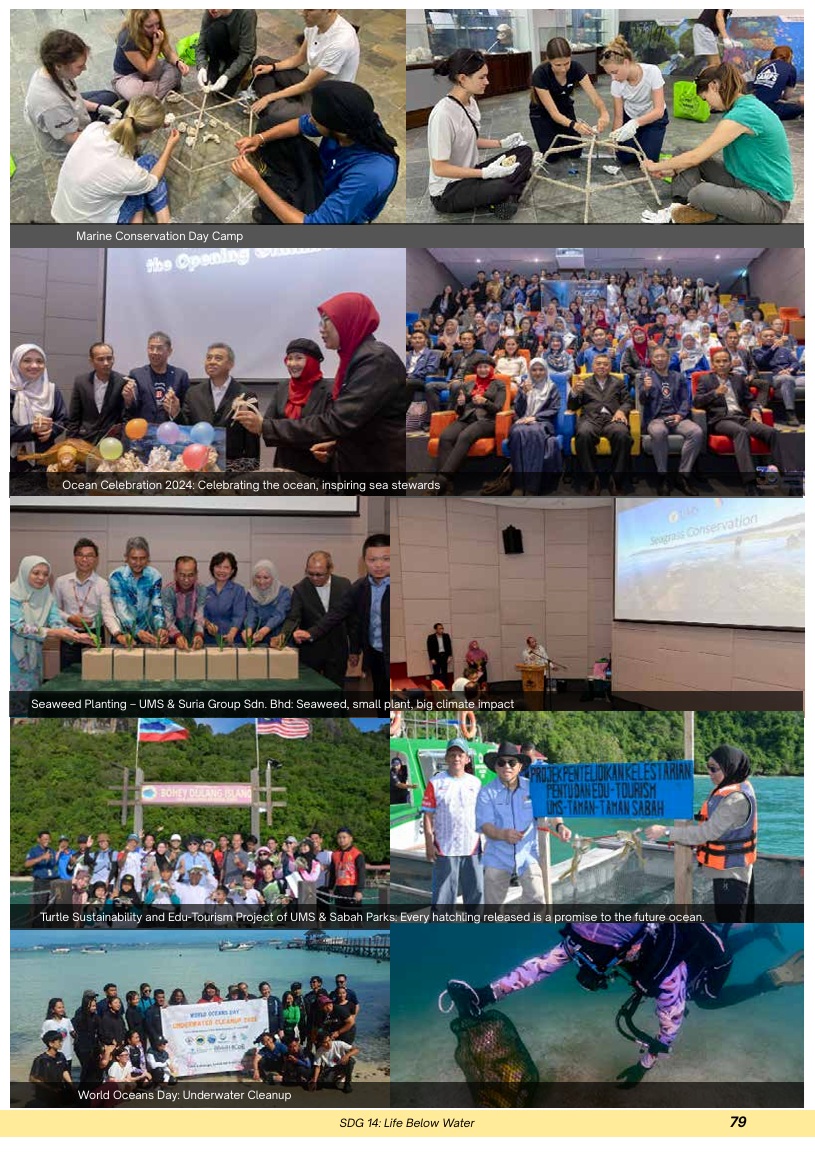
Ocean Celebration 2024: Celebrating the ocean, inspiring sea stewards.
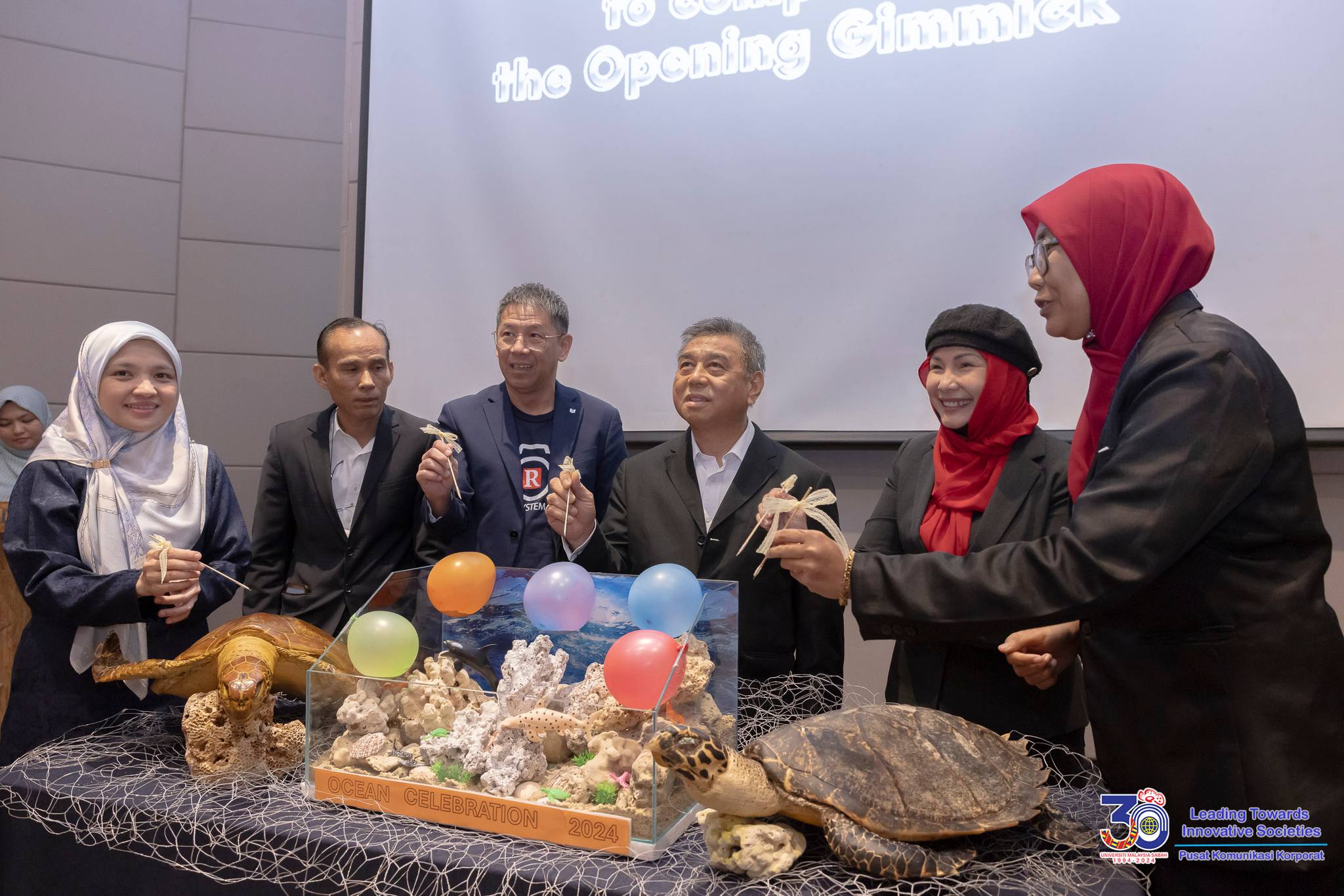
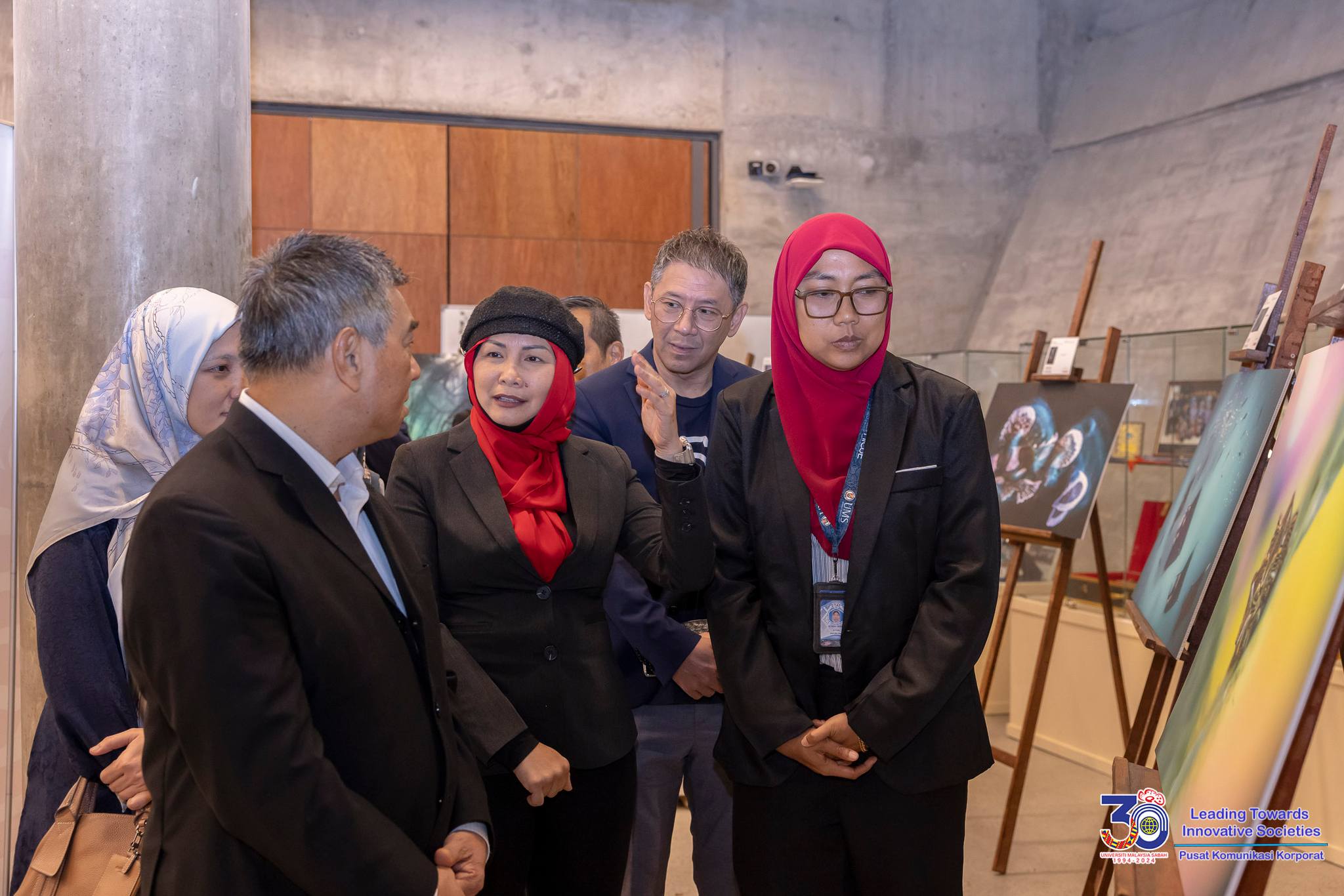
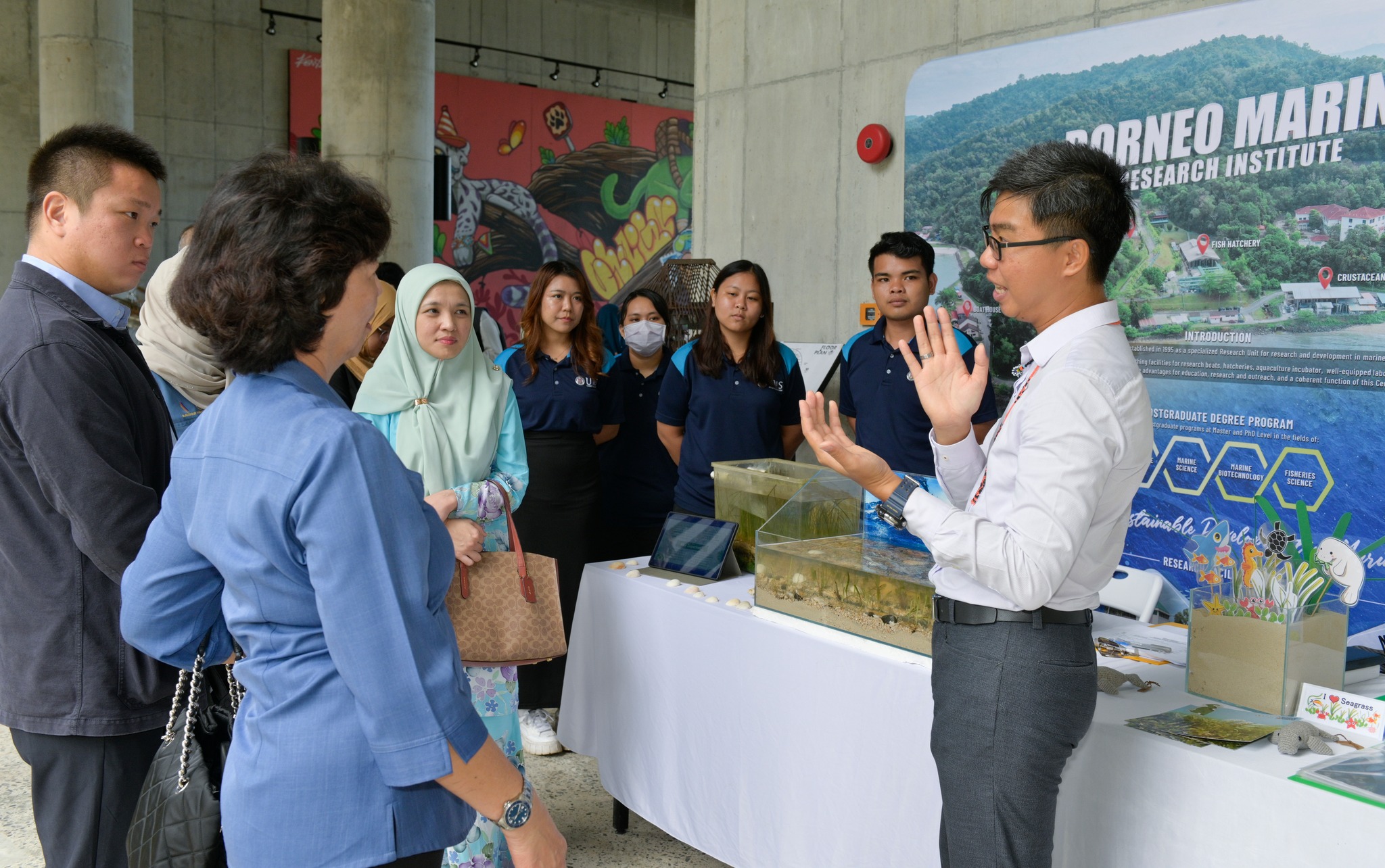
The Faculty of Science and Natural Resources (FSSA) led the Ocean Celebration 2024 opening ceremony, officiated by the UMS Vice Chancellor, as a flagship platform for ocean literacy and marine stewardship. Through talks, exhibitions, and interactive activities, the programme highlighted the importance of healthy oceans for fisheries, climate regulation, tourism, and community well-being. It brought together students, researchers, schools, and members of the public, cultivating a shared sense of responsibility towards marine conservation and reinforcing UMS’s identity as a university deeply connected to the surrounding seas of Borneo.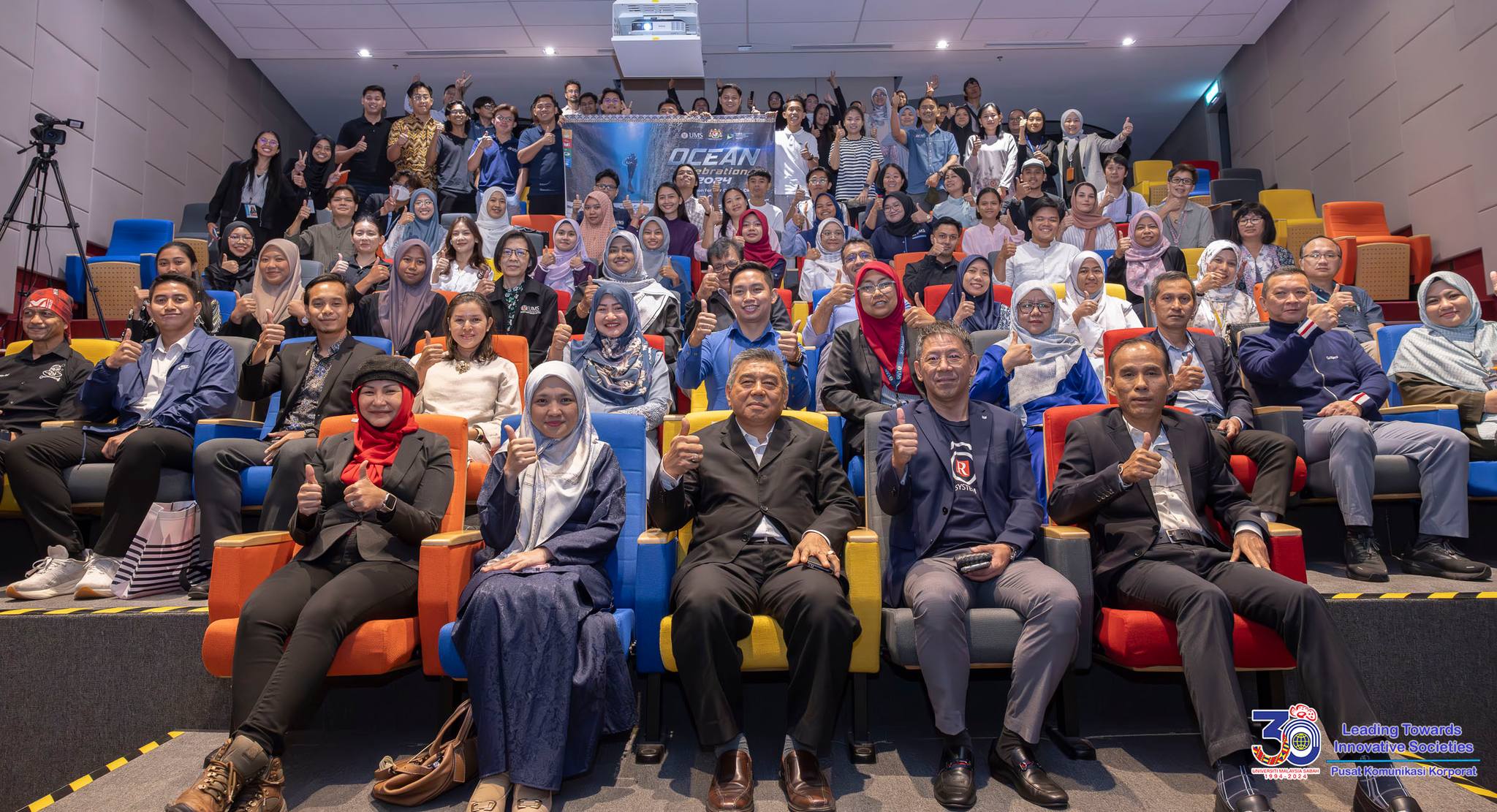
Seaweed Planting – UMS & Suria Group Sdn. Bhd: Seaweed, small plant, big climate impact
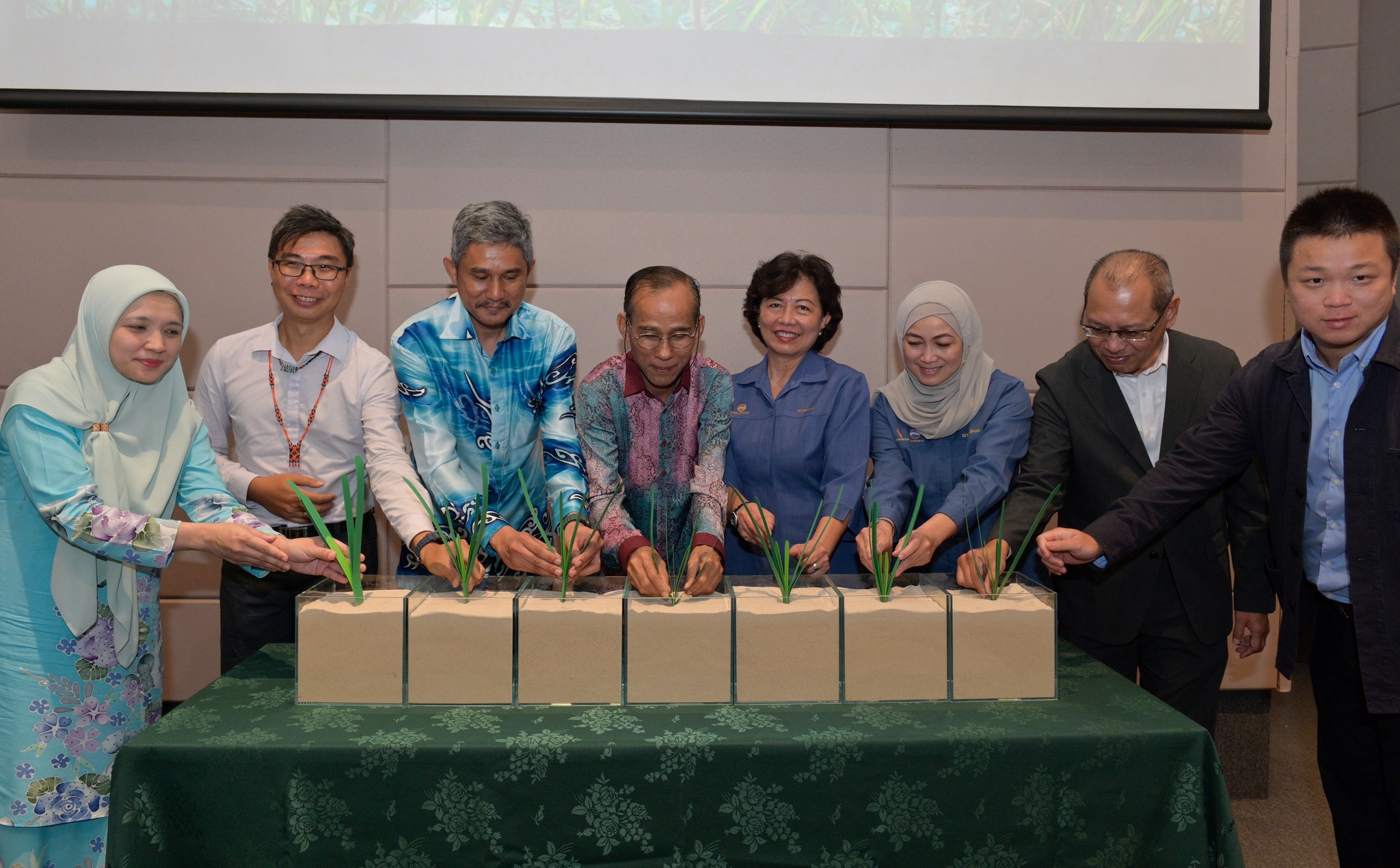
The seaweed planting kick-off, led by IPMB in collaboration with Suria Group Sdn. Bhd., highlighted the ecological and climate value of seaweed as a blue carbon ecosystem. By restoring and expanding seaweed beds, the programme helps stabilise coastal sediments, reduce wave and current impacts, and act as a natural defence against storms and shoreline erosion. At the same time, it supports sustainable marine-based livelihoods and demonstrates how industry–university partnerships can contribute to climate action, biodiversity conservation, and resilient coastal communities.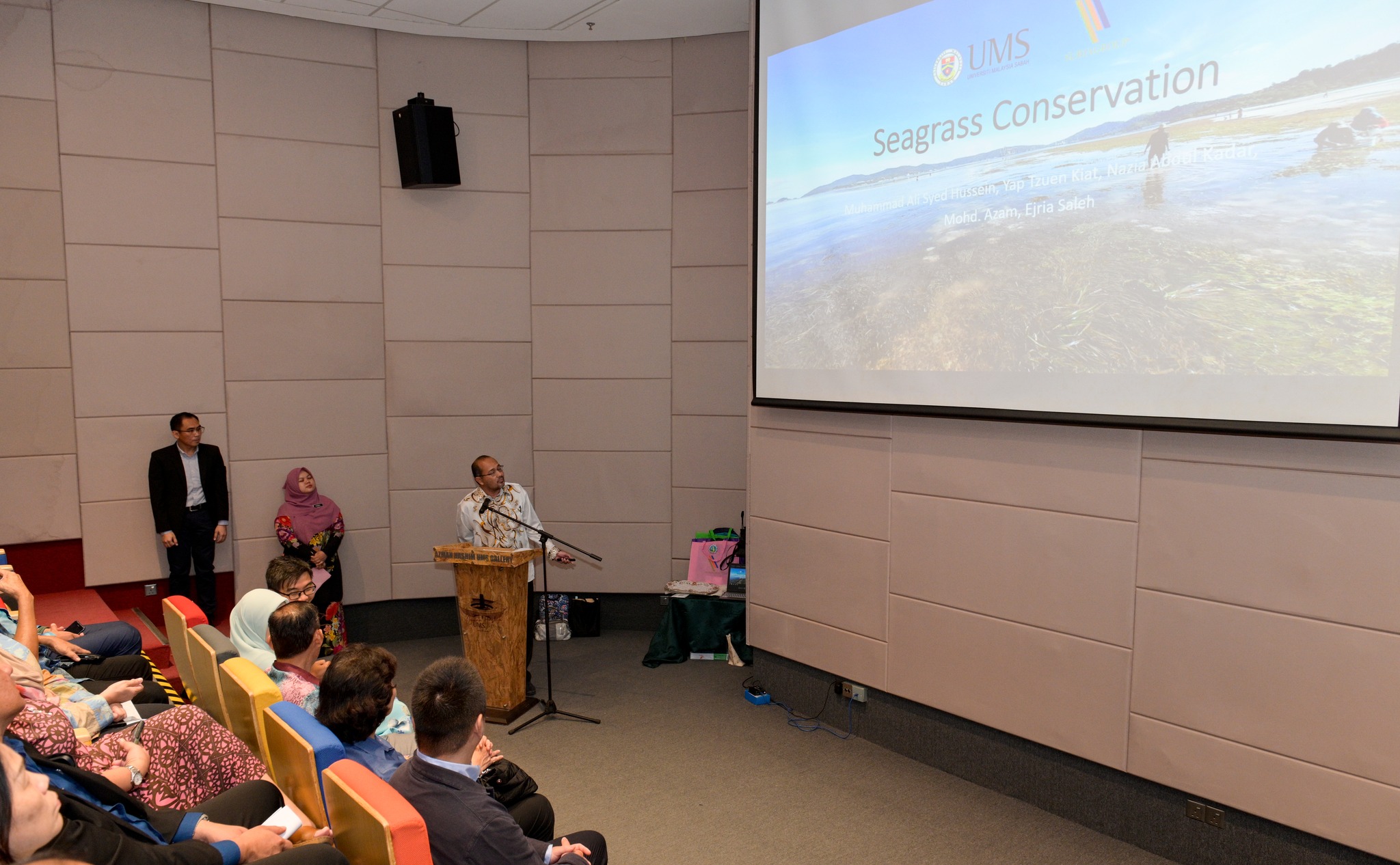
Healing the Ocean, Restoring Life
From reefs to hatchlings, every action protects tomorrow’s seas.
UMS’s marine conservation and ecological restoration efforts in 2024 reflect a deep, purposeful commitment to reviving Sabah’s coastal and marine ecosystems through science-driven action, community engagement, and strategic partnerships. From restoring blue carbon ecosystems through seaweed planting, to safeguarding endangered turtle populations through conservation and edu-tourism, and rebuilding degraded coral reefs through dedicated nursery sites, these initiatives demonstrate UMS’s holistic approach to ecosystem recovery. Each programme not only enhances biodiversity and coastal resilience but also empowers local communities, enriches student learning, and strengthens the long-term sustainability of Sabah’s marine environment—ensuring that the oceans remain vibrant, protected, and life-giving for future generations.
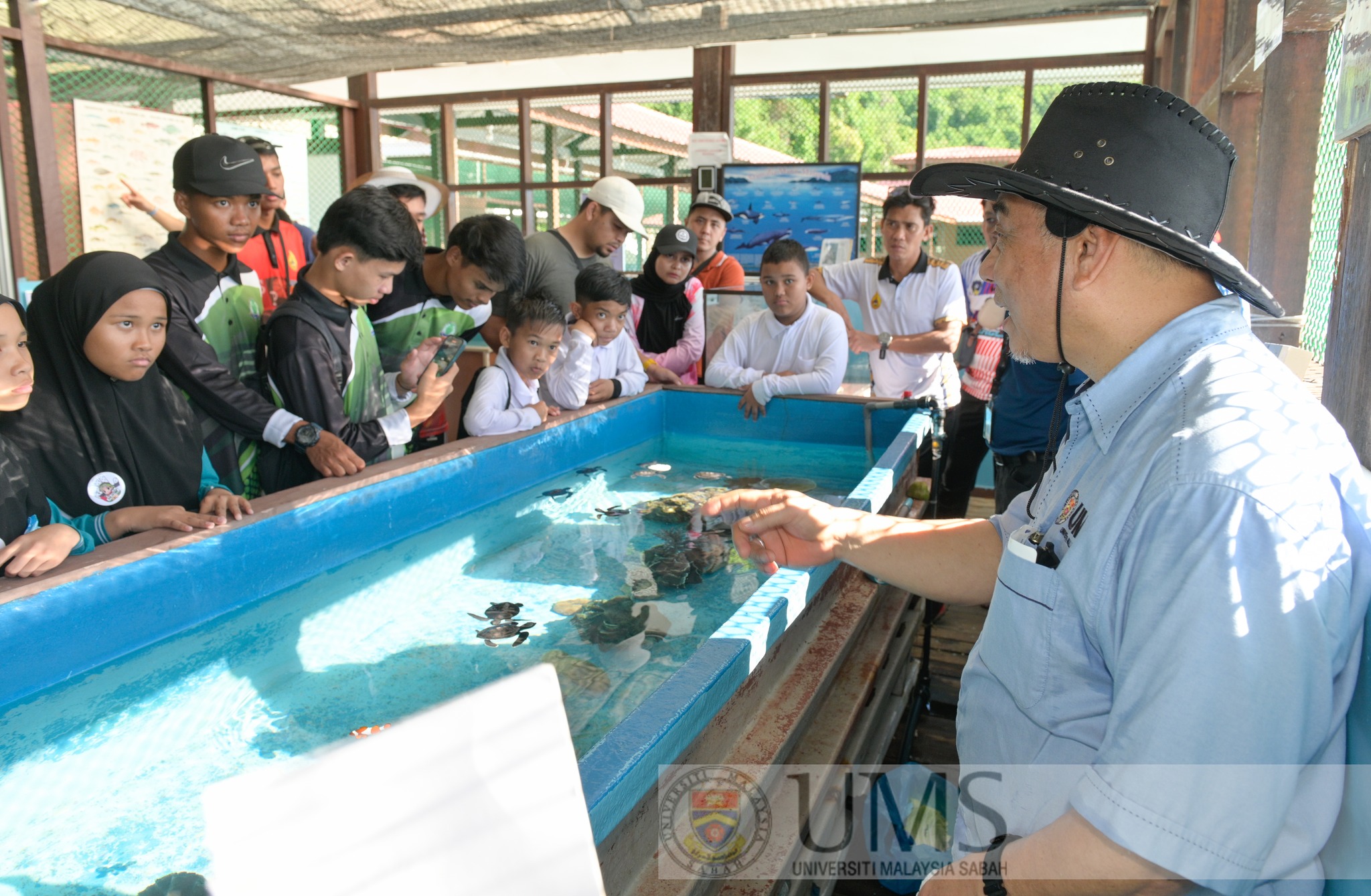
Turtle Sustainability and Edu-Tourism Project of UMS & Sabah Parks: Every hatchling released is a promise to the future ocean.
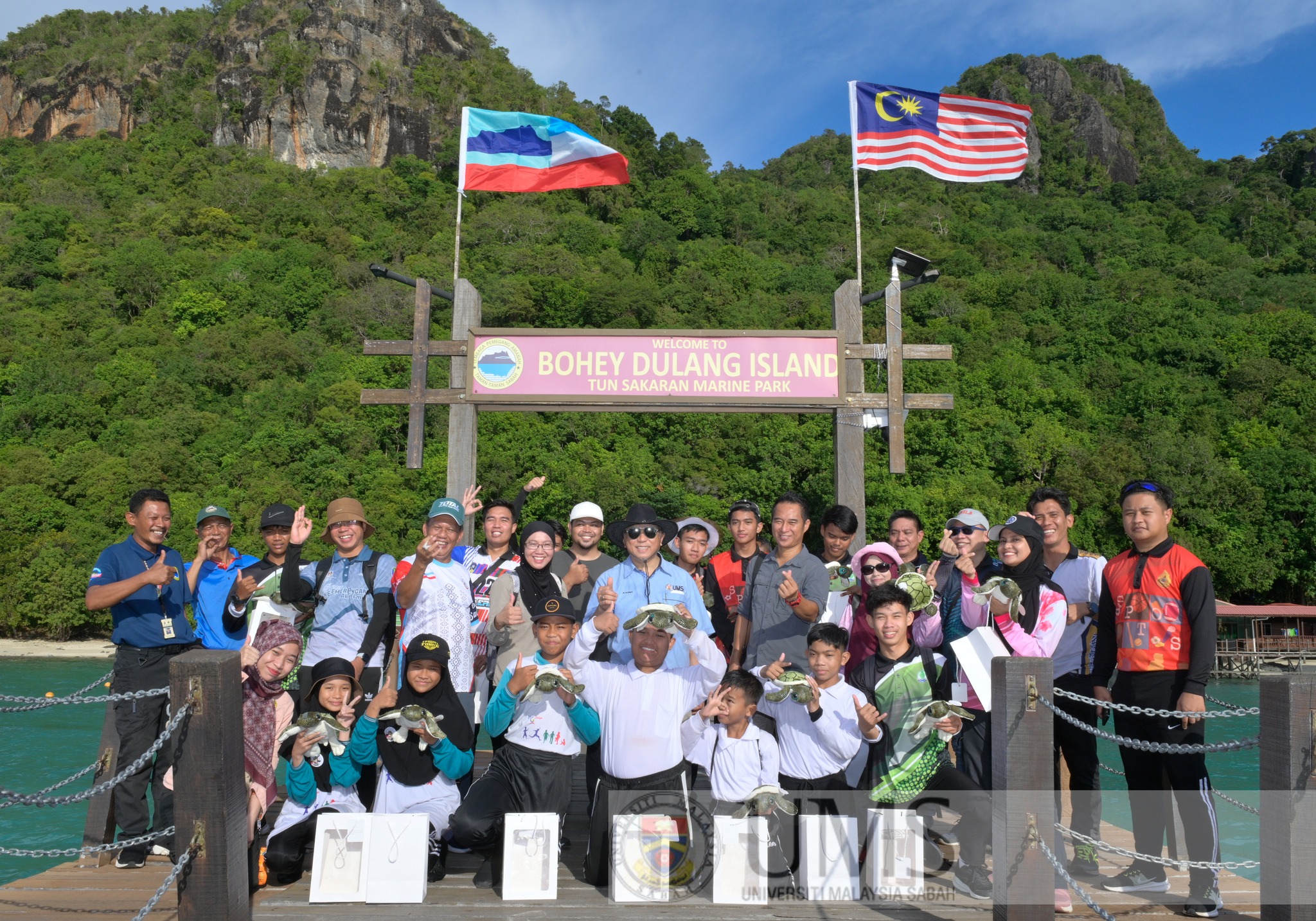
The Turtle Sustainability and Edu-Tourism Project, launched at Pulau Bohey Dulang in Semporna by the Faculty of Social Sciences and Humanities (FSSK) in collaboration with Taman-Taman Sabah, integrates conservation research, public education and community-based tourism. Led by Prof. Dr. Ismail Ali, the project raises awareness about marine turtles and their threatened habitats, especially among school students and local visitors. The symbolic release of turtle hatchlings during the launch created a powerful emotional experience that reinforced the message that long-term survival of these iconic species depends on collective stewardship of the marine environment.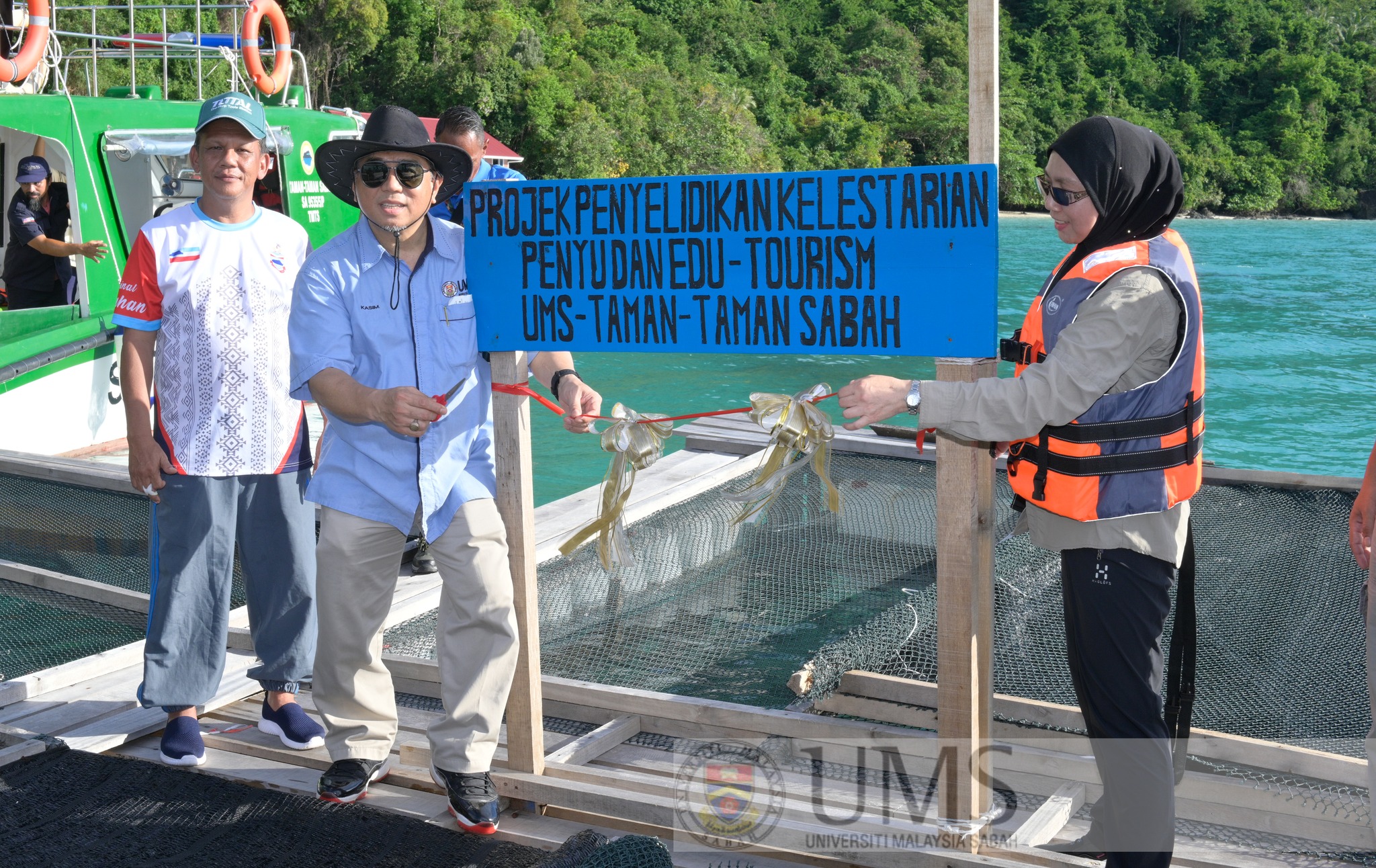
Coral Nursery Site (CNS): Rebuilding reefs, one coral at a time
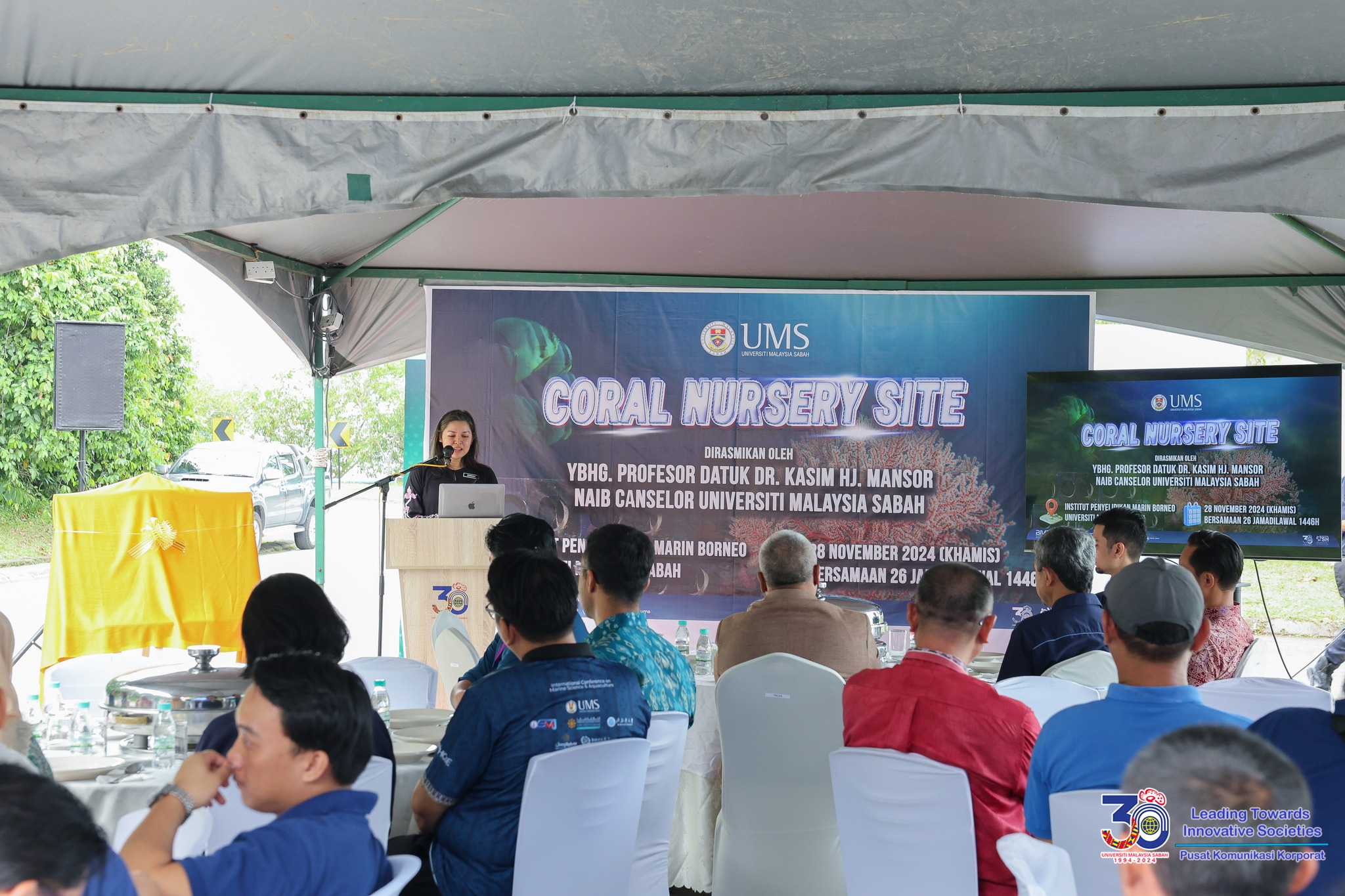
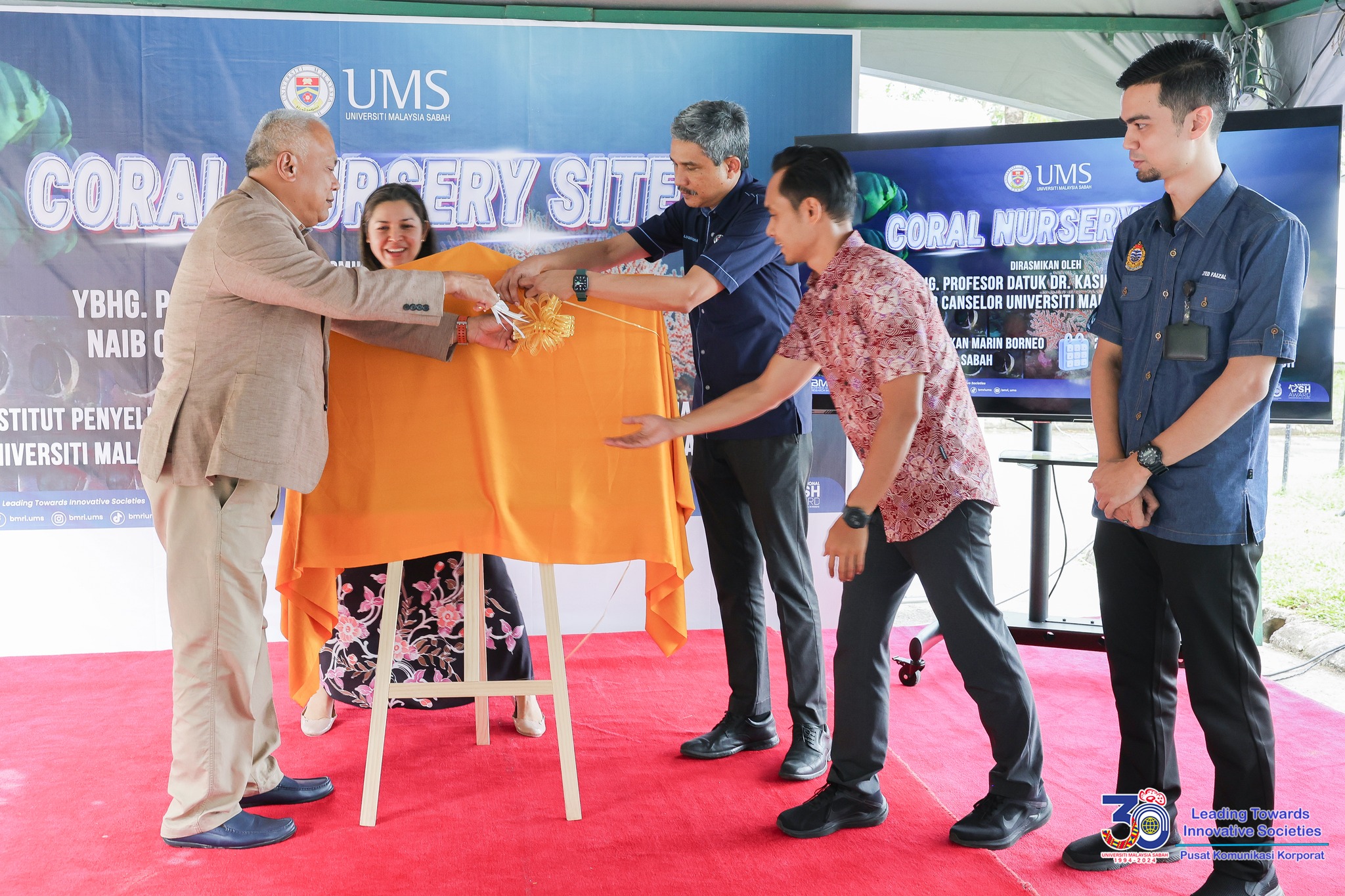
On 28 November 2024, UMS, through IPMB and partners under the Coral Triangle Initiative and the Ministry of Natural Resources and Environmental Sustainability, officially launched the Coral Nursery Site (CNS). Officiated by the Deputy Vice Chancellor (Academic and International) on behalf of the Vice Chancellor, the CNS provides a structured platform for coral propagation, reef rehabilitation and long-term ecological monitoring. It engages students, researchers and local communities in hands-on restoration work, strengthens UMS’s eco-campus initiatives, and contributes to the resilience of coral reef ecosystems that underpin fisheries, tourism and coastal protection.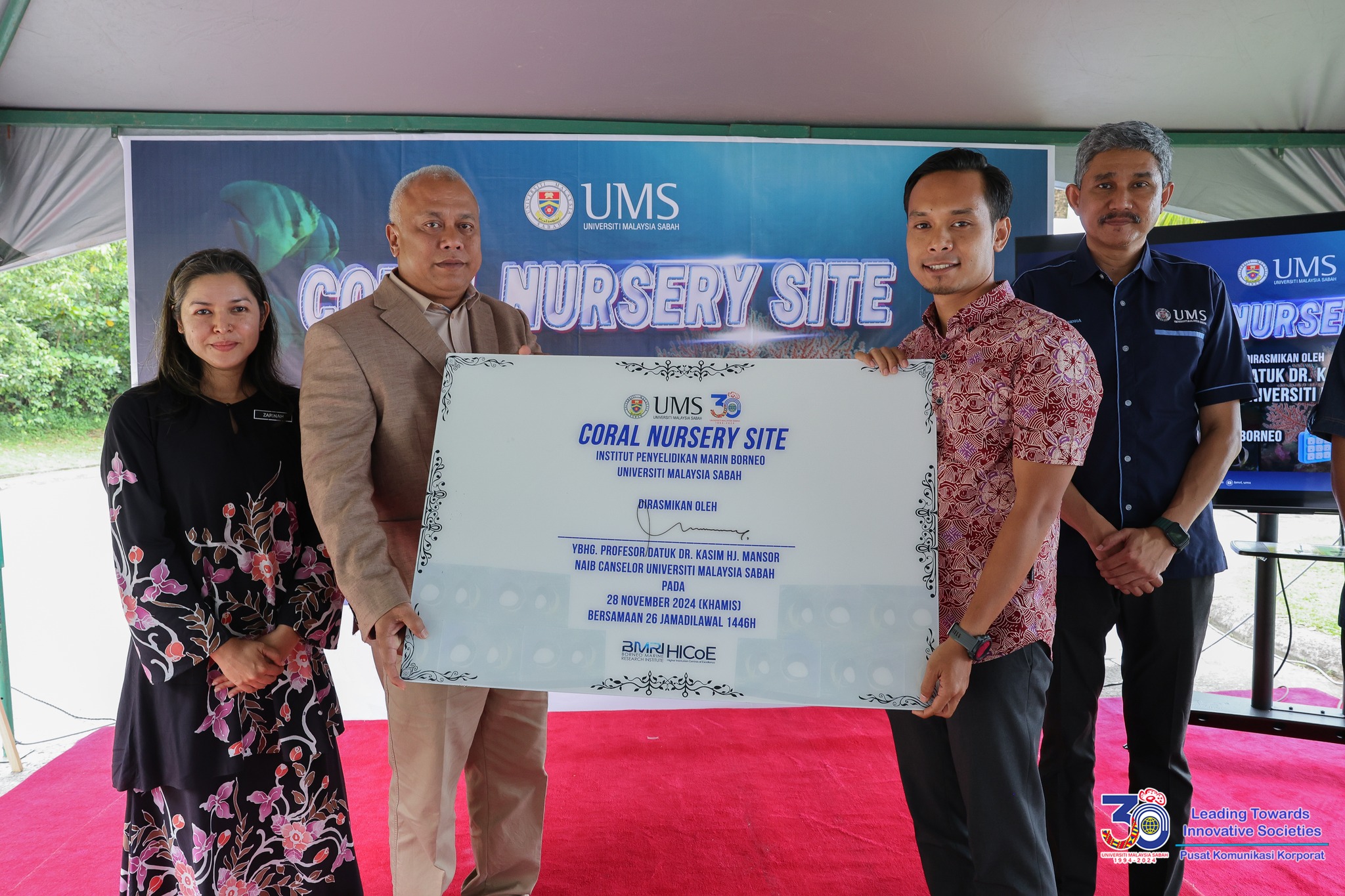
From rivers to reef systems, UMS builds water literacy that strengthens communities and safeguards ecosystems.
Empowering Communities Through Water Knowledge: UMS Educational Programmes for Freshwater and Aquatic Ecosystem Sustainability
Universiti Malaysia Sabah (UMS) plays a significant national role in educating communities, practitioners, and students on the sustainable management of freshwater and aquatic ecosystems. Through hands-on workshops, scientific training, restoration programmes, and technology-enhanced field learning, UMS ensures that diverse groups—from coastal communities and fisheries practitioners to national agencies and youth—are equipped with practical knowledge essential for freshwater conservation, aquaculture sustainability, and water ecosystem rehabilitation. These programmes extend beyond marine ecosystems. They emphasise how healthy freshwater systems—including rivers, wetlands, mangroves, estuaries, and aquaculture environments—directly influence national food security, water quality, and coastal biodiversity. By linking classroom learning with experiential field training, UMS supports water-related SDGs by nurturing participants’ understanding of safe water management, ecosystem health, water-efficient aquaculture practices, and climate-related threats to water resources. Collectively, UMS’s initiatives demonstrate the university’s holistic commitment to community empowerment. Each programme not only imparts technical skills but also strengthens public awareness of how freshwater and marine ecosystems are interconnected, ensuring communities across Malaysia can contribute effectively to long-term water conservation and sustainable resource use.
Innovative Tagal and TagaLit initiatives at 2024
Yes. Universiti Malaysia Sabah (UMS) offers dedicated educational programmes on freshwater ecosystems, water conservation, and sustainable river management for local and national communities through its innovative Tagal and TagaLit initiatives. The TagaLit module transforms Sabah’s traditional Tagal system—an Indigenous community-based river conservation practice—into an engaging, interactive learning experience designed for schools and the wider public. Through hands-on activities, game boards, cultural elements such as the Syok Bah Tagal song, and live demonstrations, UMS teaches participants how the Tagal system protects river health, maintains fish populations, supports biodiversity, and balances community harvesting needs. By guiding students and community members to simulate real conservation decisions, TagaLit helps them understand ecological balance, sustainable water-use practices, and the importance of collective stewardship of freshwater ecosystems. These outreach programmes, delivered during events such as the Borneo Science Journey in Ranau and Tuaran, encourage youth and local communities to apply scientific and Indigenous knowledge to solve real environmental challenges. The initiative has also received international recognition, underscoring its value not only for local freshwater education but also as a model for global conservation learning. Through TagaLit, UMS demonstrates a strong institutional commitment to advancing freshwater ecosystem education and supporting SDG 6 at both community and national levels.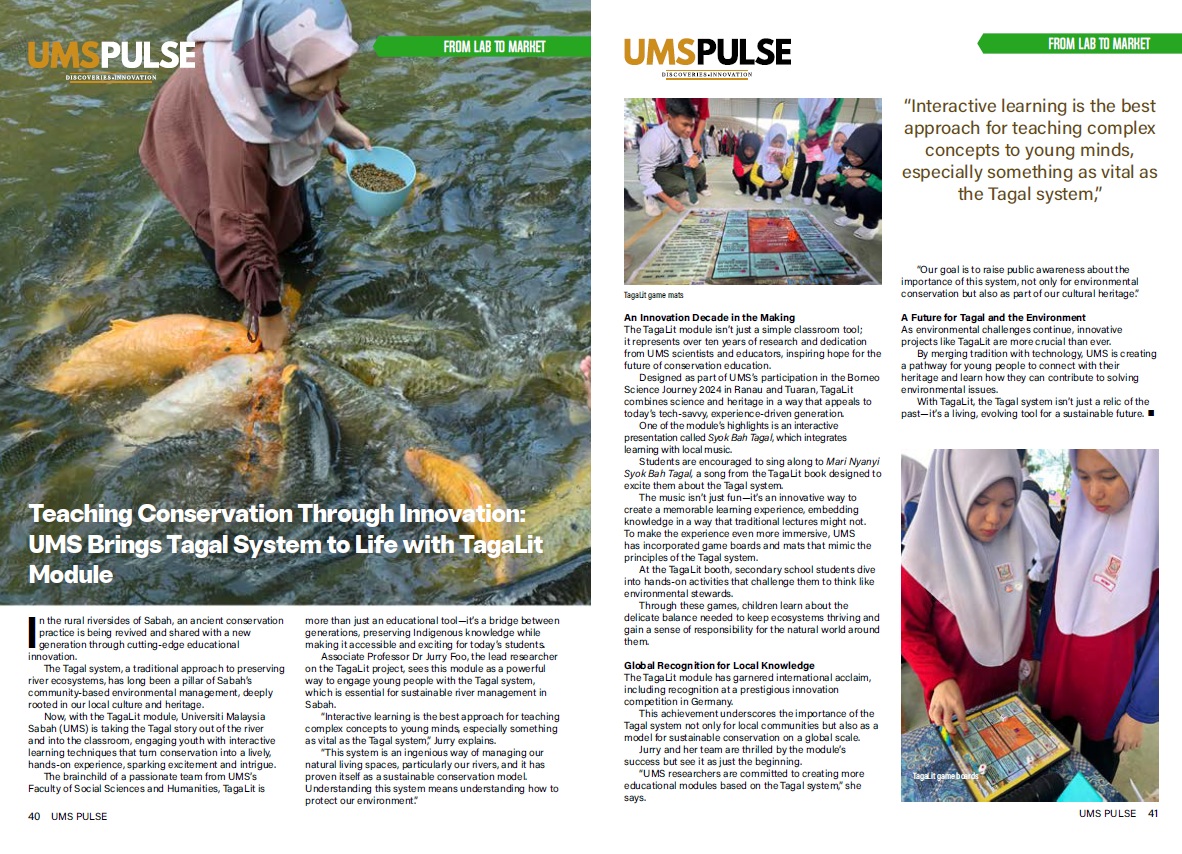
Technology-Driven Environmental Monitoring for Freshwater and Coastal Waters - Underwater Drone Handling Course in September 2024
The underwater drone course equips participants with the ability to observe and monitor aquatic environments, including freshwater systems, coastal areas, and estuaries where river and ocean ecosystems interact. By learning to operate underwater drones, participants gain direct skills in mapping, visual assessment, sediment analysis, and identifying threats such as pollution or turbidity—factors that originate from poor upstream water management. Educationally, the course trains researchers, postgraduate students, and staff to integrate drone-based monitoring into freshwater conservation studies and water resource projects. These methods can be applied in rivers, water reservoirs, wetlands, and aquaculture ponds to assess water clarity, detect algal blooms, and monitor habitat conditions. This strengthens participants’ capacity to support community-based freshwater conservation actions, making technology accessible to local and national stakeholders. In addition, the hands-on nature of the training encourages interdisciplinary learning. Participants develop problem-solving skills related to water ecosystem diagnostics, enabling future research collaborations in areas like watershed monitoring, irrigation efficiency, and freshwater biodiversity assessment.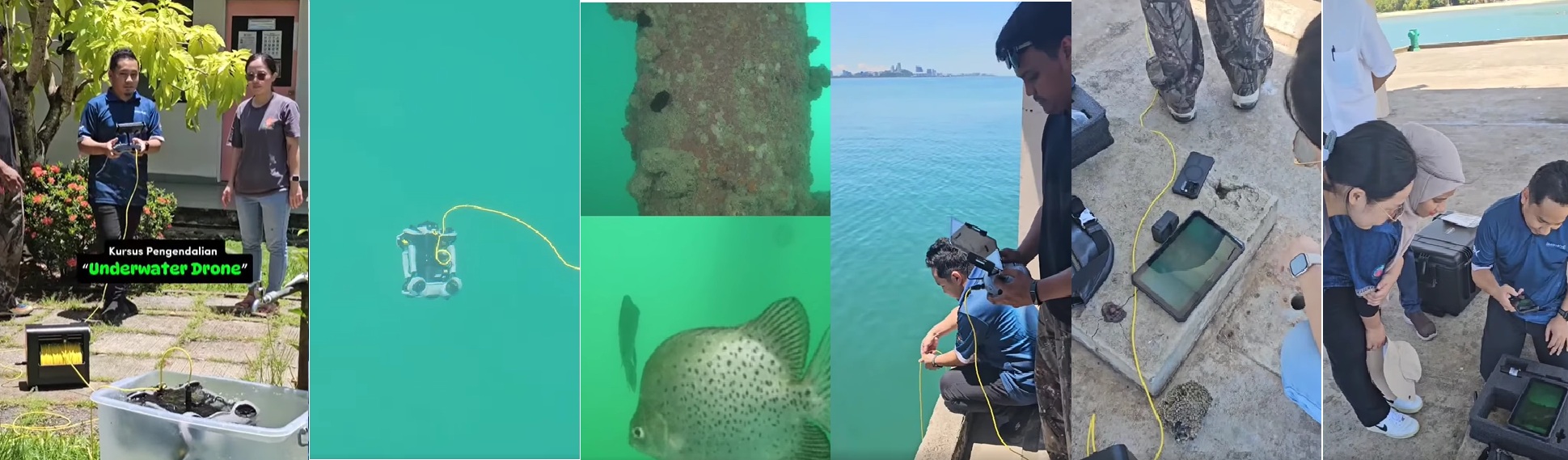
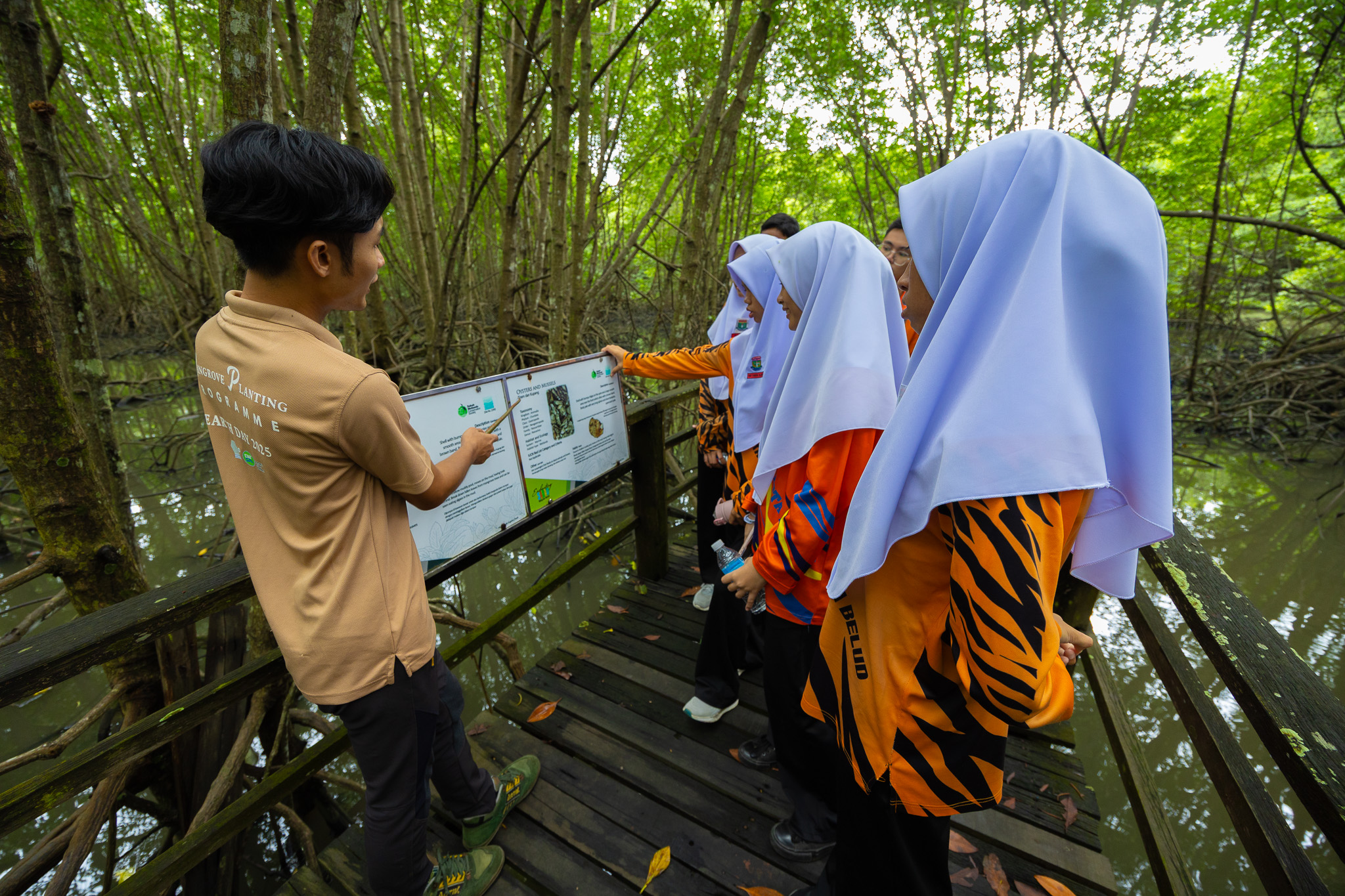
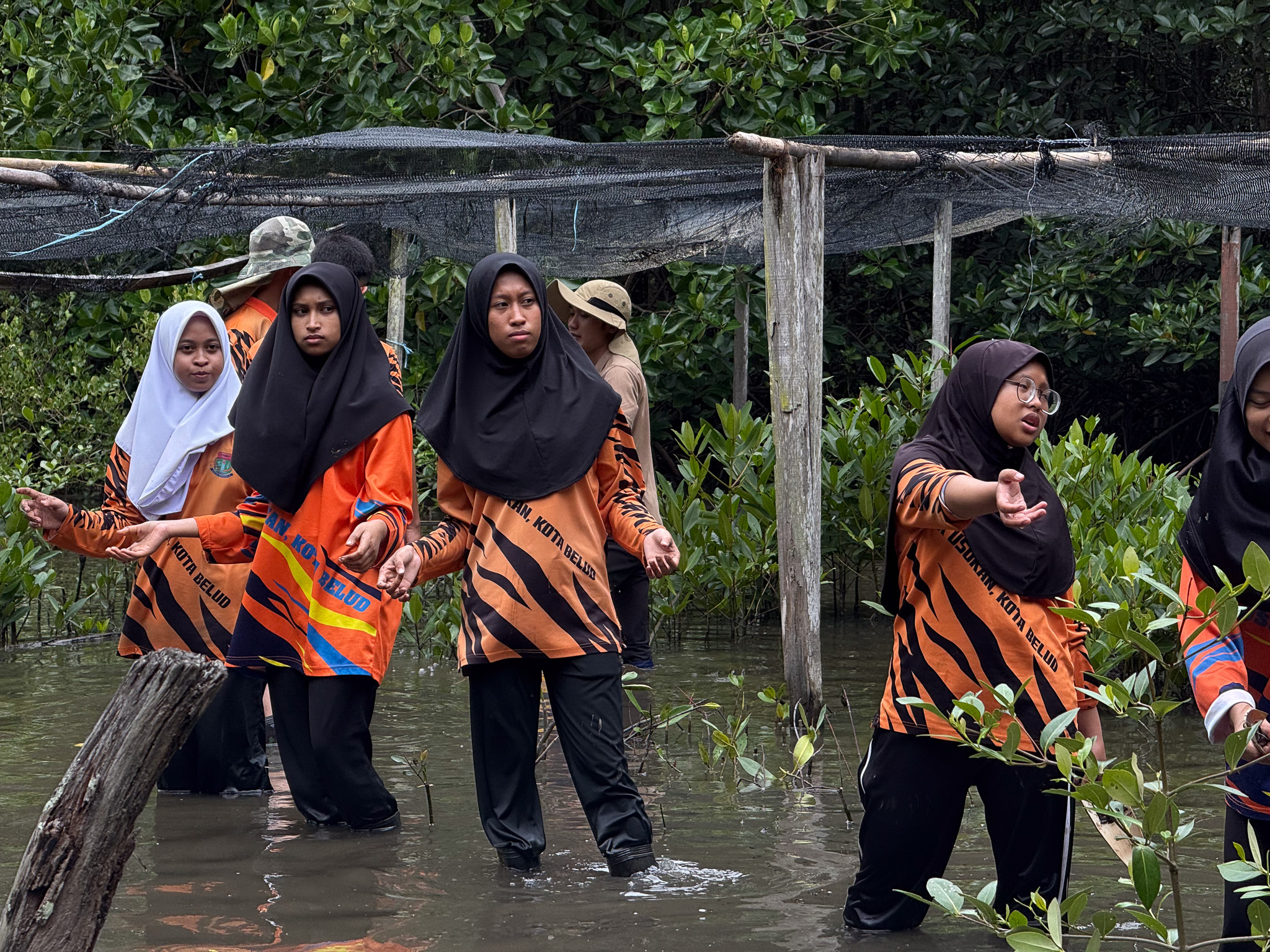
Wetland Conservation & Restoration Education (including Mangrove Planting Programmes)
The underwater drone course equips participants with the ability to observe and monitor aquatic environments, including freshwater systems, coastal areas, and estuaries where river and ocean ecosystems interact. By learning to operate underwater drones, participants gain direct skills in mapping, visual assessment, sediment analysis, and identifying threats such as pollution or turbidity—factors that originate from poor upstream water management. Educationally, the course trains researchers, postgraduate students, and staff to integrate drone-based monitoring into freshwater conservation studies and water resource projects. These methods can be applied in rivers, water reservoirs, wetlands, and aquaculture ponds to assess water clarity, detect algal blooms, and monitor habitat conditions. This strengthens participants’ capacity to support community-based freshwater conservation actions, making technology accessible to local and national stakeholders. In addition, the hands-on nature of the training encourages interdisciplinary learning. Participants develop problem-solving skills related to water ecosystem diagnostics, enabling future research collaborations in areas like watershed monitoring, irrigation efficiency, and freshwater biodiversity assessment.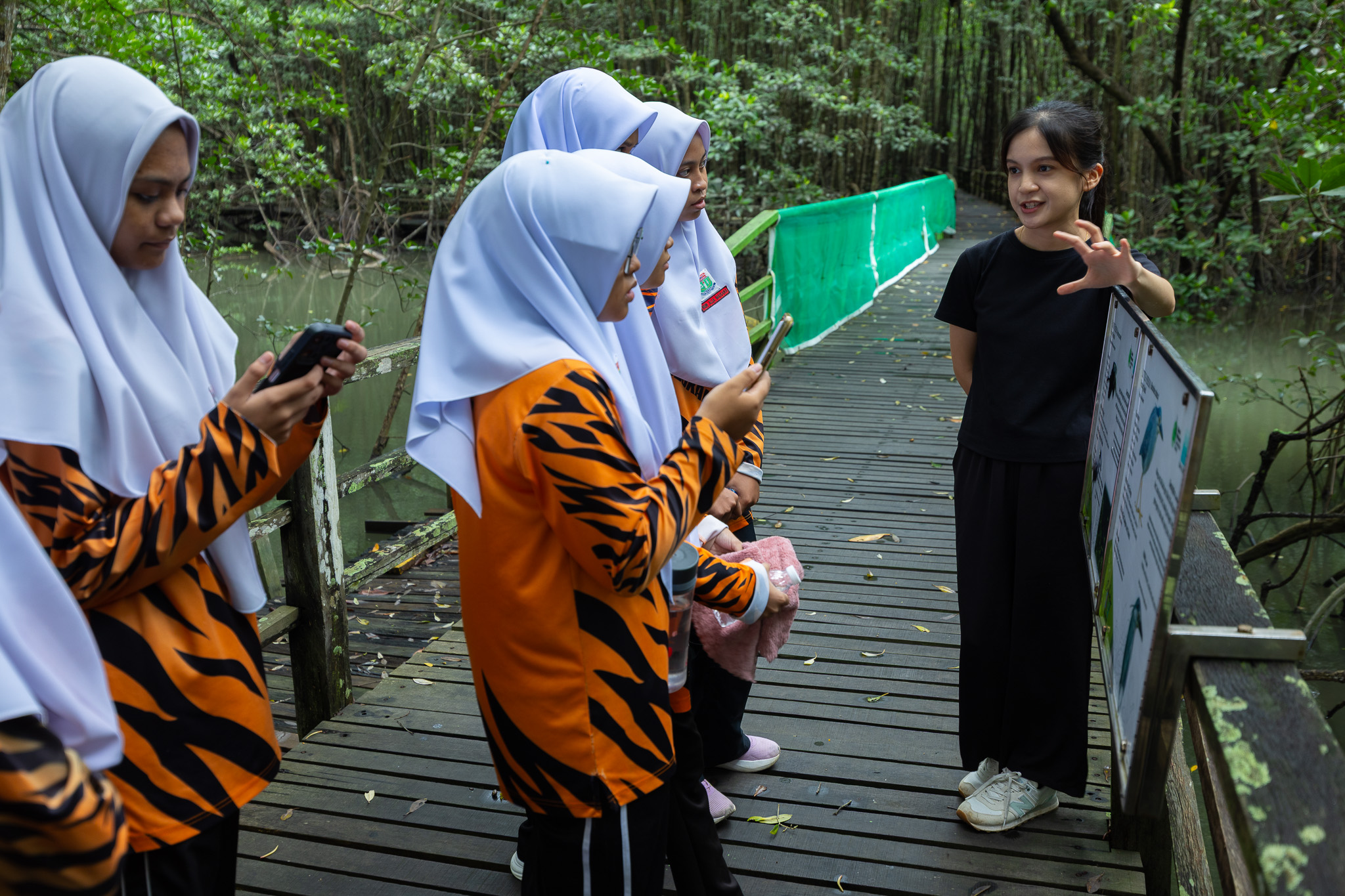
Underwater Lifelines: The Future of Reef Health: Linking Coral Ecosystem Health to Freshwater Management and Community Awareness
Although centred on coral reefs, the educational content delivered National Farmers, Ranchers and Fishermen's Day Program (Program Hari Peladang, Penternak dan Nelayan Kebangsaan, HPPNK ) addresses the fundamental relationship between freshwater management and marine ecosystem health. Dr. Fikri’s session emphasised how sedimentation, agricultural runoff, and polluted river outflows impact coral systems—highlighting the importance of sustainable irrigation practices and upstream watershed management. For communities, this programme serves as a water literacy platform that connects national agricultural stakeholders, government agencies, and students. Participants learn how responsible freshwater management—clean rivers, controlled pesticide use, and sediment barriers—supports fisheries, coastal economies, and national food security. This public education session also introduces scientific restoration technologies like the MARRS Reef Star system, demonstrating how marine conservation begins with responsible freshwater practices. It empowers community groups to understand and mitigate climate change impacts through ecosystem-based solutions.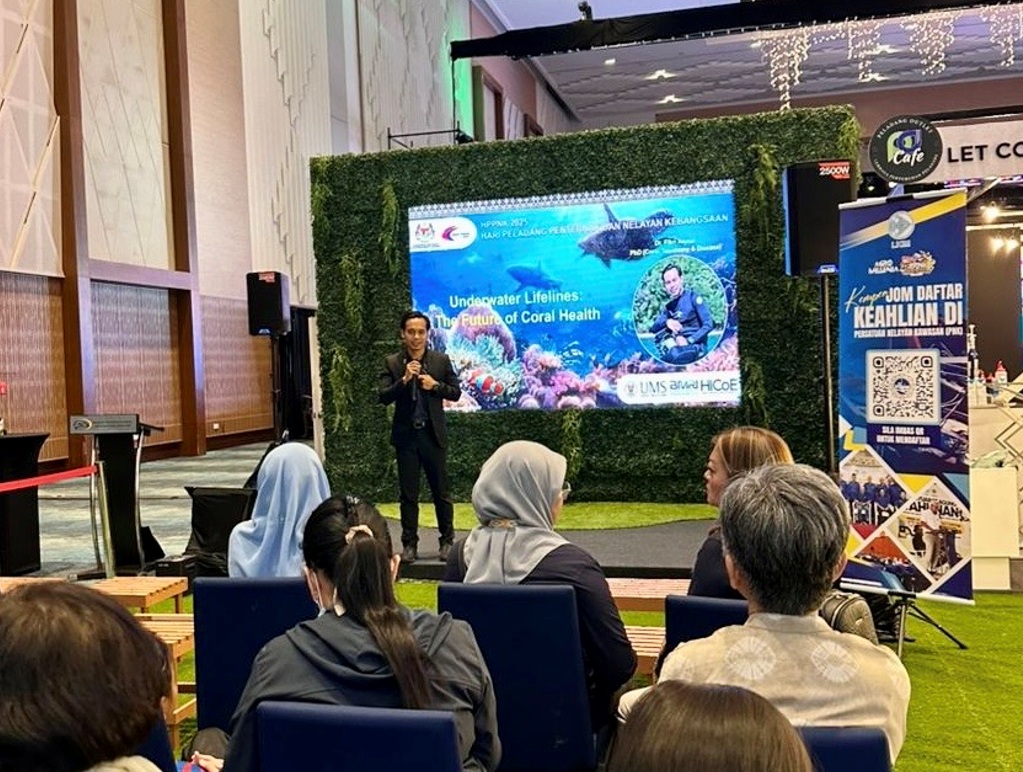
Restoring Marine Ecosystems Through Upstream–Downstream Water Education
Although focused on coral restoration, this programme delivers strong educational messages on how freshwater management affects marine life. Participants from TLDM, PDRM, JBPM, APMM, and UMS learn how sediment, pollutants, and untreated river outflows damage corals—highlighting the need for better inland water-irrigation practices, watershed management, and flood-control strategies. Through hands-on coral planting using the MARRS method, participants also learn ecological principles applicable to freshwater systems: habitat rehabilitation, biodiversity enhancement, and ecosystem services. This cross-sector learning empowers national security agencies and communities to recognise water as an interconnected system requiring coordinated management from “ridge to reef.” The patriotic theme strengthens public awareness of the responsibility to safeguard Malaysia’s water ecosystems—rivers, wetlands, and seas—for future generations.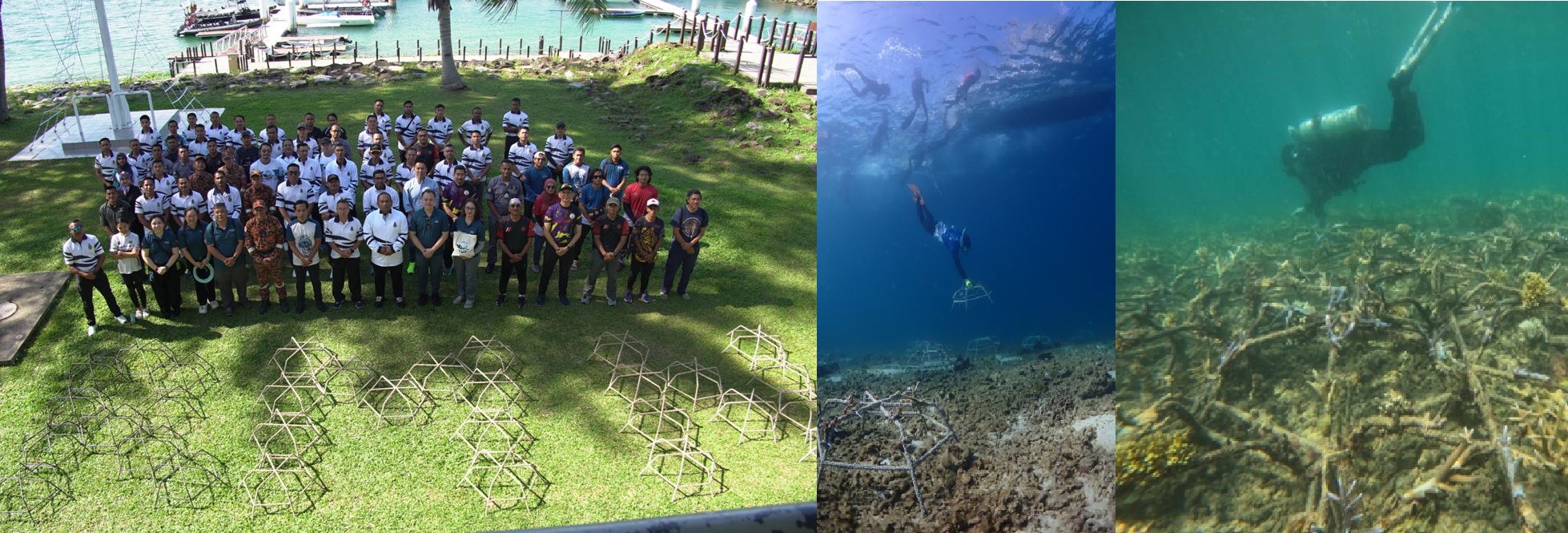
Building Knowledge, Restoring Ecosystems, Strengthening Livelihoods
Empowering Communities Through Sustainable Fisheries and Aquaculture Education
Universiti Malaysia Sabah (UMS), through the Borneo Marine Research Institute (IPMB) and its strategic partners, delivers a comprehensive suite of community education and outreach programmes focused on sustainable fisheries, aquaculture, and marine-related tourism. These initiatives are designed to strengthen community knowledge, promote environmentally responsible practices, and uplift local livelihoods across Sabah’s coastal and inland communities. Through international symposia, technical training, school-based aquaponics projects, hatchery workshops, field visits, and hands-on parasite management courses, UMS ensures that scientific expertise is translated into practical skills accessible to farmers, youth, fisheries officers, and local entrepreneurs. Each programme—whether the UMS–UNPAD International Symposium, the Coastal Aquaculture Training in Kudat, the aquaponics installation in Tenom, the Aquaculture Entrepreneurs Course (PLAC), fish preservation and resin workshops, freshwater aquaculture training with LKIM, or industry engagement at DD Horizons—contributes to a shared goal of advancing sustainable resource management. Participants learn essential techniques such as responsible feed management, fish health and disease control, sustainable breeding practices, mussel cultivation, aquaponics integration, and biodiversity conservation. These programmes not only build technical competency but also nurture environmental awareness, empowering communities to adopt practices that safeguard marine and freshwater ecosystems. Through its continuous outreach, UMS plays a central role in driving sustainable fisheries development, strengthening food security, and fostering inclusive economic growth in Sabah. By combining scientific research, Indigenous knowledge, and community participation, UMS ensures that sustainable aquaculture and tourism are not only achievable but become long-term pillars of community resilience and environmental stewardship.
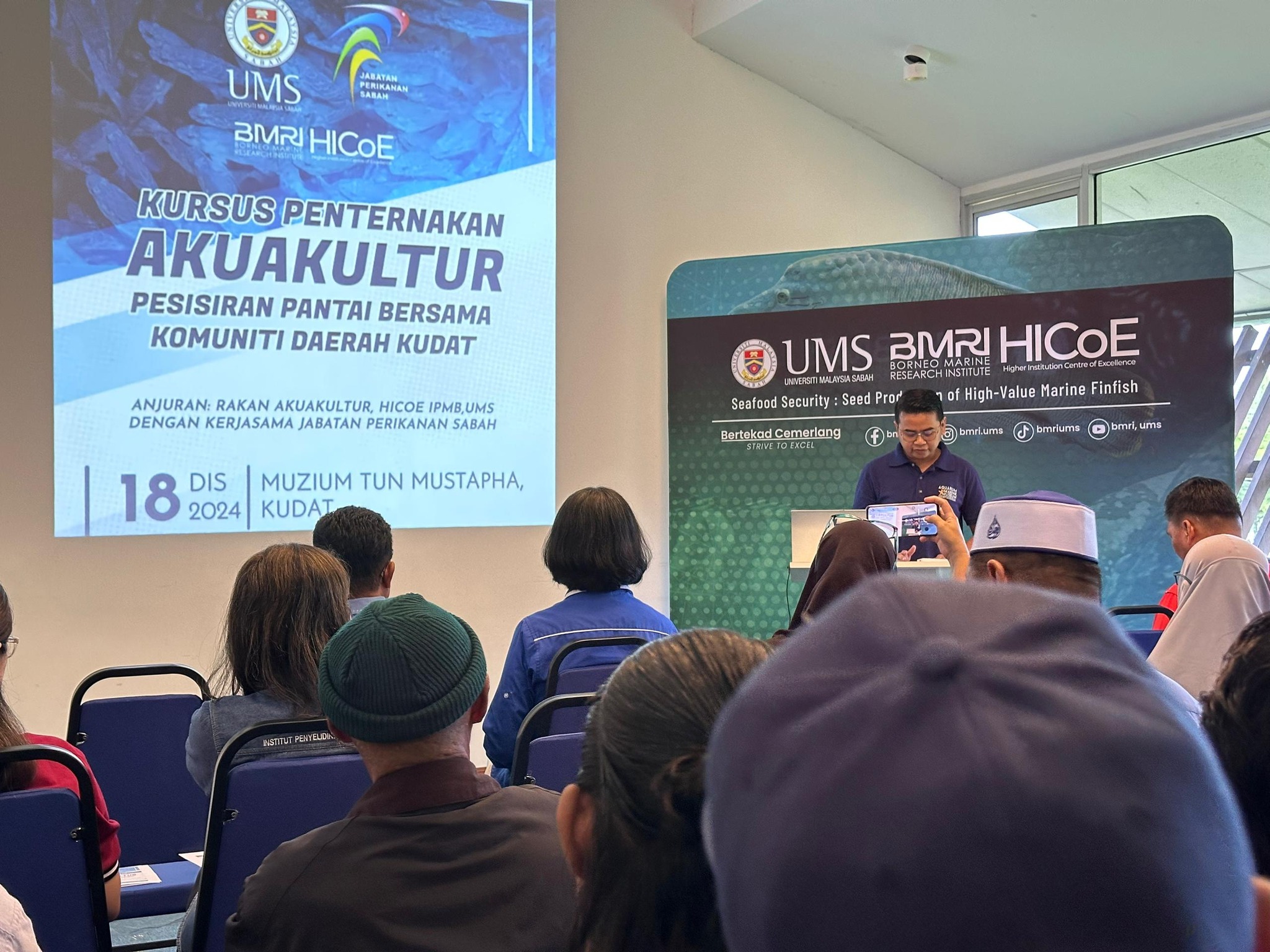
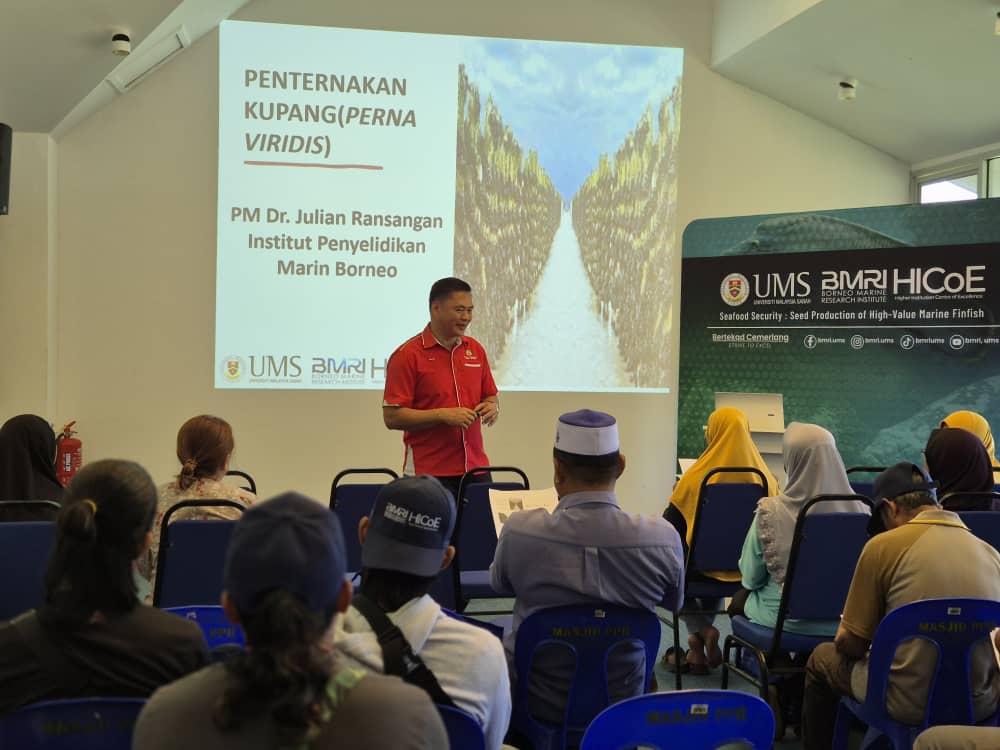
Coastal Aquaculture Farming Course with the Kudat Community, 18 December 2024
This community-focused course is one of UMS’s major outreach programmes to strengthen sustainable aquaculture along Sabah’s coastal districts. Conducted under the HICoE initiative by the Borneo Marine Research Institute (IPMB), the one-day training equips participants from Kudat, Kota Marudu, and Pitas with essential knowledge on environmentally responsible aquaculture production. Topics include sustainable feed management, mussel farming techniques, fish health management, and the role of community-based aquaculture networks. The programme emphasises how coastal aquaculture can diversify household income while maintaining ecological balance and protecting marine habitats. Through expert-led sessions delivered by UMS researchers, participants learn practical methods to optimise production without degrading the coastal environment. This ensures that local aquaculture business models remain viable, ethical, and environmentally responsible. The outreach reflects UMS’s commitment to inclusive capacity building, where partnerships with government agencies and industry ensure long-term support for community-driven aquaculture improvement and coastal livelihood resilience.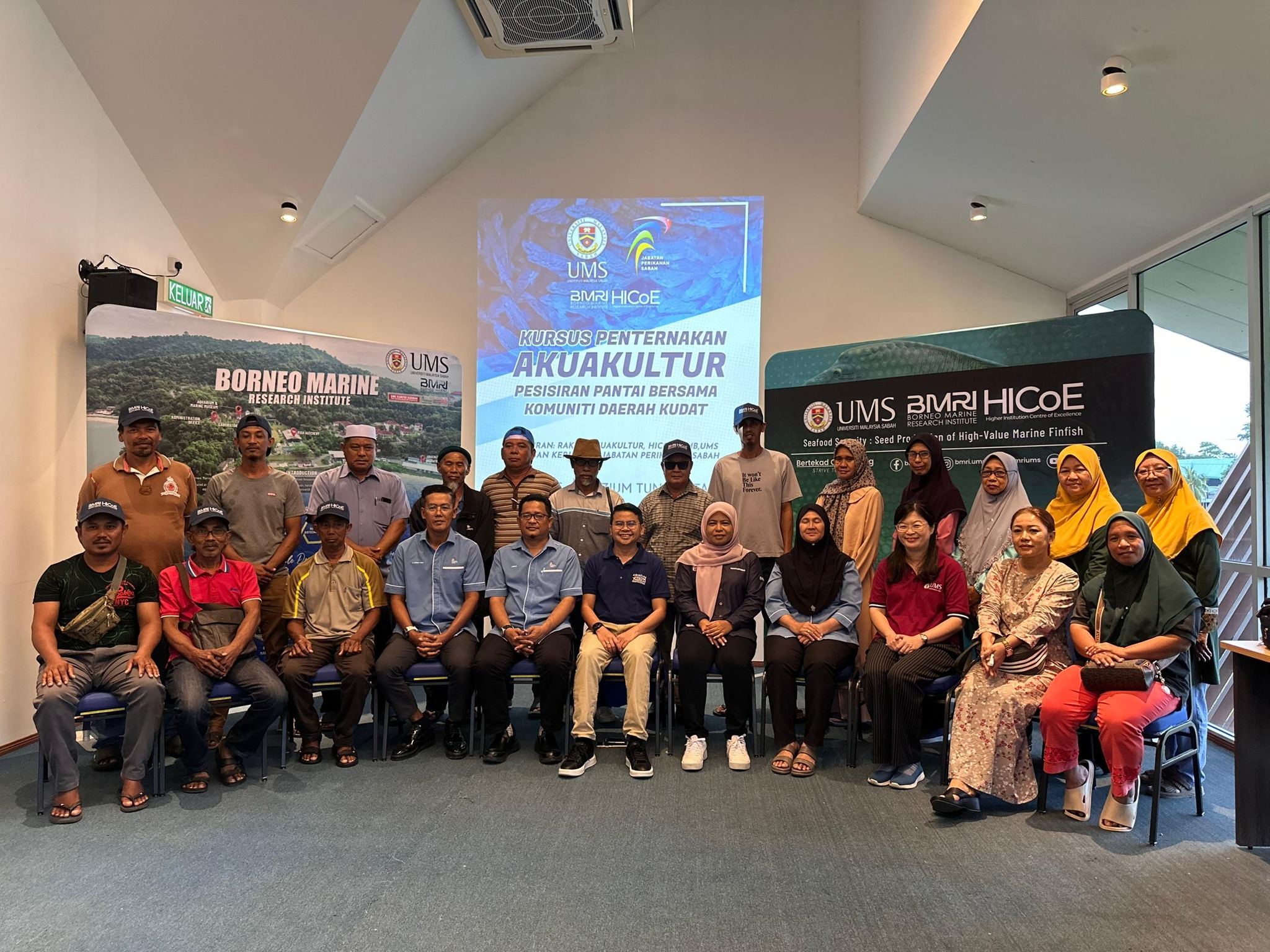
Building Sustainable Food Systems Through Aquaponics Education
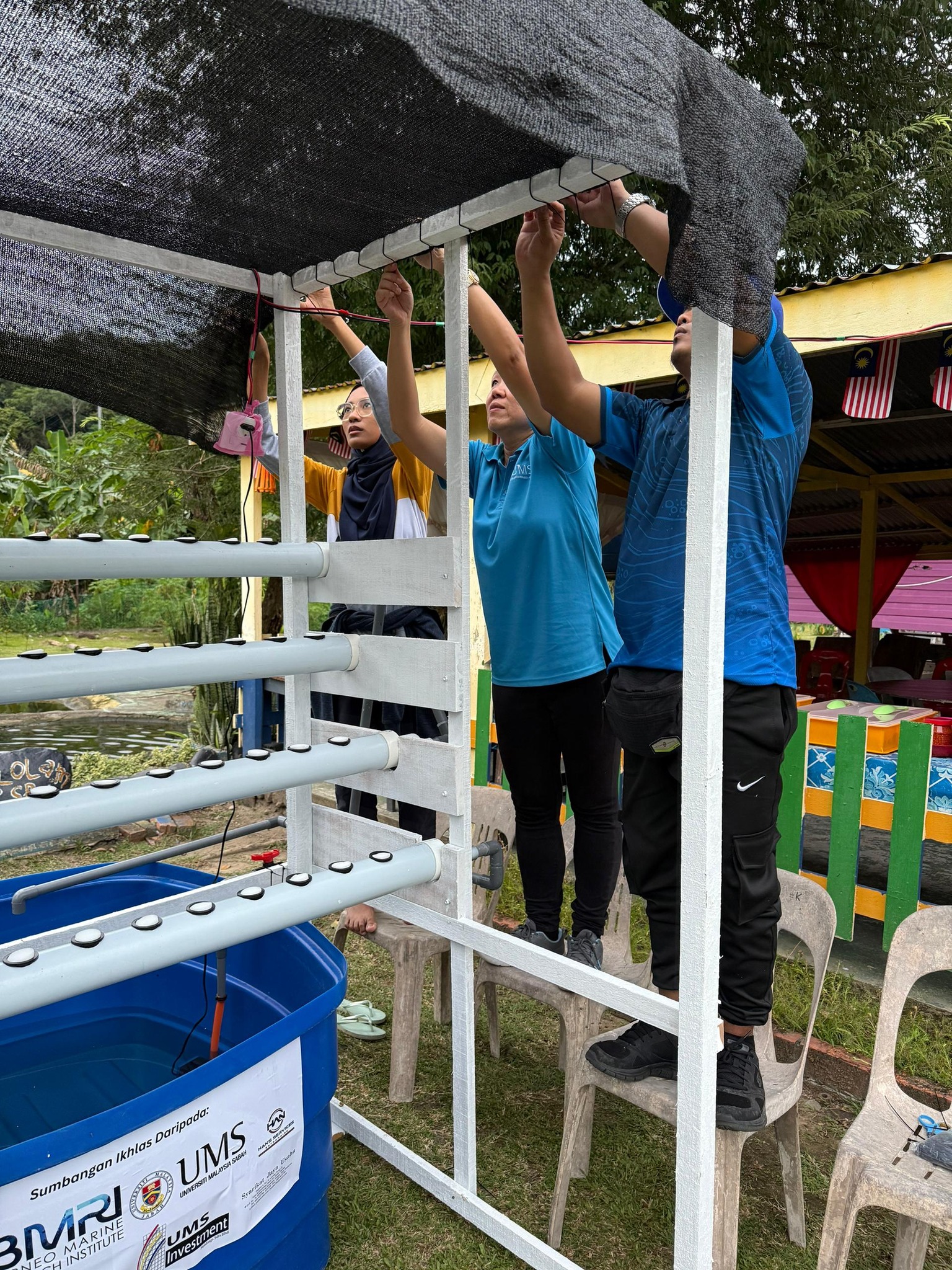
Through the KPT Prihatin Madani programme, UMS provides hands-on training to rural communities in Tenom on sustainable aquaponics and small-scale fish production. Led by the Borneo Marine Research Institute, the initiative introduces participants—including teachers, students, and villagers—to modern, water-efficient methods of fish cultivation and organic fertiliser production. The installation of a full aquaponics system at SK Pangi serves as a living classroom for continuous learning. The programme promotes accessible and environmentally friendly aquaculture techniques that can be adopted by households and community groups to supplement food supply and income. By demonstrating how fish rearing and plant cultivation can be integrated in a closed-loop system, UMS helps communities reduce reliance on external inputs while improving food security and ecosystem stewardship. This outreach strengthens community resilience and connects scientific innovation with grassroots empowerment, contributing meaningfully to sustainable fisheries and rural development.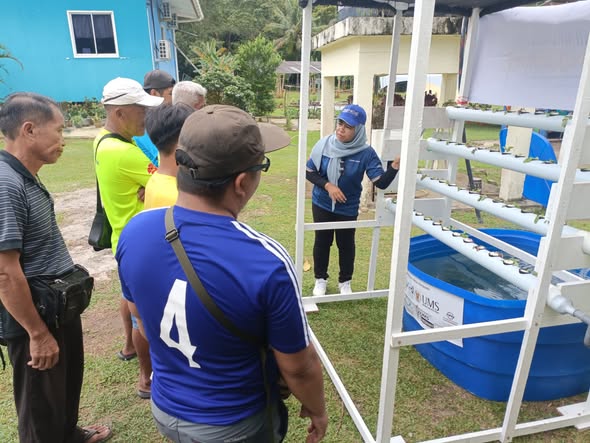
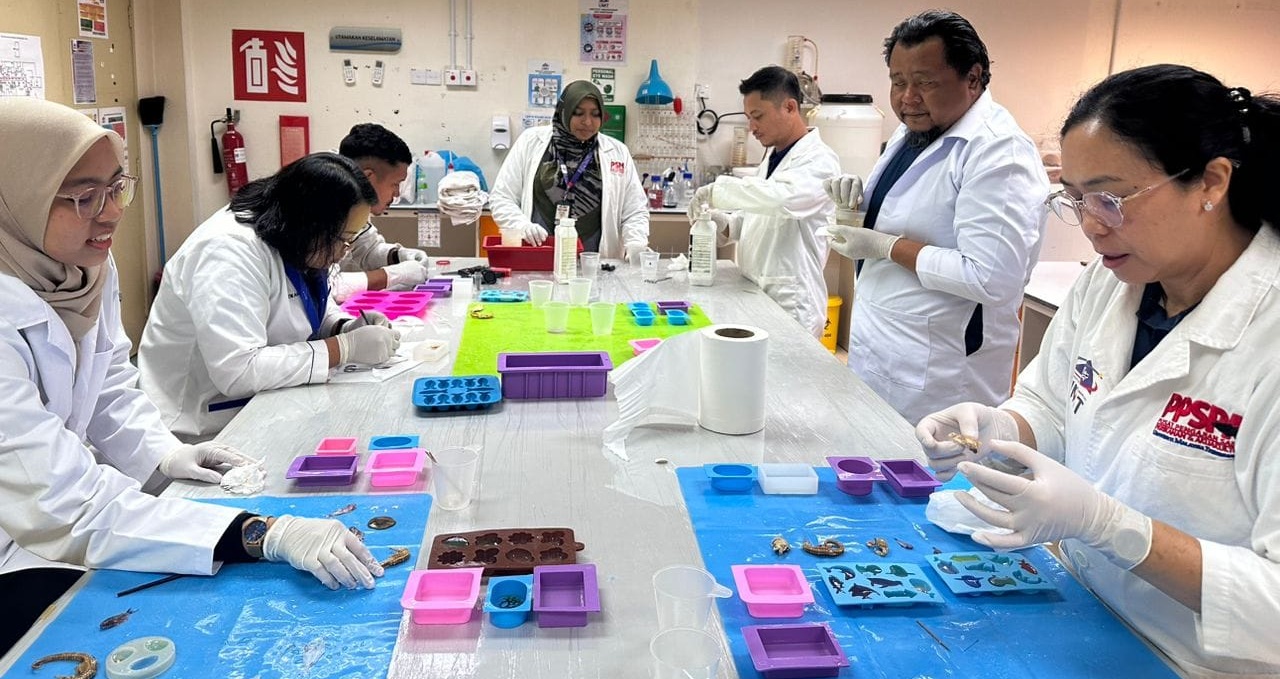
Transparent and Resin Fish Preservation Training : Preserving Marine Biodiversity Through Education and Innovation
In october 2024, practical Transparent and Resin Fish Preservation Training session introduces participants to scientific techniques for preserving marine specimens—skills essential for research, education, and fisheries resource management. Through hands-on learning, participants gain an understanding of fish anatomy, preservation ethics, and how specimen preparation contributes to long-term monitoring of aquatic biodiversity. UMS uses this training to build community appreciation for scientific documentation and to promote informed decision-making in fisheries conservation. By teaching modern preservation techniques, UMS enables educators, students, and local practitioners to better support research and awareness activities related to sustainable marine resource use. This outreach reflects UMS’s commitment to strengthening scientific literacy as a foundation for sustainable fisheries and marine conservation.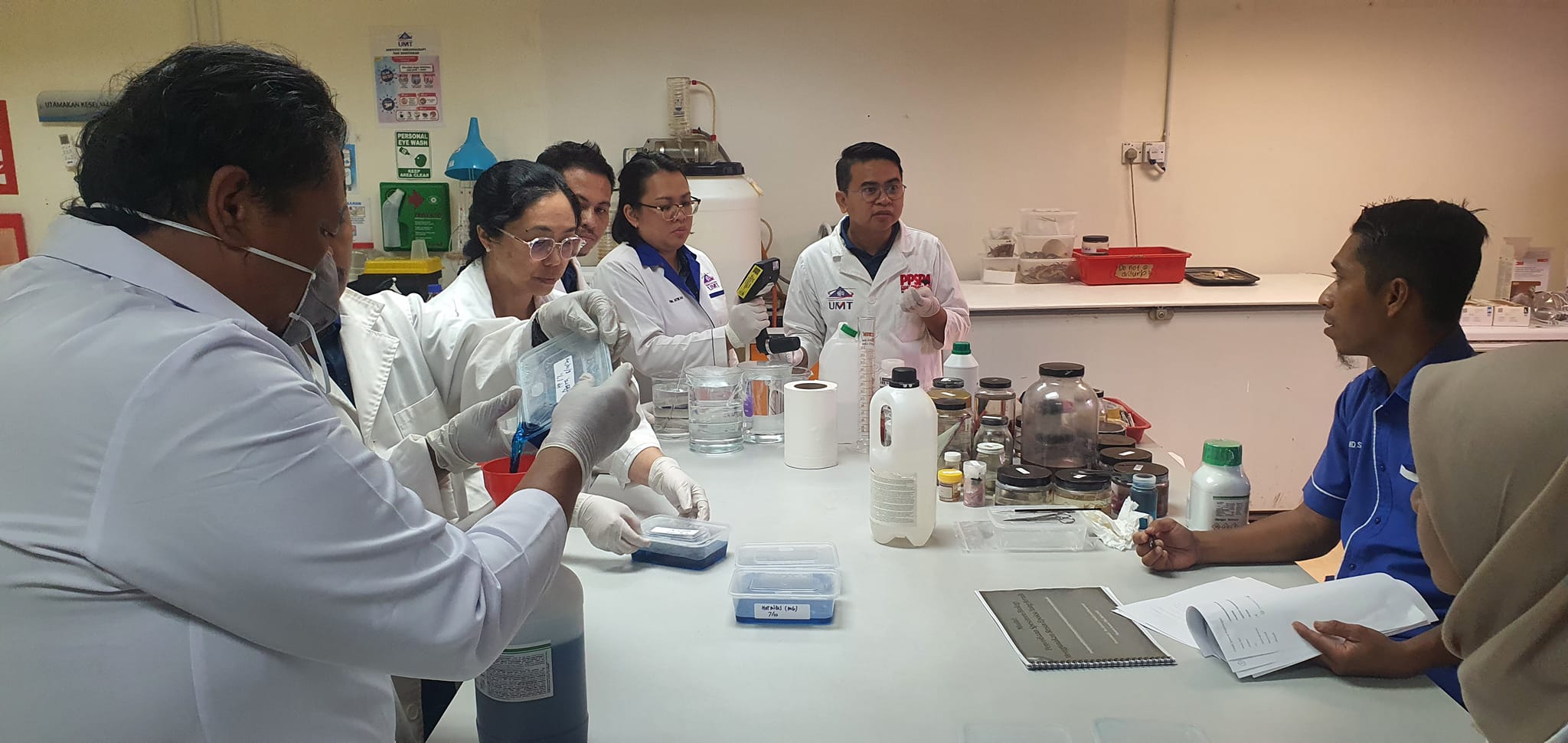
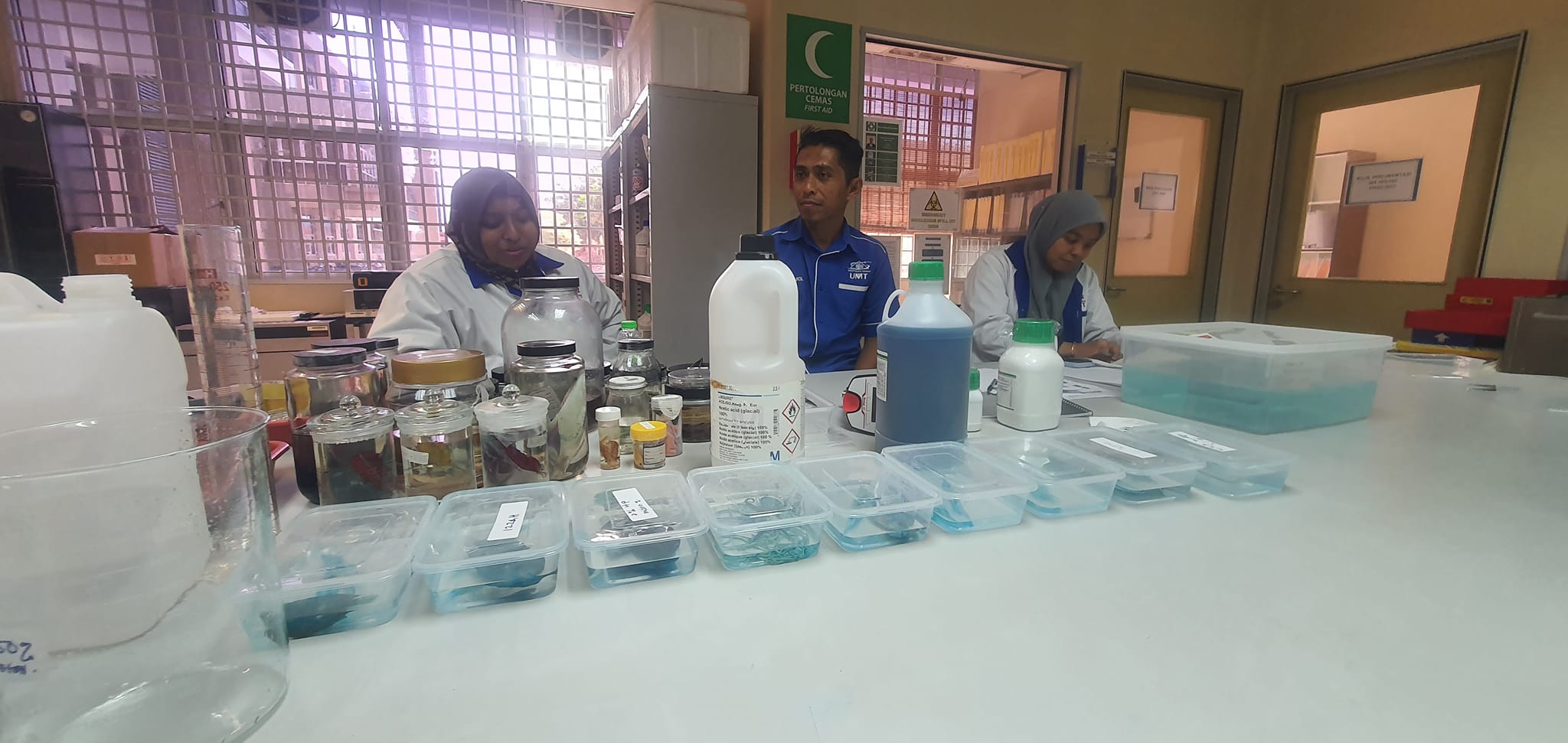
Basic Fish Parasite Training : Protecting Fish Health for Sustainable Aquaculture
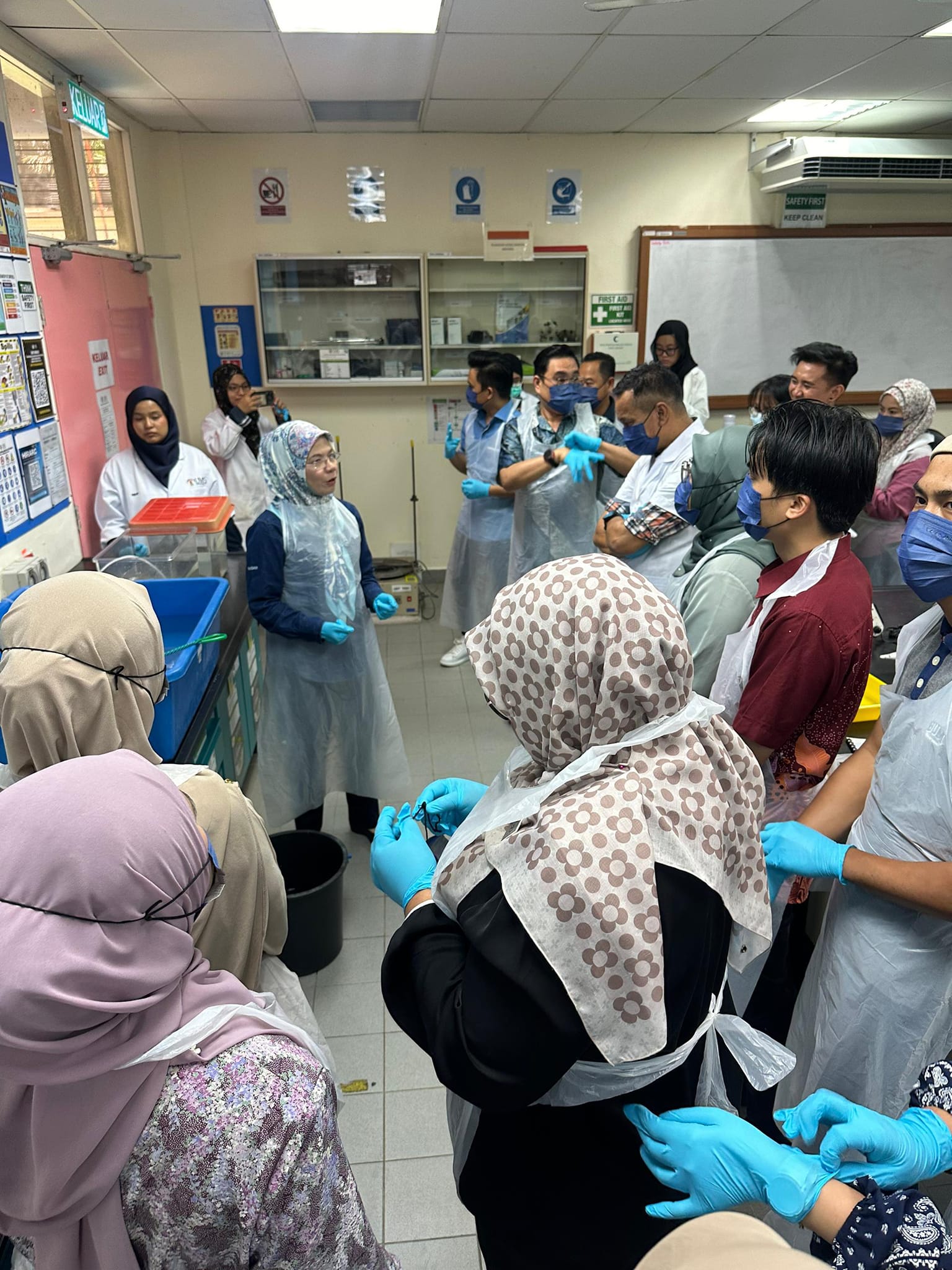
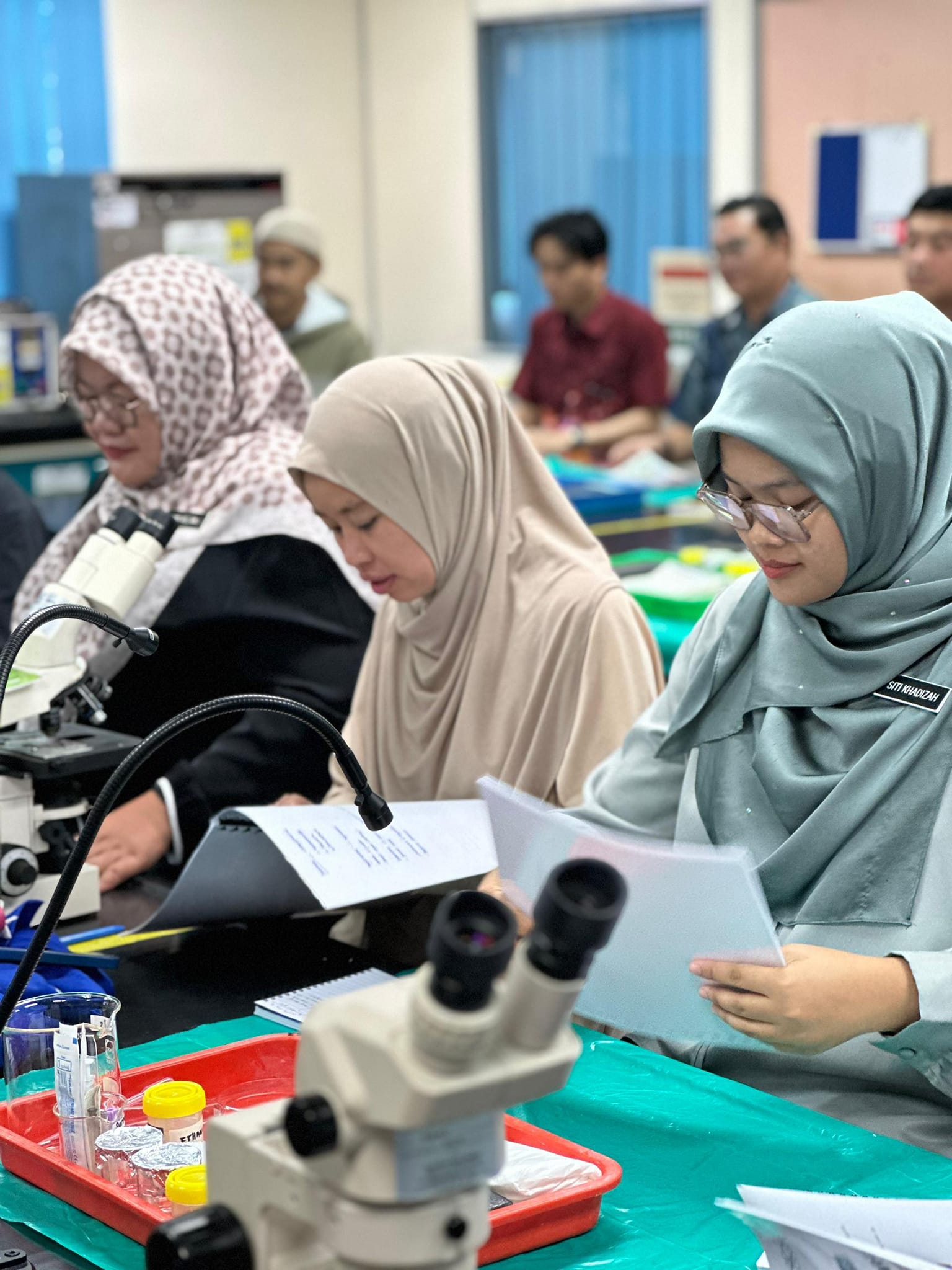
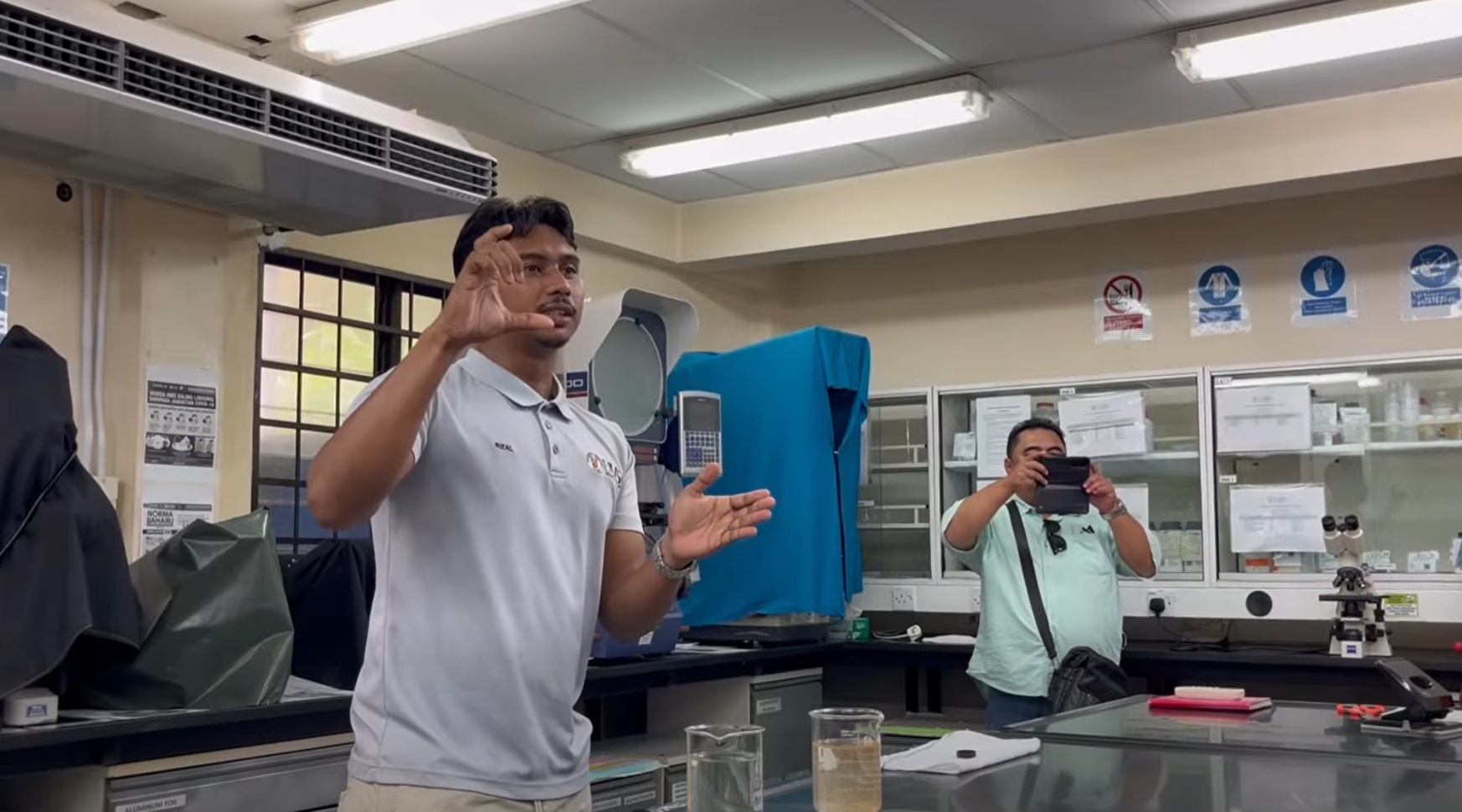
UMS’s Basic Fish Parasite Training educates fisheries officers, aquaculture practitioners, and the public on diagnosing, preventing, and managing fish parasites—one of the most significant threats to aquaculture sustainability. Delivered by expert trainers from IPMB, the programme combines lectures with laboratory workshops, enabling participants to identify parasites and implement responsible health management strategies. By improving disease control capacity, UMS helps reduce fish mortality, improve farm productivity, and minimise the need for harmful chemical treatments. This training strengthens sustainable aquaculture operations and supports healthier ecosystems by promoting science-based fish health management. The programme demonstrates UMS’s commitment to ensuring that fisheries and aquaculture development is environmentally responsible and resilient to biological challenges.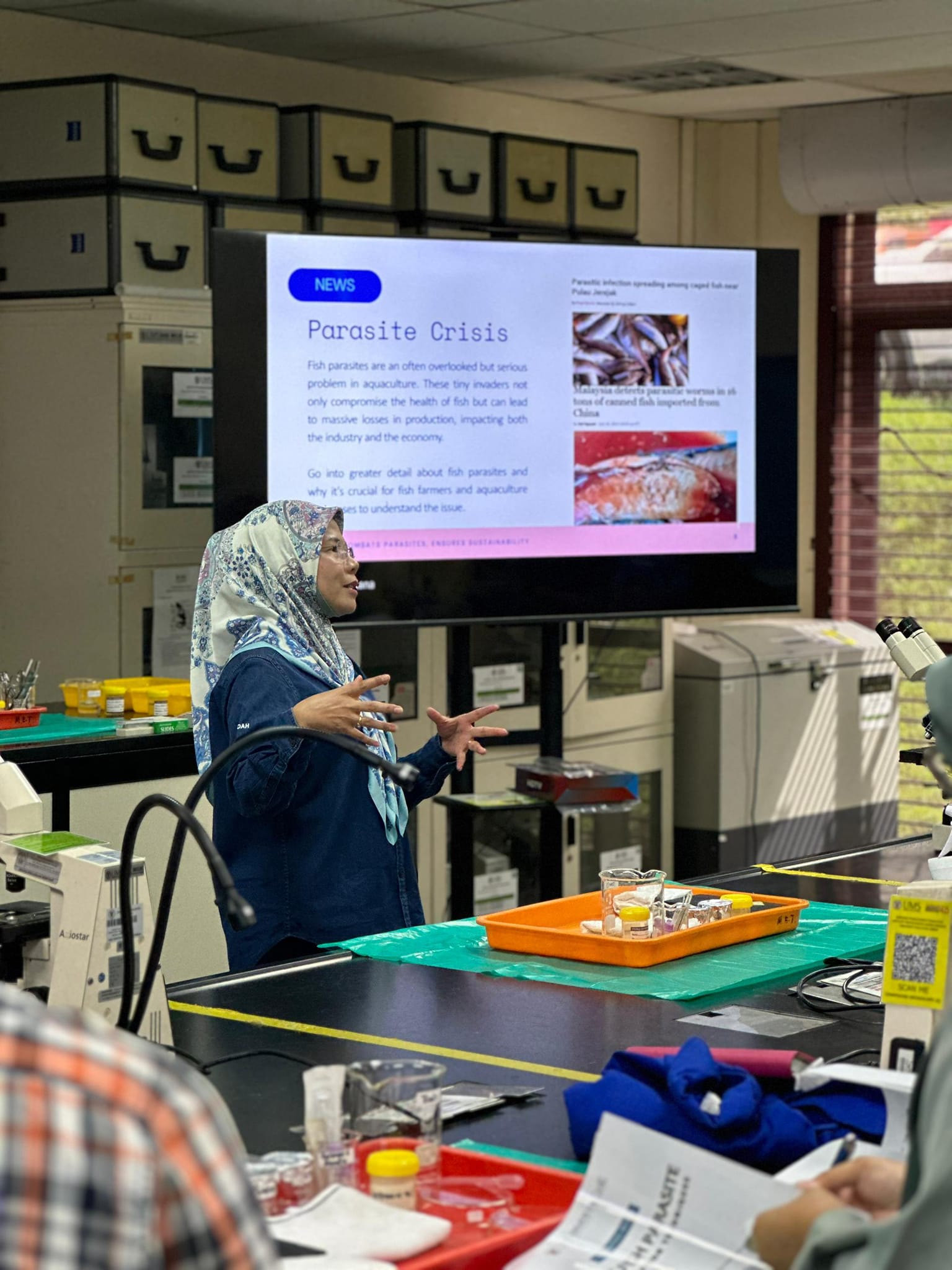
Freshwater Fish Farming Course: Enhancing Freshwater Aquaculture Skills for Community Growth
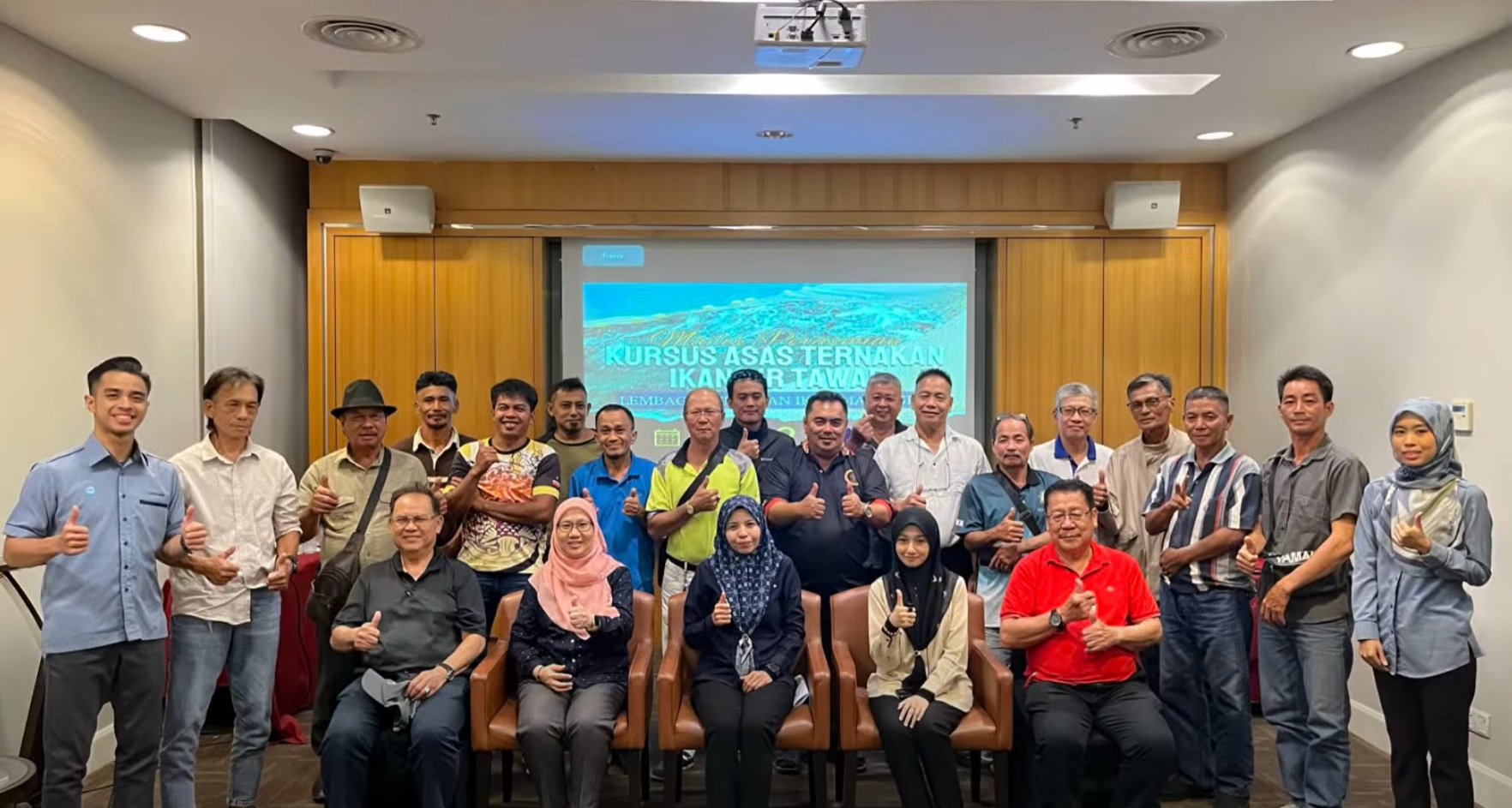
UMS collaborates with MALAYSIAN FISH DEVELOPMENT BOARD (LEMBAGA KEMAJUAN IKAN MALAYSIA, LKIM) to provide specialised freshwater fish breeding training at the IPMB hatchery. The two-day course teaches participants proper broodstock selection, hatchery management, feeding protocols, and juvenile care—ensuring that community farmers can produce high-quality fish sustainably. This programme empowers small-scale farmers with the knowledge needed to maintain productive operations while protecting freshwater ecosystems from overextraction and poor farming practices. By combining theory with hands-on sessions, UMS ensures participants gain practical competencies applicable to real-world aquaculture environments. Through this long-standing outreach, UMS strengthens food security, supports rural entrepreneurship, and promotes environmentally sustainable aquaculture development across Sabah.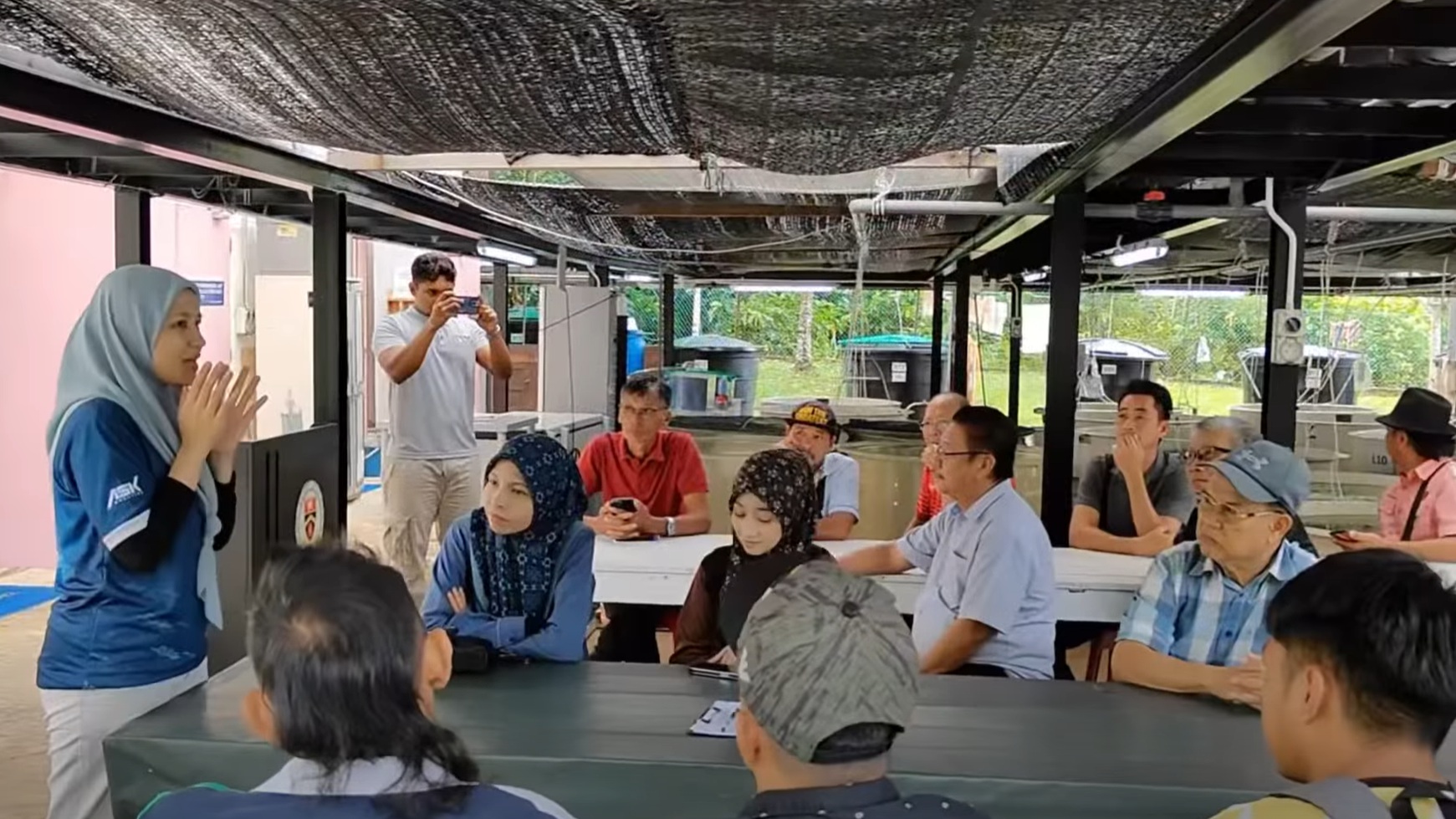
Empowering Communities, Protecting Oceans, Sustaining Generations
Safeguarding Our Seas: UMS Leadership in Marine Conservation and Sustainable Fisheries Education
Universiti Malaysia Sabah (UMS), through the Borneo Marine Research Institute (BMRI) and its various living labs, plays a national leadership role in educating communities on sustainable fisheries, marine ecosystem conservation, and the dangers of overfishing and IUU (illegal, unreported and unregulated) fishing practices. The university designs targeted outreach programmes, public awareness events, scientific training workshops, and inter-agency collaborations that strengthen community capacity while promoting responsible stewardship of marine resources. These programmes are delivered in collaboration with Sabah Parks, the Department of Fisheries Sabah, WWF-Malaysia, security agencies, coastal communities, youth groups, schools, and international partners. Through field classrooms, marine conservation talks, species protection campaigns, and hands-on ecosystem restoration activities, UMS equips communities with the knowledge to understand the impacts of destructive fishing practices, the importance of marine protected areas, and the value of sustainable utilisation of biodiversity-rich ecosystems. Collectively, these initiatives demonstrate UMS’s institutional commitment to SDG 14 by ensuring that local and national communities are informed, engaged, and empowered to protect oceans, rivers, lakes, and coastal habitats while strengthening the socio-economic resilience of fishing communities.
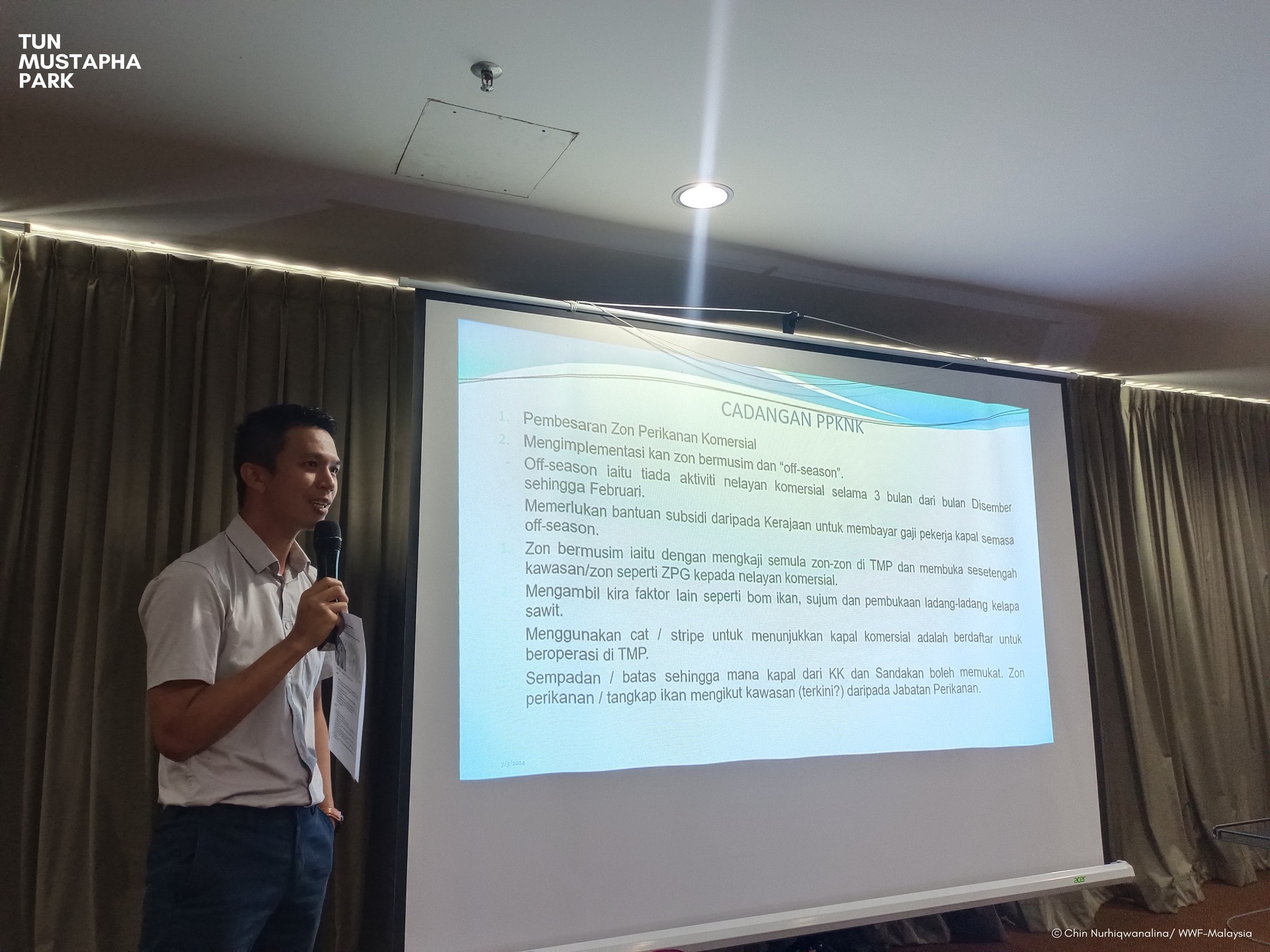
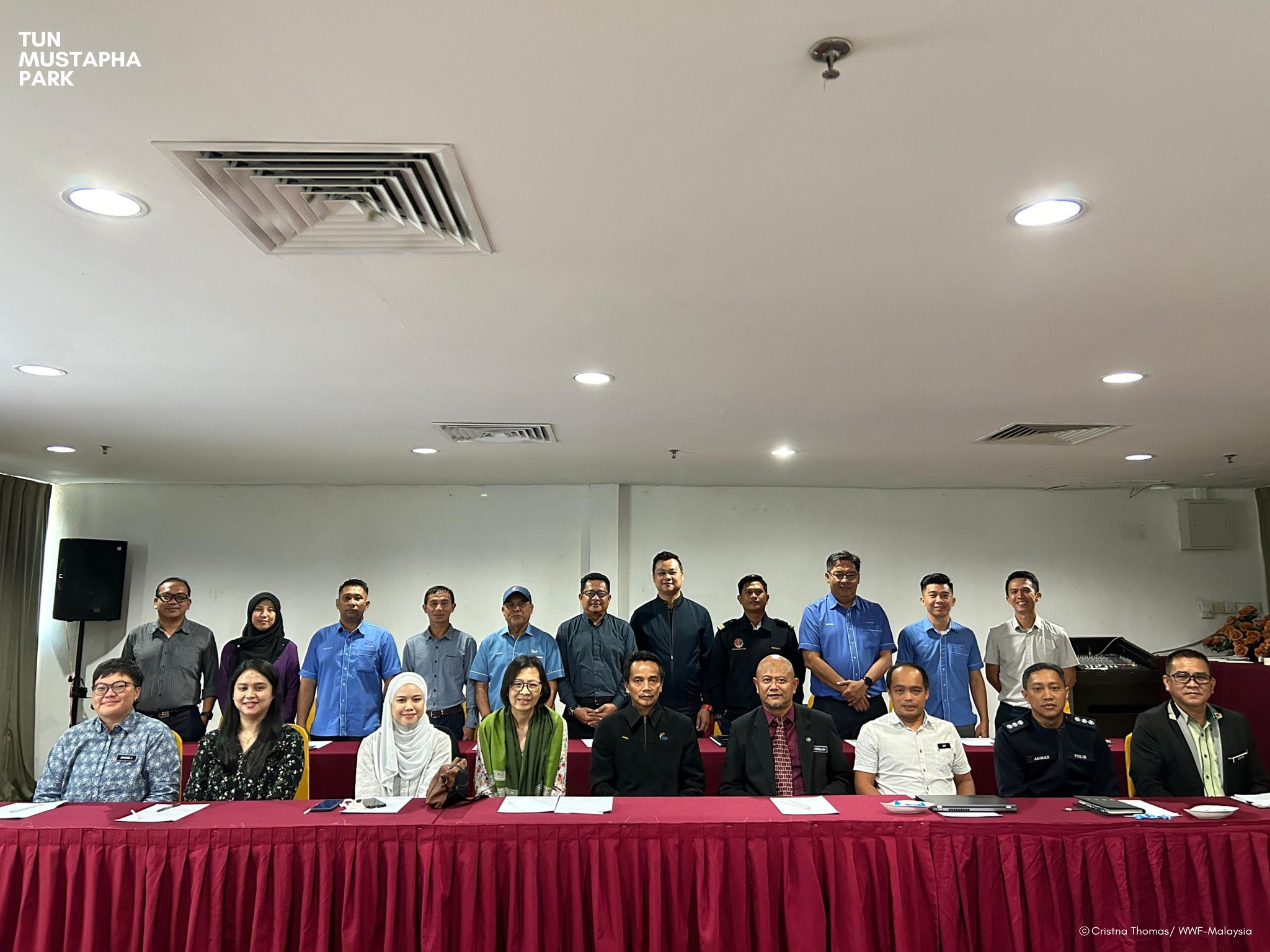
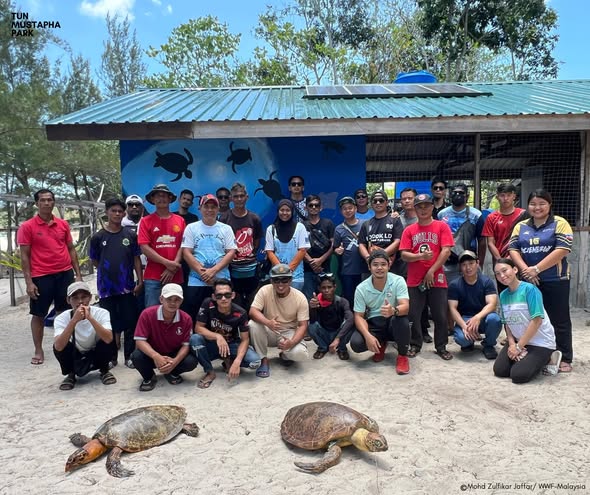
Tun Mustapha Park Sustainable Fisheries Advisory Committee Meeting, July 2024)
UMS participates as a key scientific advisor in the Tun Mustapha Park (TMP) Sustainable Fisheries Advisory Committee Meeting, alongside Sabah Parks, fisheries agencies, district offices, security forces, and WWF-Malaysia. The meeting discusses urgent issues such as declining fish stocks, shark and ray conservation, and the risks posed by destructive or illegal fishing practices. One major outcome was the strengthening of inter-agency collaboration and the recommendation for large-scale public awareness programmes on endangered species and responsible fishing. Through its role in this advisory platform, UMS contributes expertise that shapes sustainable fisheries governance, supports enforcement efforts, and improves community awareness across one of Malaysia’s largest marine parks.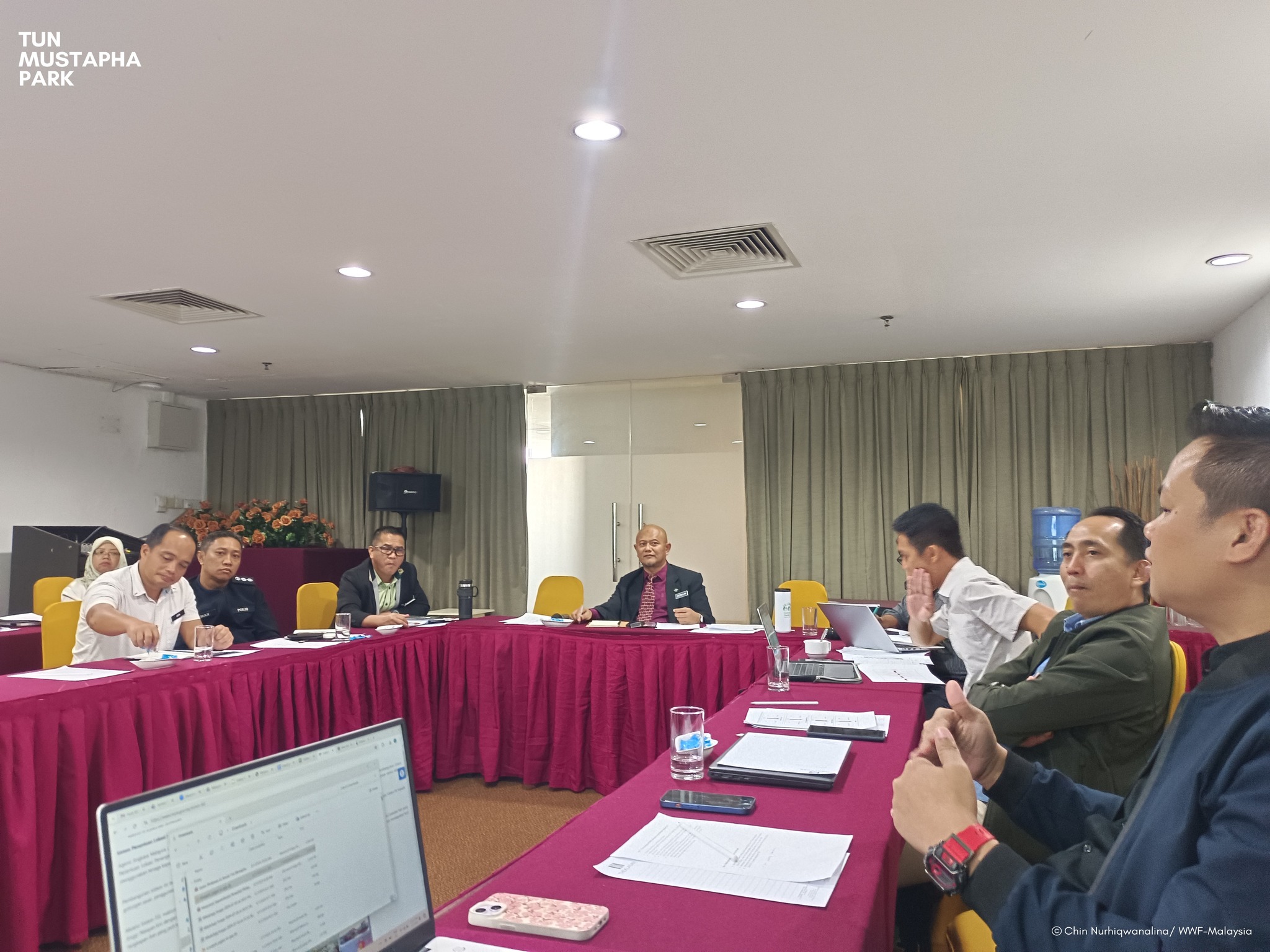
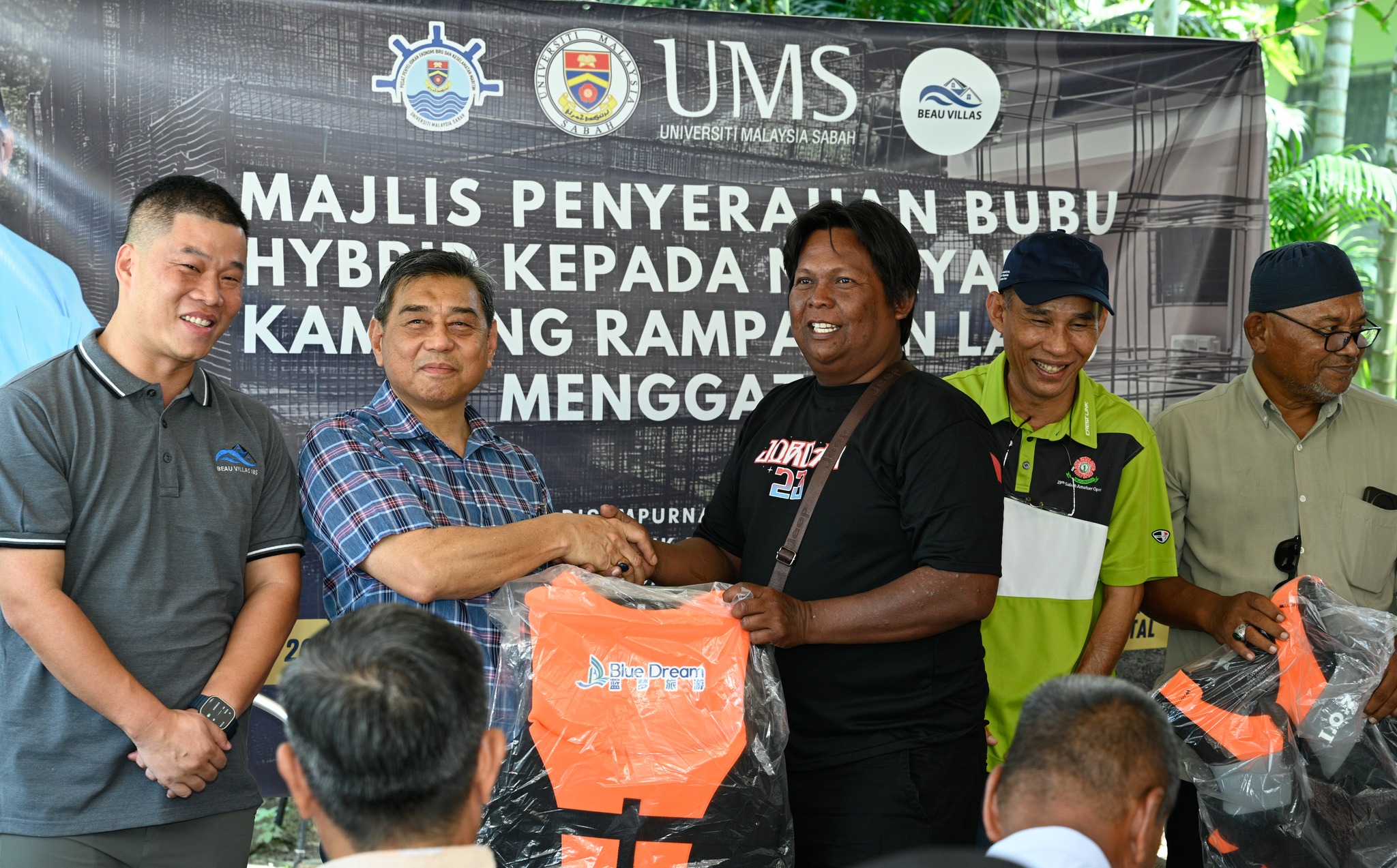
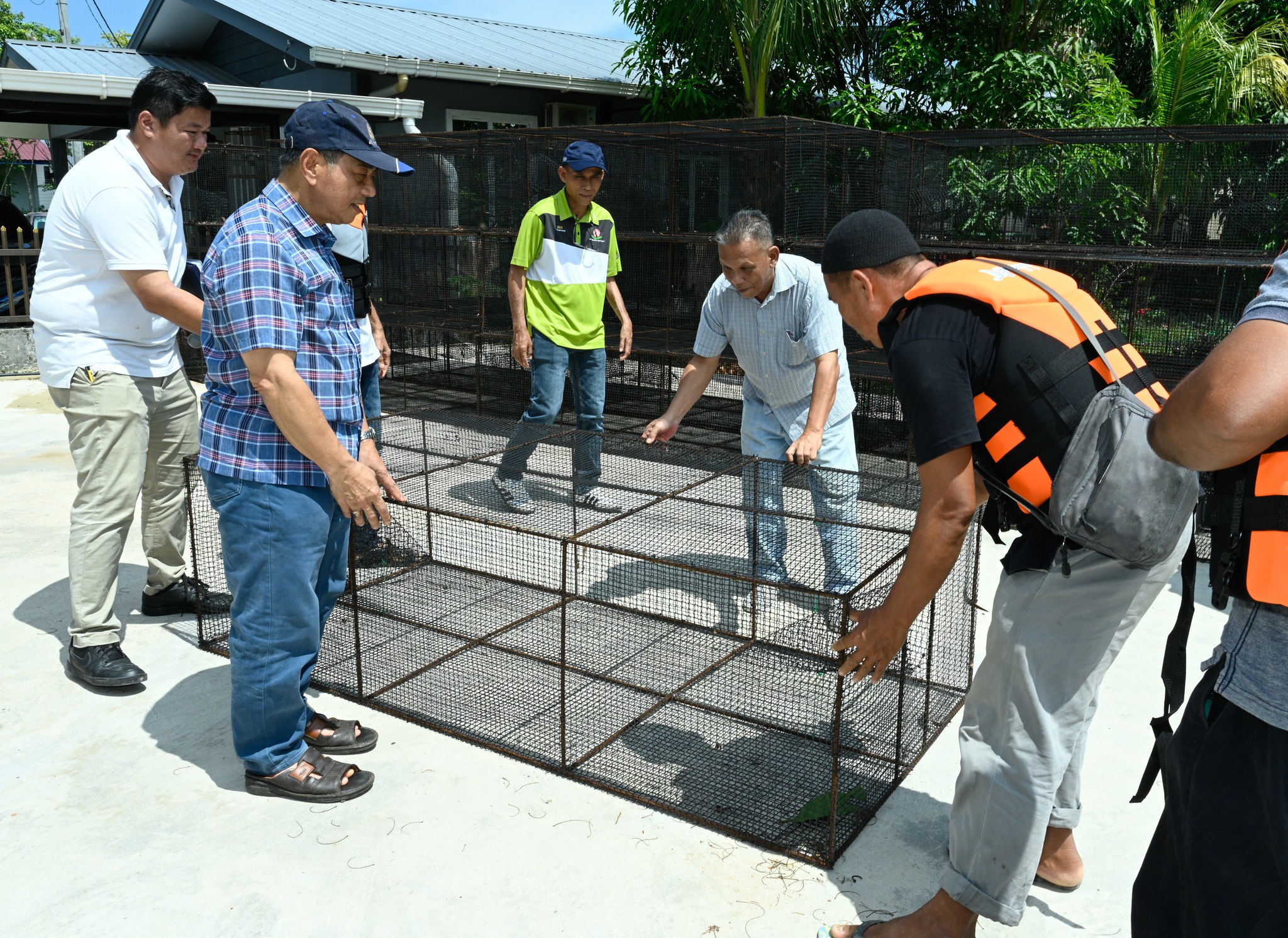
Knowledge Transfer for Safe and Sustainable Fishing Practices in Kampung Rampayan Laut
Universiti Malaysia Sabah (UMS), through the Pusat Penyelidikan Ekonomi Biru dan Keselamatan Maritim (PPBKM), actively conducts community outreach to promote sustainable fishing and raise awareness about the risks of overfishing and illegal, unreported and unregulated (IUU) fishing. In the Knowledge Transfer Program at Kampung Rampayan Laut 24 June 2024, UMS engaged directly with local fishermen to strengthen safe and responsible fishing practices. The programme included the symbolic handover of traditional fish traps (bubu ikan) and life jackets by UMS Vice-Chancellor, Prof. Datuk Dr. Kasim Hj. Mansor, benefiting 28 fishermen who rely on coastal fisheries for their livelihoods. Beyond providing equipment, the programme served as an educational platform where fishermen were informed about sustainable harvesting techniques, the ecological importance of maintaining healthy fish stocks, and the dangers of destructive fishing practices. UMS researchers also introduced concepts related to marine safety, compliance with fisheries regulations, and the long-term impacts of IUU fishing on community welfare and national food security. These engagements help local fishers shift towards more responsible and ecosystem-friendly practices while safeguarding their own safety at sea. Through initiatives like this, UMS demonstrates its commitment as a university to supporting coastal communities, strengthening ocean stewardship, and ensuring that marine resources are used sustainably across generations. The programme reflects UMS’s broader leadership role in advancing SDG 14 through education, capacity building, and community-driven conservation.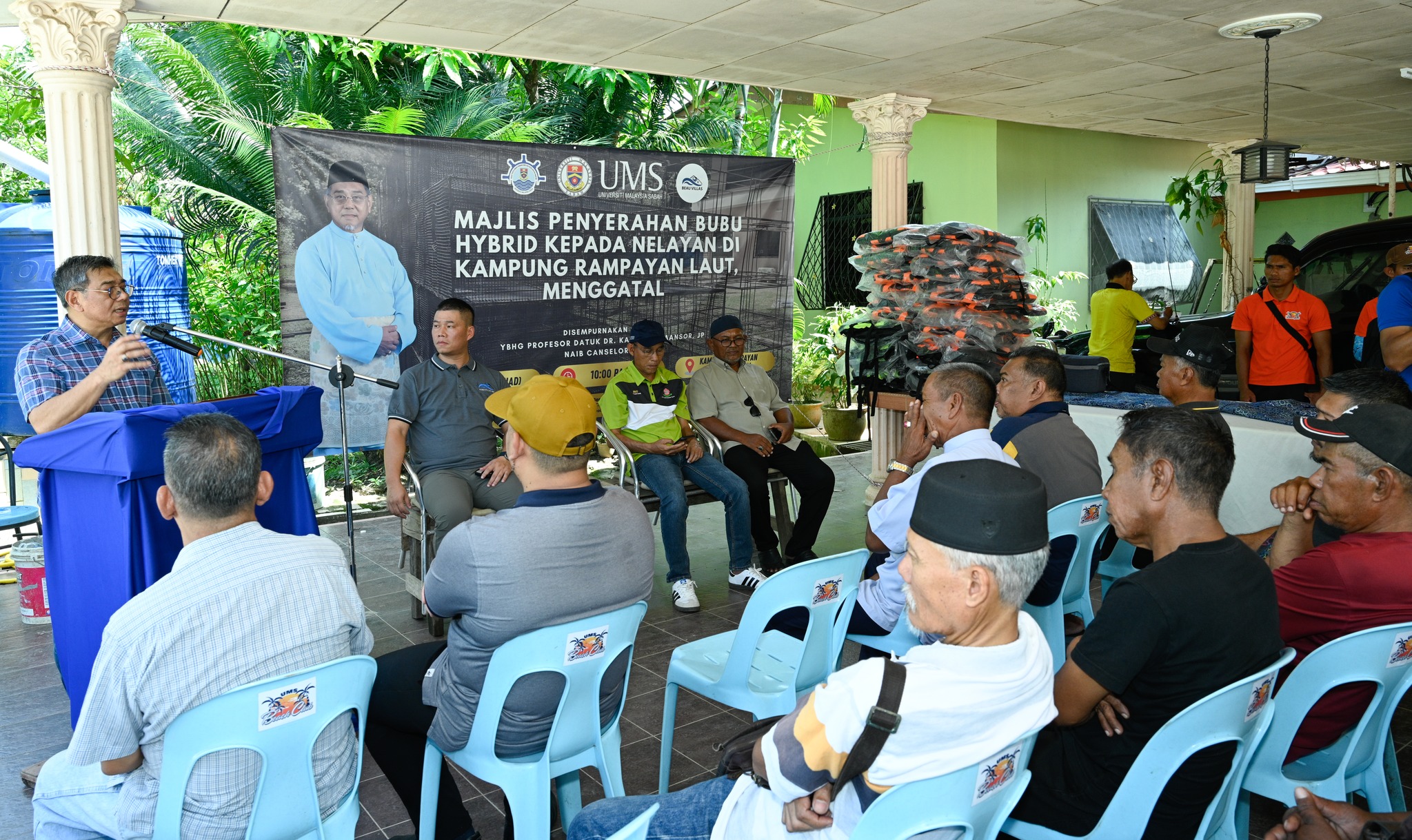
Marine Conservation Awareness Talk, June 2024
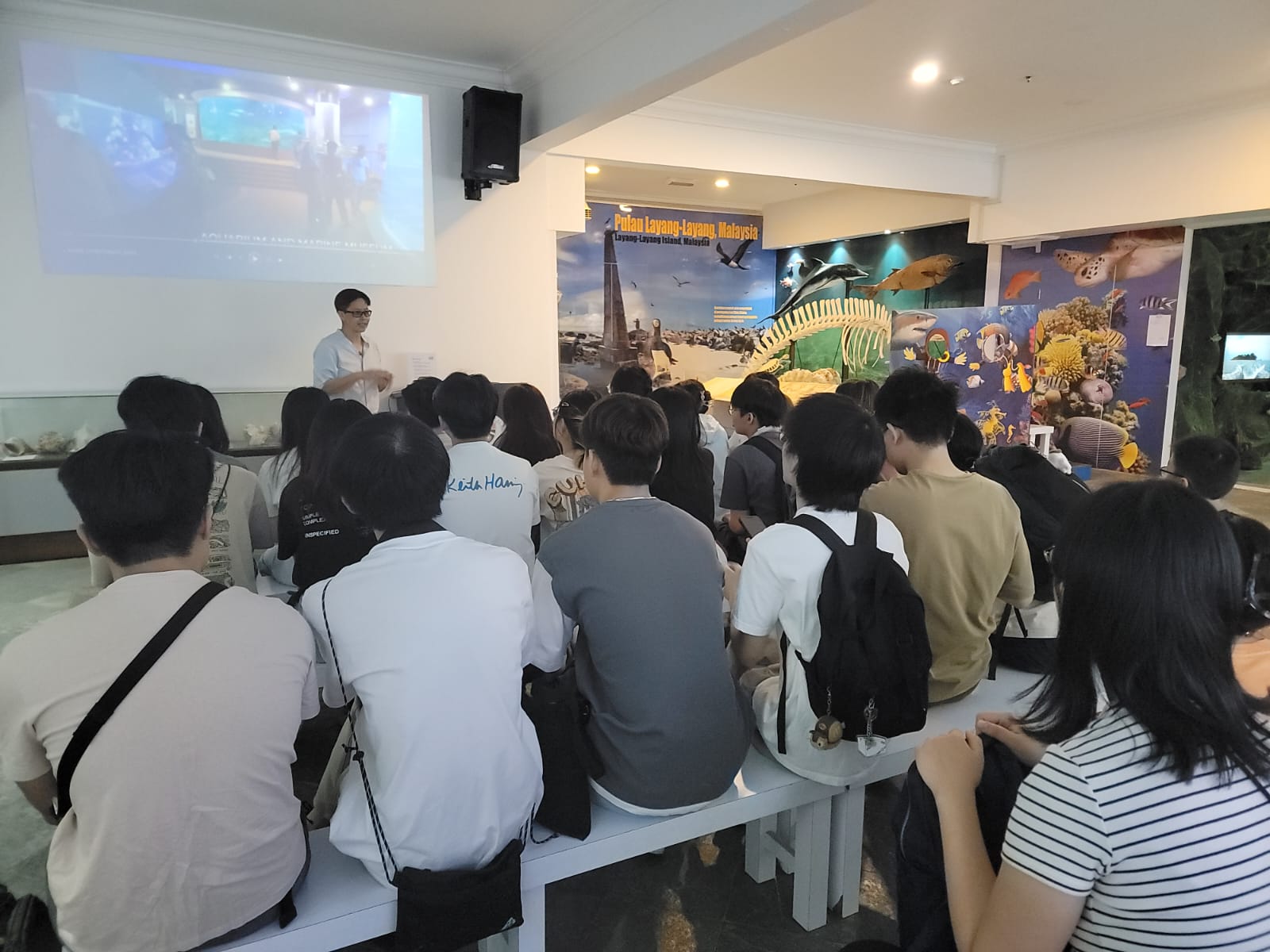
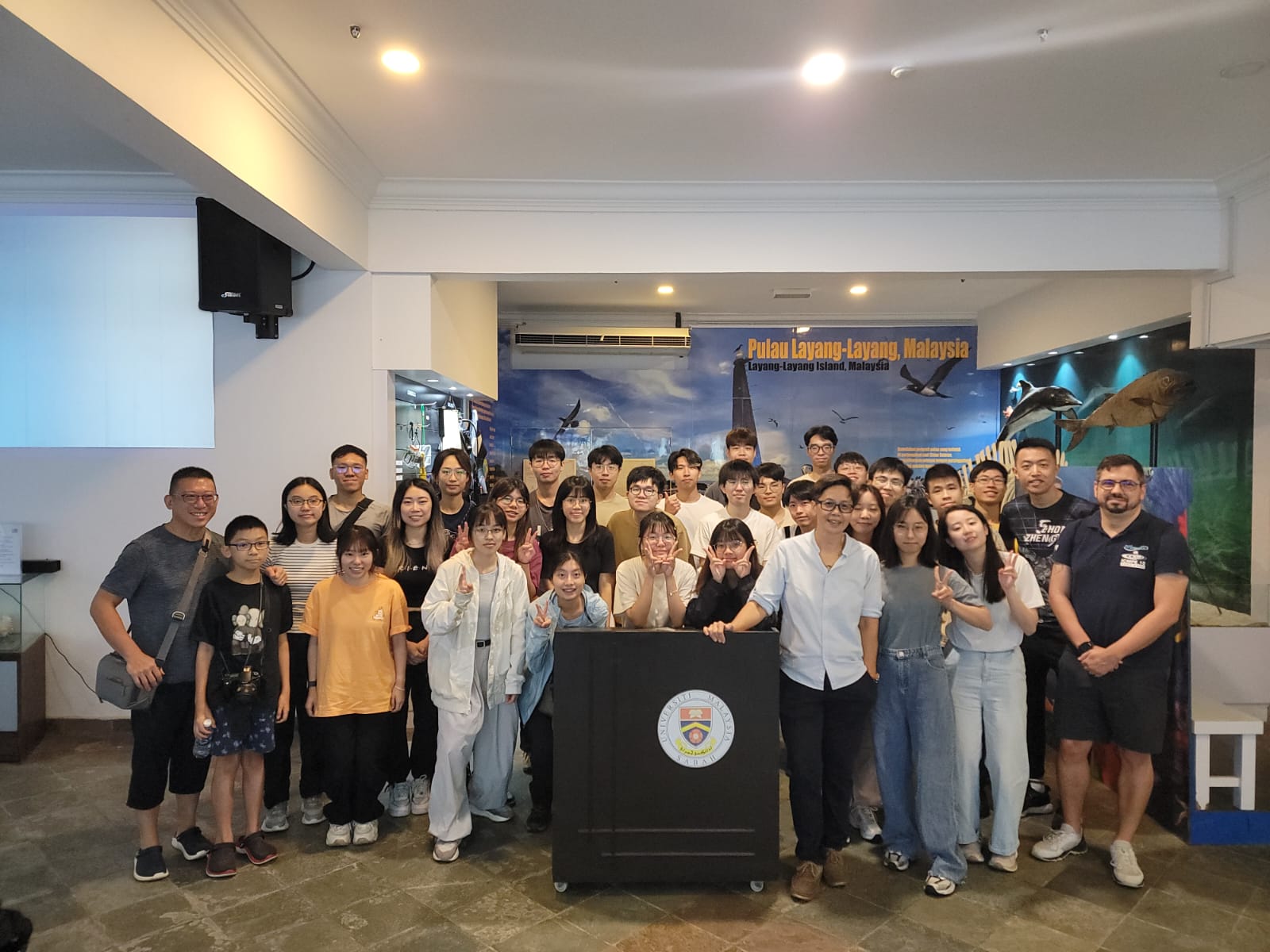
During a study visit to the UMS Aquarium and Marine Museum, students from The Chinese University of Hong Kong received a conservation briefing by UMS marine scientist Dr. Achier Chung. The session covered marine protected areas, biodiversity conservation, the impacts of IUU (illegal, unreported and unregulated))fishing, coral bleaching, and marine pollution. The talk serves as both an educational outreach and an international bridge for raising awareness about global marine threats and sustainable solutions.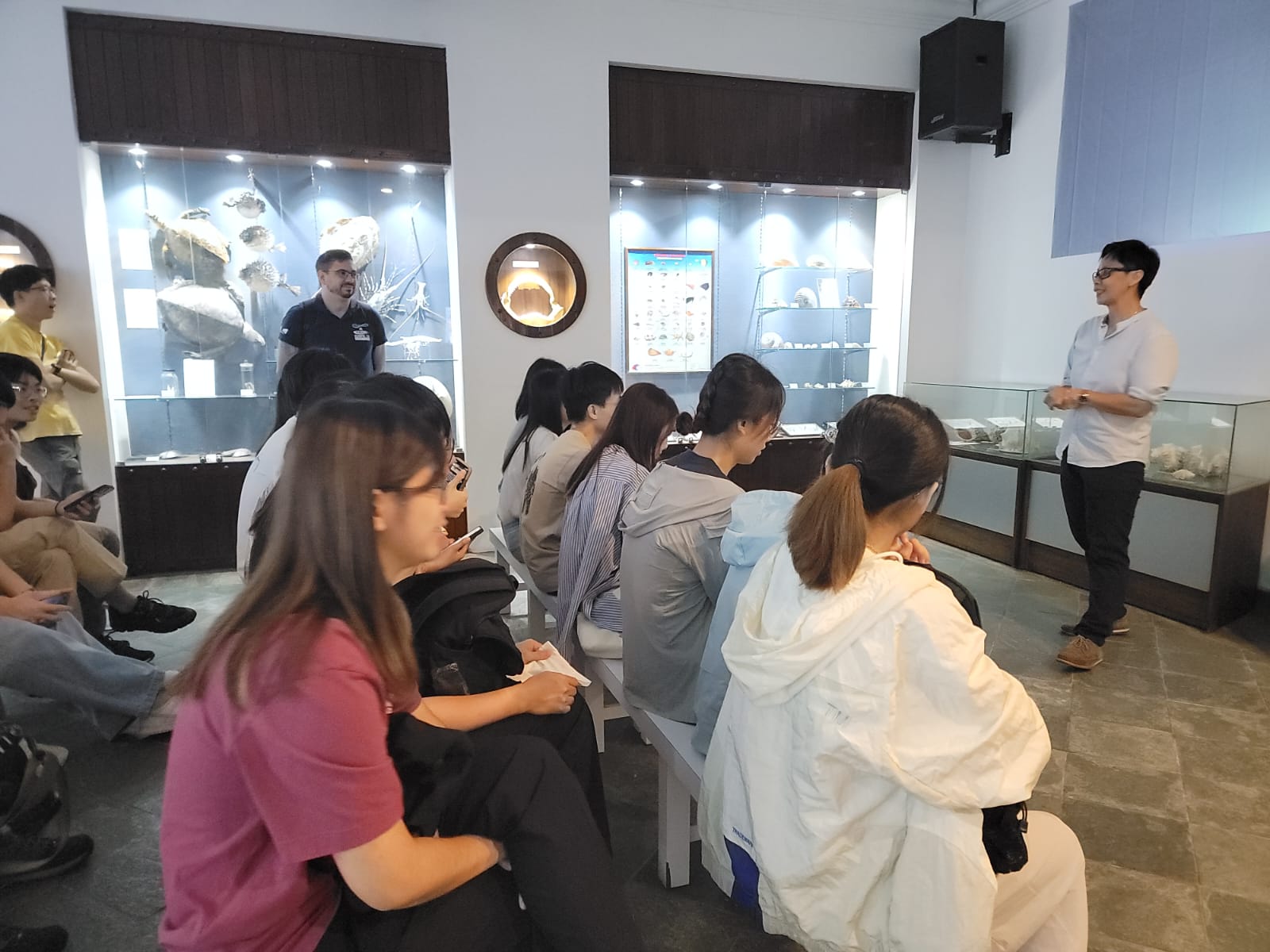
Ocean Celebration 2024: Inspiring Action for Healthy Oceans Through Science and Community Engagement
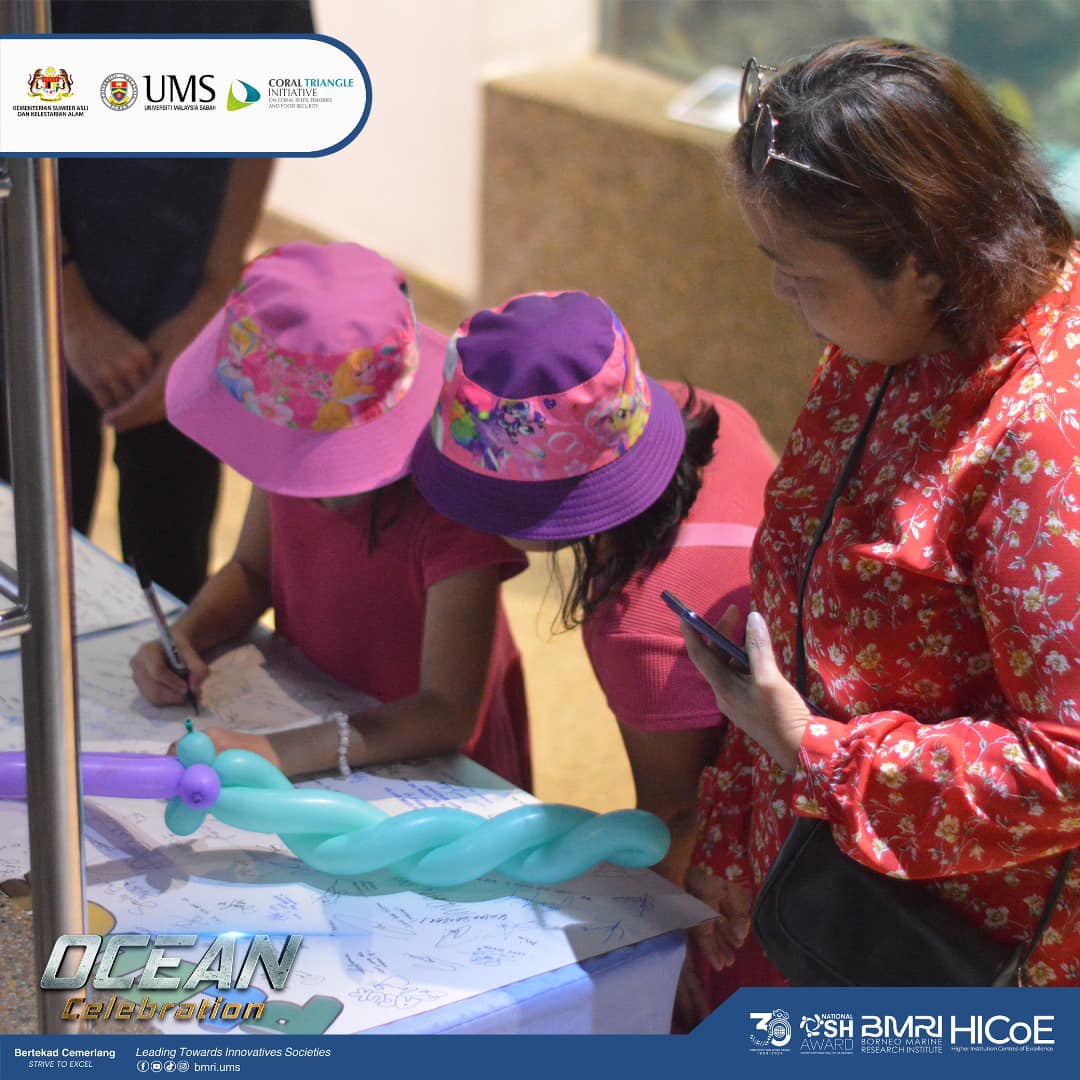
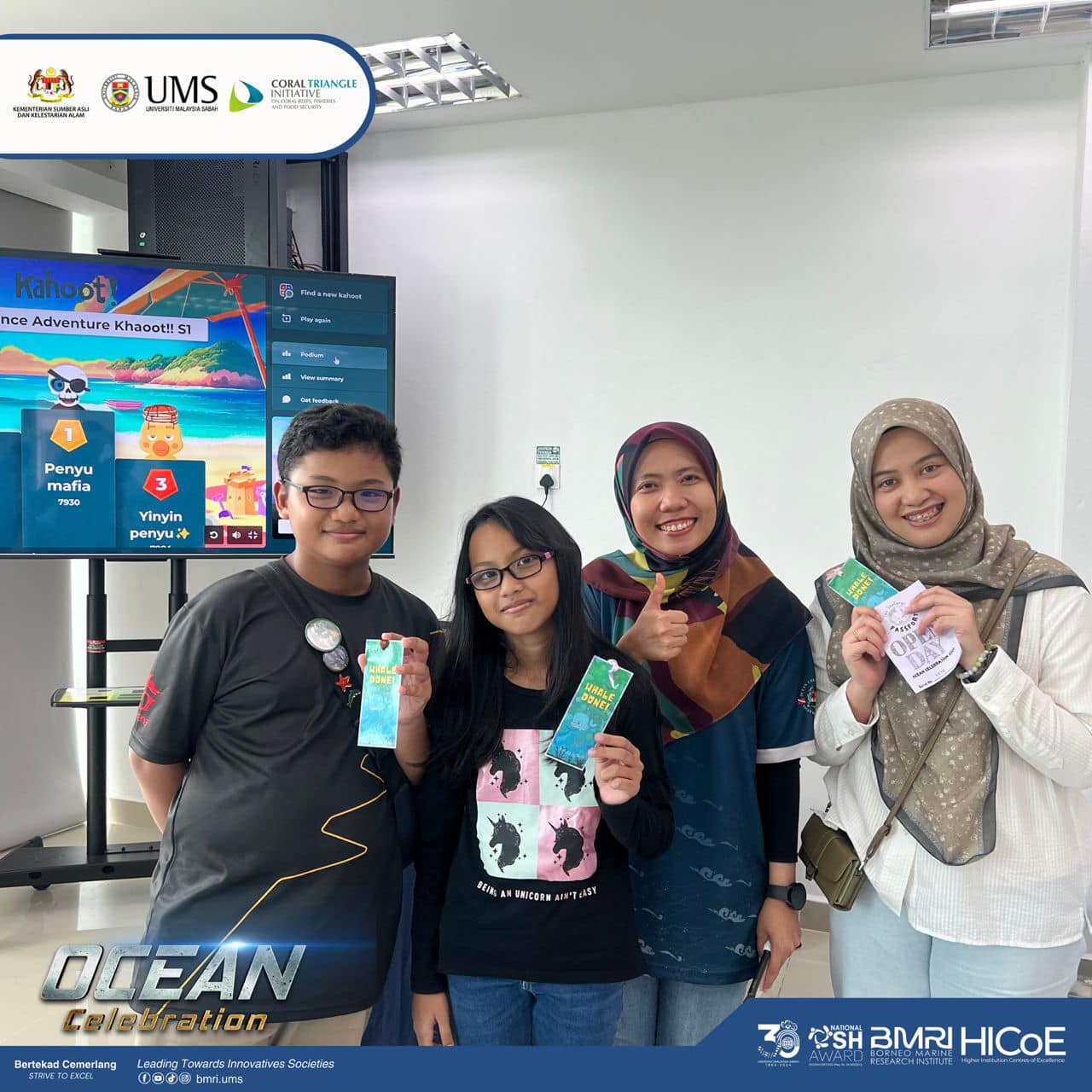
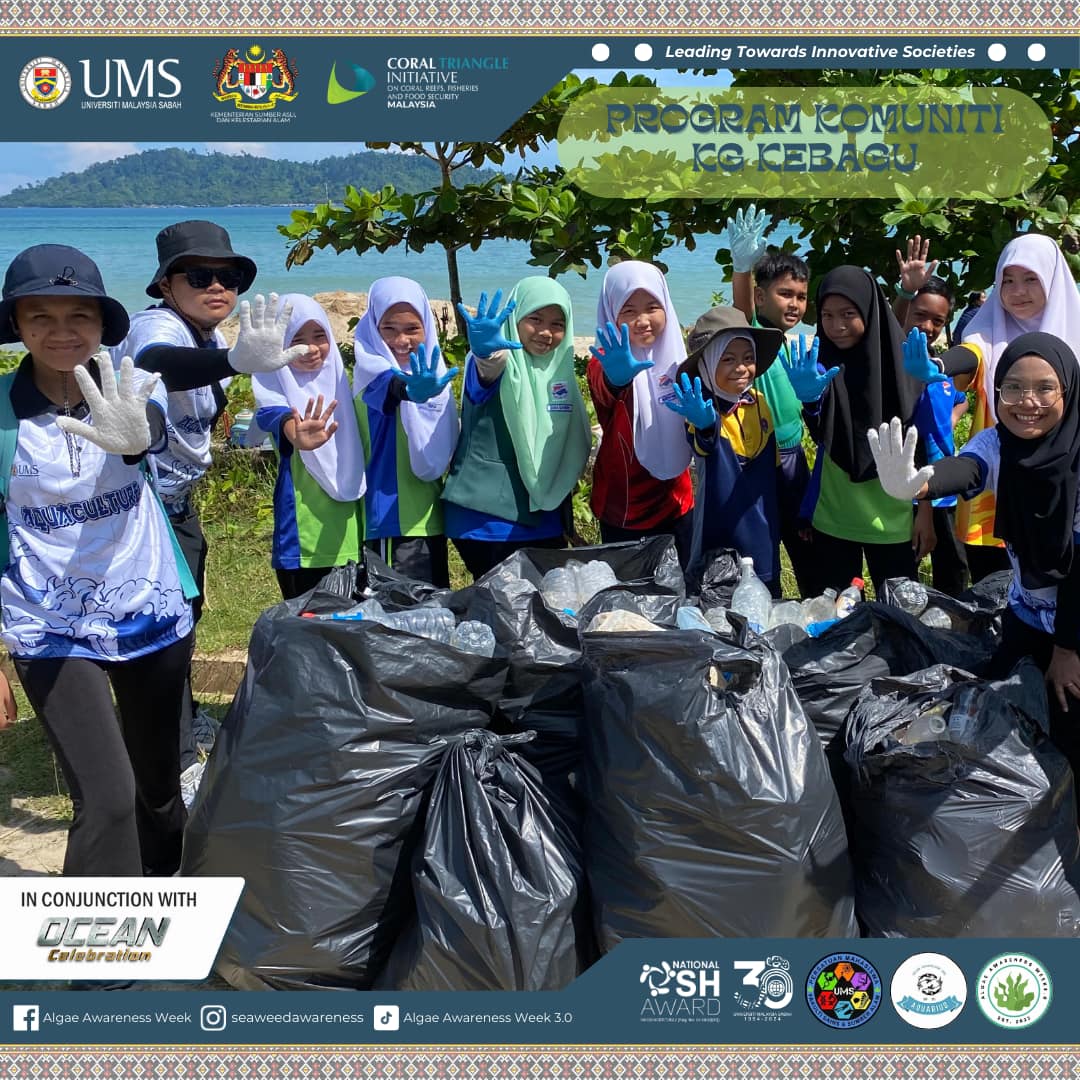
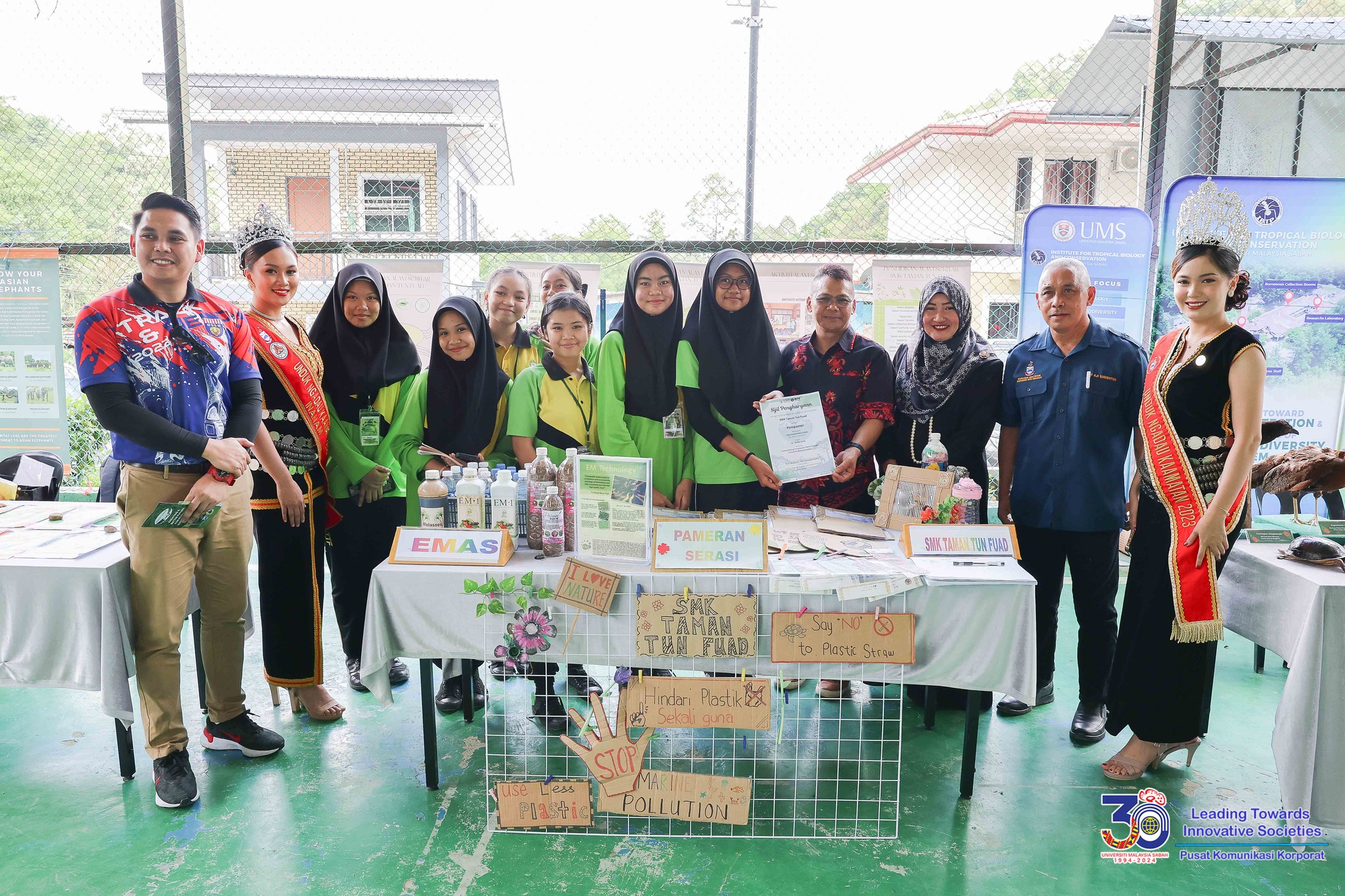
The annual Ocean Celebration brings together schools, researchers, NGOs, government agencies, and local communities to increase ocean literacy and promote sustainable marine practices. Activities include exhibitions on marine conservation, underwater photography contests, mural painting, beach clean-ups, workshops on sustainable waste management, and awareness on species such as sea turtles and corals. The programme directly educates communities on the dangers of overfishing, destructive fishing methods, and plastic pollution while empowering collective action for marine protection.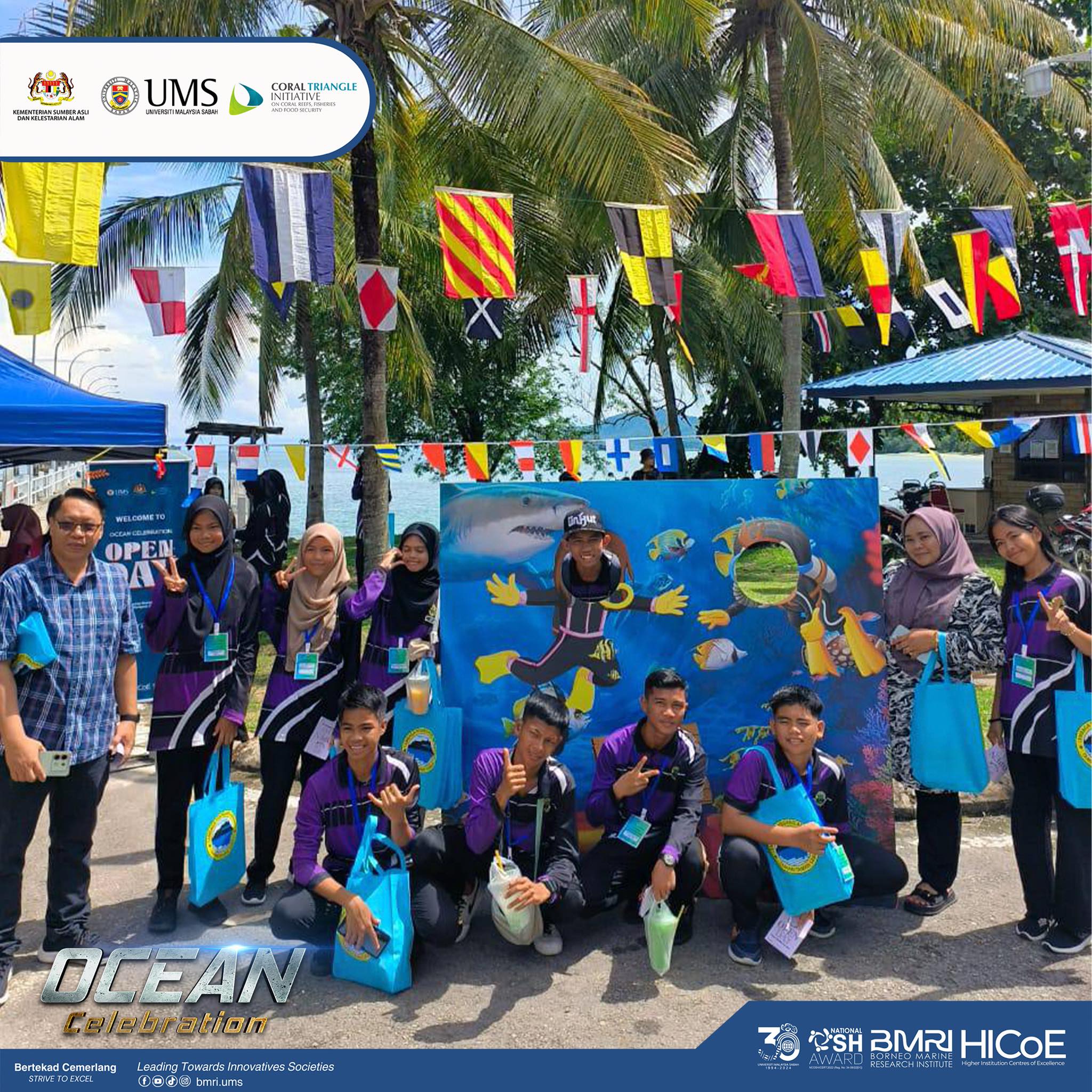
Algae Awareness Week & Community Algae Awareness, June 2024
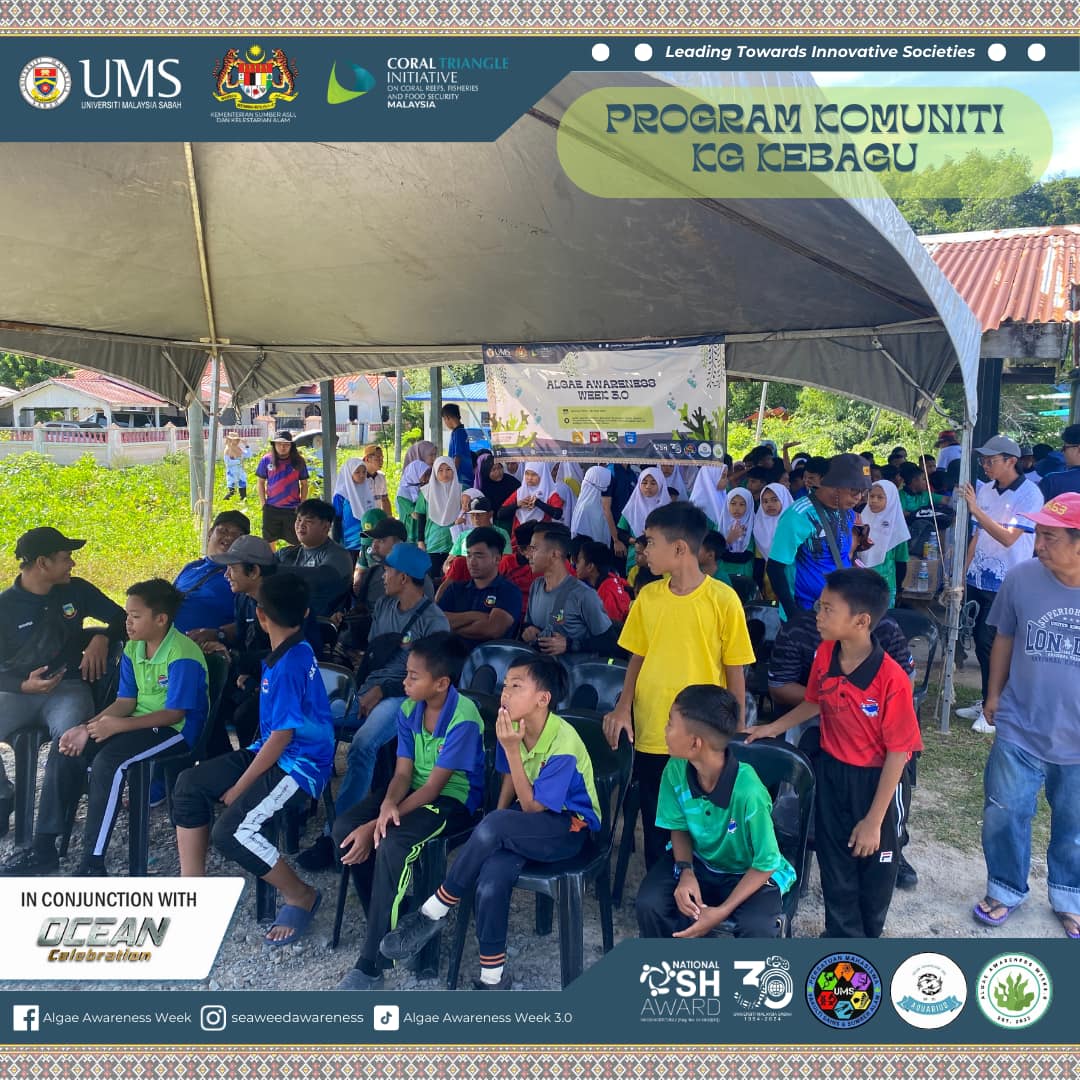
This outreach series introduces communities to the ecological significance of algae, the risks of algal overgrowth due to pollution, and how unsustainable fishing practices disrupt ecosystem balance. Participants learn how algae relate to fisheries productivity, water quality, and climate resilience. The programme strengthens ecological literacy and promotes data-based conservation.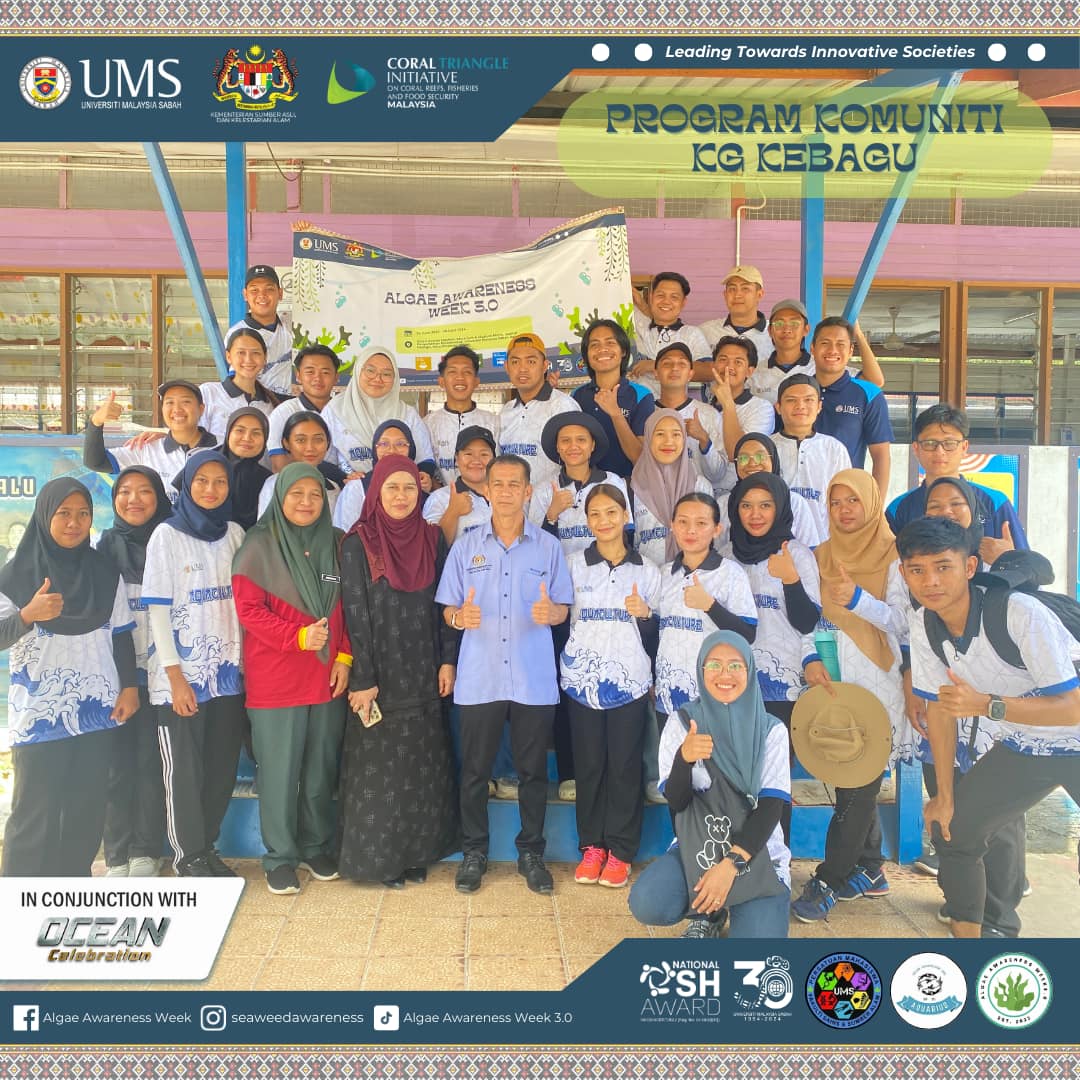
World Sea Turtle Day Educational Campaign, June 2024
UMS marks World Sea Turtle Day with public education on the threats faced by sea turtles, including illegal harvesting, bycatch, habitat destruction, and marine pollution. The campaign promotes behaviours that reduce harm—such as beach clean-ups, waste reduction, and supporting conservation initiatives—while highlighting the critical role of turtles in healthy ocean ecosystems.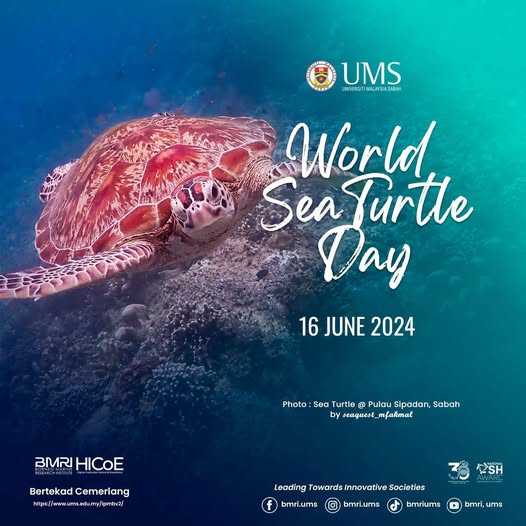
Guardians of the Blue Frontier
Protecting Waters, Empowering Communities, Sustaining Life Below Water
Universiti Malaysia Sabah (UMS) actively supports and organises a wide range of programmes and events aimed at promoting the conservation and sustainable utilisation of oceans, seas, rivers, lakes, and marine resources, reflecting its strategic role as Universiti Lautan Borneo located at the heart of the Coral Triangle. Through its specialised institutes and faculties—particularly the Borneo Marine Research Institute (BMRI), Institute for Tropical Biology and Conservation (IBTP), Institute of Marine Research Borneo (IPMB), and the Centre for Blue Economy and Maritime Security Research (PPEBKM)—UMS integrates scientific research, education, community engagement, policy collaboration, and technological innovation to advance SDG 14.
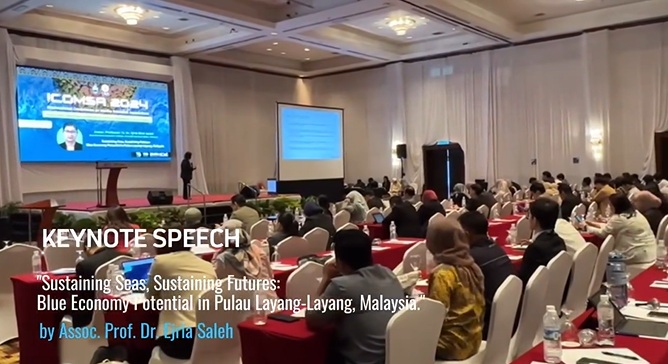
International Conference on Marine Science and Technology, ICOMSA 2024
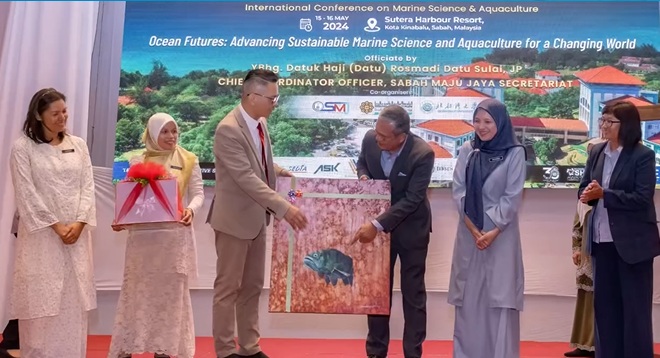
The International Conference on Marine Science and Technology (ICOMSA) 2024, organised with the involvement of Universiti Malaysia Sabah (UMS) through its marine-focused institutes and faculties, served as a major international knowledge-sharing platform supporting SDG 14: Life Below Water. The conference brought together researchers, policymakers, industry experts, and practitioners from Malaysia and abroad to discuss advances in marine science, ocean technology, sustainable fisheries, coastal management, and climate resilience. Through plenary sessions, technical presentations, and interdisciplinary dialogues, ICOMSA 2024 strengthened evidence-based decision-making for ocean and freshwater conservation while fostering international collaboration. The conference enhanced UMS’s role as a regional hub for marine research, promoted the sustainable utilisation of marine resources, and contributed to capacity building and innovation aligned with long-term ocean sustainability goals.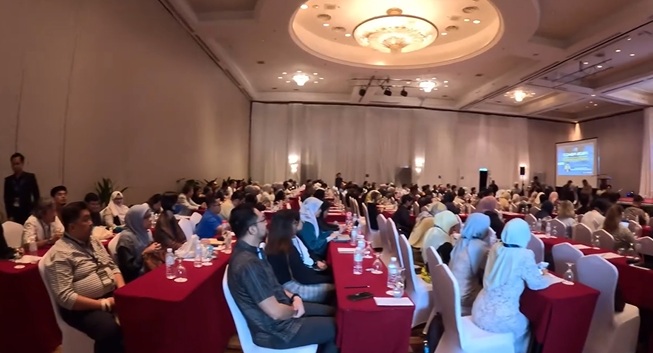
Restoring Marine Ecosystems and Blue Carbon Habitats
UMS undertook concrete ecosystem restoration initiatives, including the seaweed planting programme with Suria Group Sdn. Bhd., highlighting seaweed as a blue carbon ecosystem that stabilises sediments, reduces wave energy, and enhances climate resilience. In addition, the launch of the Coral Nursery Site (CNS) provided a structured platform for coral reef rehabilitation, student involvement, and community participation. These initiatives directly contribute to marine biodiversity recovery and long-term ecosystem resilience.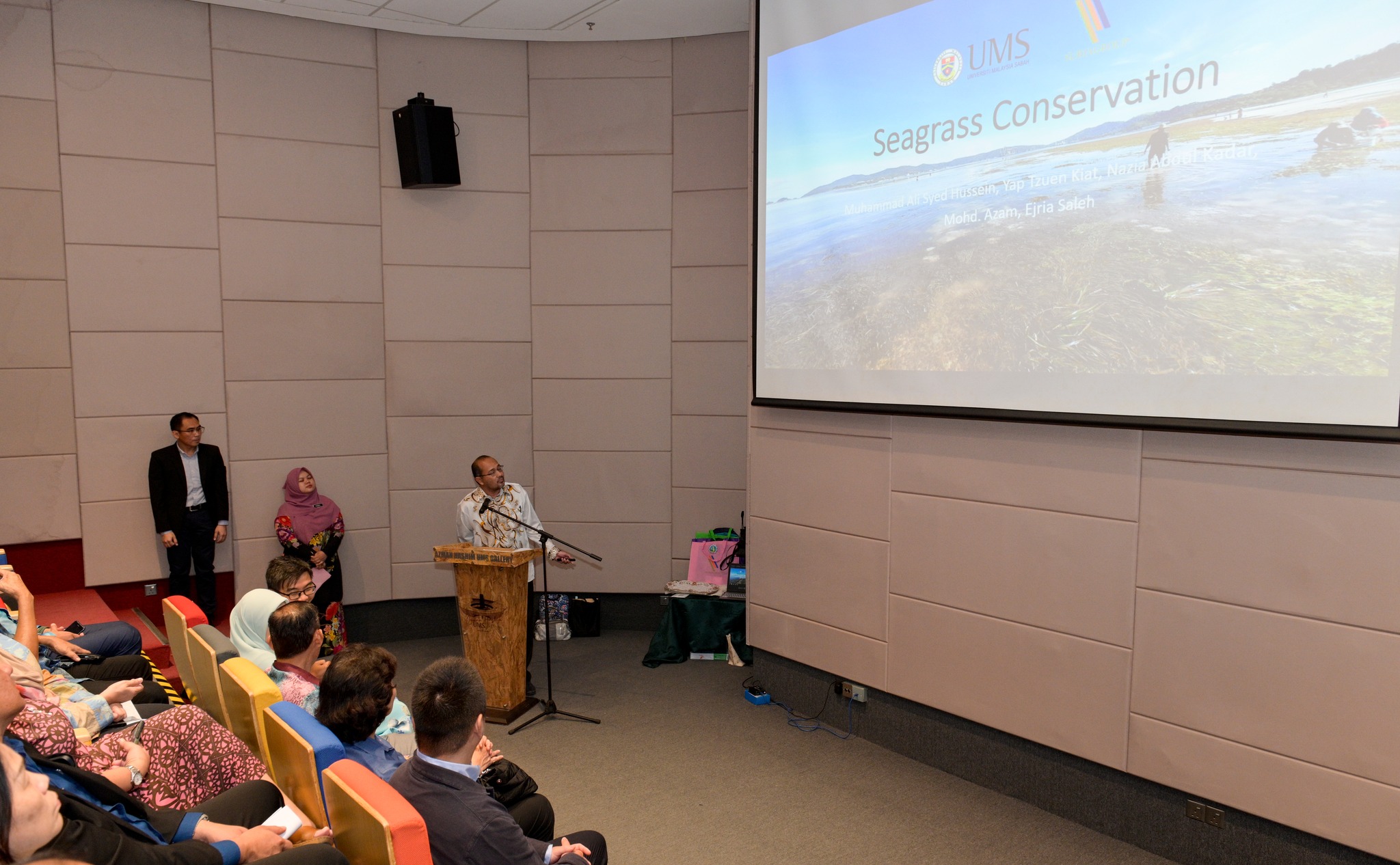
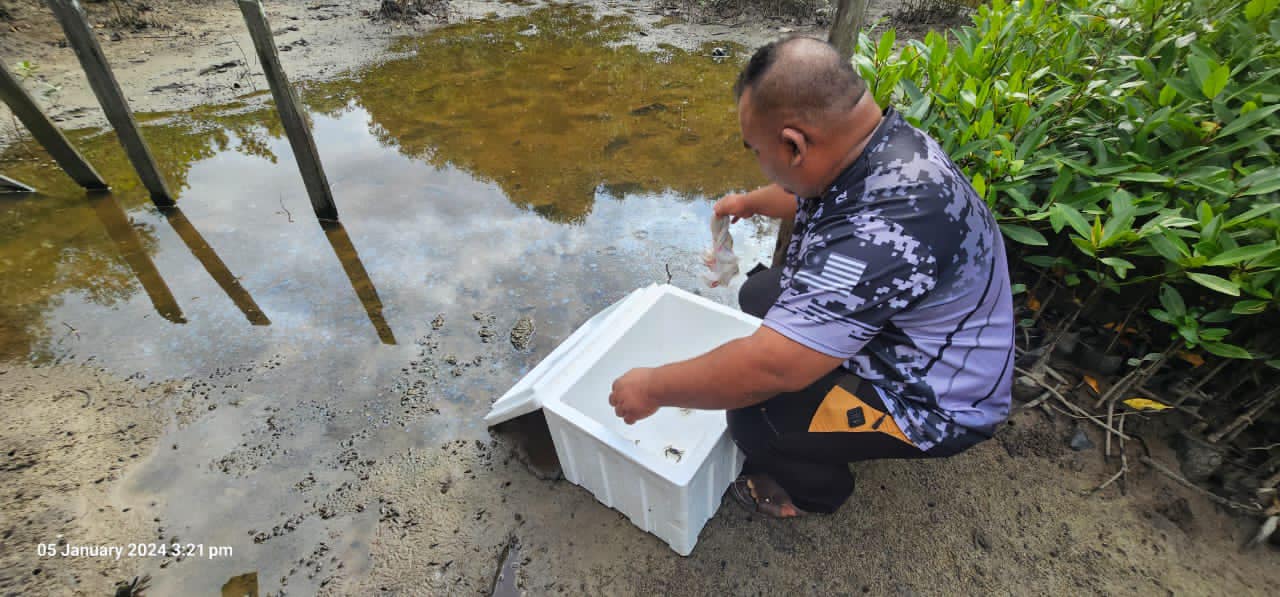
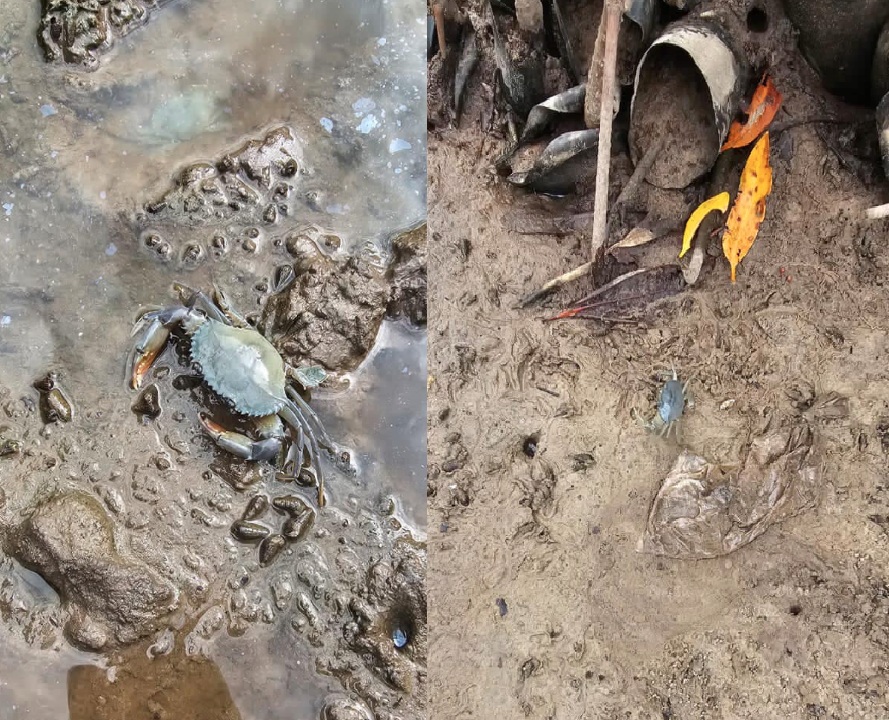
Crablet Release Programme at Kota Kinabalu Wetlands
The crablet release programme at Kota Kinabalu Wetlands reflects UMS’s commitment to restoring coastal and mangrove ecosystems through science-based conservation action. By releasing juvenile crabs into their natural wetland habitat, the initiative supports population recovery, strengthens food webs, and enhances the ecological function of mangrove ecosystems. The programme also serves as a citizen science and education activity, raising public awareness about the importance of wetlands as nurseries for marine life, natural buffers against coastal erosion, and critical habitats that sustain fisheries and biodiversity.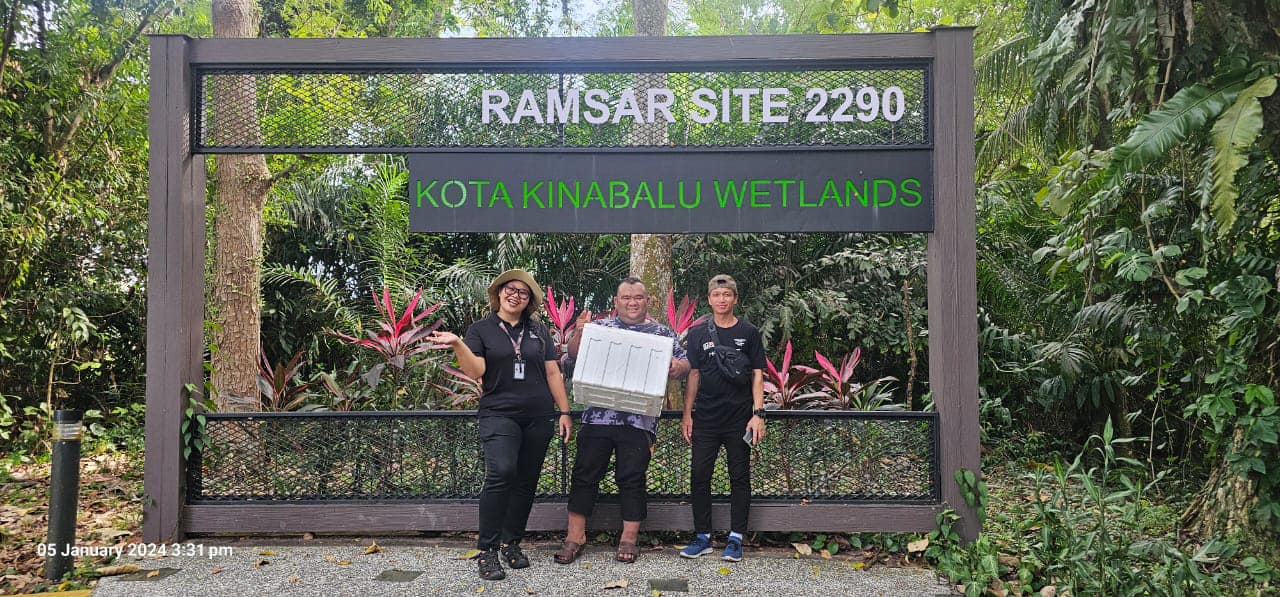
World Seagrass Day Celebration at Borneo Marine Research Institute, Universiti Malaysia Sabah
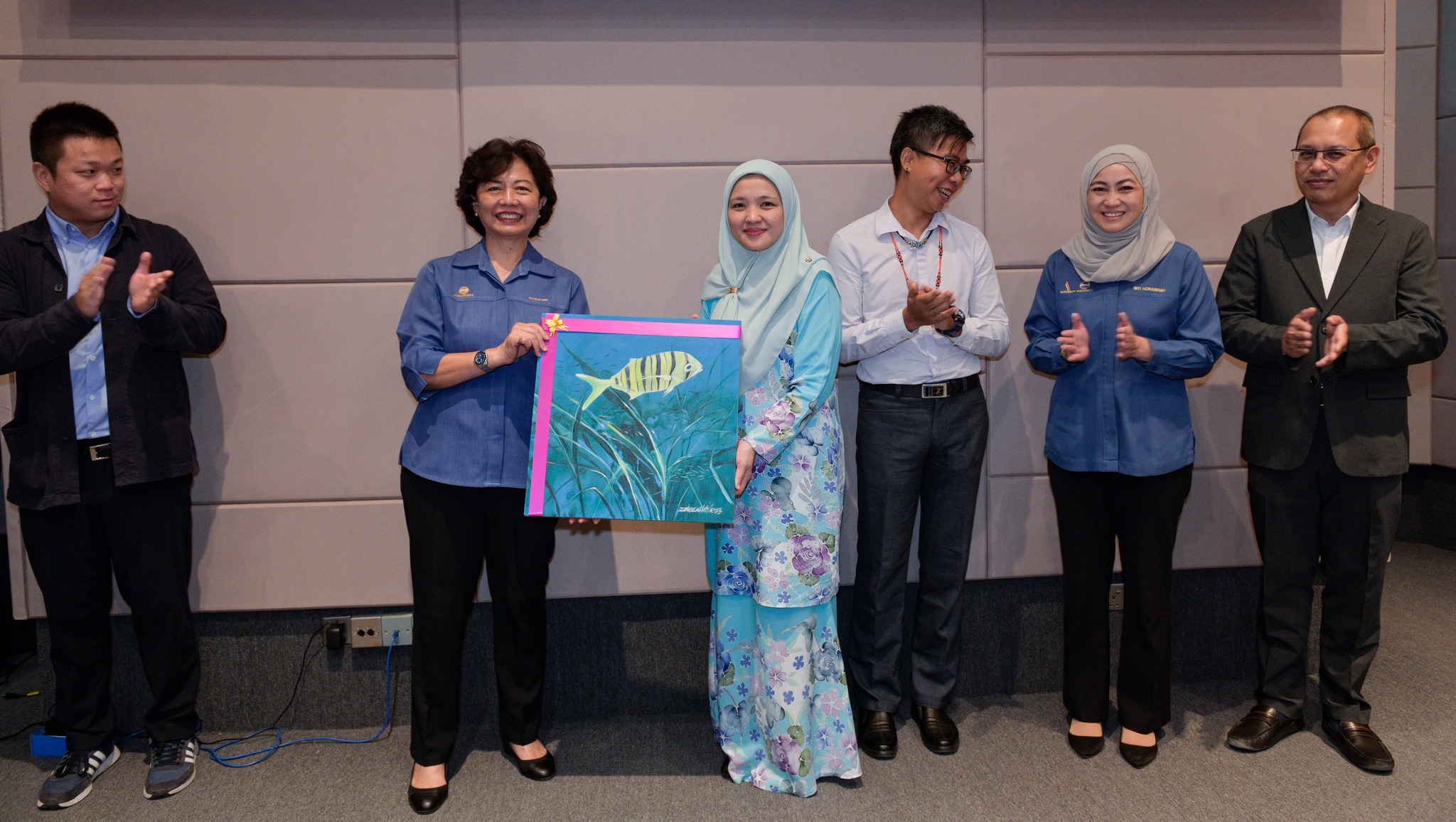
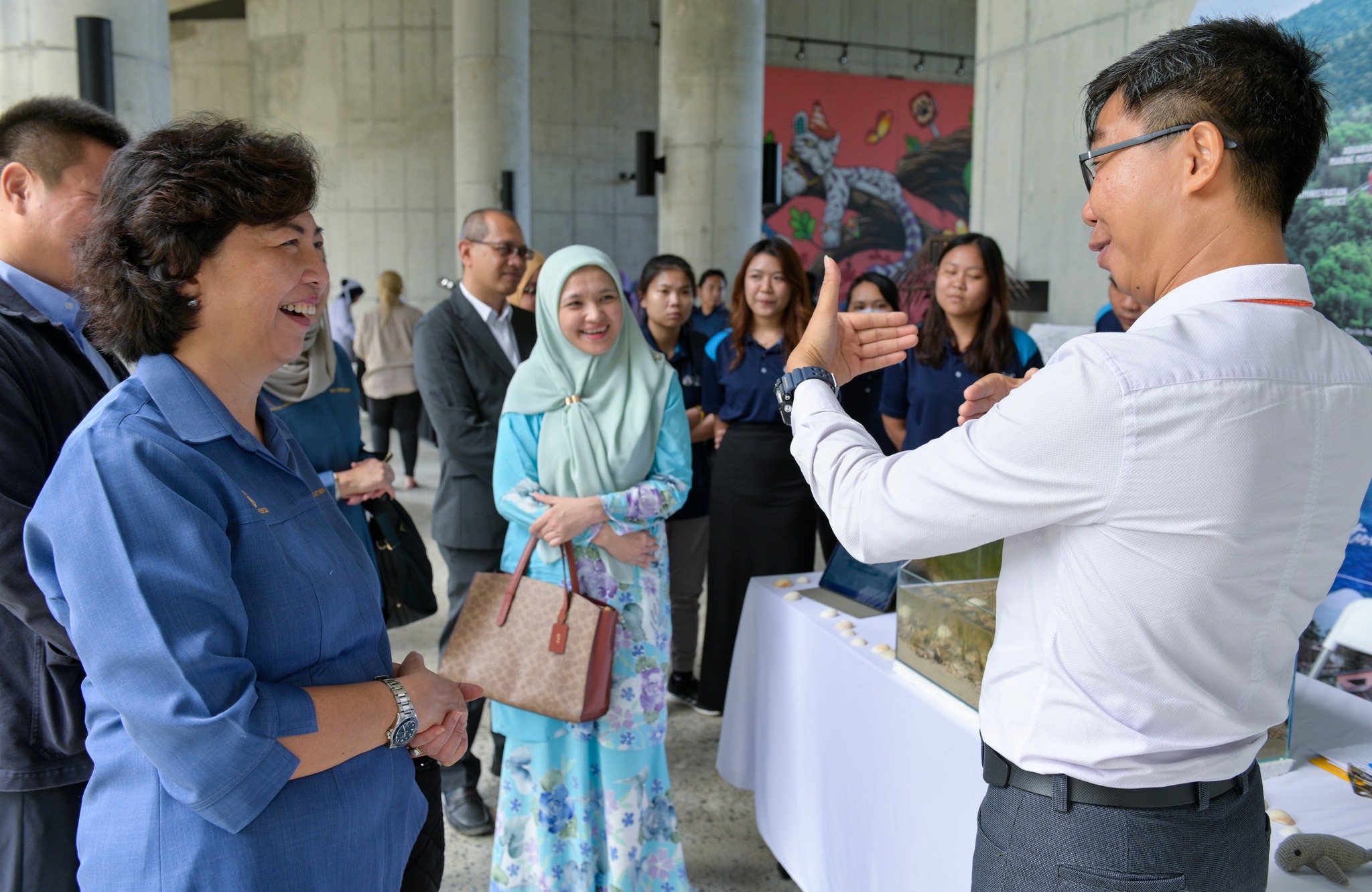
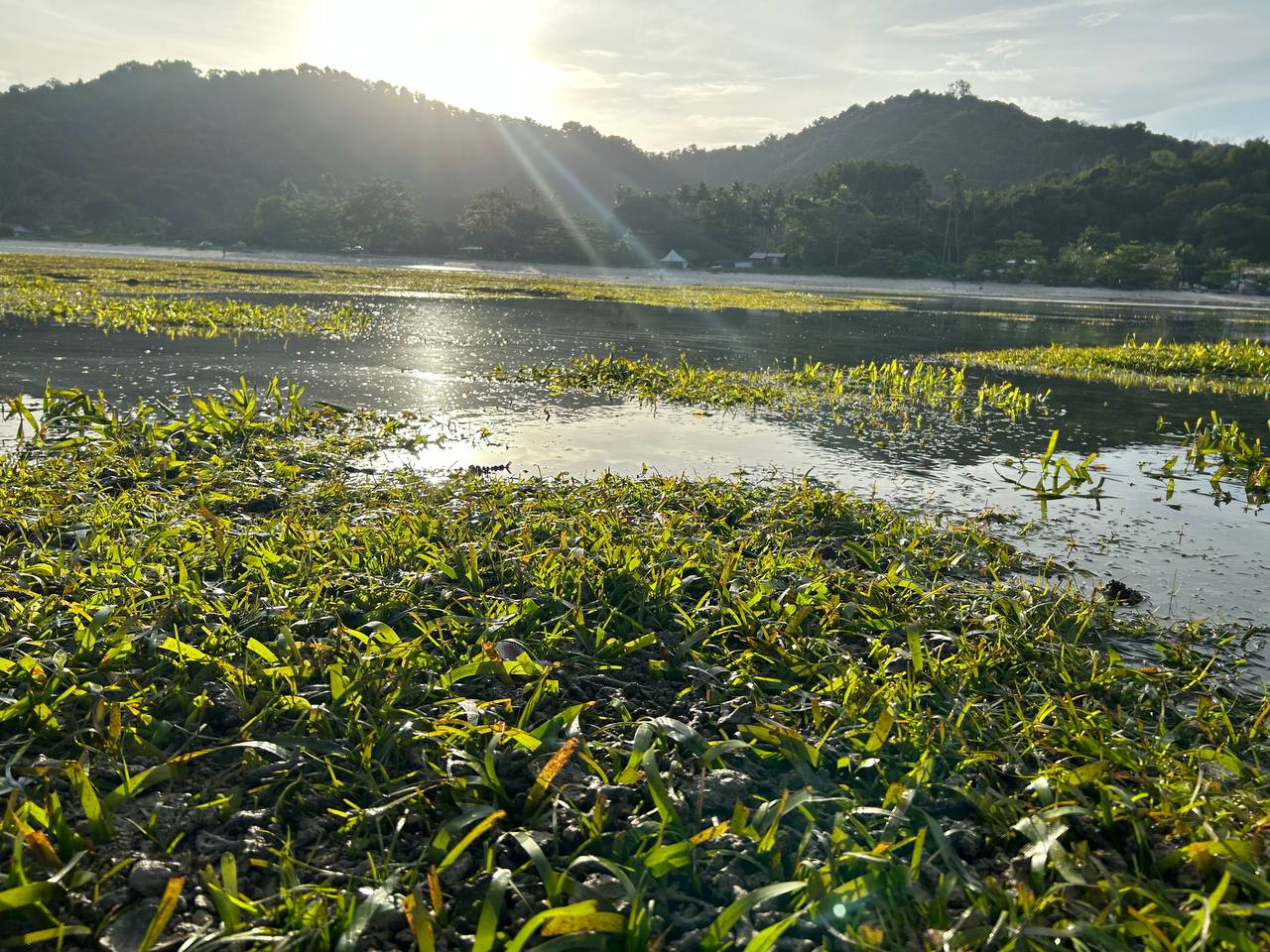
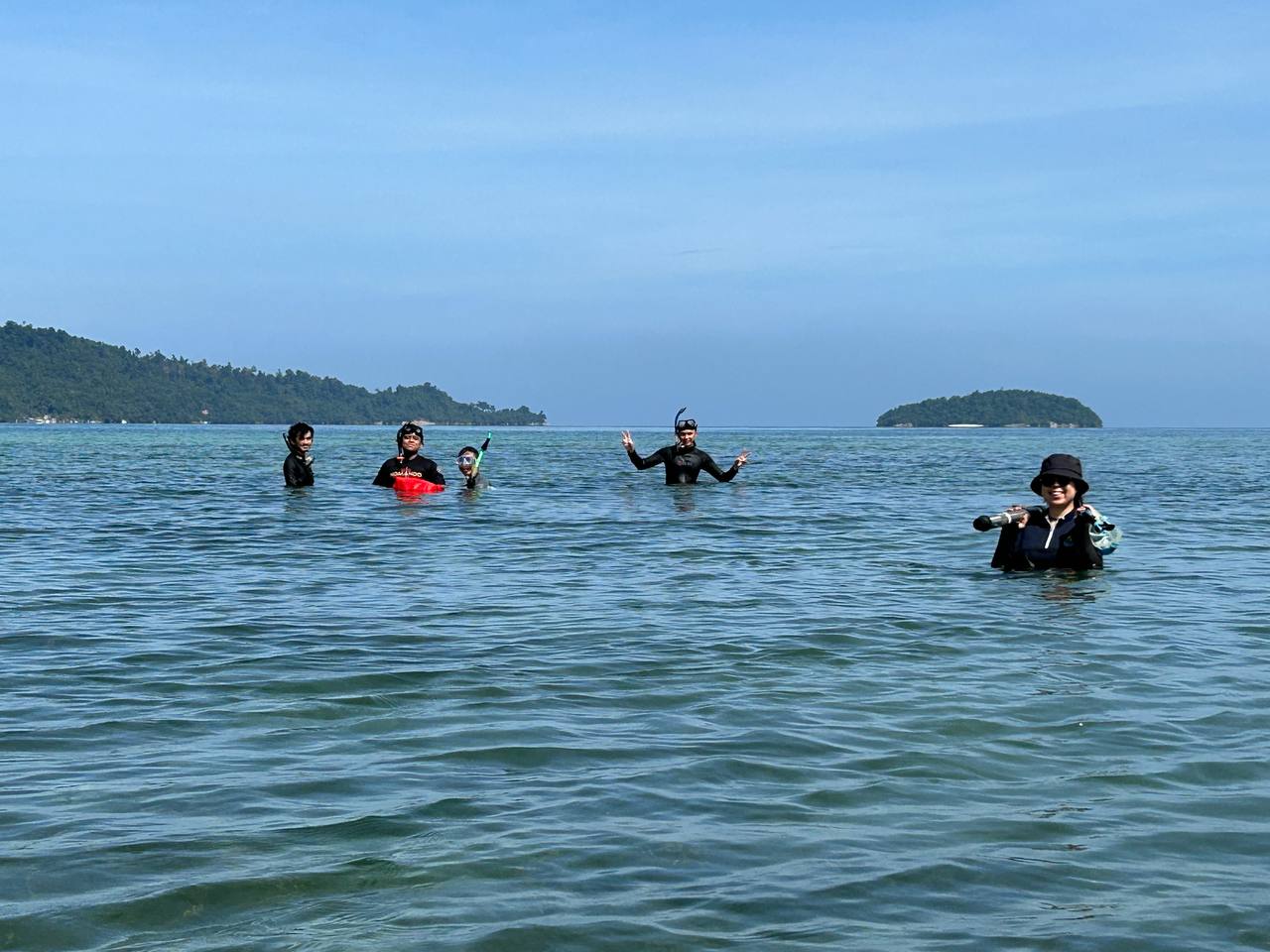
The Borneo Marine Research Institute (BMRI), Universiti Malaysia Sabah (UMS) has long played a leading role in advancing awareness, research, and conservation of seagrass ecosystems, even prior to the official proclamation of World Seagrass Day by the United Nations General Assembly in 2022. This global recognition further reinforced BMRI’s commitment to strengthening scientific research and conservation efforts for seagrasses as one of the most critical yet vulnerable marine habitats. Seagrasses—marine flowering plants widely distributed along Sabah’s coastlines—remain highly visible despite increasing pressures from anthropogenic activities that threaten their resilience and the ecosystem services they provide. Recognising their ecological importance, BMRI continues to highlight the essential role of seagrass meadows in supporting marine biodiversity, stabilising sediments, improving water quality, and sustaining fisheries. In conjunction with the celebration of World Seagrass Day on 1 March this year, BMRI researchers, together with undergraduate and postgraduate students from marine science programmes and the Seagrass Guardians, conducted a seagrass monitoring programme at Kampung Kibagu, Kota Kinabalu on 29 March 2023. The activity was aligned with Goal 4 (Climate Change Adaptation Measures Achieved) under the Coral Triangle Initiative on Coral Reefs, Fisheries and Food Security (CTI-CFF). This field-based engagement provided an important platform to demonstrate the ecosystem services of seagrasses, particularly their function as blue carbon ecosystems that contribute to climate change mitigation through carbon sequestration, while also enhancing coastal protection and marine ecosystem resilience. This initiative forms part of BMRI’s continuous efforts to generate scientific knowledge, build local capacity, and provide robust evidence to support Malaysia’s contribution to the implementation of the United Nations Sustainable Development Goals, particularly SDG 14 (Life Below Water) and SDG 13 (Climate Action). Through sustained research, monitoring, and community engagement, BMRI remains committed to safeguarding seagrass ecosystems as a foundation for healthy oceans and resilient coastal environments.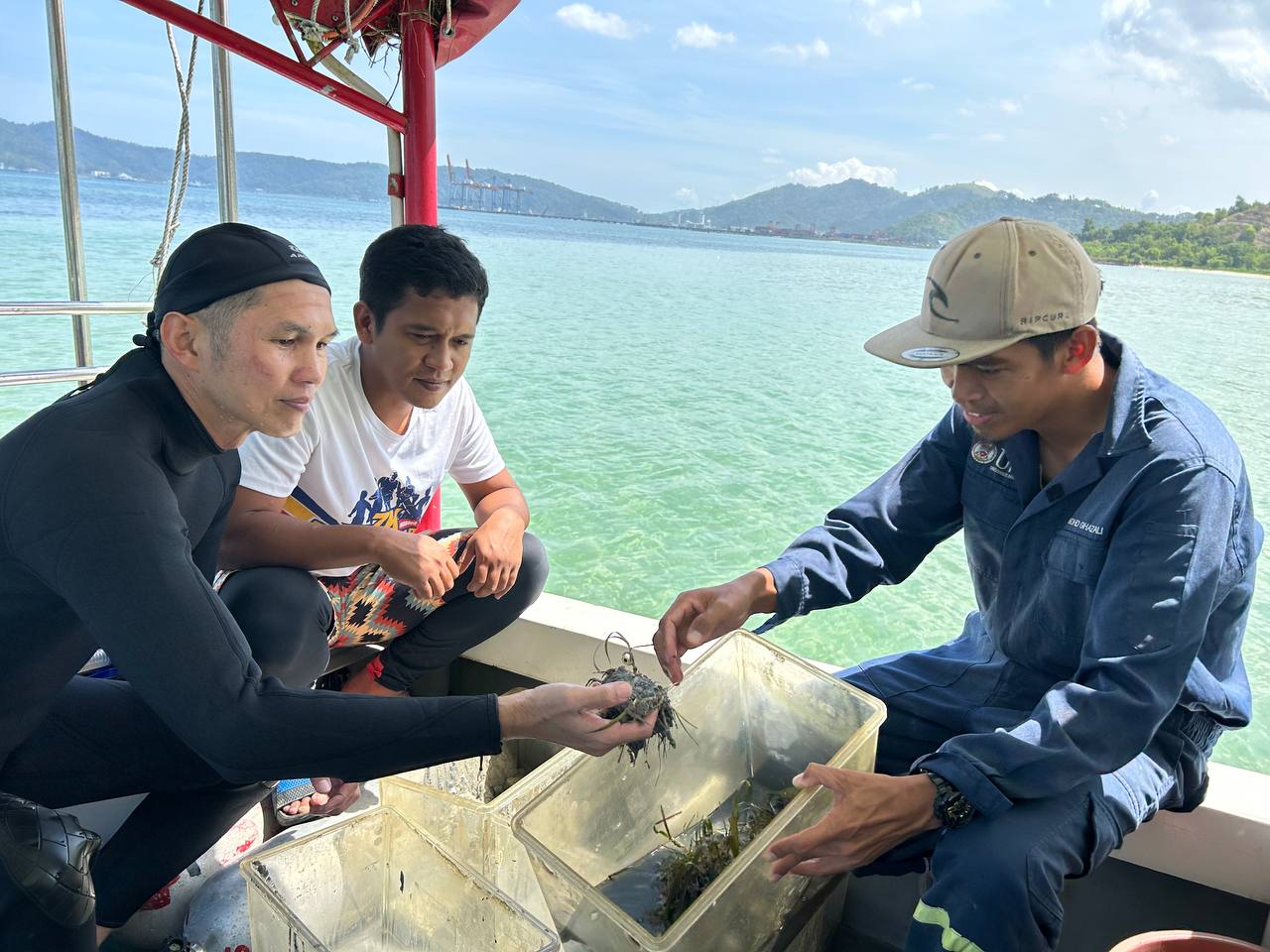
Raising Public Awareness through Biodiversity and Ocean Education
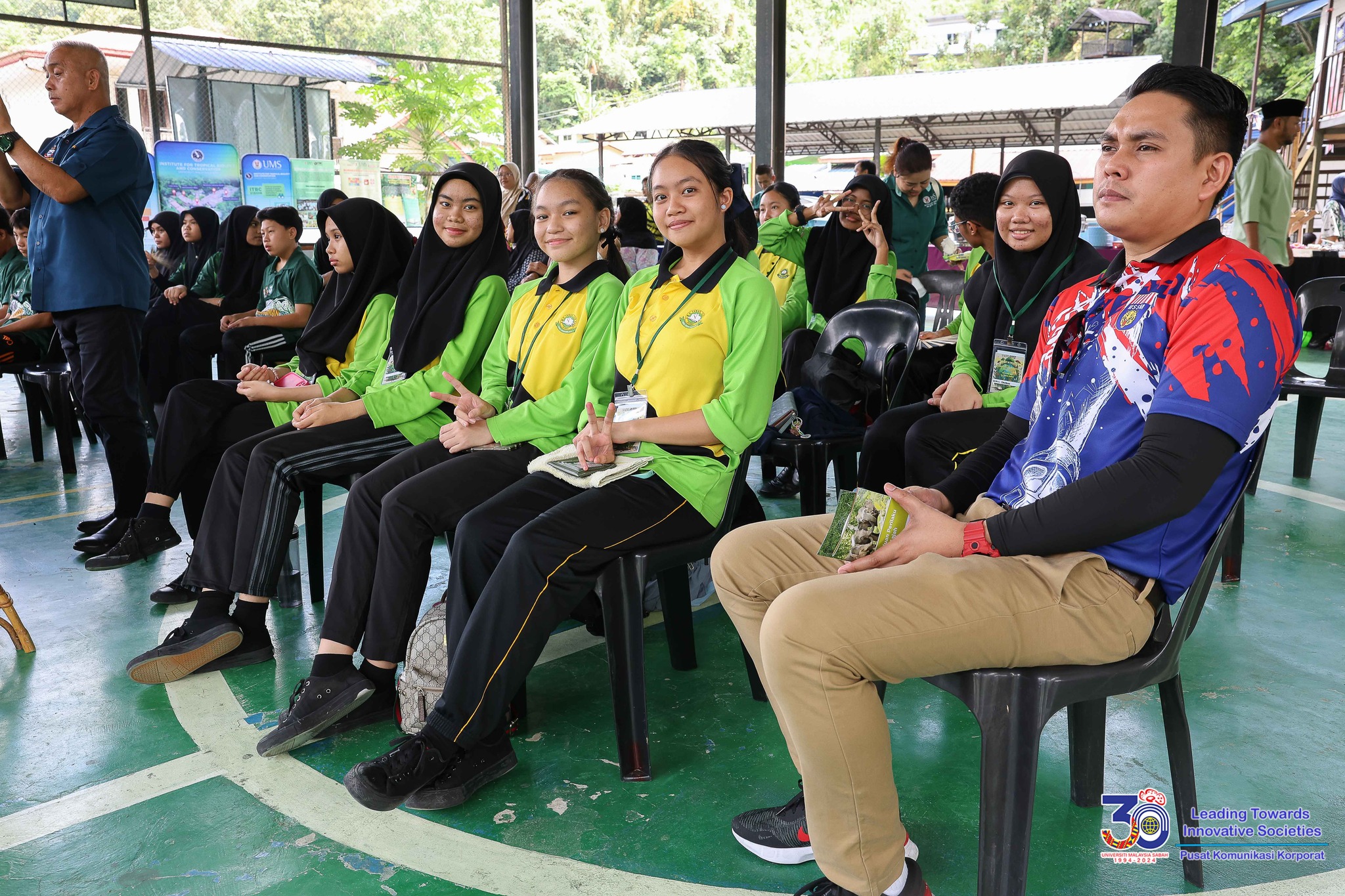
UMS strengthened marine and freshwater conservation awareness through flagship education and outreach events. The World Biodiversity Day 2024 Closing Ceremony, organised by IBTP and officiated by YB Peto Galim with the presence of the Sabah State UN Committee, marked the launch of IBTP’s logo and mascot as enduring symbols of biodiversity conservation. This initiative complemented the Ocean Celebration 2024 opening ceremony officiated by the Vice-Chancellor, which served as a major ocean literacy platform promoting marine stewardship, sustainable ocean practices, and public engagement. Together, these events nurtured long-term environmental awareness and encouraged behavioural change among students, educators, and the wider community.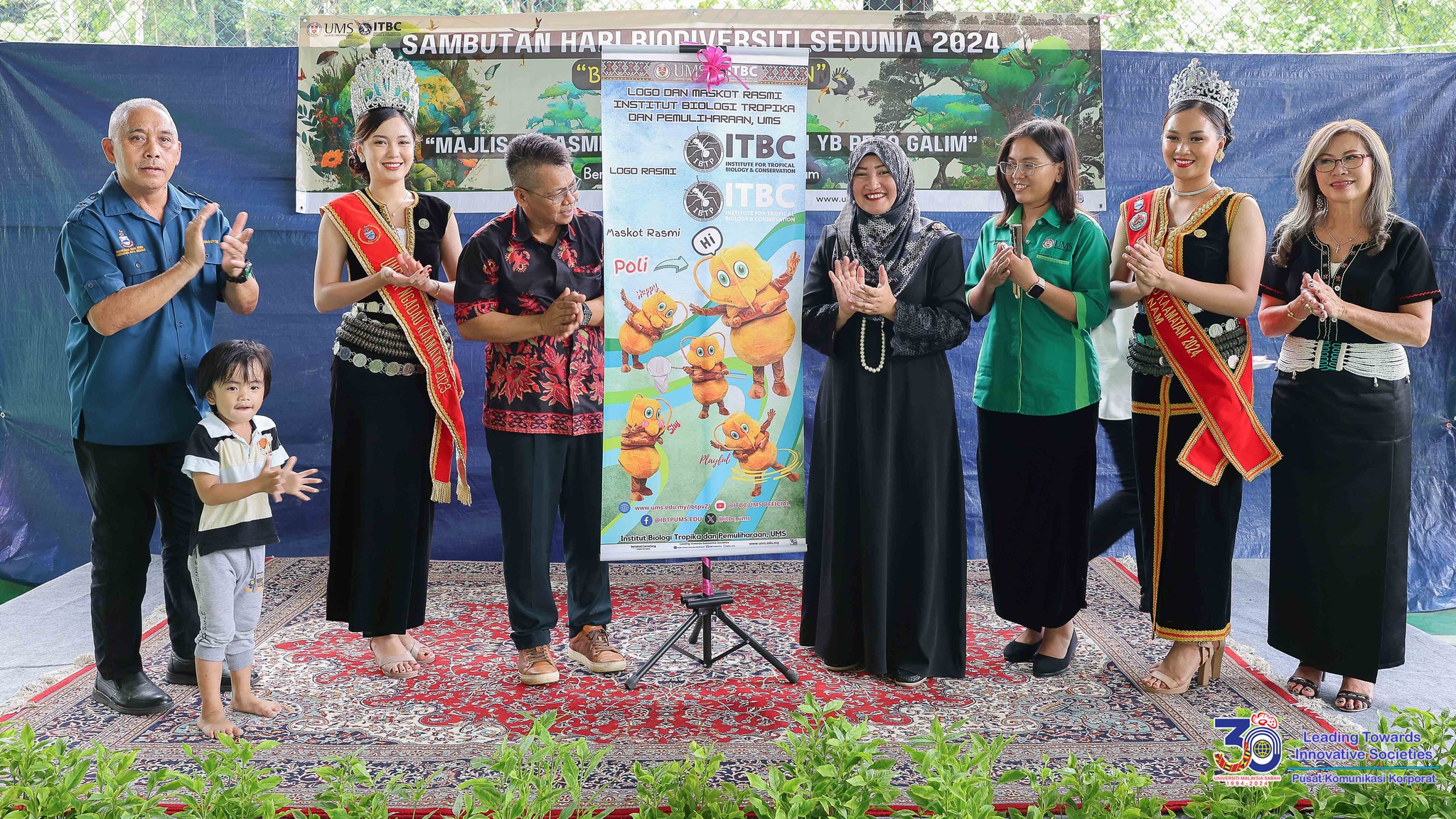
Protecting Threatened Ecosystems
Research, partnerships, and action for biodiversity conservation
Universiti Malaysia Sabah (UMS) works directly with industries, conservation organisations, and communities to maintain, restore, and extend threatened ecosystems and their biodiversity, covering both plant and animal species across marine, coastal, and freshwater environments. Through its specialised institutes—particularly the Borneo Marine Research Institute (BMRI) and the Institute for Marine Research Borneo (IPMB)—UMS integrates applied research, industry collaboration, and community engagement to address ecosystem degradation and biodiversity loss. UMS leads and co-implements ecosystem restoration and conservation projects such as the WWF–UMS Coral and Shark Conservation Programme, Semporna Marine Expedition, Kudat Mangrove Restoration Initiative, and the Liwagu River Freshwater Ecosystem Study. These projects focus on ecosystems under significant threat, including coral reefs, mangroves, seagrass meadows, river systems, and critical habitats for marine megafauna. By working closely with partners such as WWF-Malaysia, Coral Triangle Initiative on Coral Reefs, Fisheries and Food Security (CTI-CFF), Intel Malaysia, and Yayasan Sabah, UMS ensures that scientific research is translated into practical conservation action and long-term ecosystem management. Through these collaborative efforts, UMS has contributed to the restoration and protection of more than 50 hectares of marine and freshwater habitats, while also strengthening local capacity by training over 800 community members, including fishers, youth, and conservation volunteers. Beyond on-the-ground restoration, the research outcomes have informed policy development, sustainable fisheries management, and blue economy planning, reinforcing UMS’s role as a knowledge partner for sustainable development. Collectively, these initiatives demonstrate UMS’s strong institutional commitment to safeguarding biodiversity, restoring threatened ecosystems, and supporting resilient, nature-based solutions for long-term environmental and socio-economic sustainability.
UMS × CTI-CFF: Safeguarding the Coral Triangle Together
As the Sabah branch of the Coral Triangle Initiative on Coral Reefs, Fisheries and Food Security (CTI-CFF), UMS plays a central role in shaping regional marine governance and biodiversity protection. Working with federal and state partners, UMS leads data-driven research on coral reefs, ecosystem-based fisheries management, and climate adaptation across priority seascapes. Since 2021, UMS has been officially mandated to coordinate Malaysia’s National Plan of Action CTI-CFF 2.0, aligning national ocean policies with regional conservation goals. UMS hosts regional workshops, technical consultations, and training programmes that build the capacity of fisheries officers, conservationists, and youth leaders. Initiatives such as World Oceans Day beach clean-ups, seagrass monitoring, and reef resilience webinars promote public engagement and community stewardship. Meanwhile, UMS’s Coral Nursery Site (CNS) and blue-economy programmes support marine restoration and sustainable coastal livelihoods. Through CTI-CFF, UMS connects local communities with international networks, ensuring that Borneo’s coastal ecosystems remain resilient amid climate challenges. This partnership reflects the essence of SDG 17 by uniting science, policy, and people to protect one of the world’s most important marine ecosystems.UMS × UNICEF: Children at the Heart of Climate and Social Resilience
The UMS–UNICEF collaboration is a model of SDG 17-driven social transformation, uniting research, policy advocacy, youth empowerment, and community engagement. Beginning with a RM300,000 UNICEF grant, UMS established the UMS–UNICEF C4D Research Unit, which pioneered communication-for-development strategies addressing women’s and children’s welfare in underserved communities. The partnership expanded into national-level climate advocacy with the co-authored landmark report, “Impact of Climate Change on Children: A Malaysian Perspective.” This study remains a key reference for child-sensitive climate governance in Malaysia. UMS and UNICEF further collaborated on child-centered disaster education through nationwide earthquake preparedness programmes involving 4,000 students across 114 schools in Sabah. These initiatives deliver life-saving knowledge to children in hazard-prone areas and contribute to integrating disaster-risk education into national policymaking via MOE and NADMA. UMS’s contribution to the Asia-Pacific SBCC Regional Symposium 2023 also elevated Malaysia’s role in regional social and behavioural change communication. Student engagement continues to thrive through campaigns such as the Youth Health Campaign, which promotes climate-health literacy among Sabah’s young population. This multi-dimensional partnership exemplifies SDG 17 by aligning global child welfare frameworks with locally relevant interventions that improve resilience, equity, and wellbeing.UMS × UNEP & UN-Habitat: Advancing environmental policy and community resilience through UN-led cooperation
UMS’s collaboration with UNEP and UN-Habitat brings global scientific leadership together with locally grounded solutions for environmental health, water management, and urban resilience. At the policy and research level, UMS contributes directly to global environmental governance through UNEP’s Global Environment Outlook 7 (GEO-7), with Assoc. Prof. Dr. Fiffy Hanisdah Saikim serving as Lead Author for the chapter on biodiversity and nature loss. This appointment positions UMS within UNEP’s international expert ecosystem, ensuring Malaysia’s scientific perspectives shape global biodiversity assessments and climate policy. At the community level, UMS collaborates with UNEP and UN-Habitat under the Global Wastewater Initiative (GWI) to address sanitation challenges in Sabah’s floating-village communities. Together with Action Caring Team (ACT) Malaysia, this partnership introduces low-cost modular wastewater systems and capacity-building programmes that promote safe water, public health, and climate-adaptive infrastructure. These efforts gained global attention in UNEP’s technical brief, showcasing Sabah as a model for innovative, community-led sanitation solutions. Through student forums, regional dialogues, and multi-agency workshops — including the International Forum on Caring for Our Planet — UMS, UNEP, and UN-Habitat jointly strengthen youth participation, environmental education, and coastal resilience. This partnership exemplifies SDG 17 by connecting global frameworks with local realities to produce science-driven, community-centered impact.UMS × WWF-Malaysia : Guardians of Borneo’s Blue & Green Frontiers
UMS and WWF-Malaysia share a transformative partnership rooted in decades of collaboration across marine conservation, climate resilience, and community-driven sustainability. Together, both institutions have advanced high-impact scientific research that strengthens the management of Sabah’s coastal and marine ecosystems. A landmark achievement of this collaboration is the Climate Change Vulnerability Assessment of Tun Mustapha Park (TMP), a national reference for climate-risk management and adaptive policymaking in Malaysia’s largest marine protected area. This partnership continues to inform institutional responses to climate challenges through shared research, modelling, and environmental monitoring. Beyond policy-relevant science, UMS and WWF-Malaysia jointly empower local communities through sustainable fisheries initiatives, ecosystem-services assessments, and marine stewardship programmes such as “No Plastic in Nature”, turtle conservation, and coral-reef restoration. Together, they have expanded citizen science, youth engagement, and community awareness across key conservation landscapes including TMP, Lahad Datu, and the Semporna Priority Conservation Area. These efforts translate research into action by improving local livelihoods, strengthening ecological resilience, and building a culture of environmental responsibility. This long-standing partnership exemplifies SDG 17 by integrating knowledge sharing, multi-stakeholder collaboration, and community empowerment. From shark-tagging and mangrove protection to riverine biodiversity expeditions and blue-economy innovation, UMS and WWF-Malaysia demonstrate how shared expertise and joint action can deliver measurable, real-world sustainability impact.From Land to Sea: Preventing Marine Pollution at the Source
Institutional policy, governance, and community action to reduce land-based marine pollution
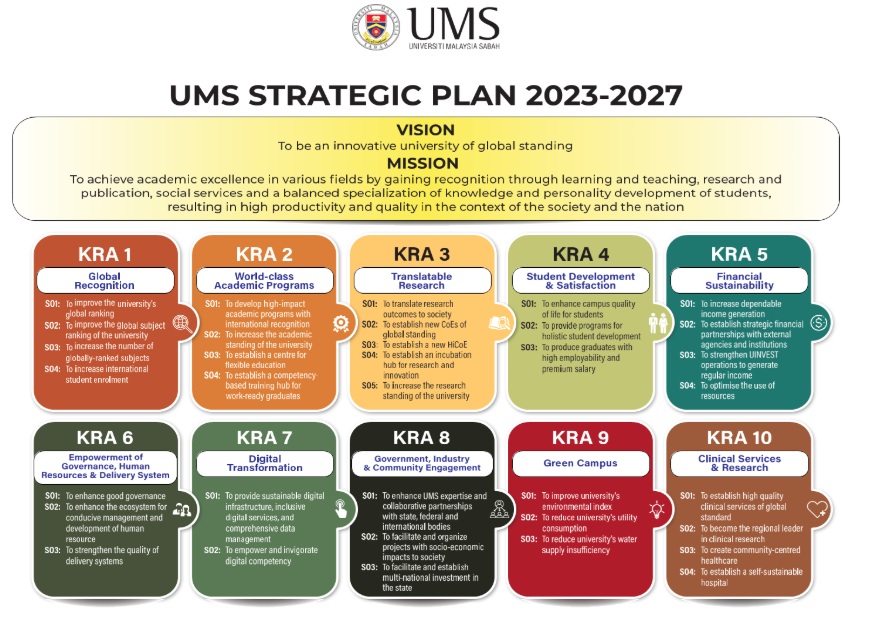
Universiti Malaysia Sabah (UMS) has formally embedded environmental sustainability within its Strategic Plan 2023–2027 under Key Result Area (KRA) 9: Green Campus, providing strong institutional direction to prevent and reduce environmental pollution, including marine pollution originating from land-based activities. This strategic commitment is reinforced through multiple university-wide policies, including the UMS Sustainability and Climate Action Policy, and the UMS Sustainable Energy Management Policy, which collectively guide pollution prevention, climate mitigation, resource efficiency, and responsible energy use across campus operations. By embedding sustainability policies within its strategic planning framework and assigning clear oversight through UMS Sustainability, SDG & ESG Strategic Committee (JKSSE-UMS), UMS ensures that pollution prevention—particularly the reduction of land-based sources affecting marine and freshwater ecosystems—is systematically incorporated into institutional decision-making and management systems. This integrated approach aligns UMS with national environmental regulations, international best practices, and ISO-aligned environmental management principles, reinforcing long-term accountability, transparency, and measurable environmental impact.
UMS Sustainability and Climate Action Policy
Universiti Malaysia Sabah (UMS) has adopted a Sustainability and Climate Action Policy that provides a comprehensive institutional framework to prevent and reduce environmental pollution, including marine pollution arising from land-based sources. The policy integrates climate mitigation, adaptation, pollution prevention, and ecosystem protection across university operations, research, and community engagement. By addressing waste generation, emissions, land use, and resource management holistically, the policy recognises the direct link between land-based activities and downstream impacts on rivers, coastal waters, and marine ecosystems. Through this policy, UMS promotes nature-based solutions, responsible waste and wastewater management, climate-resilient planning, and behavioural change among staff and students to reduce pollutant flows from campus and surrounding catchments into the marine environment. The policy also supports applied research, monitoring, and partnerships that generate scientific evidence to inform marine pollution reduction strategies, thereby contributing directly to SDG 14.1 while strengthening climate and environmental governance at institutional level. More About UMS Sustainability and Climate Action PolicySustainable Waste Management Policy
Universiti Malaysia Sabah (UMS) has a Sustainable Waste Management Policy that provides a clear institutional framework to prevent and reduce marine pollution of all kinds, particularly pollution originating from land-based activities. The policy governs the management of solid waste, organic waste, recyclables, hazardous waste, clinical waste, and wastewater generated across campus operations. By controlling waste at source—through waste segregation, reduction, reuse, recycling, and safe disposal—the policy minimises the leakage of plastics, chemicals, and other pollutants into drainage systems, rivers, coastal waters, and marine ecosystems surrounding the campus. The policy is implemented through structured guidelines such as the ban on single-use plastics, campus-wide recycling programmes, organic waste composting, proper handling of chemical and clinical waste, and strict prohibition of open burning. These measures are supported by monitoring, contractor compliance, awareness programmes, and alignment with national environmental regulations and best practices. By integrating waste governance with community engagement and operational controls, UMS ensures that land-based waste generation does not translate into marine pollution, thereby contributing directly to the protection of aquatic ecosystems and supporting SDG 14.1: reducing marine pollution. More About UMS Waste Management PolicyUMS Sustainable Energy Management Policy
The UMS Sustainable Energy Management Policy complements marine pollution prevention efforts by addressing energy-related land-based pollution pathways that contribute to environmental degradation of freshwater and marine systems. By promoting energy efficiency, responsible consumption, and reduced reliance on fossil fuels, the policy helps minimise indirect pollution such as atmospheric deposition, contaminated runoff, and infrastructure-related waste that can ultimately affect rivers, coastal zones, and marine ecosystems. In addition, the policy encourages cleaner operational practices, improved infrastructure management, and integration with broader sustainability initiatives such as waste reduction and emissions control. By embedding sustainable energy management within campus operations, UMS reduces environmental pressures originating from land-based activities and supports healthier aquatic ecosystems. This policy-led approach reinforces UMS’s institutional commitment to preventing marine pollution at its source, aligning energy governance with SDG 14 (Life Below Water) and SDG 13 (Climate Action) outcomes. More About UMS Sustainable Energy Management PolicyMonitoring the Pulse of Aquatic Ecosystems
Science-driven tracking of marine and freshwater health for long-term ecosystem resilience
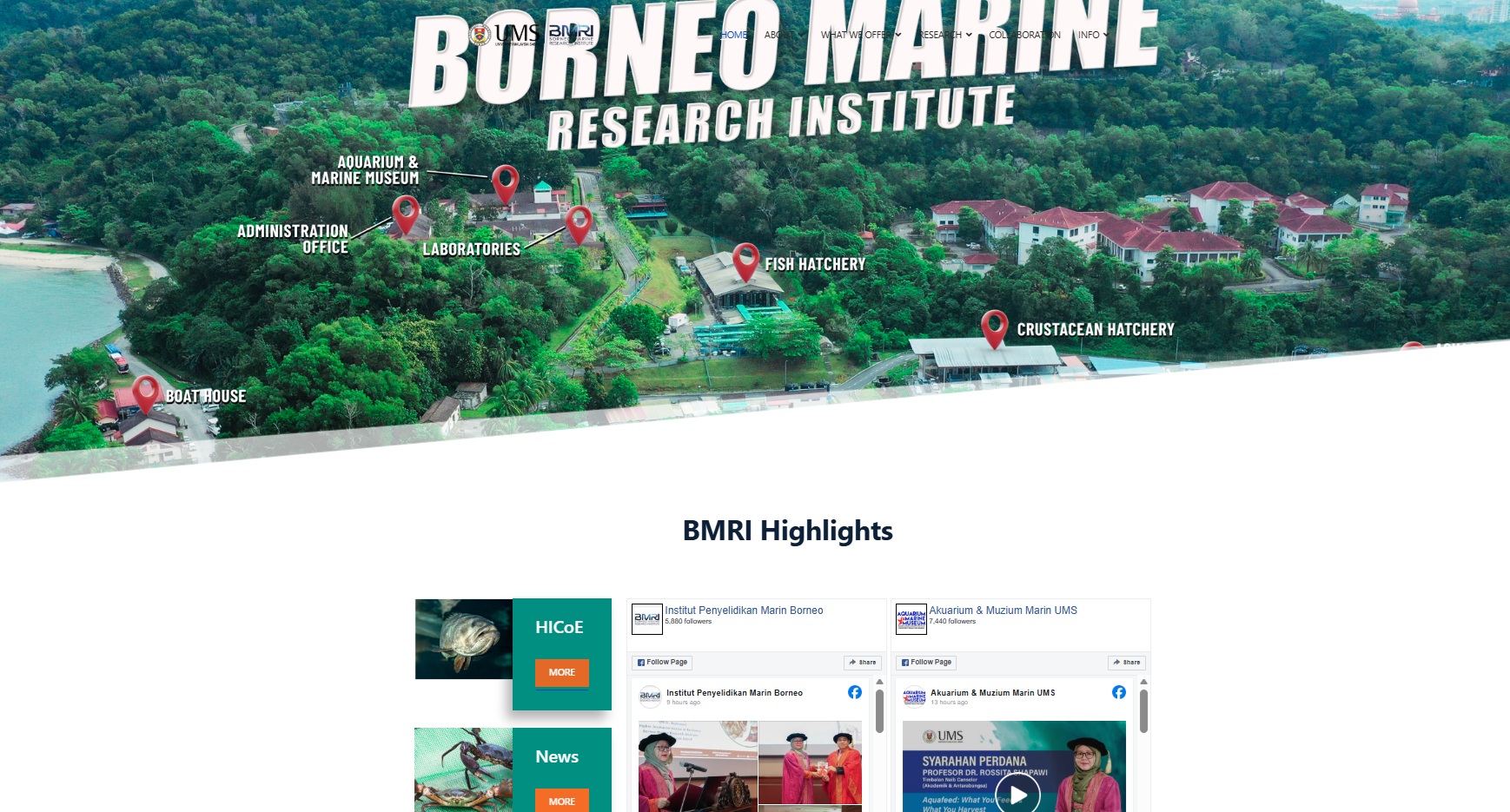
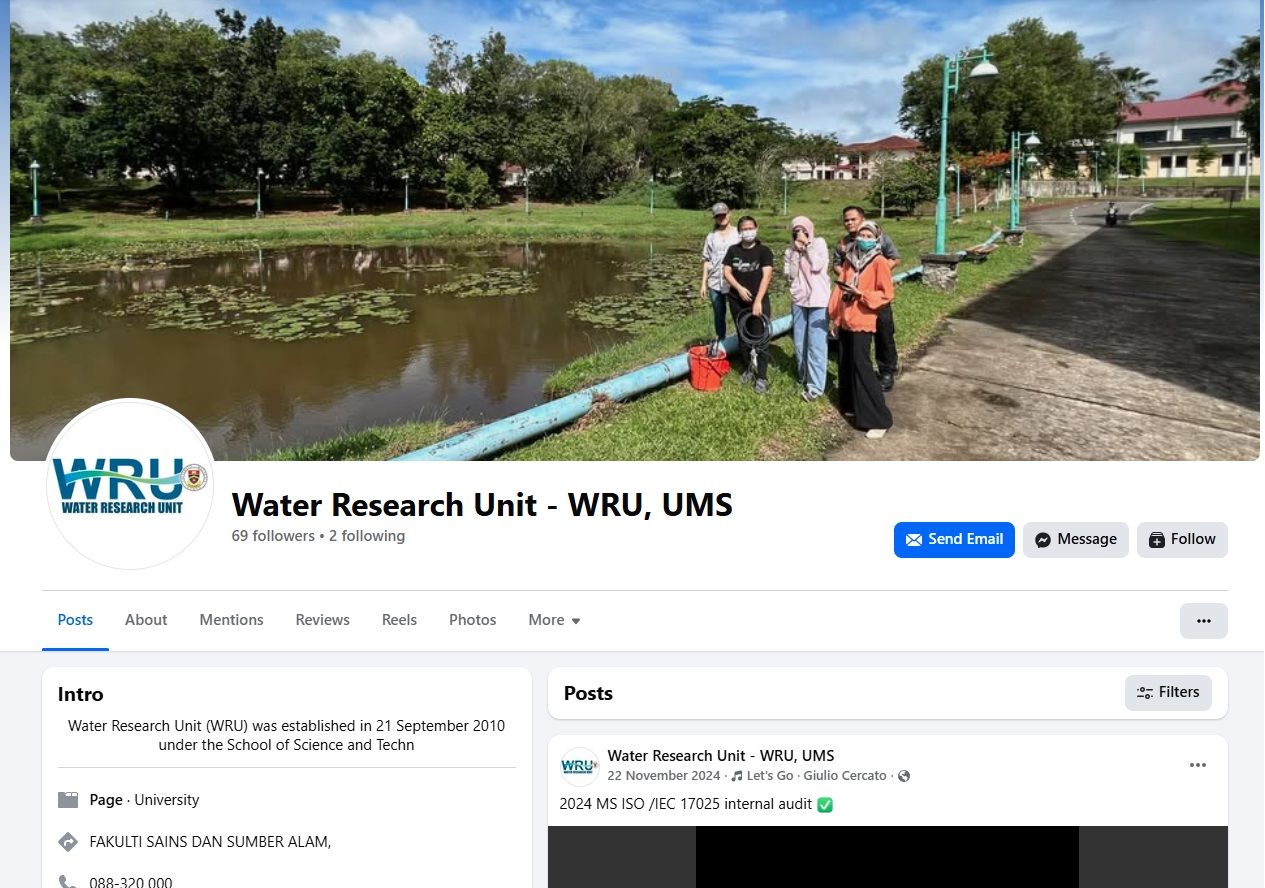
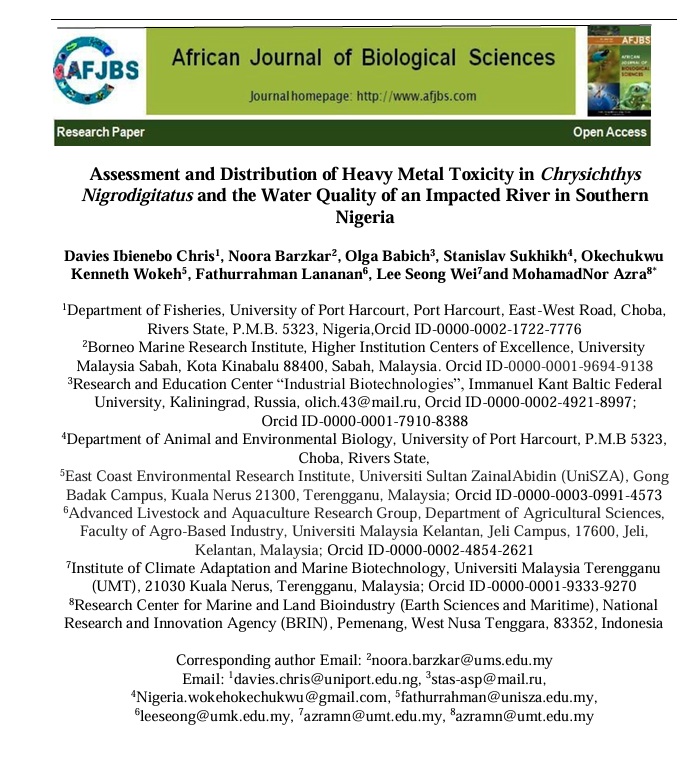
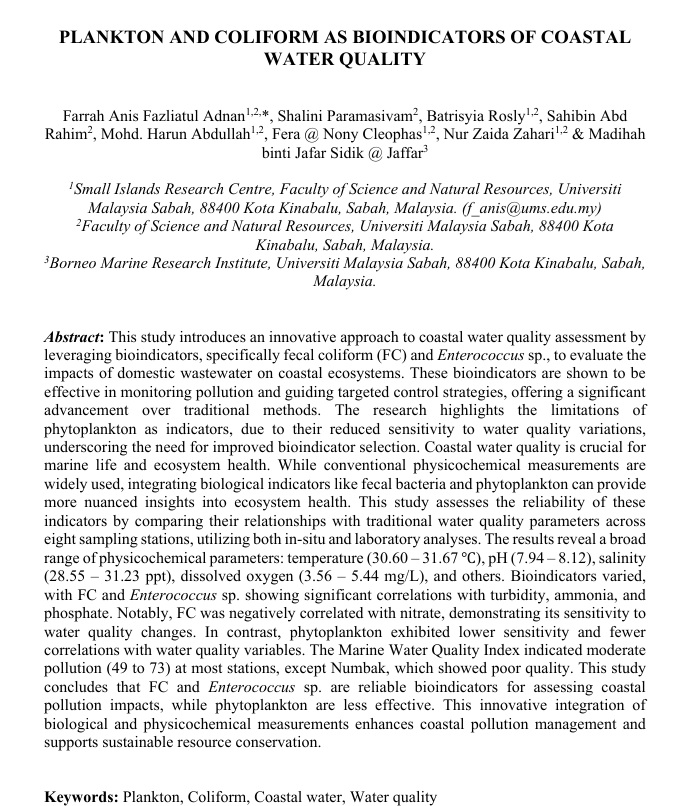
Universiti Malaysia Sabah (UMS) actively monitors the health of aquatic ecosystems as part of its institutional commitment to protecting marine and freshwater environments. Through the Borneo Marine Research Institute (BMRI) and related research centres, UMS conducts long-term monitoring programmes that assess water quality trends, biodiversity status, coral reef resilience, and aquatic organism health. These programmes are embedded within university research priorities and supported by national and international research grants, ensuring systematic and science-driven ecosystem monitoring.
Working with communities to protect oceans, reefs, and livelihoods
Collaborative Stewardship of Shared Aquatic Ecosystems
Universiti Malaysia Sabah (UMS) collaborates extensively with local communities, government agencies, NGOs, industry players, and international partners to maintain and restore shared aquatic ecosystems. Through the Borneo Marine Research Institute (BMRI) and other marine-focused centres, UMS adopts a partnership-based approach that integrates scientific research, community participation, capacity building, and policy engagement. These collaborations focus on safeguarding coral reefs, mangroves, fisheries resources, and coastal waters that are jointly used by local communities and stakeholders across Sabah.
UMS x Deus Diving Club (DDC) Community–University Partnerships for Coral Reef Conservation
UMS actively partners with community-based organisations to strengthen marine conservation outcomes. A key example is the collaboration between BMRI and Deus Diving Club (DDC), which focuses on coral reef conservation, restoration, and knowledge sharing. By combining BMRI’s scientific expertise with DDC’s network of over 100 certified divers, the partnership enables reef monitoring, restoration activities, and public awareness programmes. This collaboration demonstrates how community participation enhances conservation effectiveness while fostering shared ownership of marine ecosystems.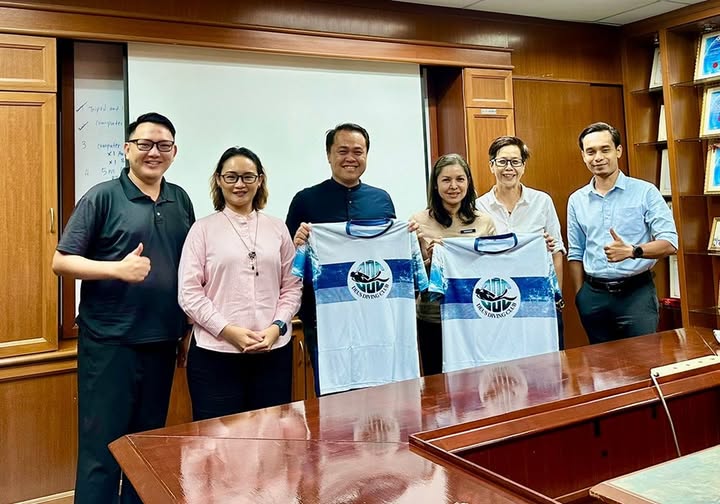
UMS x Kulapuan Kulapuan Marine Conservation Group and the Larapan Marine Conservation Group
Also, UMS, together with the Kulapuan Kulapuan Marine Conservation Group and the Larapan Marine Conservation Group, carried out coral rehabilitation maintenance activities at Turtle Point, with the support of UMS interns, Atiqah and Lucyie. In addition to removing algae from the coral structures, the team also cleared marine debris and abandoned ghost nets from the site—an important feeding and gathering area for turtles. The experience highlighted the real challenges of hands-on marine conservation work in Semporna and reinforced the collective commitment to protecting fragile reef ecosystems through community collaboration.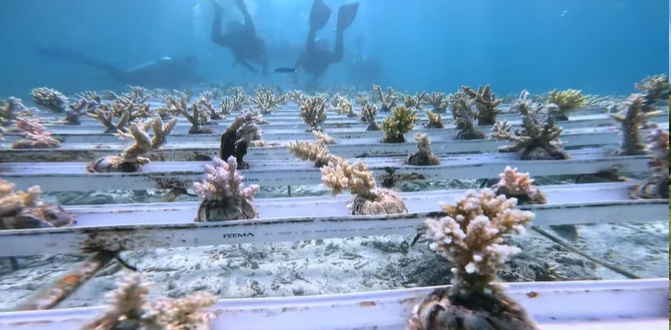
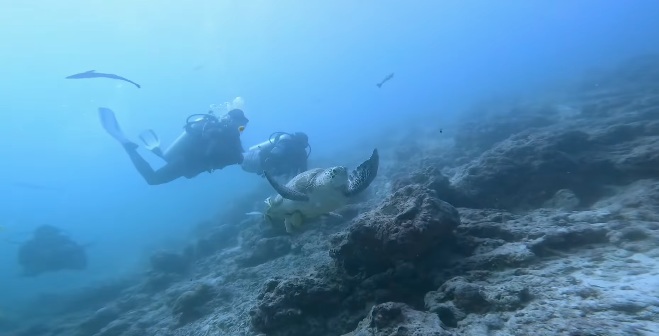
Empowering Youth and Communities through Marine Education
UMS actively engages students and local communities through marine conservation education programmes that promote shared responsibility for aquatic ecosystems. Student-led and community-focused initiatives supported by UMS have successfully raised awareness of marine biodiversity, pollution prevention, and sustainable resource use across Sabah. These programmes strengthen environmental literacy while cultivating long-term stewardship values among youth and coastal communities.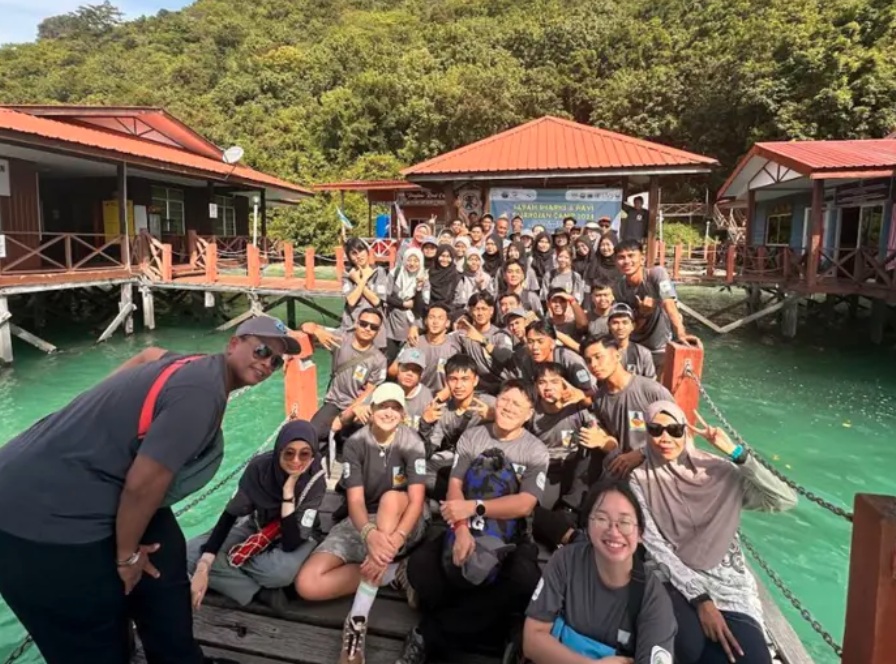
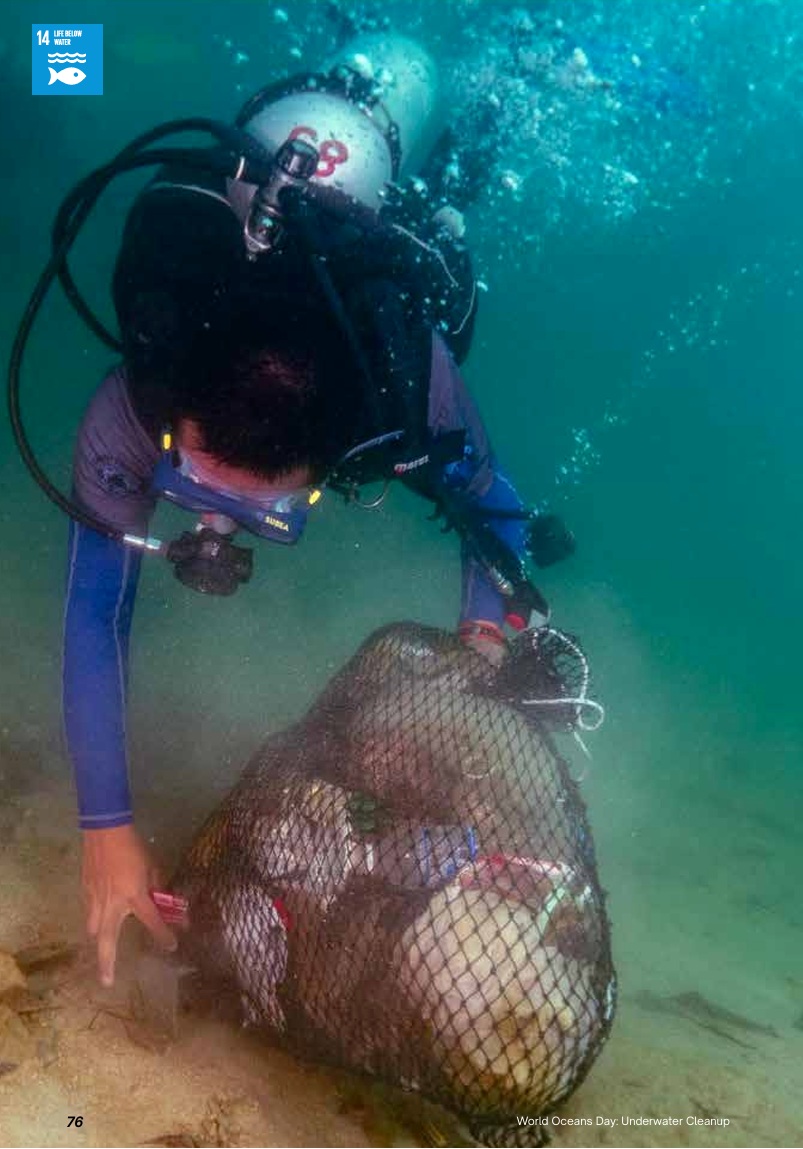
Dive into Action at Borneo Ultra Ocean Cleanup 3.0
Universiti Malaysia Sabah (UMS) actively participated in Borneo Ultra Ocean Cleanup 3.0, held on 22 June 2024 at Taman Awam Teluk Likas, Kota Kinabalu, in conjunction with World Environment Day. Through the involvement of its students, staff, and marine research community, UMS contributed to large-scale coastal and marine clean-up efforts aimed at reducing land-based marine pollution and protecting coastal ecosystems. UMS’s engagement reflects the university’s strong commitment to environmental stewardship, marine conservation, and community collaboration. Working alongside government agencies, NGOs, industry partners, and volunteers, UMS supported collective action to remove marine debris, raise public awareness on plastic pollution, and promote responsible environmental behaviour—aligning directly with SDG 14: Life Below Water and the university’s Green Campus and sustainability agenda.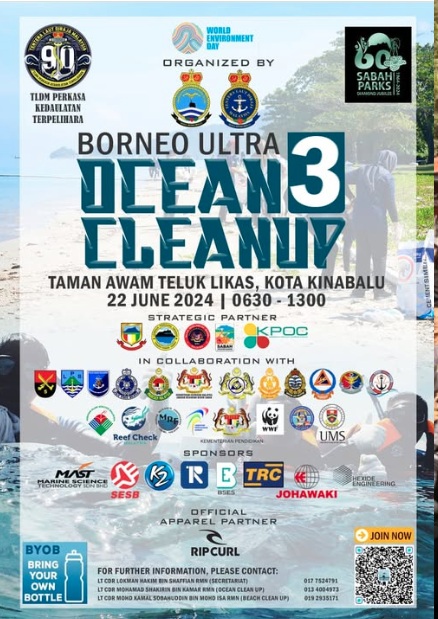
Working with communities to protect oceans, reefs, and livelihoods
UMS Watershed & Aquatic Ecosystem Stewardship
Universiti Malaysia Sabah (UMS) collaborates extensively with local communities, government agencies, NGOs, industry players, and international partners to maintain and restore shared aquatic ecosystems. Through the Borneo Marine Research Institute (BMRI) and other marine-focused centres, UMS adopts a partnership-based approach that integrates scientific research, community participation, capacity building, and policy engagement. These collaborations focus on safeguarding coral reefs, mangroves, fisheries resources, and coastal waters that are jointly used by local communities and stakeholders across Sabah.
Fisheries & Hatchery Research — Crustacean & Hatchery Operations as Watershed–Ecosystem Link
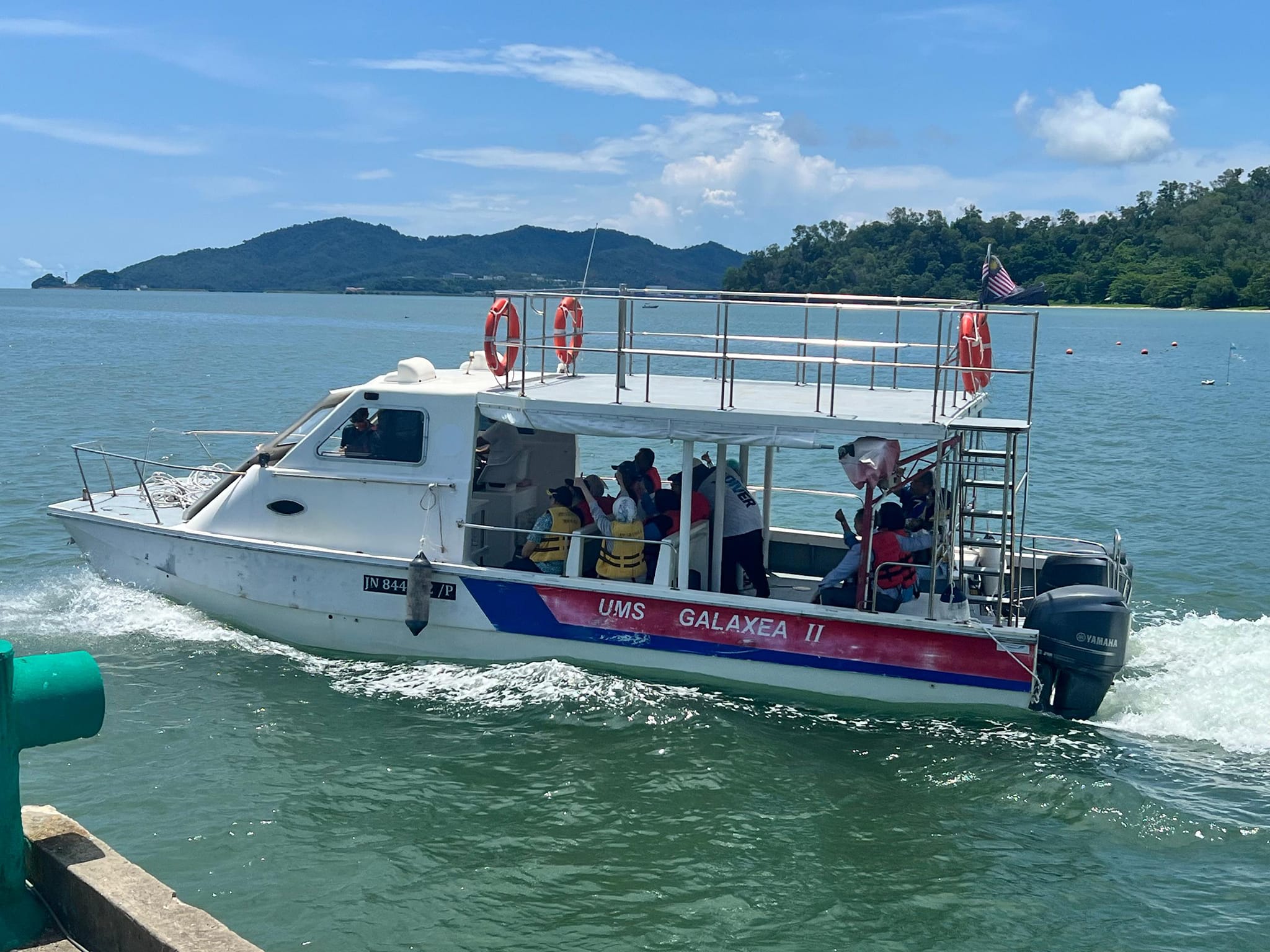
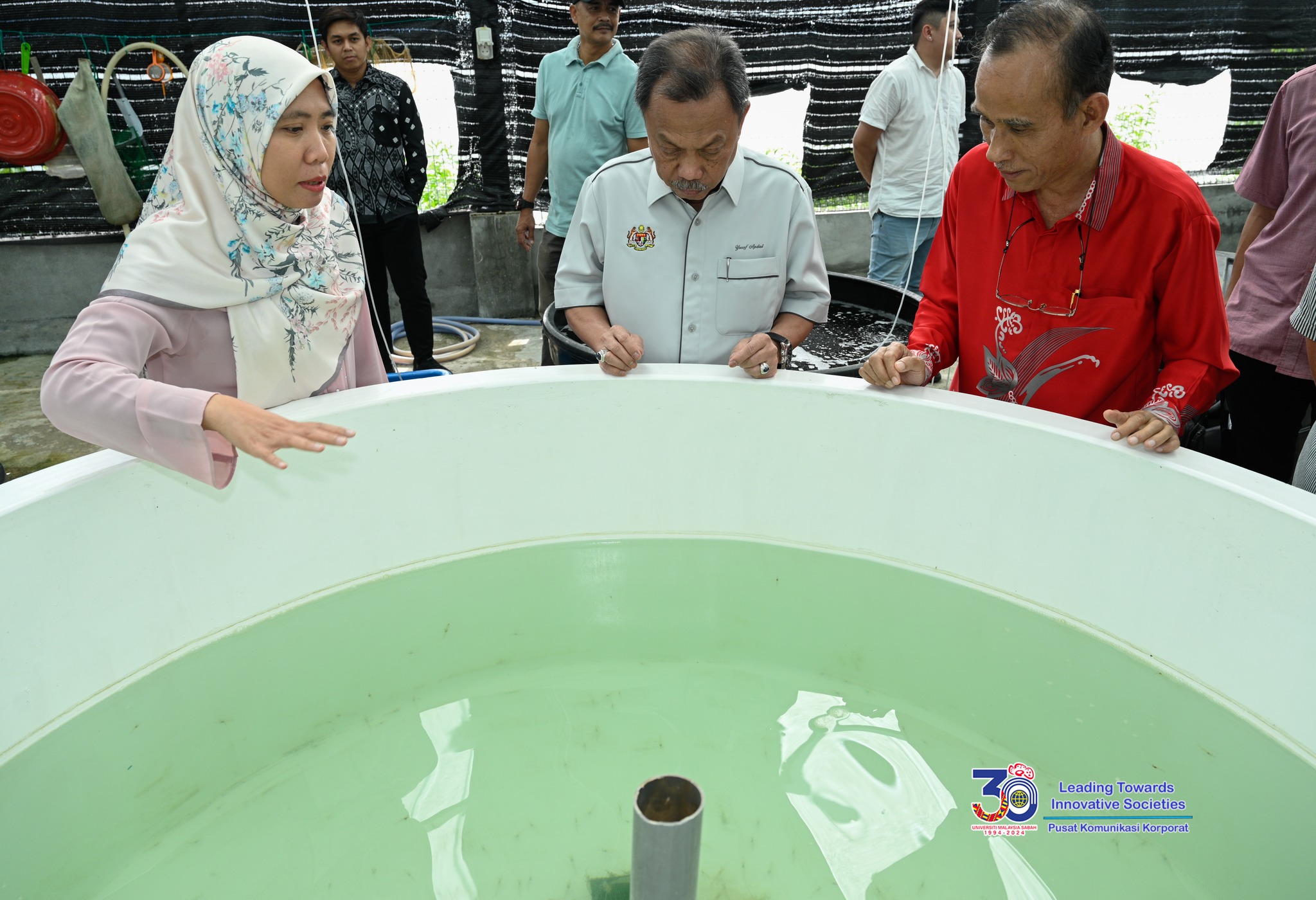
UMS operates fisheries and aquaculture facilities, including a Hybrid Grouper Hatchery and other marine fish breeding operations that connect aquatic species culture with watershed water quality considerations. For hatcheries to succeed and minimize ecological impact, rigorous water quality monitoring and management is applied to ensure effluent and aquaculture practices do not degrade watershed-linked habitats. These hatchery systems are part of broader aquaculture sustainability strategies that align hatchery outputs with ecological stewardship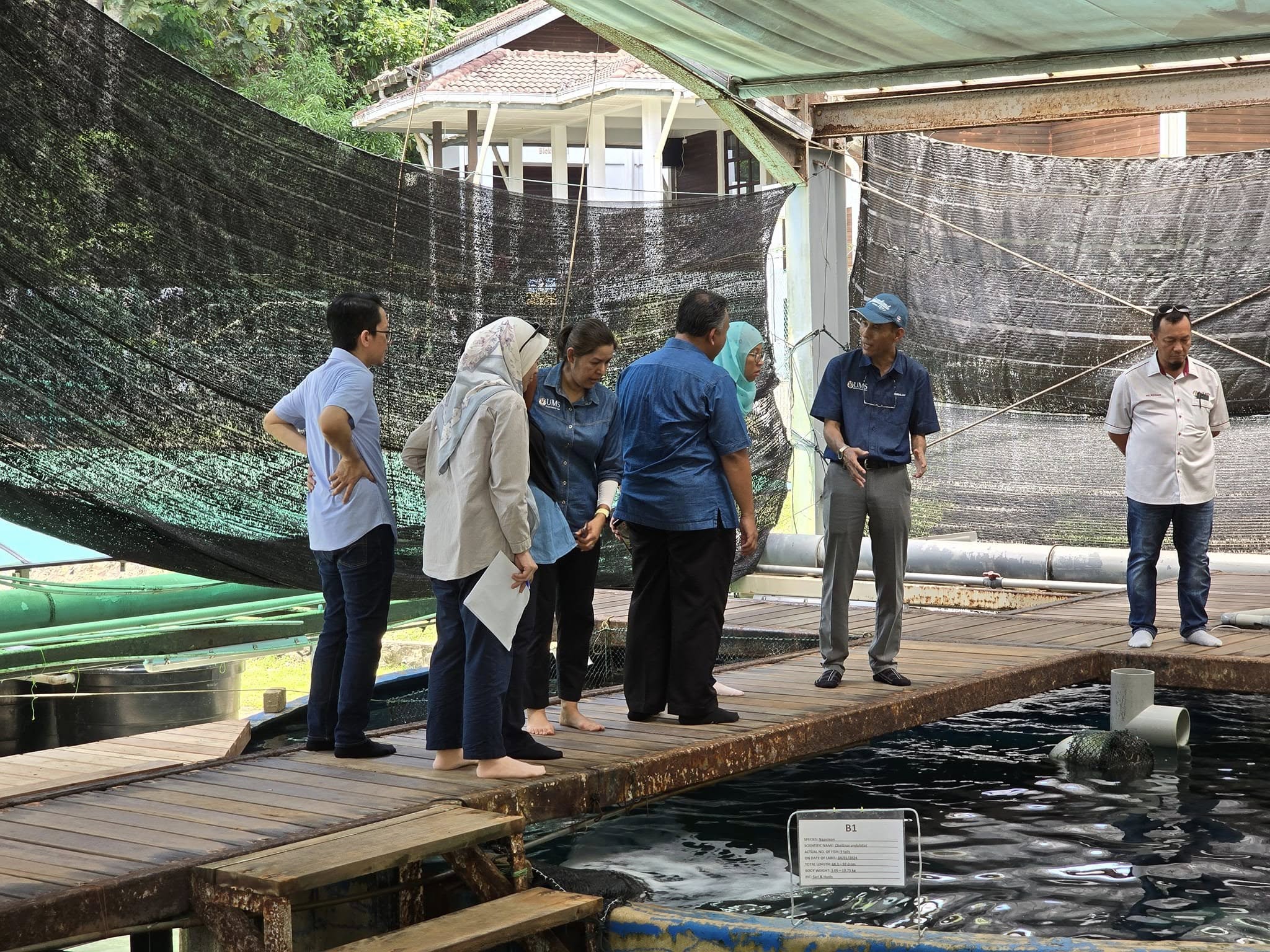
Kota Kinabalu, Klias & Labuan Wetlands — Mangrove & Wetland Habitat Conservation
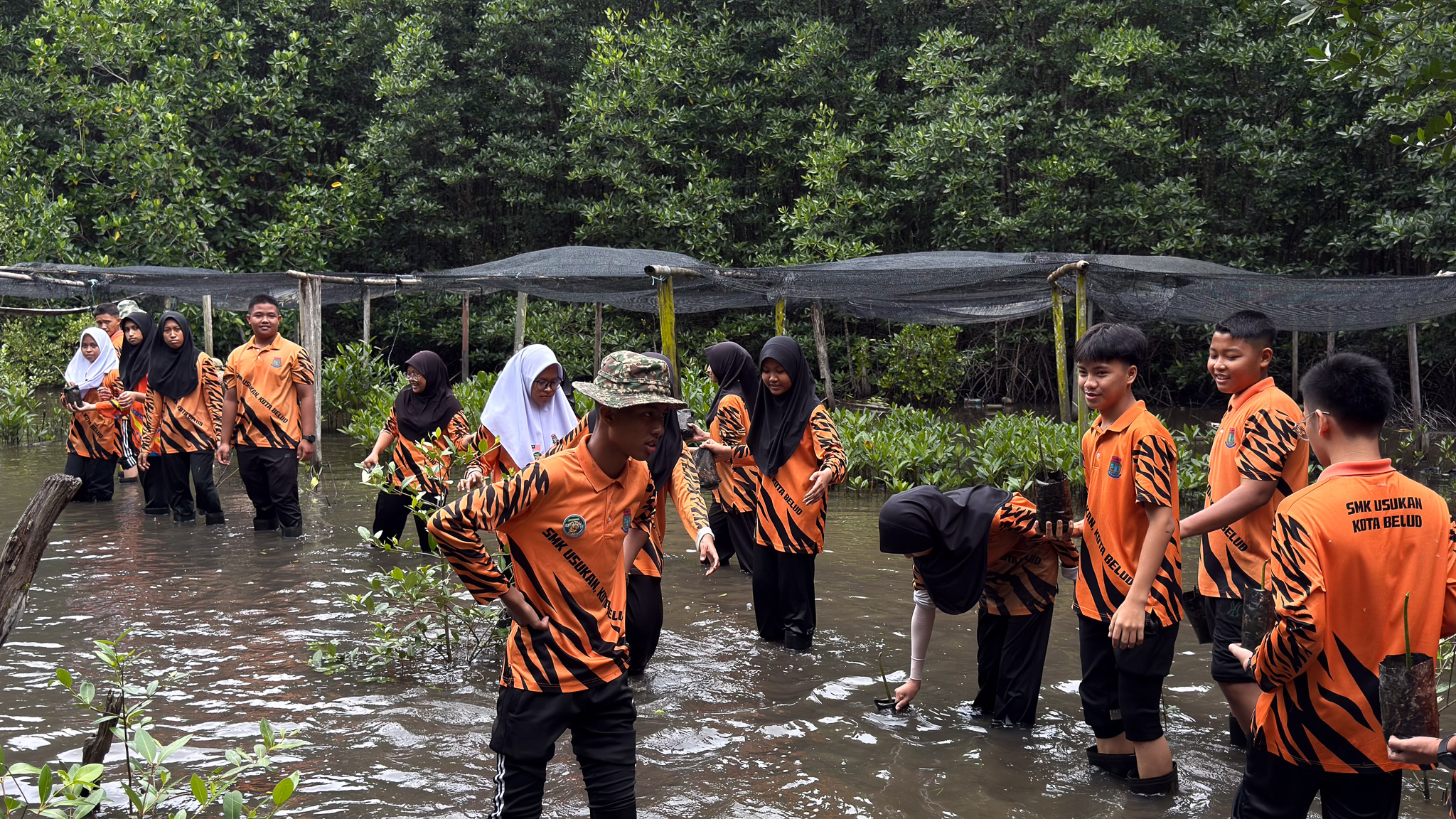
The Kota Kinabalu & Kinabenuwa Wetland Centre represents a coastal–freshwater transition zone where watershed processes influence both inland water quality and coastal ecosystems. The wetlands play an important role in nutrient retention, sediment stabilization, and habitat provision for fish and bird species. While the site itself is managed under broader Sabah wetland plans, UMS engagement often intersects with wetland–watershed science, especially in relation to mangrove fauna adaptations and ecological services. Mangrove and wetland research informs how watershed inputs (nutrients, pollutants, sediments) affect downstream aquatic and coastal biodiversity.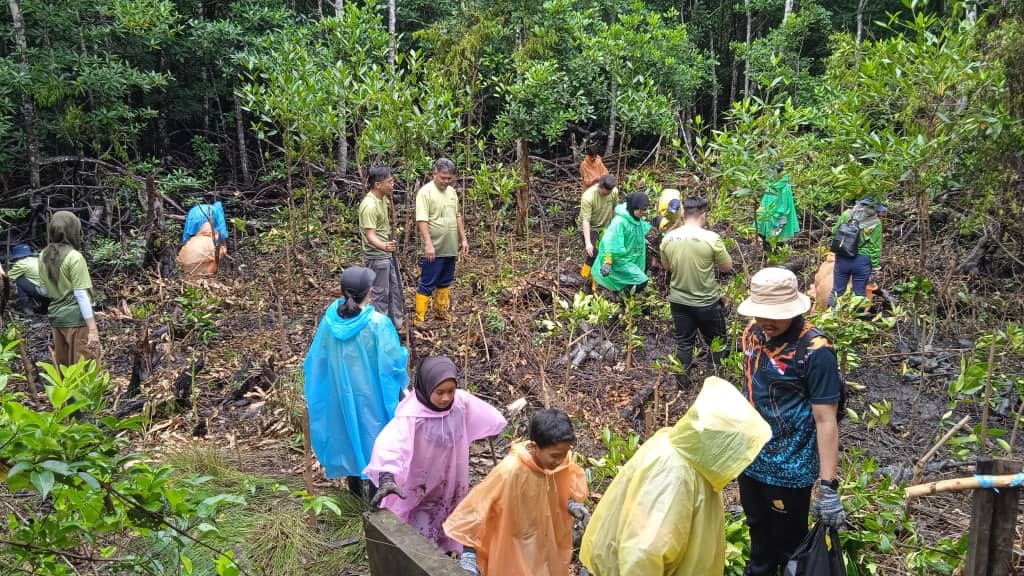
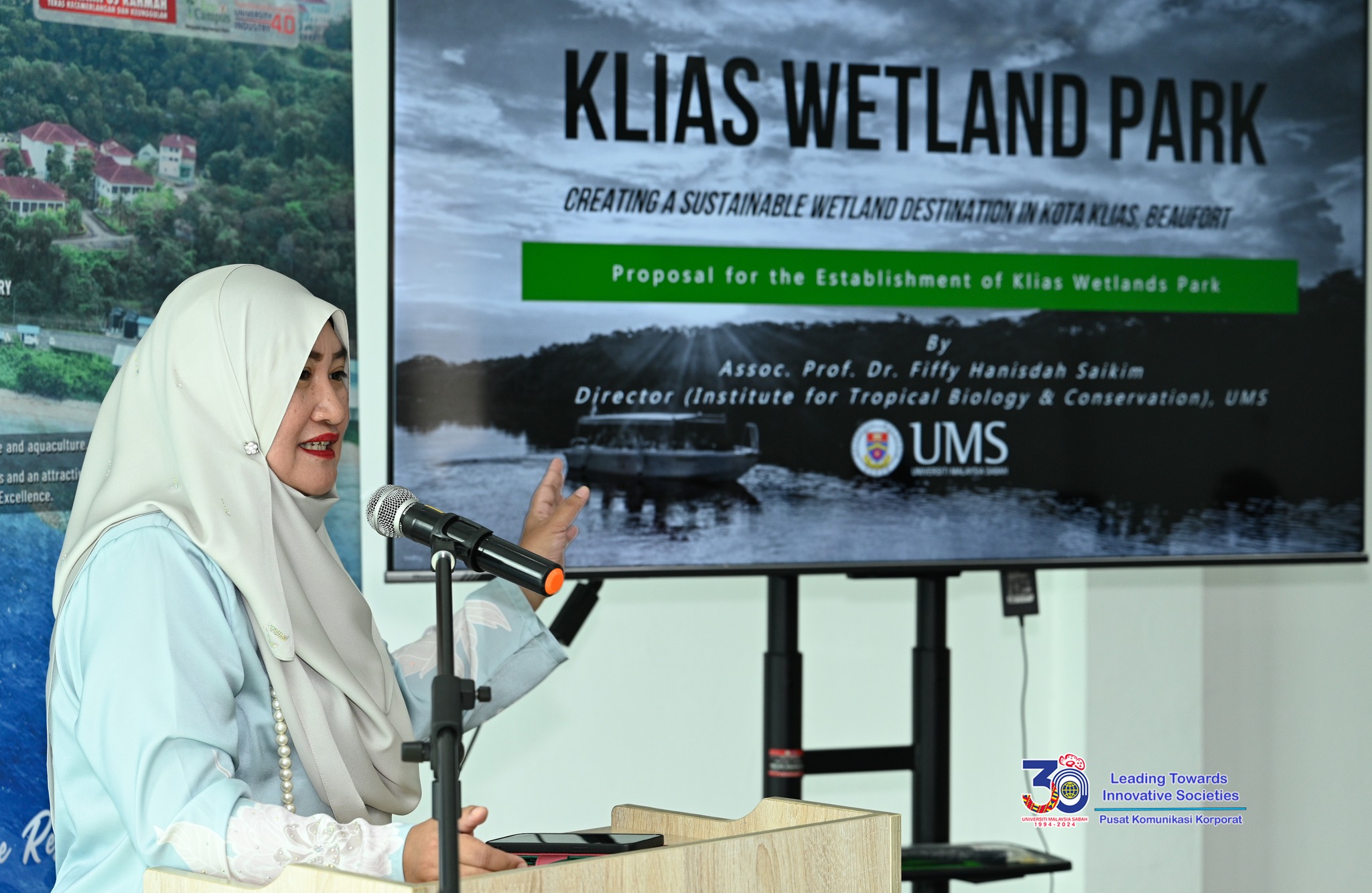
Liwagu River Watershed — Freshwater Biodiversity & Water Quality Monitoring
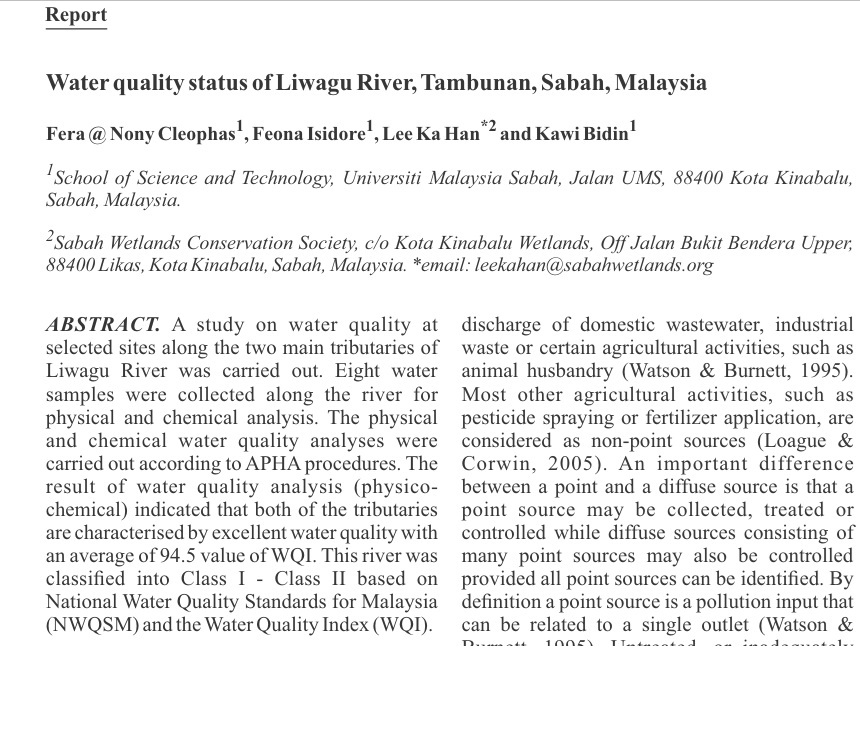
The Liwagu River watershed in central Sabah is recognised for its freshwater biodiversity and ecological importance. UMS researchers, particularly from the Institute for Tropical Biology and Conservation (IBTP) and Borneo Marine Research Institute (BMRI), have been involved in monitoring water quality, species diversity, and ecosystem health in this watershed as part of broader freshwater research. Liwagu River serves as a key ecological corridor linking highland forest ecosystems to lowland river systems, and studies often assess water quality parameters, species composition, and environmental gradients. Water quality assessments provide baseline data that can be used to guide conservation and watershed management. Research such as water quality classification studies show how physical and chemical parameters can indicate river health and habitat quality for aquatic species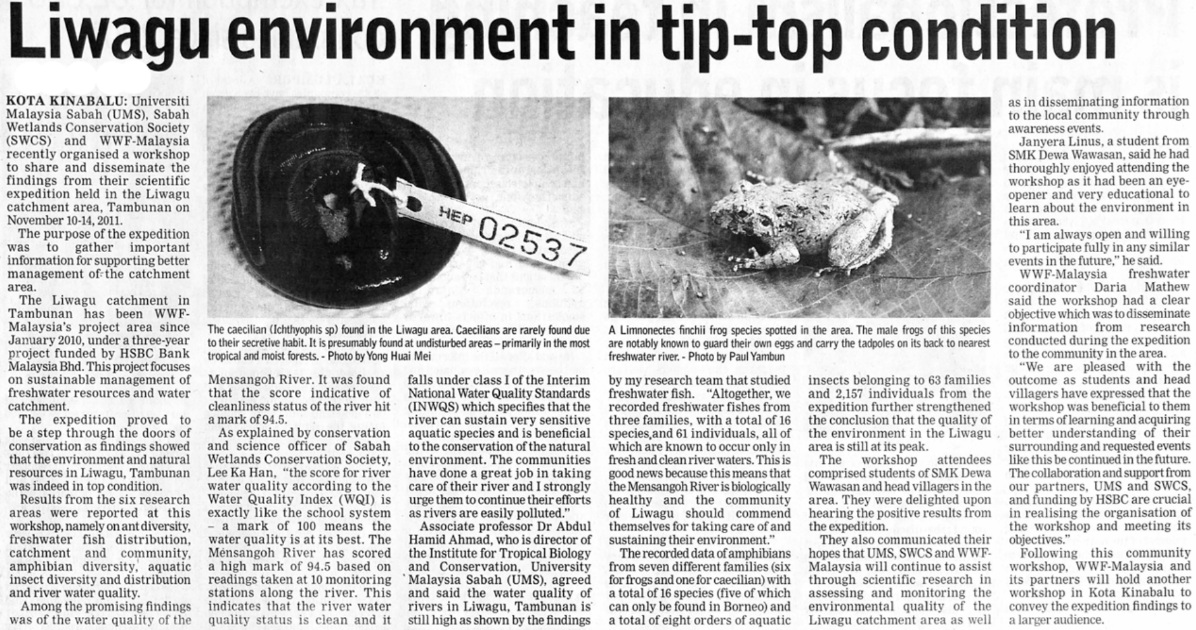
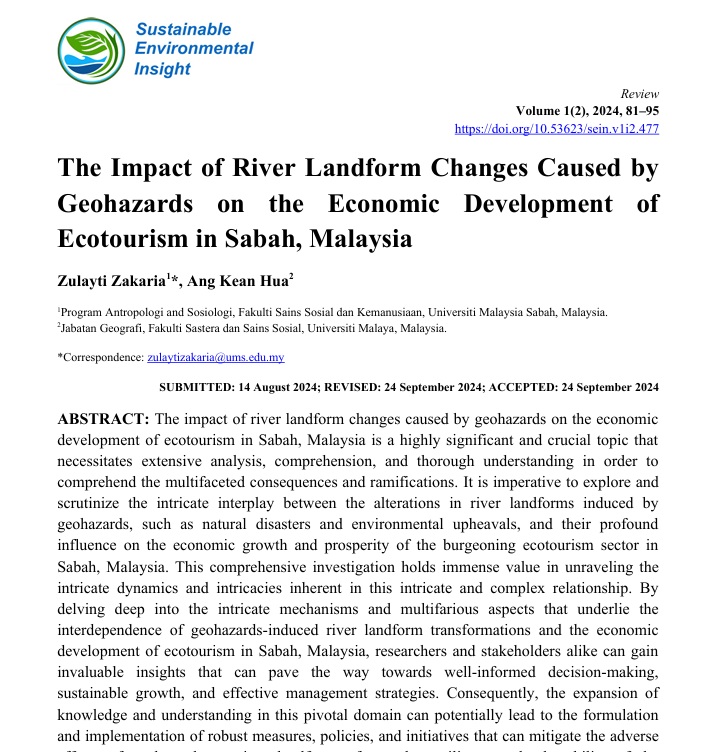
Sepangar Bay — Seagrass Conservation & Marine Habitat Monitoring
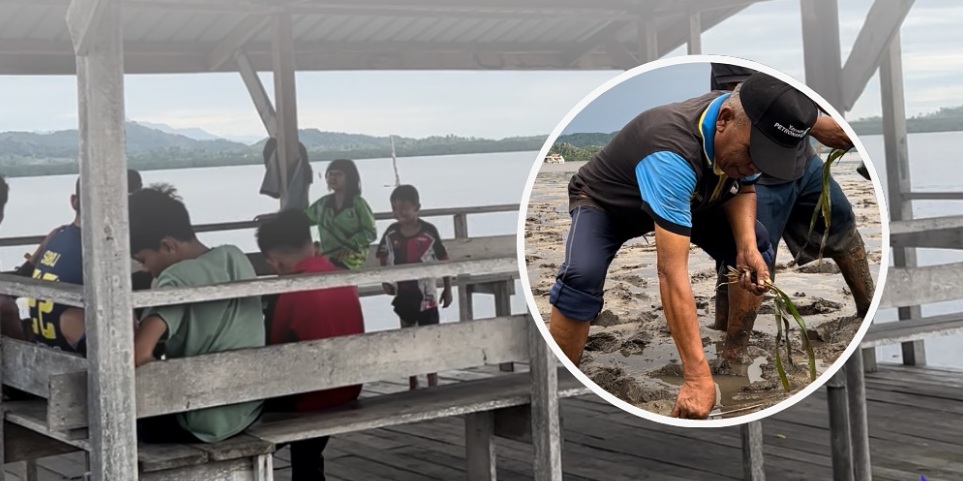
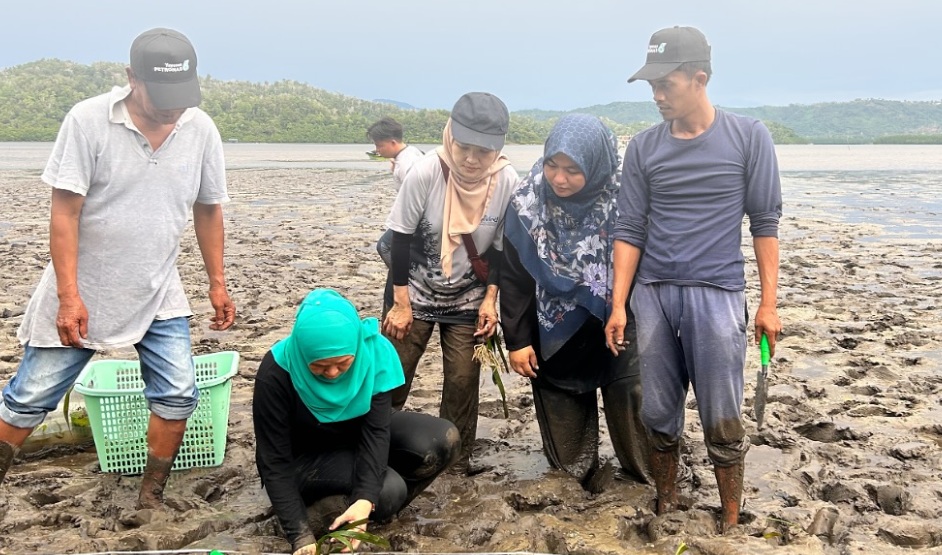
In the Sepangar Bay coastal watershed, Universiti Malaysia Sabah (UMS) actively monitors and restores seagrass ecosystems as part of its location-specific approach to aquatic ecosystem management. UMS researchers conduct seagrass mapping, biodiversity assessments, and habitat monitoring in areas such as Kampung Kebagu and Kampung Penimbawan, Kota Kinabalu, where seagrass meadows play a vital role in supporting marine biodiversity, stabilising shorelines, and functioning as blue carbon ecosystems. These underwater meadows are highly sensitive to land-based pressures, including sedimentation, nutrient runoff, and coastal development, making watershed-level management essential for their protection. To strengthen conservation outcomes, UMS works closely with local fishing communities, Yayasan PETRONAS, the Department of Fisheries Sabah, and the Sabah Biodiversity Centre through a Seagrass Mapping and Community-Based Restoration Programme. Fishermen and scientists collaborate in field surveys, monitoring, and restoration activities, transforming once-overlooked habitats into shared conservation priorities. By integrating scientific research with community stewardship, this initiative has enhanced local awareness of seagrass ecosystem services—including their capacity to store up to 35 times more carbon than terrestrial forests—while generating site-specific data that guide targeted conservation strategies for Sepangar Bay. This approach exemplifies UMS’s commitment to protecting coastal ecosystems through science-based monitoring, stakeholder partnerships, and sustainable watershed management.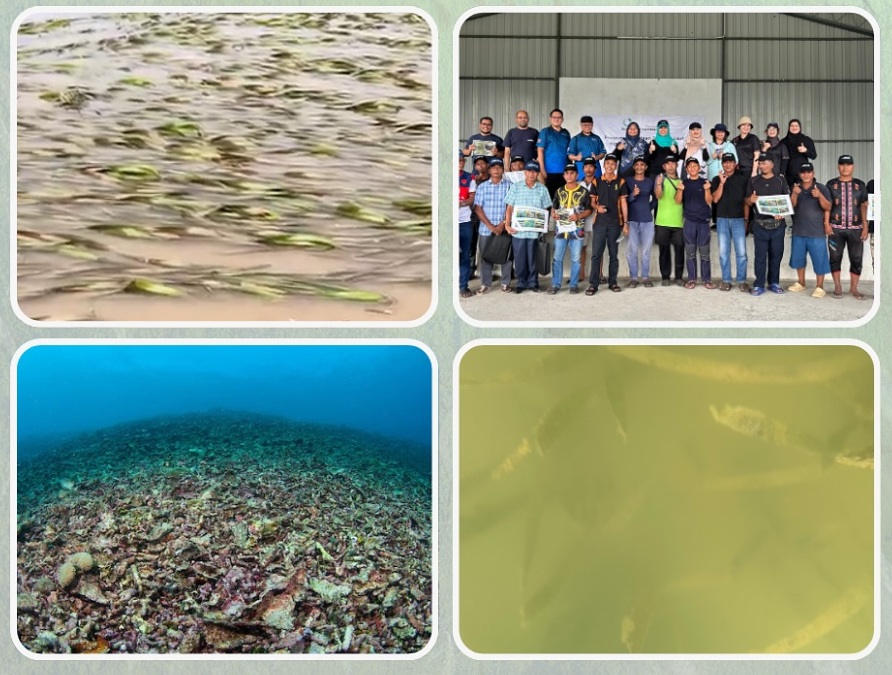
Tun Mustapha Park — Integrated Coastal–Marine & Watershed Interface
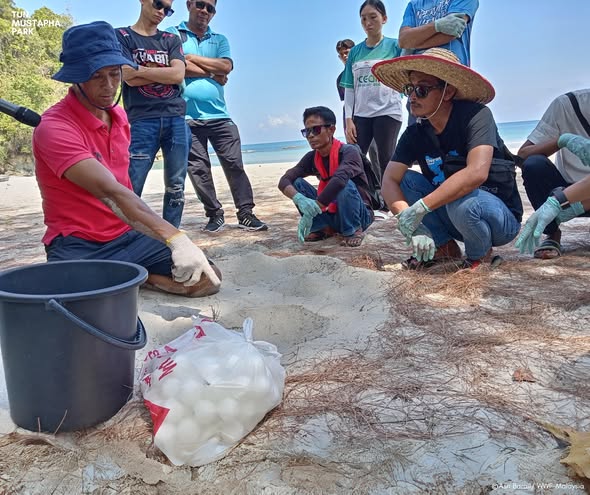
Tun Mustapha Park (TMP), Malaysia’s largest marine protected area, encompasses a complex mosaic of islands, coral reefs, seagrass meadows, mangroves, and adjacent coastal habitats where land-based watershed outflows directly influence marine biodiversity, fisheries productivity, and endangered species habitats. Although located beyond the immediate UMS campus, Universiti Malaysia Sabah (UMS) plays an active role through the Borneo Marine Research Institute (BMRI) in addressing watershed–marine interface issues within TMP, particularly sustainable fisheries management, stock assessments, and marine megafauna conservation, including sea turtles. Through multi-agency collaborative platforms involving Sabah Parks, the Department of Fisheries (DOF) Sabah, WWF-Malaysia, the Wildlife Department, and coastal community representatives, UMS contributes scientific expertise to discussions on fisheries sustainability, shark and ray conservation, and the protection of turtle foraging, nesting, and migratory areas that are sensitive to sedimentation, pollution, and habitat degradation originating from upstream watersheds. These engagements help align watershed management, marine spatial planning, and community-based conservation efforts, ensuring that riverine and coastal land-use practices support the long-term survival of marine biodiversity and the livelihoods of fishing communities in Tun Mustapha Park.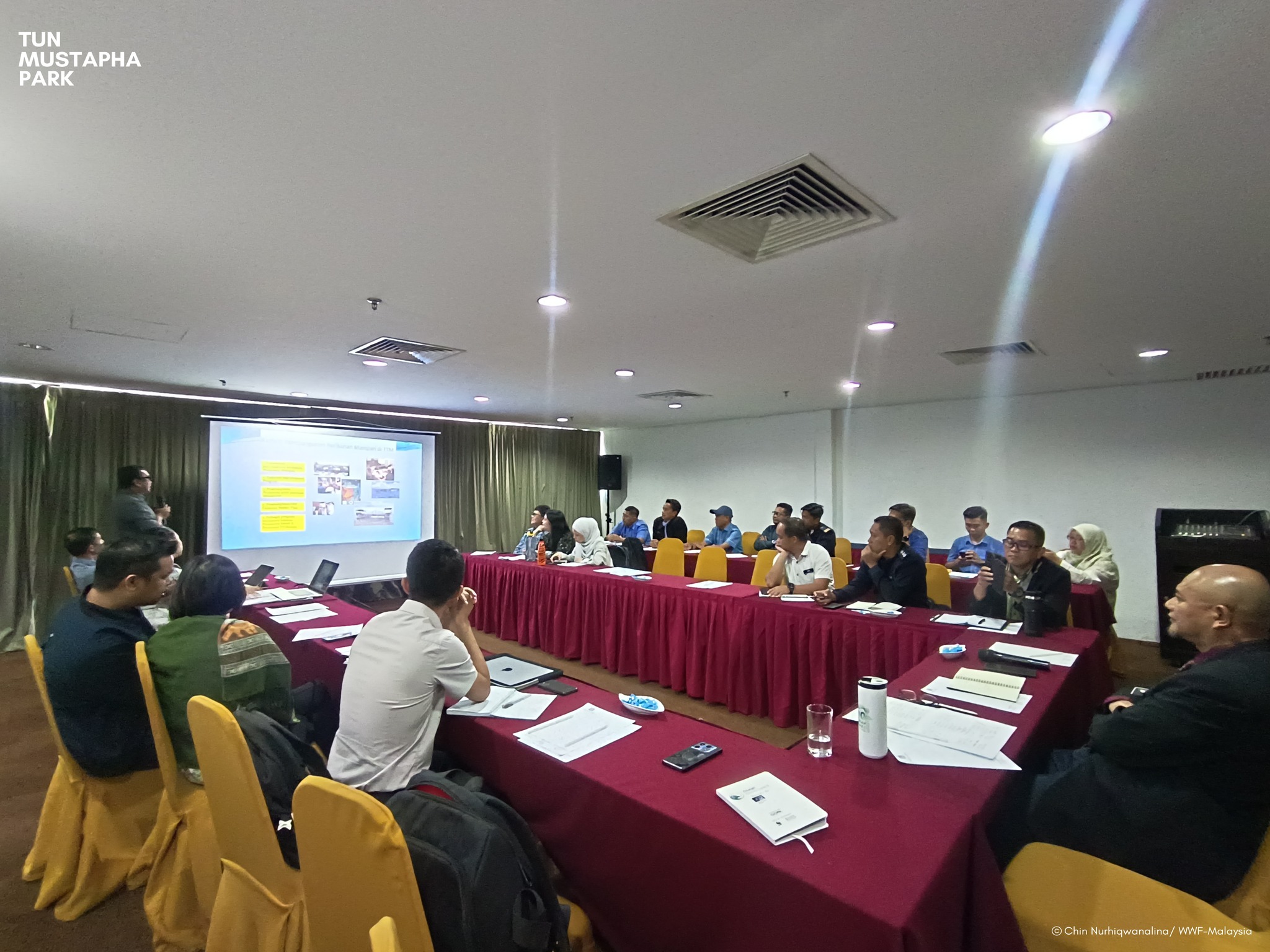
SDG 14 Progress Report: Safeguarding Seas — Protecting Borneo’s Marine Heritage for Generations in 2024
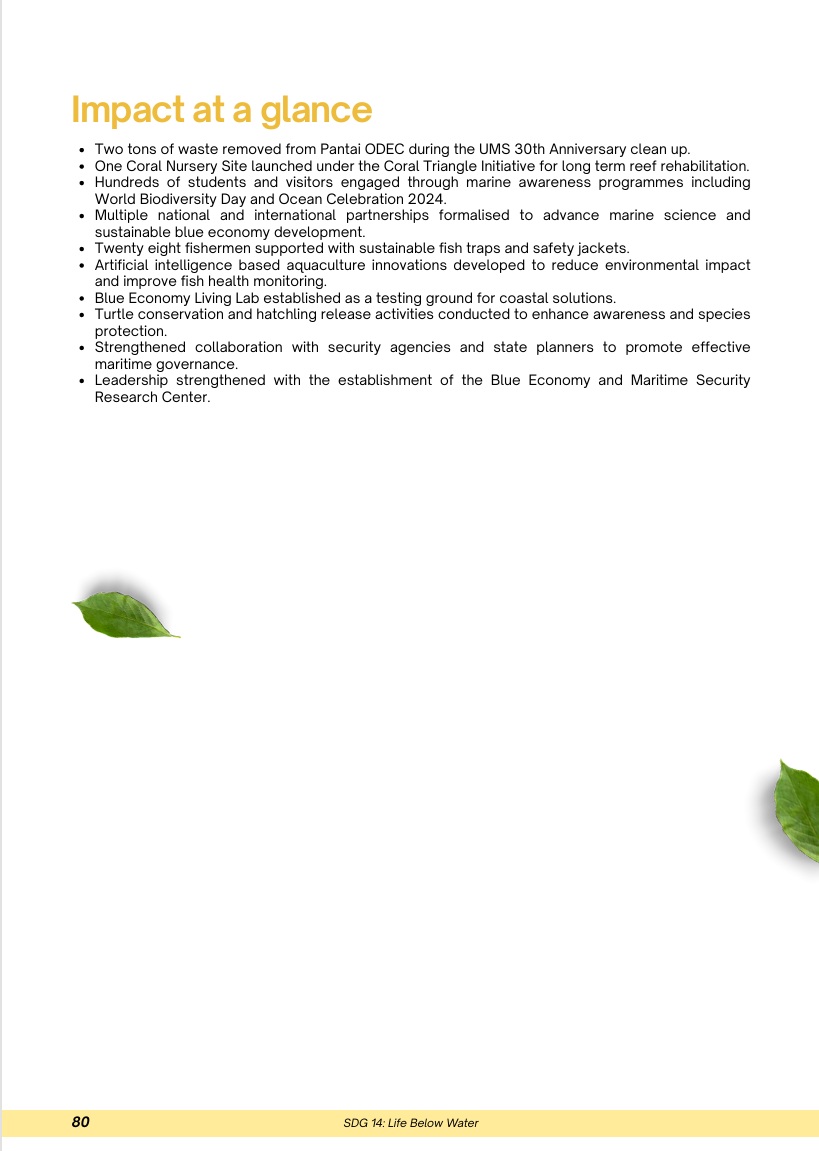
In 2024, UMS reinforced its commitment to SDG 14 by undertaking a suite of marine-conservation, research, and community-engagement initiatives aimed at safeguarding Sabah’s coastal and ocean ecosystems. Through a combination of ecosystem restoration, scientific innovation, public awareness, and community empowerment, UMS positions itself as a steward of marine life and a driving force for sustainable blue-economy development in Borneo.
UMS expanded its marine restoration efforts significantly: from planting seaweed beds for blue-carbon capture and shoreline protection to launching dedicated coral-nursery sites for reef rehabilitation. The establishment of a new centre for Blue Economy and Maritime Security Research underlines UMS’s strategic role in advancing marine science, coastal resilience, and sustainable fisheries. Simultaneously, the university intensified efforts to protect endangered marine species — notably through turtle-conservation and edu-tourism initiatives that raise public awareness, support habitat protection, and foster community participation.
Education and research remained central to UMS’s SDG 14 agenda. Through large-scale programmes such as Ocean Celebration 2024 and collaborative marine-science conferences, UMS mobilized students, researchers, local communities, and policy stakeholders to deepen ocean literacy, share best practices, and inspire long-term stewardship of marine resources. These efforts helped strengthen the ties between scientific research, environmental policy, and community action.
On the community front, UMS promoted inclusive, socially engaged conservation through coastal clean-ups, public awareness campaigns, and knowledge-transfer programmes for fisherfolk and coastal dwellers — ensuring that sustainable ocean use benefits both biodiversity and local livelihoods. By blending scientific rigor, community empowerment, and policy-oriented research, UMS contributed to building resilient coastal communities capable of safeguarding marine environments.
Altogether, UMS’s 2024 actions under SDG 14 demonstrate a holistic, ecosystem-based approach: combining restoration, research, education, and community engagement to protect marine biodiversity, support sustainable livelihoods, and ensure Sabah’s oceans remain vibrant and life-giving for future generations.