


When the climate changes, so must we.


UMS - SDG 13 Climate Action
Protecting tomorrow by transforming today.

 UMS for the Earth: Protecting Tomorrow, Today
Guardians of the Climate: UMS Pathways to a Sustainable Future
Universiti Malaysia Sabah (UMS) demonstrates strong institutional leadership in advancing SDG 13: Climate Action through its comprehensive approach that integrates climate science, renewable energy transition, ecosystem restoration, marine conservation, sustainable forestry, and community empowerment across Sabah and Borneo. From high-altitude research at the Mesilou Highlands Living Lab to cutting-edge Antarctic climate studies, from coral nursery rehabilitation to large-scale tree-tagging and geo-mapping, and from tubewell water security projects to solar energy management systems, UMS consistently delivers impactful initiatives that strengthen climate resilience and environmental stewardship. Through its EcoCampus governance ecosystem, cross-faculty collaborations, student-driven sustainability programmes, and engagement with government, industry, and indigenous communities, UMS positions itself as the Brain of Borneo—a regional hub for climate-smart innovation, low-carbon development, and sustainable futures for people and planet.
When we heal the planet, we heal our people. Together, we choose hope.
Advancing Climate Resilience Through Knowledge and Innovation
Universiti Malaysia Sabah (UMS) strengthened its leadership in climate action throughout 2024–2025 by expanding high-impact research, enhancing environmental stewardship, implementing renewable energy solutions, and deepening community partnerships across Sabah and Borneo. Through its faculties, institutes, and EcoCampus governance ecosystem, UMS delivered more than 30 major climate-related initiatives that address biodiversity conservation, sustainable forestry, marine protection, water resource resilience, and low-carbon energy transition. From the Mesilou Highlands Living Lab to the Coral Nursery Site, from tubewell water security projects to solar energy management systems, and from Antarctic winter research to Blue Economy Living Labs, UMS continues to operate at the forefront of climate science and sustainability innovation in the region. These initiatives collectively contribute to SDG 13 while reinforcing UMS’s position as the Brain of Borneo—a scientific and educational hub championing resilience, conservation, and climate-smart development.
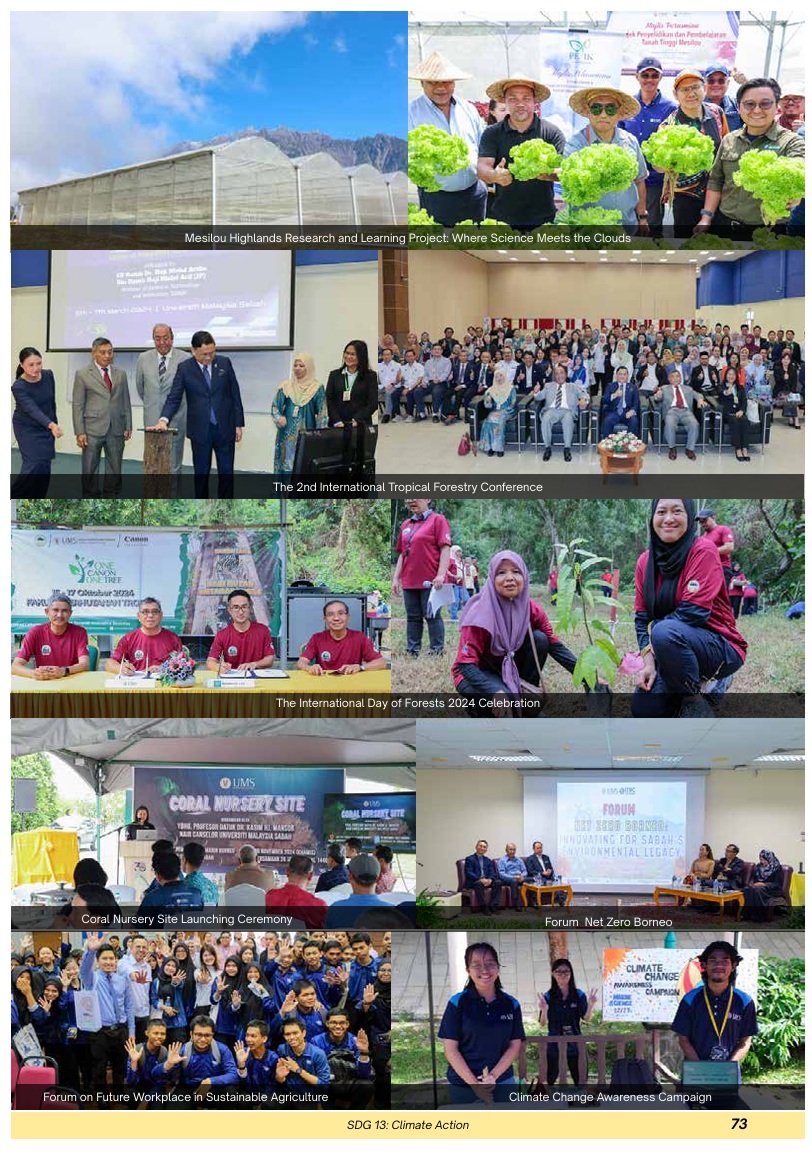
Mesilou Highlands Research and Learning Project: Where Science Meets the Clouds
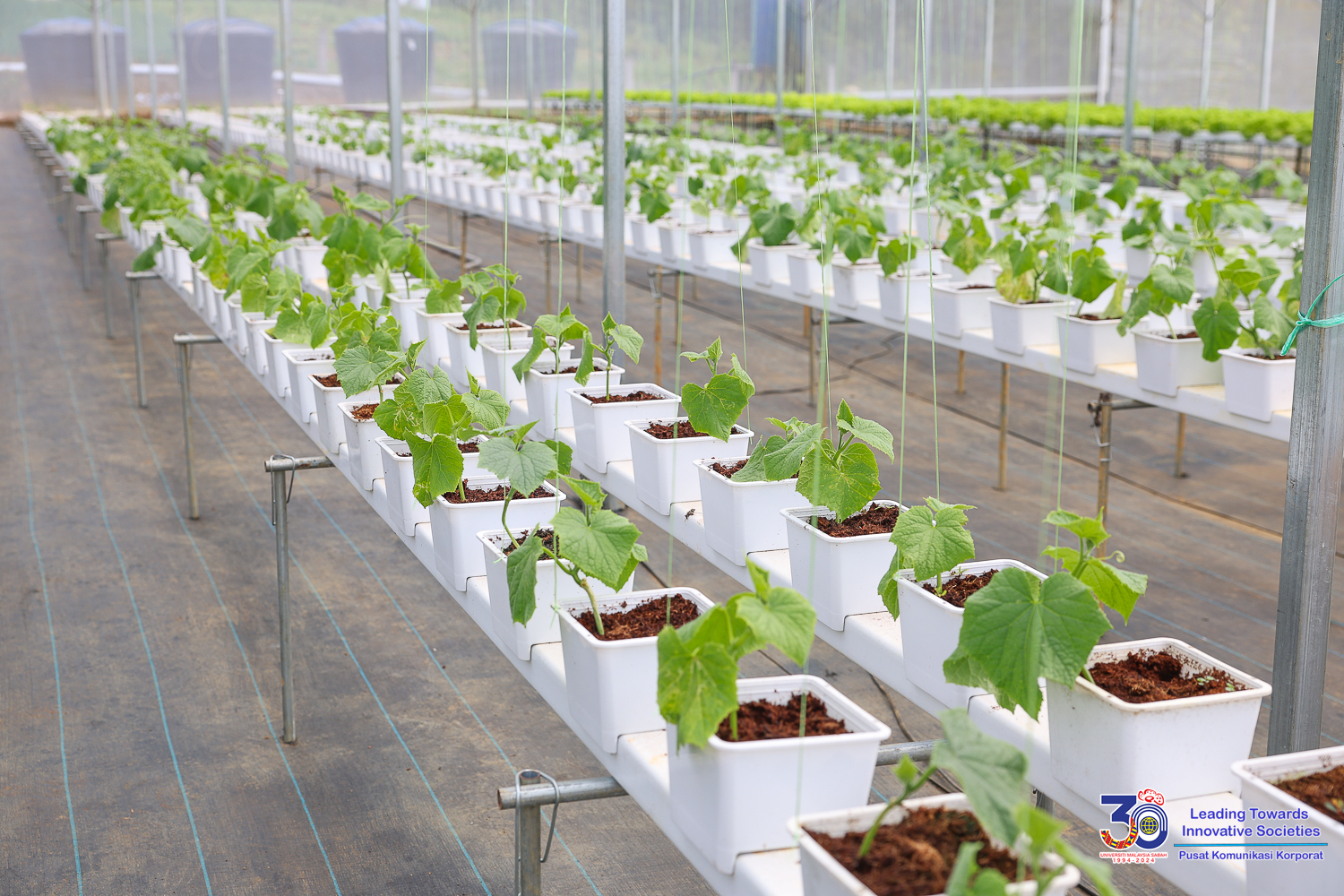
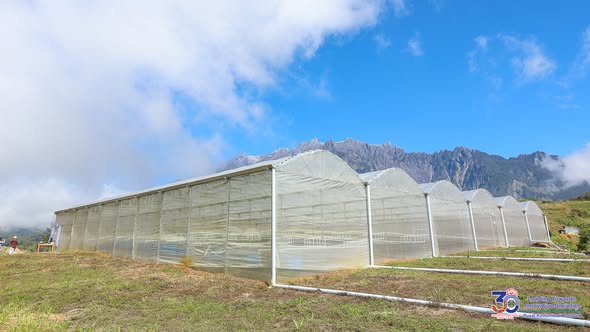
The Mesilou Highlands Research and Learning Project marks a major milestone in UMS’s commitment to climate science and environmental stewardship. Established as a living laboratory, it offers a unique high-altitude platform for ecosystem studies—enabling real-time climate modelling, hydrological monitoring, sustainable agriculture research, and biodiversity observation. This pioneering initiative strengthens UMS’s role in advancing mountain ecosystem resilience while nurturing the next generation of climate scientists. Antarctic Winter Research Programme: From the Poles to Borneo—Knowledge for a Warming World UMS’s Antarctic Winter Research Programme continues to elevate Malaysia’s presence in global climate science. Recognised by The Malaysia Book of Records, the programme showcases UMS’s capability to conduct world-class polar research in extreme conditions. Its findings contribute to climate models, atmospheric science, and global understanding of environmental change.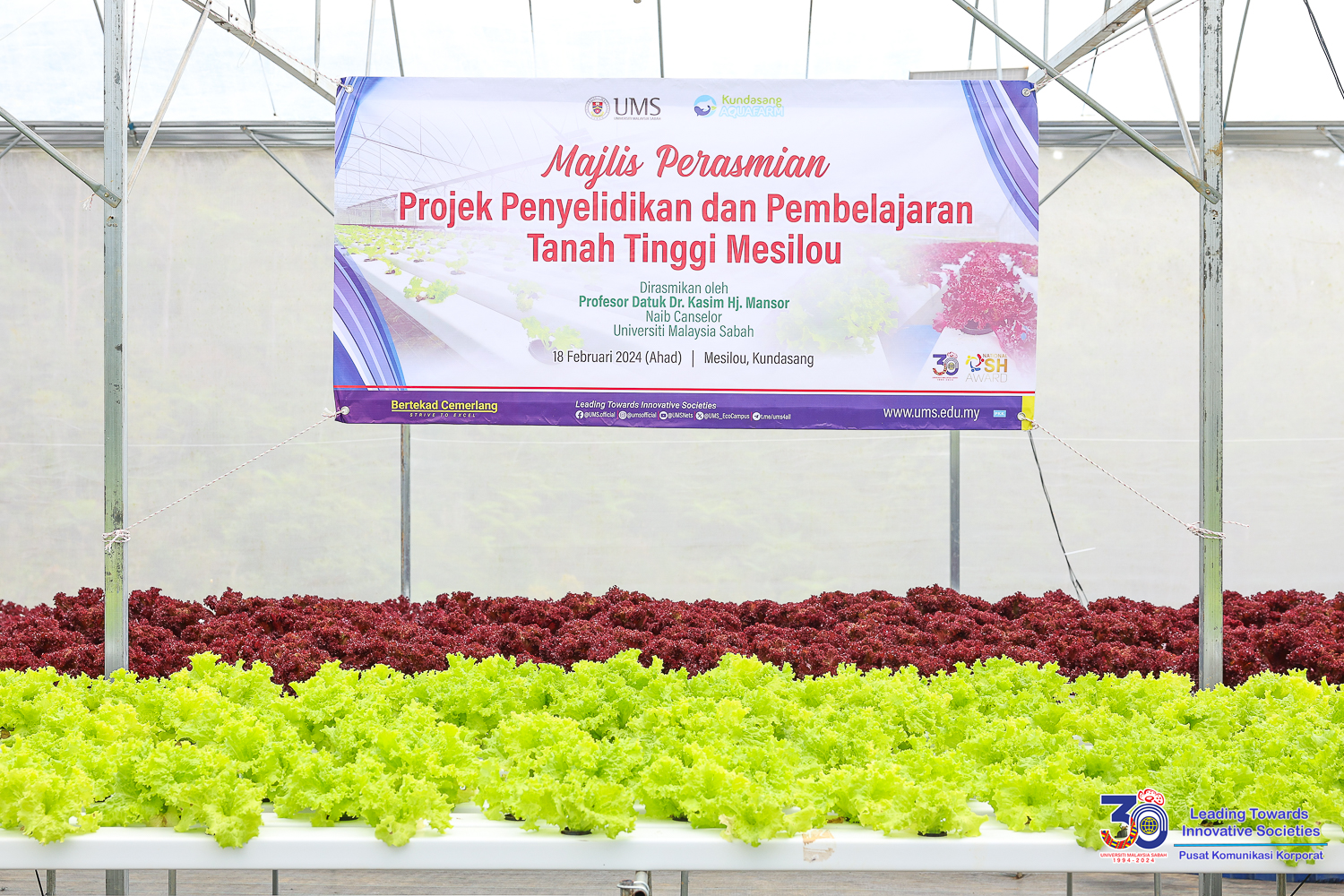
International Climate-Related Conferences (Forestry, Marine, Oil & Gas, Sustainability): Connecting Ideas, Transforming the Future.
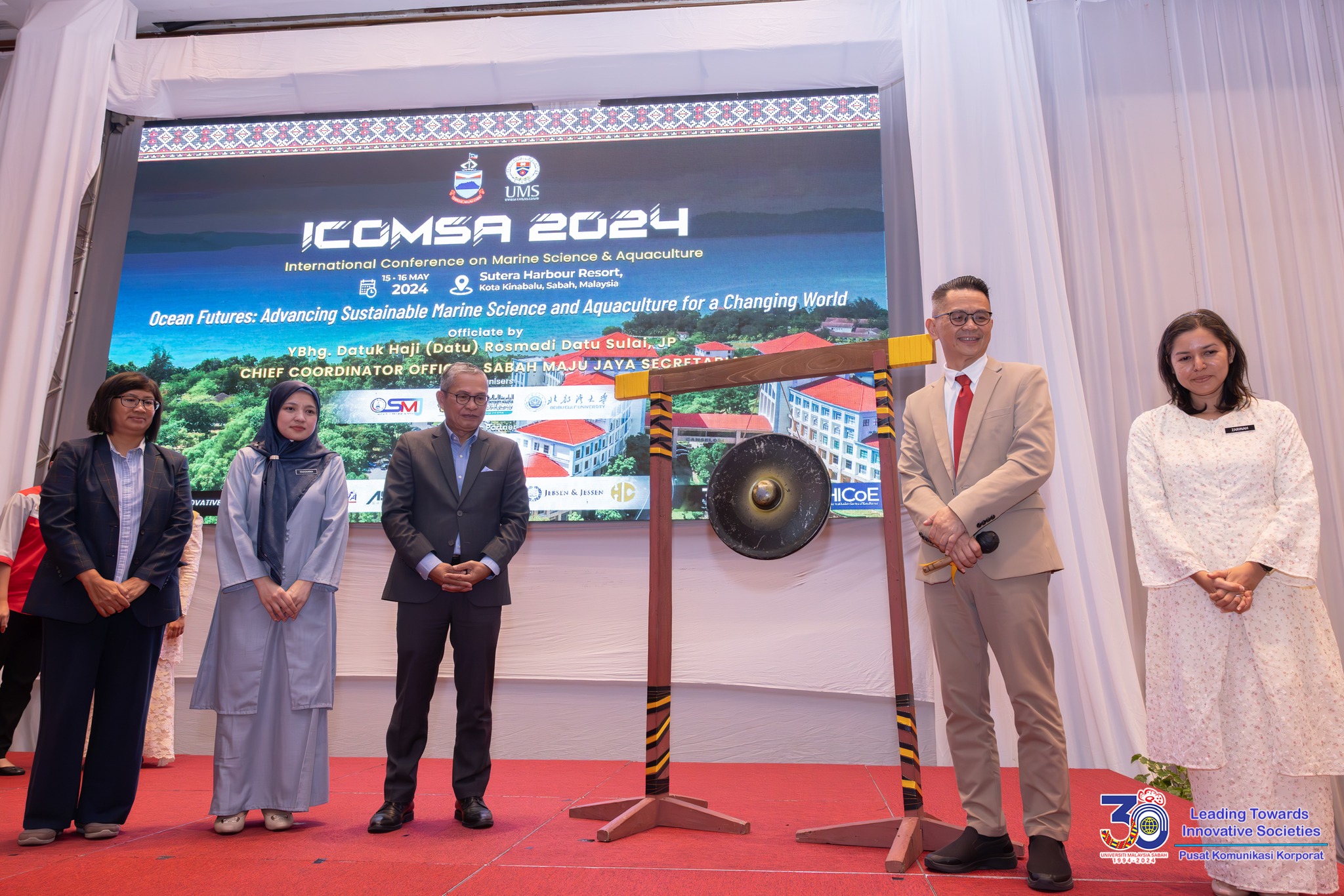
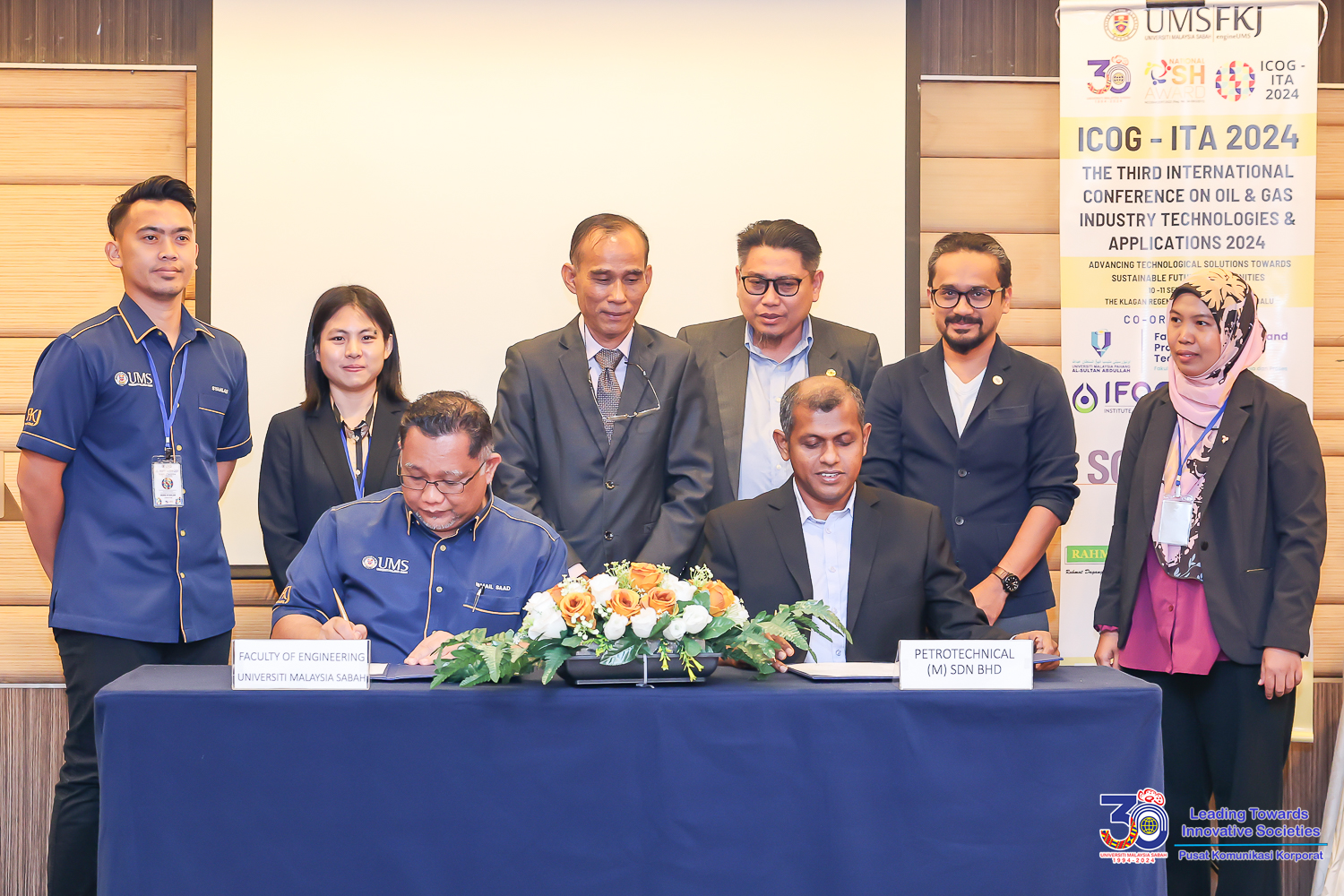
A series of prestigious international conferences—including the International Tropical Forestry Conference 2024, International Conference on Marine Science and Aquaculture (ICOMSA) 2024, International Conference on Oil & Gas Industry Technologies & Application (ICOG-ITA)2024, and ICBS 2025—strengthened global research networks in forestry, marine science, oil and gas sustainability, climate adaptation, and ecosystem resilience. These platforms positioned UMS as a regional convenor for climate-focused scientific dialogue, fostering worldwide collaboration and innovation for a more sustainable planet.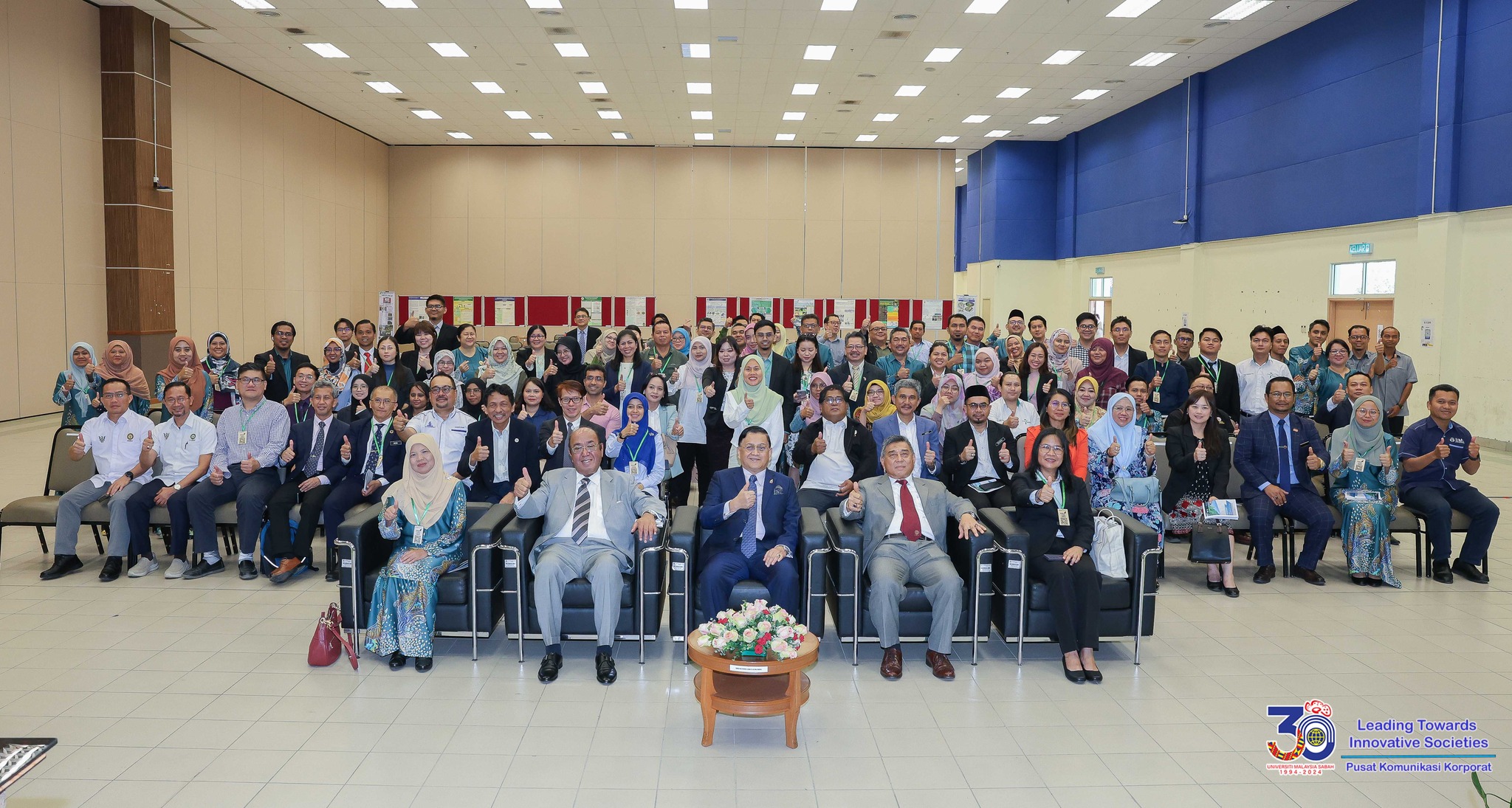
From solar innovation to peaceful nuclear science—UMS powers progress responsibly..
Energy for Hope: UMS Leading the Green Transition
UMS’s commitment to renewable energy and low-carbon development reflects its proactive role in driving Malaysia’s green transition and reducing the university’s environmental footprint. Recognising that sustainable energy is central to climate resilience, UMS has accelerated efforts to adopt cleaner technologies, modernise energy management systems, and promote scientific literacy in safe, responsible low-carbon innovation. Through strategic partnerships, advanced research platforms, and campus-wide greening measures, UMS is shaping a future where clean energy powers learning, discovery, and community well-being. This section highlights key initiatives that strengthen UMS’s role as a regional leader in renewable energy transformation and environmentally responsible innovation.
Solar Energy Management System: Lighting the Campus with the Power of the Sun.
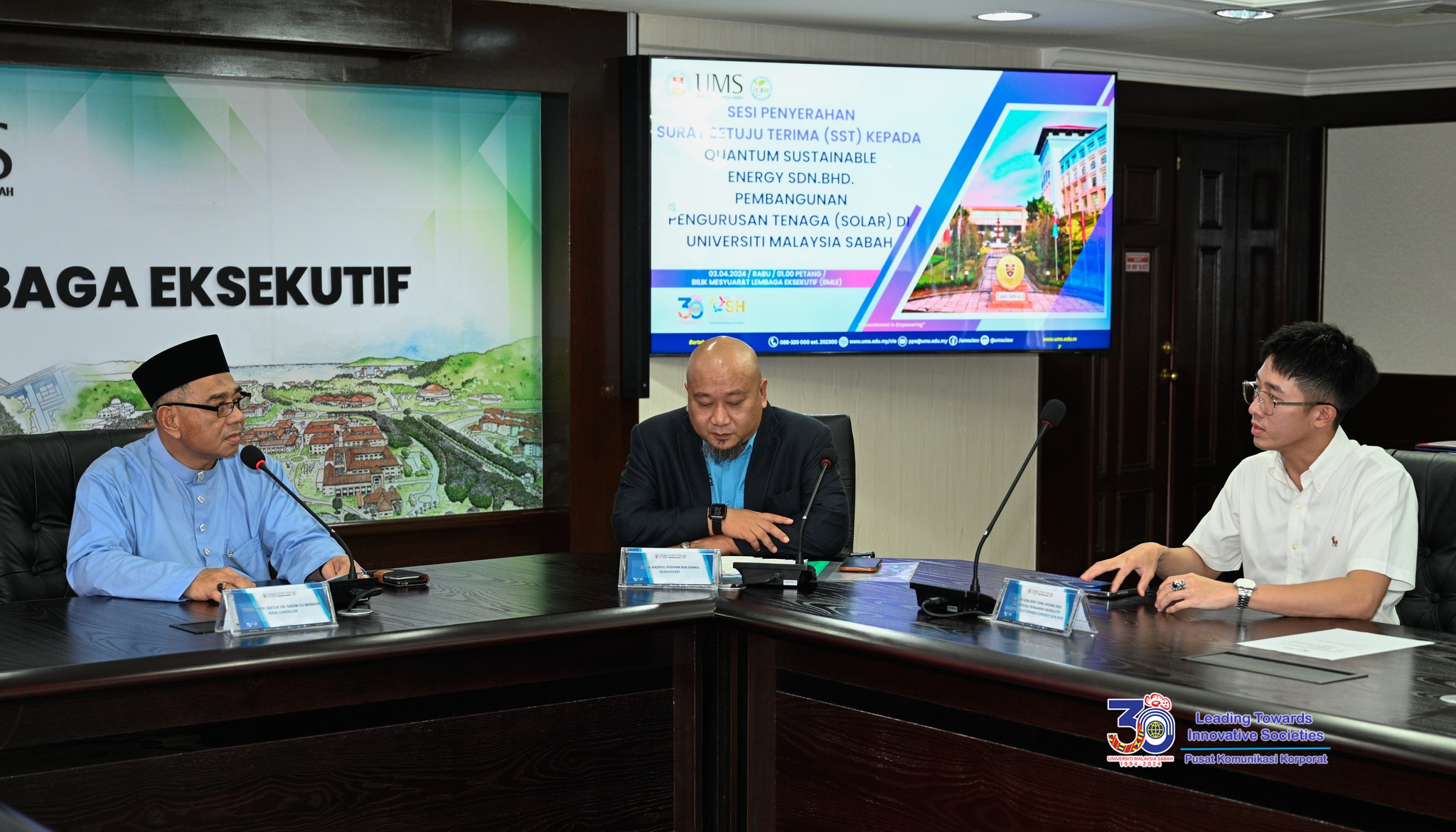
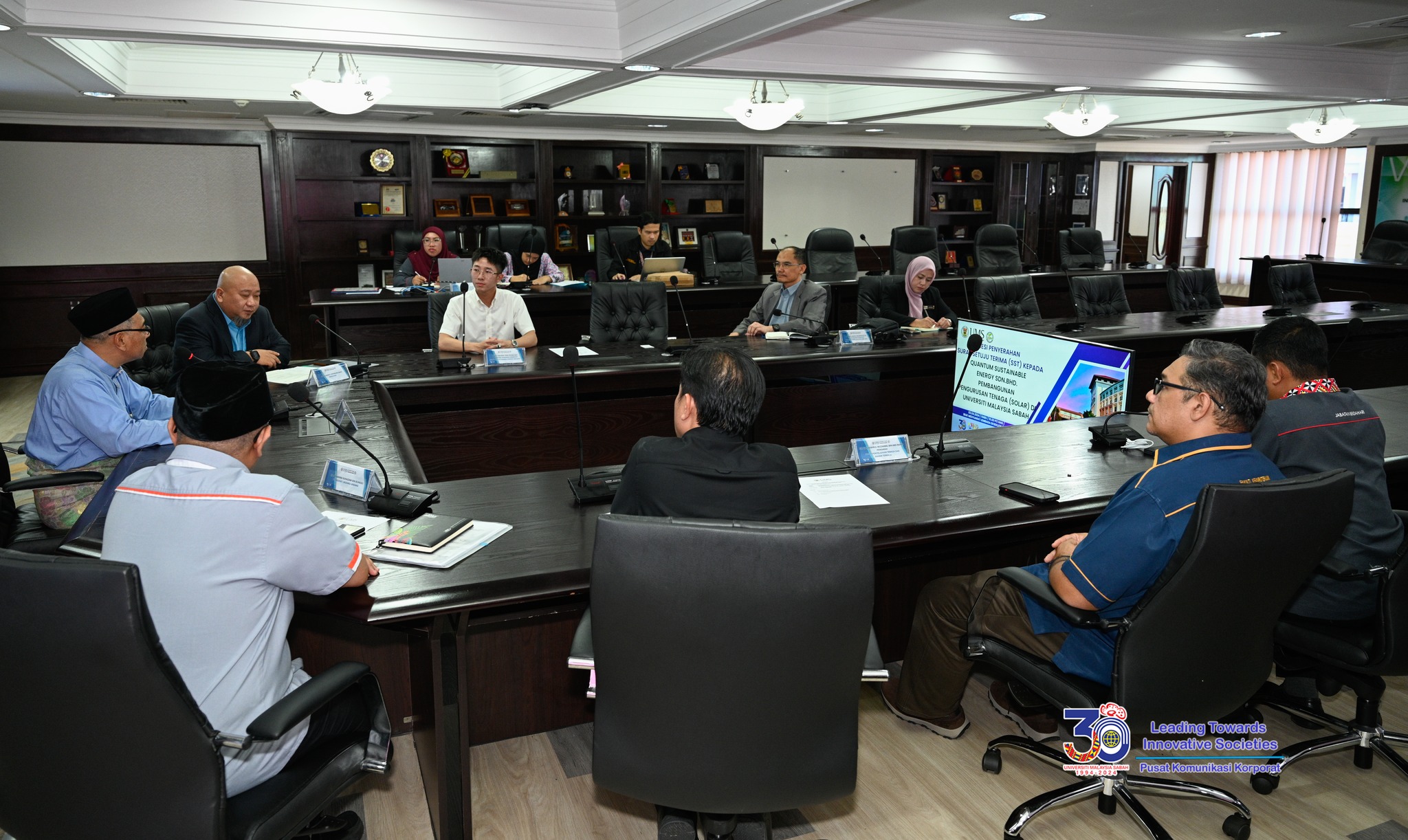
The Mesilou Highlands Research and Learning Project marks a major milestone in UMS’s commitment to climate science and environmental stewardship. Established as a living laboratory, it offers a unique high-altitude platform for ecosystem studies—enabling real-time climate modelling, hydrological monitoring, sustainable agriculture research, and biodiversity observation. This pioneering initiative strengthens UMS’s role in advancing mountain ecosystem resilience while nurturing the next generation of climate scientists. The issuance of the Letter of Acceptance to Quantum Sustainable Energy Sdn. Bhd. marks the beginning of a transformative shift toward renewable energy at UMS. The upcoming Solar Energy Management System is a cornerstone of the university’s low-carbon transition, aiming to reduce dependence on conventional power sources, lower emissions, and advance campus-wide greening. This initiative reflects UMS’s commitment to energy innovation and environmental responsibility.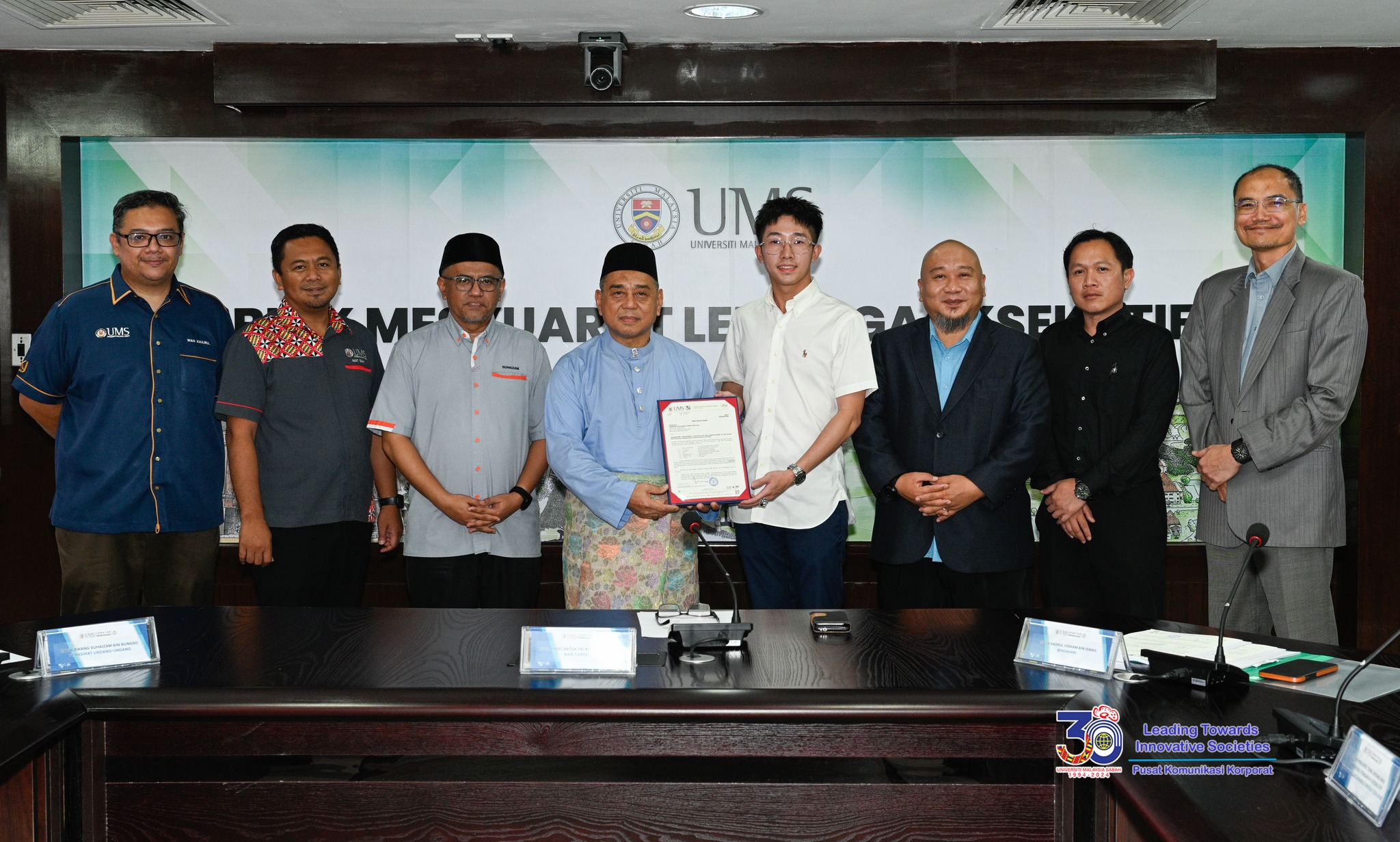
ATOM@UMS (Nuclear Science for Environmental Protection): Peaceful Science for a Safer Planet
Through ATOM@UMS, the university fosters awareness of peaceful nuclear applications that support environmental monitoring and marine ecosystem studies. This initiative strengthens national low-carbon technology development by empowering students and researchers with scientific knowledge that aligns with sustainable, safe, and responsible innovation.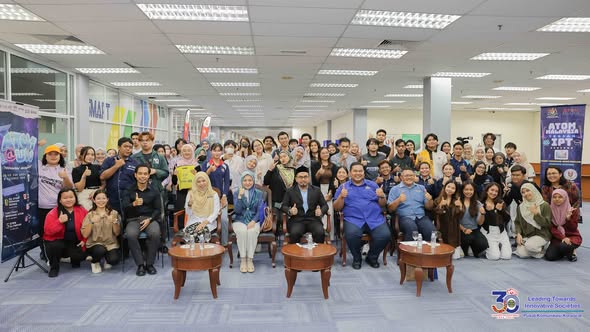
SDG 13 Progress Report: Mobilising Climate Action, Resilience, and Environmental Stewardship Across Borneo in 2024
In 2024, Universiti Malaysia Sabah (UMS) deepened its commitment to SDG 13 by strengthening climate action initiatives, enhancing ecosystem resilience, and advancing environmental stewardship across Sabah and the wider Borneo region. UMS continued to position itself as a climate-responsive university through research-driven solutions, community-based resilience programmes, and sustainable campus practices that directly address the escalating impacts of climate change.
UMS accelerated efforts in climate research and monitoring, focusing on biodiversity conservation, extreme weather assessment, carbon emission reduction, and climate-adaptive land and marine ecosystems. Through specialised centres and faculty expertise, UMS contributed scientific insights into forest ecology, marine conservation, peatland restoration, watershed protection, and climate-sensitive agriculture. These research outputs inform decision-making for state agencies, conservation partners, and local communities, strengthening Sabah’s capacity to mitigate and adapt to climate risks.
Community engagement remained central to SDG 13 progress. UMS expanded its climate education and outreach programmes in rural and indigenous settlements, promoting awareness on disaster preparedness, sustainable resource use, and nature-based solutions. Initiatives such as coastal rehabilitation, mangrove replanting, and highland ecosystem studies fostered community participation while improving ecological resilience in vulnerable areas. The university also supported local stakeholders in adopting low-carbon practices and sustainable livelihoods that reduce environmental degradation.
At the institutional level, UMS continued to embed climate considerations into campus governance, operations, and student activities. Sustainable mobility campaigns, waste-reduction efforts, energy monitoring, and water conservation practices contributed to lowering the university’s environmental footprint. Climate change education was integrated into academic programmes and co-curricular activities, ensuring that graduates are equipped with the knowledge and mindset needed to lead climate solutions in their future professions.
Through strong partnerships with government agencies, international conservation organisations, and civil society networks, UMS played a pivotal role in advancing regional climate action. Collaborative research, policy contributions, joint conservation projects, and international linkages strengthened UMS’s position as a key contributor to climate resilience in Borneo.
Collectively, UMS’s efforts in 2024 demonstrate a holistic commitment to SDG 13—bridging science, community empowerment, sustainability governance, and ecosystem restoration. These contributions not only help safeguard Sabah’s natural heritage but also build a more climate-resilient future for the region and generations to come.