


Rethink, reuse, restore—building a future with less.

UMS - SDG 12 Responsible Consumption and Production
Sustainability starts in our habits, and lives in our hands.
 UMS: Where Every Choice Protects Tomorrow
From Waste to Worth — Together We Build a Responsible Campus
Universiti Malaysia Sabah (UMS) advances SDG 12 – Responsible Consumption and Production through an integrated EcoCampus framework that promotes sustainable resource use, waste minimisation, and circular-economy practices across campus operations. Guided by the UMS Sustainability & Climate Action Policy and EcoCampus Blueprint, the university implements green procurement standards, campus-wide recycling systems, food waste segregation, and e-waste collection programmes in collaboration with eocampus and Jabatan Alam Sekitar Sabah. Initiatives such as the UMS Zero Waste Campaign, Sustainable Cafeteria Guidelines, digitalisation of administrative processes, and Green Labs practices significantly reduce paper usage, single-use plastics, and hazardous waste. UMS also operates living labs on composting, aquaponics, and agroecology, integrating responsible consumption into teaching, research, and community outreach with rural villages. Through transparent reporting of energy, water, and waste footprints, along with staff–student engagement programmes, UMS fosters a culture of sustainability and responsible lifestyle choices, contributing to long-term environmental stewardship and national circular economy aspirations.
Building sustainable habits, shaping environmentally conscious generations.
UMS Sustainable Consumption Pathway: Transforming Mindsets, Preserving Resources
Sustainable Development Goal 12 (SDG 12) emphasizes the need to ensure sustainable consumption and production patterns—an essential foundation for creating resilient societies and protecting environmental resources. It recognizes that true economic progress and human well-being must be decoupled from excessive resource use, waste generation, and environmental degradation. SDG 12 promotes a circular economy model, encouraging societies to reduce, reuse, recycle, and redesign materials to minimize ecological impact. At the global level, SDG 12 calls for responsible consumer behaviour, sustainable business practices, and accountability across industries. This includes reducing solid waste, optimizing natural resource use, mitigating the environmental footprint of production processes, and developing policies that support sustainability education and awareness. Higher education institutions play a pivotal role in this transformation by shaping environmental mindsets, driving research innovation, and engaging communities in sustainable practices. For Universiti Malaysia Sabah (UMS), SDG 12 aligns closely with its vision of nurturing environmentally conscious graduates and integrating sustainability into all aspects of campus life. Located within one of Malaysia’s most biodiverse regions, UMS embraces its responsibility to embed sustainable consumption principles into teaching, research, outreach, and campus operations. Between 2023 and 2025, UMS implemented several impactful initiatives that demonstrate its unwavering commitment to SDG 12. These initiatives highlight how education, innovation, and community empowerment shape a culture of sustainability across campus and beyond.
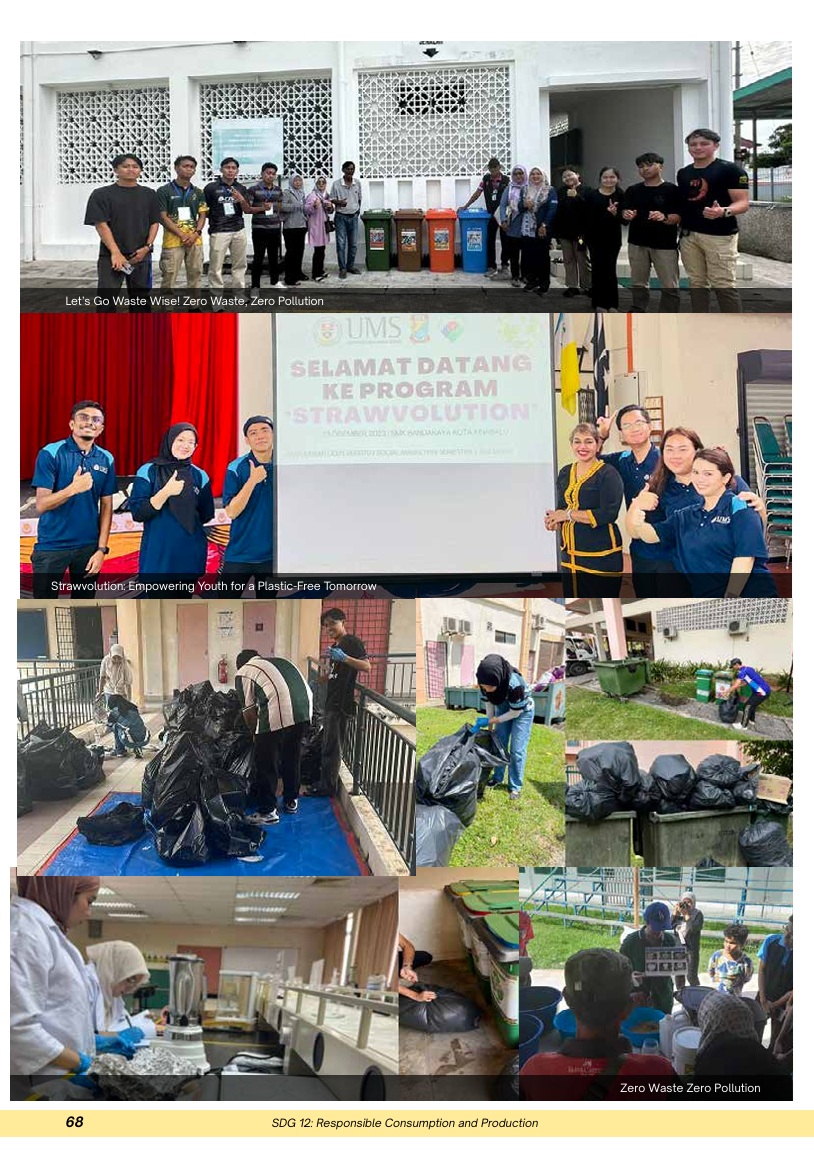
Strawvolution: Empowering Youth for a Plastic-Free Tomorrow
The “Strawvolution” campaign, held on 6 February 2024 by the Faculty of Business, Economics and Accountancy (FPEP), exemplifies student-driven environmental advocacy. Guided by the theme “Do Something Drastic, Reduce the Plastic,” the initiative sought to curb single-use plastic consumption—specifically plastic straws—by promoting metal straw alternatives. Implemented in partnership with SMK Bandaraya Kota Kinabalu, the programme empowered secondary school students as agents of sustainable change. Through awareness sessions, promotional activities, and interactive discussions, participants gained a deeper understanding of the environmental consequences of plastic pollution. Approximately 300 students and teachers were involved, learning how simple behavioural shifts—like replacing plastic straws—can significantly reduce waste. “Strawvolution” showcases the importance of engaging youth early, equipping them with the knowledge and tools needed to champion sustainable habits throughout their lives.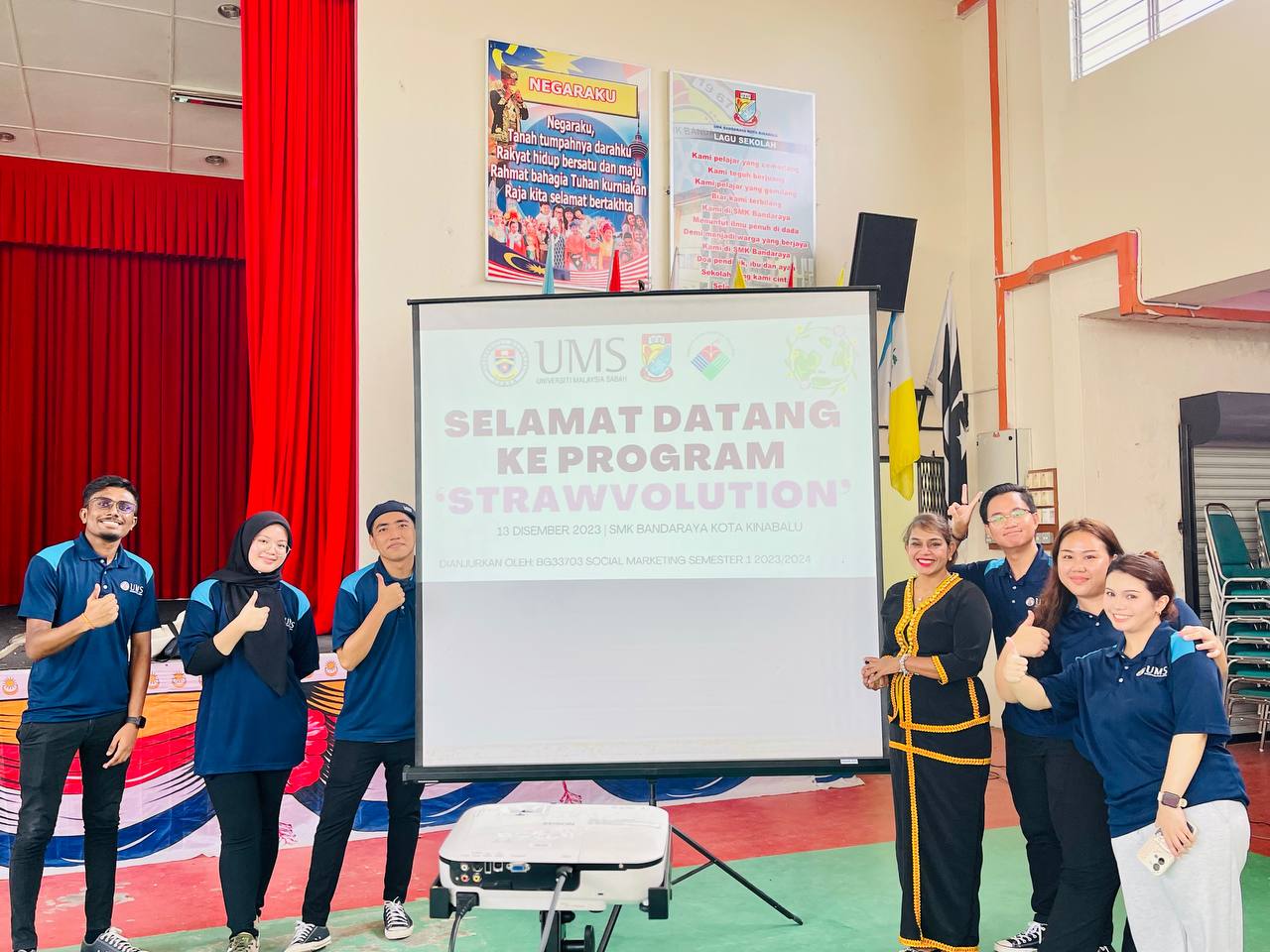
Let’s Go Waste Wise: Building Zero-Waste Communities Through Knowledge and Action
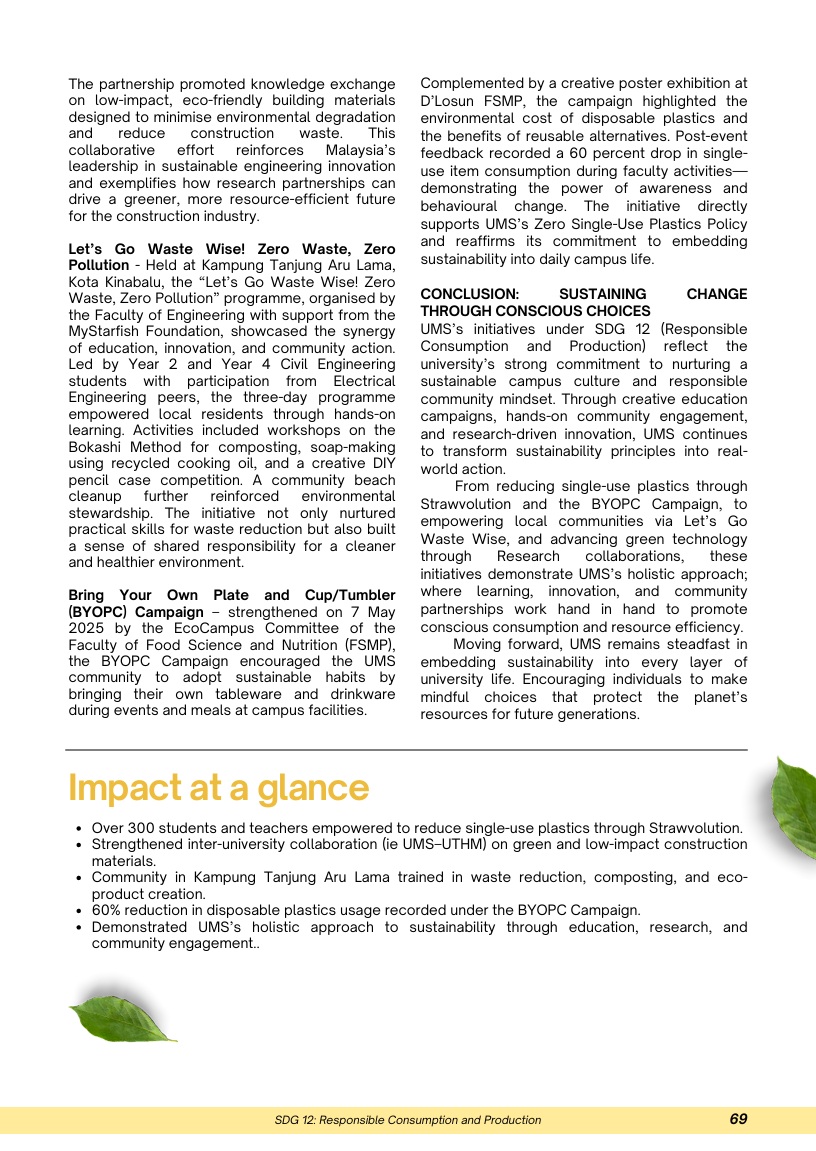
Organized by the Faculty of Engineering, the “Let’s Go Waste Wise! Zero Waste, Zero Pollution” programme highlights UMS’s commitment to community engagement and grassroots sustainability education. Conducted at Kampung Tanjung Aru Lama, Kota Kinabalu, this initiative brought together Year 2 and Year 4 Civil Engineering students, supported by Electrical Engineering students, and funded through the MyStarfish Foundation. Over three impactful days, the programme engaged residents in workshops, demonstrations, and hands-on activities designed to reduce waste and pollution. Participants were introduced to the Bokashi Method for organic waste composting, learned how to repurpose used cooking oil into environmentally friendly dishwashing soap, and participated in a DIY pencil case competition using recycled materials. A community beachfront cleanup further reinforced the importance of environmental stewardship while restoring the coastal ecosystem’s natural beauty. Through education, participation, and shared purpose, “Let’s Go Waste Wise” successfully inspired local communities to embrace sustainable living practices and take ownership of their environmental impact.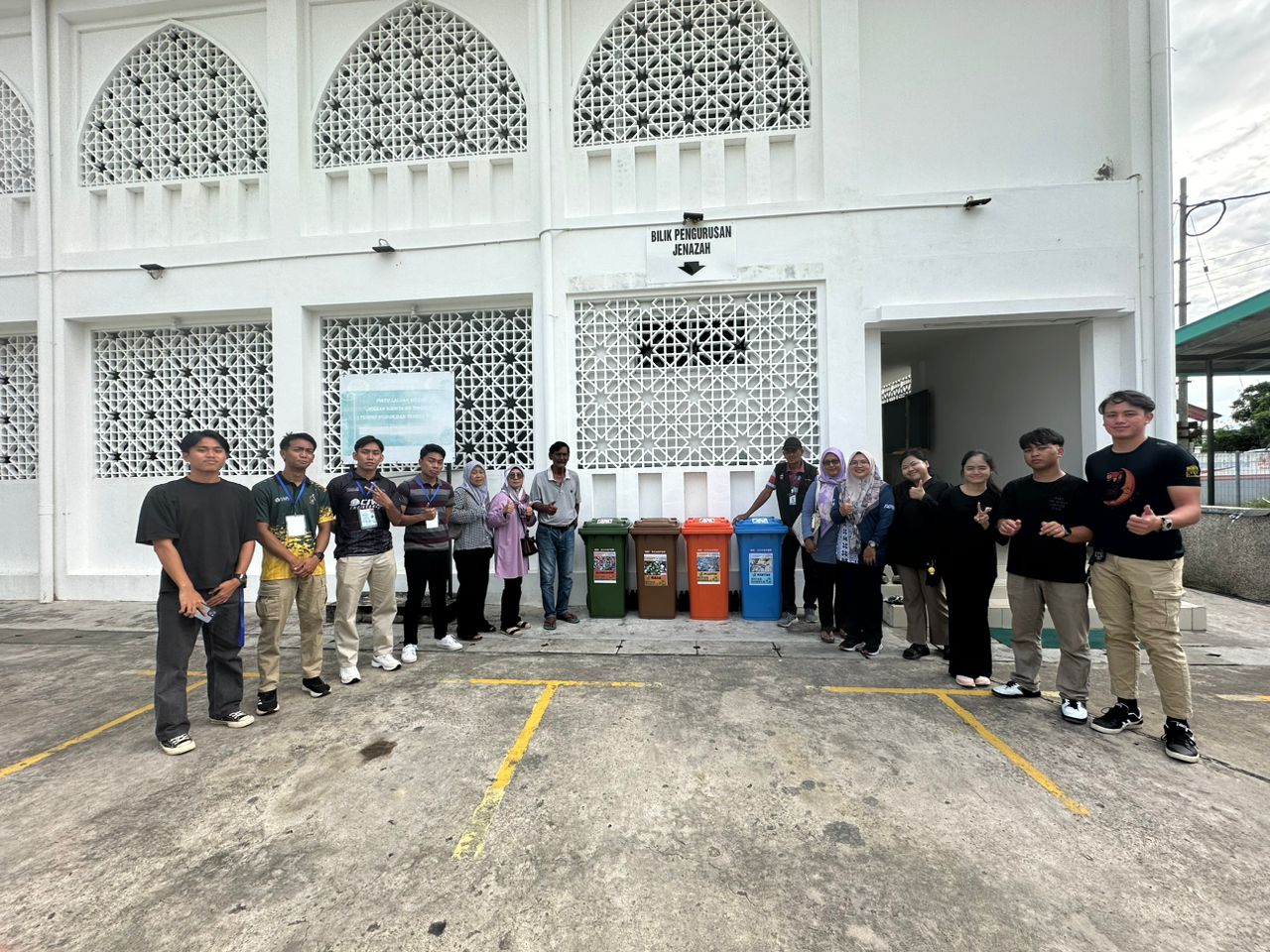
BYOPC @ UMS: Cultivating Sustainable Habits in Daily Campus Life
Launched on 7 May 2025 by the EcoCampus Committee of the Faculty of Food Science and Nutrition (FSMP), the “Bring Your Own Plate and Cup/Tumbler” (BYOPC) campaign strengthens UMS’s commitment to responsible resource management. Hosted at D’Losun FSMP, the initiative showcased informative poster exhibitions illustrating the environmental impact of single-use plastics and the advantages of switching to reusable alternatives. The campaign encouraged students and staff to bring reusable plates, cups, and tumblers during meals and faculty events. This practice directly supports UMS’s ‘Zero Single-Use Plastics’ Policy and reinforces the university’s goal of shaping sustainable lifestyle habits within its community. Post-event assessments revealed a 60% reduction in disposable tableware usage during faculty activities—an impressive achievement reflecting positive behavioural change. BYOPC serves as a powerful reminder that sustainability begins with everyday choices, and that conscious consumption is a shared responsibility.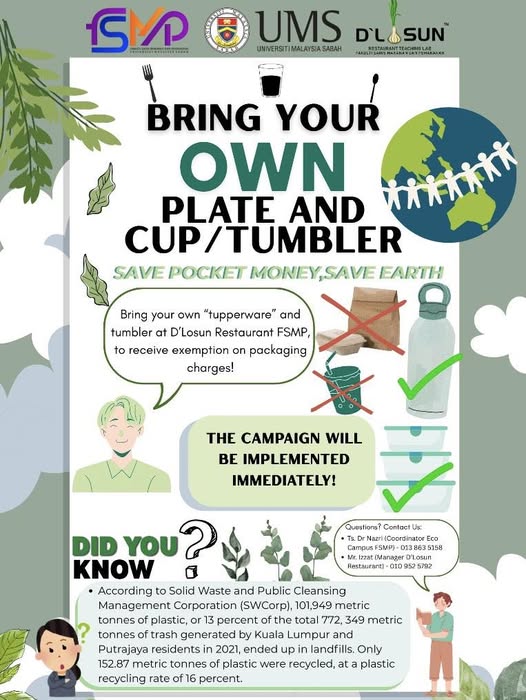
SDG 12 Progress Report : Advancing Responsible Consumption, Circular Practices & Sustainable Campus Operations in 2024
In 2024, UMS strengthened its commitment to sustainable consumption and production through its EcoCampus framework, embedding circular-economy principles, resource efficiency, and waste minimisation across campus operations. The university advanced green procurement practices, enhanced recycling systems, improved e-waste and food-waste management, and expanded digital administration to reduce paper use and single-use plastics. Community and youth-led campaigns encouraged behavioural change toward zero-waste lifestyles, while living labs on composting, agro-ecology, and aquaponics provided hands-on learning that promoted sustainable habits. Through consistent monitoring of energy, water, and waste footprints and active community engagement, UMS continues to cultivate a strong culture of environmental stewardship and long-term commitment to responsible consumption and production.