


No one left behind—every voice, every place, every dream.


UMS - SDG 10 Reduced Inequalities
Inclusion is not a goal—it’s our foundation..
 Building a Future Where No Student Is Left Behind
UMS’s Journey to Embrace, Empower, and Equalize for All
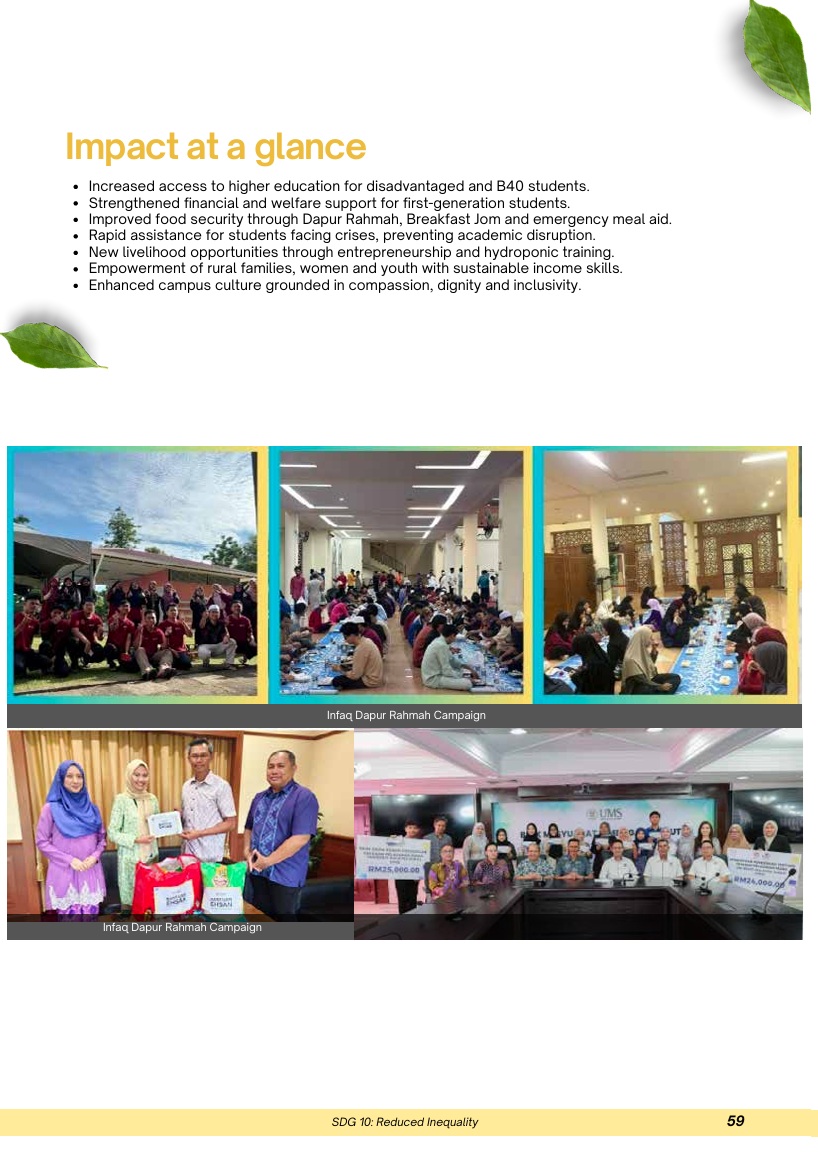
At Universiti Malaysia Sabah (UMS), SDG 10 — Reduced Inequalities — is more than a target; it is a lived promise. Through heartfelt, strategic actions, UMS reaches out to underrepresented groups including B40 families, Indigenous communities, students with disabilities, first-generation learners, and others who have long been excluded from higher education. From community outreach programs like ProsPEK and MENITI, to support systems like the disabilities OKU Centre and Siswa Sulung initiative, UMS ensures that no student is left behind. Backed by inclusive policies, data-driven decisions, and a culture of empathy, UMS continues to transform lives — one student, one opportunity, and one inclusive action at a time.
From Access to Achievement: Every Student Counts, Every Background Matters.
Tracking Diversity, Transforming Opportunity, Sustaining Equity
In the heart of Borneo, Universiti Malaysia Sabah (UMS) stands as more than just an academic institution. It is a sanctuary of hope, a bridge of opportunity, and a quiet yet unwavering force for social justice. While universities across the globe chase prestige, rankings, and innovation, UMS has steadily committed itself to something far more profound — ensuring that no one is left behind. Guided by the spirit of Sustainable Development Goal 10: Reduced Inequalities, UMS works tirelessly to ensure access to education is not a privilege of the few, but a right for all, especially for those who are too often pushed to the margins of society.
Understanding Who Needs Us Most
UMS believes that education should serve as the great equalizer — and this belief is not just in words, but in action. The university systematically tracks and analyzes the applications and admissions of underrepresented and potentially underrepresented groups. These include:- i.Ethnic minorities
- ii. Low-income students (B40)
- iii. Indigenous communities (Orang Asal)
- iv. Women
- v. Persons with disabilities (OKU)
- vi.Non-traditional students (aged 25+, working adults)
Systems That See Everyone
UMS’s commitment is backed by comprehensive data systems. The Student Admission and Record System (SMP) and the UPU Online platform — managed by Malaysia's Ministry of Higher Education — collect data on applicants' gender, ethnicity, income level, disability status, and other relevant demographics. This enables the university to understand who is applying, who is being admitted, and who may be left behind. For example, the B40 Student Monitoring System tracks students from low-income households, ensuring they are not only admitted but also supported throughout their journey. The disabilities Student Registry identifies students with disabilities and matches them with the support they need, from academic accommodations to physical accessibility tools. These aren’t just tools — they’re lifelines. In recent years, UMS data shows that over 30% of its undergraduate intake comes from B40 households and they are first generation students, and a growing percentage from indigenous communities, especially in Sabah’s interior regions. Women consistently make up more than 60% of student intakes, a testament to UMS’s efforts in promoting gender parity.Student Enrollment (2020–2025)
| Enrolment Year | Female Student | Overall | % (Female/Overall) | Female B40 | B40 Total | % (Female B40/B40 Total) |
|---|---|---|---|---|---|---|
| 2020 | 11641 | 17499 | 66.52 | 2072 | 2842 | 72.91 |
| 2021 | 11890 | 17921 | 66.35 | 3008 | 4123 | 72.96 |
| 2022 | 12050 | 18200 | 66.21 | 4190 | 5764 | 72.69 |
| 2023 | 12411 | 18799 | 66.02 | 4944 | 6920 | 71.45 |
| 2024 | 12505 | 19146 | 65.31 | 5485 | 7766 | 70.63 |
| 2025 | 13501 | 21056 | 64.12 | 6100 | 8765 | 69.59 |
Action Beyond Numbers: A Circle of Support
Tracking is just the beginning. What makes UMS special is what it does with the data. The Strategic Management Centre (PPS) and Student Affairs Department (HEP) work closely to interpret these findings annually, translating them into policies, support systems, and interventions. This includes:- i. Scholarships and fee exemptions for B40 and OKU students
- ii. Priority housing and transport for rural and disabled students
- iii. Mentoring and academic support for non-traditional and first-generation learners
- iv. Outreach and community programs in Indigenous villages to encourage school leavers to apply
- v. Each effort sends a message: You are seen. You belong here. You are capable.
Strategic Actions for Inclusive Education and Lasting Change
Beyond Access: How UMS Actively Recruits and Uplifts Underrepresented Communities
Universiti Malaysia Sabah (UMS) believes that education is not merely a gateway to knowledge — it is a powerful equalizer that can break the cycle of poverty, empower communities, and build a more just and compassionate society. While many institutions speak about diversity, UMS has made it a lived reality by taking intentional, strategic action to recruit, support, and uplift underrepresented groups. From remote villages in Sabah’s interior to urban communities struggling with economic hardship, UMS reaches out with both a welcoming hand and a structured plan — proving that inclusivity is not a by-product, but a mission deeply embedded in its institutional fabric.
A Clear Commitment: From Policy to Practice
UMS’s efforts are rooted in its Equality, Diversity, Inclusion, and Anti-Discrimination Policy, which guides the university in creating pathways for those who are often left behind. This includes:- i. B40 students from low-income households
- ii. Indigenous (Orang Asli) youth
- iii. Persons with disabilities (OKU)
- iv. First-generation learners (Siswa Sulung)
- v. Non-traditional and rural students
i. UMS Program MENITI Kasih
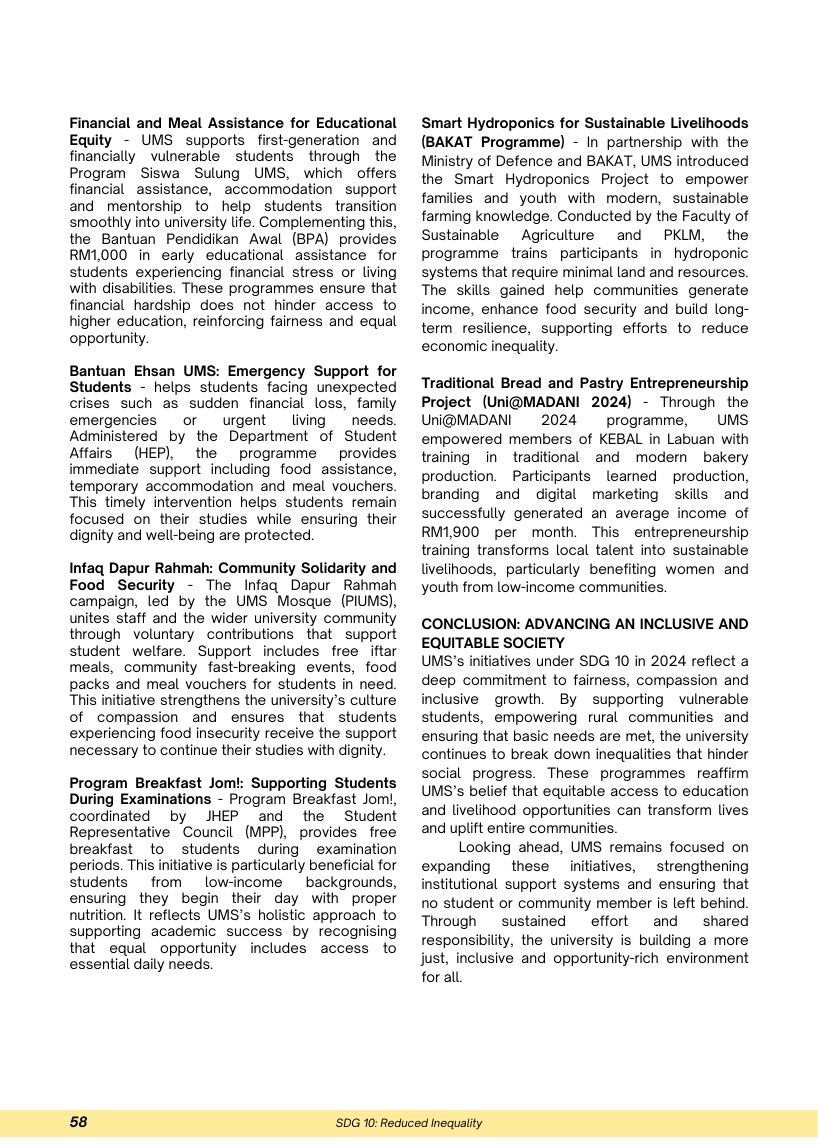
Launched in 2013, Program MENITI Kasih is one of Universiti Malaysia Sabah’s (UMS) flagship initiatives dedicated to expanding access to higher education for students from B40 (Bottom 40%)households income groups and underprivileged families. The programme provides a second-chance pathway for deserving Sabah students who were not initially offered admission into public universities — ensuring that financial hardship or lack of opportunity never becomes a barrier to higher education. Through academic bridging, preparatory guidance, and socio-emotional support, the initiative empowers students to enter, adapt, and succeed in university life.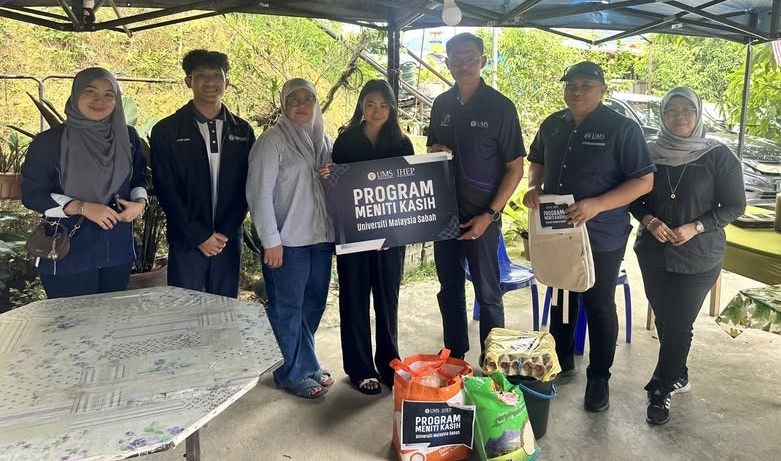
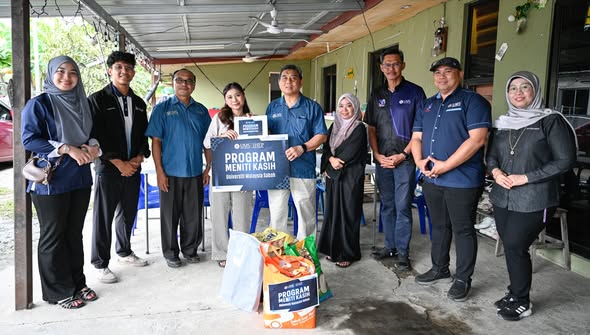
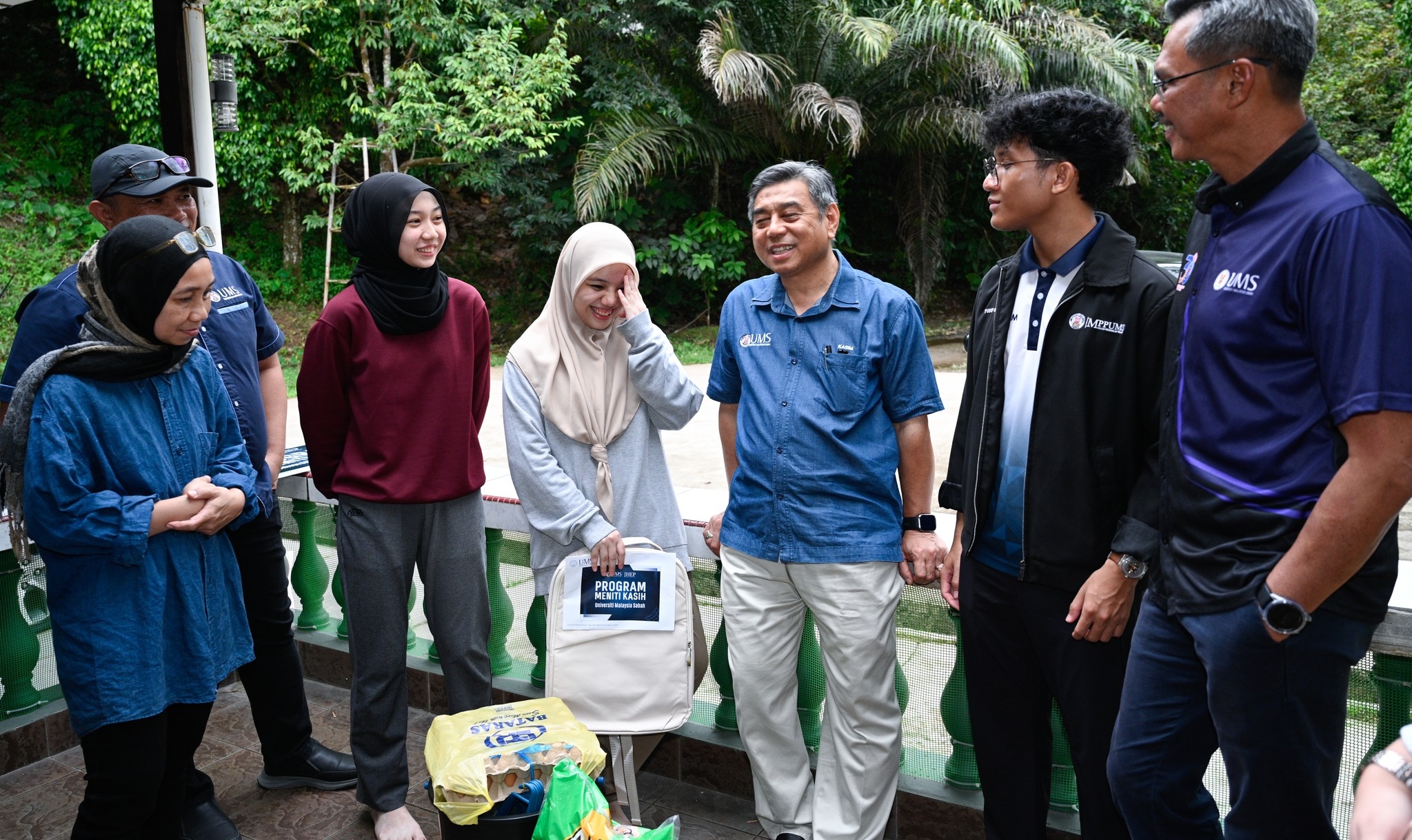
For more than a decade, Program MENITI Kasih has been implemented through the strong collaboration of UMS’s Student Affairs Division (HEPA) and Admissions Office, reflecting the university’s long-term institutional commitment to equitable access. The programme actively engages with rural schools and local communities across Sabah to identify potential students who show academic promise but face socioeconomic limitations. Since its inception, over 1,300 students have been successfully admitted through this programme — many as first-generation university entrants. To date, UMS has allocated and facilitated more than RM250 million in tuition sponsorships, living allowances, and educational support under MENITI Kasih and related access programmes. This sustained investment represents one of the largest university-led financial commitments to inclusive education in East Malaysia.
Program MENITI Kasih has evolved into a transformative vehicle for social mobility, directly addressing the structural roots of poverty through education. By converting missed opportunities into new beginnings, the programme uplifts entire families from B40 and rural communities, demonstrating the power of education as a sustainable poverty-reduction tool. Its long-term impact includes higher graduate employability, stronger community participation in higher education, and improved household income stability. The programme’s continuity over 12 years reflects UMS’s enduring leadership in turning educational access into real-world empowerment, and ensuring that every Sabahan youth, regardless of background, has the opportunity to learn, grow, and contribute to a more equitable and sustainable future.
ii. Siswa Sulung 3.0
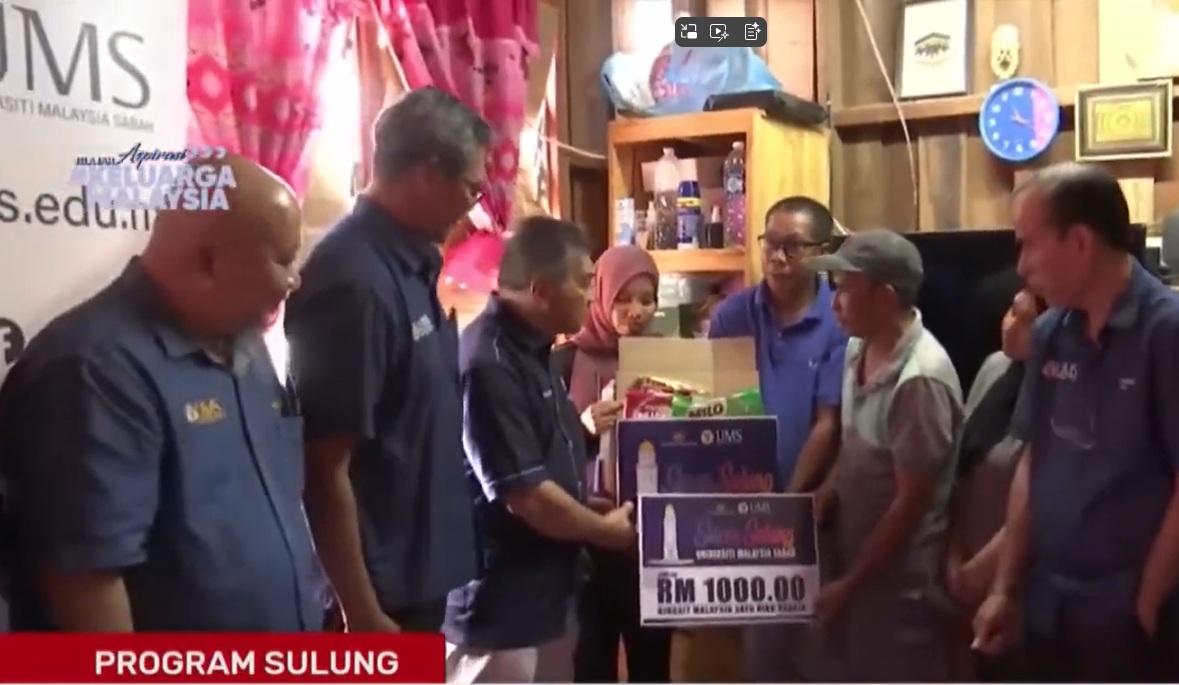
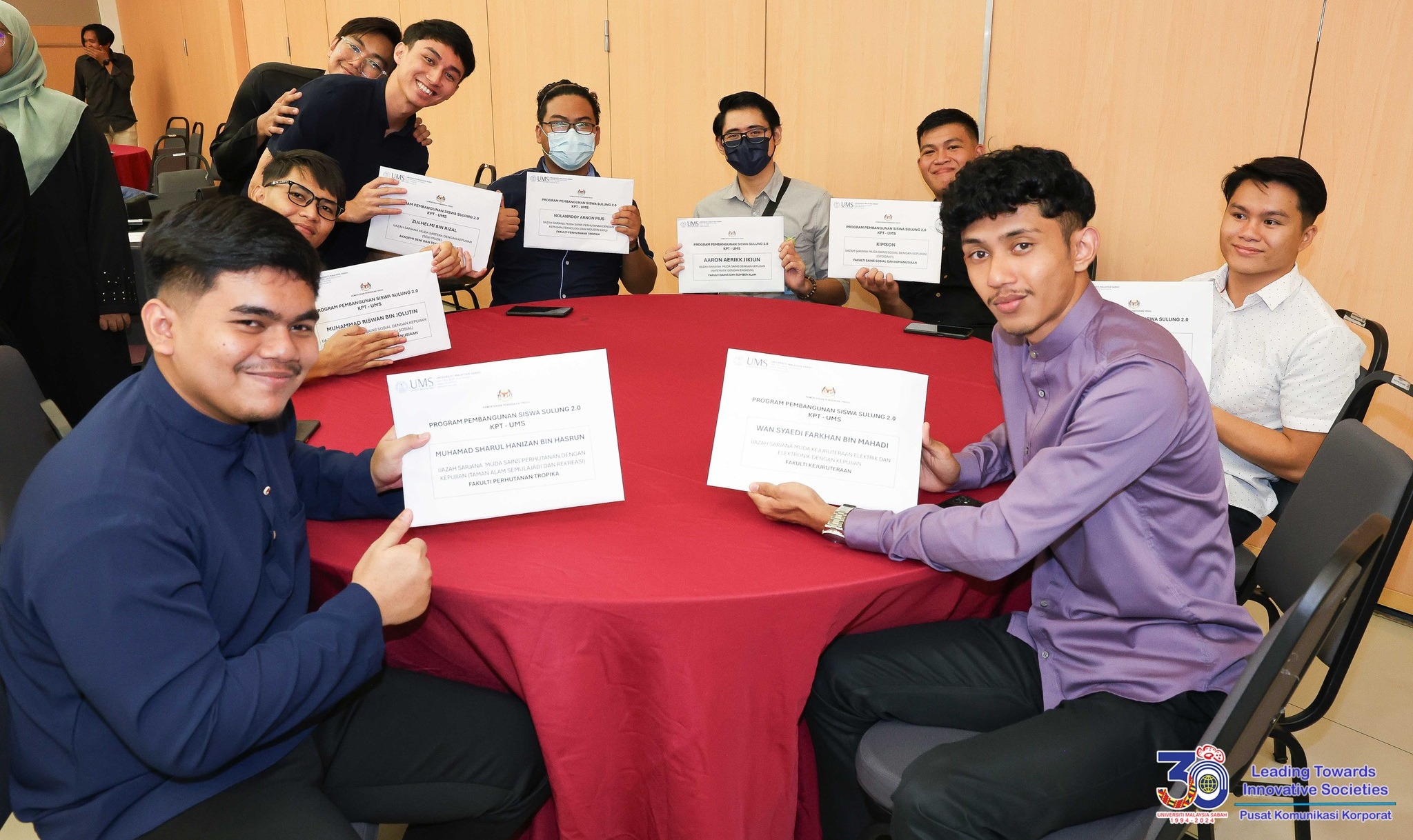
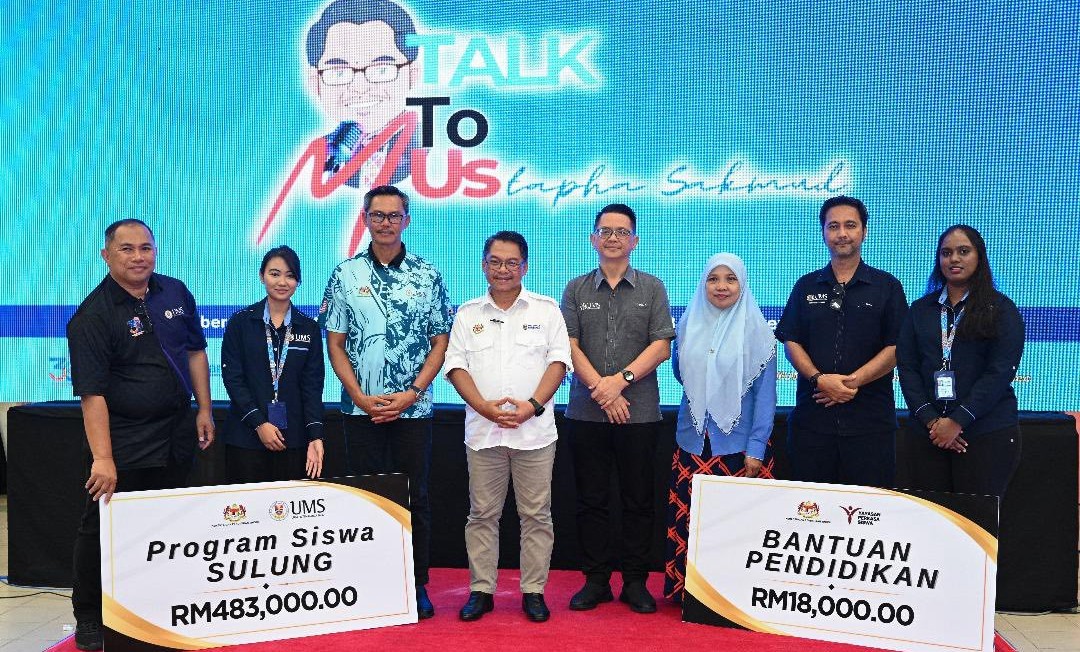
Introduced by the Ministry of Higher Education (MoHE) and implemented by UMS since 2021,Program Siswa Sulung UMS aimed to to uplift first-generation students from B40 (Bottom 40%) households who are the first in their families to pursue tertiary education. As one of Universiti Malaysia Sabah’s (UMS) key initiatives for inclusive growth, the programme removes economic barriers that often prevent talented students from continuing their studies. It offers comprehensive tuition sponsorships, academic mentoring, and personalised counselling, enabling participants to complete their degrees successfully while building the confidence and skills needed for long-term self-reliance. Since its launch, the programme has supported hundreds of first-generation university students, opening new pathways for academic and social mobility. In the 2025 cohort alone, 80 new students received financial assistance totalling RM 483,000, ensuring uninterrupted access to education. The university also extended the initiative’s inclusivity by awarding Bantuan Pendidikan Awal (BPA) worth RM 1,000 each to 18 students with special needs, reaffirming its deep concern for student welfare and equitable opportunity. These concrete measures demonstrate UMS’s proactive commitment to empowering underprivileged youth through sustained educational investment.The Program Siswa Sulung UMS has become a catalyst for intergenerational transformation, directly addressing one of the root causes of poverty—limited access to higher education. By empowering first-generation students to obtain university degrees without financial hardship, the programme strengthens family resilience, raises household income potential, and contributes to a more skilled and equitable workforce in Sabah.
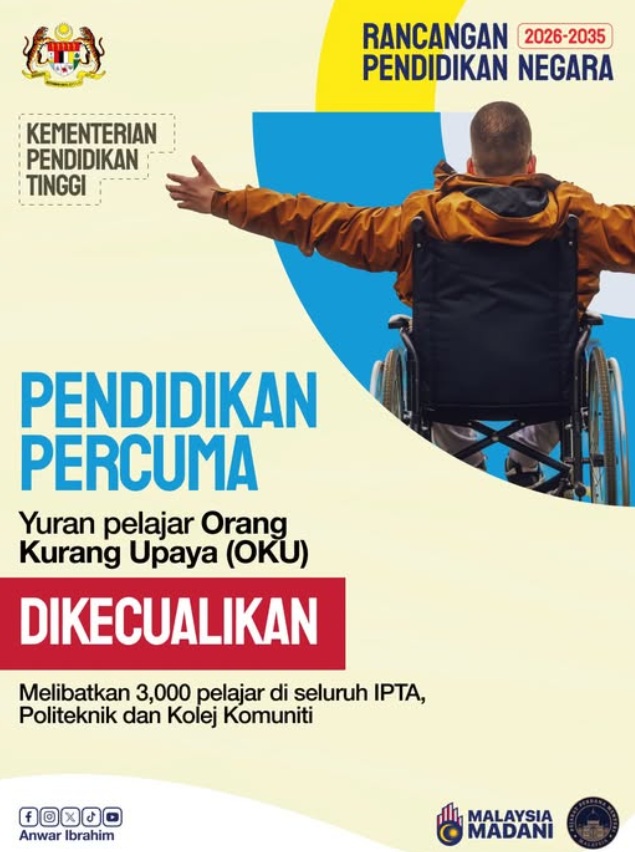
iii. 50% Tuition Fee Reduction for Students with Disabilities
In a bold and compassionate step towards reducing structural barriers in higher education, Universiti Malaysia Sabah (UMS) has introduced a 50% tuition fee reduction for students with disabilities (OKU) who are registered with the Jabatan Kebajikan Masyarakat (JKM). This initiative is not merely a financial policy—it is a powerful affirmation of UMS’s belief that education is a right, not a privilege, and that no one should be denied the opportunity to learn, grow, and succeed due to physical or financial limitations. For many OKU students, pursuing tertiary education comes with unique challenges: the high cost of assistive tools, transportation, medical needs, and often, the lack of accessible infrastructure. These factors can significantly compound the existing financial burden of university tuition. By offering a 50% reduction in tuition fees, UMS directly addresses this inequality, enabling more OKU students to access and remain in higher education without the constant fear of financial strain. But the impact of this initiative goes far beyond numbers. It fosters a culture of dignity, inclusivity, and belonging. It sends a clear message: You are not an afterthought. You are part of our academic family, and we will walk alongside you. This effort is part of a broader support ecosystem provided by UMS through its Pusat Pengurusan OKU (Disability Management Centre) and student-led efforts like Kelab Mahasiswa Orang Kurang Upaya (KMOKU-UMS). These units not only ensure accessible infrastructure and learning accommodations but also build peer support networks and advocate for a barrier-free campus experience. By alleviating financial pressure, the fee reduction opens the door for students to focus on what truly matters — their academic growth, personal development, and active participation in university life. It allows them to dream bigger and to succeed on their own terms. This initiative is a testament to UMS’s unwavering commitment to SDG 10: Reduced Inequalities, aligning its policies with a vision of a more equitable Malaysia. More than just fulfilling a quota or meeting a standard, UMS is building a university culture that recognizes diversity as strength, and inclusion as a responsibility. As more students with disabilities find encouragement and concrete support through this policy, the ripple effects extend into society. These students graduate not only with degrees but with confidence, resilience, and a voice, becoming advocates and professionals who help shape a more inclusive future for others. In essence, UMS is not just reducing tuition — it is raising possibilities. Through thoughtful, targeted initiatives like this, the university lives out its mission of ensuring that every student, regardless of circumstance, has the chance to learn, lead, and leave a legacy.UMS Postgraduate (Master – Full Time, 2 Semesters) Cost Distribution (RM)
| Program | Cost Borne By Low-Income Student (RM) | Cost Borne By Government (RM) | Total Cost (RM) | Percentage of Cost Borne by Government (%) | Tuition Fee for Students with Disabilities(50% Discount) (RM) |
|---|---|---|---|---|---|
| Science and Information Technology | 8,580.00 | 61,232.00 | 69,812.00 | 87.7% | 4,290.00 |
| Arts | 6,930.00 | 43,348.00 | 50,278.00 | 86.2% | 3,465.00 |
| Engineering | 9,680.00 | 60,132.00 | 69,812.00 | 86.1% | 4,840.00 |
| Medicine | 13,330.00 | 233,590.00 | 246,920.00 | 94.6% | 6,665.00 |
| Nurse | 11,380.00 | 235,540.00 | 246,920.00 | 95.4% | 5,690.00 |
UMS Postgraduate (Master – Full Time, 2 Semesters) Cost Distribution (RM)
| Program | Cost Borne By Low-Income Student (RM) | Cost Borne By Government (RM) | Total Cost (RM) | Percentage of Cost Borne by Government (%) | Tuition Fee for Students with Disabilities(50% Discount) (RM) |
|---|---|---|---|---|---|
| Science and Information Technology | 5,771.00 | 38,285.00 | 44,056.00 | 86.9% | 2,885.50 |
| Arts | 5,221.00 | 19,744.00 | 24,965.00 | 79.1% | 2,610.50 |
| Engineering | 5,771.00 | 38,285.00 | 44,056.00 | 86.9% | 2,885.50 |
| Medicine | 5,771.00 | 52,096.00 | 57,867.00 | 90.0% | 2,885.50 |
UMS Postgraduate (PhD – Full Time, 4 Semesters) Cost Distribution (RM)
| Program | Cost Borne By Low-Income Student (RM) | Cost Borne By Government (RM) | Total Cost (RM) | Percentage of Cost Borne by Government (%) | Tuition Fee for Students with Disabilities(50% Discount) (RM) |
|---|---|---|---|---|---|
| Science and Information Technology | 10,802.00 | 77,310.00 | 88,112.00 | 87.7% | 5,401.00 |
| Arts | 9,702.00 | 40,228.00 | 49,930.00 | 80.6% | 4,851.00 |
| Engineering | 10,802.00 | 77,310.00 | 88,112.00 | 75.5% | 5,401.00 |
| Medicine | 10,802.00 | 104,932.00 | 115,734.00 | 90.7% | 5,401.00 |
Building bridges, breaking barriers — one inclusive policy at a time.
UMS as a Catalyst for Inclusive Transformation: Institutionalizing Diversity, Equity and Human Rights
In an increasingly diverse and interconnected world, the role of universities in shaping equitable, inclusive, and just societies has never been more important. For Universiti Malaysia Sabah (UMS), this responsibility is not just acknowledged—it is acted upon, systematized, and institutionalized through dedicated structures and strategic leadership. UMS proudly affirms that it does have a diversity and equality framework in place, backed by committees, offices, officers, and programs tasked with advancing diversity, equity, inclusion (DEI), and human rights throughout campus life. This commitment reflects UMS’s alignment with Sustainable Development Goal 10: Reduced Inequalities, and its broader vision to be an institution where no one is left behind, regardless of gender, ethnicity, socioeconomic status, disability, or background.
Structured Commitment:Empowered by policy, guided by purpose — the dedicated leadership structures behind UMS’s inclusive transformation.
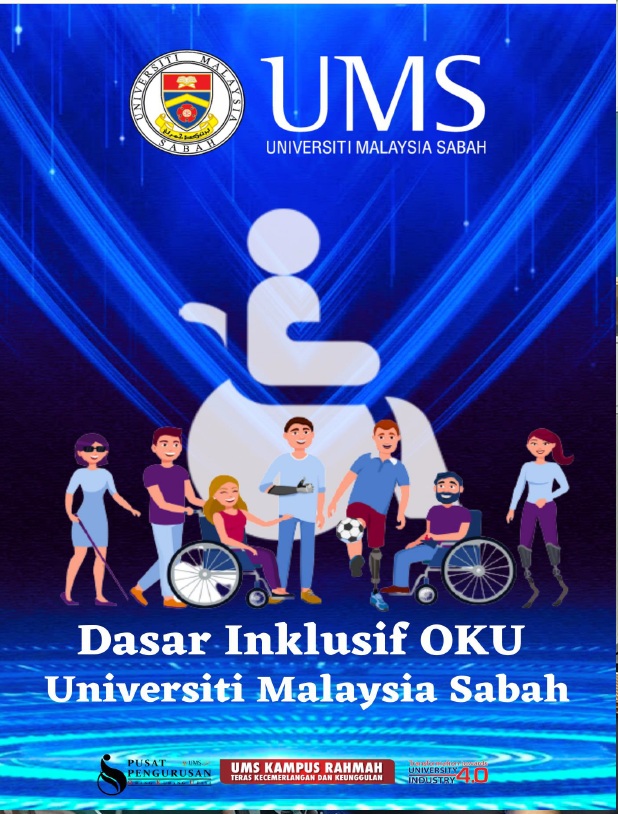
Guided by UMS Equality, Diversity, Inclusion and Anti-Discrimination Policy and UMS Inclusive Policy for Persons with Disabilities, UMS has established multiple units and leadership bodies directly or indirectly responsible for Diversity, Equity, and Inclusion (DEI) initiatives — especially those related to human rights, training, and inclusive policy implementation and monitoring. Key among them are:- i. Disability Management Centre (Pusat Pengurusan Orang Kurang Upaya, PPOKU) - responsible for implementing DASAR INKLUSIF OKU UMS, providing academic accommodations, welfare support, and coordinating accessibility improvements for students with disabilities.
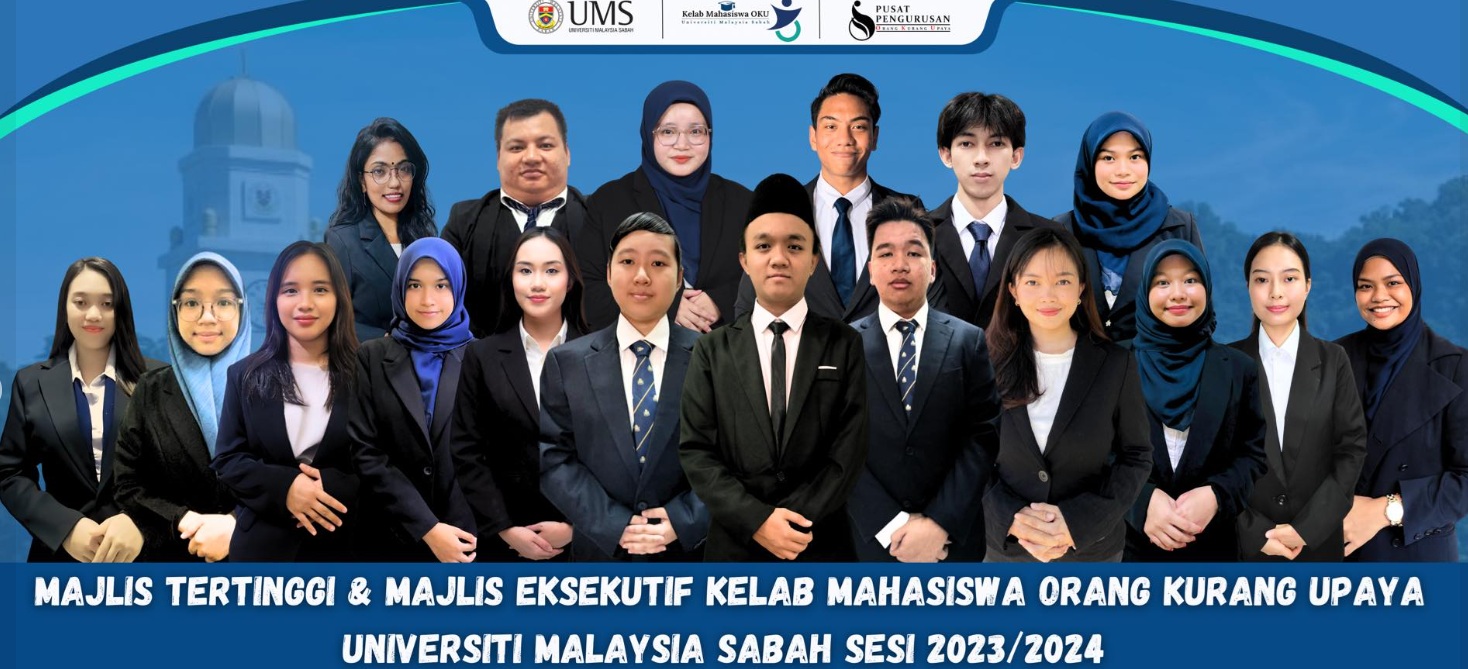
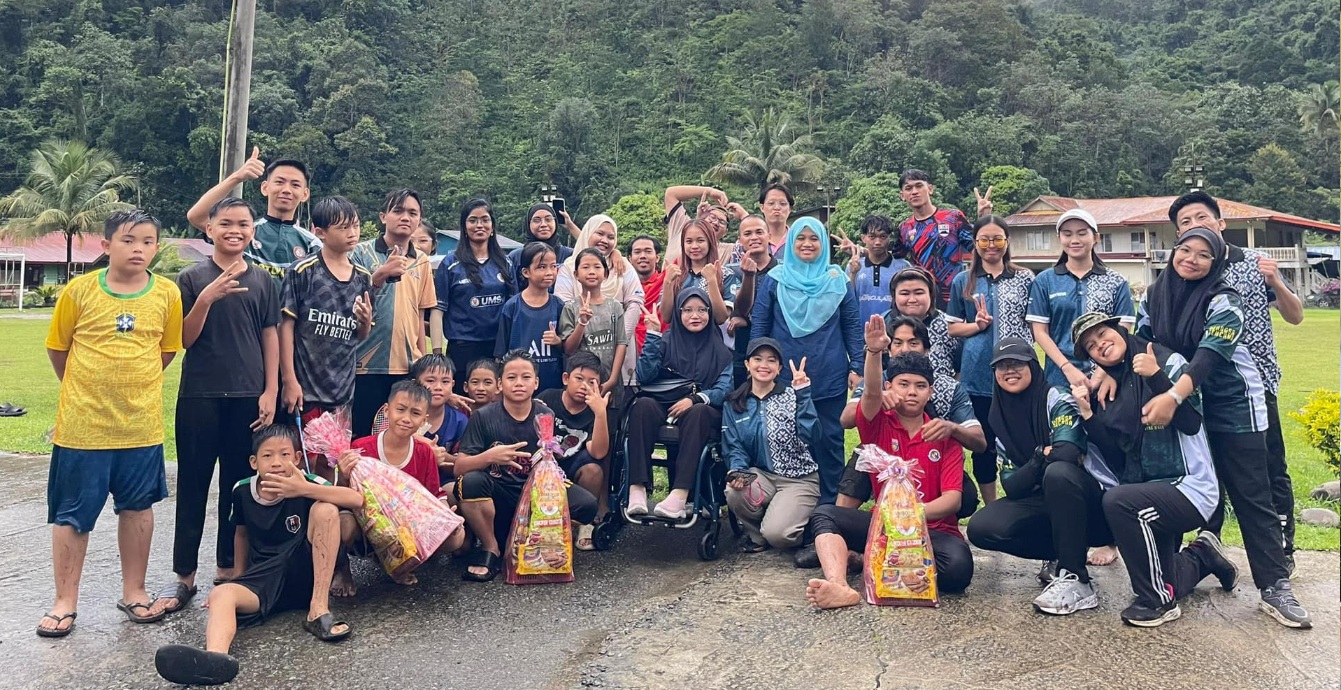
- ii. UMS Disabled Student Club Kelab Mahasiswa Orang Kurang Upaya (KMOKU-UMS) – a student-led advocacy body that promotes peer support, campus awareness campaigns, and inclusive leadership for OKU students.
- iii. Student Affairs Department ( Jabatan Hal Ehwal Pelajar , JHEP) – ensures that leadership and talent development programmes are inclusive and accessible to all student demographics, including B40, Orang Asal, OKU, and first-generation learners.
- iv. Leadership and Talent Development Division (Bahagian Kepimpinan dan Pembangunan Bakat, BKEPT) – oversees student affairs with a mandate to support student welfare, inclusion, and equity in academic and extracurricular programming.
- v. Strategic Management Centre (Pusat Pengurusan Strategik, PPS) – monitors university-wide strategic goals, including equity indicators and institutional inclusiveness performance.
Centre for Disability Management (Pusat Pengurusan Orang Kurang Upaya, PPOKU): Ensuring Rights, Support, and Accessibility
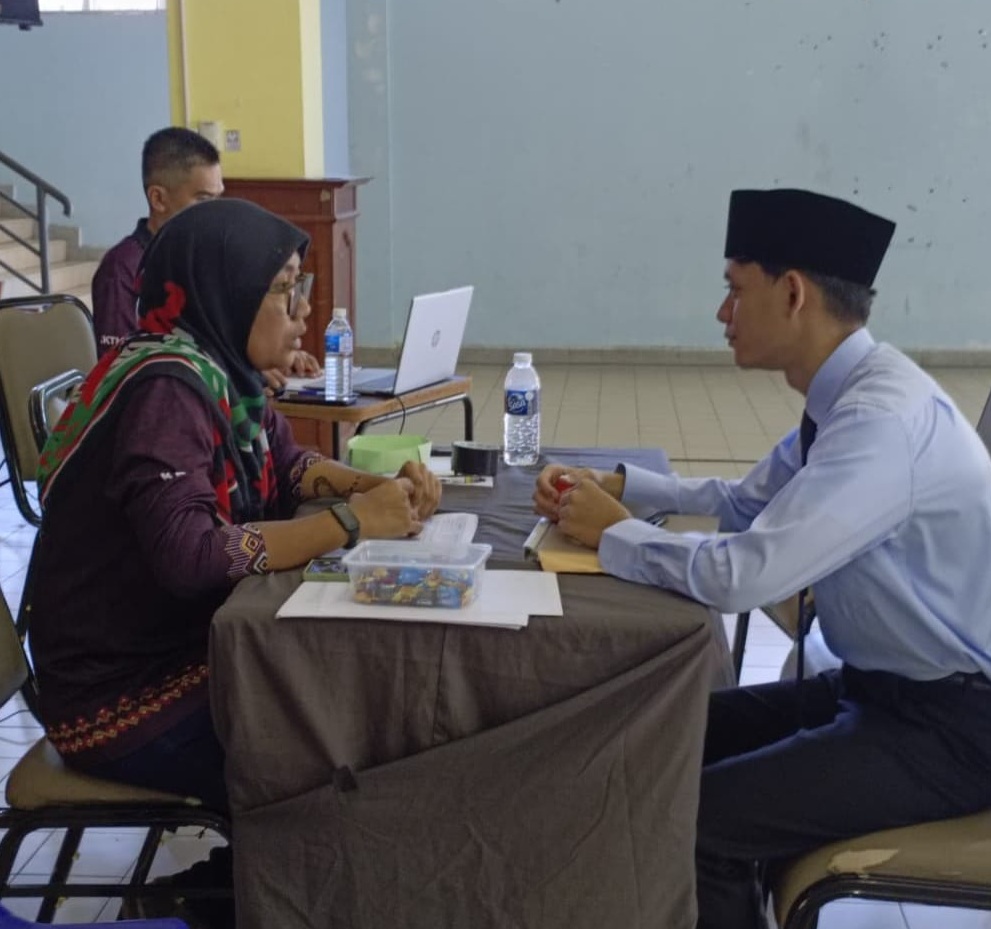
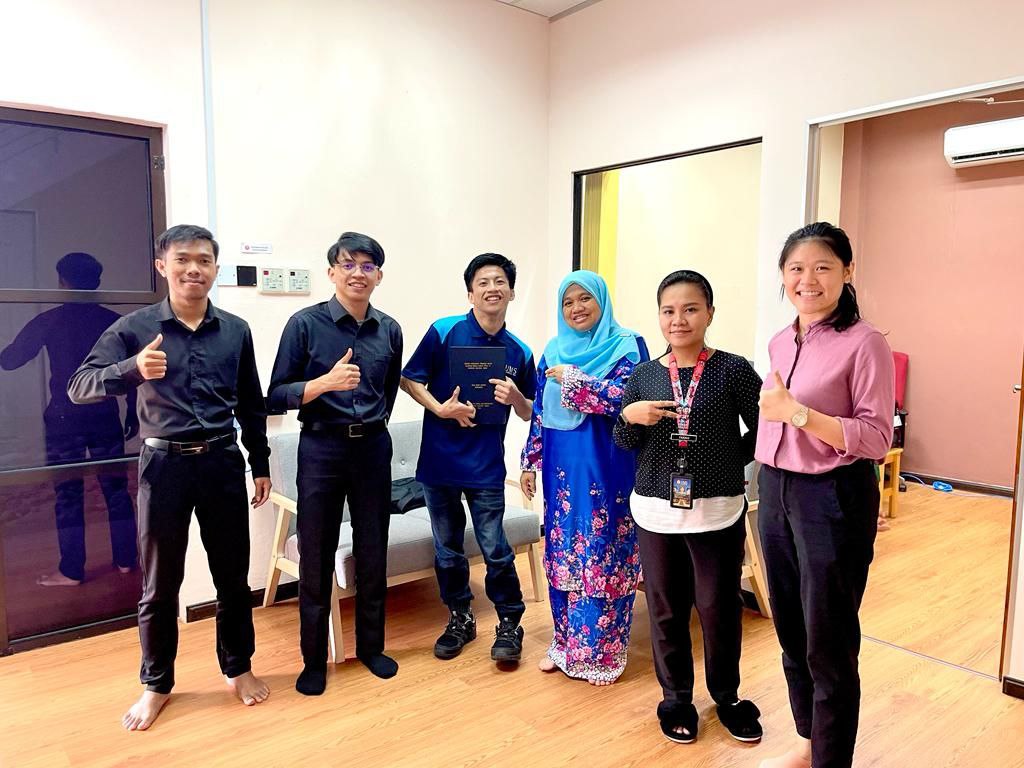
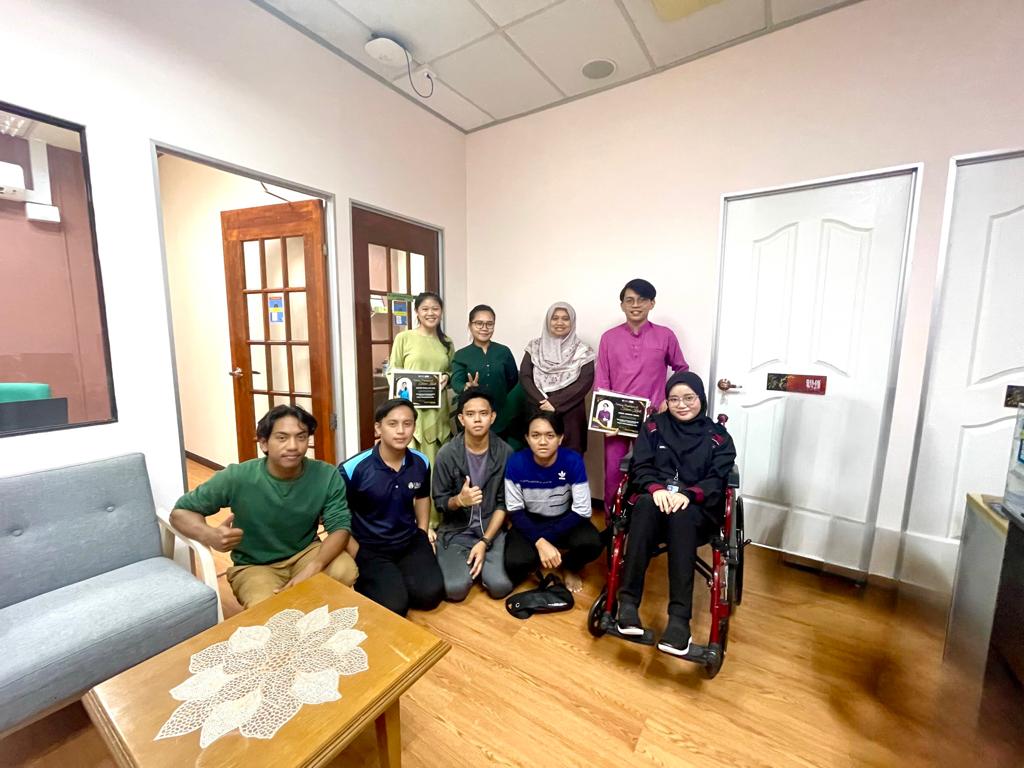
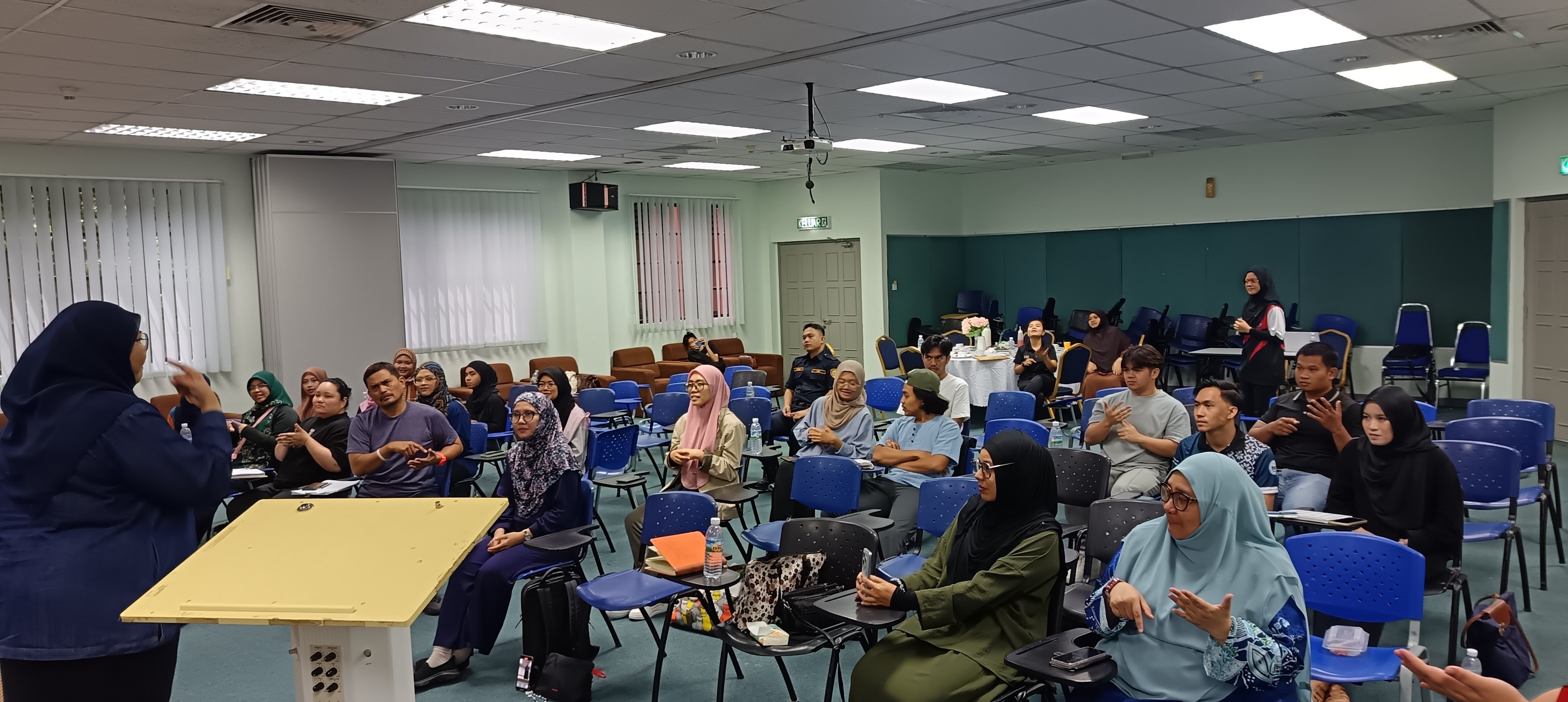
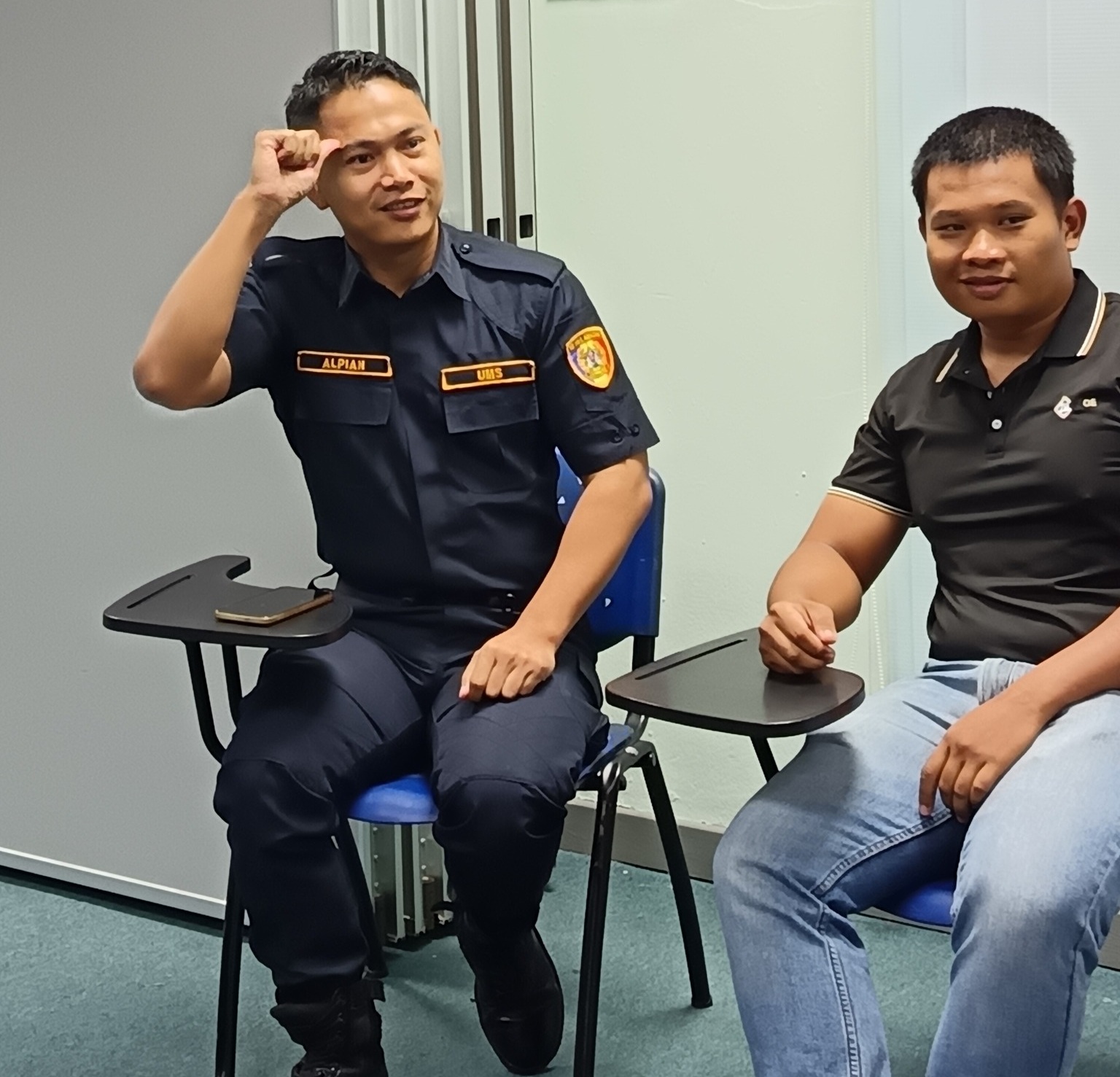
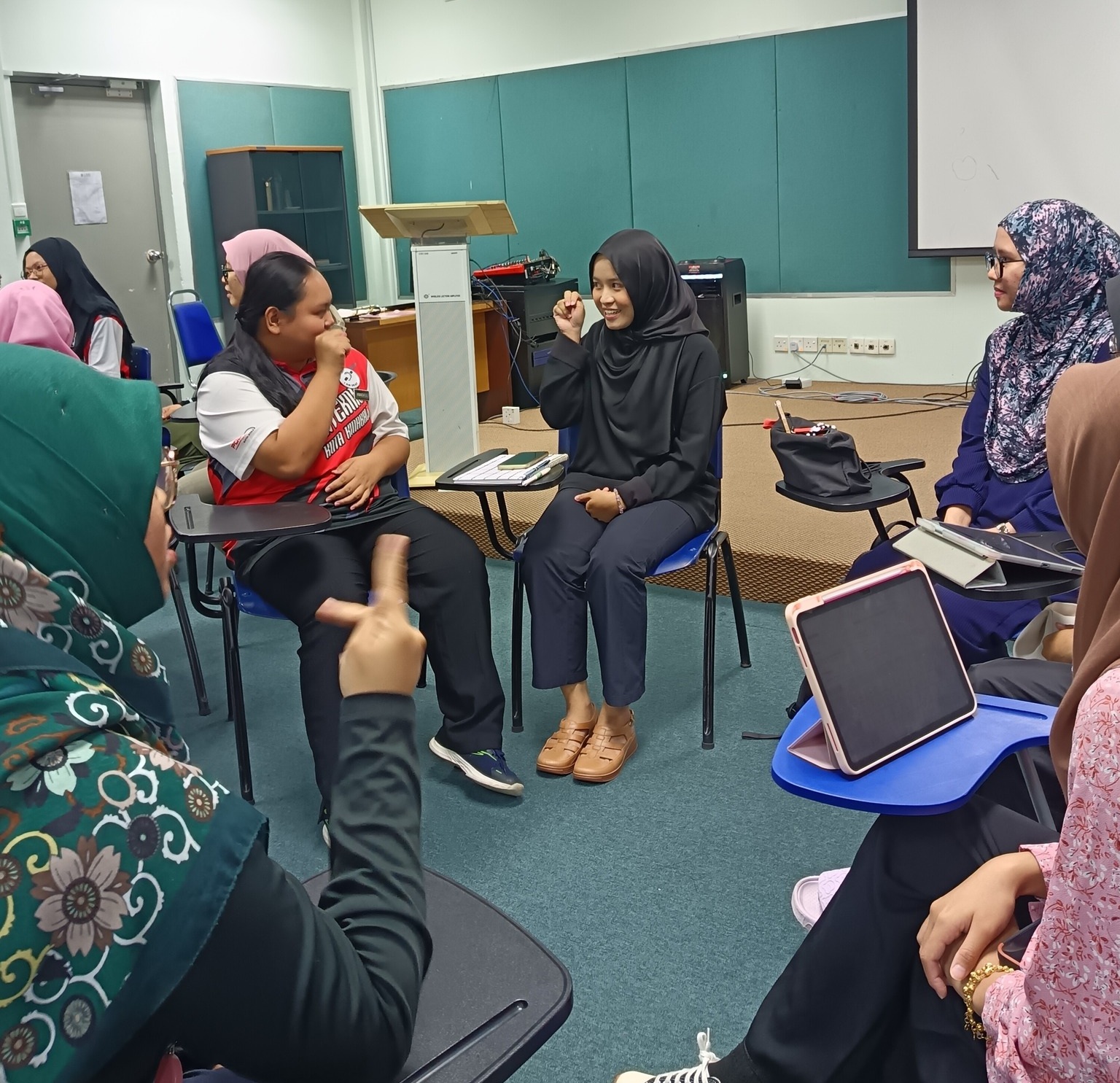
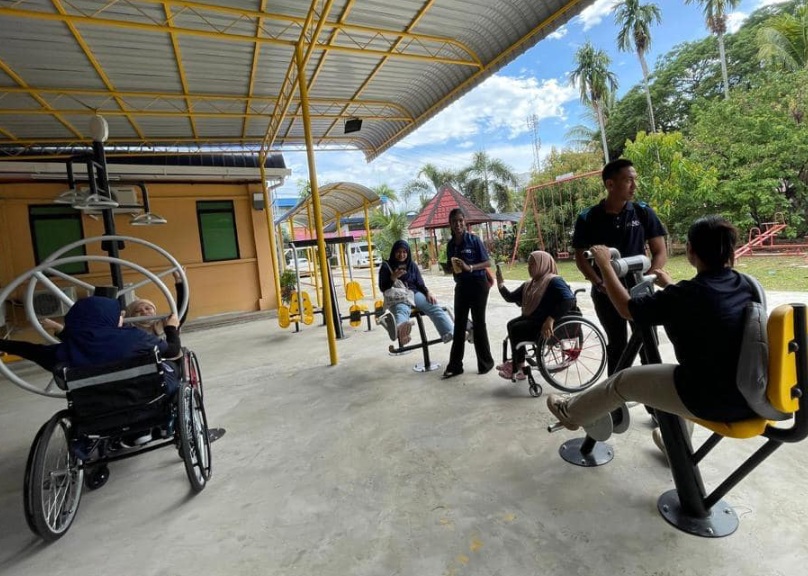
Disability Management Centre (Pusat Pengurusan Orang Kurang Upaya, PPOKU) is a dedicated administrative unit established to ensure the full integration of students with disabilities into university life. It is more than just a service center — it is a rights-based support hub, committed to ensuring access, accommodation, and advocacy for OKU students. The PPOKU at Universiti Malaysia Sabah (UMS) was established in February 2020 under the Student Affairs Department and began operating as an independent unit in 2021. Its establishment reflects the university’s commitment to supporting the Inclusive Policy for Persons with Disabilities (PWDs) in Higher Education Institutions, introduced by the Ministry of Higher Education (MOHE) in November 2018. PPOKU serves as the central coordinating body to ensure that the welfare, accessibility, and academic support for students with disabilities are delivered in a comprehensive and integrated manner across the university. This initiative demonstrates UMS’s commitment to inclusivity, equity, and the empowerment of all students regardless of their abilities. Aligned with national aspirations, the responsibility for supporting students with disabilities is shared collectively across the university community, including top management, administrators, academic staff, students, and support personnel. This collaborative approach ensures that the rights of students with disabilities are protected and that an inclusive campus environment is continuously fostered. In line with the Zero Reject Policy, implemented by the Ministry of Higher Education since 2019, UMS through PPOKU is committed to providing continuous and comprehensive educational support systems. These include accessible facilities, support services, and welfare assistance to ensure that students with disabilities can pursue their studies in a conducive environment and achieve their full academic and personal potential.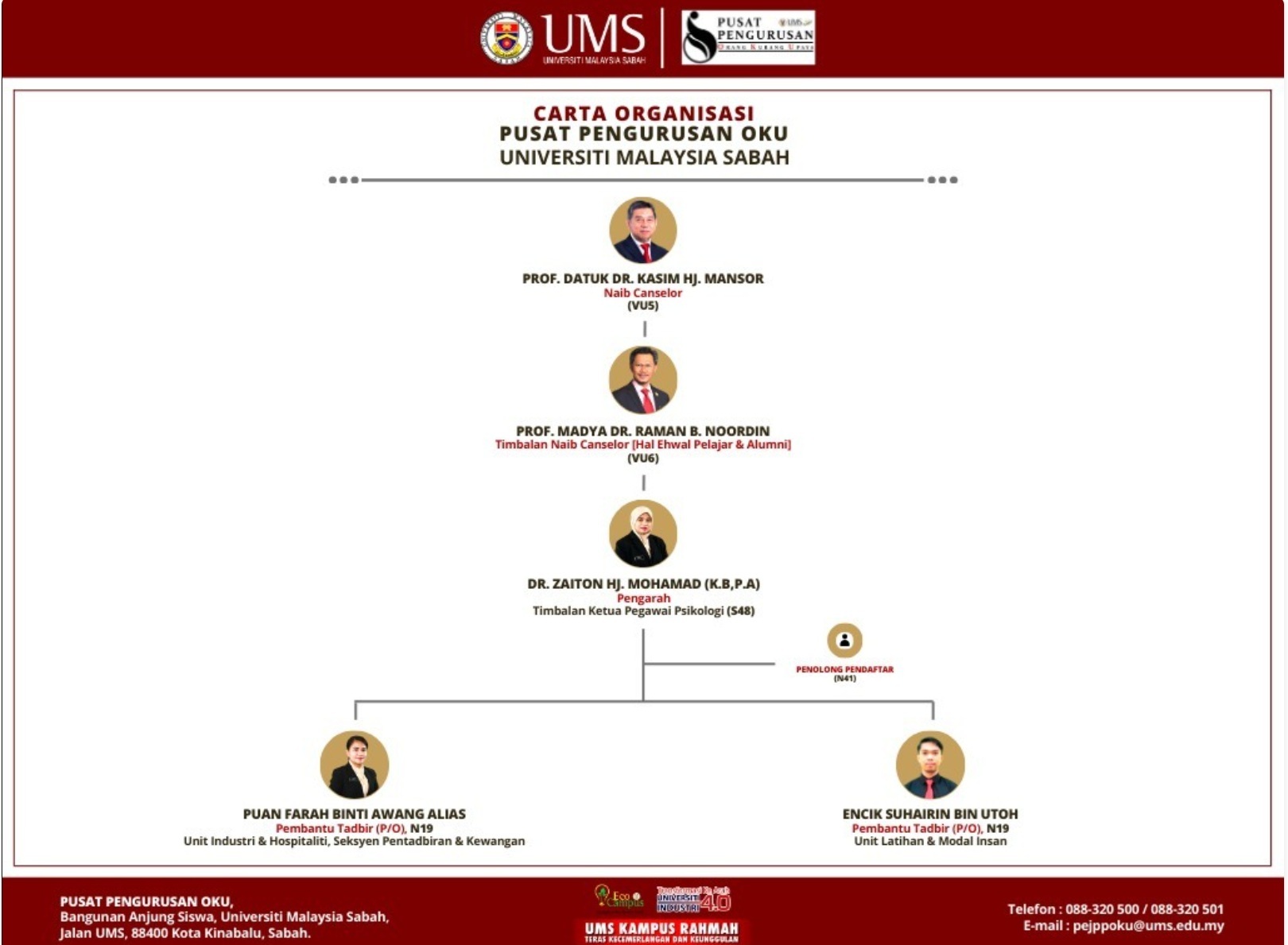
Key roles of PPOKU include:
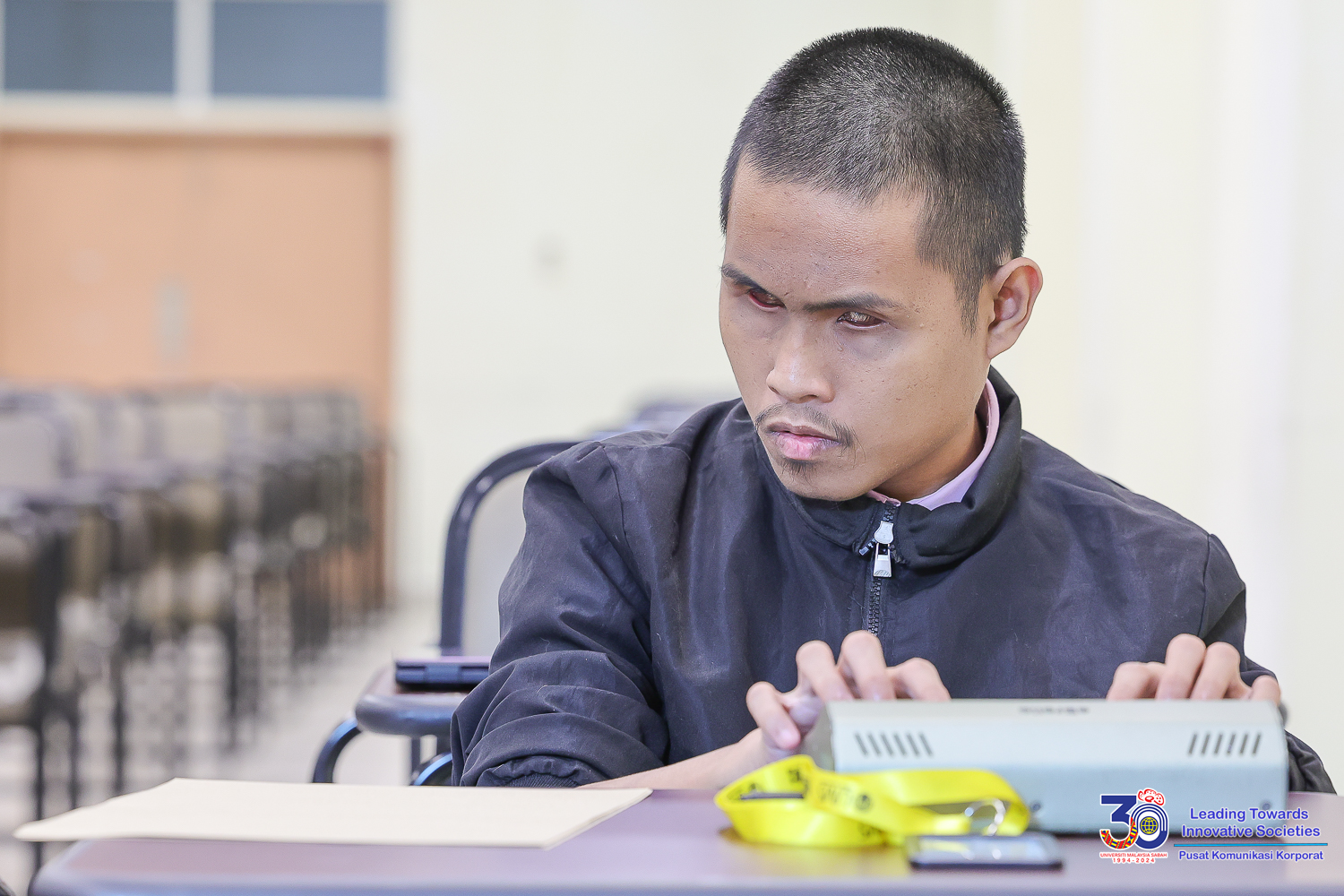
- i. Academic accommodations (e.g. extended exam time, braille/large print materials, note-taker services)
- ii. Liaison with faculties to coordinate special teaching needs and learning support
- iii. Monitoring the physical accessibility of lecture halls, libraries, labs, hostels, and toilets
- iv. Coordinating assistive technology, including screen readers, mobility aids, and adaptive computing tools
- v. Referral services for counseling, peer mentoring, and inclusive career planning
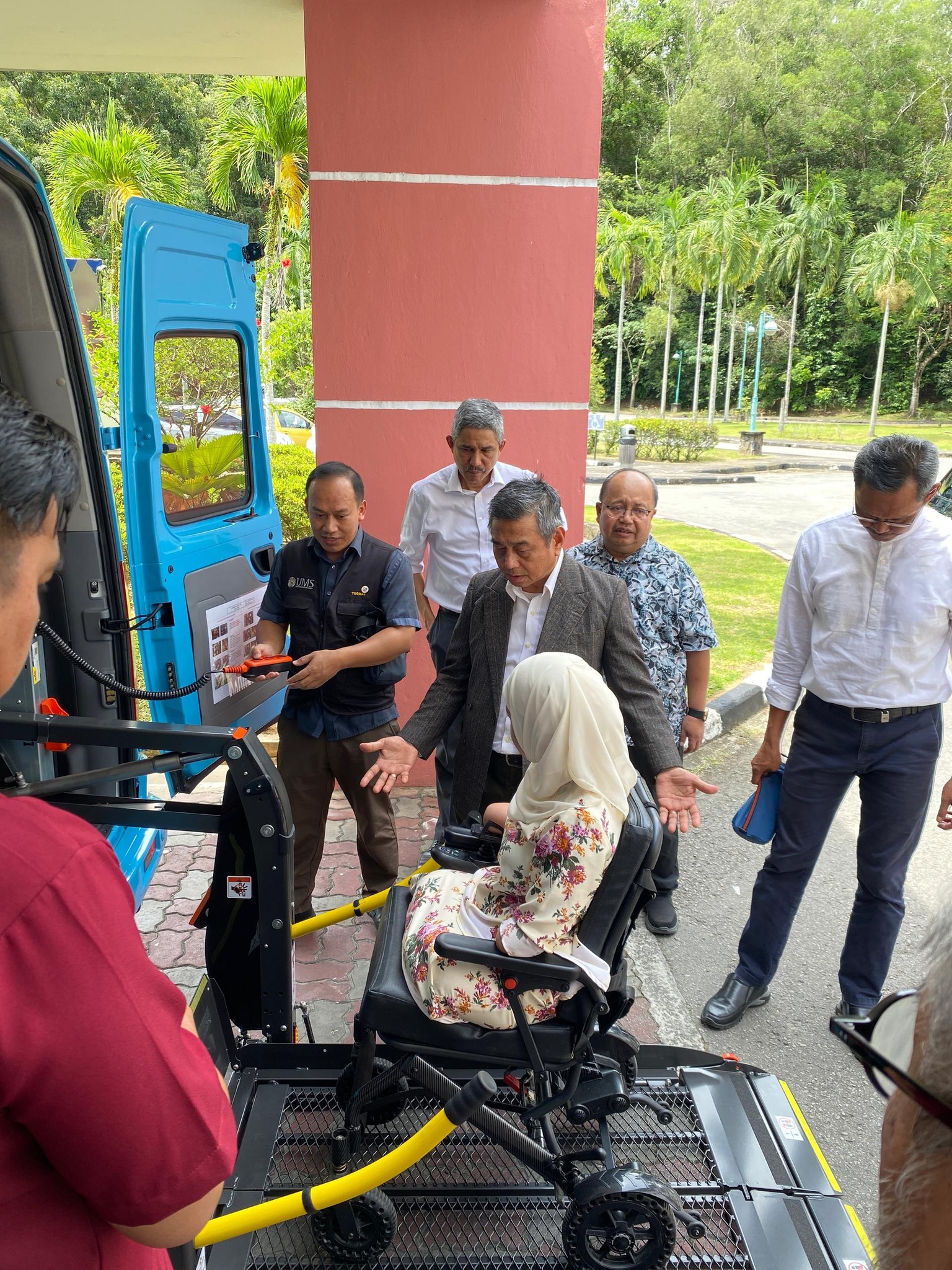
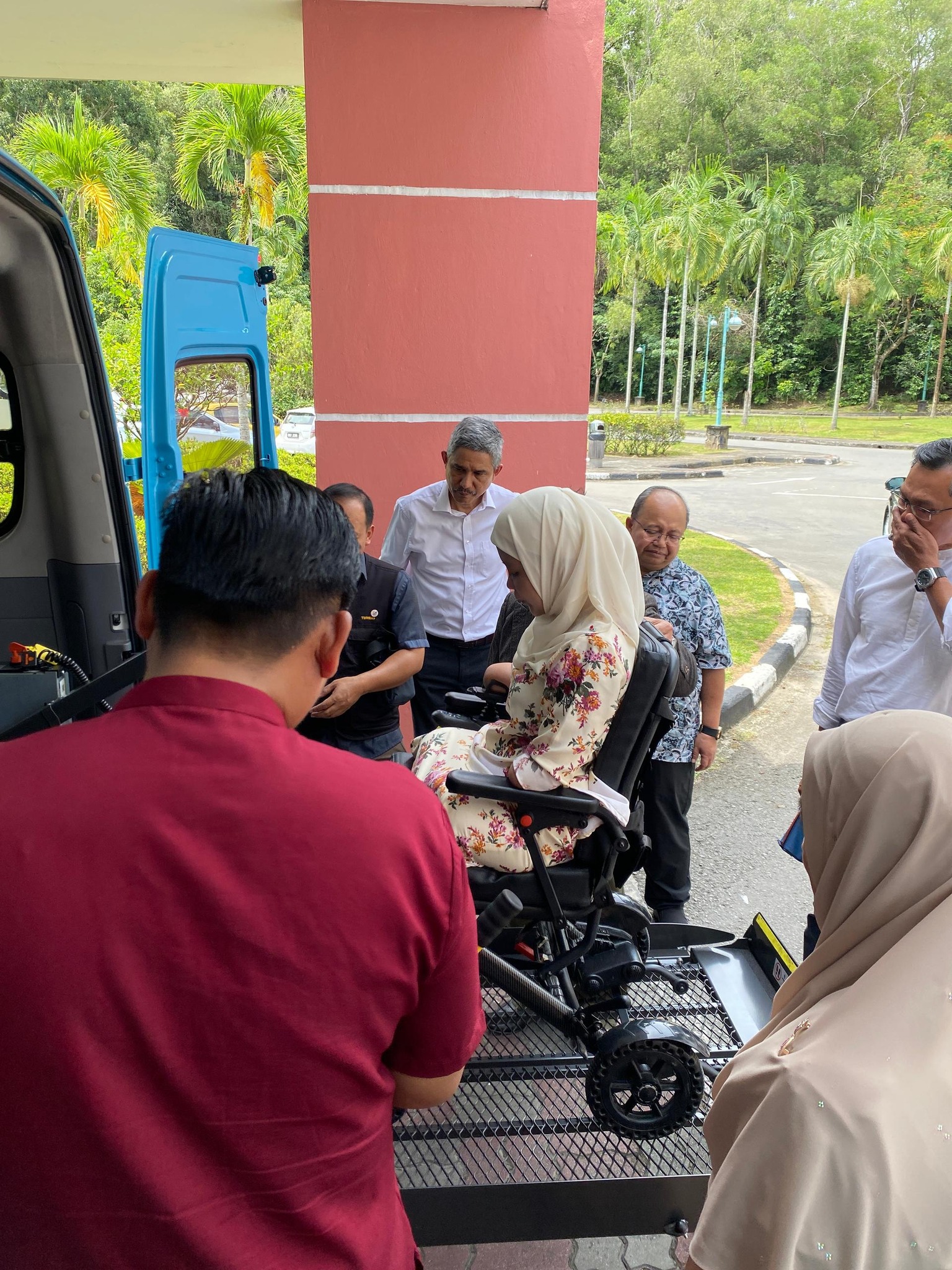
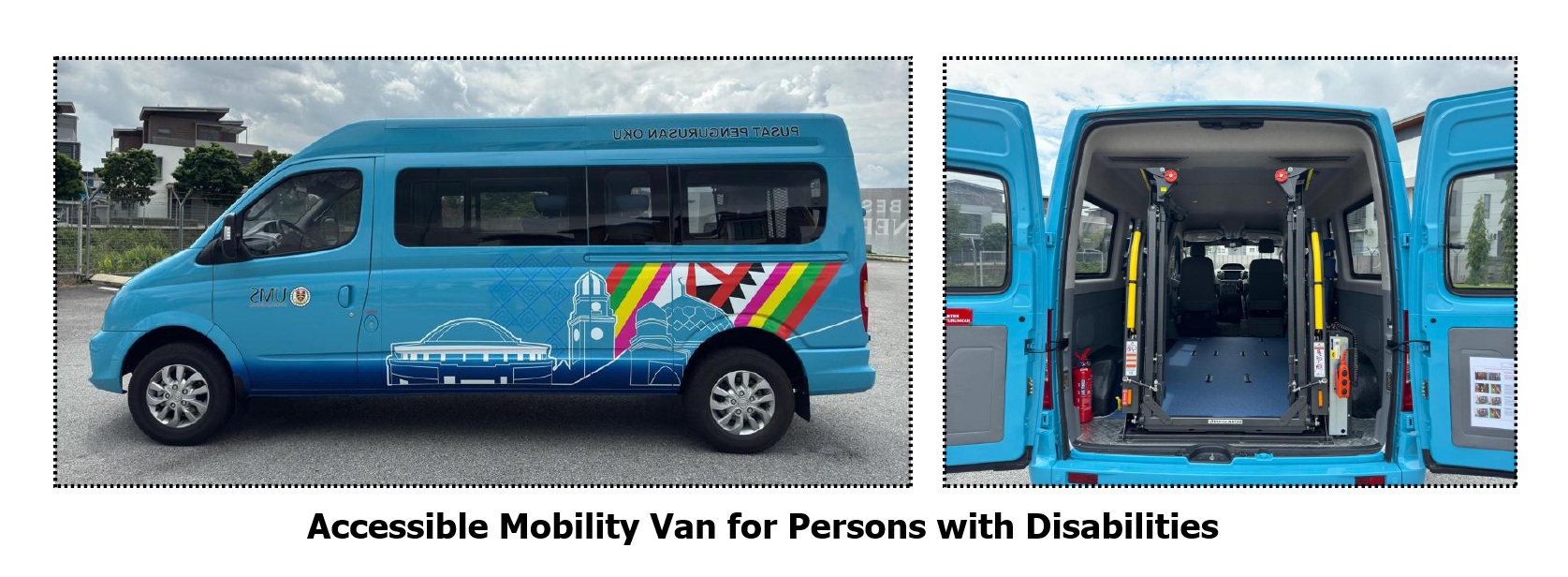
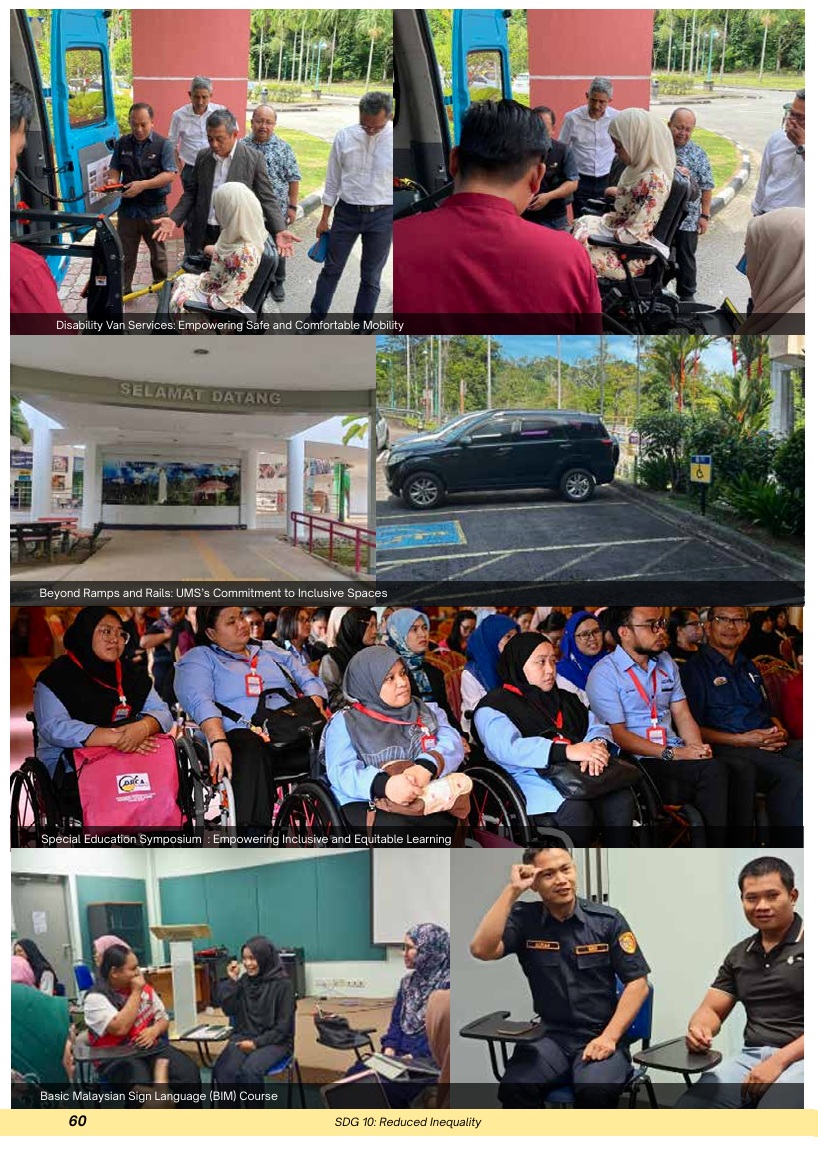
- vi. Provides a dedicated accessible van equipped with a hydraulic lift and wheelchair-friendly features to support safe and convenient mobility for students with disabilities within and beyond campus.
- vii.UMS offers a 50% tuition fee reduction to students and FREE education under Rancangan Pendidikan Negara (2025-2035) with disabilities registered with the Department of Social Welfare (JKM) to promote equitable and inclusive access to higher education.
UMS Disabled Student Club Kelab Mahasiswa Orang Kurang Upaya (KMOKU-UMS)
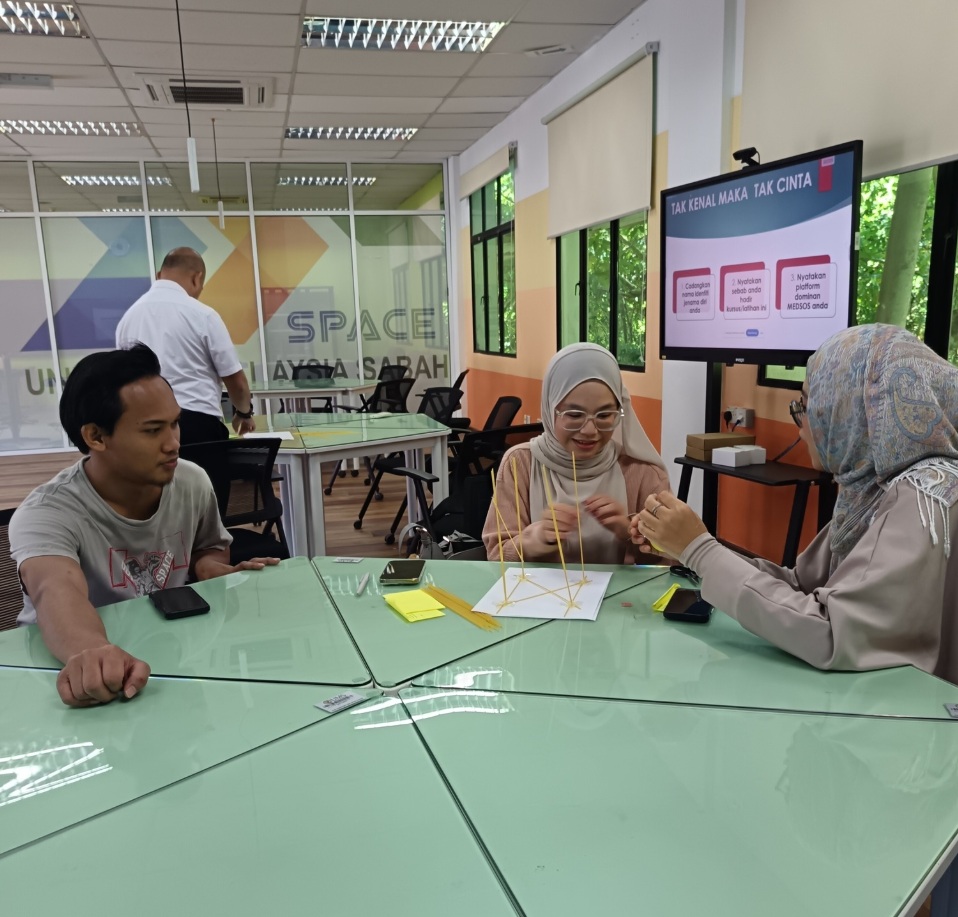
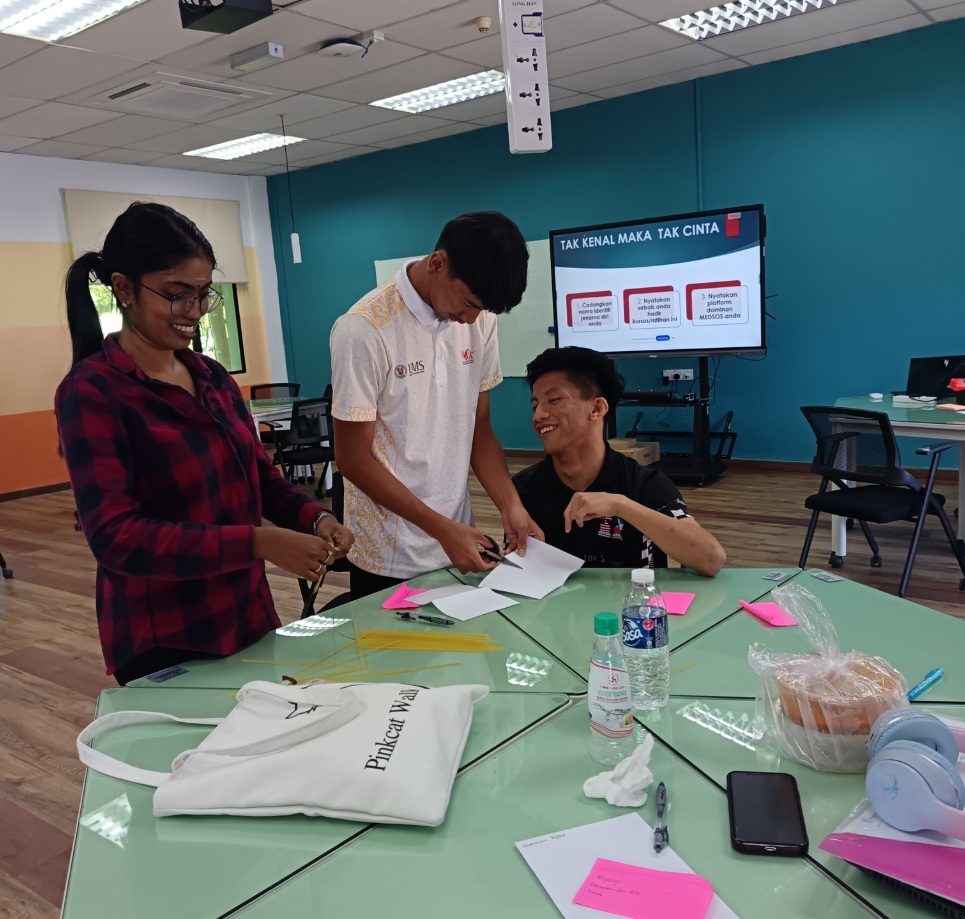
The Kelab Mahasiswa Orang Kurang Upaya (OKU) at Universiti Malaysia Sabah (UMS) plays a significant and unique role in advancing sustainability by emphasising the often-overlooked social dimensions of sustainable development, particularly inclusivity, accessibility, and equal participation. While the club's primary focus is to advocate for the rights, empowerment, and visibility of students with disabilities, its initiatives are closely aligned with the United Nations Sustainable Development Goals (SDGs), especially Goal 10 (Reduced Inequalities) and Goal 11 (Sustainable Cities and Communities). Notable Initiatives:- i. Campaigns Promoting Inclusive Access to Green Infrastructure: The club works alongside campus planners and sustainability officers to advocate for barrier-free access in eco-friendly buildings, public spaces, and green mobility systems across campus, ensuring that environmental upgrades are usable by all..
- ii. Participation in Sustainable Campus Planning Discussions: Members of the club actively participate in dialogues and consultations related to UMS’s EcoCampus initiatives, contributing critical insights on inclusive design and social justice in sustainability.
- iii. Collaboration on Inclusive Eco-Education: The club partners with other student organisations, such as the Jabatan Eco Campus dan Inovasi, to co-host workshops, awareness campaigns, and green events that incorporate perspectives on disability and social inclusion. These efforts ensure that sustainability education is accessible and relatable to a wider audience. Together, these societies reflect UMS’s holistic approach to sustainability—encompassing environmental, social, and institutional dimensions—and empower students to be proactive agents of change.
Academic B40 Performance and Monitoring Framework
At Universiti Malaysia Sabah (UMS), academic equity extends beyond access — it is about ensuring that every student, regardless of background, completes their educational journey successfully. The Academic B40 Performance Framework was established to guarantee that students from B40 and low-income households are not only admitted but supported to achieve academic excellence and graduation. This framework aligns with UMS’s institutional target of maintaining a minimum 90% graduation and completion rate for all B40 students, reflecting the university’s steadfast commitment to educational inclusivity and success.
| Category | Total Number of Graduates in 2024 | B40 Graduates in 2024 |
|---|---|---|
| Actual Graduates | 4,474 | 1,464 |
| Targeted Graduates | 4,523 | 1,478 |
| Completion Rate | 98.92% | 99.05% |
Infrastructure with empathy — creating equal access for all.
Beyond Ramps and Rails: UMS’s Commitment to Inclusive Spaces
Universiti Malaysia Sabah (UMS) has positioned itself as a national leader in promoting inclusive education by providing a wide range of accessible facilities and support services for students and staff with disabilities (OKU). In line with the Persons with Disabilities Act 2008, as well as UMS’s own Equality, Diversity, Inclusion and Anti-Discrimination Policy, the university ensures that accessibility is not treated as a privilege or afterthought, but as a fundamental right. This commitment is reflected in UMS’s comprehensive approach to accessibility—spanning physical infrastructure, student housing, mobility support, assistive technologies, and inclusive programming. At the core of this effort is the goal to create a barrier-free, sustainable, and equitable learning environment where every student, regardless of ability, can learn, live, and thrive with dignity.
A Policy-Guided Vision for Inclusion
All accessibility initiatives at UMS are guided by the university’s DASAR INKLUSIF OKU, which outlines clear institutional responsibilities and compliance with national standards. Through this policy, UMS ensures that persons with disabilities have equal access to education, services, facilities, and opportunities, consistent with Malaysia’s commitment to the UN Convention on the Rights of Persons with Disabilities. UMS operationalizes this vision through the UMS Green Facilities Map, which identifies key accessible locations and infrastructure elements across campus. Features include:-
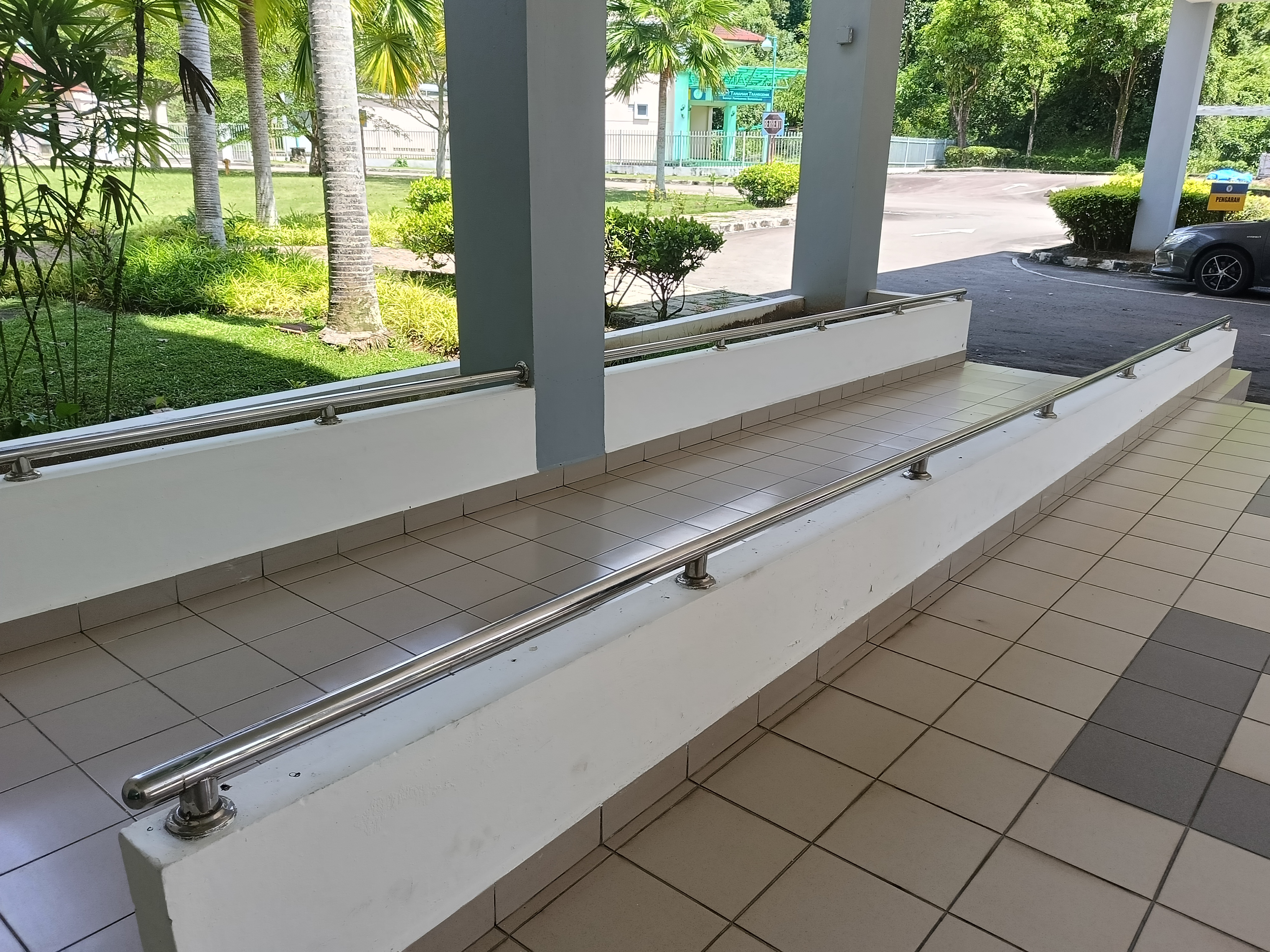
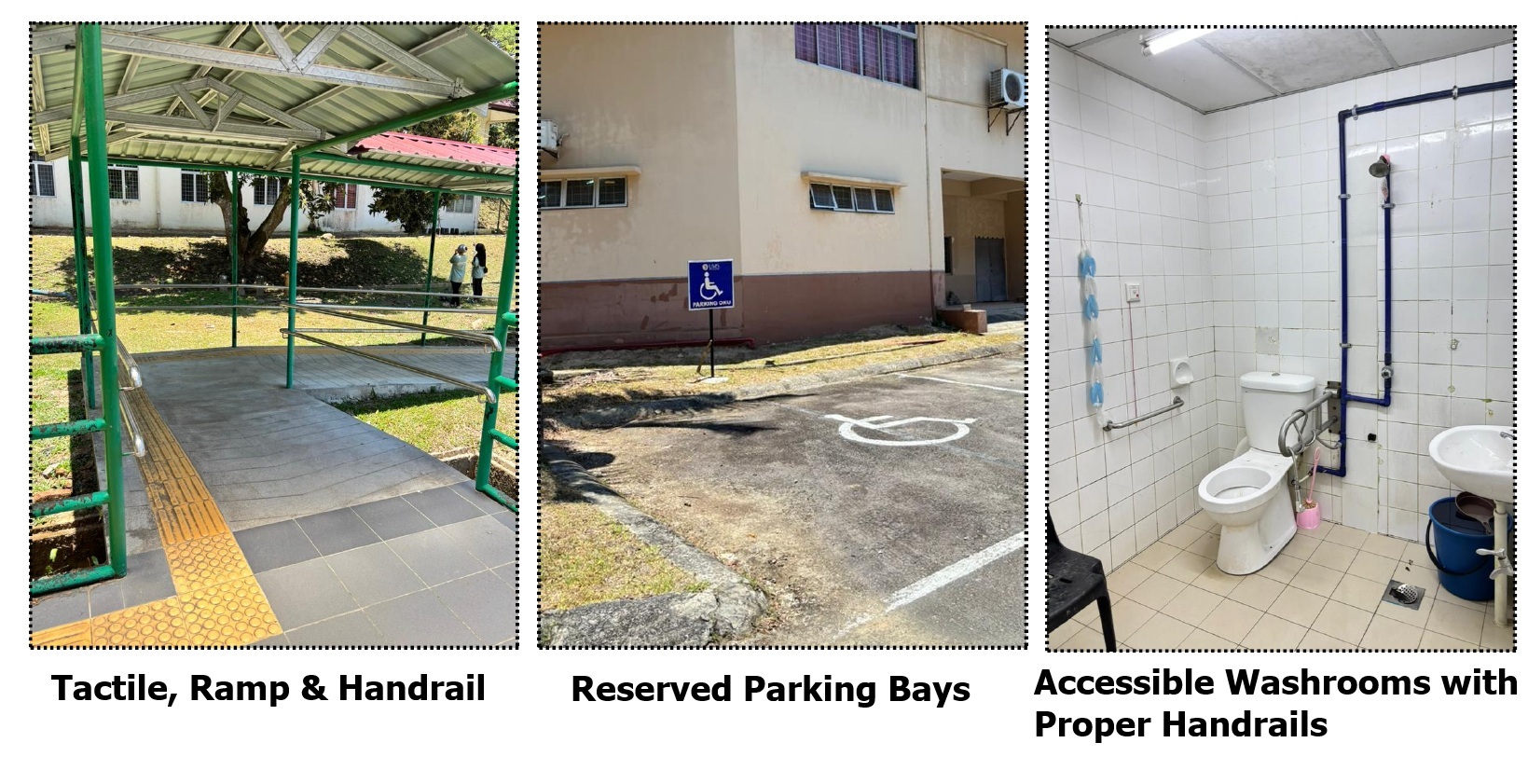
i. Wheelchair-friendly ramps and corridors
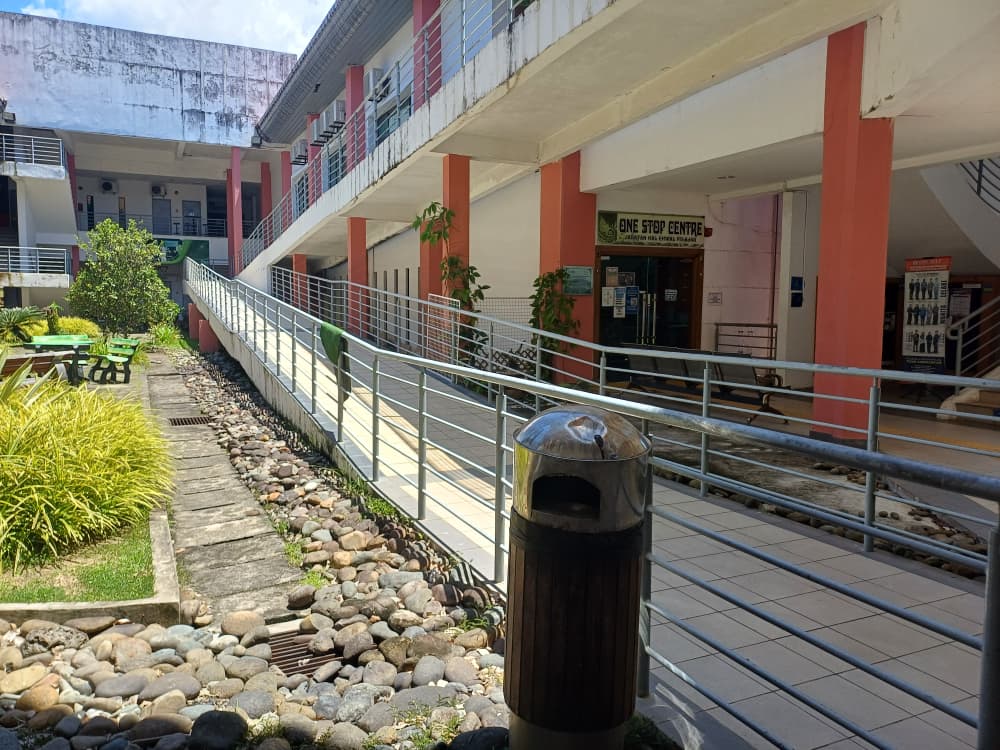
UMS has constructed gentle-sloped ramps with non-slip surfaces to connect key areas in the hostel blocks, ensuring smooth mobility for wheelchair users. Corridors are wide enough to accommodate the turning radius of standard and motorized wheelchairs, allowing students to move between rooms and communal areas without obstruction.
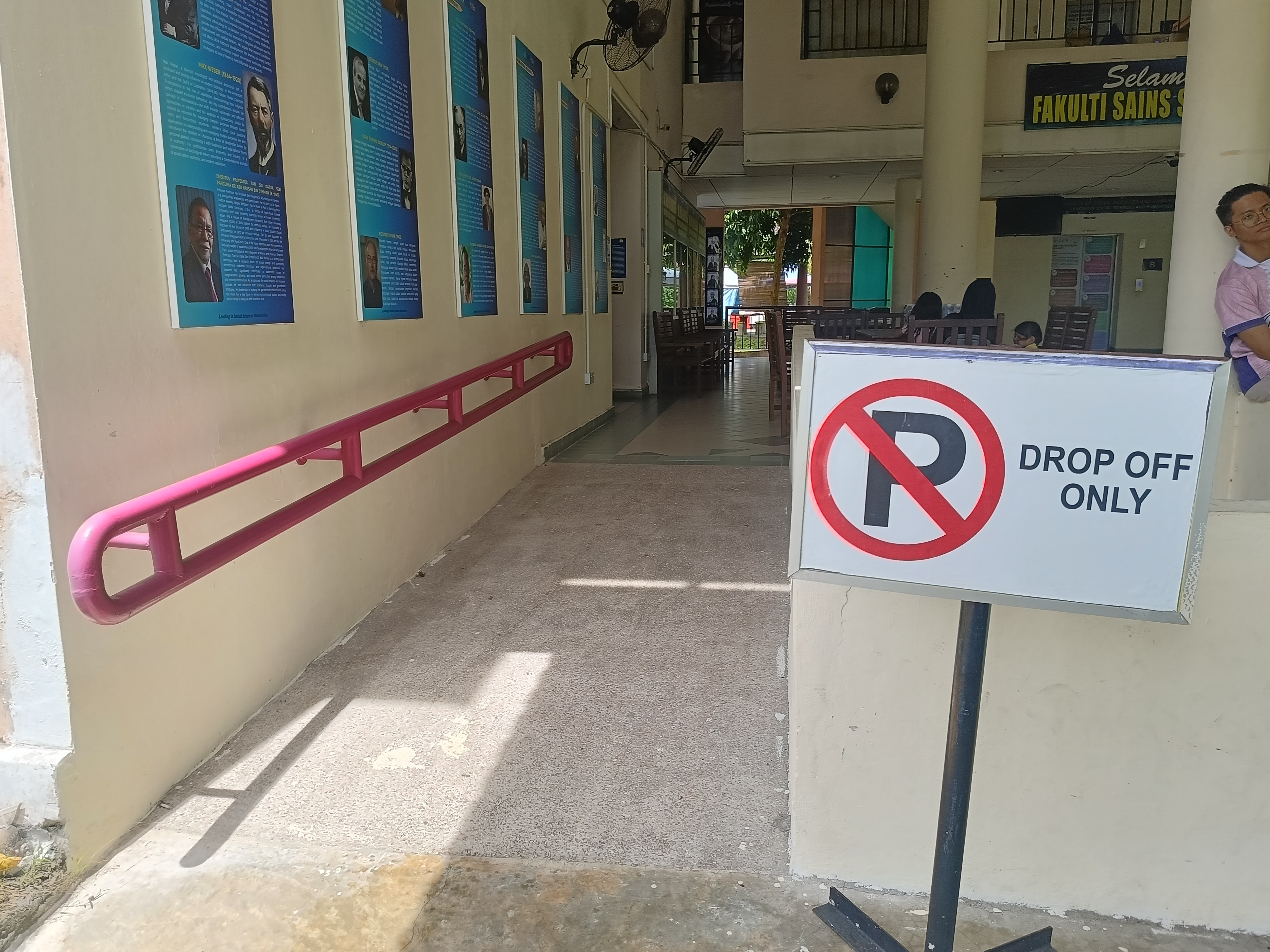
Handrails are installed along all critical routes and ramps within the residential area, offering stability and support for students with mobility challenges. These handrails serve as a crucial aid for individuals who experience difficulty walking, providing a physical anchor that helps prevent falls and reduces fatigue during movement.
-
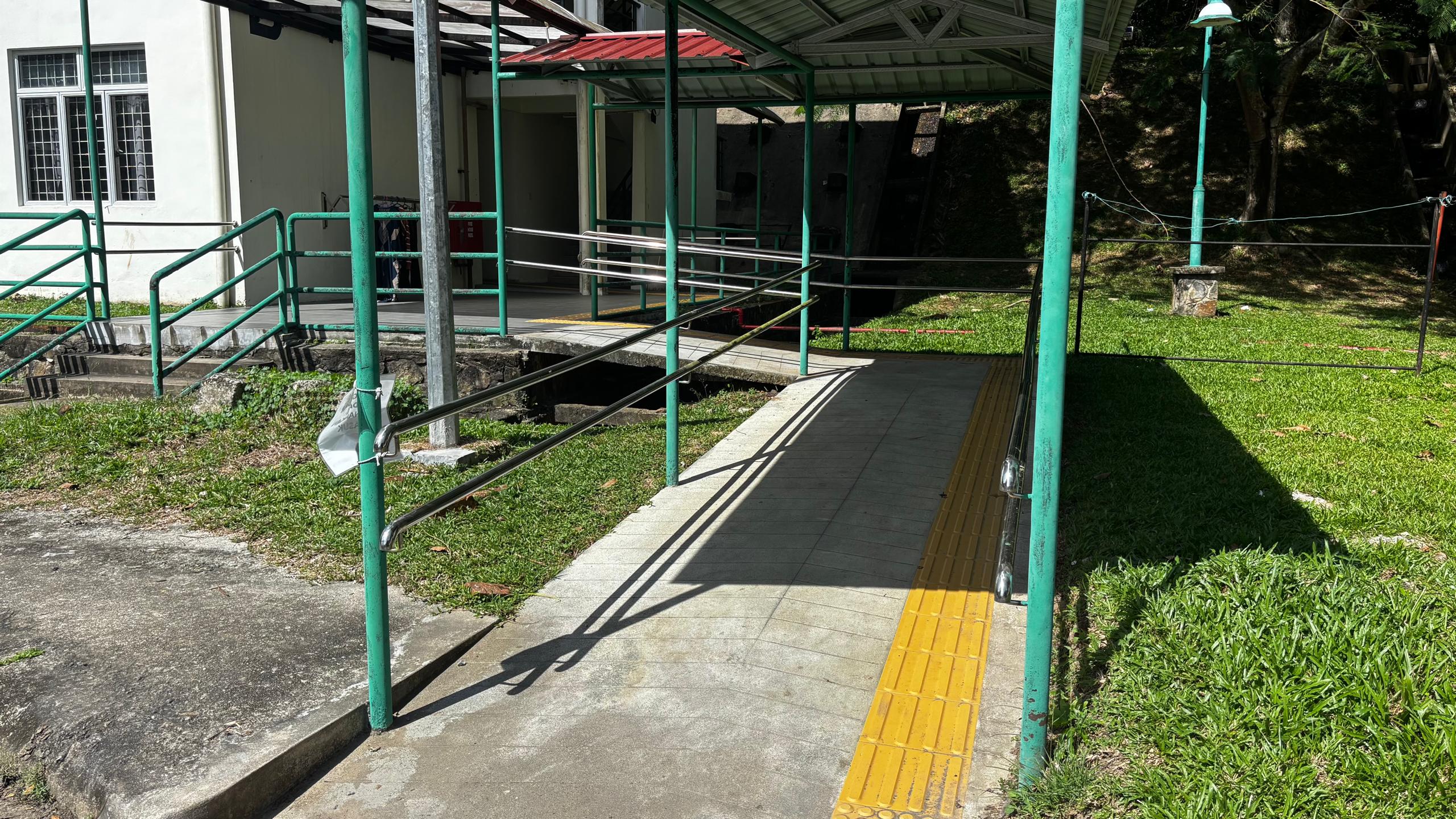
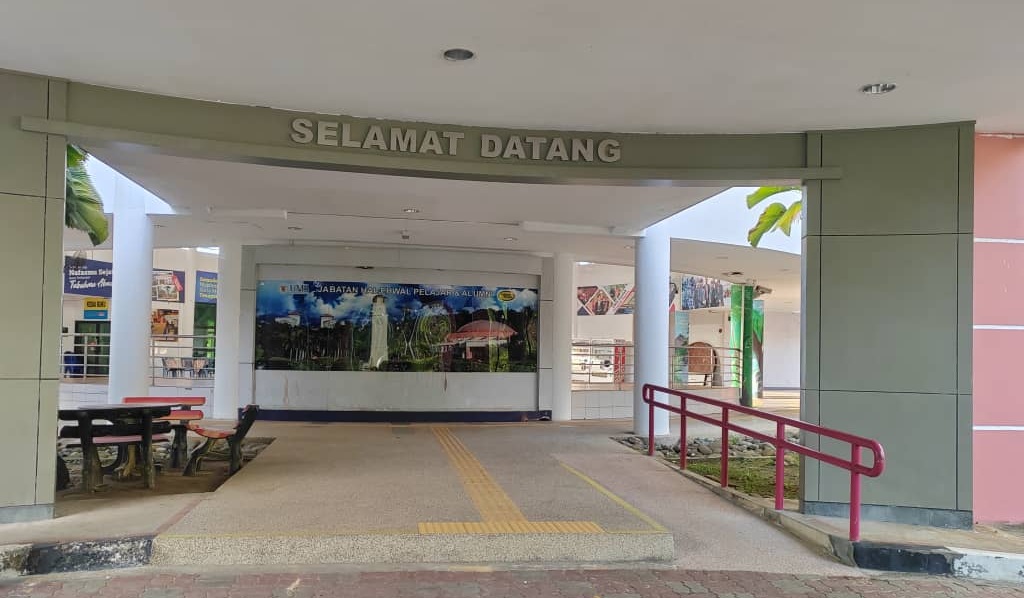
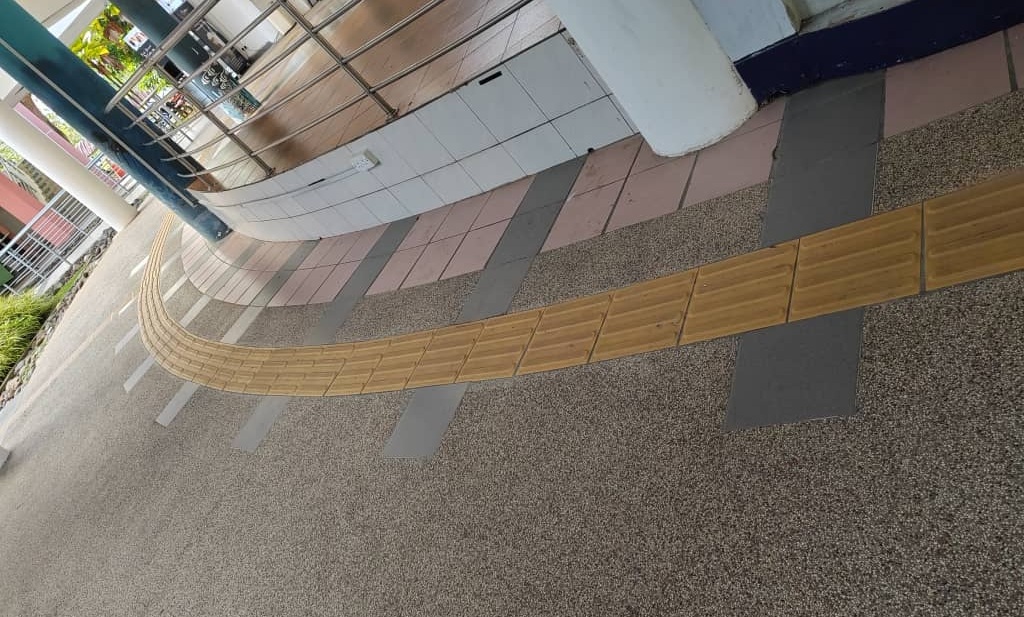
ii. Tactile paving for the visually impaired
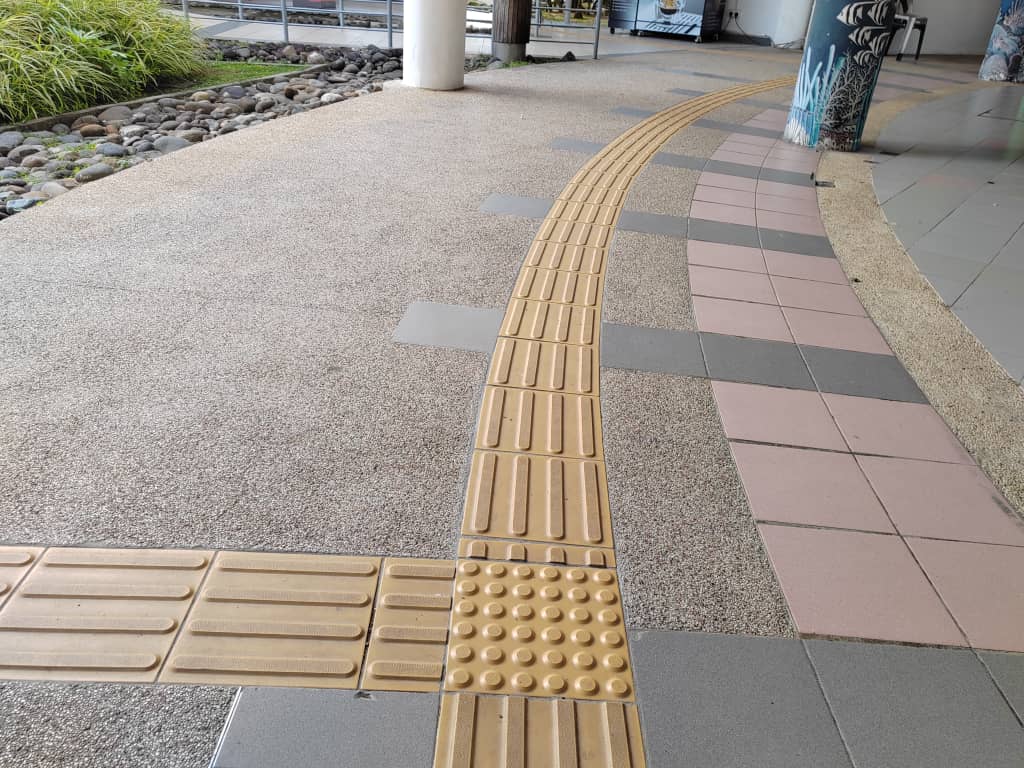
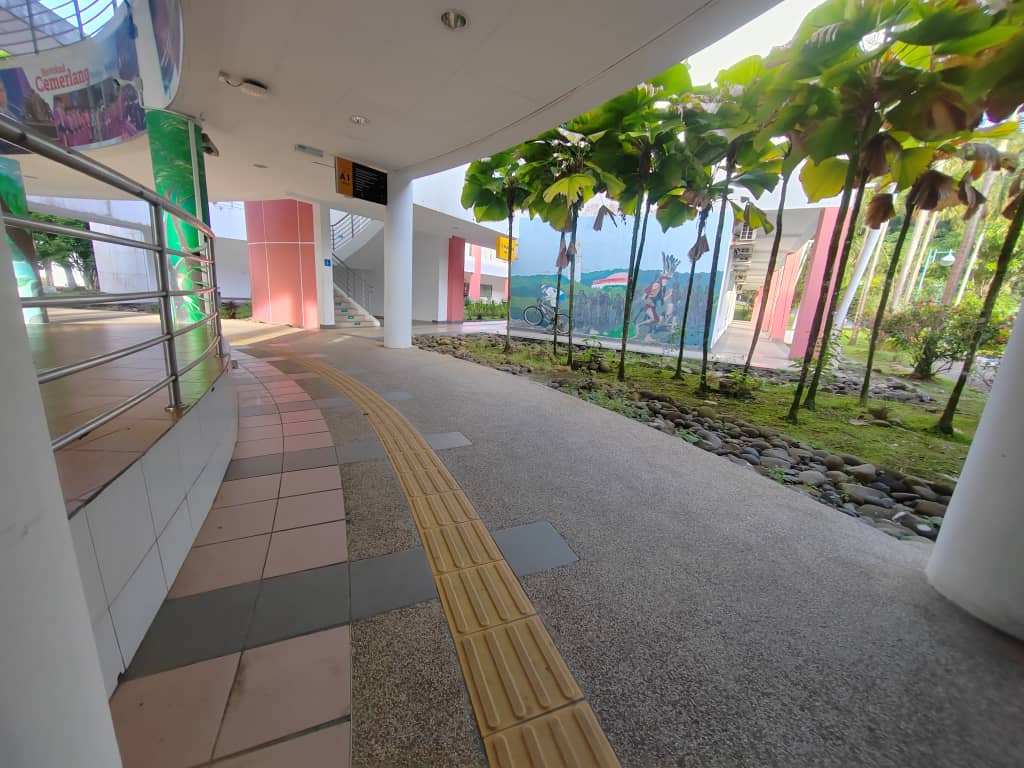
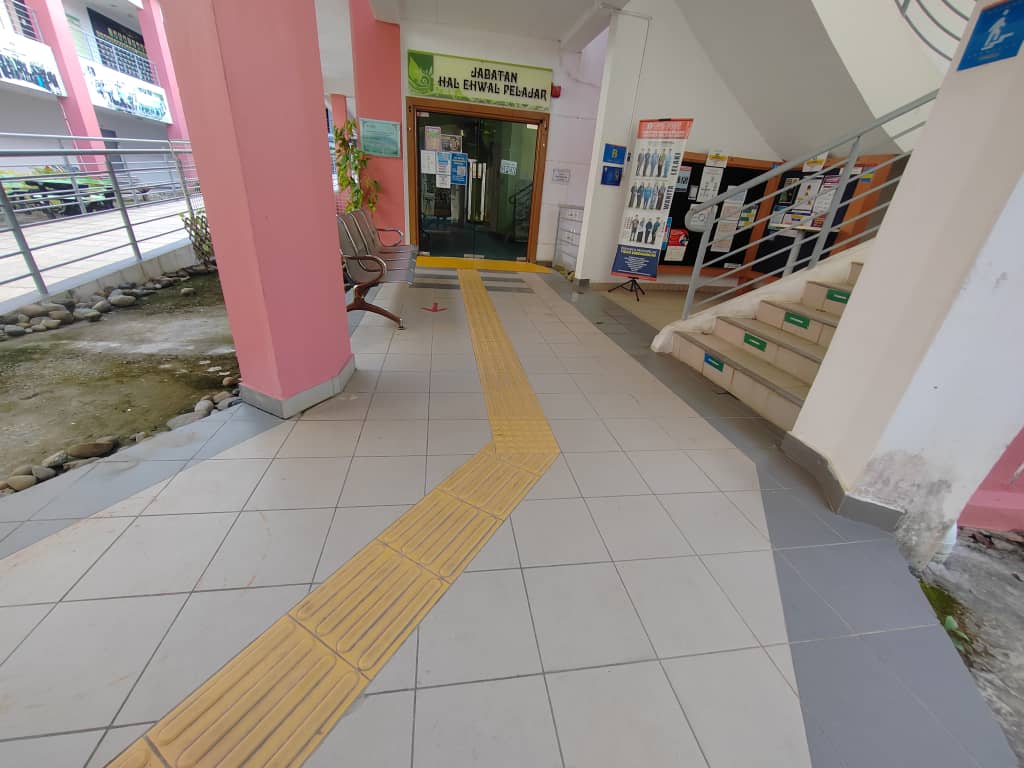
Tactile paving or indicators are embedded along major walkways, staircases, and near entry points to help guide visually impaired students. These textured surfaces provide sensory feedback through the feet or a cane, enabling students to navigate campus safely and independently, particularly in unfamiliar or crowded areas.
-
iii. OKU-designated parking bays
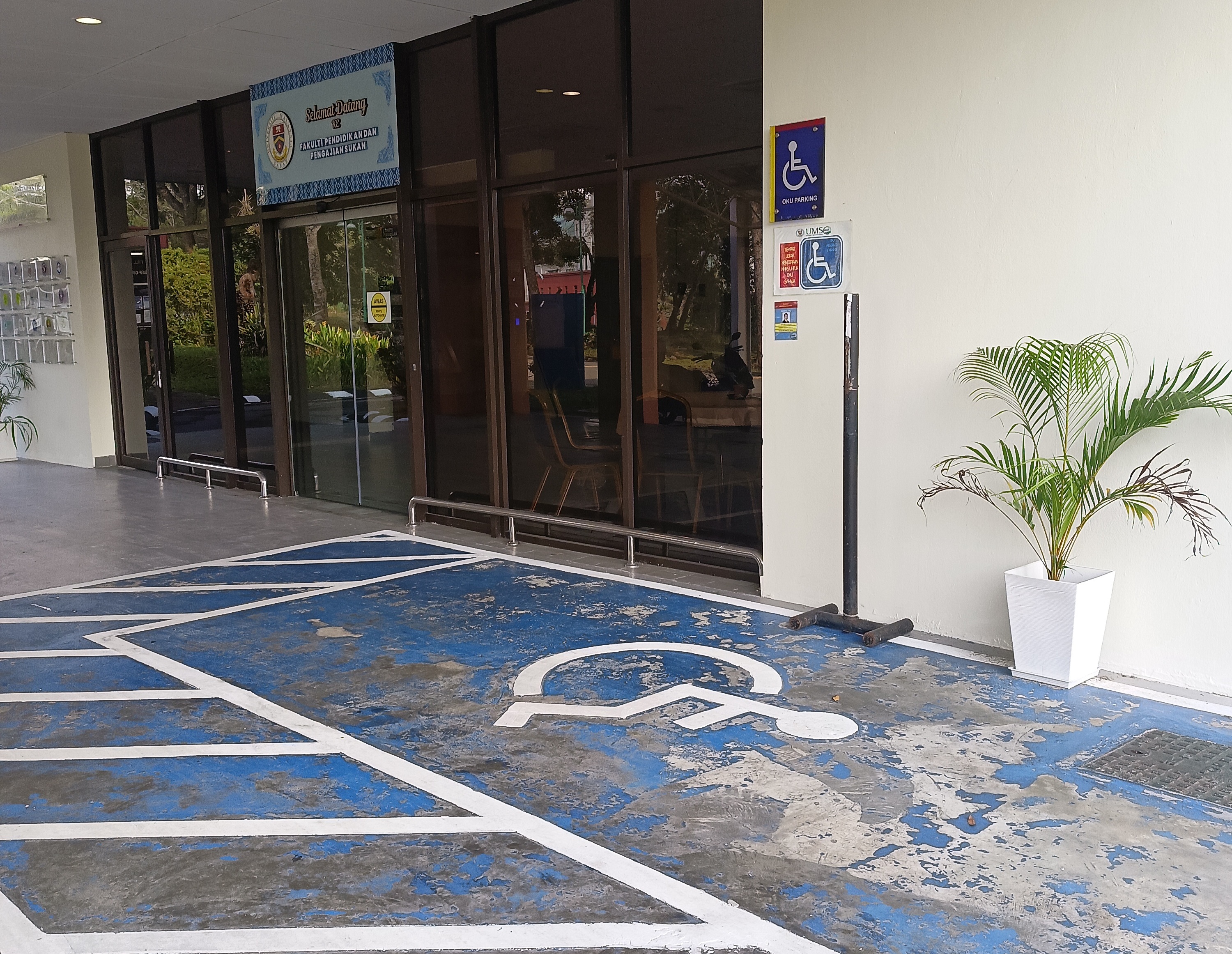
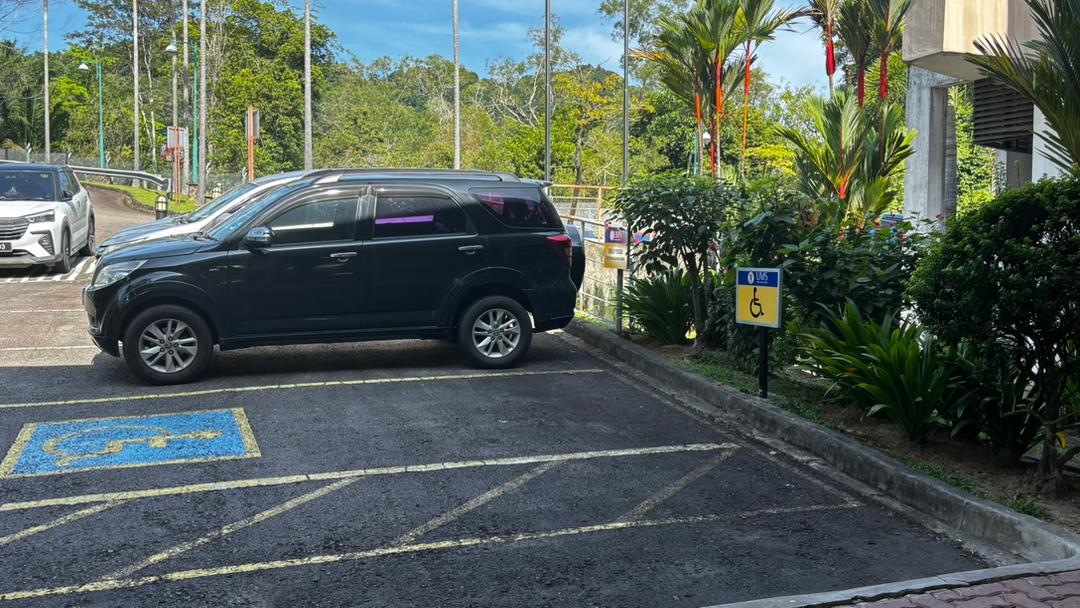
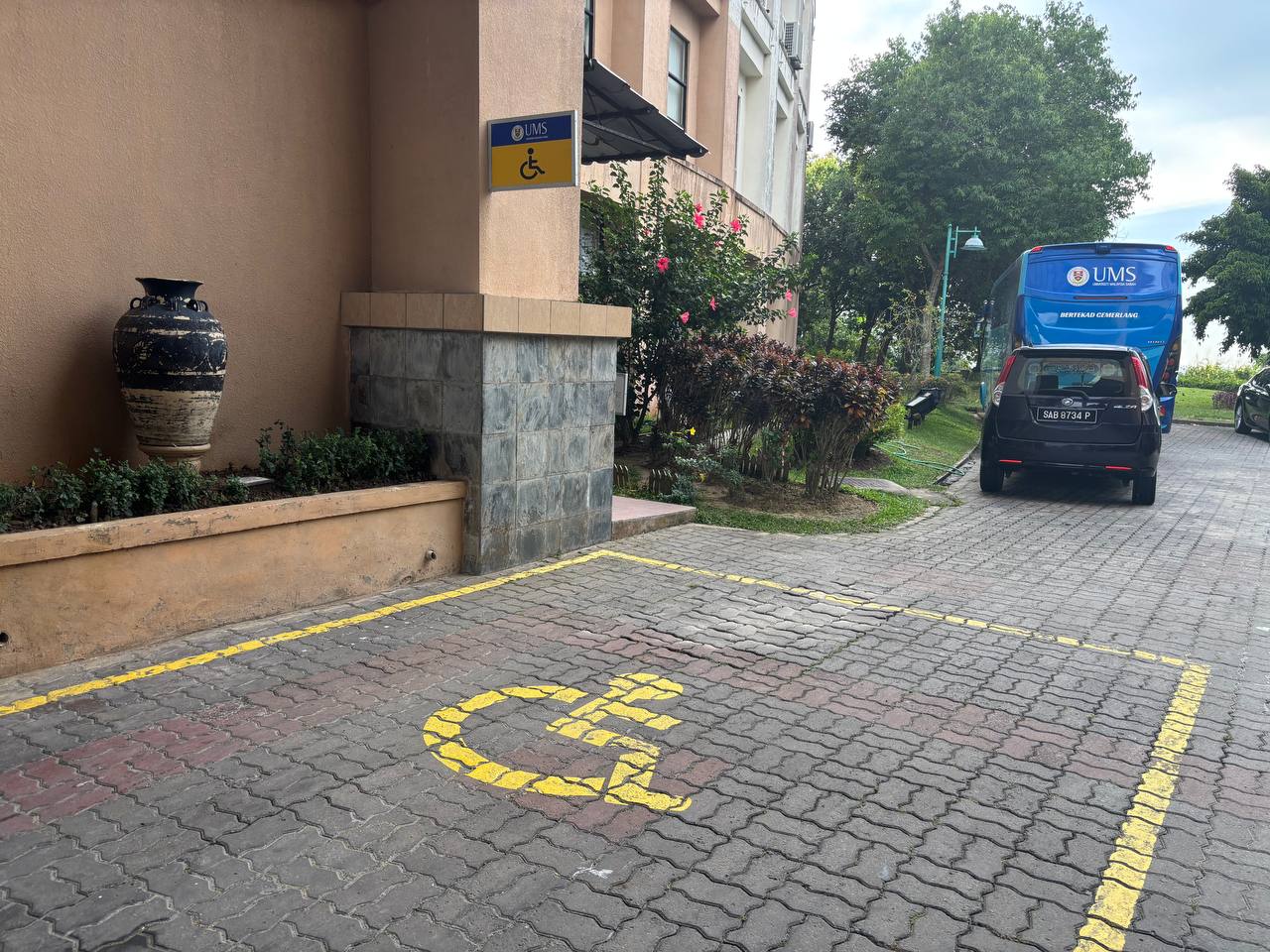
To ensure convenient access, designated OKU parking bays are located in close proximity to the entrance of each building at Universiti Malaysia Sabah. These spaces are clearly marked and designed to accommodate vehicles equipped with ramps or lifts. Their strategic location minimizes the distance students must travel, especially those using mobility aids.
-
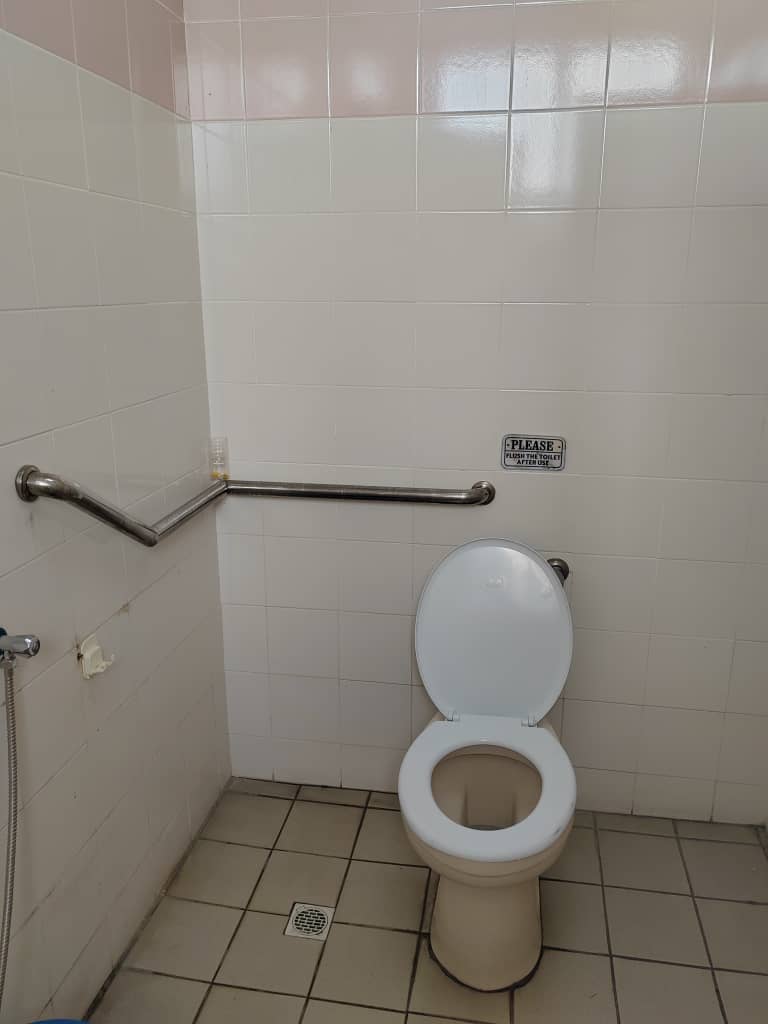
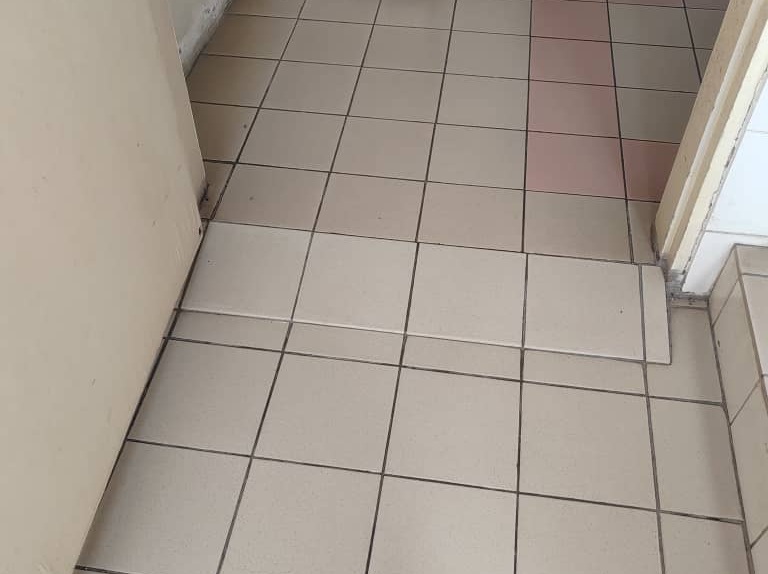
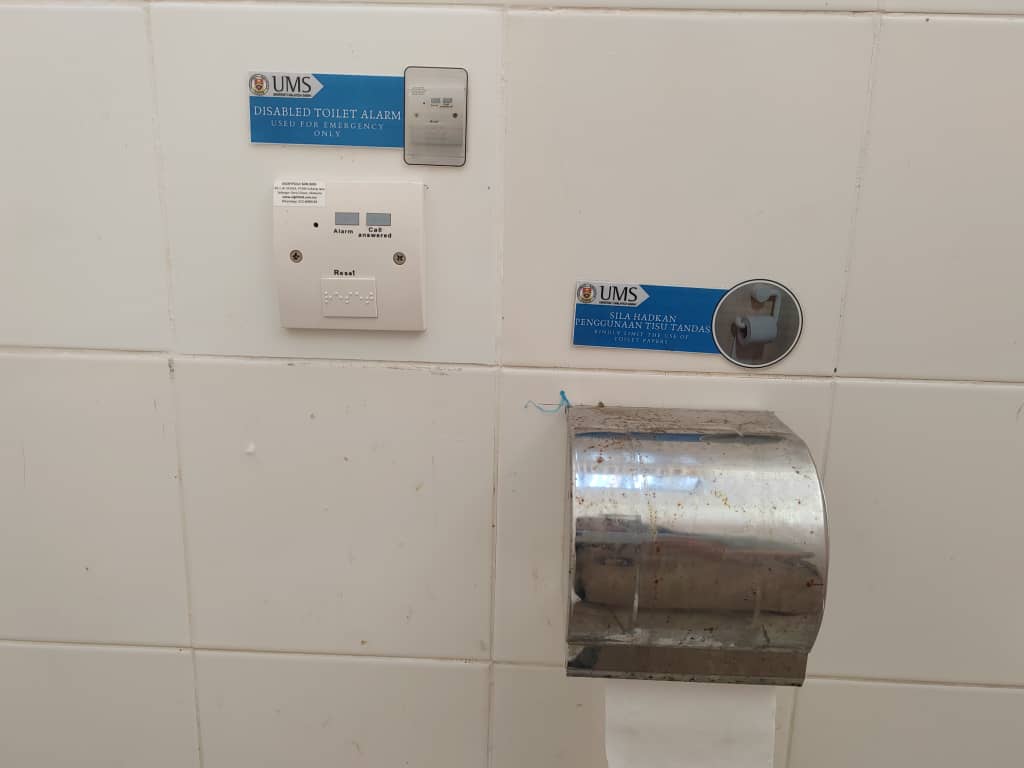
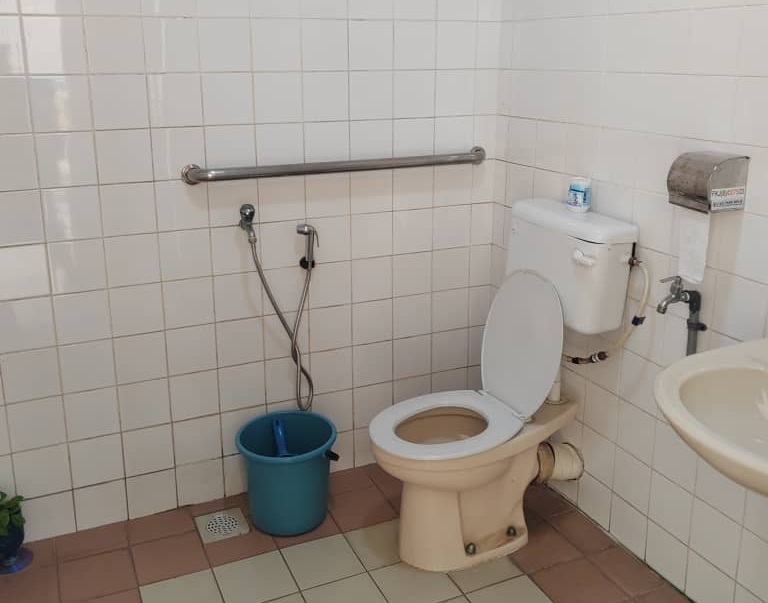
iv. Accessible washrooms with handrails
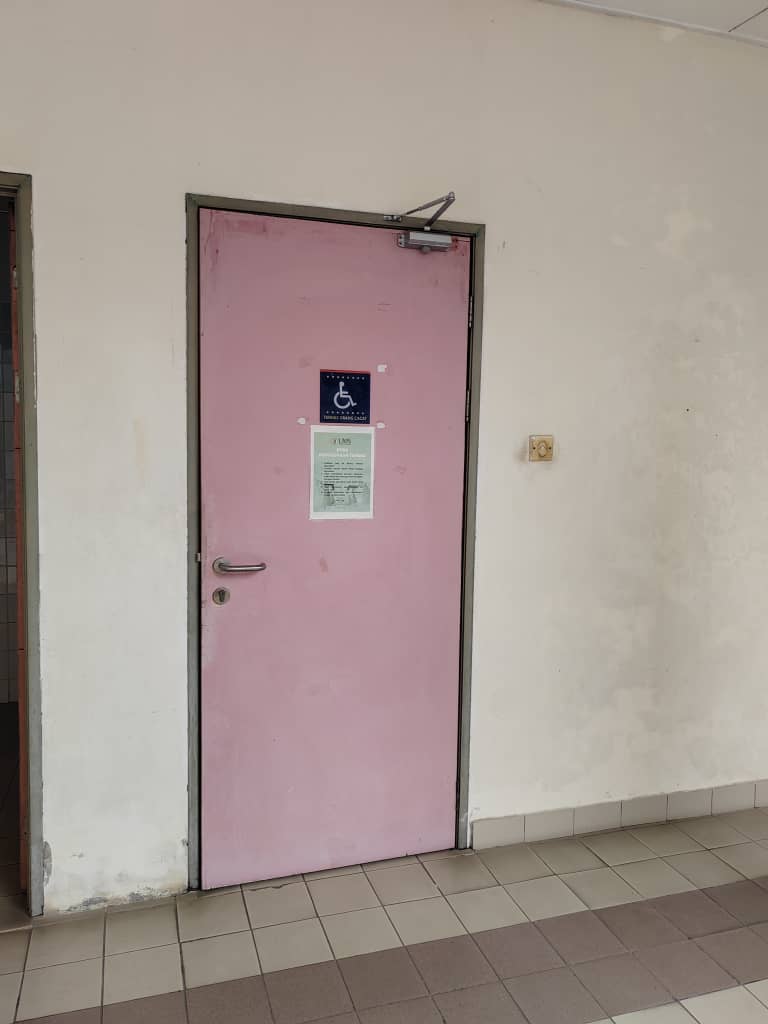
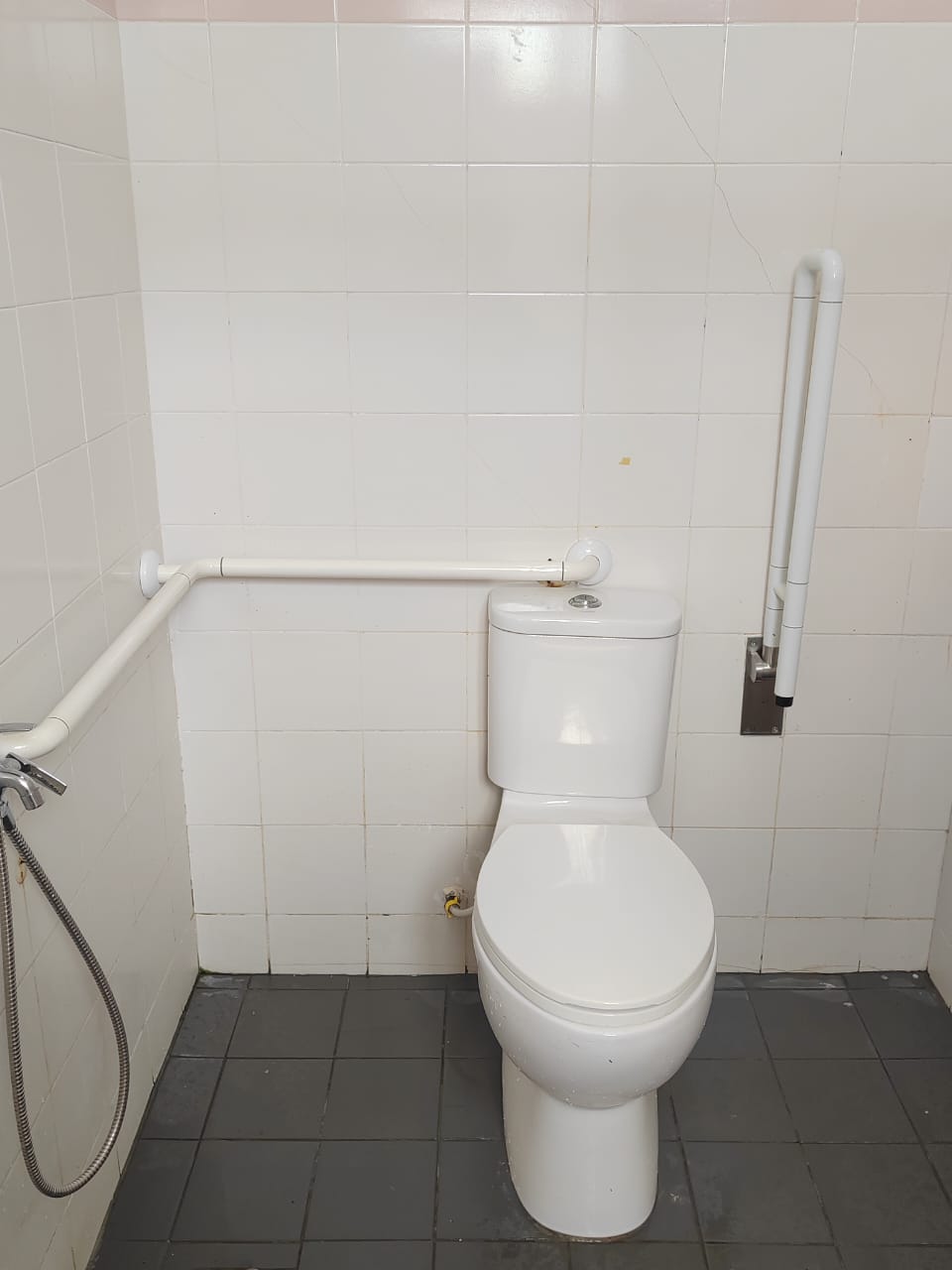
The washrooms are specially designed to meet the needs of students with physical disabilities, featuring grab bars and handrails strategically installed near toilets and sinks. These supports help students maintain balance, prevent falls, and allow for greater independence in daily routines. The layout also provides ample turning space for wheelchairs, ensuring functionality and safety.
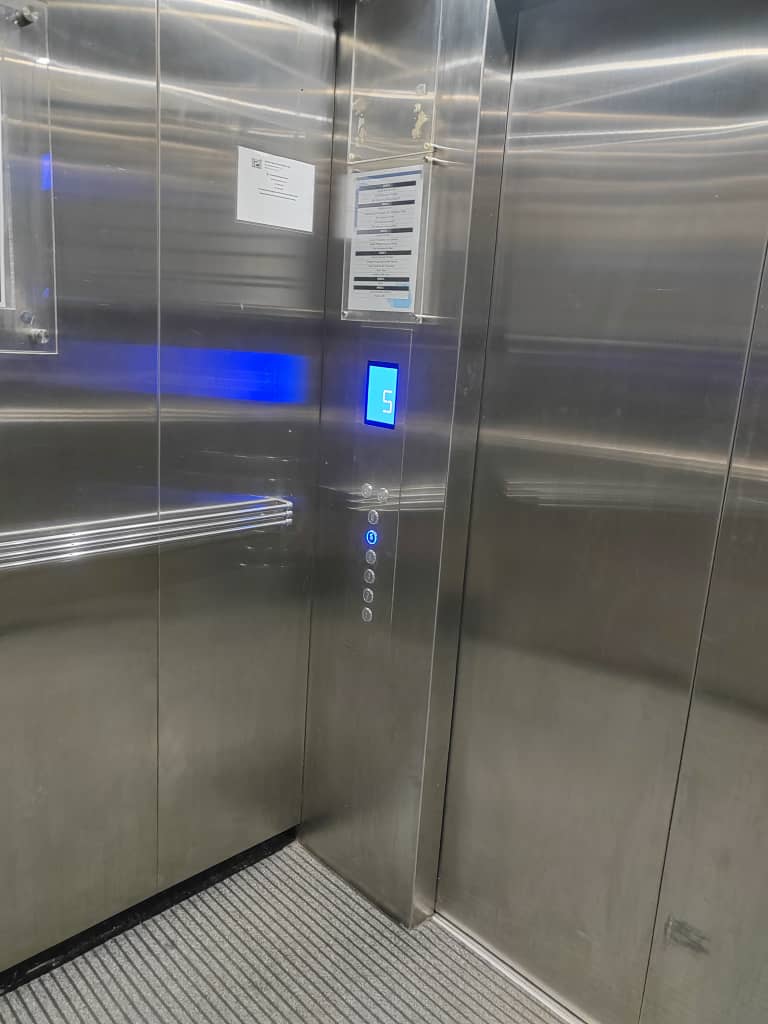
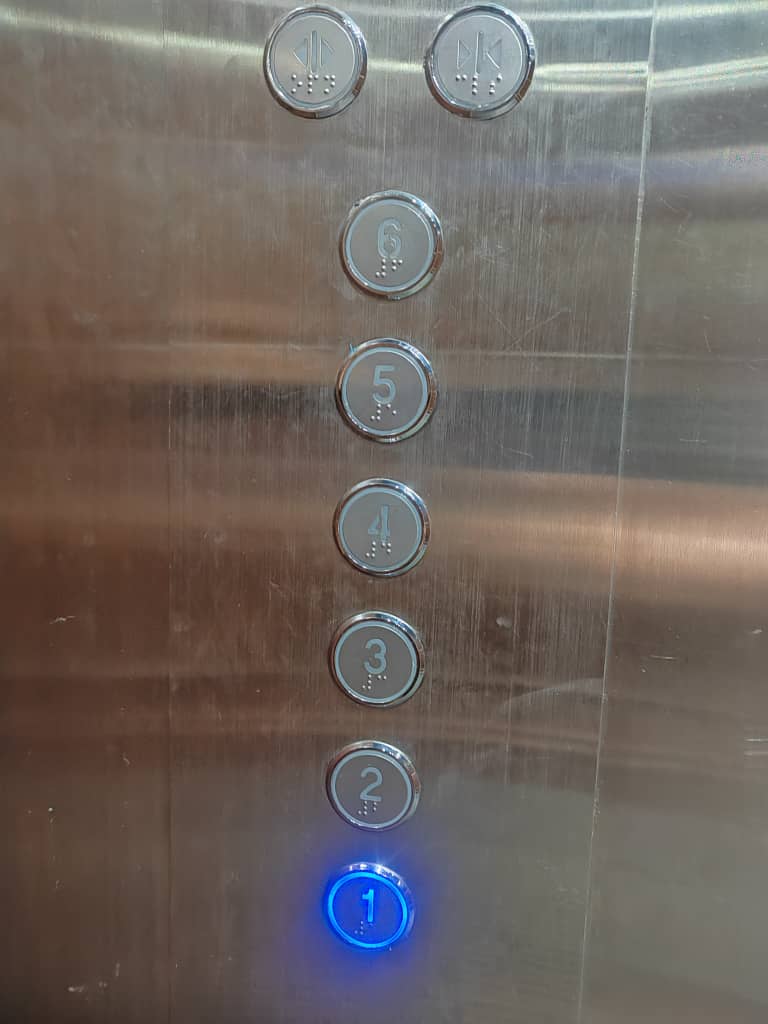
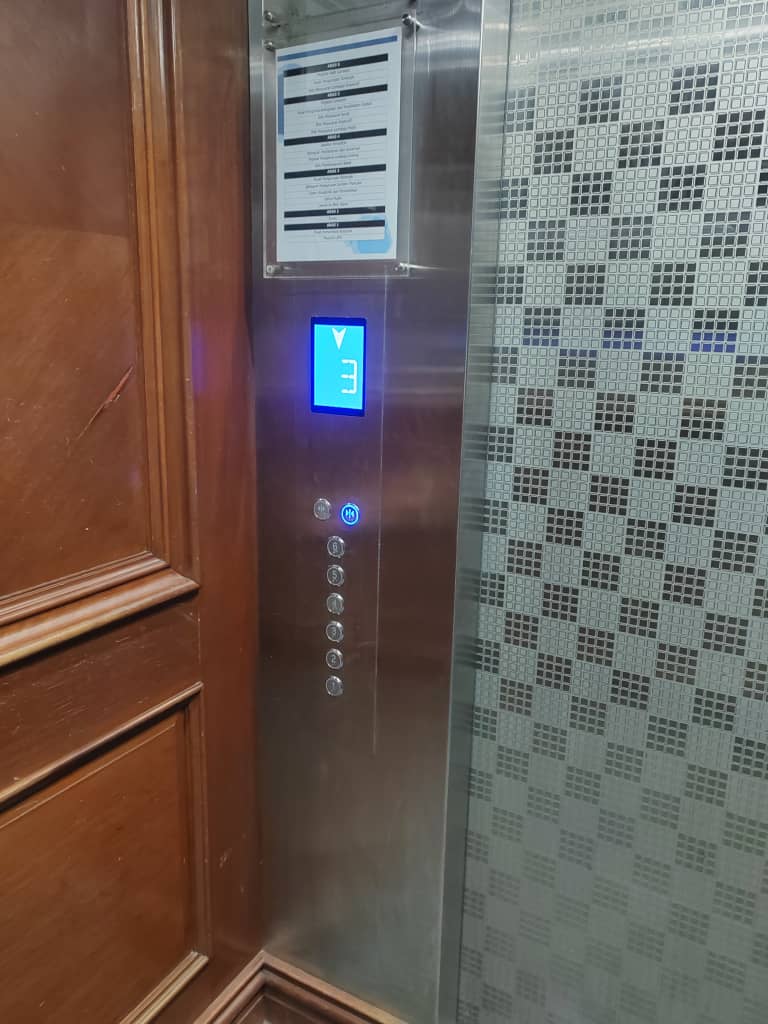
- v. Elevators equipped with Braille buttons and audio features Elevators in Universiti Malaysia Sabah’s accessible buildings are equipped with Braille-engraved buttons and automated voice announcements, ensuring ease of use for students with visual impairments. The Braille markings allow blind or low-vision users to independently identify floor selections, while the voice prompts provide auditory confirmation of each floor level and door movement. This dual-sensory system enhances safety, independence, and confidence for OKU students as they navigate multi-level facilities such as lecture halls, libraries, and hostels. It reflects UMS’s commitment to inclusive design that respects the dignity and autonomy of every user.
- Green Facilities Maps
OKU Van Services: Empowering Safe and Comfortable Mobility
A standout feature of UMS’s commitment to accessibility is the Van OKU mobility service, specifically designed to support students with disabilities in navigating campus life. This service is available for both on-campus and off-campus needs, allowing students to travel to faculties, lecture halls, residential colleges, the library, and other university facilities with ease. What sets the Van OKU apart is its inclusive design—each vehicle is equipped with a hydraulic lift system to accommodate wheelchair users, ensuring safe boarding and disembarkation. This service significantly enhances the independence and comfort of OKU students, helping them manage academic schedules and social activities without physical or logistical constraints. Students may book the van service through a dedicated online system, making the process efficient, student-friendly, and reliable.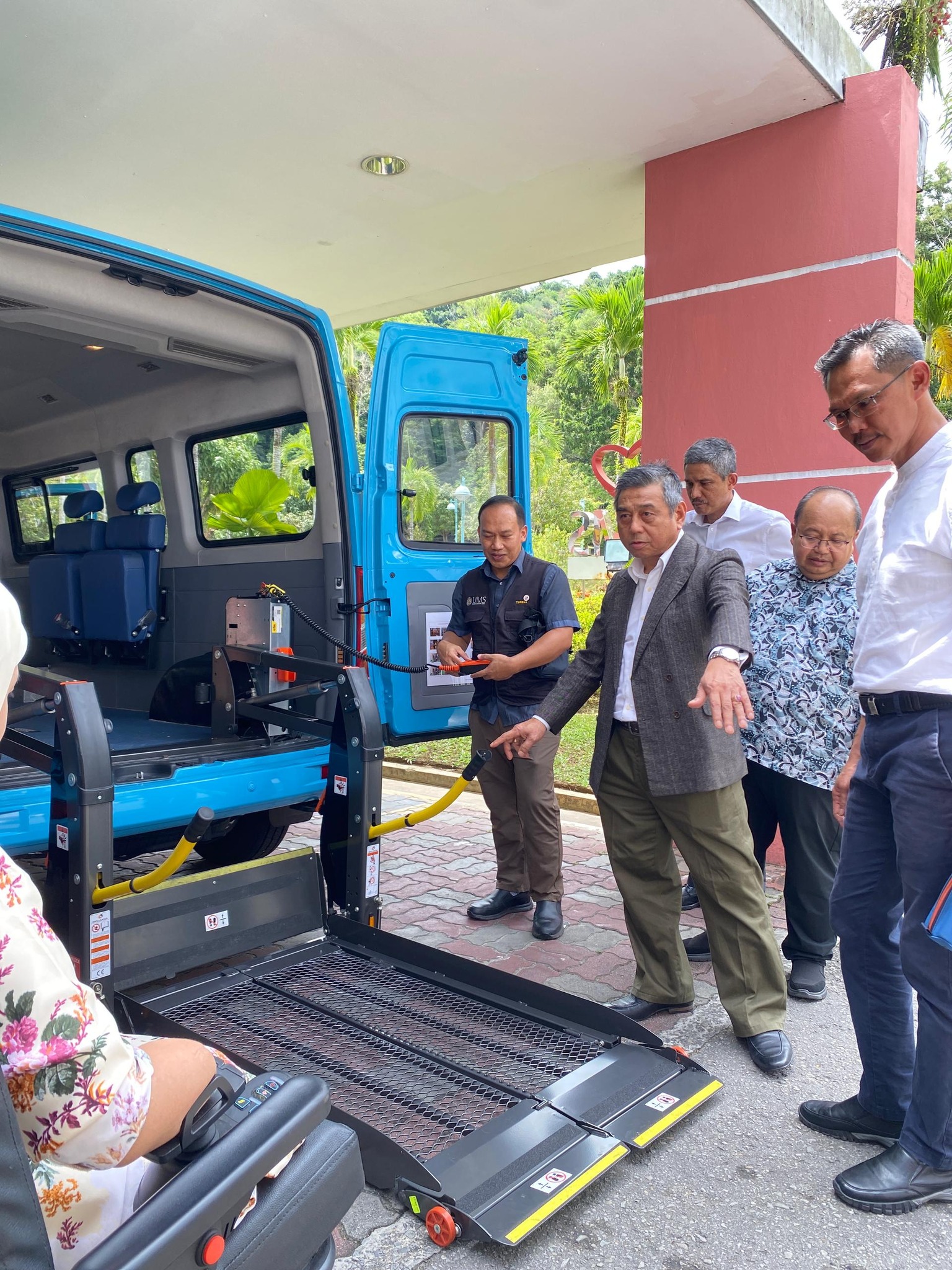
Assistive Equipment and Support Services
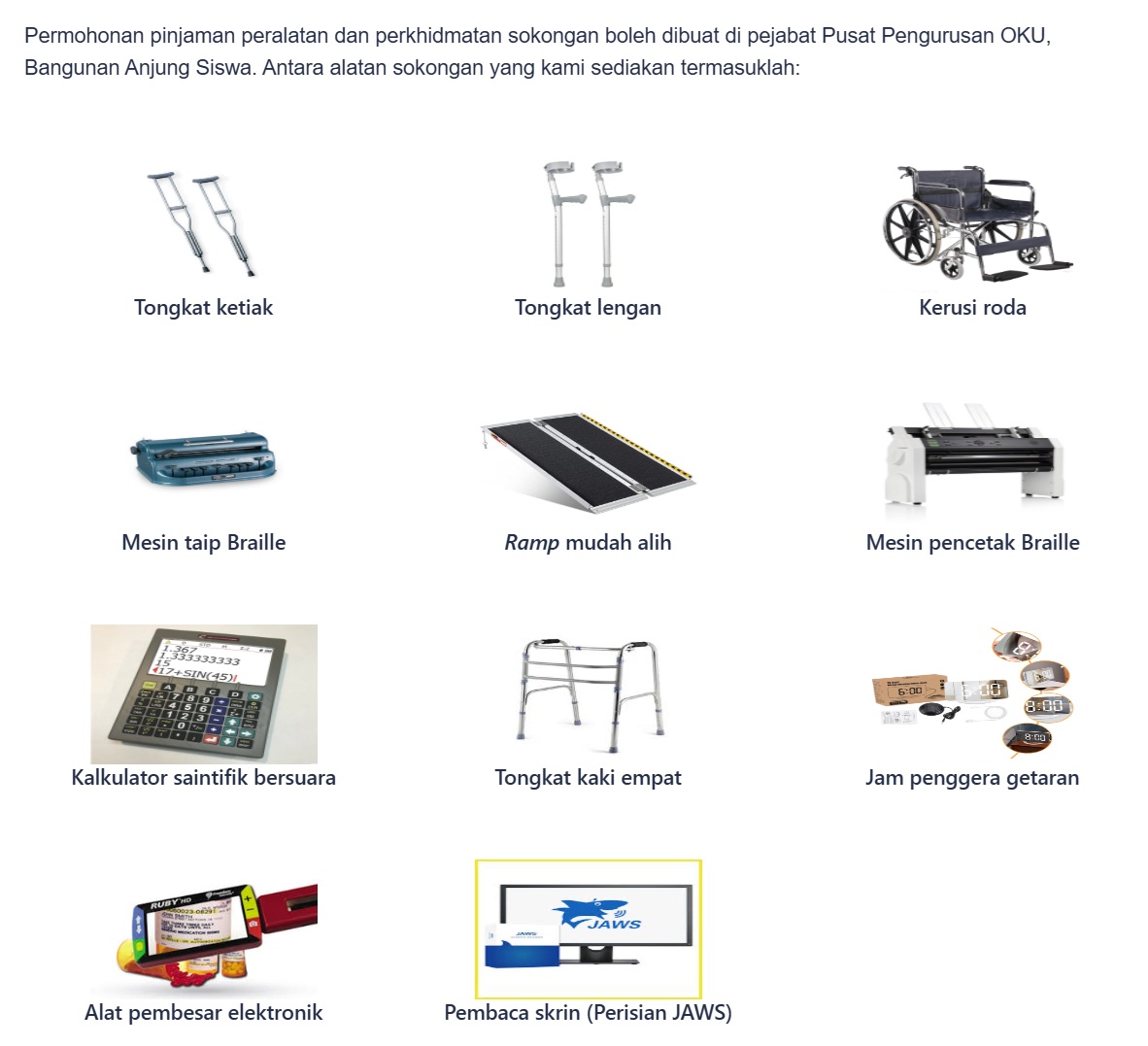
To further remove learning and mobility barriers, UMS—through the Pusat Pengurusan OKU (PPOKU)—offers equipment loans and technical assistance to students with various types of disabilities. These items are available upon request and can be accessed through PPOKU’s office at Bangunan Anjung Siswa. Among the assistive tools provided are:- Wheelchairs
- Underarm and forearm crutches
- Braille typewriters and Braille printers
- Portable ramps
- Four-legged walking canes
- Vibrating alarm clocks
- Scientific talking calculators
- Electronic magnifiers
- Screen reading software (e.g., JAWS)
- Read More
Accessible Student Housing at Kolej Kediaman Tun Fuad (KKTF)
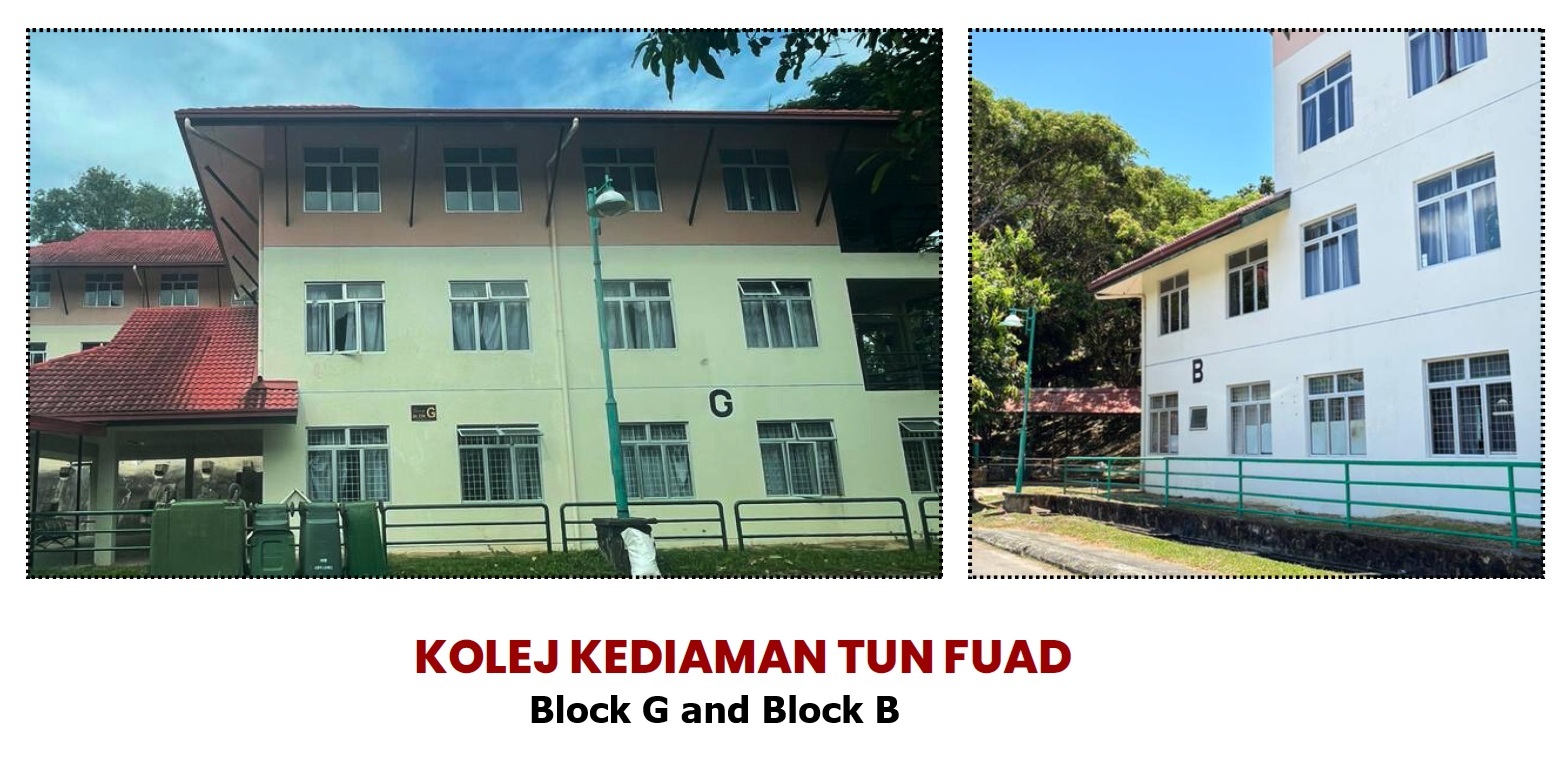
UMS also demonstrates its commitment to inclusive living through specialized residential facilities. At Kolej Kediaman Tun Fuad (KKTF), UMS has designated Block G for male OKU students and Block M for female OKU students. These buildings have been thoughtfully modified to provide a safe, dignified, and comfortable living space tailored to the needs of persons with disabilities.- i. OKU-friendly features include:
- ii. Accessible washrooms with proper handrails
- iii. Wheelchair-friendly ramps and corridors
- iv. Automatic sliding doors at block entrances
- v. Tactile indicators to assist visually impaired students
- vi. Handrails along key pathways
- vii. Reserved parking bays near each block
- viii. OKU-compliant room setups with additional comfort features
 Access Full SDG Annual Report Here ! Last updated by APR, 2026
SDG 10 Progress Report : Powering Change: Advancing Clean Energy Access, Innovation, and Education Across Borneo in 2024
In 2024, Universiti Malaysia Sabah (UMS) strengthened its commitment to SDG 10 by advancing policies, programmes, and community outreach initiatives designed to reduce social, economic, and educational inequalities across Sabah. Guided by an institutional framework that upholds non-discrimination, inclusivity, and equal opportunity, UMS ensured that vulnerable and underserved groups — including rural communities, indigenous populations, and low-income families — continue to benefit from accessible, equitable support systems. UMS expanded initiatives that enhance access to higher education, welfare assistance, and social support for disadvantaged students, helping to reduce gaps in opportunity and ensure a more inclusive learning environment. Community engagement programmes such as mobile health services, outreach education, and welfare support further addressed disparities in access to essential services, especially for remote and marginalised populations. Through its governance structure, UMS embedded equality, diversity, and inclusion across campus operations, academic programmes, and sustainability planning. These efforts not only promote fairness within the university community but also contribute to broader societal goals of reducing inequalities in Sabah. UMS remains committed to building an inclusive, supportive, and socially equitable ecosystem — ensuring that no one is left behind as the university moves forward in its sustainability and community development mission.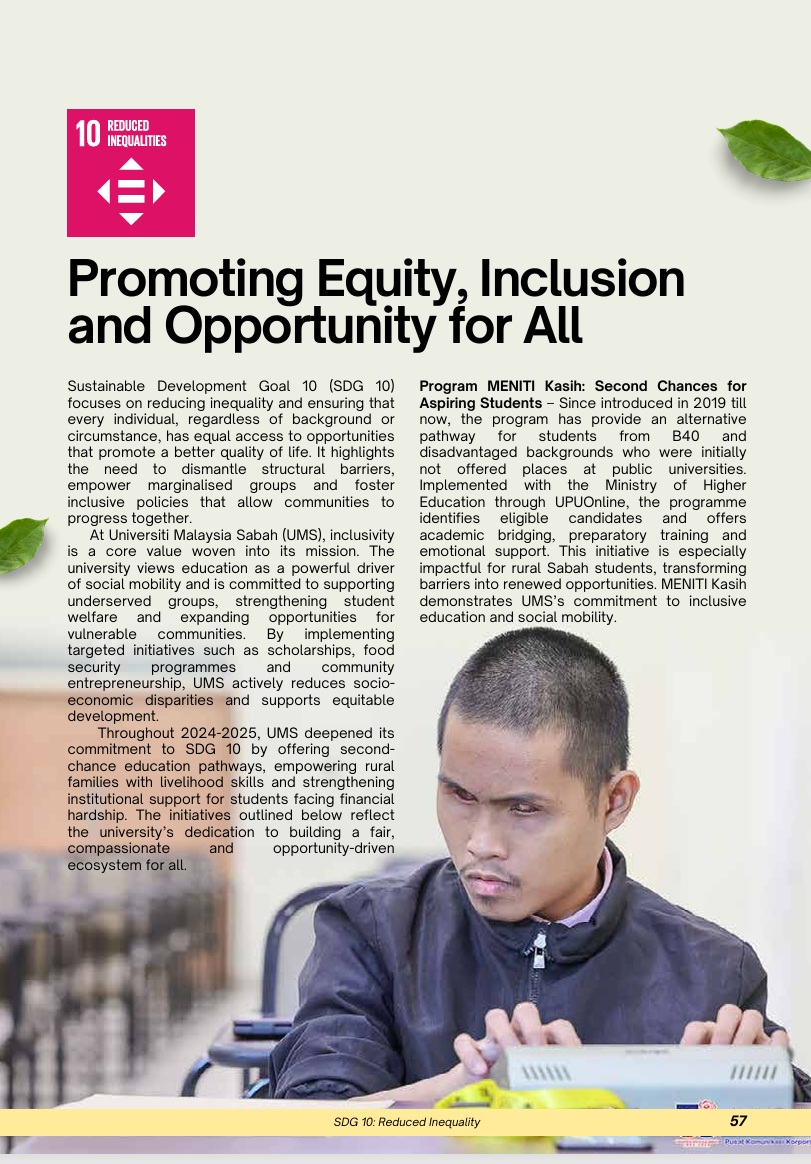
- v. Elevators equipped with Braille buttons and audio features Elevators in Universiti Malaysia Sabah’s accessible buildings are equipped with Braille-engraved buttons and automated voice announcements, ensuring ease of use for students with visual impairments. The Braille markings allow blind or low-vision users to independently identify floor selections, while the voice prompts provide auditory confirmation of each floor level and door movement. This dual-sensory system enhances safety, independence, and confidence for OKU students as they navigate multi-level facilities such as lecture halls, libraries, and hostels. It reflects UMS’s commitment to inclusive design that respects the dignity and autonomy of every user.