

Inclusive Growth for a Poverty-Free Future

UMS - SDG 3 Good Health and Well-Being
Reaching the Unreached, Healing with Humanity
 HOW WE WORK
One Community, One Health, One Future
Universiti Malaysia Sabah (UMS) integrates physical, mental, and social well-being into its sustainability agenda—building a healthy campus, empowering local communities, and advancing medical research that improves lives across Sabah and beyond. UMS’s efforts are guided by SDG 3 targets to ensure healthy lives, prevent disease, and strengthen community resilience. From classrooms to coastlines, UMS unites students, researchers, and local communities in a shared journey toward well-being. Together, we nurture minds, heal communities, and protect the pulse of life — for people and the planet alike.
Universiti Malaysia Sabah
Campus Health and Well-Being: A Culture of Care at UMS
Universiti Malaysia Sabah (UMS) believes that health is not merely a service — it is a shared responsibility, a human right, and a reflection of our collective compassion. UMS embraces a whole-community approach to well-being, ensuring that every student, staff member, and surrounding community can live, learn, and grow in a nurturing, healthy environment.
Accessible Healthcare for All
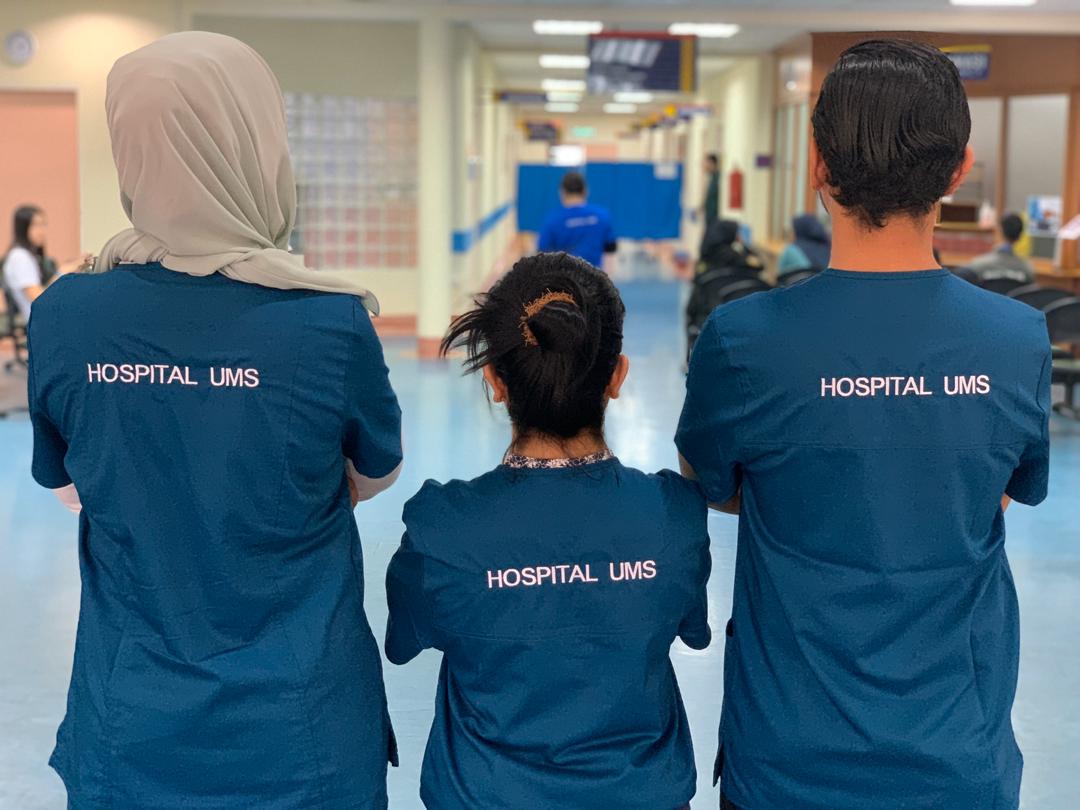
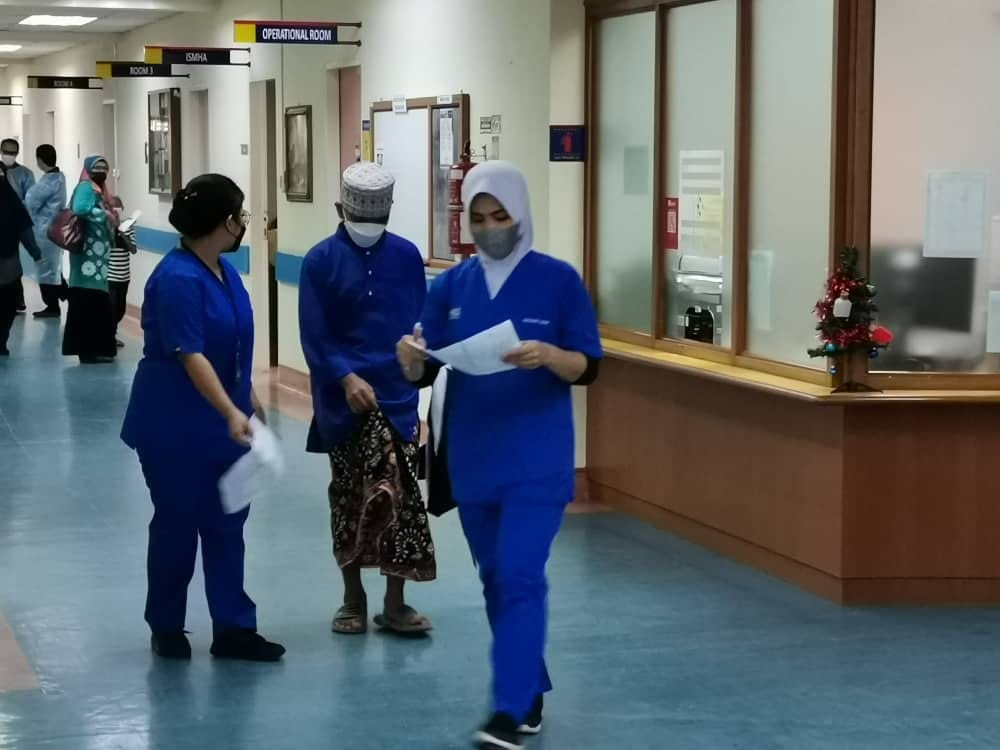
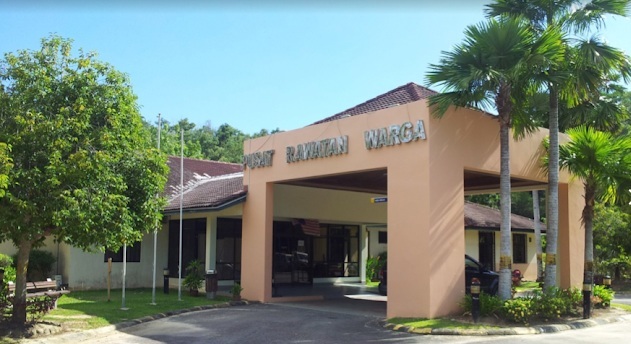
Through the Hospital Universiti Malaysia Sabah (HUMS) and the Pusat Rawatan Warga, UMS reaffirms its deep commitment to equitable, compassionate, and people-centred healthcare that leaves no one behind. These institutions stand as beacons of care and inclusion, offering free medical services to all UMS staff and students — ensuring that every member of the UMS family can access quality healthcare regardless of background or income. More than medical facilities, HUMS and Pusat Rawatan Warga are symbols of UMS’s holistic vision of well-being. They go beyond treatment, embracing disease prevention, health education, and wellness promotion as integral parts of daily campus life. Through vaccination drives, early screening programmes, mental health support, and lifestyle counselling, UMS nurtures a community that values prevention over cure and empathy over indifference. At the heart of this mission lies education — shaping future healthcare professionals who are not only competent but compassionate, grounded in service to society. UMS medical and nursing students gain hands-on experience in delivering care with dignity, while health awareness campaigns empower peers and communities to take charge of their own well-being. Wellness at UMS is understood as a shared responsibility. Regular fitness programmes, nutritional guidance, stress-management workshops, and mindfulness activities foster a supportive environment where both staff and students can thrive physically, mentally, and emotionally. Ultimately, through HUMS and the Pusat Rawatan Warga, UMS builds more than a healthy campus — it cultivates a resilient, caring community united by empathy, inclusion, and the belief that good health is a right, not a privilege. In every act of healing and kindness, UMS lives its values of service, compassion, and collective well-being for a better tomorrow.Read More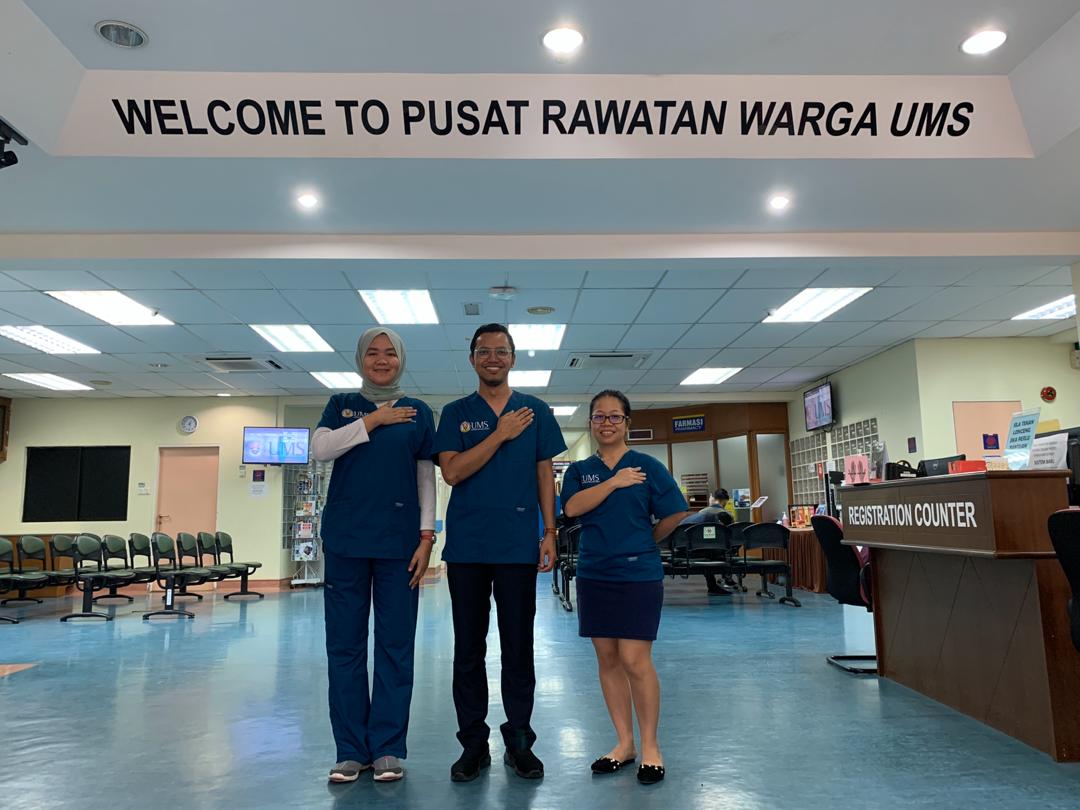
 UMS Well-Being Ecosystem: Building a Mentally Resilient Campus
You Are Not Alone: UMS’s Journey Towards a Caring and Mentally Healthy Campus
Universiti Malaysia Sabah (UMS) places the mental health and emotional well-being of its students at the core of its campus ecosystem. Guided by the belief that a healthy mind is fundamental to learning, leadership, and lifelong success, UMS has built a comprehensive, accessible, and student-centered mental health support system that reflects the values of compassion, inclusivity, and resilience. In alignment with Sustainable Development Goal (SDG) 3 – Good Health and Well-Being, UMS continuously invests in integrated mental-health initiatives that bridge clinical care, counselling, and preventive education—ensuring that no student faces their struggles alone. At the heart of this ecosystem are three key units: the Counselling and Career Guidance Unit (Unit Kaunseling dan Bimbingan Kerjaya), the Poliklinik UMS, and the Health Promotion & Wellness Department under Hospital Universiti Malaysia Sabah (HUMS). Together, these entities form an interconnected network that provides continuous mental health care and emotional support across the campus. Students can access individual and group counselling sessions, career guidance, family counselling, and crisis intervention through confidential appointments with certified counsellors. The counselling services are open daily on weekdays and are free of charge, reinforcing UMS’s philosophy that mental health care is a right, not a privilege.
Nurturing Mental and Emotional Resilience
UMS recognises that true health includes peace of mind. Counselling units, peer-support networks, and mental-wellness workshops are open to both students and staff, providing a safe space for healing, reflection, and growth. Through empathy and early intervention, UMS cultivates a campus culture where no one struggles in silence. At the heart of this ecosystem are three key units: the Counselling and Career Guidance Unit (Unit Kaunseling dan Bimbingan Kerjaya), the Poliklinik UMS, and the Health Promotion & Wellness Department under Hospital Universiti Malaysia Sabah (HUMS). Together, these entities form an interconnected network that provides continuous mental health care and emotional support across the campus. Students can access individual and group counselling sessions, career guidance, family counselling, and crisis intervention through confidential appointments with certified counsellors. The counselling services are open daily on weekdays and are free of charge, reinforcing UMS’s philosophy that mental health care is a right, not a privilege.In 2024, UMS recorded 189 individual and group counselling sessions, reflecting both rising awareness and increasing trust in its psychological support services. These sessions addressed a wide range of challenges faced by students, including academic pressure, homesickness, financial anxiety, relationship conflict, burnout, and post-pandemic adjustment. The counsellors adopt a student-centered therapeutic approach that integrates Cognitive Behavioural Therapy (CBT), Solution-Focused Brief Therapy (SFBT), and psychoeducation tailored to Malaysia’s multicultural university environment. Students who require more intensive treatment or psychiatric evaluation are referred seamlessly to medical officers and psychologists at Poliklinik UMS or HUMS, ensuring continuity of care between mental and physical health services.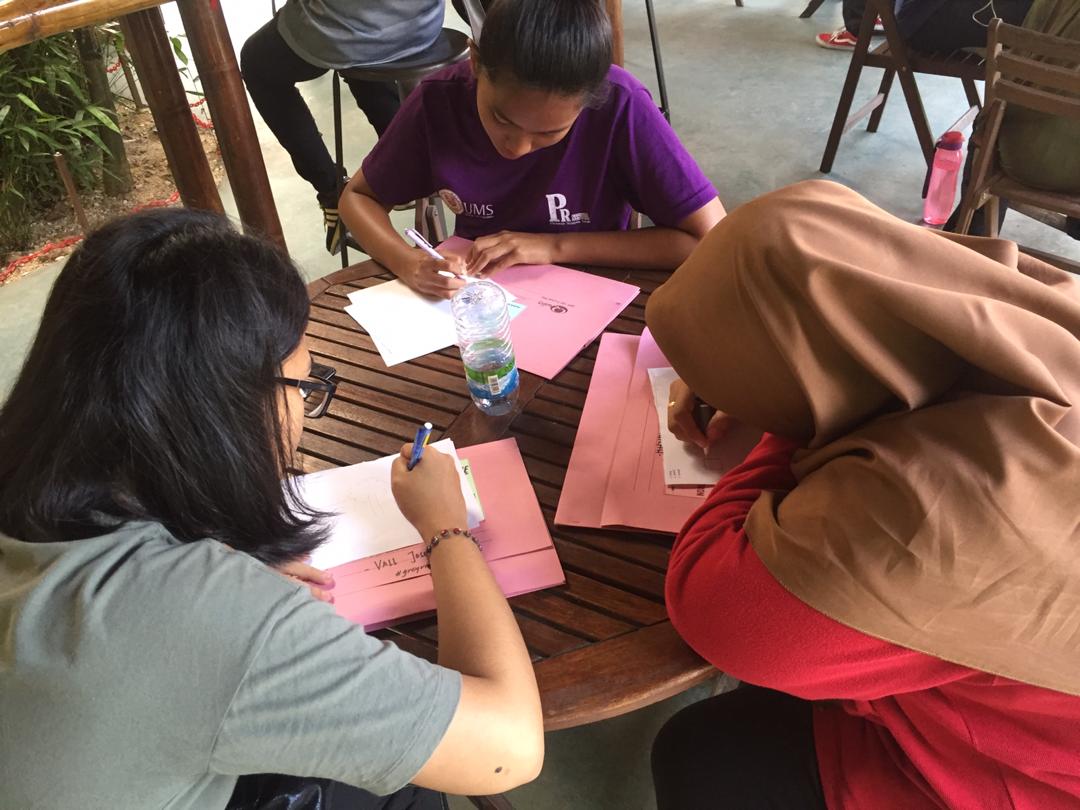
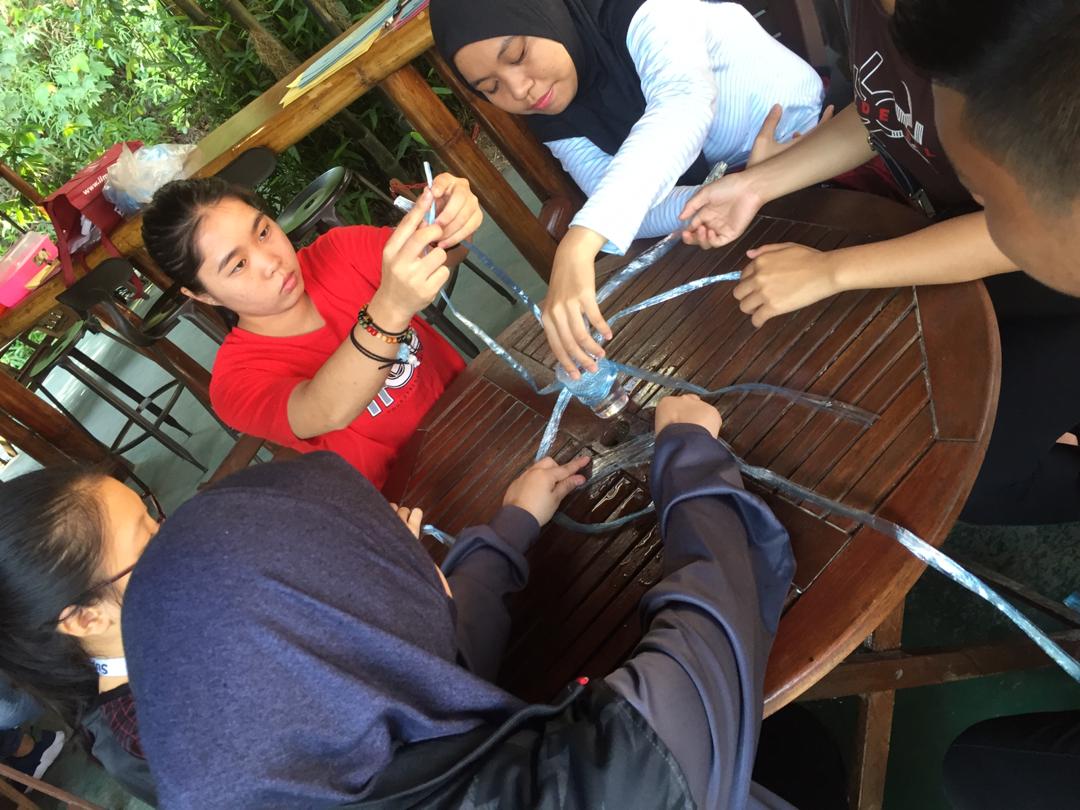
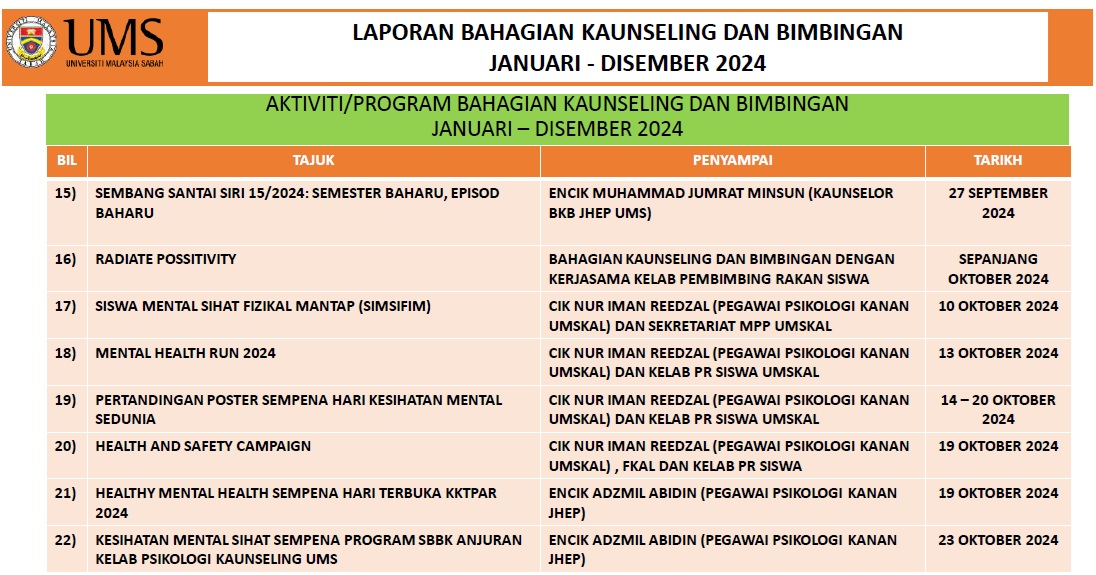
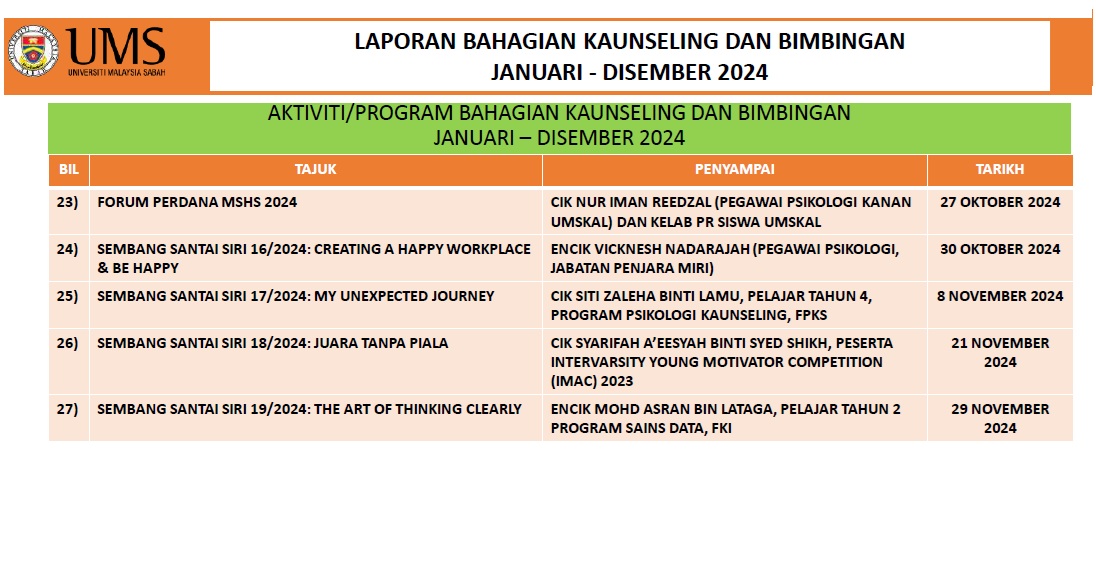
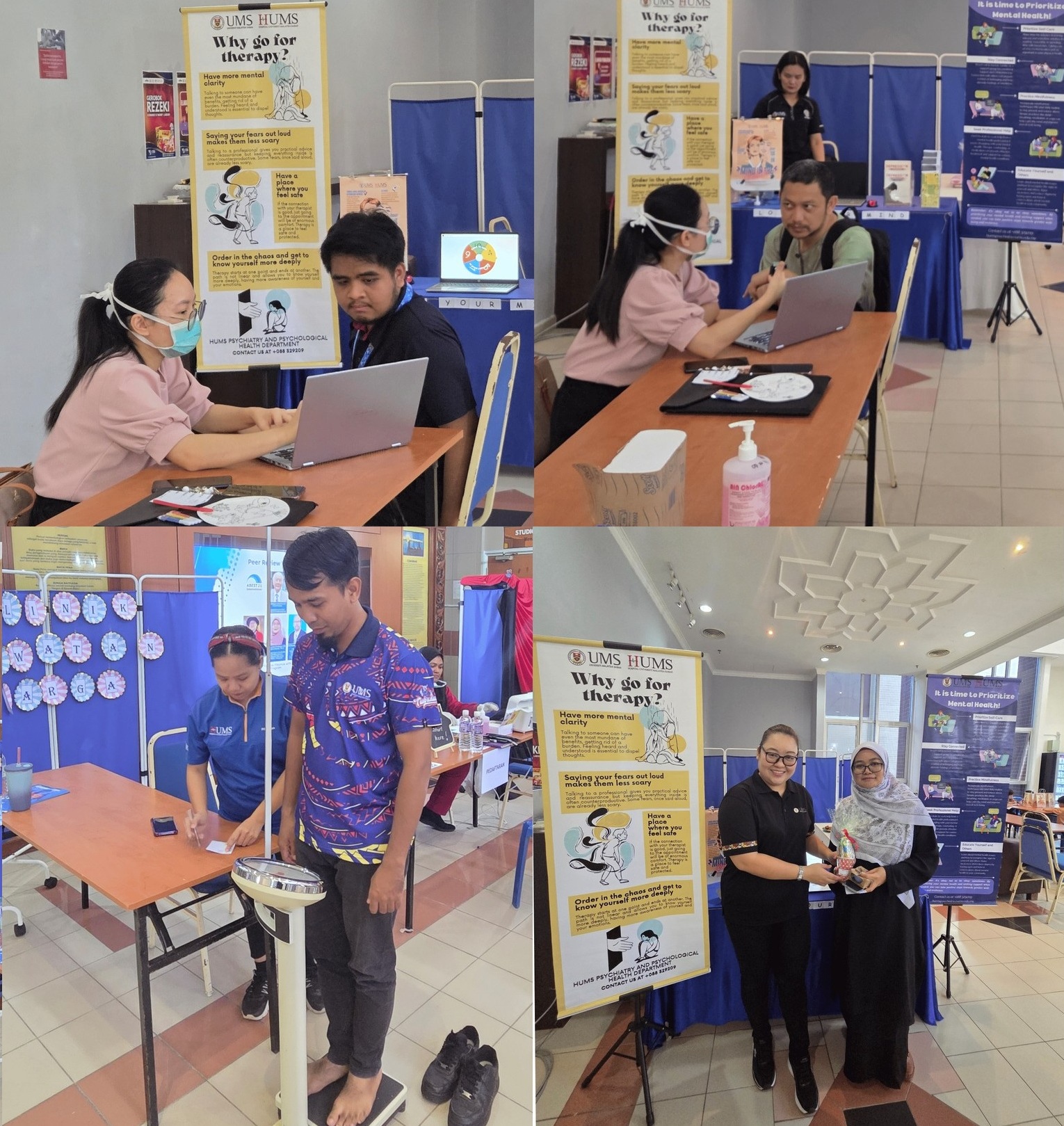
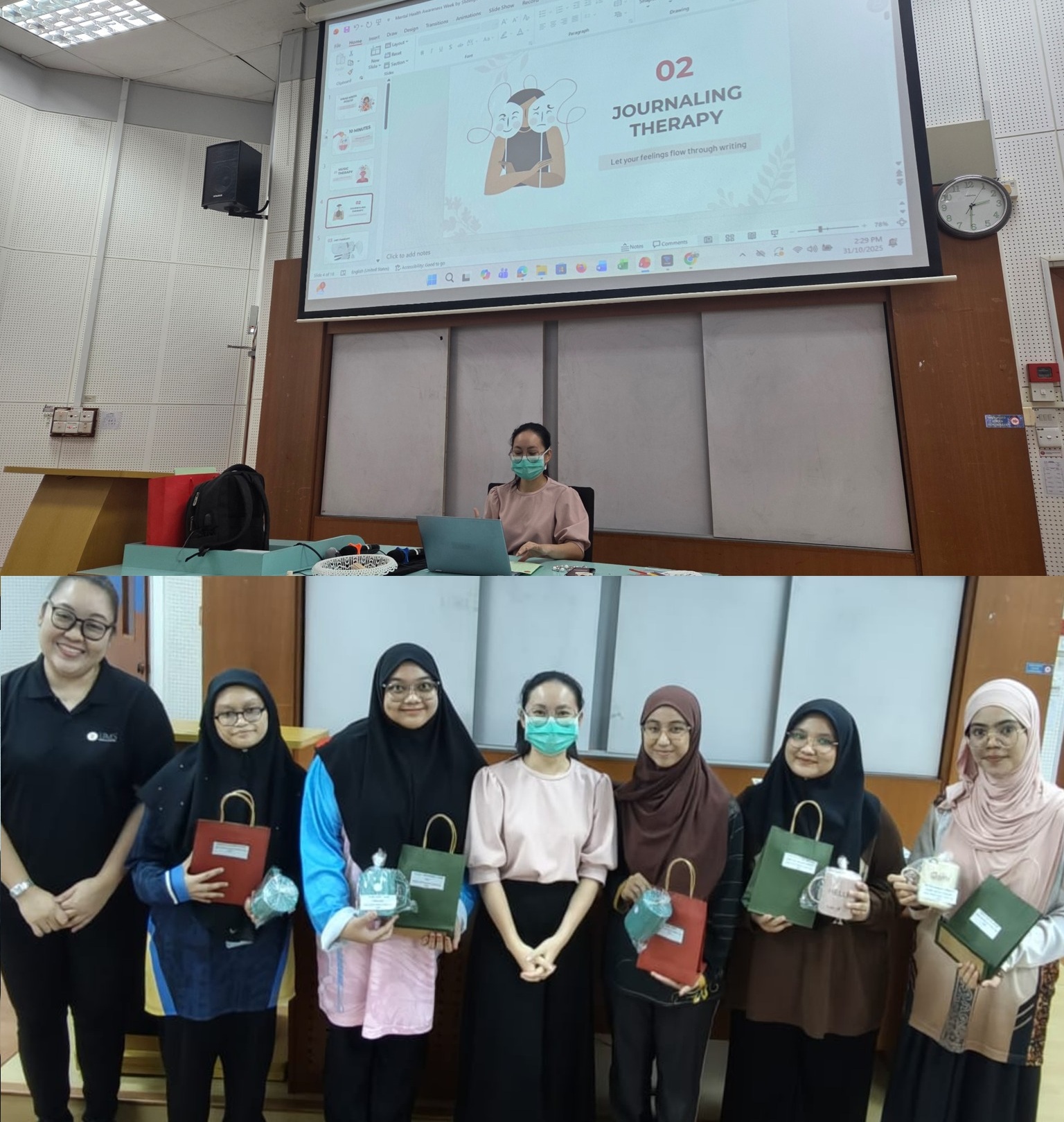
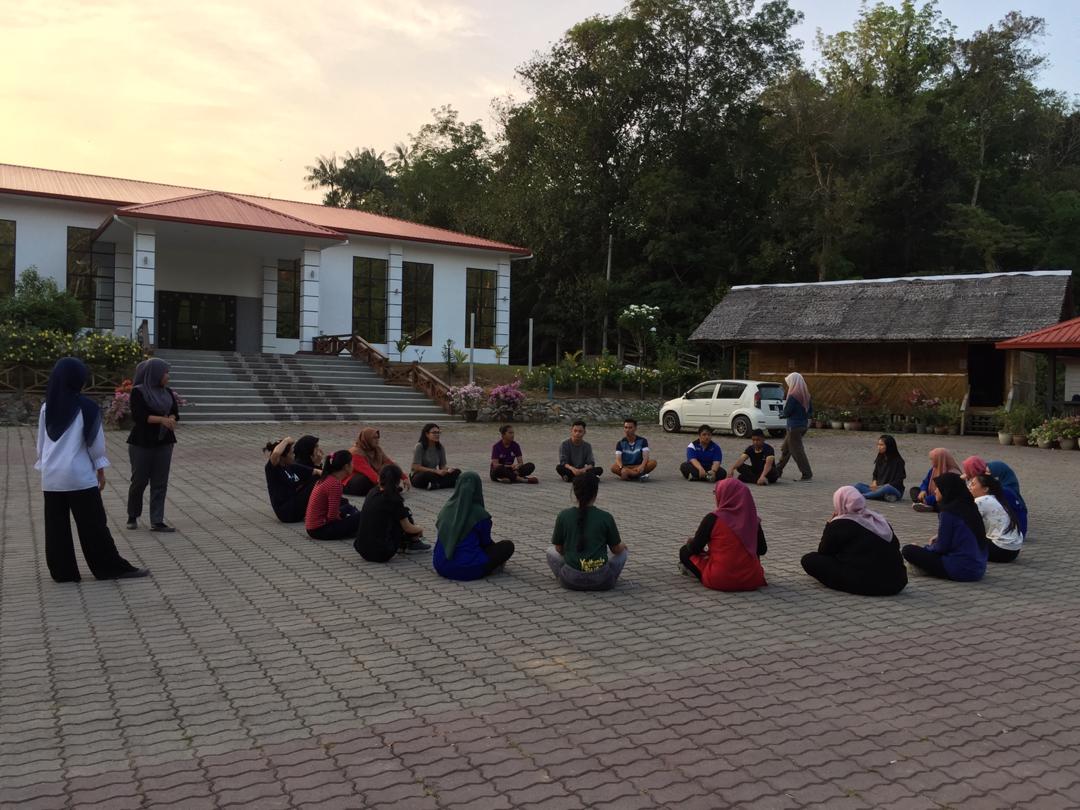 UMS recognises that mental health promotion extends beyond the counselling room. Hence, the Health Promotion & Wellness Department plays an active role in building mental health literacy and resilience across the campus. In 2024 alone, UMS organised 27 mental health activities and campaigns across various faculties and residential colleges. Among these were the Mental Health Awareness Week, Mind & Mood Workshop Series, and Suicide Prevention Talks, held in collaboration with the Ministry of Health (KKM), Sabah Mental Health Association, and other non-governmental partners. These programmes are designed to reduce stigma, encourage help-seeking behaviour, and empower students to identify early signs of stress or depression—both in themselves and in their peers.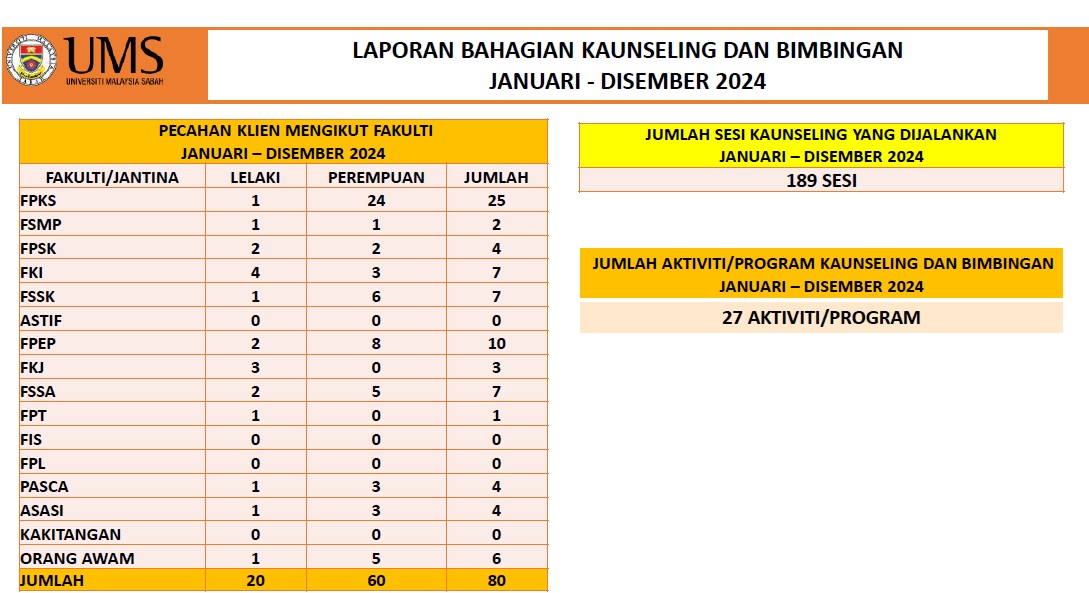
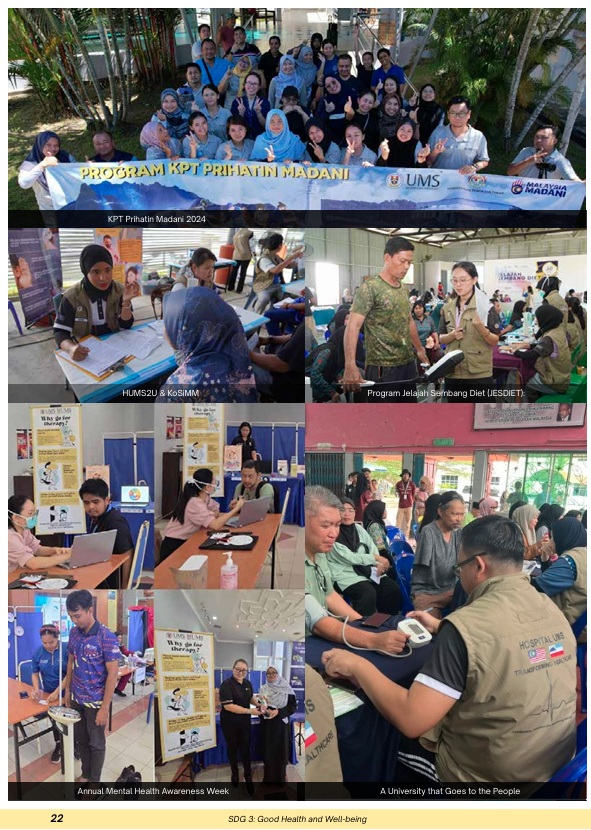
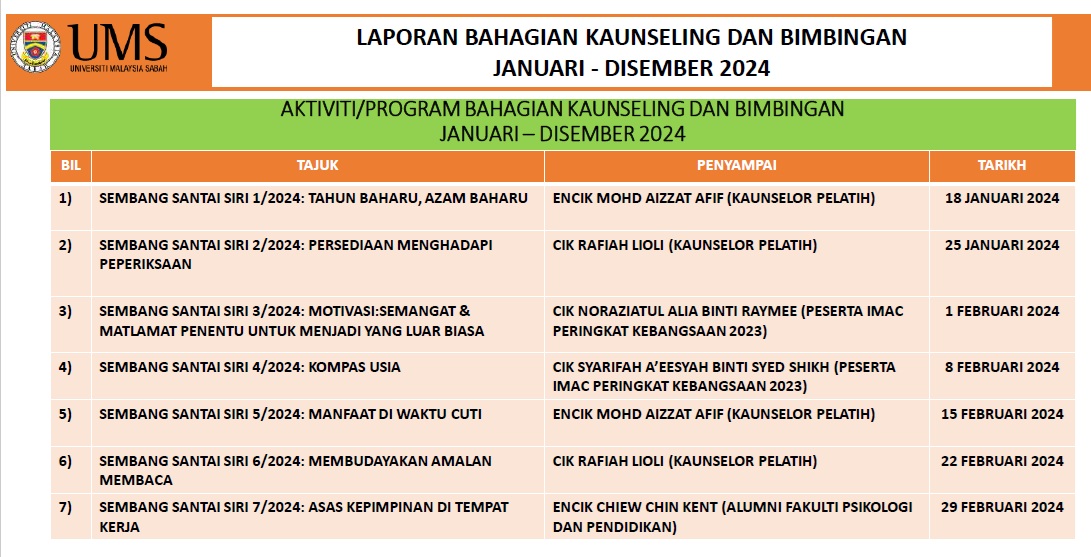 The annual Mental Health Awareness Week has become one of the most anticipated campus-wide initiatives. It features exhibitions, motivational talks, interactive booths, and relaxation corners that promote self-care and emotional balance. Students participate in mindfulness sessions, expressive art therapy, and stress-relief activities such as yoga and creative journaling. The week concludes with a public forum where mental health professionals, UMS lecturers, and student representatives discuss real-life mental health challenges in higher education. This open dialogue helps normalise conversations around mental health and reinforces a supportive, stigma-free campus culture. The Mind & Mood Workshop Series serves as a proactive intervention platform where students learn coping strategies to manage academic stress, anxiety, and mood fluctuations. Conducted by trained counsellors and invited psychologists, the workshops introduce practical tools such as breathing techniques, time management skills, and emotional regulation exercises. They also emphasise building a “growth mindset” that transforms failure into learning opportunities—cultivating resilience that extends beyond university life.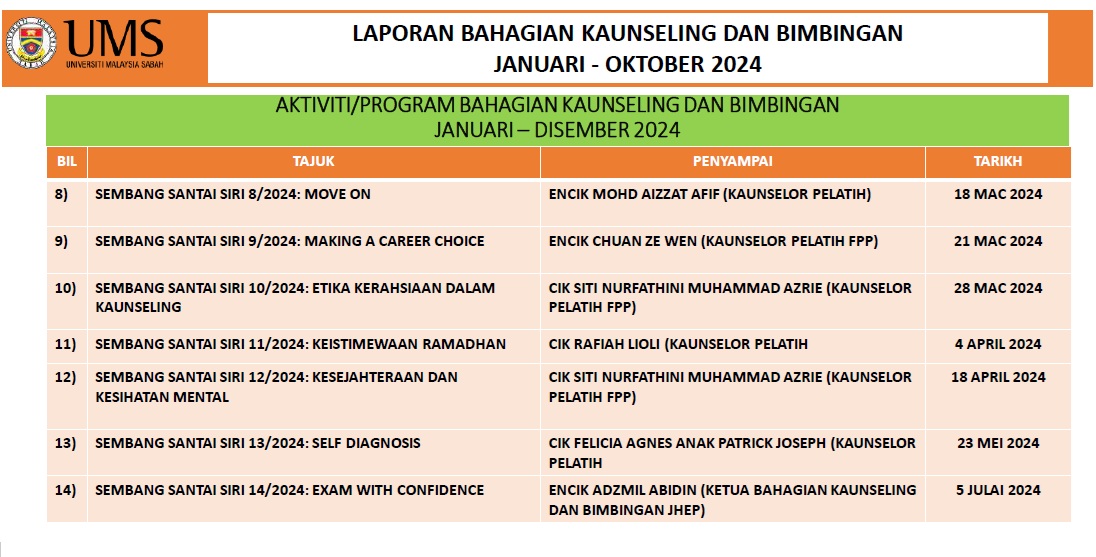
 Meanwhile, the Suicide Prevention Talks form part of UMS’s early-warning and peer-support mechanism. Working closely with KKM’s mental health officers and NGOs such as Befrienders Kota Kinabalu, UMS trains selected student leaders, resident assistants, and faculty mentors to recognise signs of emotional distress and suicidal ideation. This network of peer supporters acts as the first line of empathy and referral, ensuring that students in crisis receive immediate professional help. By embedding these preventive systems within academic and residential settings, UMS transforms its community into an ecosystem of care. Beyond structured programmes, UMS fosters a culture of emotional openness and inclusivity. The Counselling and Career Guidance Unit runs outreach activities during orientation weeks and exam seasons, offering walk-in consultations and stress-management booths. They also operate digital counselling channels via the UMS Student Portal, allowing students to seek help privately and conveniently. Posters, infographics, and social media campaigns under the theme “You Are Not Alone” reinforce the message that mental health matters as much as academic success. Importantly, mental health care at UMS is not confined to clinical or counselling spaces; it extends into campus life, recreation, and community service. The university integrates mental well-being into its SULAM (Service Learning Malaysia) courses and volunteer programmes, encouraging students to engage in social outreach that nurtures empathy and purpose. Through initiatives like EcoCampus Jungle Trekking for Health, Larian Sihat UMS, and One Health Community Engagement Projects, students experience how physical activity, nature, and social connection enhance mental resilience. These activities form part of UMS’s holistic approach, recognising that mental health thrives when the body, environment, and community are in balance. Read More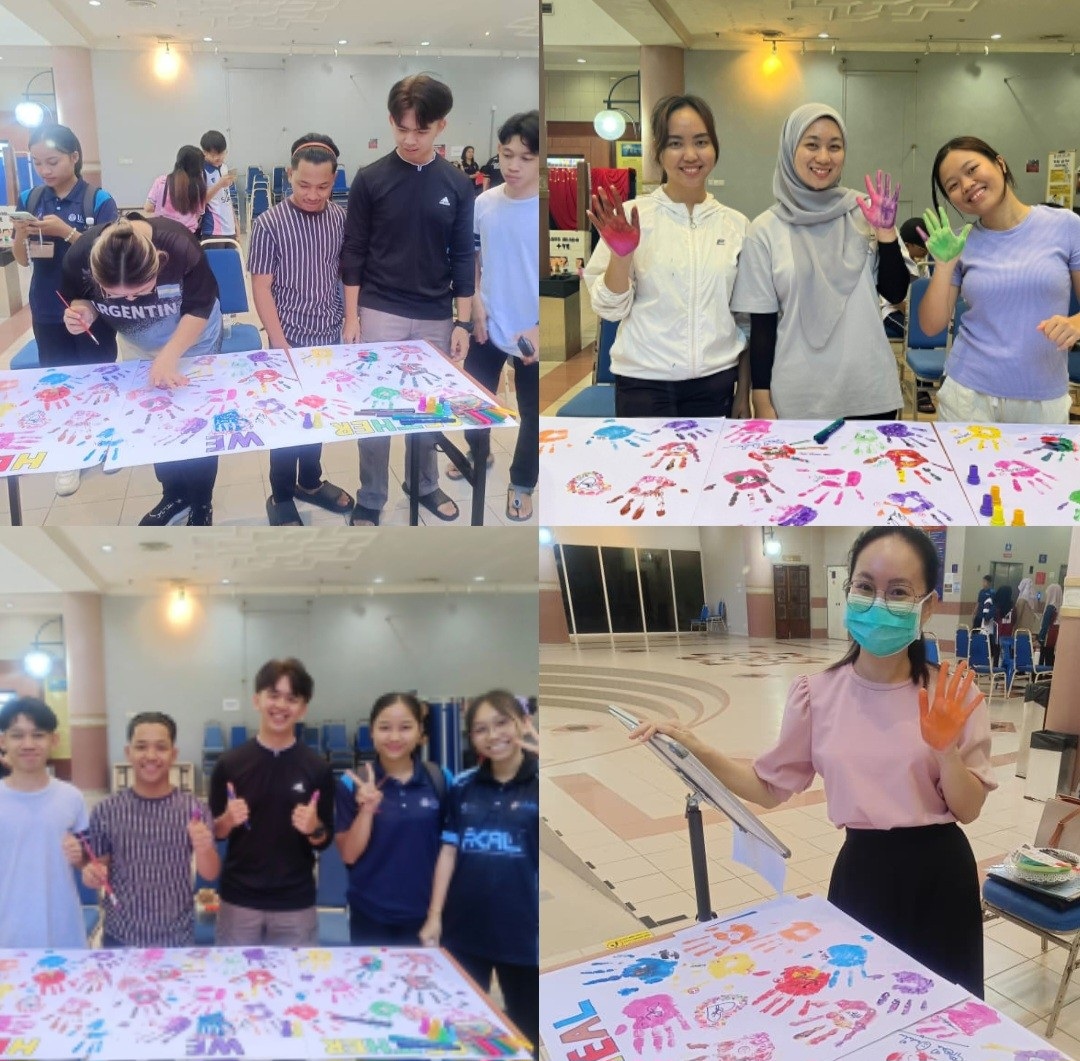
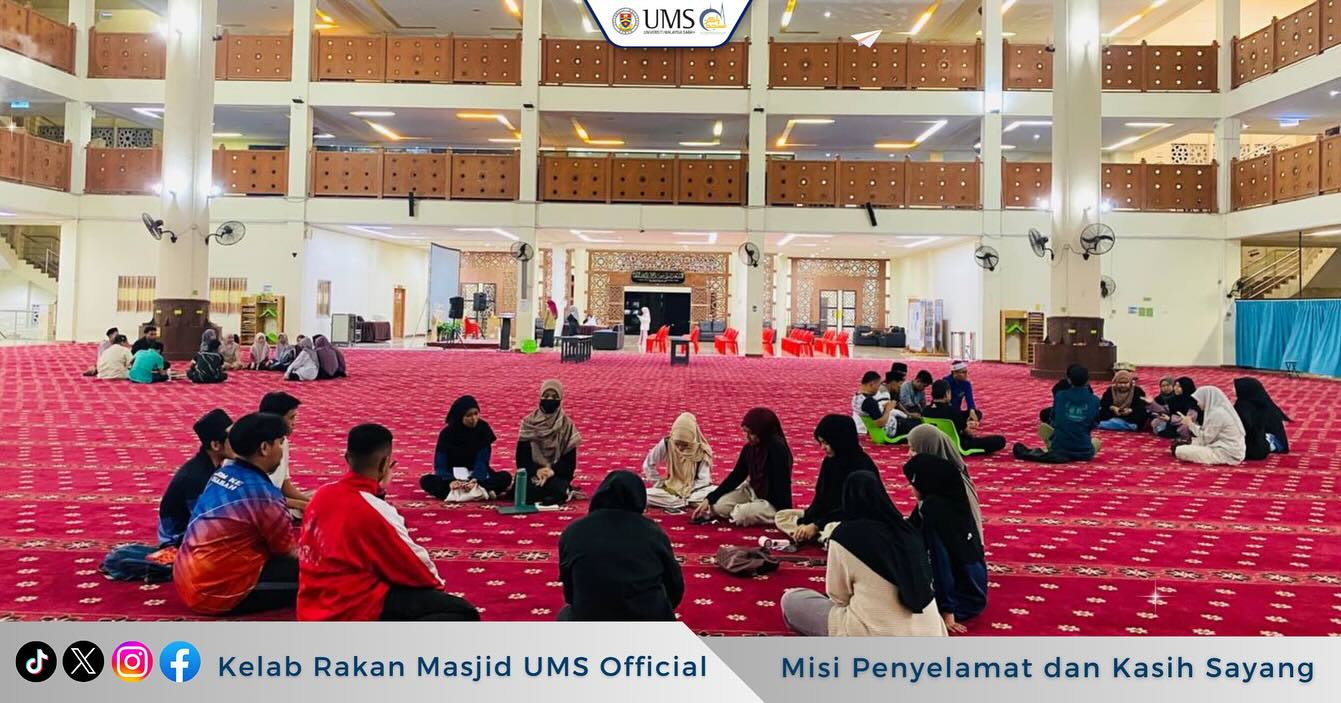
UMS Workplace Wellness Framework: Nurturing Minds, Strengthening Resilience
Universiti Malaysia Sabah (UMS) recognises that the mental health of its workforce is vital to sustaining a productive, compassionate, and innovative university community. In alignment with Sustainable Development Goal (SDG) 3 – Good Health and Well-Being, UMS provides a structured and comprehensive framework of mental health support services for all staff, aiming to cultivate psychological resilience and emotional balance within the workplace. The university views employee well-being not merely as a welfare initiative, but as a foundation for institutional excellence—acknowledging that a healthy mind is central to creativity, collaboration, and long-term performance. UMS’s mental health ecosystem for staff is jointly managed by the Counselling and Psychology Unit under the Registrar’s Department and the Health Promotion & Wellness Department of the Hospital Universiti Malaysia Sabah (HUMS). Together, these units provide coordinated services that ensure both accessibility and confidentiality. Registered professional counsellors offer free individual, group, marriage, and career counselling sessions, available on weekdays to accommodate staff across all faculties and service divisions. Employees can also seek psychological consultation for work-related stress, emotional fatigue, and personal challenges, with referrals made to medical professionals at HUMS when clinical intervention is needed. This integration of counselling and medical care reflects UMS’s holistic approach to mental health management—treating the person, not just the problem. Beyond counselling, UMS proactively measures and monitors staff well-being through the Staff Happiness Index, which reached 76.77% in 2025. This index functions as a Key Performance Indicator (KPI) for faculties and administrative units, helping leadership teams assess morale, satisfaction, and psychosocial climate. Data from the index is used to guide organisational development strategies, improve communication between management and employees, and identify areas requiring targeted interventions. By institutionalising happiness as a measurable component of organisational success, UMS demonstrates that emotional well-being and job satisfaction are integral to institutional growth—not optional considerations.
To complement these efforts, UMS regularly organises stress-management, mindfulness, and wellness workshops that focus on early intervention and burnout prevention. These programmes equip staff with practical coping strategies, promote healthy work–life balance, and strengthen social bonds within departments. Activities such as group relaxation exercises, resilience-building sessions, and physical wellness events encourage employees to maintain both mental and physical vitality. Collectively, these initiatives create a supportive, empathetic, and mentally healthy workplace culture where staff feel valued, heard, and motivated. Through this sustained commitment, UMS sets a national example for universities as a holistic employer—one that prioritises human well-being as the cornerstone of sustainable institutional success.Faculty Happiness Index (%) ASTiF 75.96 BORIIS 87.56 FIS 85.74 FKAL 76.05 FKI 67.15 FKJ 74.85 FPEP 79.24 FPKS 75.26 FPL 75.49 FPPS 75.26 FPSK 75.11 FPT 77.44 FSMP 73.66 FSSK 77.75 FST 75.61 IBTP 77.45 IPB 75.60 IPMB 74.23 PPIB 74.42 PPST 80.12 OVERALL 77.67 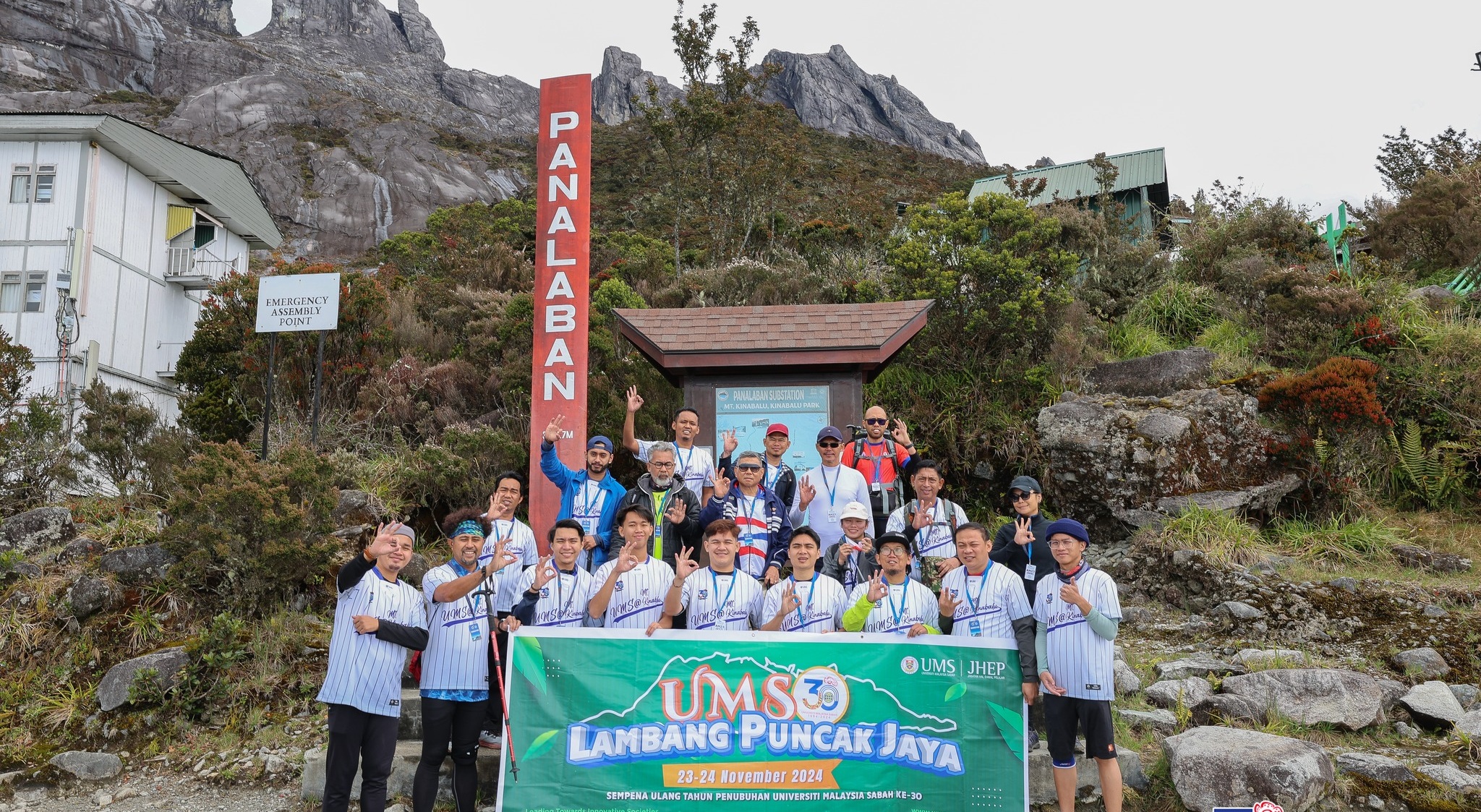
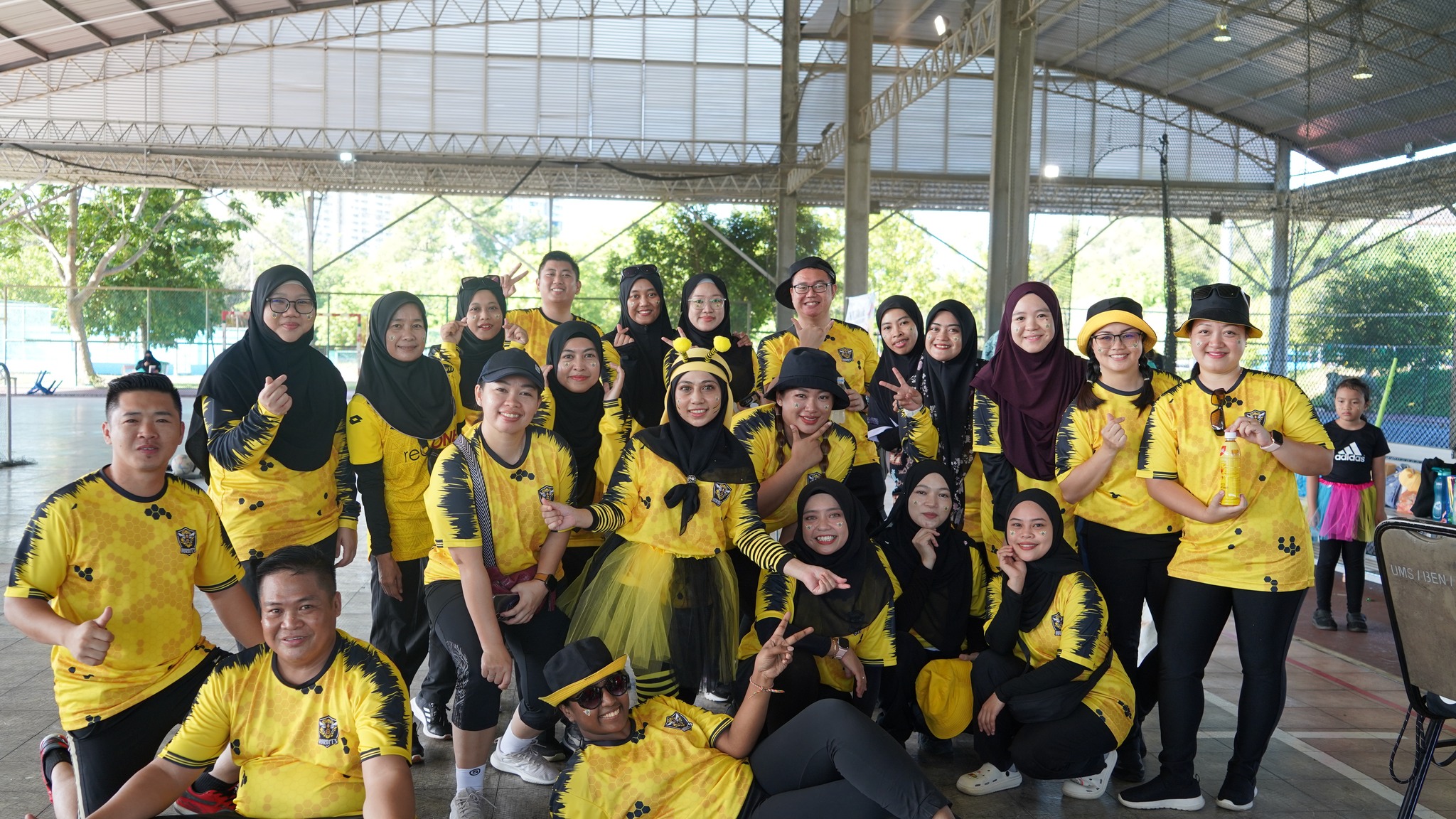
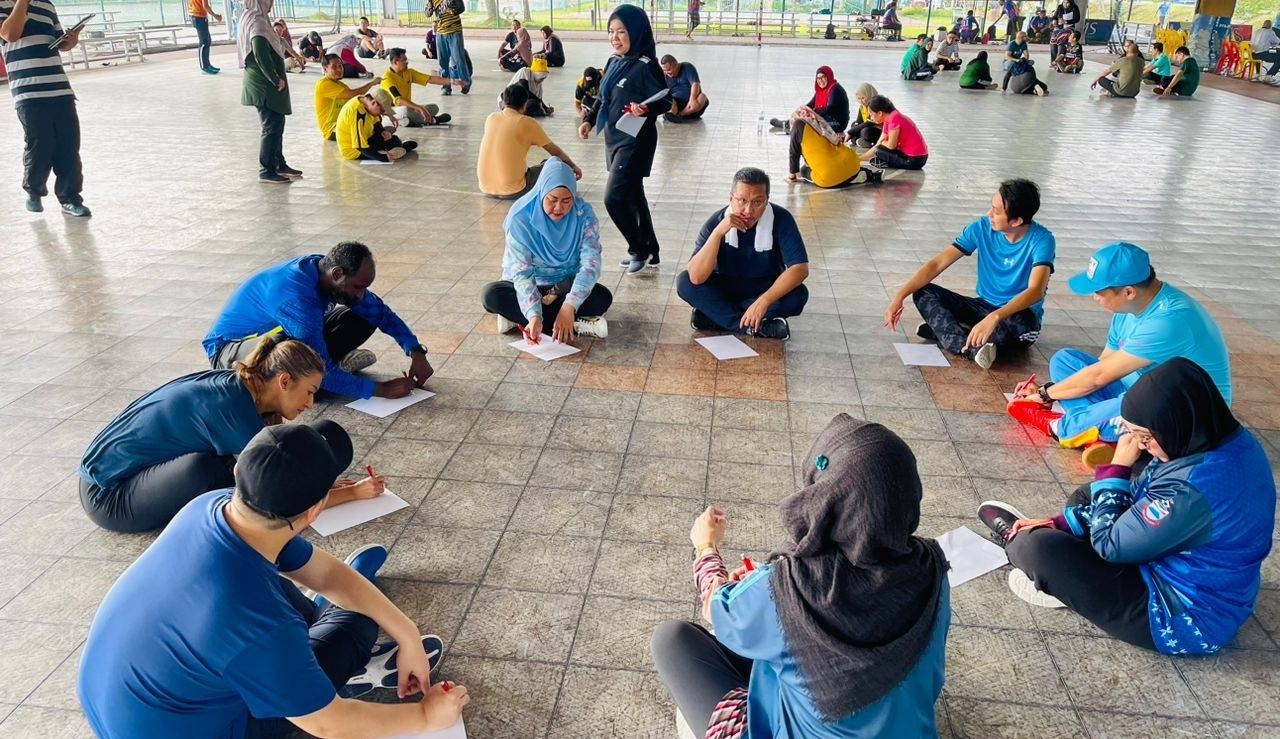 Free access, active living, and shared wellness for Sabah’s people.
Healthy Together: UMS Opens Its Campus to the Community
Universiti Malaysia Sabah (UMS) integrates physical, mental, and social well-being into its sustainability agenda—building a healthy campus, empowering local communities, and advancing medical research that improves lives across Sabah and beyond. UMS’s efforts are guided by SDG 3 targets to ensure healthy lives, prevent disease, and strengthen community resilience. From classrooms to coastlines, UMS unites students, researchers, and local communities in a shared journey toward well-being. Together, we nurture minds, heal communities, and protect the pulse of life — for people and the planet alike.
- Universiti Malaysia Sabah (UMS) demonstrates its deep commitment to community well-being by ensuring inclusive access to health, fitness, and recreation for all. In line with Sustainable Development Goal 3: Good Health and Well-Being, the university opens its sports and outdoor facilities free of charge to the surrounding community, transforming its campus into a shared space for health, vitality, and social connection. This initiative reflects UMS’s belief that physical health and mental wellness should not be privileges limited to students or staff, but universal rights accessible to every member of society.
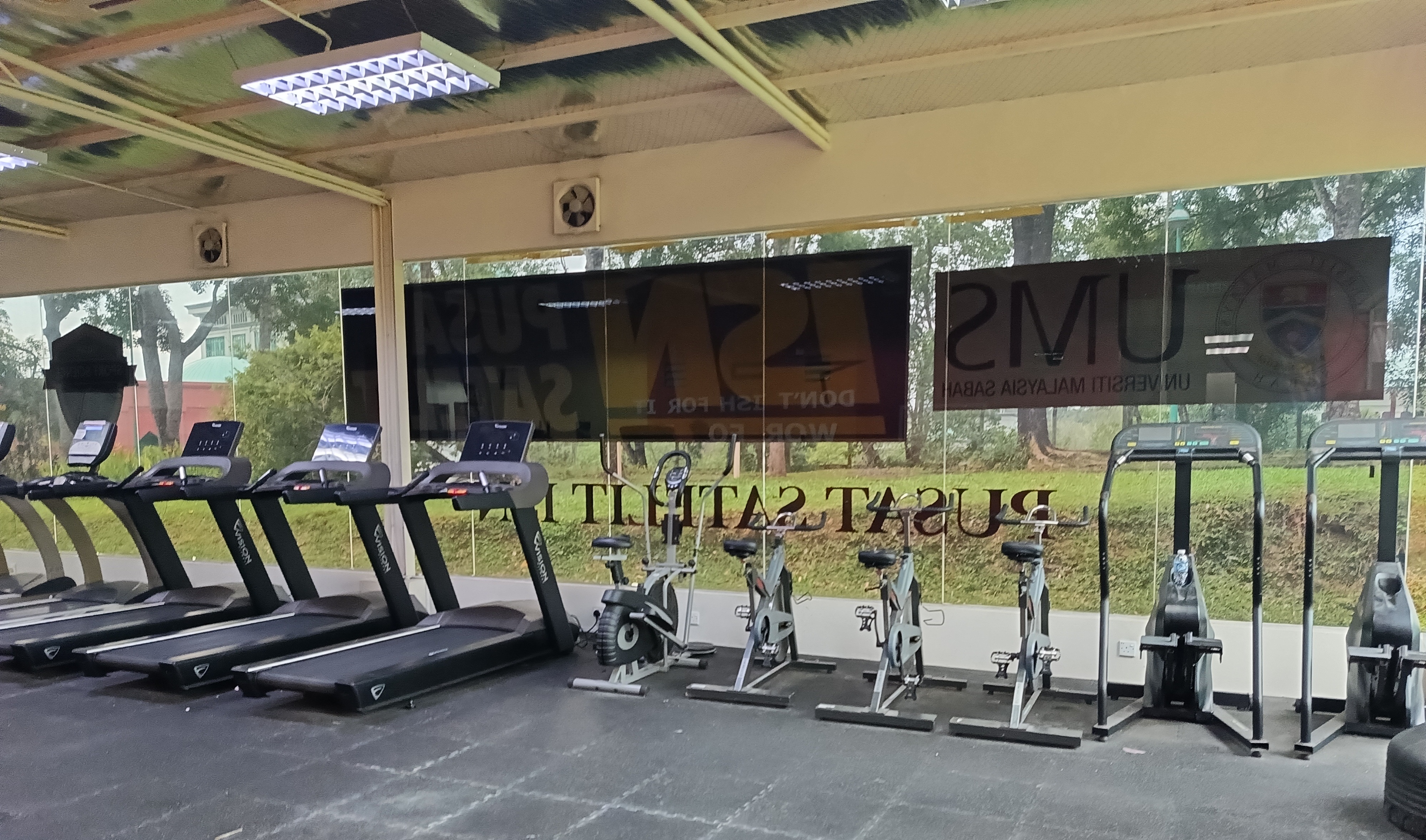
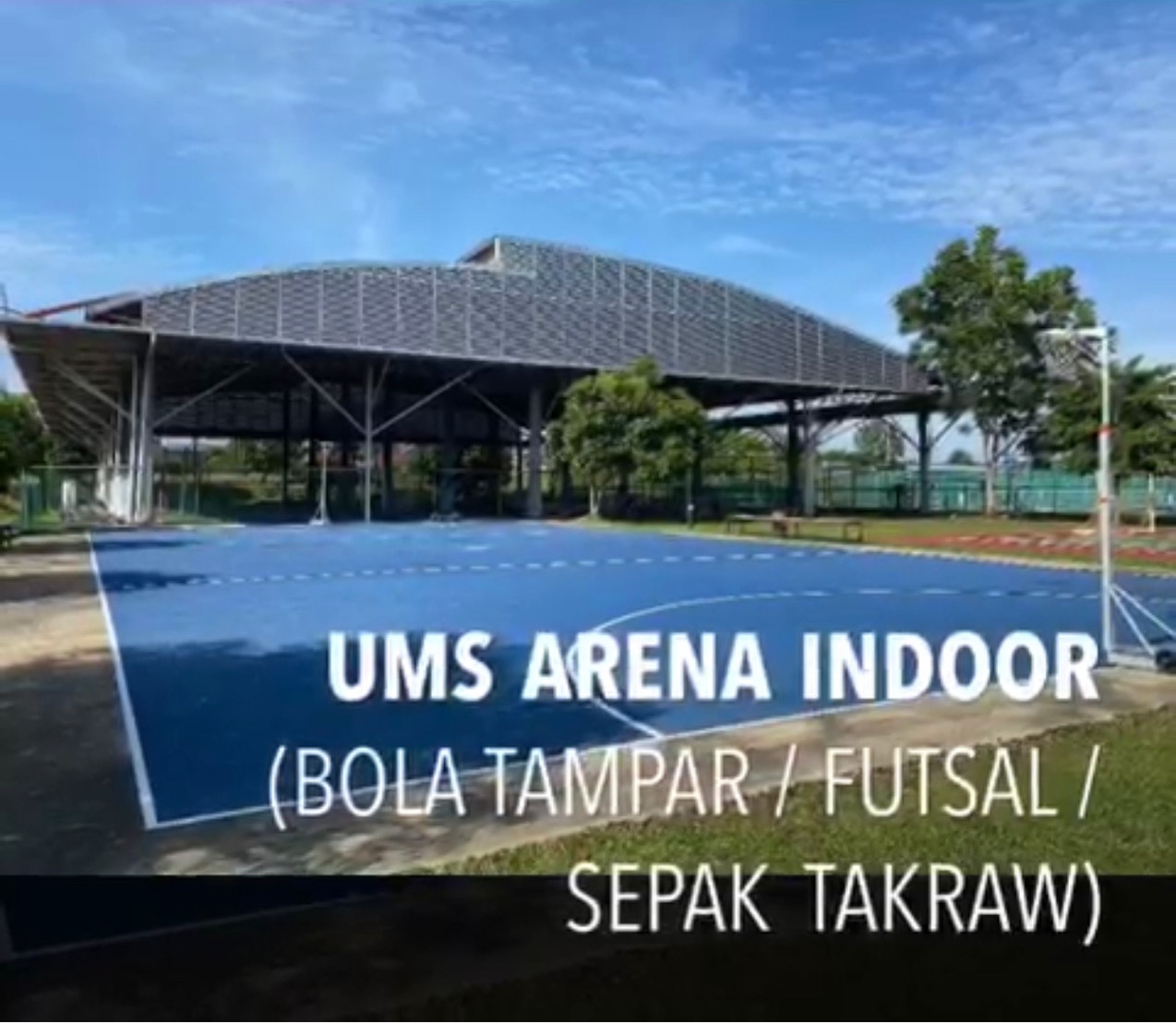
The initiative is led by the Centre of Sport of UMS (Pusat Sukan), which manages an impressive range of facilities that are open to both the UMS community and the general public. These include the UMS Sports Complex, open football fields, multi-purpose courts, and well-maintained cycling routes that weave through the scenic EcoCampus. The jungle trails, shaded by native Bornean flora, offer a natural sanctuary for walking, jogging, and mindfulness activities. By offering these spaces without entry fees, UMS ensures that families, students, and local sports clubs can train, exercise, and gather in a safe and inclusive environment that nurtures both body and mind.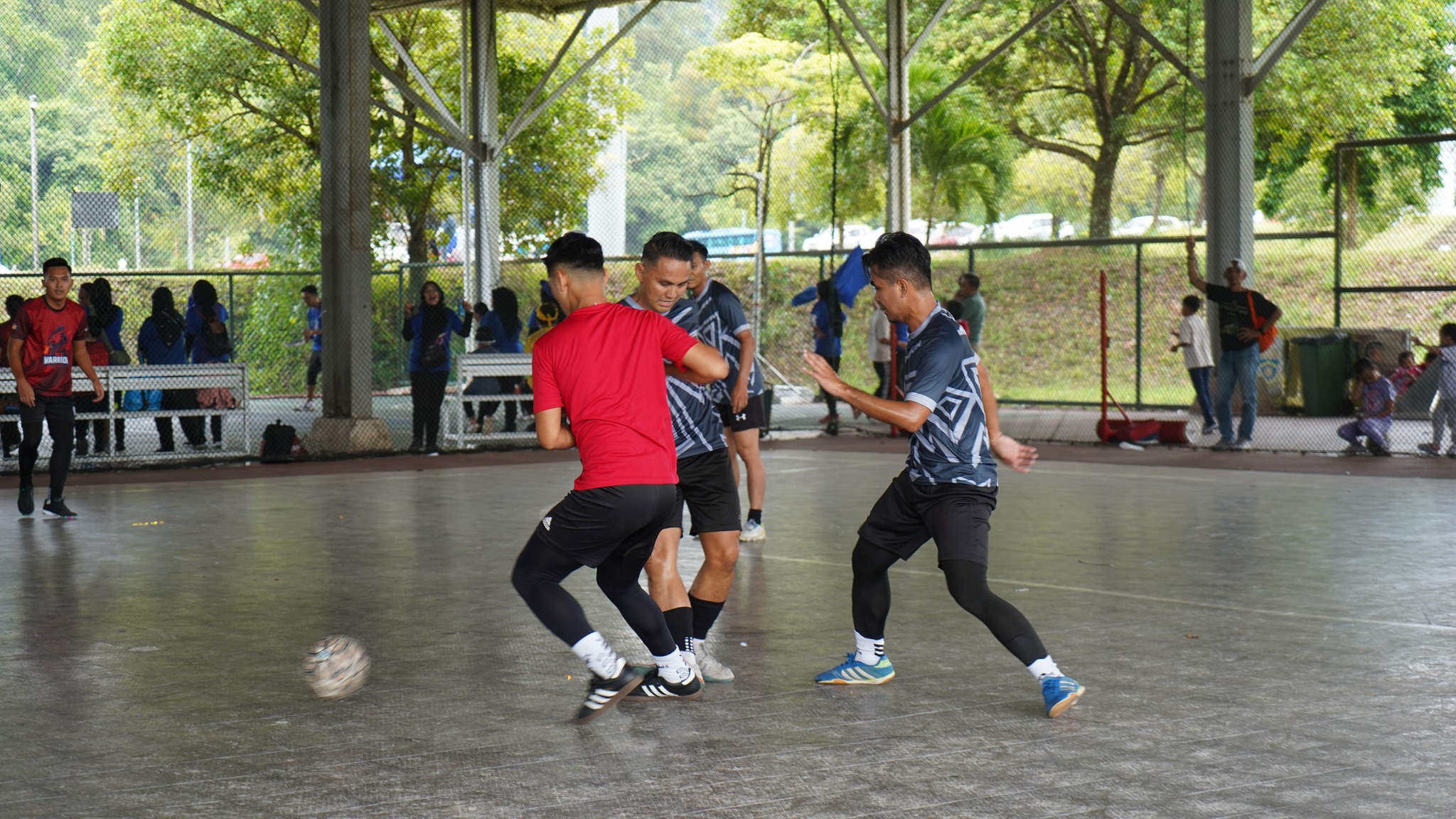
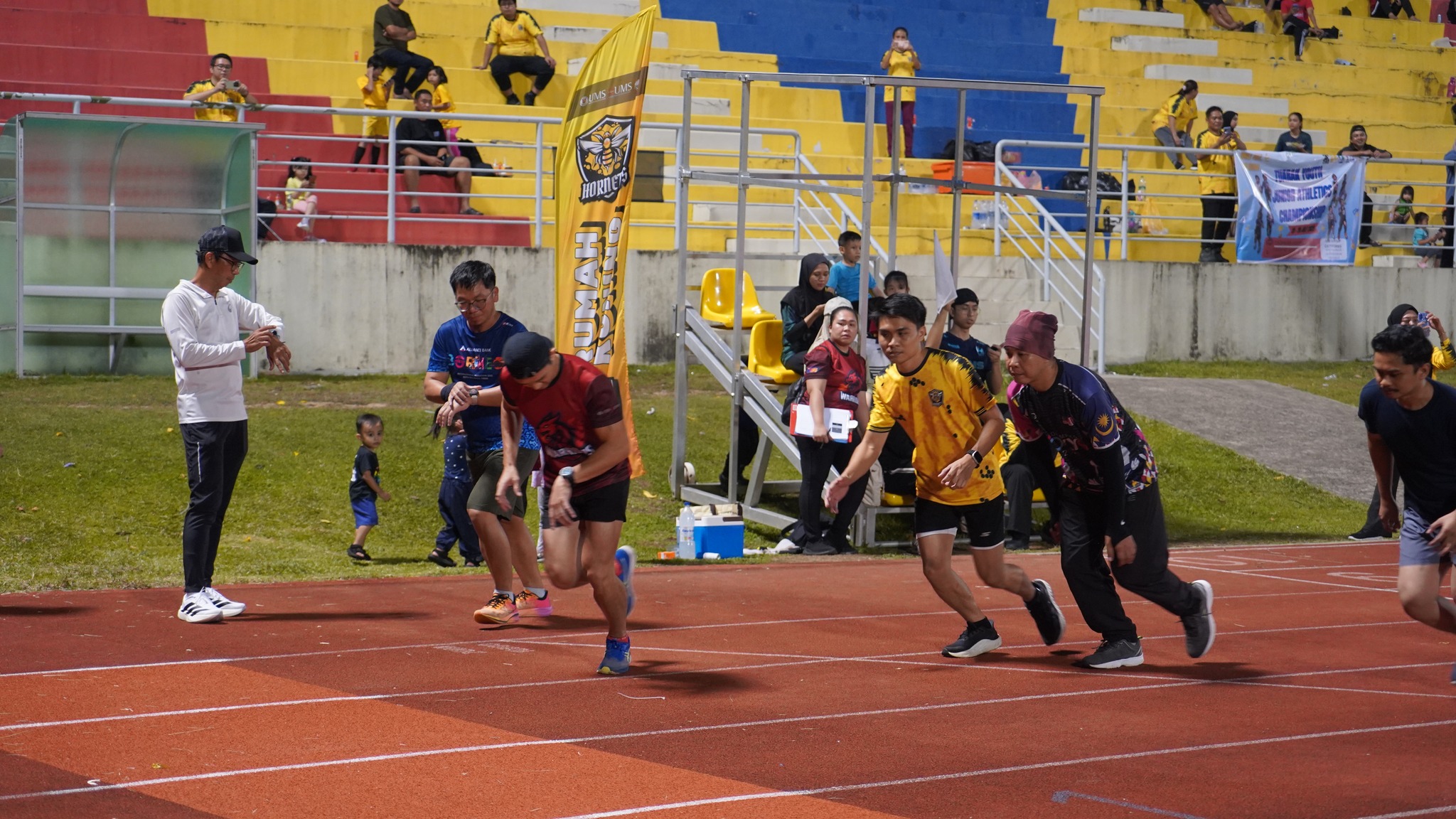
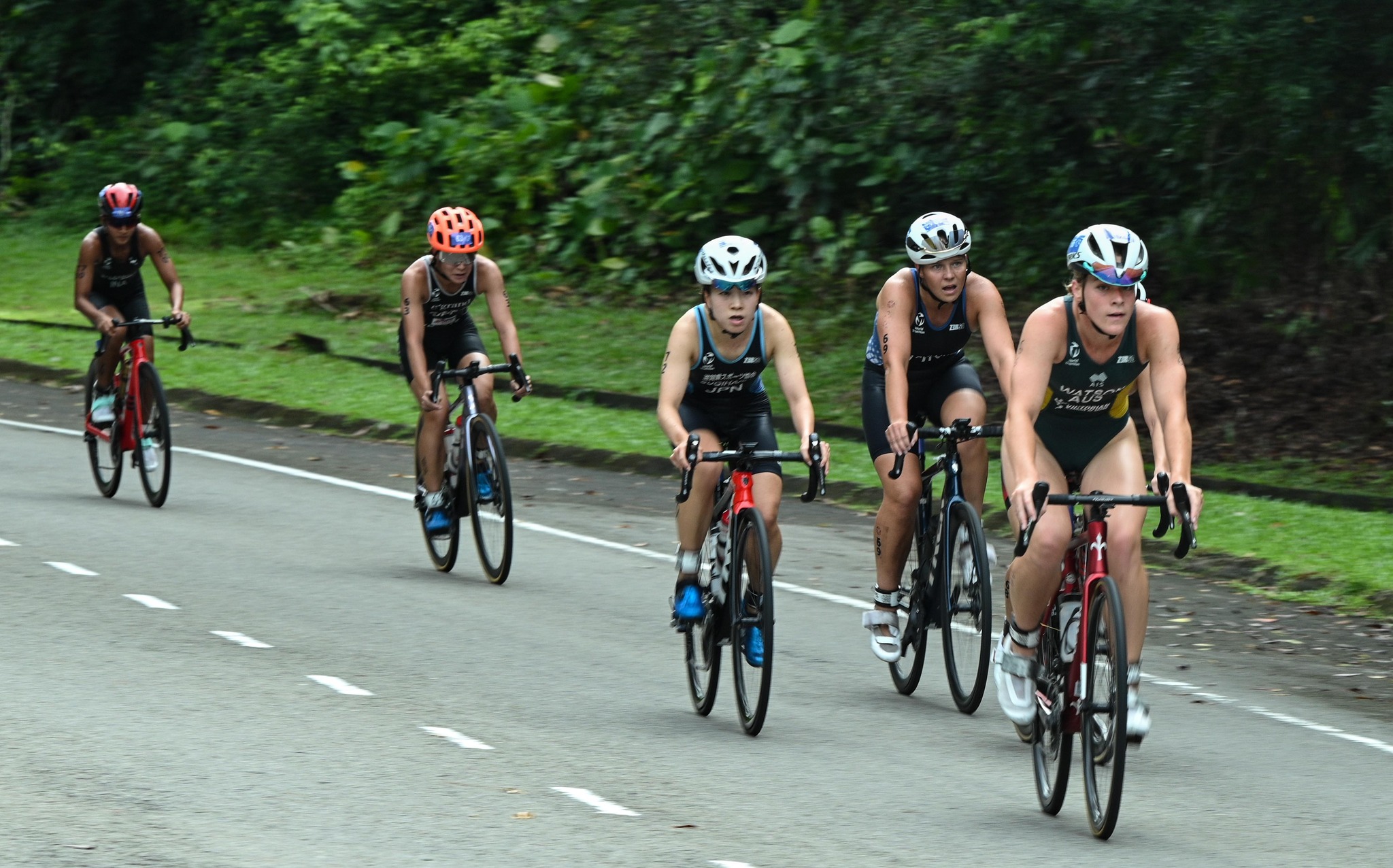
 Throughout the year, UMS hosts various community sports and wellness events that draw strong public participation and foster healthy living habits. Flagship programmes such as Larian Sihat UMS (UMS Health Run), the EcoCampus Cycling Expedition, and Jungle Trekking for Health invite people of all ages to engage in outdoor exercise while appreciating nature and sustainability. These events are designed not merely as competitions but as celebrations of collective movement, environmental appreciation, and social unity. Participants often include families from nearby housing areas, schoolchildren, and alumni, creating vibrant moments of intergenerational connection through sport.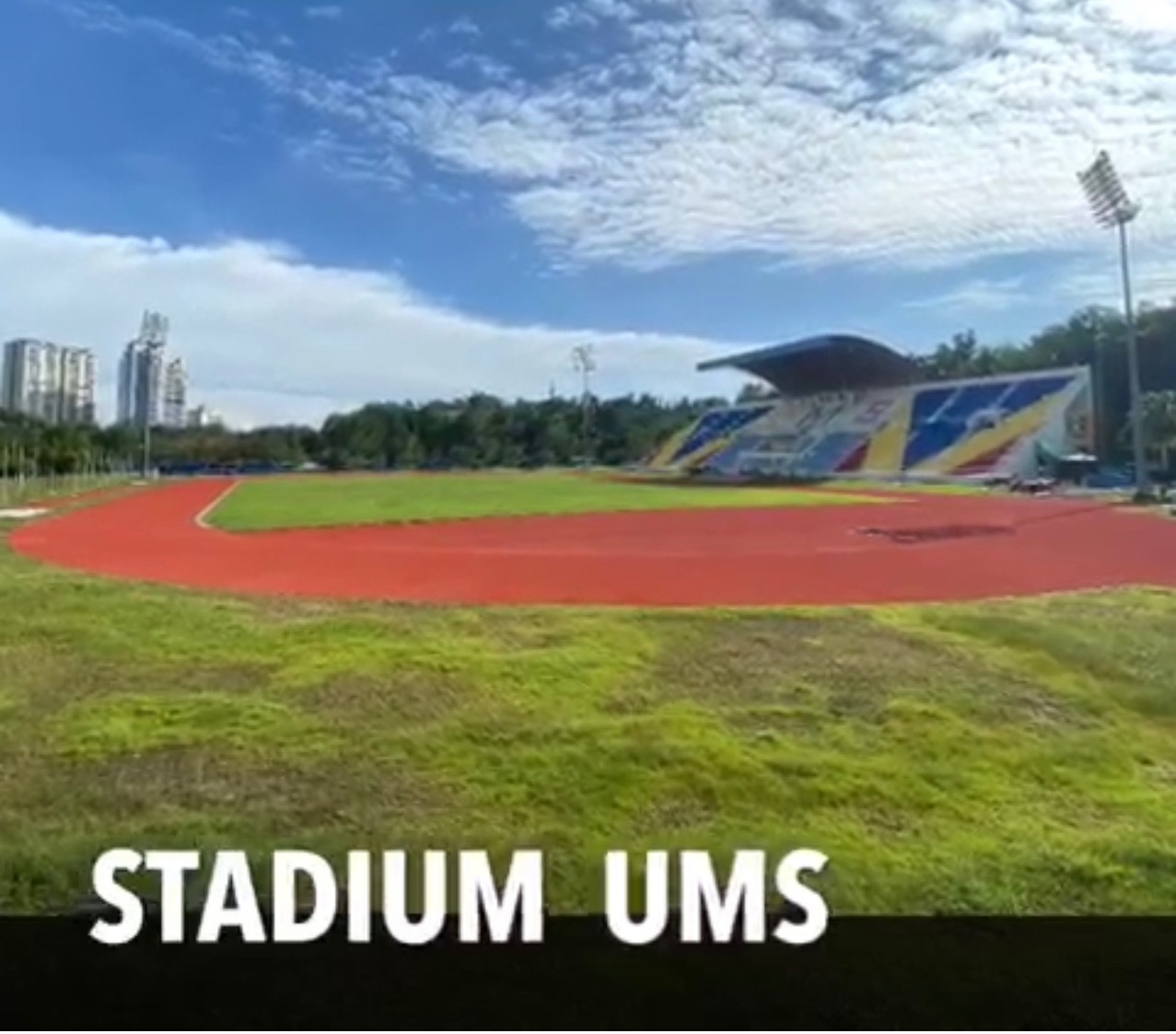
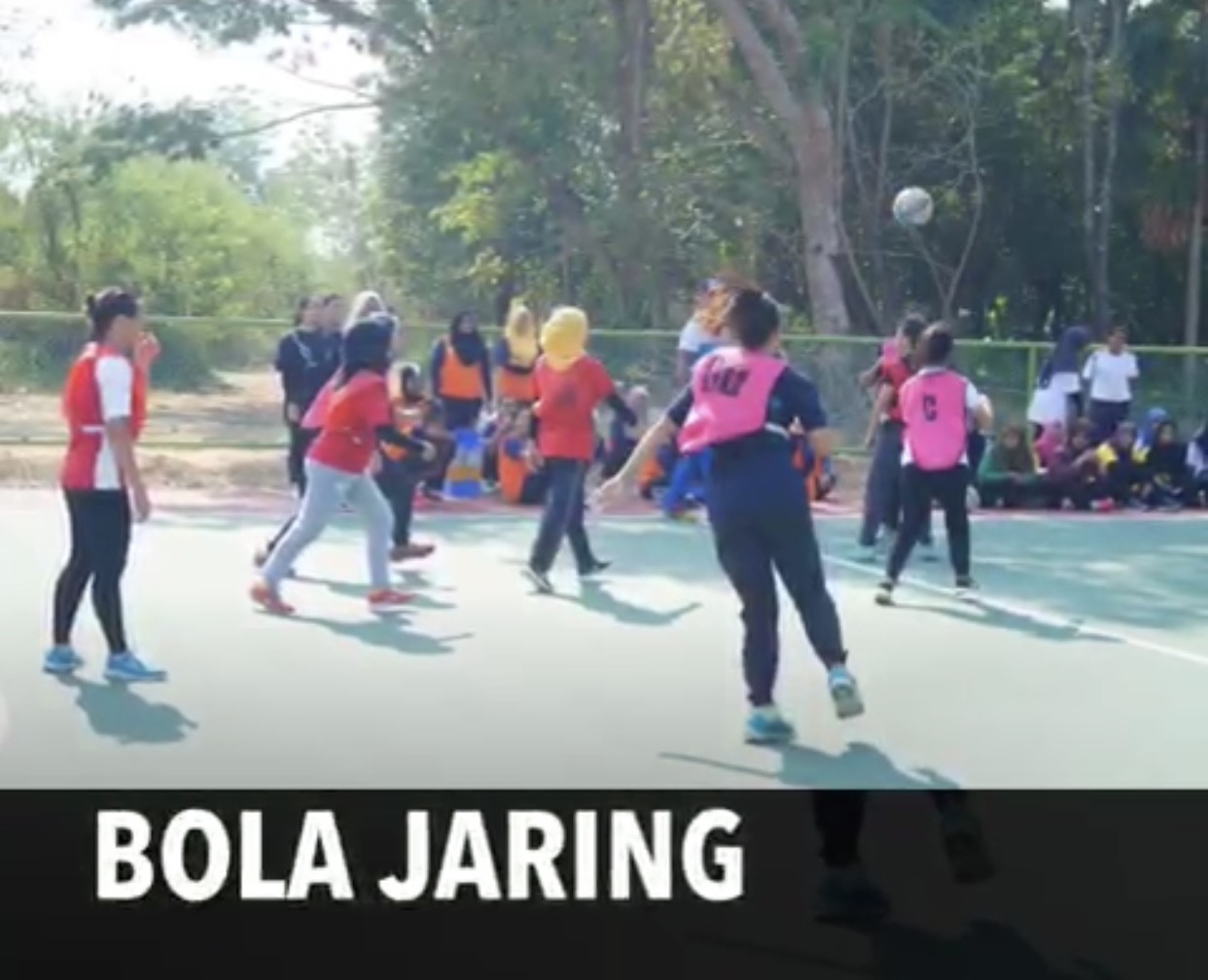
 Beyond organised events, UMS ensures that everyday access to recreation remains free and open. Local residents frequently use the outdoor gym, jogging tracks, and waterfront paths for morning walks, cycling, or evening fitness sessions. These open spaces have become trusted gathering points that promote friendship, mental relaxation, and physical endurance—especially important for communities with limited access to public recreational infrastructure. In this way, the UMS campus has become more than an academic institution; it has evolved into a community wellness hub that anchors public health efforts in everyday life.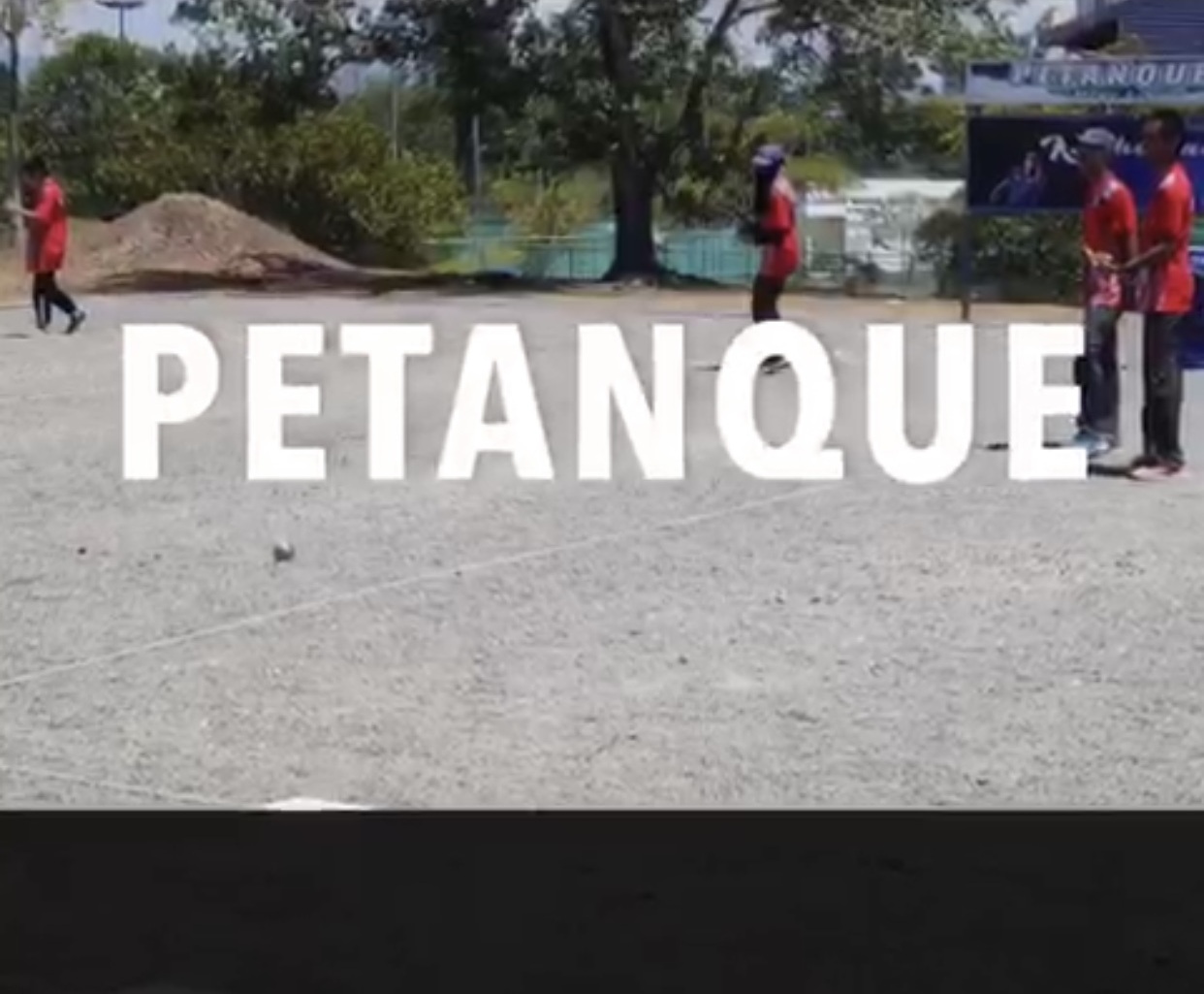
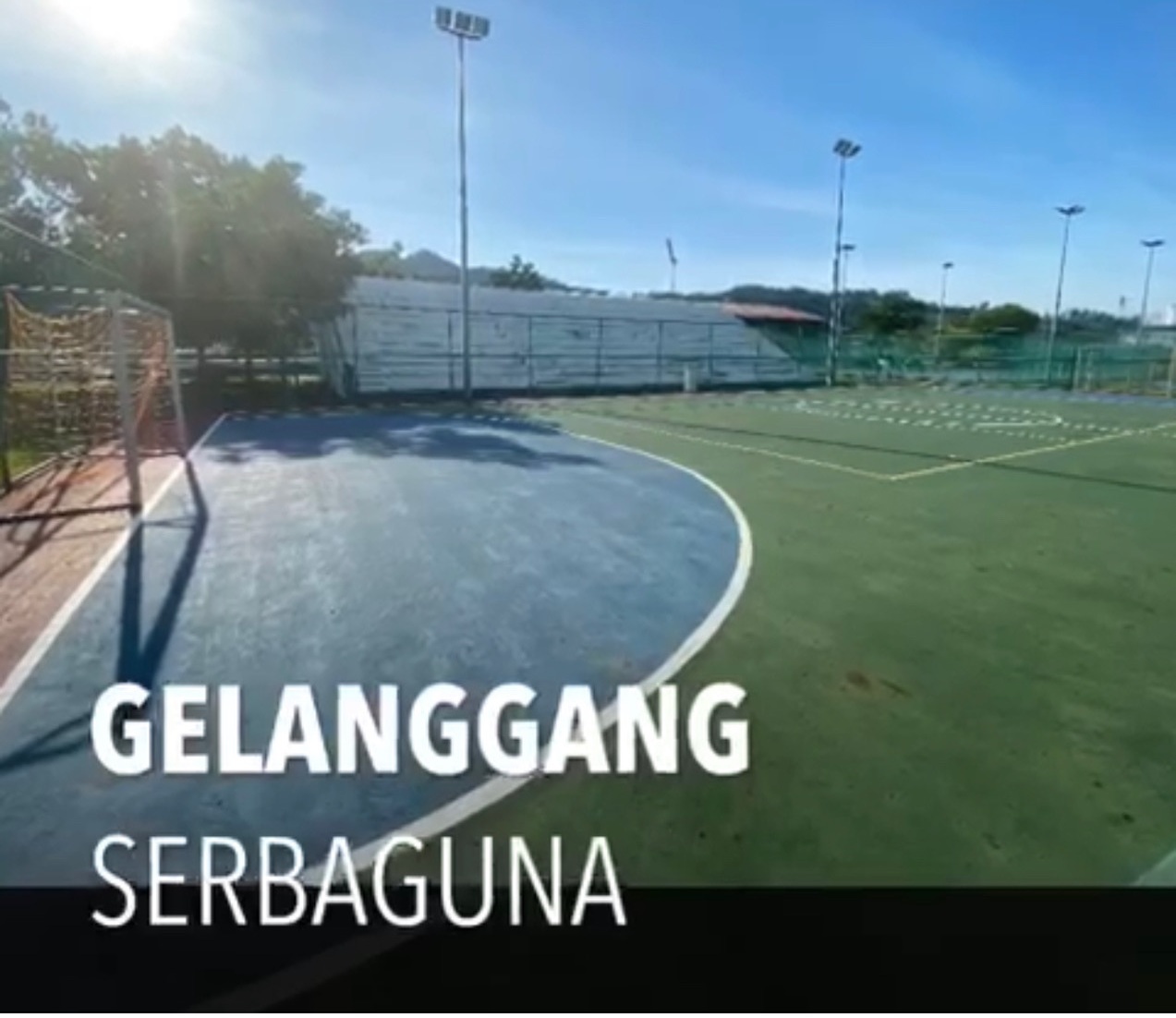
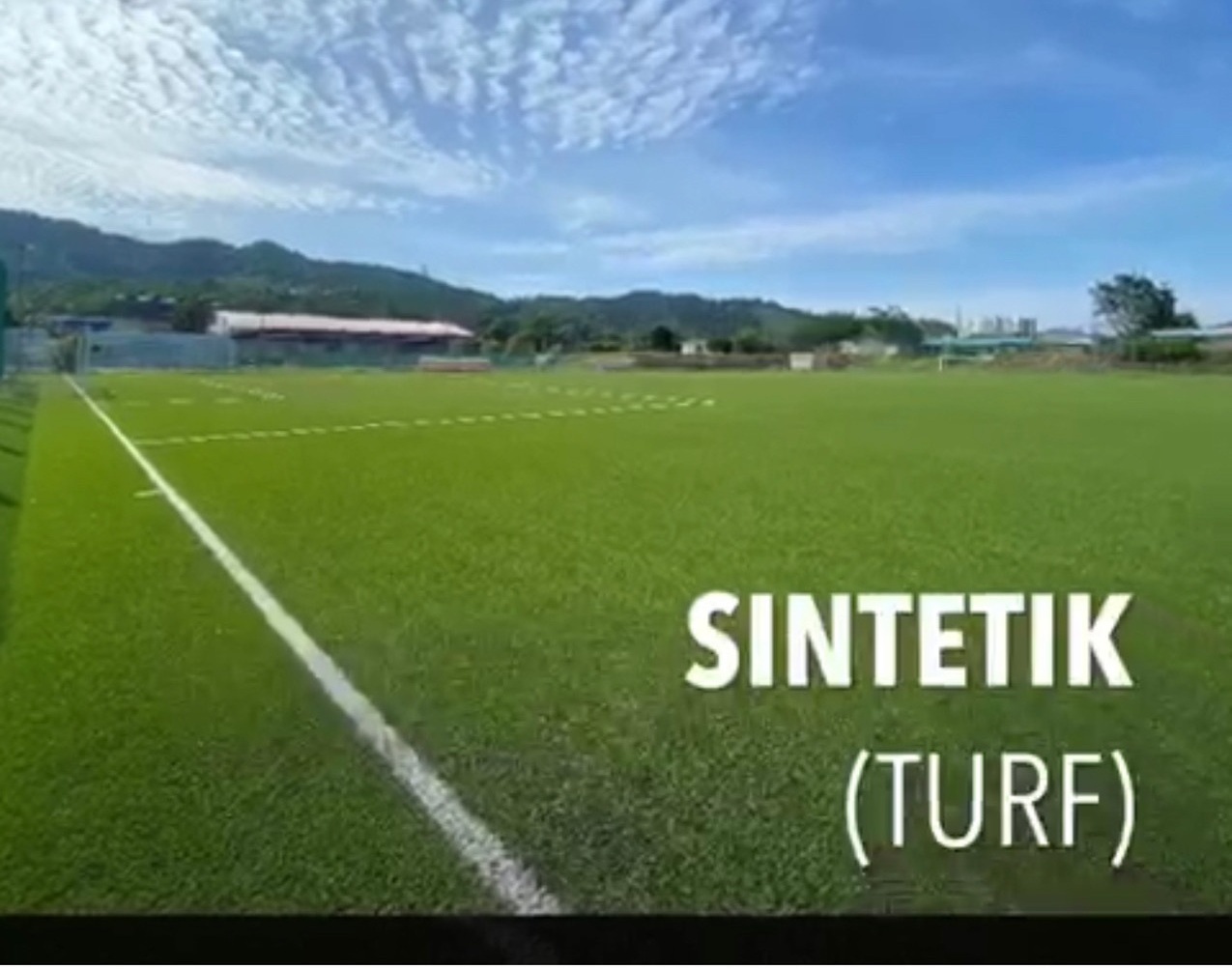 Through these sustained efforts, UMS strengthens the link between higher education, community health, and environmental stewardship. By promoting affordable, eco-friendly, and inclusive wellness practices, the university nurtures a healthier society while deepening the public’s appreciation for sustainable living. The openness of its facilities encourages active lifestyles, reduces barriers to participation, and reinforces UMS’s role as a model EcoCampus that integrates health, sustainability, and social cohesion. In advancing SDG 3, UMS exemplifies how universities can extend their mission beyond classrooms and laboratories—into the hearts, homes, and daily lives of the communities they serve.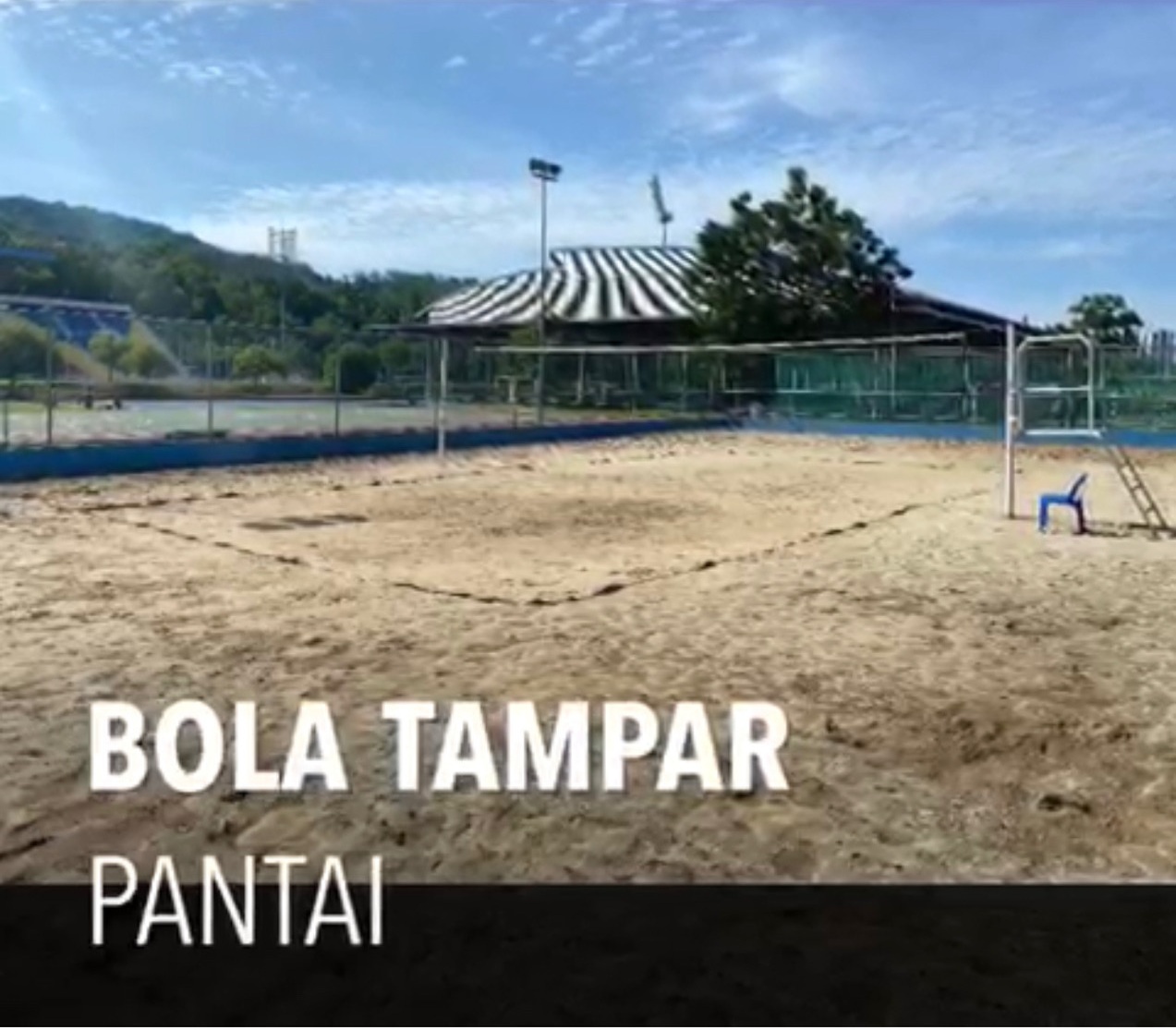
Smoke-Free Campus Policy: Breathing Life into Wellness
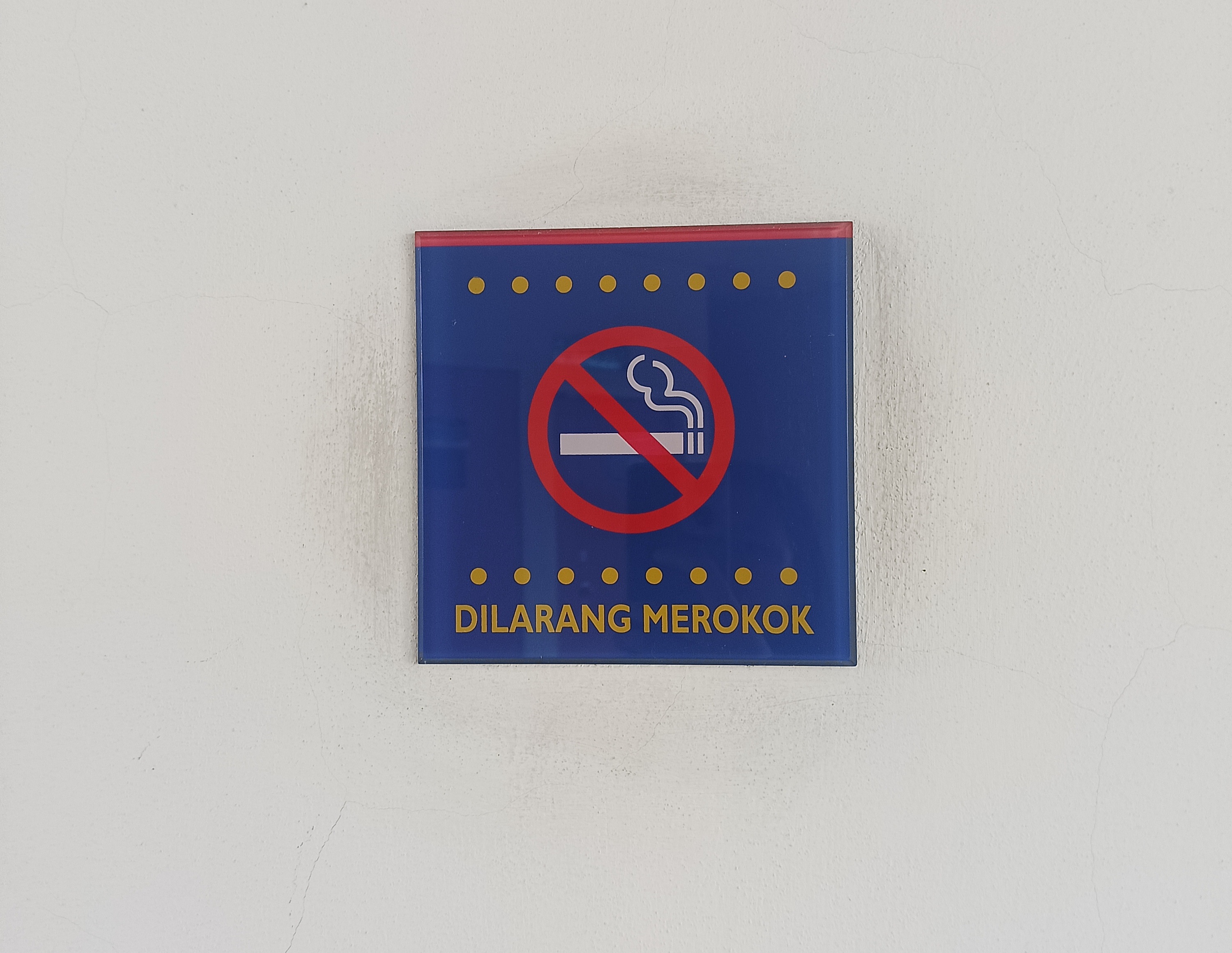
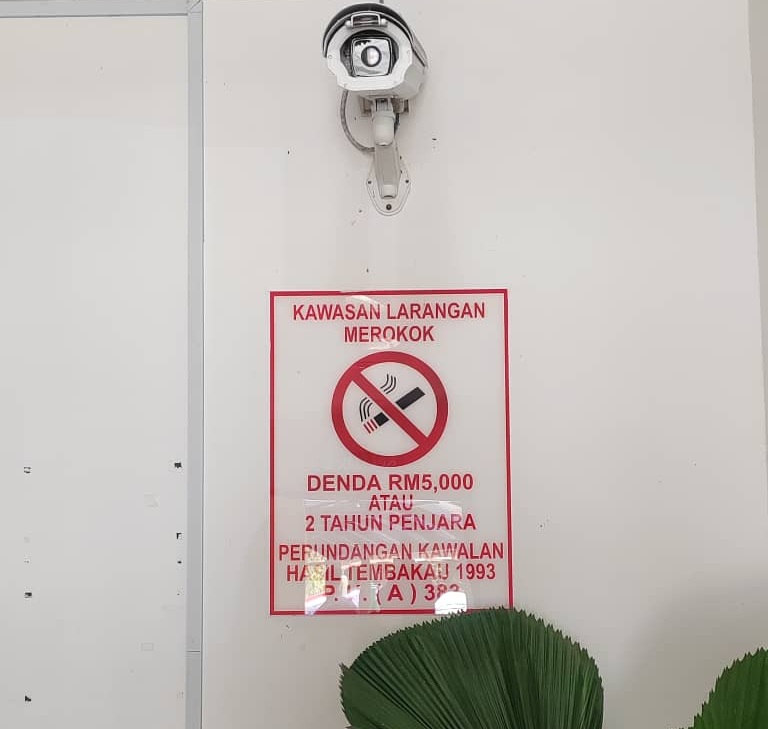
Universiti Malaysia Sabah (UMS) proudly upholds a Smoke-Free Campus Policy, reaffirming its unwavering commitment to creating a healthier, safer, and more sustainable learning environment for all. The policy, guided by Malaysia’s Control of Smoking Products for Public Health Act (Act 852), designates every corner of the university—from lecture halls and laboratories to residential hostels, cafeterias, and recreational spaces—as smoke- and vape-free zones. This initiative reflects UMS’s proactive approach to protecting its students, staff, and visitors from the harmful effects of tobacco and electronic smoking devices, ensuring that the campus remains a sanctuary of clean air and well-being. More than a compliance measure, the smoke-free policy at UMS is part of a broader health promotion strategy driven by the Health Promotion and Wellness Department of Hospital UMS (HUMS) and supported by the EcoCampus Management Centre. Awareness campaigns, educational exhibitions, and peer-led advocacy programmes are regularly held to encourage positive behavioural change and help smokers quit through counselling and cessation support. By integrating smoke-free education into student wellness programmes and community outreach, UMS promotes a culture of prevention—raising awareness of respiratory diseases, second-hand smoke risks, and the importance of maintaining healthy lifestyle habits. This collaborative effort transforms UMS into not just a smoke-free campus, but a health-conscious and socially responsible university that leads by example. At its heart, the UMS Smoke-Free Campus Policy is a shared pledge — a collective act of care and mutual respect. It represents a conscious choice by the university community to breathe cleaner air, protect public health, and support sustainable living. Every smoke-free area, from the EcoCampus trails to the student plazas, becomes a testament to UMS’s belief that education must go hand in hand with healthy living. Through this policy, UMS not only complies with national health standards but also embodies the spirit of SDG 3: Good Health and Well-Being, inspiring a generation to champion wellness, respect, and environmental responsibility in their daily lives.Read More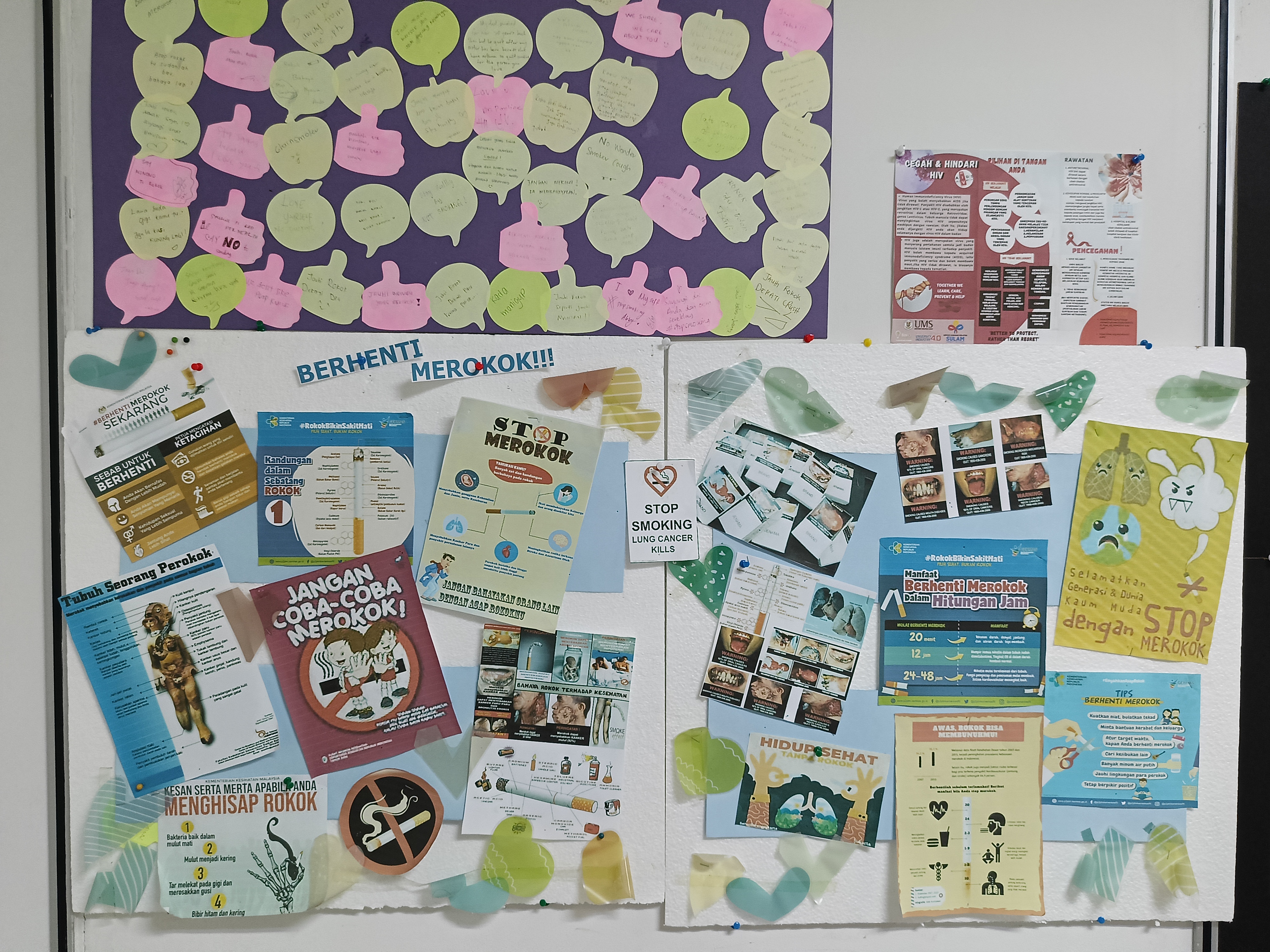
 Free care, equal rights, and shared responsibility for every gender, every nation.
Universiti Malaysia Sabah: Advancing Universal Access to Sexual and Reproductive Health Services
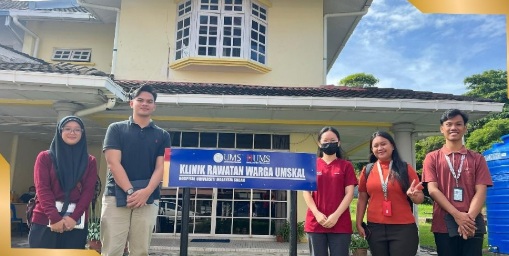
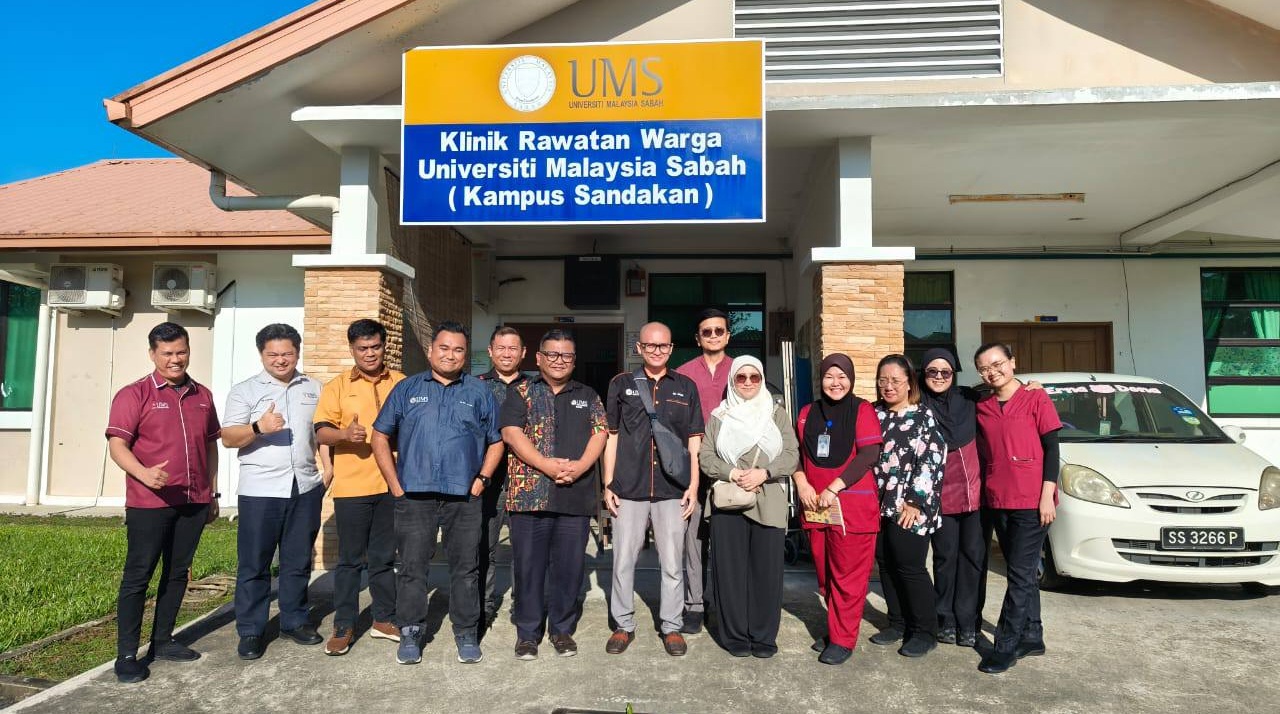
Universiti Malaysia Sabah (UMS) recognises that student success and community well-being depend on access to comprehensive, compassionate, and confidential health services. Guided by Sustainable Development Goal 3 (Good Health and Well-Being)—particularly Target 3.7, which calls for universal access to sexual and reproductive health-care services, information, and education—UMS has established a robust system that integrates clinical care, preventive education, and psychosocial support across its main campus and regional facilities. Through the Hospital Universiti Malaysia Sabah (HUMS), Poliklinik UMS, Pusat Rawatan Warga UMS, and its branch clinics such as Klinik Rawatan Warga FPL and Klinik Rawatan Warga UMSKAL, the university ensures that every student, staff member, and member of the surrounding community—Malaysian or non-Malaysian—has equitable access to reproductive health information, services, and vaccination.
Comprehensive Sexual and Reproductive Health Services at Universiti Malaysia Sabah (UMS)
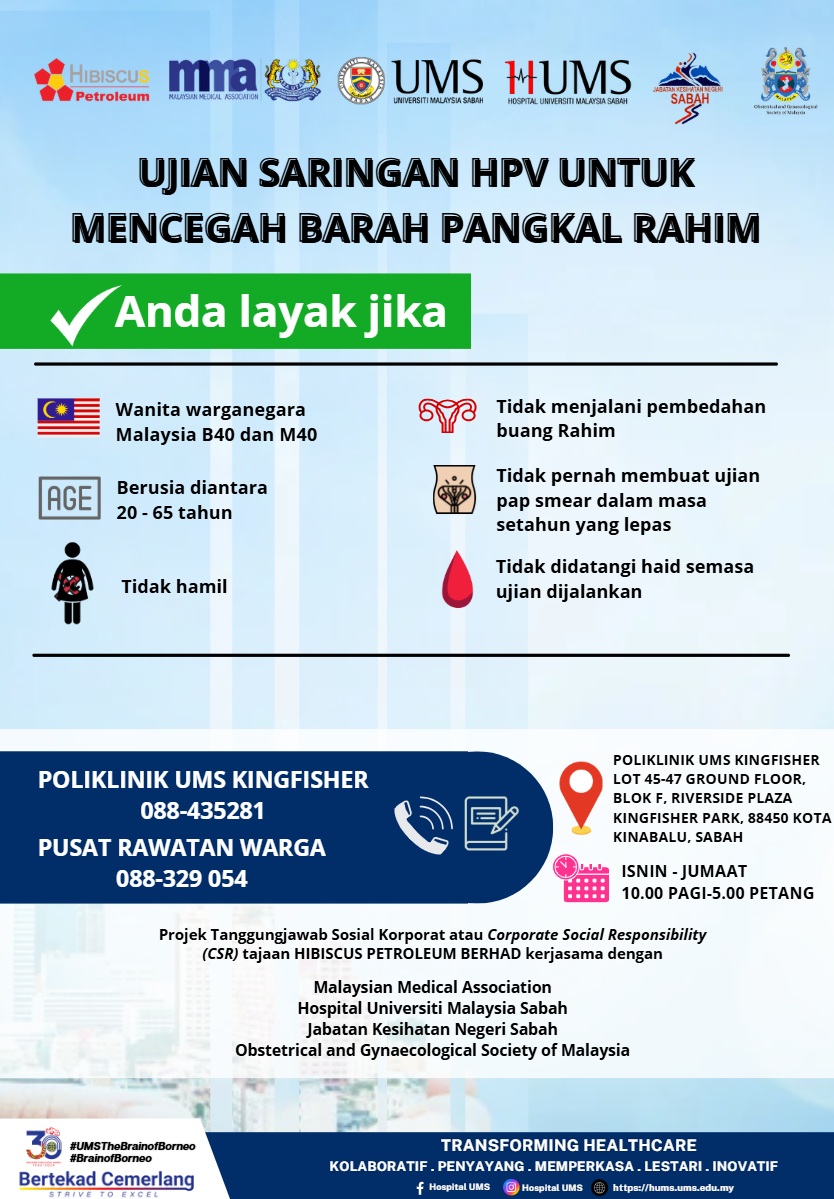
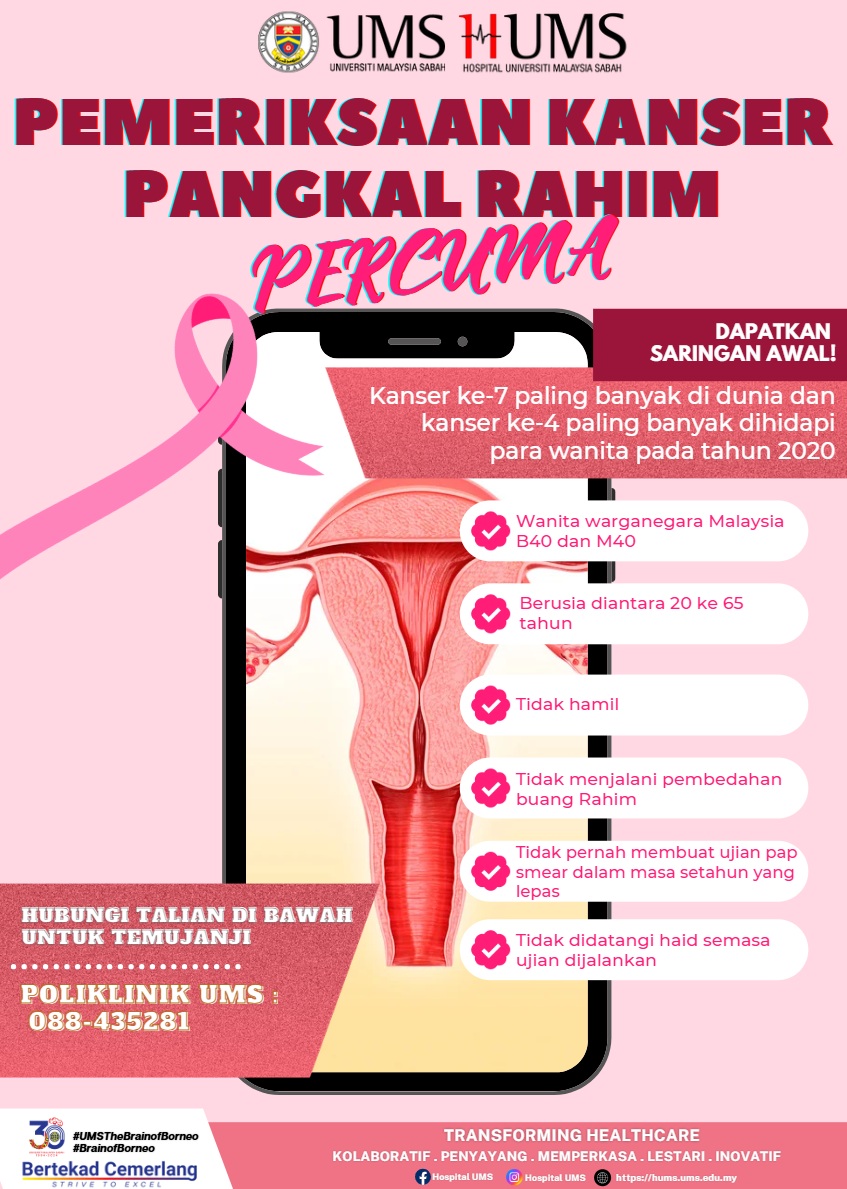
UMS provides free, confidential, and gender-sensitive sexual and reproductive health-care services through its network of health centres and hospitals: i. Hospital Universiti Malaysia Sabah (HUMS) Three departments play pivotal roles:- Obstetric & Gynaecology (O&G) Department – Provides antenatal and postnatal care, family-planning services, fertility counselling, menstrual-disorder management, Pap smear and HPV testing, and treatment of reproductive tract infections.
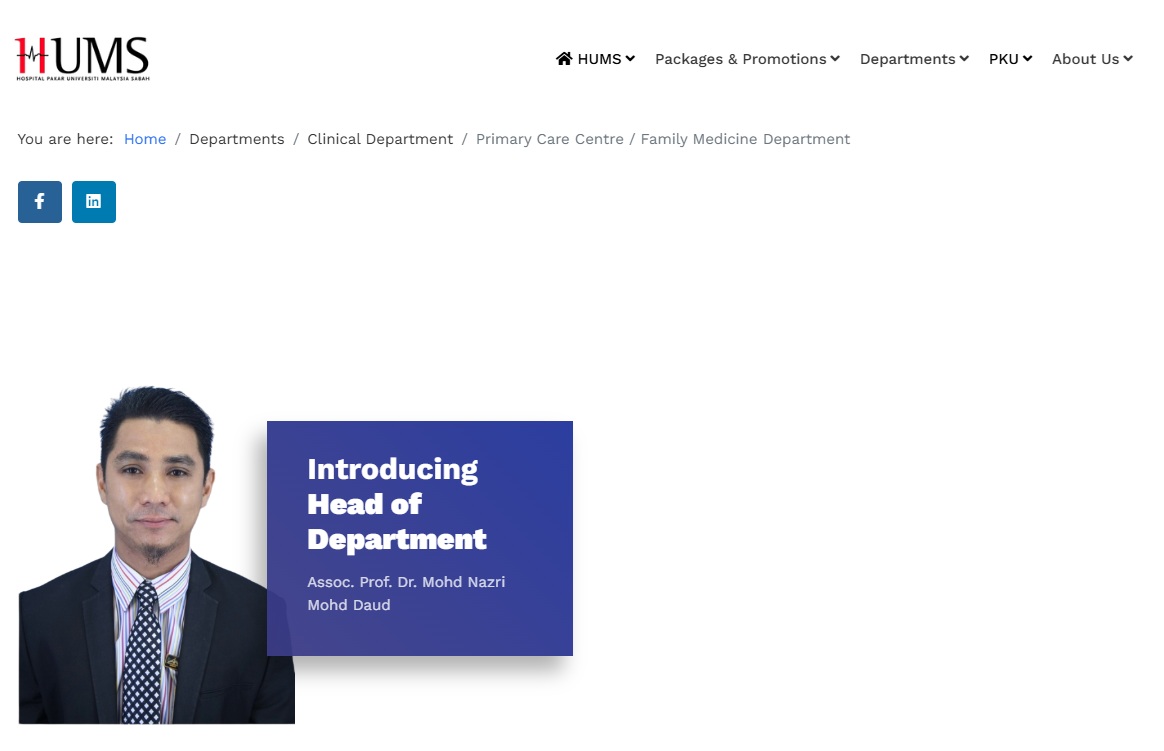
- Primary Care Centre / Family Medicine Department – Offers preventive reproductive services such as pregnancy testing, contraception advice, STI screening, and reproductive health education for adolescents and young adults.
- Paediatric Department – Delivers adolescent health education, HPV vaccination for youth, and maternal-child continuity of care.
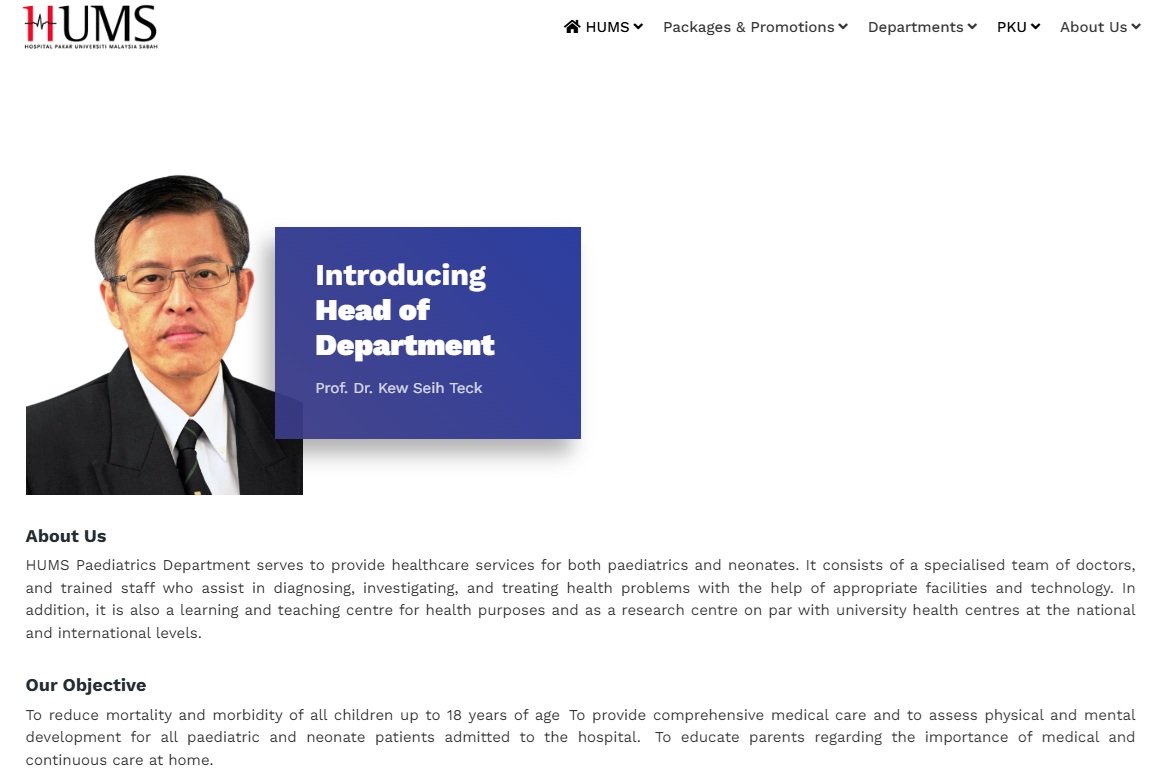
ii. Poliklinik UMS Acts as the university’s primary student health facility, offering: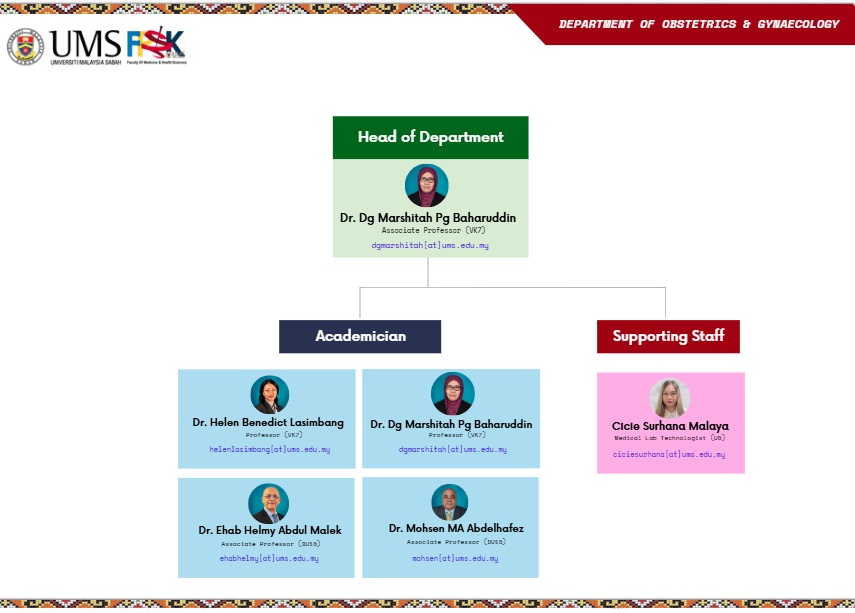
- – Confidential reproductive-health consultations
- – Pregnancy testing and counselling
- – Family-planning and contraceptive services
- – Screening and treatment for sexually transmitted infections (STIs) including HIV and HPV
- – Referrals to HUMS specialists for advanced care or mental-health support
- All Poliklinik services are provided free of charge for students and staff, upholding the principle that healthcare is a basic right within the university community.
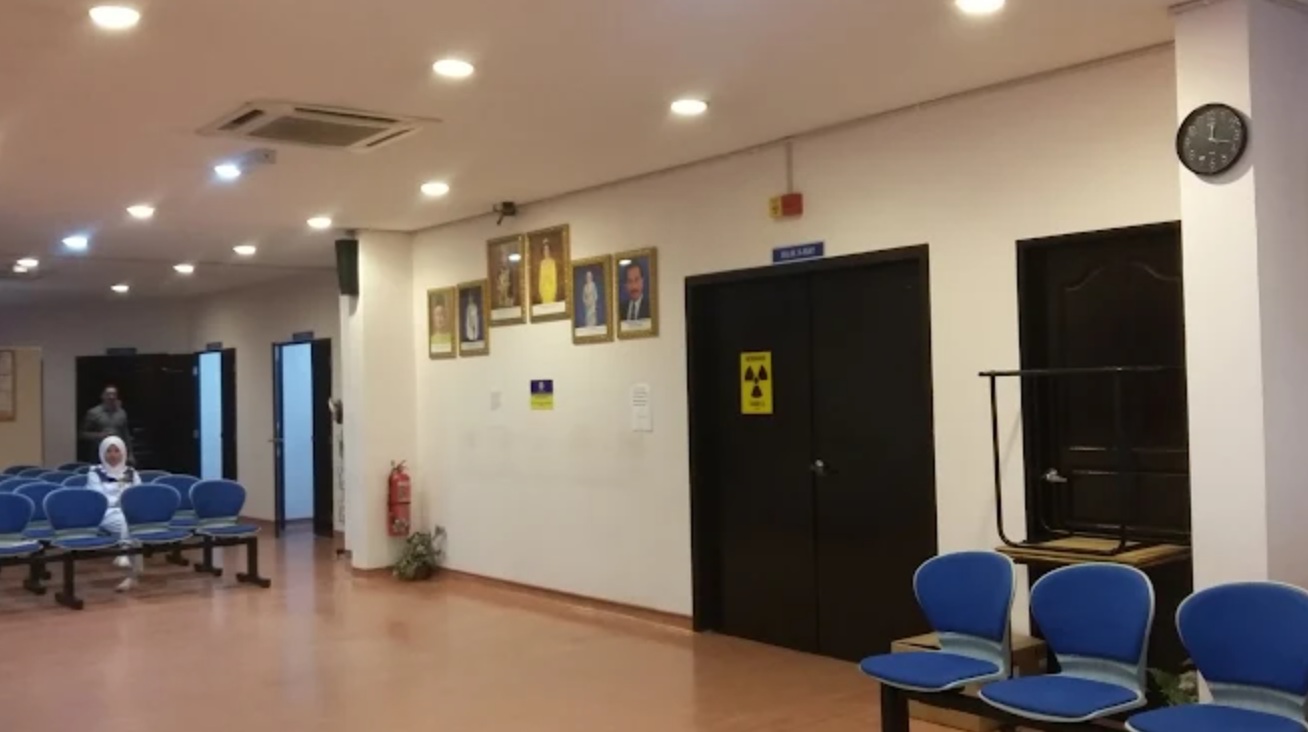
iii. Pusat Rawatan Warga UMS and Branch Clinics Facilities such as the Pusat Rawatan Warga UMS, Klinik Rawatan Warga FPL, and Klinik Rawatan Warga UMSKAL (Labuan Campus) extend similar services to university employees and their dependents. These centres provide: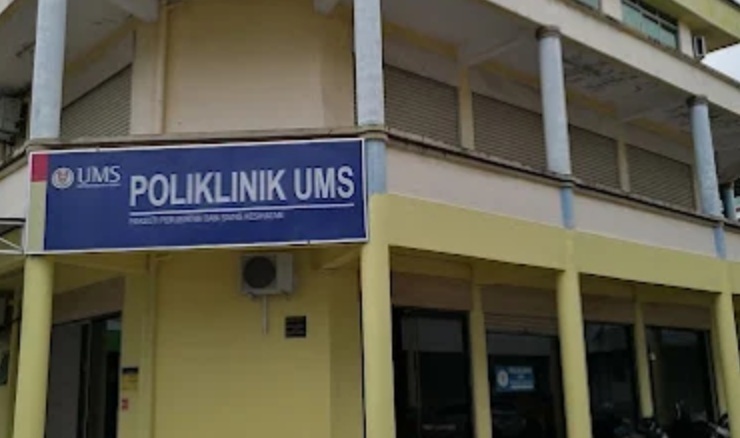
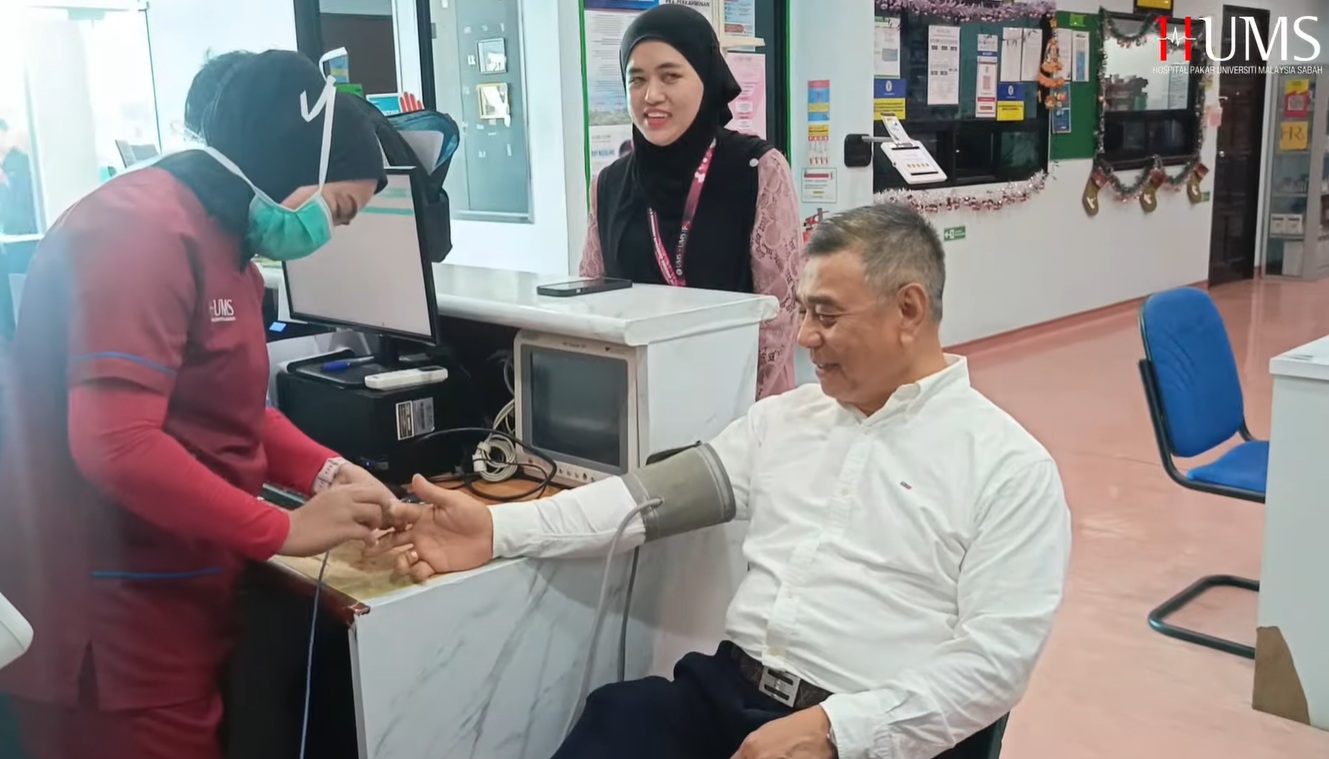
- – Reproductive wellness screening and menopause management
- – Family-planning consultation
- – Antenatal check-ups
- – Pre-marital health education
- – Counselling on gender-based violence and reproductive stress
Integration of Education and Awareness
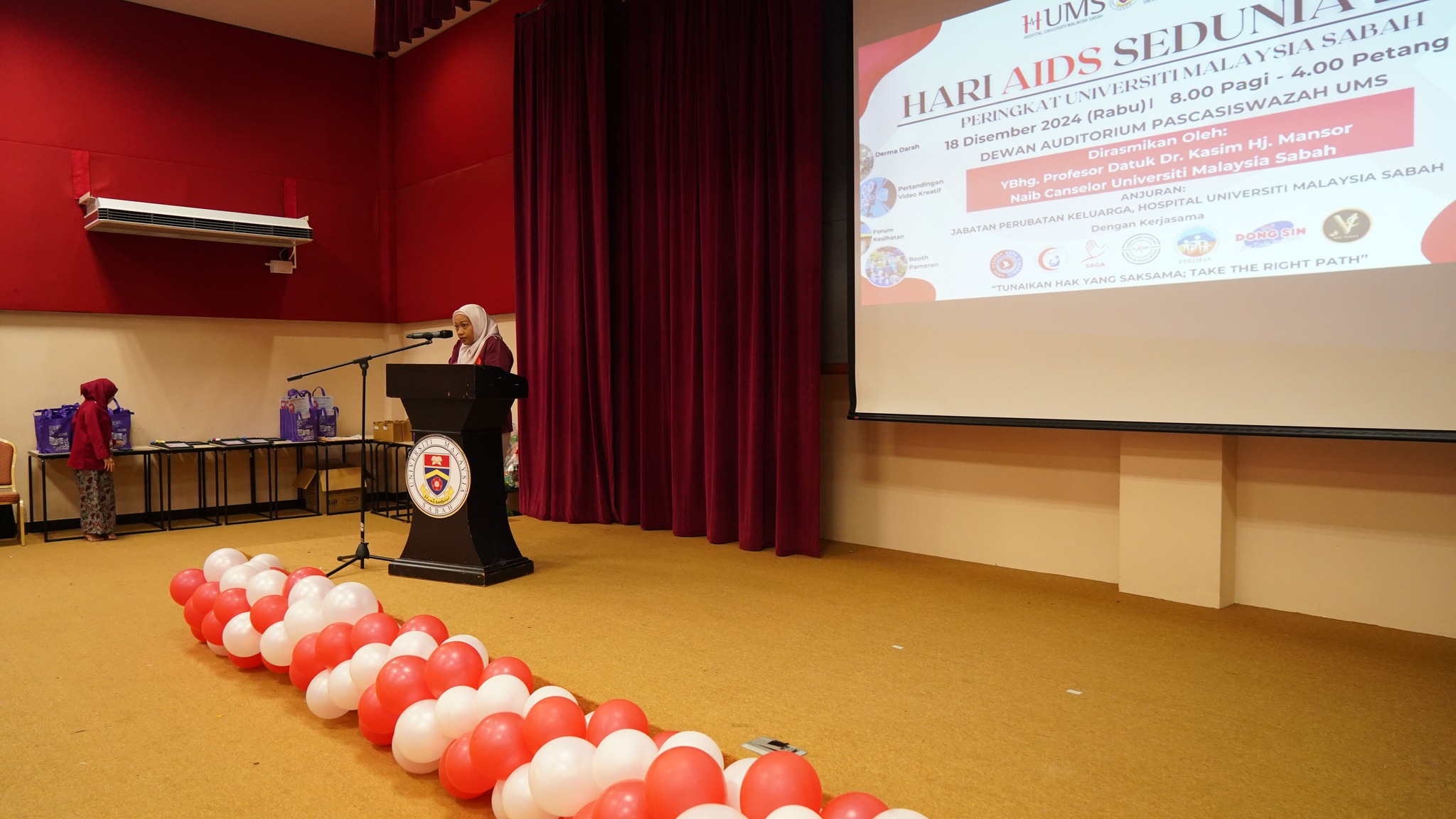
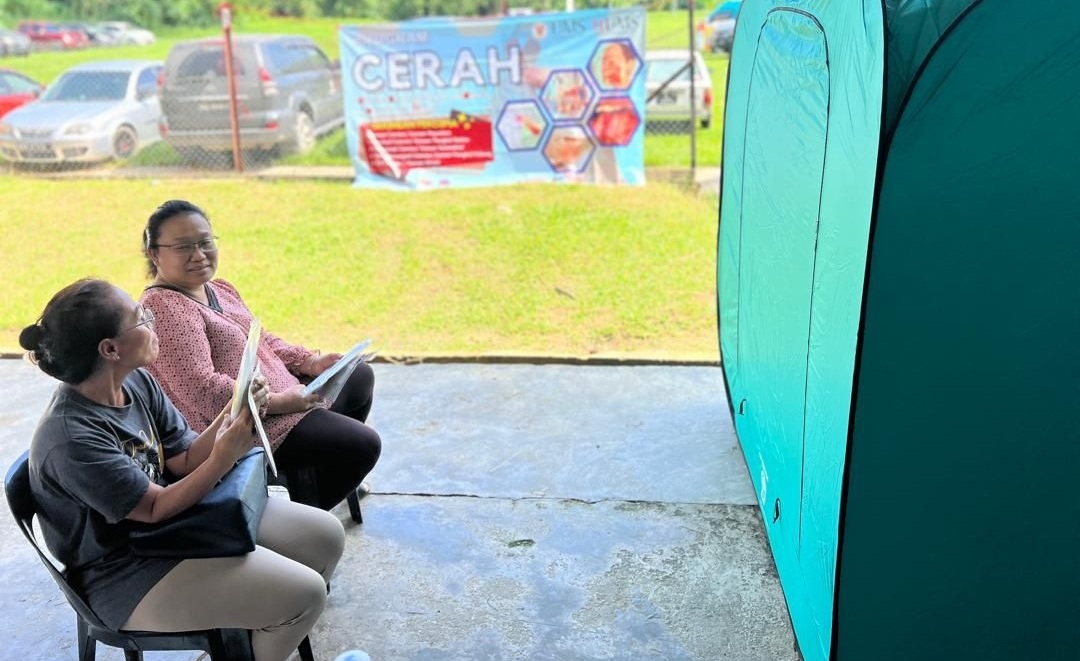
Universiti Malaysia Sabah (UMS) believes that knowledge is the most powerful tool for prevention and empowerment, and places reproductive-health literacy at the heart of its wellness mission. From the very first day on campus, students are guided to understand their rights, choices, and responsibilities through comprehensive health education woven into daily university life. Orientation programmes introduce the values of consent, mutual respect, and safe practices, while flagship events such as Healthy Campus Week, Reproductive Health Awareness Month, and the Know Your Body Campaign—organised together with the Ministry of Health (KKM) and LPPKN—transform learning into engaging experiences through exhibitions, health talks, free check-ups, and peer-to-peer sharing. These moments of connection help young people see health not as a subject, but as a lifelong journey of care and respect.Beyond the classroom, UMS carries this message through heartfelt community initiatives. Programmes like CERAH (Cegah, Rawat, Henti) focus on HIV and STI prevention; AIDS and HPV Awareness Campaigns encourage students to take proactive steps towards protection and vaccination; while the annual Breast Cancer Awareness Programme reminds every individual—regardless of gender—that early detection saves lives. Workshops and digital outreach further sustain these lessons, offering fact-based information on menstrual health, fertility, contraception, and emotional well-being. Each campaign, post, and conversation reflects the compassion of a university that cares deeply for its people. Through these efforts, UMS nurtures not only healthier bodies but also empathetic hearts—empowering students to make informed, confident, and compassionate choices for themselves and their communities.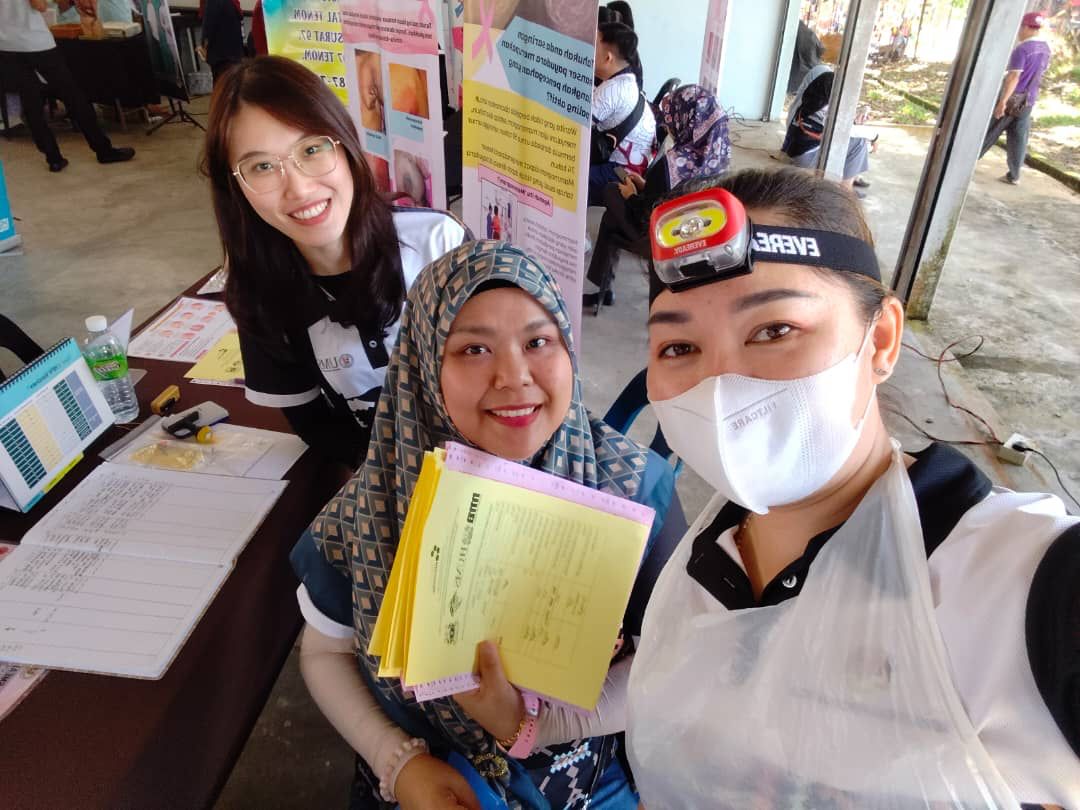
HPV Vaccination Programme (2024)
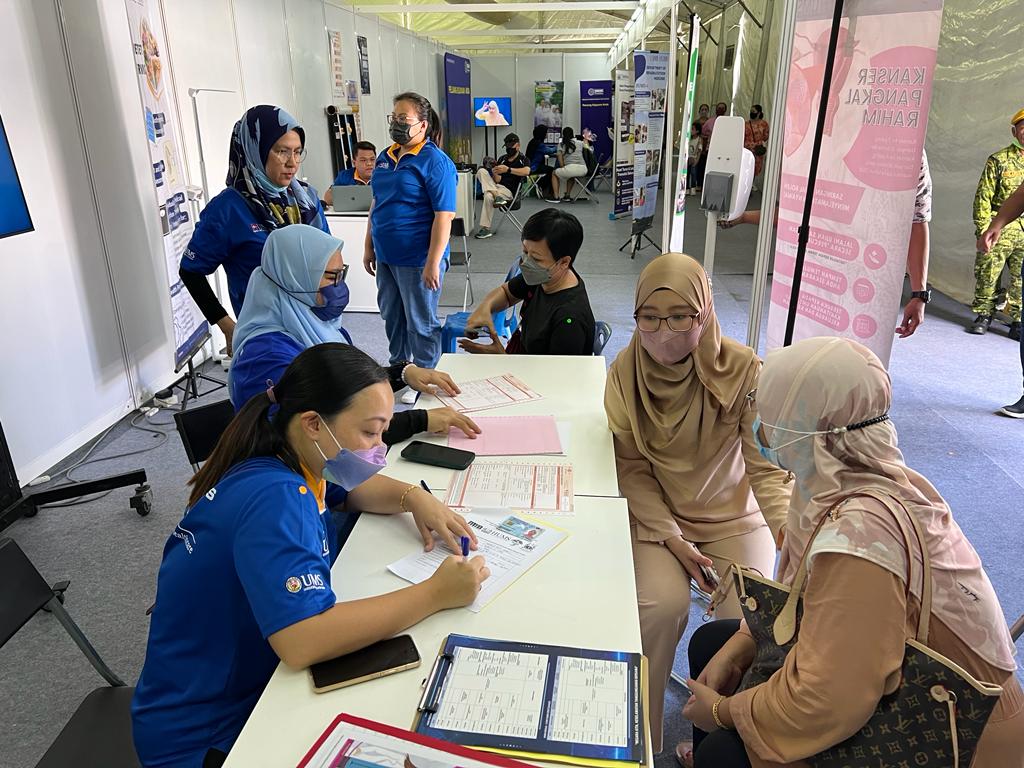
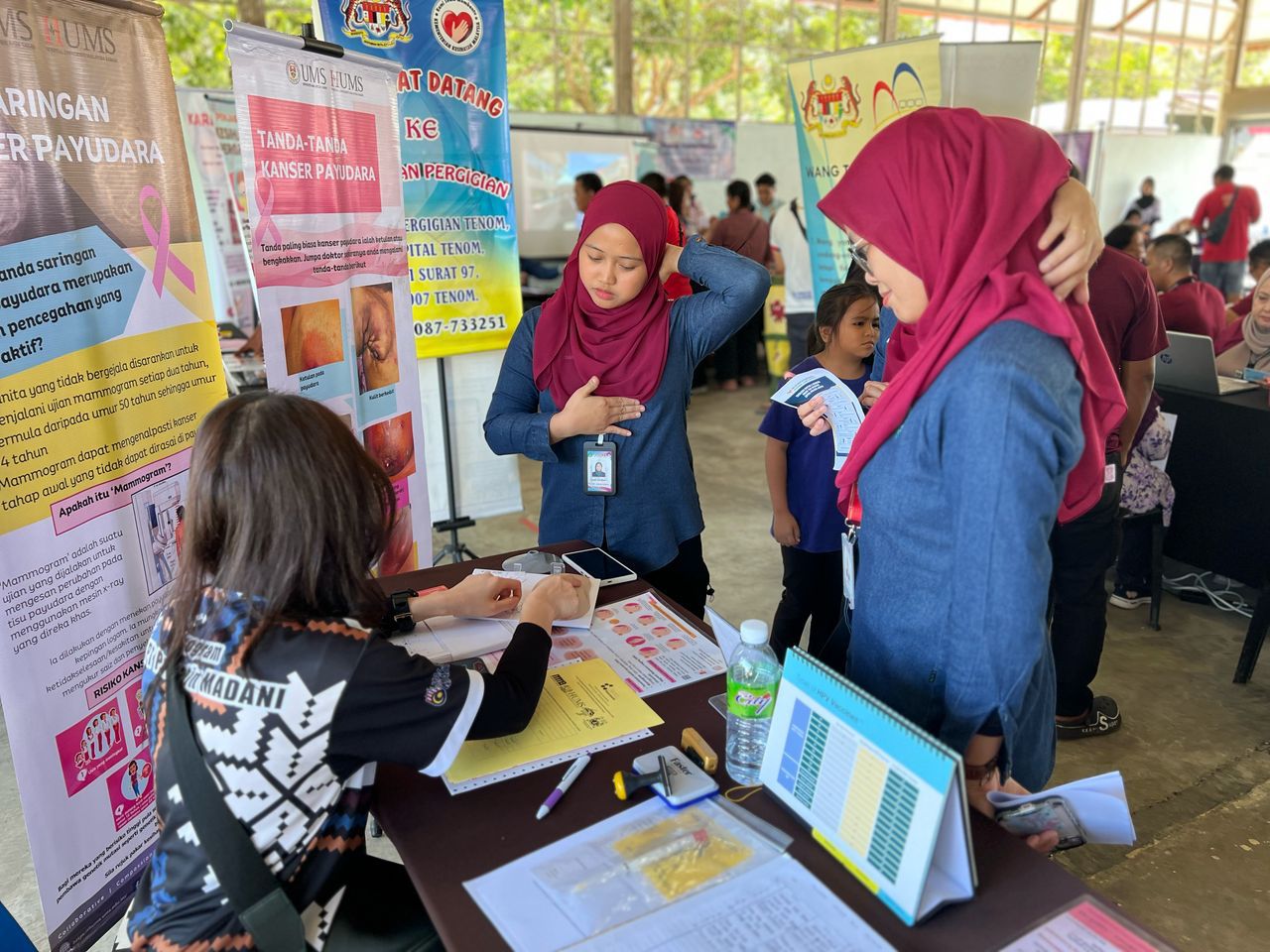
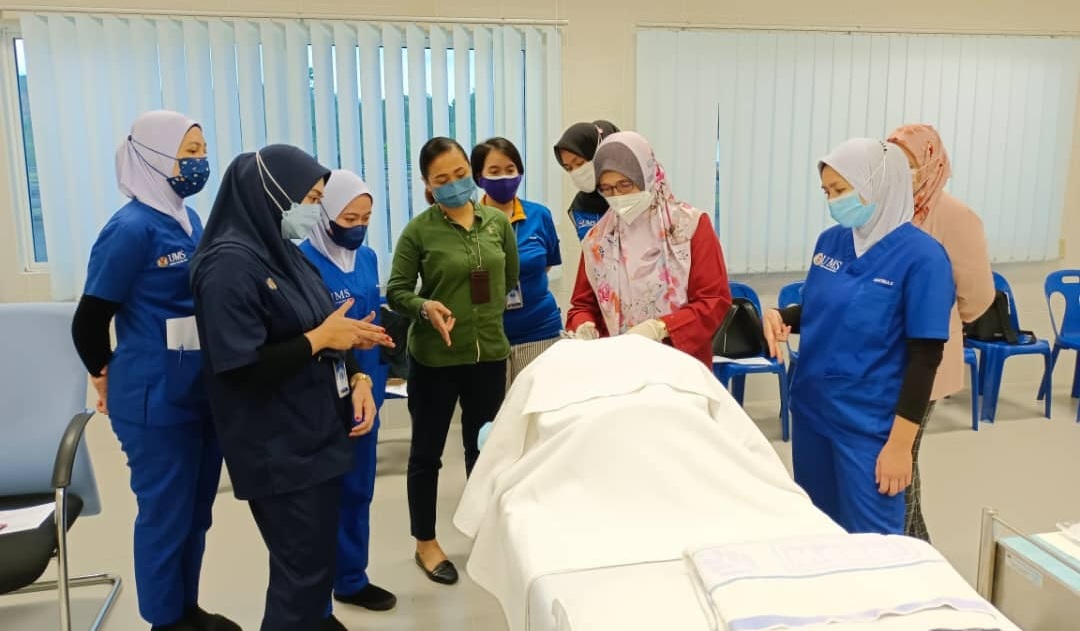
In 2024, UMS launched a milestone initiative: the HPV Vaccination Campaign, offering free Human Papillomavirus (HPV) vaccines to students, staff, and members of the public—both Malaysian and non-Malaysian. - The programme was led by the Obstetric & Gynaecology Department (HUMS) in partnership with KKM Sabah, LPPKN, and the Health Promotion and Wellness Unit. - Mobile vaccination clinics were set up at the Poliklinik UMS, HUMS lobby, and UMSKAL Campus, enabling broad participation. - Over 600 doses were administered during the first phase, significantly increasing awareness of HPV-related diseases such as cervical and oropharyngeal cancers. - Educational booths and counselling services accompanied the vaccination drive to ensure informed consent and understanding of the vaccine’s benefits. This initiative aligns with Malaysia’s National Cervical Cancer Elimination Strategy (2023–2030) and directly contributes to SDG 3.7 by combining medical intervention with education and inclusion. It represents one of the first university-level HPV programmes in Sabah open to non-citizens, reaffirming UMS’s commitment to global health equity.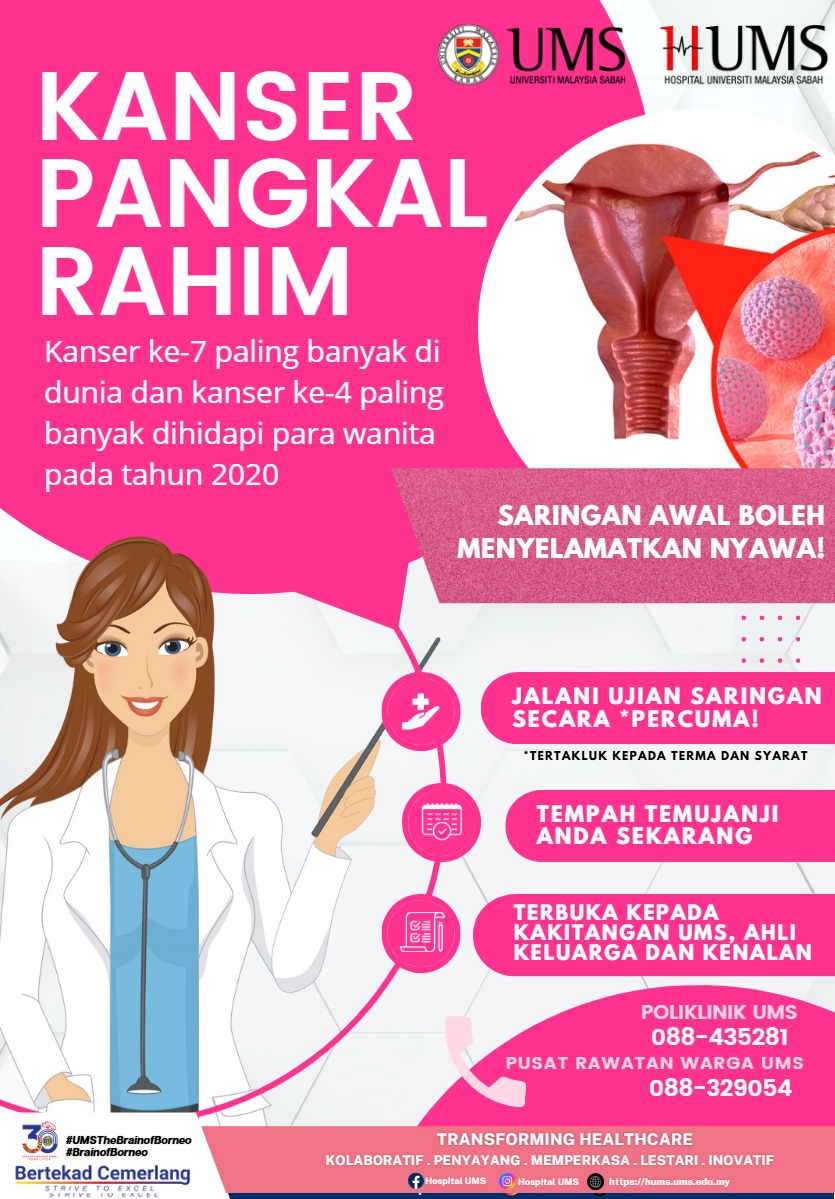
Evidence of Progress: Advancing Sexual and Reproductive Health Awareness at UMS
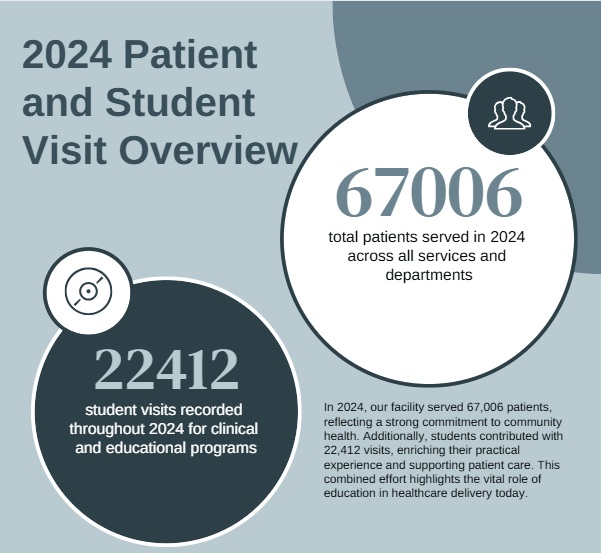
Universiti Malaysia Sabah (UMS) maintains systematic monitoring and continuous evaluation of its reproductive-health services and awareness activities to ensure measurable impact and lasting change within the university community. Through consistent data collection, feedback analysis, and programme evaluation, UMS tracks not only service utilisation but also improvements in knowledge, behaviour, and attitudes toward sexual and reproductive health. In 2024, a total of 67,006 patients accessed UMS health facilities, including 22,412 students who benefited from various medical and wellness services. Among these, 129 students received dedicated reproductive-health screenings such as pregnancy tests, Pap smears, and STI checks, reflecting both growing awareness and trust in the university’s confidential and inclusive healthcare environment. Each consultation represents more than a statistic — it signifies a moment of courage, responsibility, and empowerment in seeking preventive care. Surveys conducted by the Health Promotion and Wellness Unit revealed that 83% of participants reported improved understanding of sexual and reproductive health following participation in educational and awareness programmes. This improvement demonstrates the effectiveness of UMS’s integrated health education model, which combines classroom learning, peer education, and experiential campaigns. The success of the HPV vaccination drive further illustrates this impact, with strong participation from both female and male students, showing that awareness of HPV prevention has evolved into a shared responsibility that transcends gender boundaries. Over 600 doses of the HPV vaccine were administered during the first phase of the campaign, marking a significant step forward in UMS’s commitment to preventive healthcare. The initiative not only protected individuals from HPV-related diseases such as cervical and oropharyngeal cancers but also sparked meaningful conversations about reproductive health and shared responsibility. The strong participation from both female and male students reflected a growing understanding that HPV prevention is a collective effort, not confined to one gender. This inclusive response demonstrates a cultural shift within the UMS community—where awareness, science, and empathy come together to build a healthier and more informed generation. Collectively, these achievements underscore UMS’s holistic approach to student and community well-being — one that values education, prevention, and compassion as equal pillars of health. The progress achieved in 2024 reflects not only improved literacy and early disease detection but also a deep cultural shift toward openness, self-care, and respect for personal health choices within the UMS community.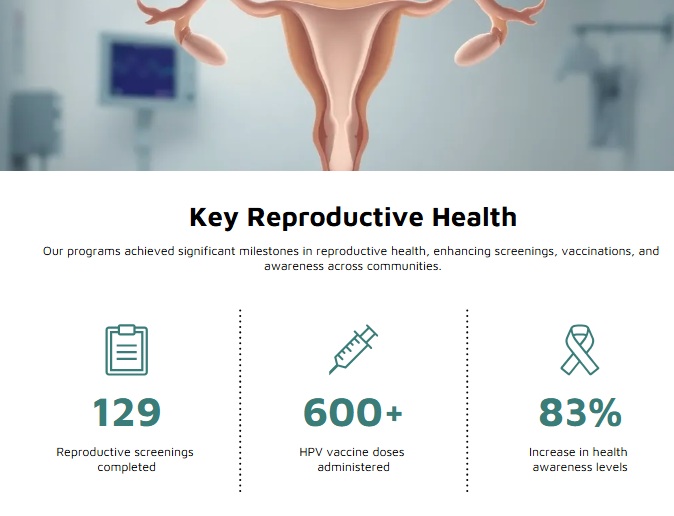
 Universiti Malaysia Sabah
 Health in Partnership: UMS Collaborating for a Healthier Tomorrow
Universiti Malaysia Sabah (UMS) adopts a whole-of-university approach to health and well-being, aligning medical science, community service, and research innovation with the United Nations Sustainable Development Goal 3.
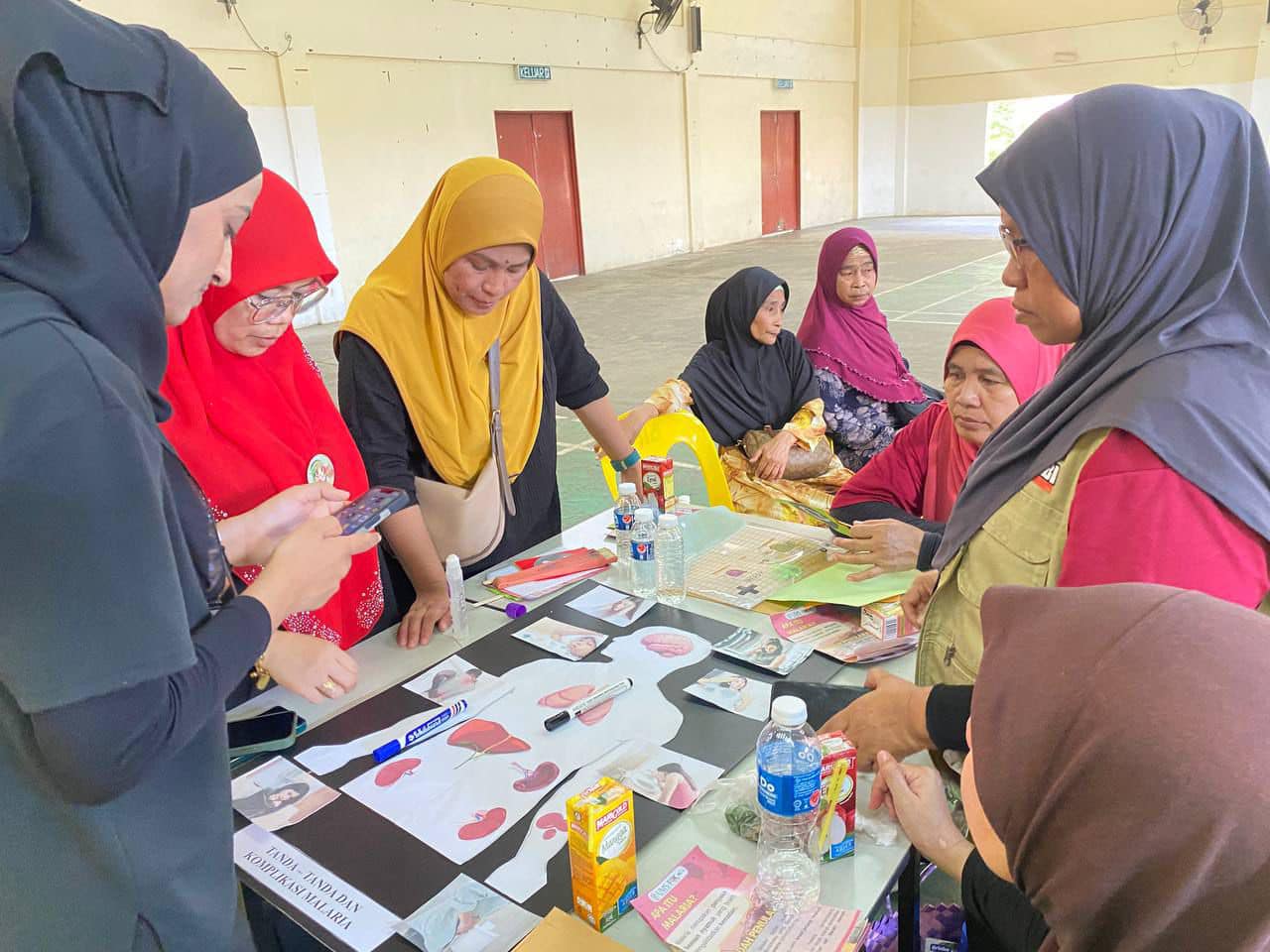
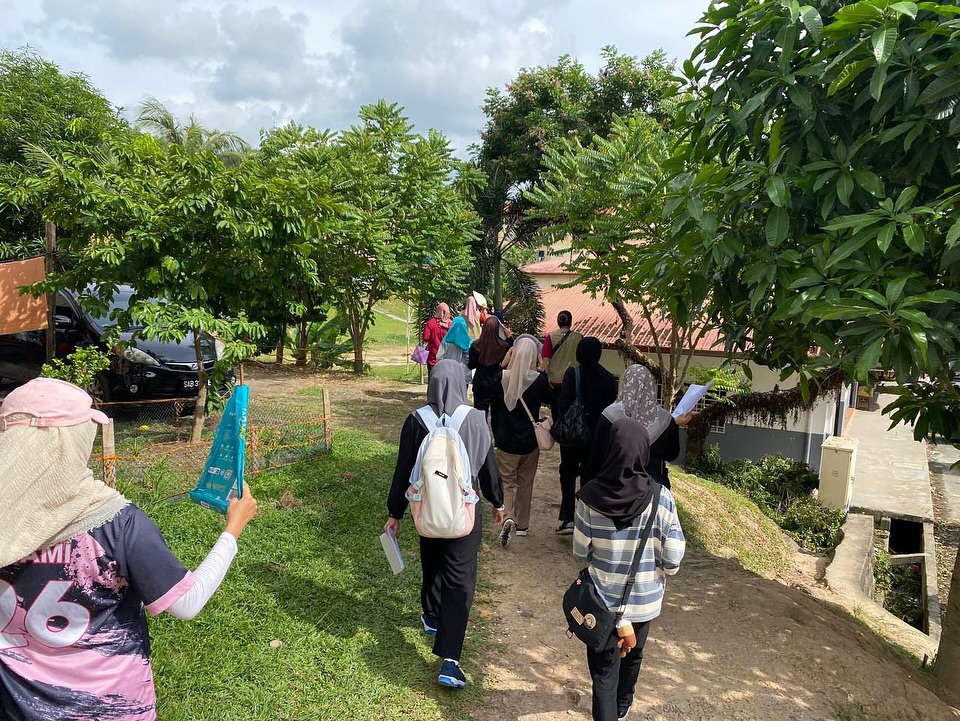
Through its Hospital Universiti Malaysia Sabah (HUMS) and partnerships with national and international health institutions, UMS integrates clinical care, preventive health, and digital innovation to strengthen access to quality healthcare for all—especially in underserved rural and coastal regions of Borneo.Access Full SDG Annual Report Here !Read More The Malaria-Free Community Initiative (MFCI) in Telipok Ria taught families how to prevent mosquito breeding and protect their homes. “Wildlife Warriors” and “Exploring Toxicology” showed schoolchildren that the environment, animals and human health are deeply connected – that polluted rivers, unsafe chemicals and lost forests eventually find their way back into our bodies.Universiti Malaysia SabahTogether for Health: UMS and Partners Advancing SDG 3
Universiti Malaysia Sabah (UMS) advances SDG 3 – Good Health and Well-Being through a strong network of partnerships and collaborations that unite healthcare providers, academia, government agencies, and international organisations. UMS believes that health outcomes improve most effectively when expertise is shared — across disciplines, institutions, and borders. At the national level, UMS collaborates with the Ministry of Health Malaysia (MOH, Kementerian Kesihatan Malaysia KKM) through the Hospital Universiti Malaysia Sabah (HUMS) to provide tertiary care, mobile rehabilitation, and public-health outreach throughout Sabah and Malaysia. Its collaboration with the Ministry of Higher Education (KPT) through the Komuniti@UniMADANI programme links higher-education and community well-being, strengthening local health literacy and psychosocial resilience. Internationally, UMS partners with UNICEF to improve maternal and child health, with UNESCO to advance inclusive health education, with Intel to develop AI-driven smart-healthcare solutions, and with Hisar Hospital Intercontinental (Türkiye) to enhance clinical training and medical research. In addition, UMS works with the World Health Organization (WHO) and the Ministry of Health Malaysia as a research hub for Plasmodium knowlesi (simian malaria), contributing to national and global disease-control strategies. UMS’s community health outreach under SDG 3: Good Health and Well-Being is further strengthened through impactful collaborations with the Malaysian Society of Toxicology (MySoT) and the Sabah Ministry of Science, Technology and Innovation (KSTI Sabah). Together, these partnerships advance health literacy, scientific awareness, and environmental safety through community-based education and applied research. These collaborations embody UMS’s belief that lasting health improvements depend on shared responsibility, co-innovation, and mutual learning. By aligning research, service, and technology through partnership, UMS translates knowledge into tangible well-being outcomes — expanding healthcare access, empowering communities, and building a healthier, more resilient society in Borneo and beyond.i. UNICEF × UMS (women/children’s health)
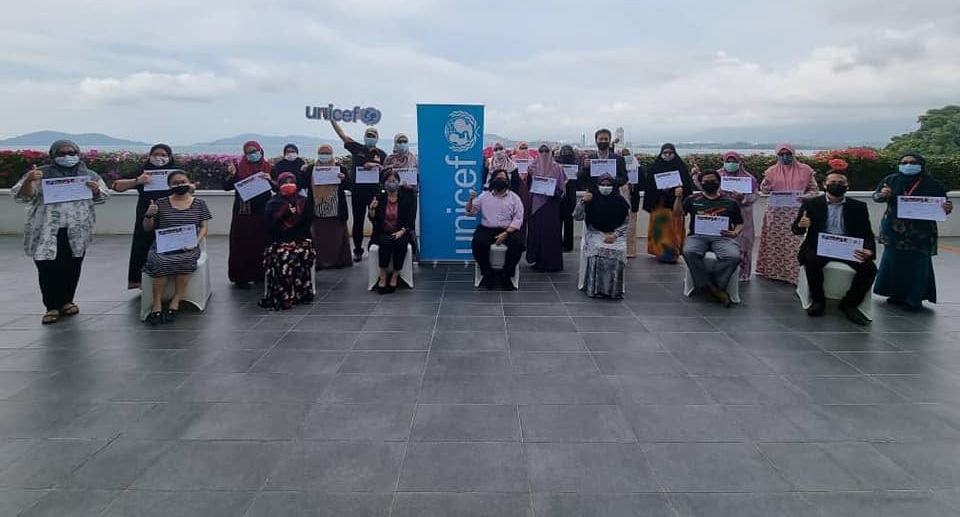
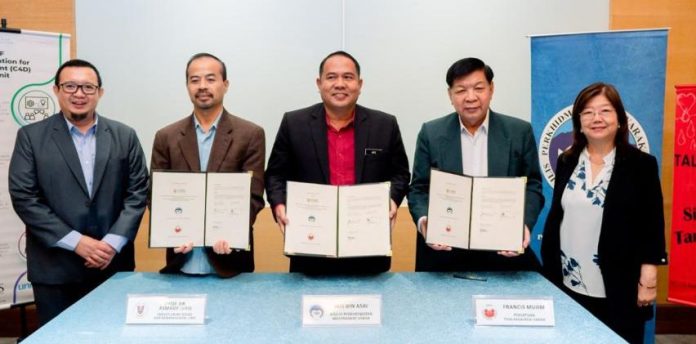
The partnership between UNICEF and Universiti Malaysia Sabah (UMS) focuses on improving maternal and child health outcomes in remote and underserved communities across Sabah. Through this collaboration, UMS translates its multidisciplinary research—spanning medicine, nutrition, psychology, and social sciences—into community-based interventions that address critical health challenges faced by women and children. The initiative promotes equitable access to essential healthcare, early childhood development, and family well-being, particularly in rural and indigenous areas where infrastructure and services are limited. In 2019, UNICEF provided a dedicated grant of approximately RM300,000 to UMS to implement maternal–child health projects under a joint research and outreach framework. Supported by the Faculty of Medicine and Health Sciences, these initiatives included community health surveys, maternal-care workshops, and field interventions targeting early nutrition, safe pregnancy, and family health literacy. The collaboration has been highlighted in UMS–UNICEF project briefs and covered by national outlets such as Free Malaysia Today, which noted the programme’s community engagement and measurable impact. These joint efforts have continued through follow-up projects and UNICEF-supported technical consultations with local healthcare providers and educators, reflecting UMS’s ongoing commitment to sustainable and inclusive health development. In 2024, to strengthen community-based health awareness and reduce the number of Thalassemia cases in Sabah, three organisations—the UMS–UNICEF Communication for Development (C4D) Research Unit at the Faculty of Social Sciences and Humanities, UMS, the Sabah Council of Social Services (MPMS), and the Sabah Thalassemia Society—signed a Letter of Intent (LOI) at the Sabah International Convention Centre (SICC). This year-long collaboration focuses on public awareness, behavioural change, community monitoring, and evidence-based interventions. Represented by Prof. Dr. Asmady Idris, Jais Asri, and Francis Mujim, the partnership aligns with the UMS Strategic Plan 2023–2027 and UMS Transformation Plan 2050, aiming to expand research-driven community programmes. Prof. Dr. Asmady emphasised that the initiative encourages researchers to work closely with communities while generating impactful academic outputs, while Dr. Latif Lai, Head of the UMS–UNICEF C4D Unit, noted that the collaboration builds upon earlier social and behavioural change training with MPMS-affiliated NGOs—underscoring a shared commitment to evidence-based action for better public health outcomes in Sabah. UMS made national history by becoming the first university in Malaysia to establish a Communication for Development (C4D) Research Unit, in partnership with UNICEF, marking a major milestone in academia–UN collaboration. This pioneering unit serves as a platform for advancing social and behavioural change communication (SBCC), bridging research, policy, and community empowerment. Through its various outreach projects, the C4D Unit strengthens maternal–child health practices, enhances family capacity, and promotes women’s leadership in community health resilience. By linking scientific evidence to real-world implementation, this partnership creates a replicable model for integrating academic research with humanitarian action—bridging global best practices with local realities. As a result, more mothers and children in Sabah now benefit from improved health literacy, accessible healthcare, and supportive community networks, ensuring long-term well-being and sustainable impact.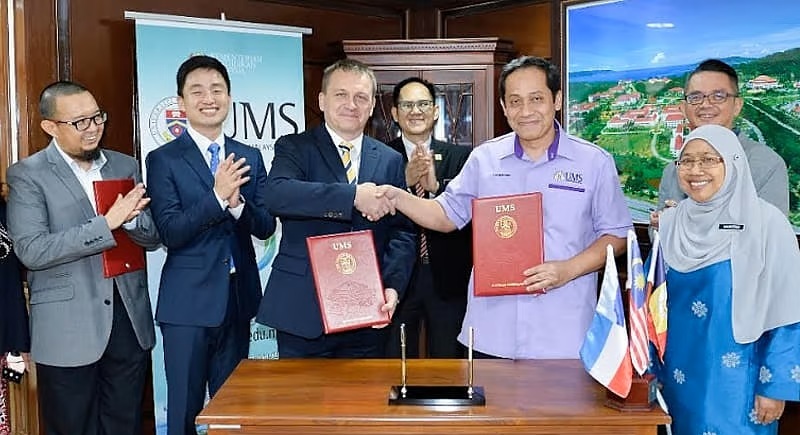
ii. Collaboration with the United Nations Educational, Scientific and Cultural Organization (UNESCO)
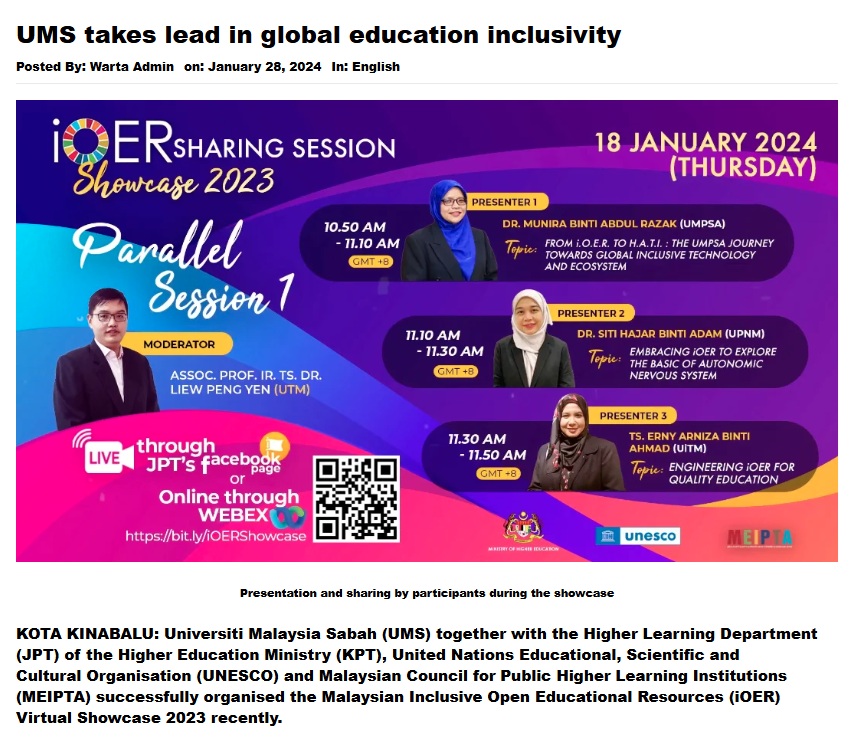
Through its collaboration with the United Nations Educational, Scientific and Cultural Organization (UNESCO), Universiti Malaysia Sabah (UMS) strengthens the vital link between education, health literacy, and social well-being, directly contributing to Sustainable Development Goal 3 (Good Health and Well-Being). UMS and UNESCO share a common vision that access to knowledge and inclusive education is the foundation for informed, healthy, and equitable societies. Under this partnership, UMS integrates health education into its broader mission of inclusive learning—ensuring that quality information, especially related to wellness and preventive healthcare, is accessible to all, including marginalised and differently-abled communities. The collaboration empowers individuals with the knowledge and skills necessary to make informed health decisions, thereby addressing one of the most critical social determinants of health: education equity. In 2019, UMS co-organised the Workshop on Inclusive Open Educational Resources (iOER) with UNESCO, focusing on building institutional capacity to develop accessible and health-relevant educational materials for diverse learners (UMS News Portal, 2019). Continuing this momentum, in 2023, UMS hosted the iOER Virtual Showcase, endorsed by UNESCO, which highlighted Malaysian innovations in digital inclusion, open access, and universal design for learning. These initiatives promote equitable access to public health information, mental well-being resources, and reproductive-health education, bridging the gap between education and health outcomes. Through sustained collaboration with UNESCO, UMS exemplifies how higher education can champion both SDG 3 (Good Health and Well-Being) and SDG 4 (Quality Education)—advancing inclusive, knowledge-driven solutions that empower communities to live healthier, more informed, and more dignified lives.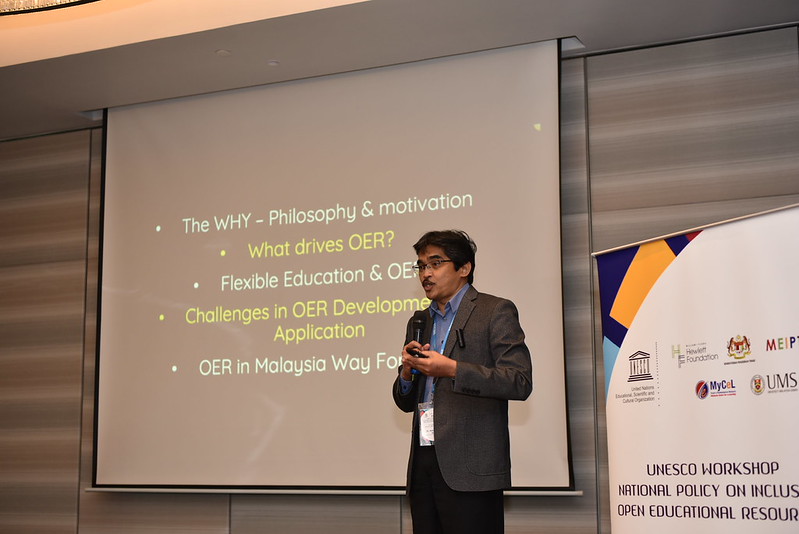
iii. Health Malaysia (MOH, Kementerian Kesihatan Malaysia KKM)
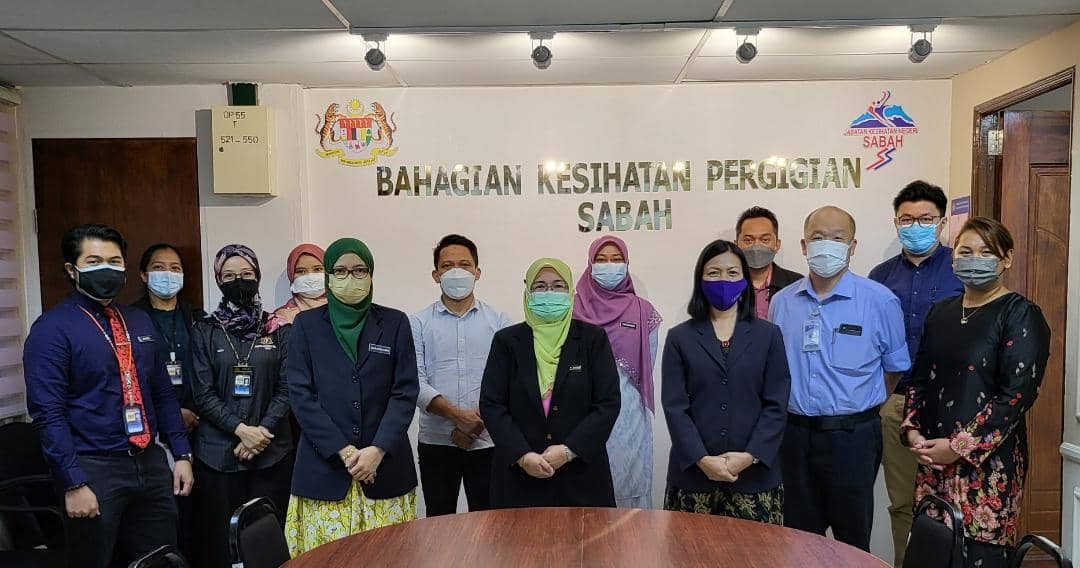
UMS partners closely with KKM and the Sabah State Health Department to deliver comprehensive healthcare, professional training, and health-promotion programmes, ensuring national alignment with Malaysia’s Pelan Strategik KKM 2021–2025. Through HUMS, jointly established with KKM, UMS provides tertiary clinical services and hands-on medical training. The Health Promotion & Wellness Department collaborates with KKM district offices to run vaccination drives, maternal-child-health screenings, and mobile rehabilitation missions. A 2024 study, Collaborative Capacity Building for Strengthening Rehabilitation Services in Sabah, documents this model’s effectiveness. Through its collaboration with the Ministry of Higher Education (KPT), UMS has significantly strengthened access to healthcare and community well-being in Sabah. In 2024 alone, UMS recorded over 239,000 outpatient visits and served 40,901 registered patients through its teaching hospital and affiliated health facilities. The introduction of mobile clinic services has proven especially impactful, reducing travel distance and waiting time for rural patients by approximately 60%, thereby improving continuity of care for remote populations. Moreover, early screening and rehabilitation programmes have led to faster recovery rates and better long-term health outcomes, demonstrating the tangible benefits of integrating education, research, and outreach in advancing public health across Borneo.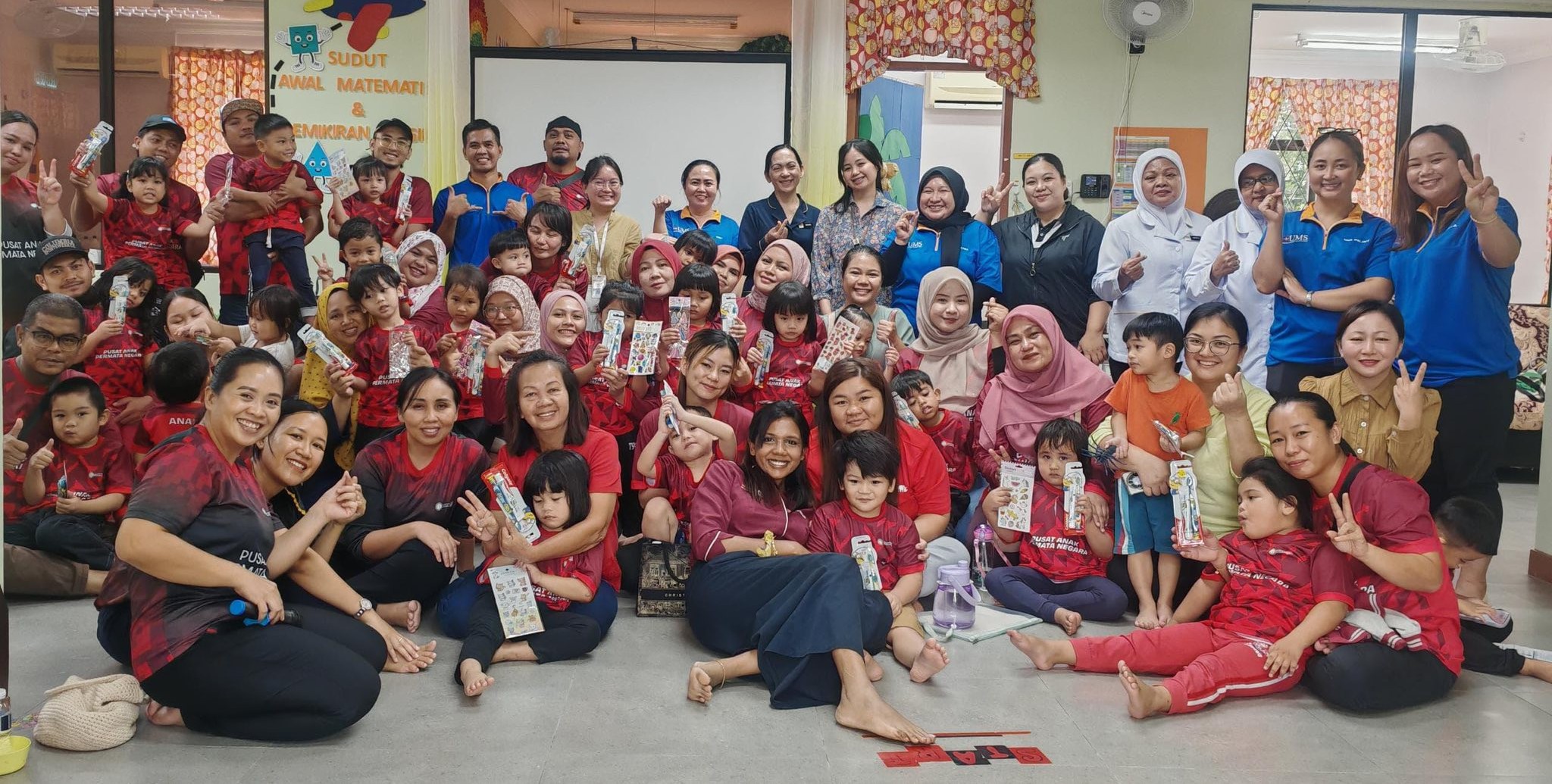
iv. Collaboration with the Ministry of Higher Education (KPT)
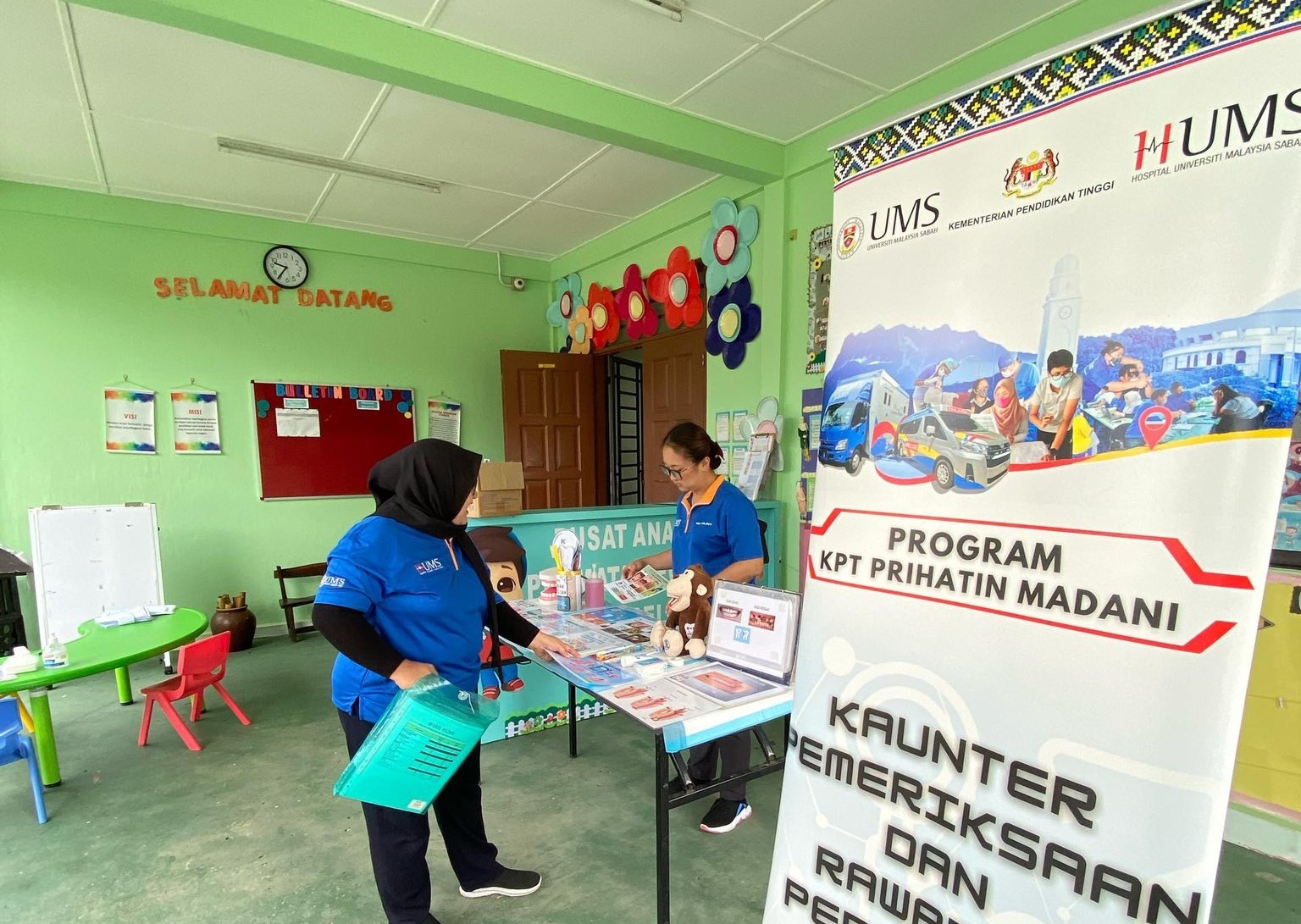
As a public university under the Ministry of Higher Education (KPT), Universiti Malaysia Sabah (UMS) plays a pivotal role in advancing health-related education and community well-being within Malaysia’s broader KPT Prihatin MADANI agenda. KPT provides both strategic policy direction and funding support that enable UMS to expand medical, nursing, and health sciences education through key institutions such as Hospital Universiti Malaysia Sabah (HUMS) and the Faculty of Medicine and Health Sciences (FPSK). These initiatives strengthen the nation’s healthcare human-capital pipeline by producing qualified doctors, nurses, biomedical scientists, and rehabilitation therapists equipped to serve both urban and rural populations. Through the Komuniti@UniMADANI Grant Programme, UMS—via its Pusat Kelestarian Libatsama Masyarakat (PKLM)—has mobilised approximately RM3.43 million (2023–2025) to implement more than 200 knowledge-transfer projects benefiting 78 communities across Sabah. Many of these community-based initiatives address critical health determinants such as nutrition, clean water access, mental health resilience, hygiene, and youth empowerment. By linking academic expertise with local needs, KPT and UMS co-create impactful solutions that enhance public health, promote behavioural change, and build stronger, healthier communities.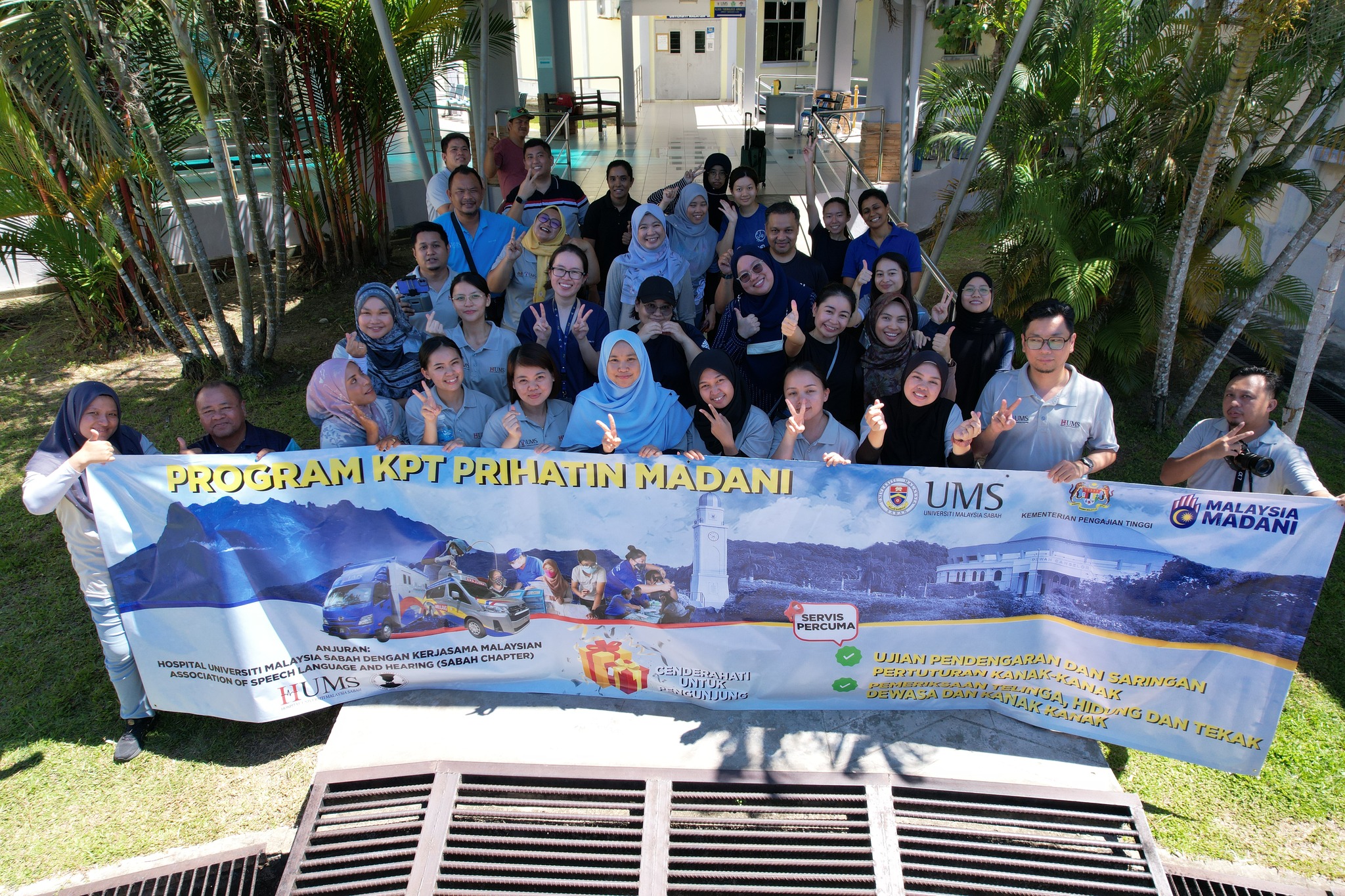
v. Intel – HUMS Smart AI Healthcare Collaboration
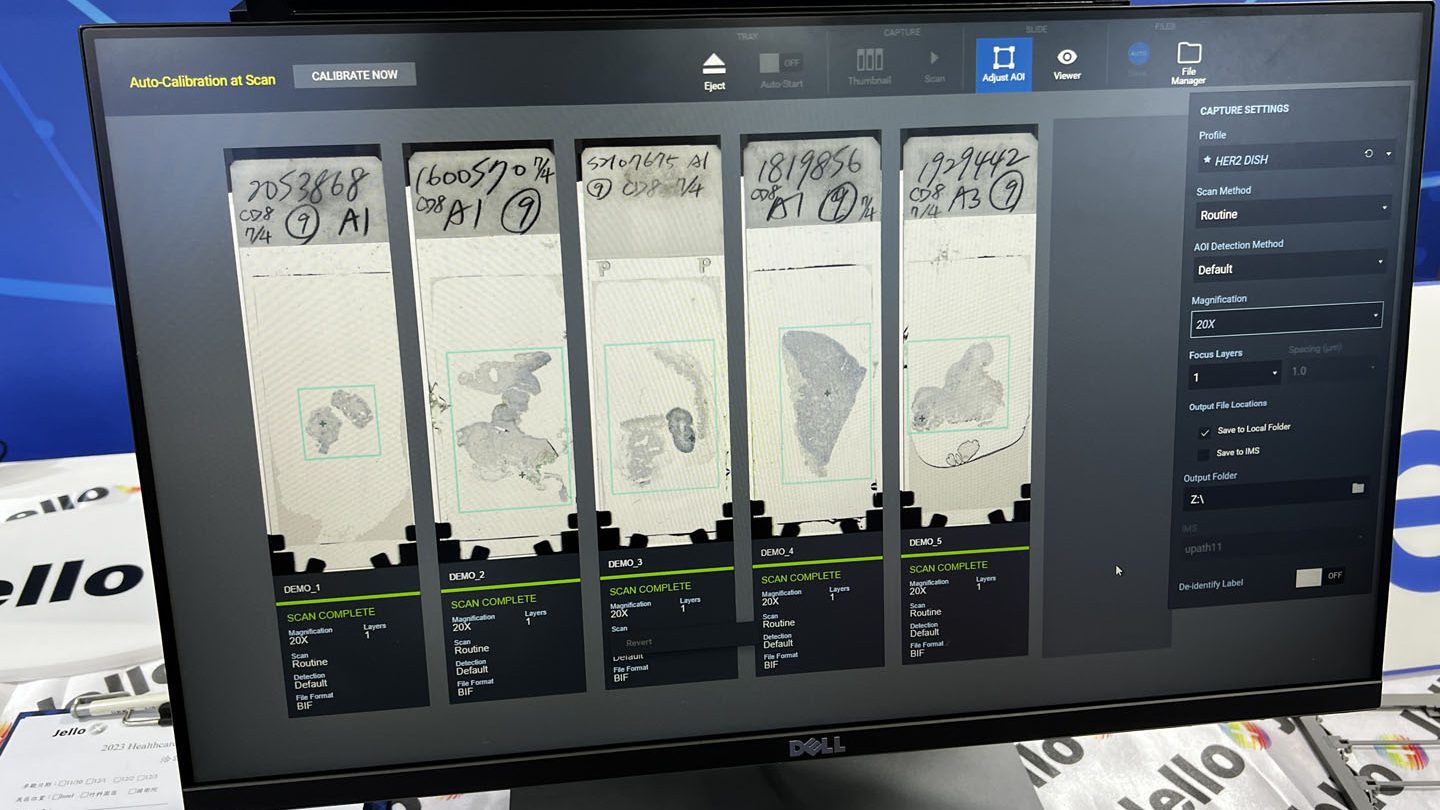
Universiti Malaysia Sabah (UMS), through Hospital Universiti Malaysia Sabah (HUMS), has partnered with Intel Malaysia to integrate artificial intelligence (AI) into healthcare diagnostics and management, marking a major step toward digital transformation in medical practice. This collaboration aims to modernise healthcare delivery through smart technologies that enhance clinical precision, efficiency, and patient outcomes. By leveraging Intel’s global expertise in AI computing and UMS’s medical research capacity, the partnership brings cutting-edge innovation to clinical operations, enabling HUMS to pioneer AI-driven solutions in hospital settings. The collaboration was officially launched in 2024 (Tech-Critter, 2024), introducing AI-enabled digital pathology, clinical data analytics, and predictive care systems into HUMS’s workflow. These systems allow for the rapid analysis of complex medical data, early disease detection, and smarter decision support for clinicians. The partnership also includes staff training, technology transfer, and joint research on scalable healthcare AI models, reinforcing HUMS’s role as a testbed for next-generation medical technologies in Malaysia and the region. This initiative has significantly reduced diagnostic turnaround times and error rates in pathology laboratories, enhancing accuracy in disease detection and patient management. Real-time data analytics now support faster, evidence-based decision-making, improving the efficiency of clinical operations and resource allocation. Most importantly, the Intel–HUMS collaboration has positioned UMS as a national leader in AI-driven healthcare innovation, advancing Malaysia’s vision for precision medicine and smarter, technology-enabled healthcare ecosystems.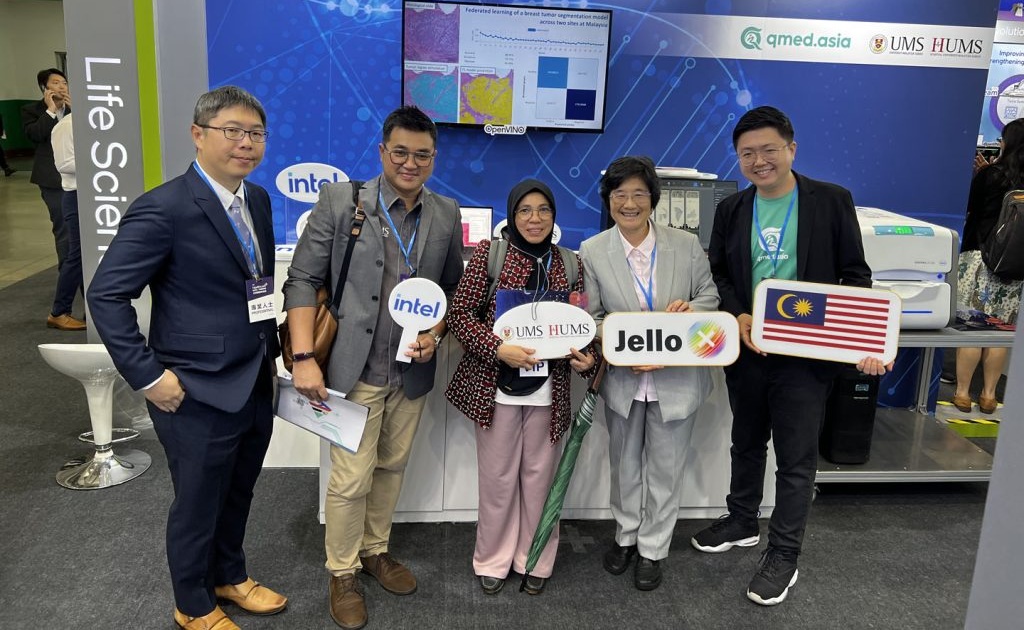
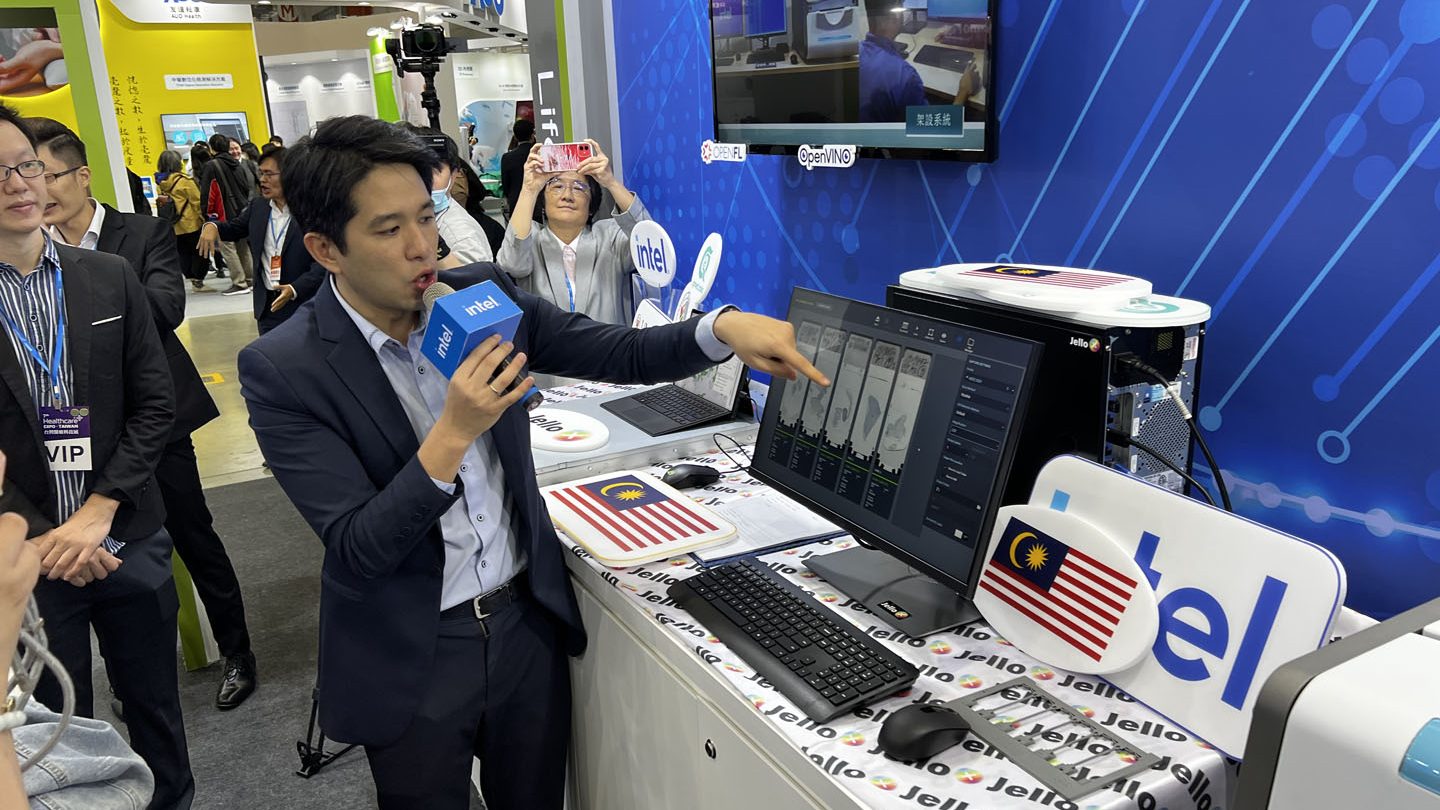
- vi. Malaysian Society of Toxicology (MySoT) and the Sabah Ministry of Science, Technology and Innovation (KSTI Sabah).
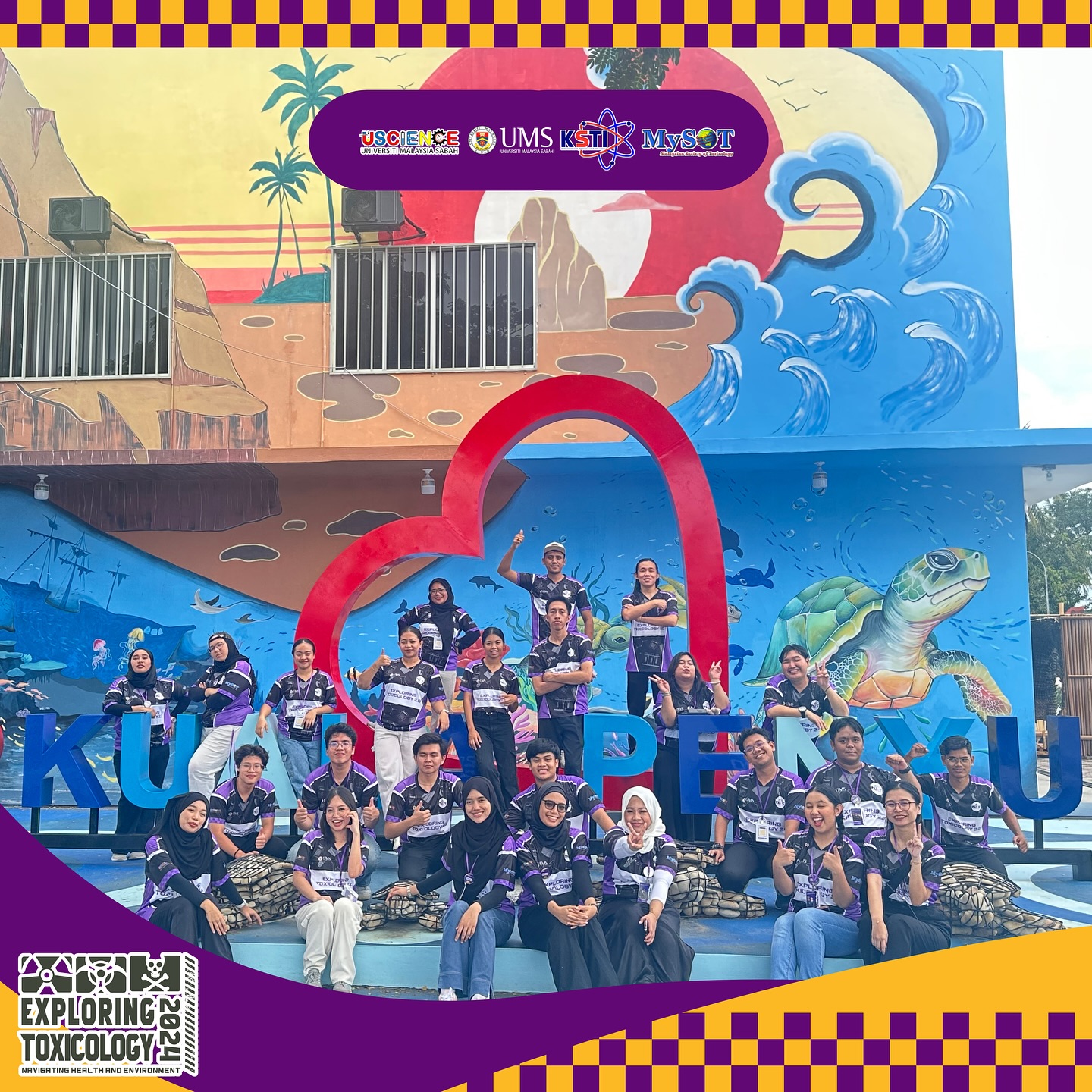
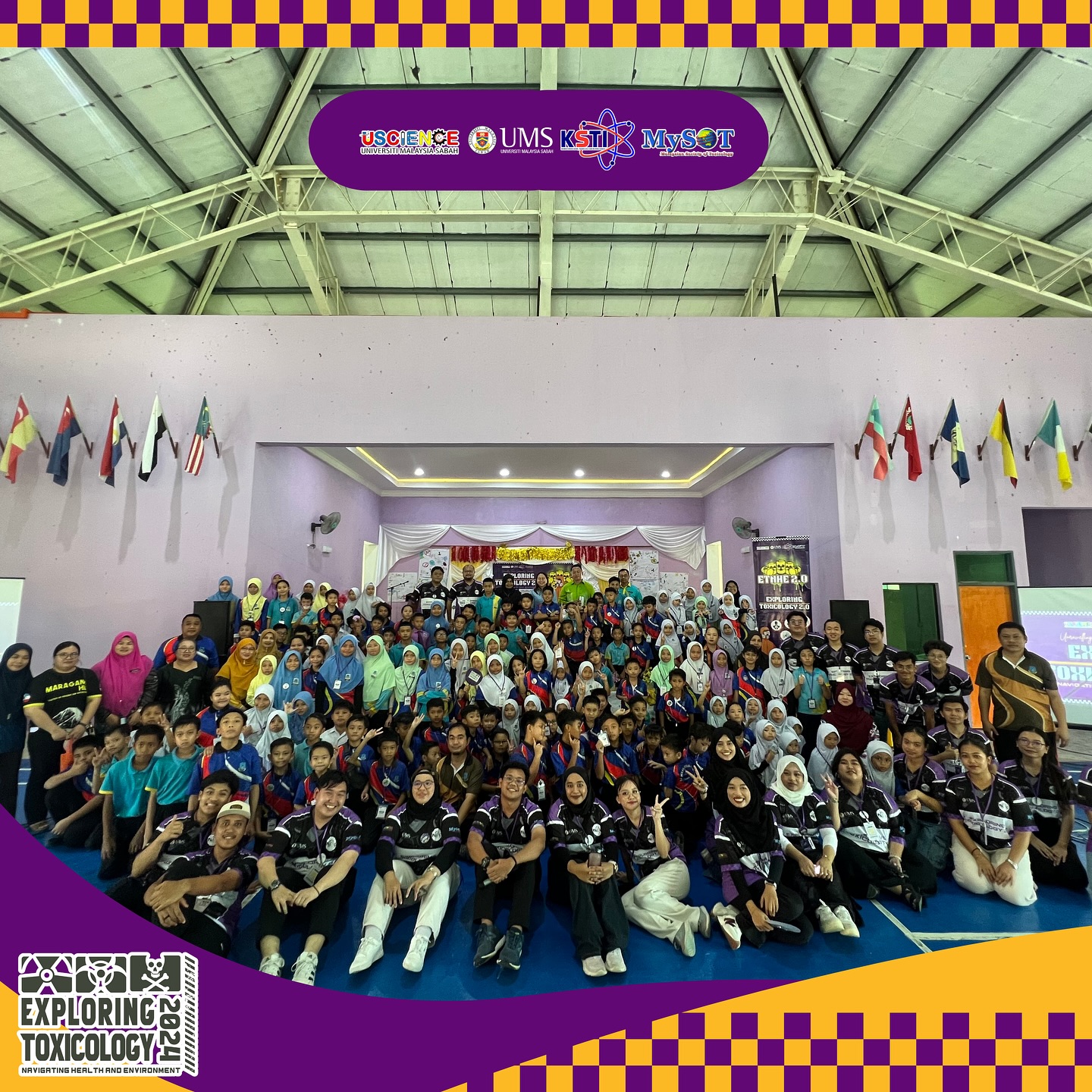
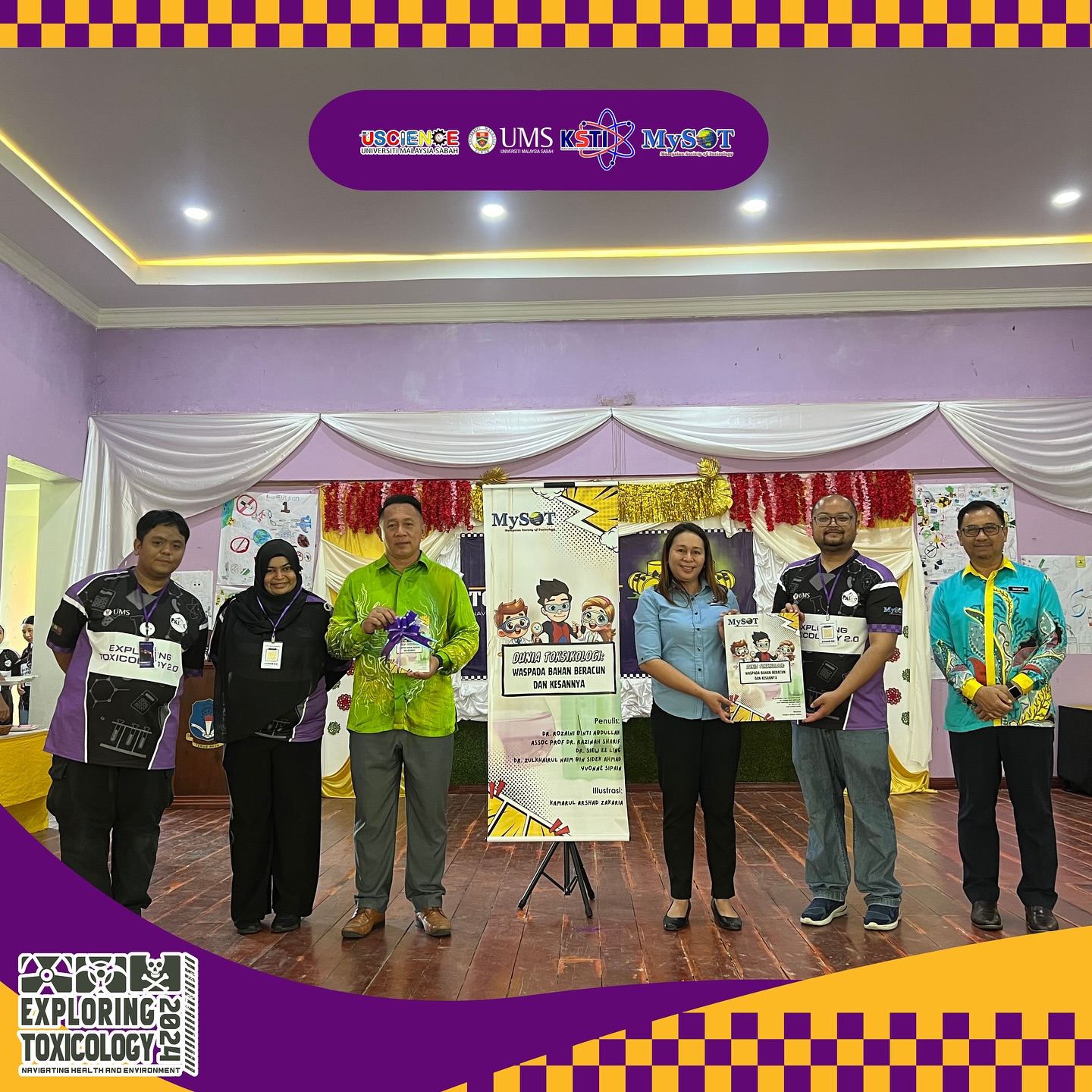
UMS’s community health outreach under SDG 3: Good Health and Well-Being is further strengthened through impactful collaborations with the Malaysian Society of Toxicology (MySoT) and the Sabah Ministry of Science, Technology and Innovation (KSTI Sabah). Together, these partnerships advance health literacy, scientific awareness, and environmental safety through community-based education and applied research. MySoT works closely with UMS and the One Health Student Club to deliver the Exploring Toxicology: Navigating Health and Environment outreach in rural schools, empowering youth to understand poison safety, food hygiene, and environmental toxicology. Meanwhile, KSTI Sabah supports UMS’s One Health and environmental health initiatives—linking innovation, local science engagement, and sustainable public health practices across Sabah. These collaborations not only extend the university’s healthcare reach but also embody a shared vision of science-driven, inclusive well-being for communities across Borneo.
v. HUMS – Hisar Hospital Intercontinental (Istanbul, Türkiye)
To strengthen medical expertise and align with global clinical standards, Hospital Universiti Malaysia Sabah (HUMS) established a strategic partnership with Hisar Hospital Intercontinental in Istanbul, Türkiye for joint medical training and research collaboration. This partnership, formalised through a Memorandum of Agreement signed in 2024 (UMS Portal, 2024), focuses on clinical skill exchange, joint symposia, and the adoption of advanced medical technologies that elevate the quality of care and professional competency within HUMS. The collaboration has already facilitated training attachments for UMS clinicians and medical students in Türkiye, offering valuable international exposure to diverse clinical practices and healthcare innovations. It also strengthens HUMS’s capacity to deliver specialised medical services in key fields such as cardiology, neurology, and surgery, aligning with international best practices. Beyond capacity-building, this partnership positions UMS as a bridge for medical knowledge exchange between Asia and Europe, reinforcing its role as a globally connected institution committed to advancing healthcare education, research, and practice.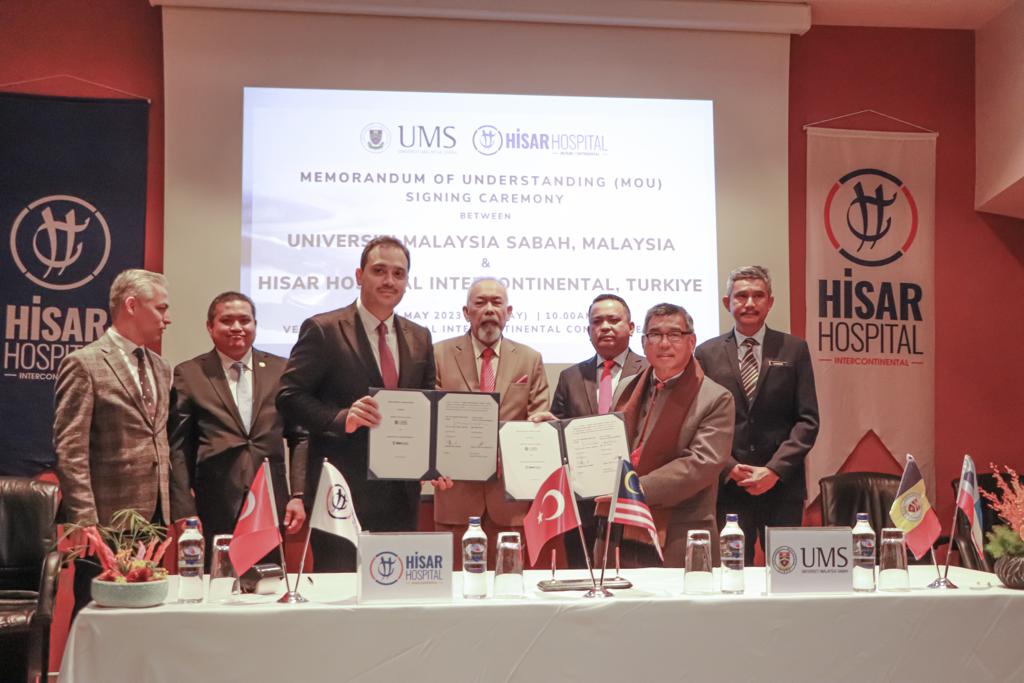
vi. HUMS in Timor-Leste with Association for the Prevention of Alcohol Abuse (APAM)
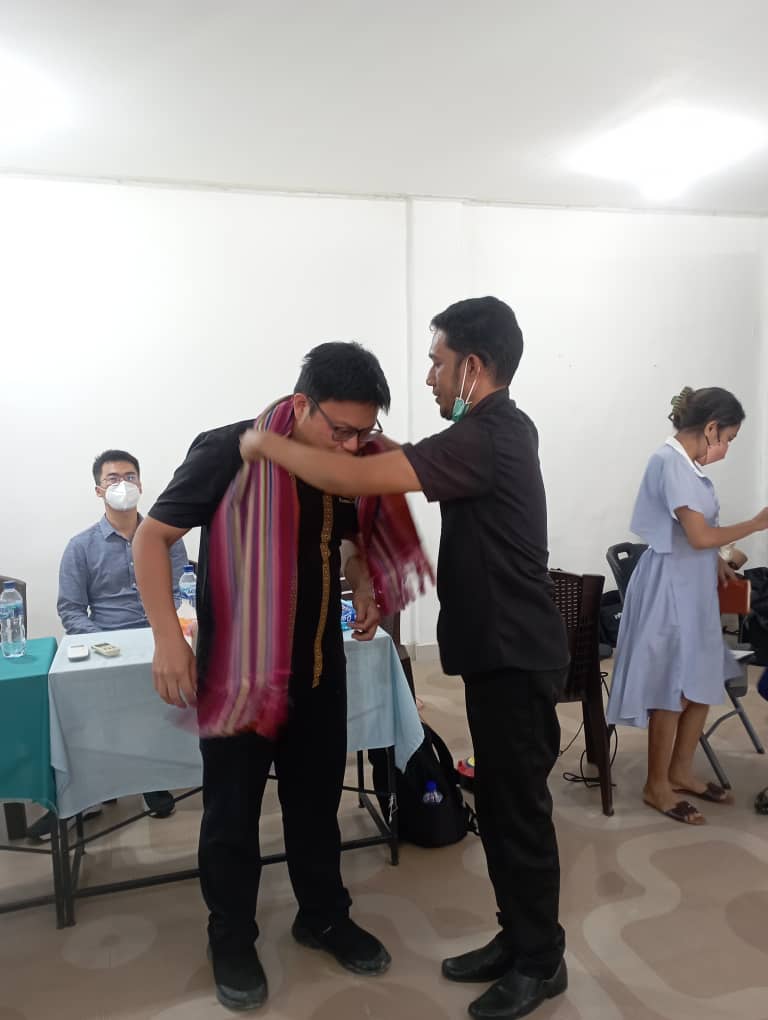
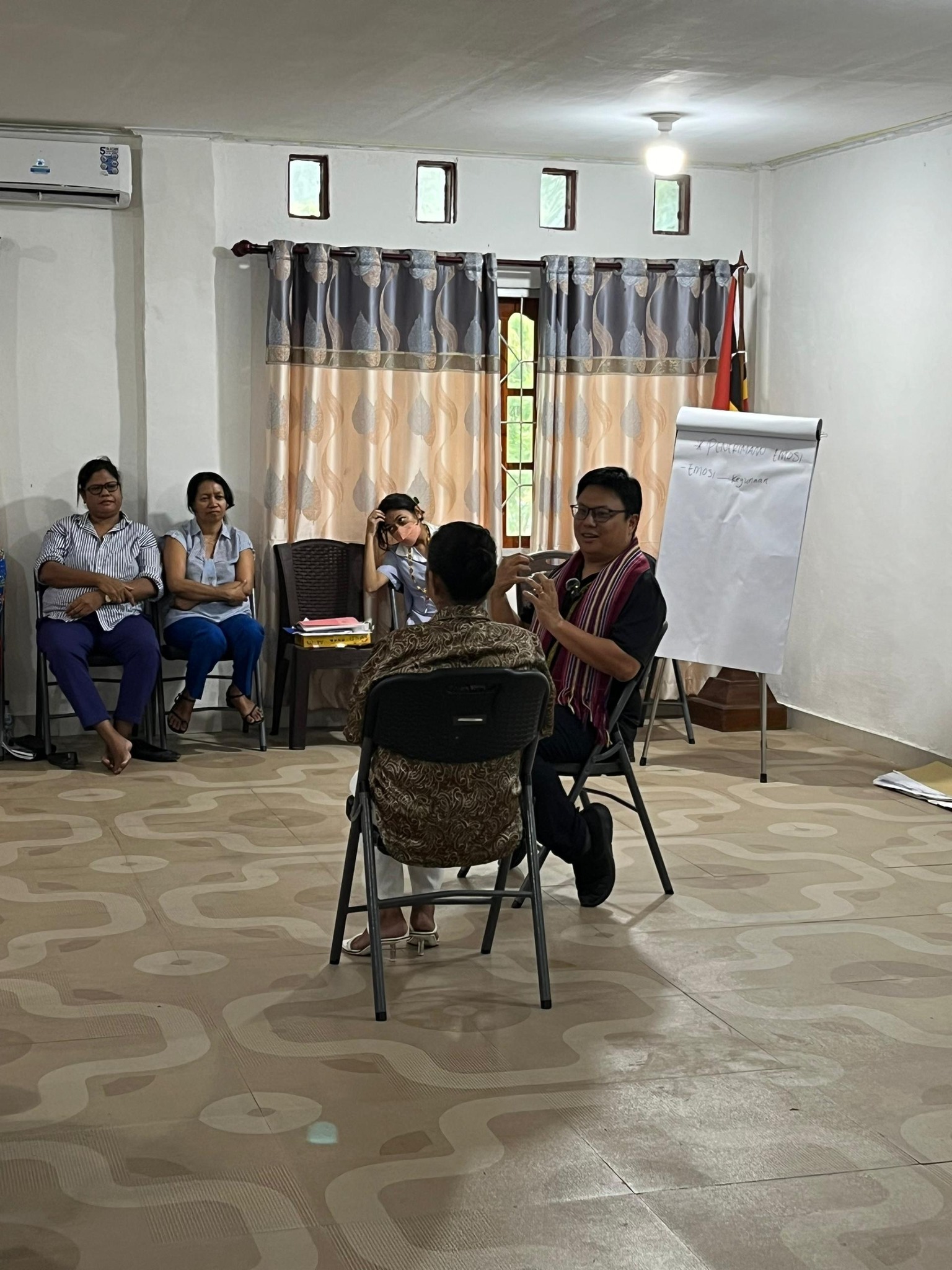
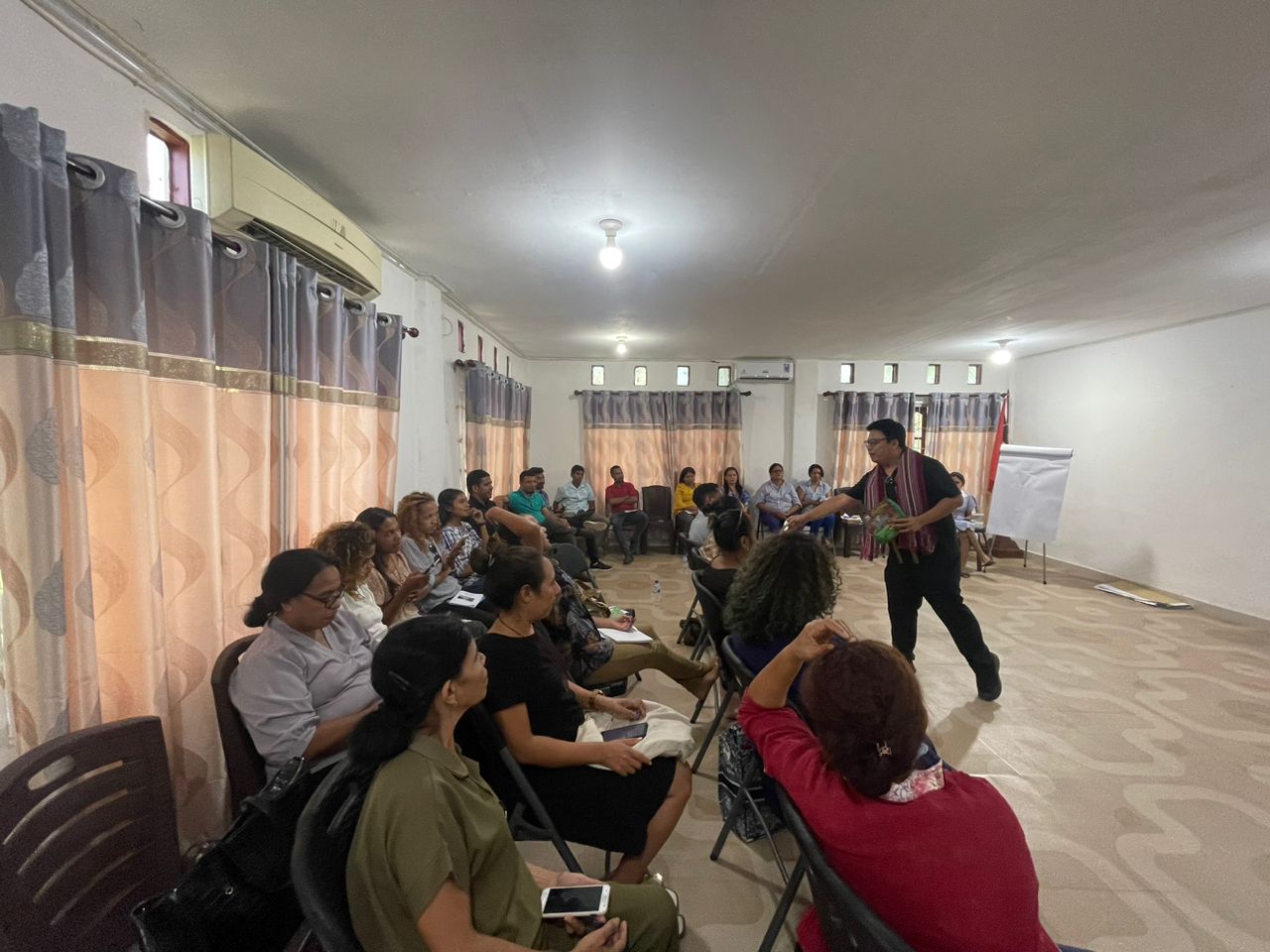
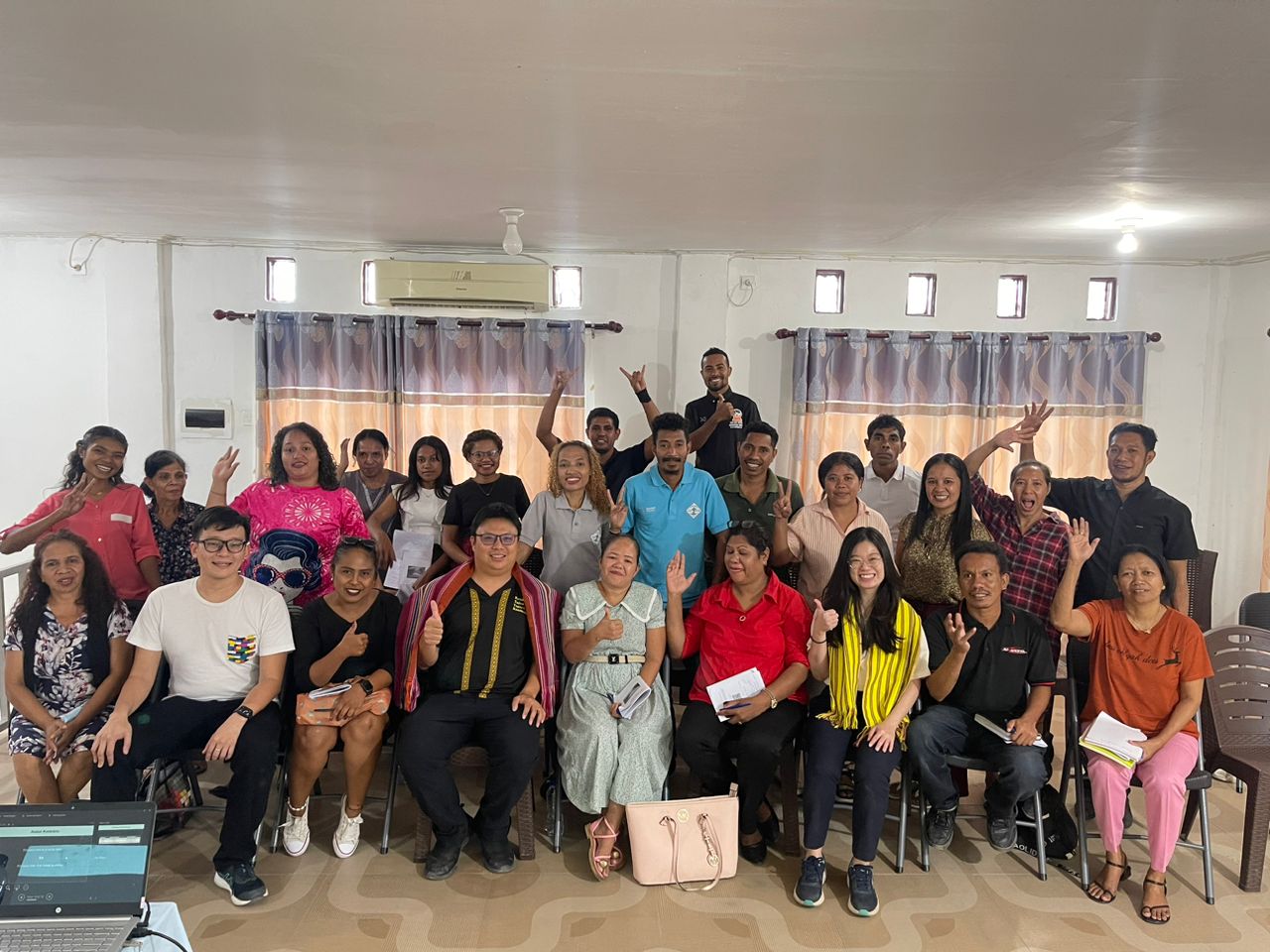
UMS’s leadership in mental health care and education continues to expand beyond national borders through strategic collaborations with Universiti Putra Malaysia (UPM) and the Association for the Prevention of Alcohol Abuse (APAM). From 2–6 June 2024, psychiatrists Dr Nicholas Pang and Dr Tan Ming Gui of Hospital Universiti Malaysia Sabah (HUMS) conducted a capacity-building and consultancy programme for the national NGO PRADET Timor-Leste, marking a milestone in regional health cooperation. The initiative introduced Dialectical Behavioural Therapy (DBT) and Acceptance and Commitment Therapy (ACT) to 27 counsellors, psychologists, social workers, and community officers, followed by a year-long online supervision scheme to strengthen clinical practice and continuity of care. As Malaysia’s largest DBT training hub, with 13 certified practitioners, HUMS’s collaboration plays a crucial role in addressing mental-health challenges in Southeast Asia. This partnership not only supports Timor-Leste’s national mental-health strategy but also reflects UMS’s growing influence as a regional centre of excellence in psychological intervention and public health education—advancing SDG 3.4 (promoting mental health and well-being) through knowledge sharing, professional empowerment, and cross-border humanitarian engagement.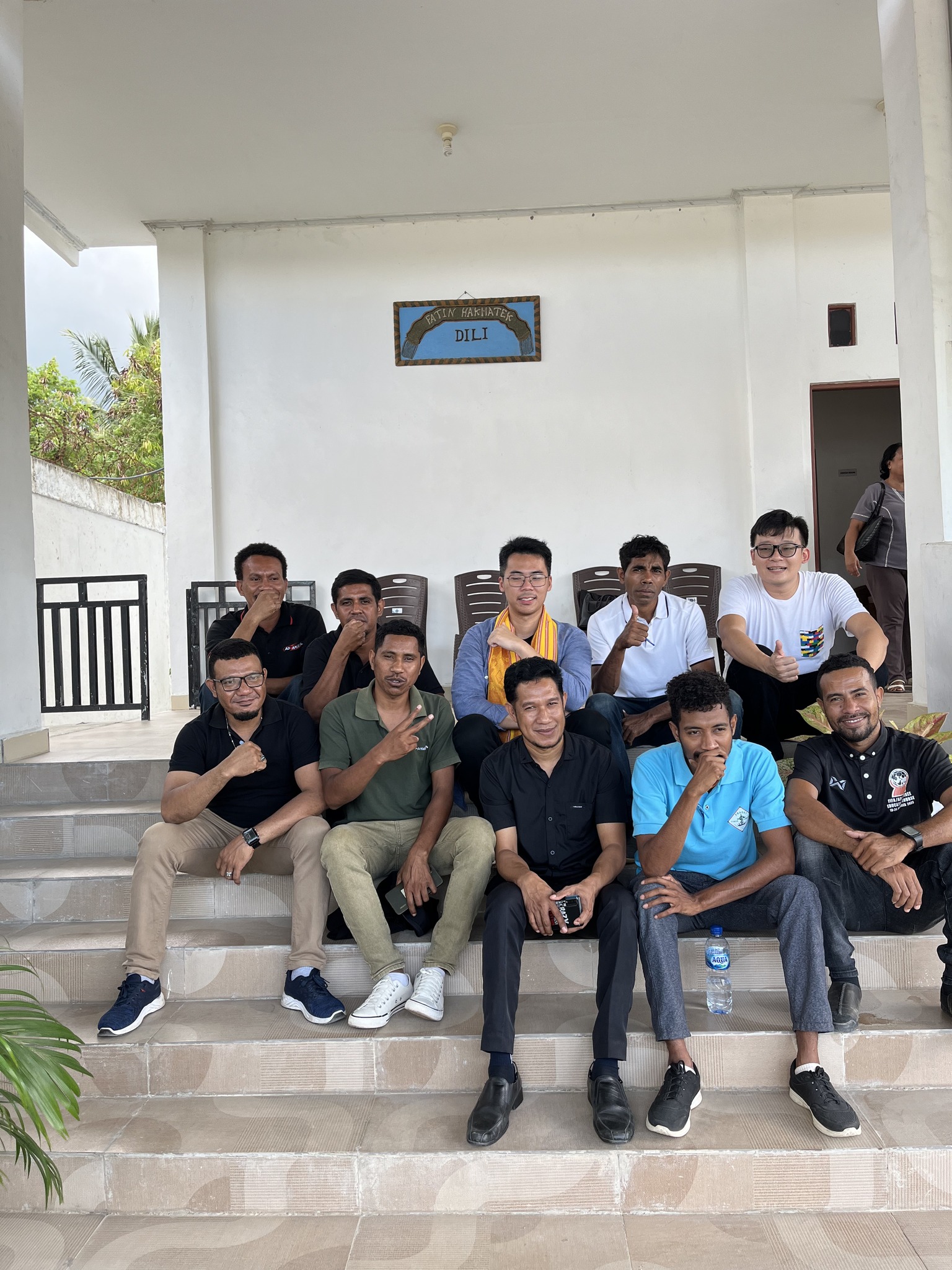
vi.Others Strategic Partnership
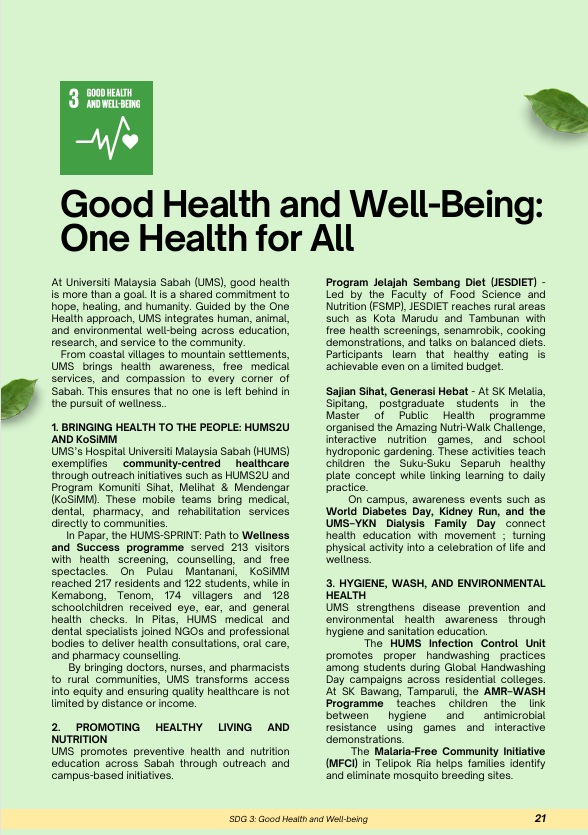
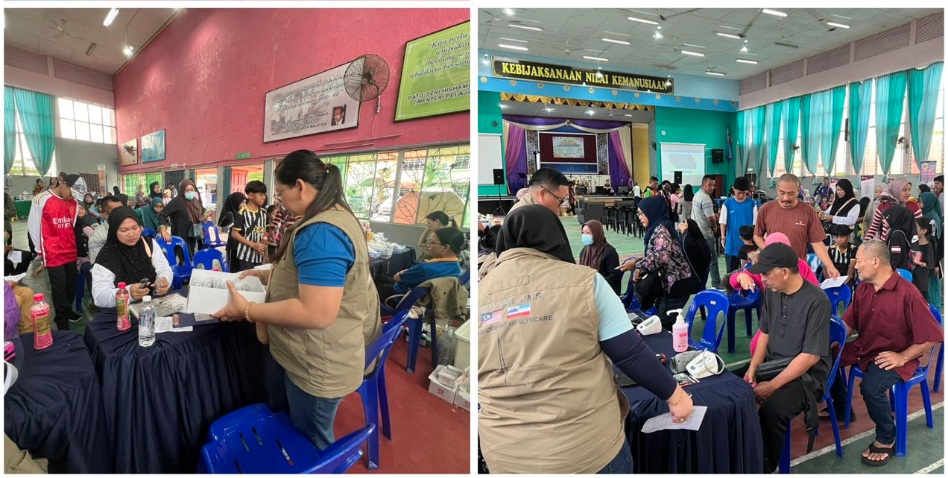
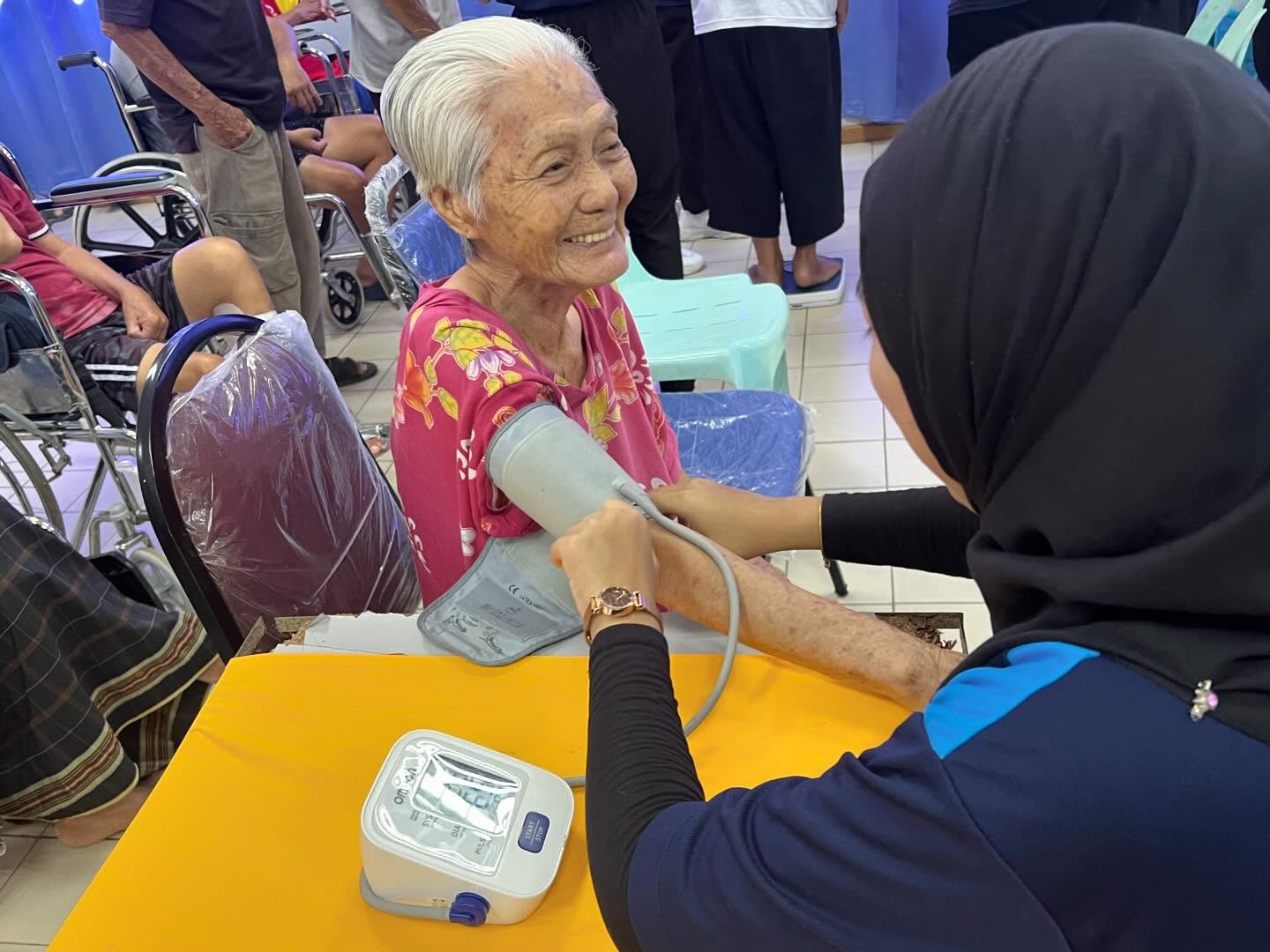
 At Universiti Malaysia Sabah (UMS), community health is not just a KPI or a line in a strategic plan – it is something you can see in the faces of kampung children getting their first pair of spectacles, in the shy smile of a senior citizen finally having her blood pressure checked, in the laughter of children with Down Syndrome running on the sand at ODEC beach. Universiti Malaysia Sabah (UMS) exemplifies its role as a “University for Society” through a comprehensive portfolio of community health outreach programmes that integrate education, service, and sustainability. Guided by University for Society (U4S) framework, UMS adopts an inclusive and interdisciplinary approach that links human, animal, and environmental health. These initiatives—driven by faculties, student clubs, and the Hospital Universiti Malaysia Sabah (HUMS)—promote hygiene, nutrition, gender equality, sports, mental health, and ageing well, in alignment with Sustainable Development Goal (SDG) 3: Good Health and Well-Being. Across Sabah – from Pulau Mantanani to Kemabong, from Papar to Pitas, from Tenom to the small corners of our own campus – UMS moves as one body to bring health, dignity, and hope to the community.Community Outreach & Student Volunteering
One Health for All – From Campus to Community: Bringing Hope, Healing, and Humanity to Every Corner
A University that Goes to the People
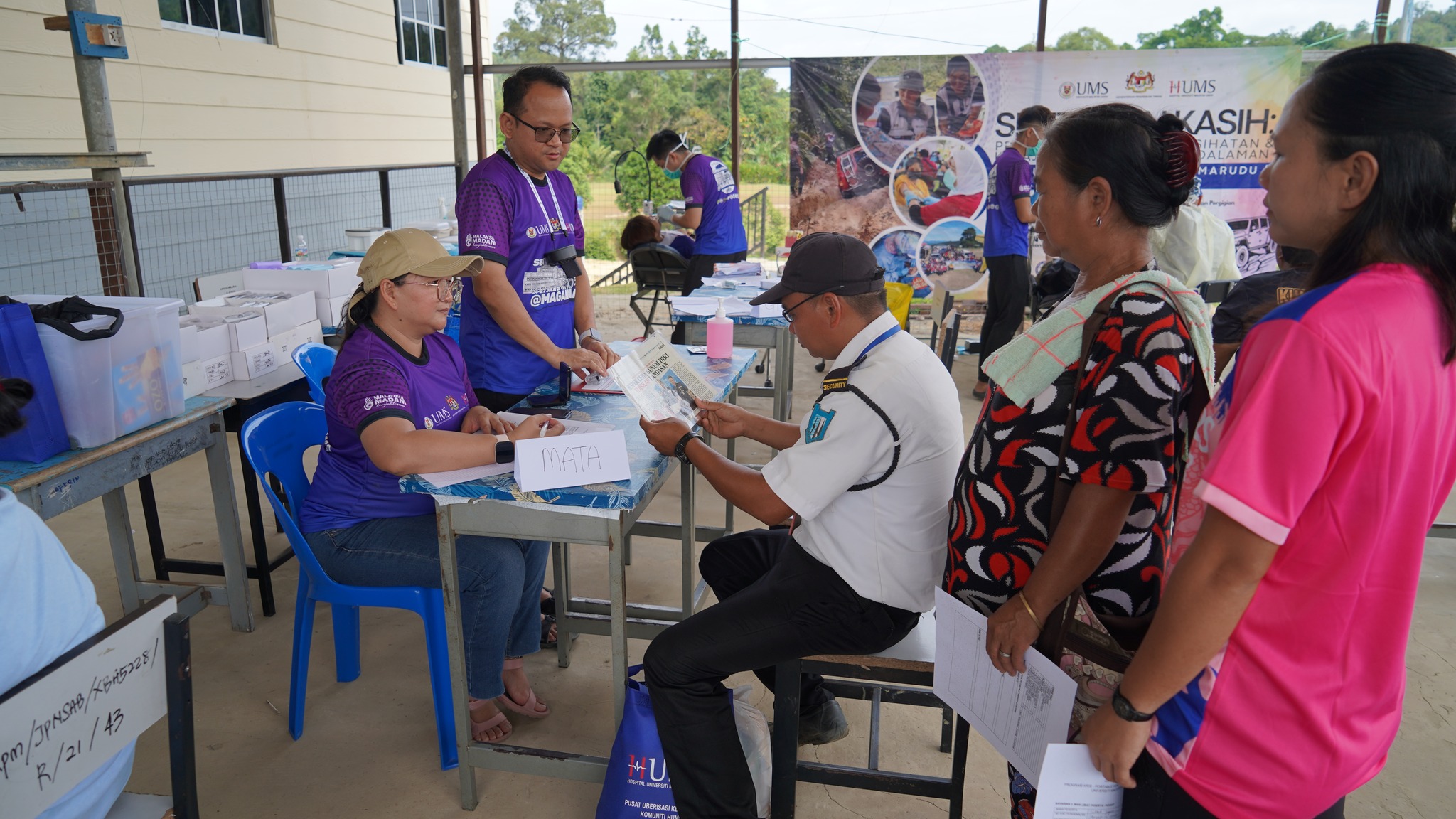
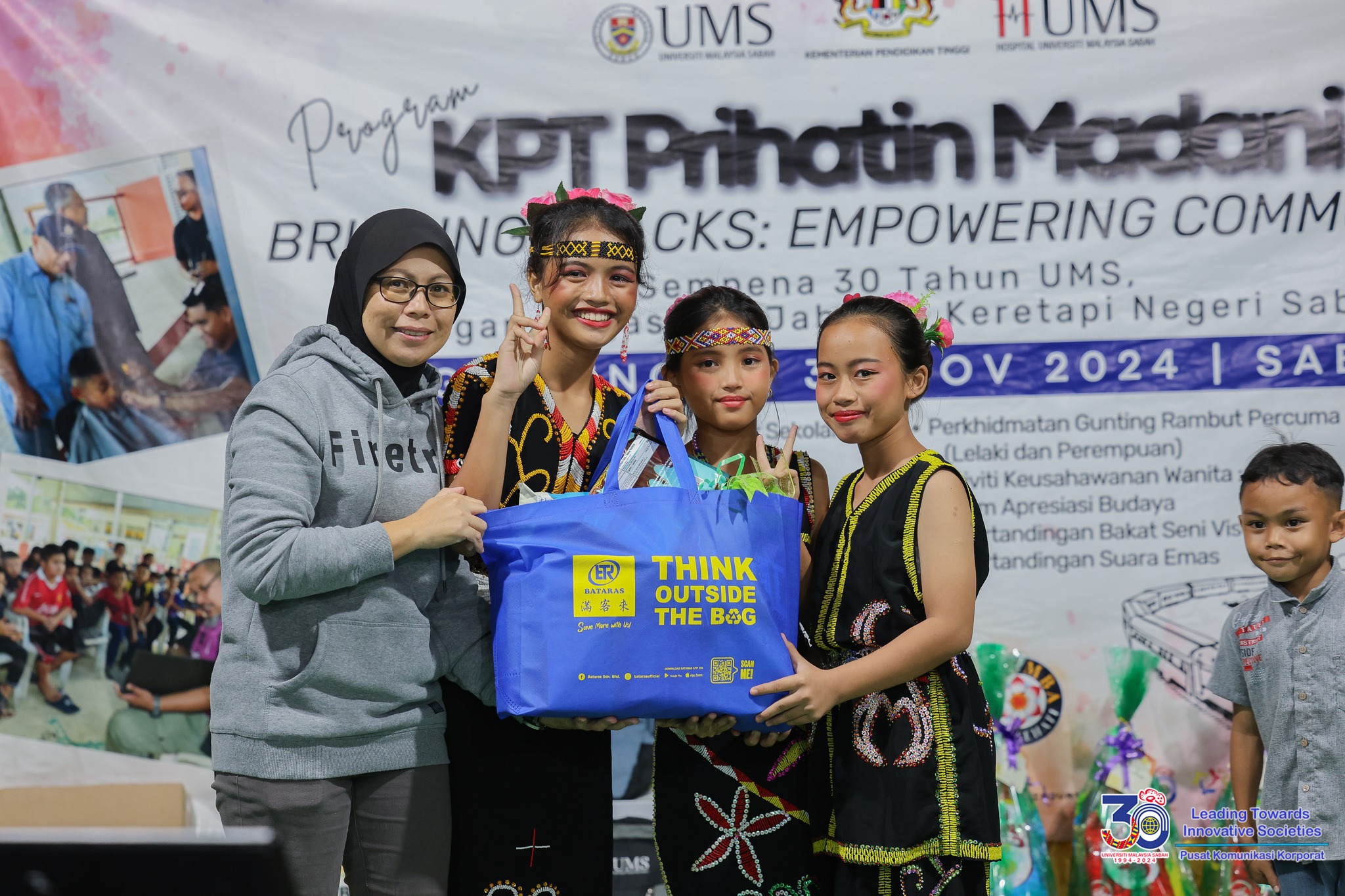
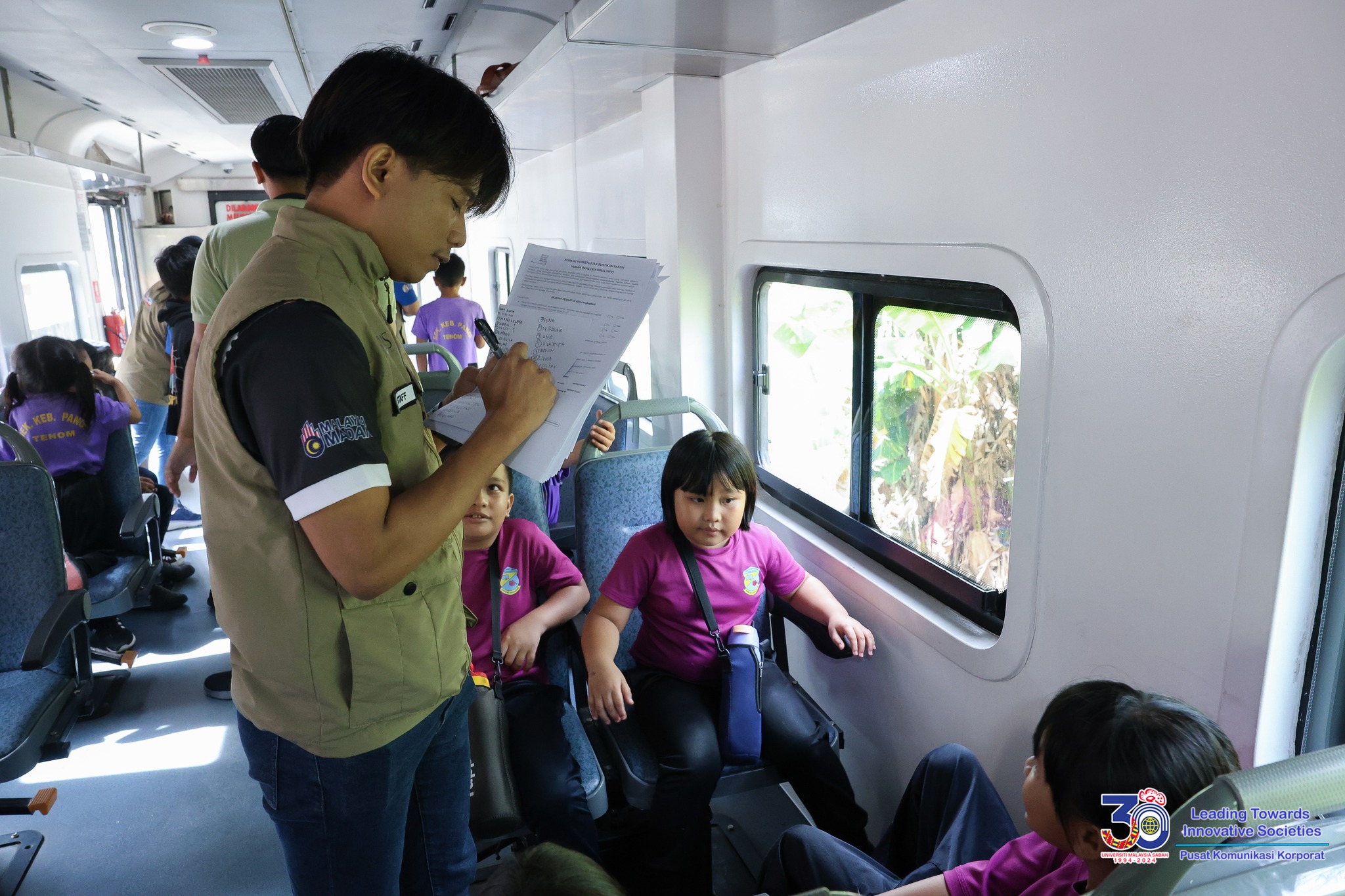
On a Sunday morning in Papar, the HUMS2U team set up their health booth at SMK Majakir under the Path to Wellness and Success – UMS-SPRINT programme. Twelve HUMS staff welcomed 213 visitors who came quietly at first, then in steady streams: students, parents, grandparents. They left not only with free health screening, counselling, medicines and new spectacles, but with something harder to measure – the feeling that a university hospital cared enough to come to their school, to their town, to them.Read More In Kg Pangi, Tenom, the KPT Prihatin Madani – Bridging Tracks: Empowering Community programme turned a kampung into a living classroom. Children received growth checks, eye examinations and free HPV vaccinations. At the fringe of the medical tents, villagers learned how to compost, set up aquaponic systems, exercise at grassroots level, express their cultural heritage, and even get simple grooming through free haircuts. In one integrated effort, UMS connected health, nutrition, income, culture and dignity – proving that wellbeing is never just about one clinic visit.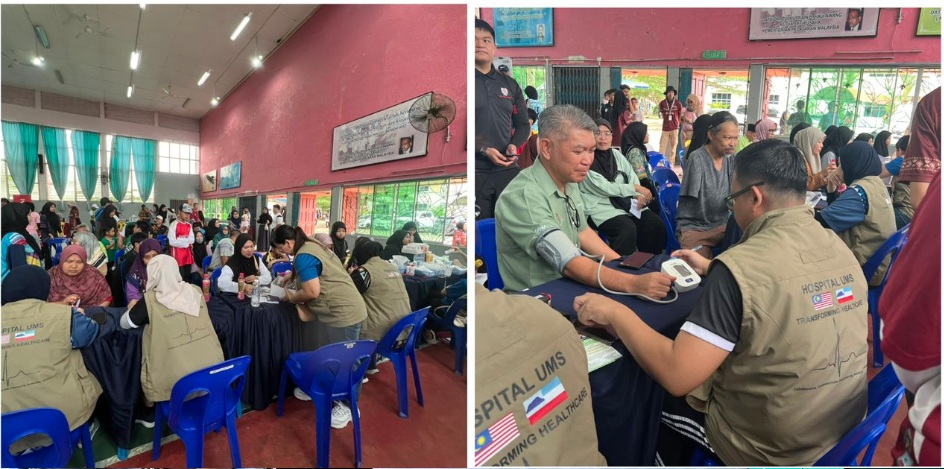
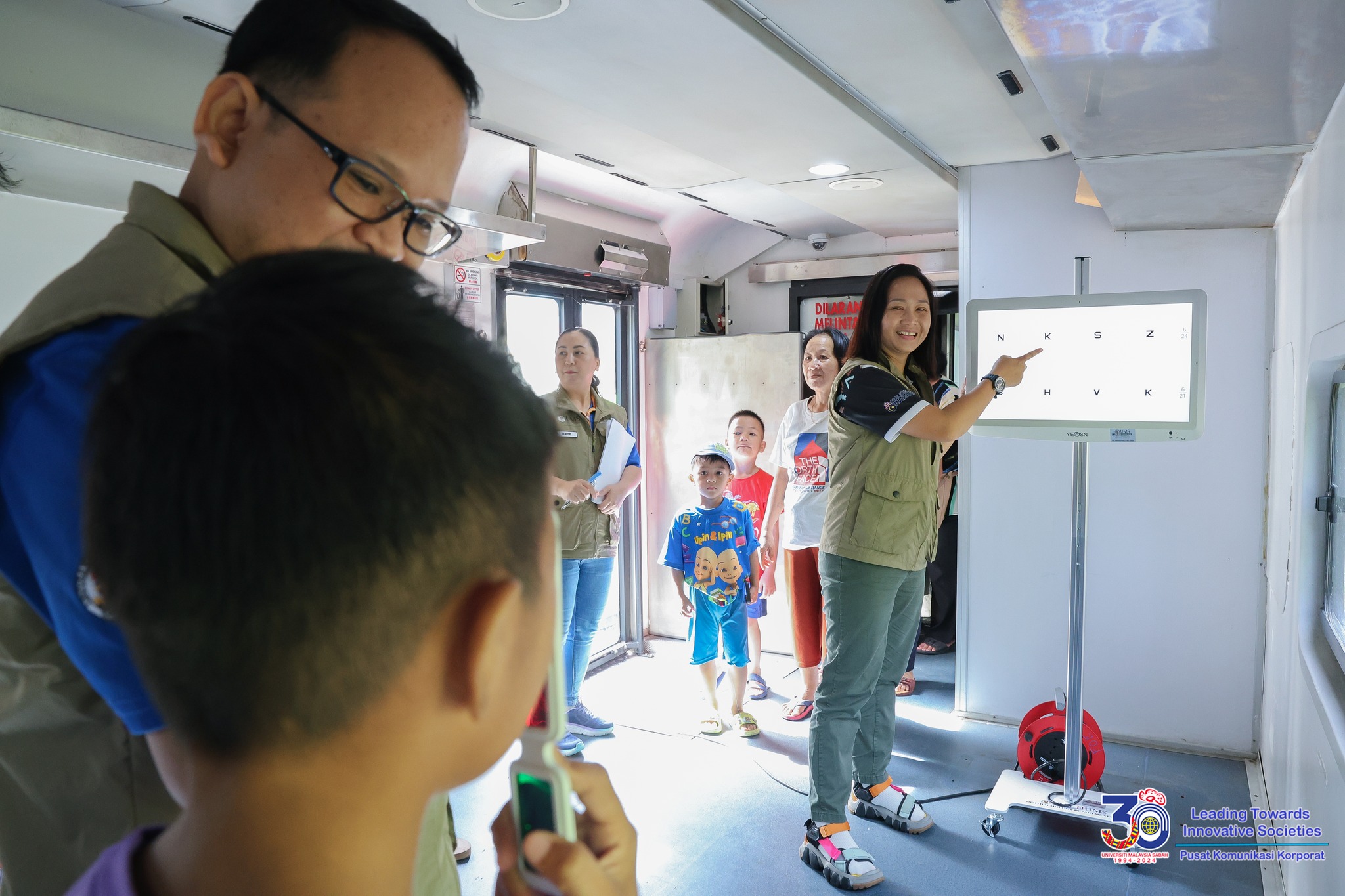
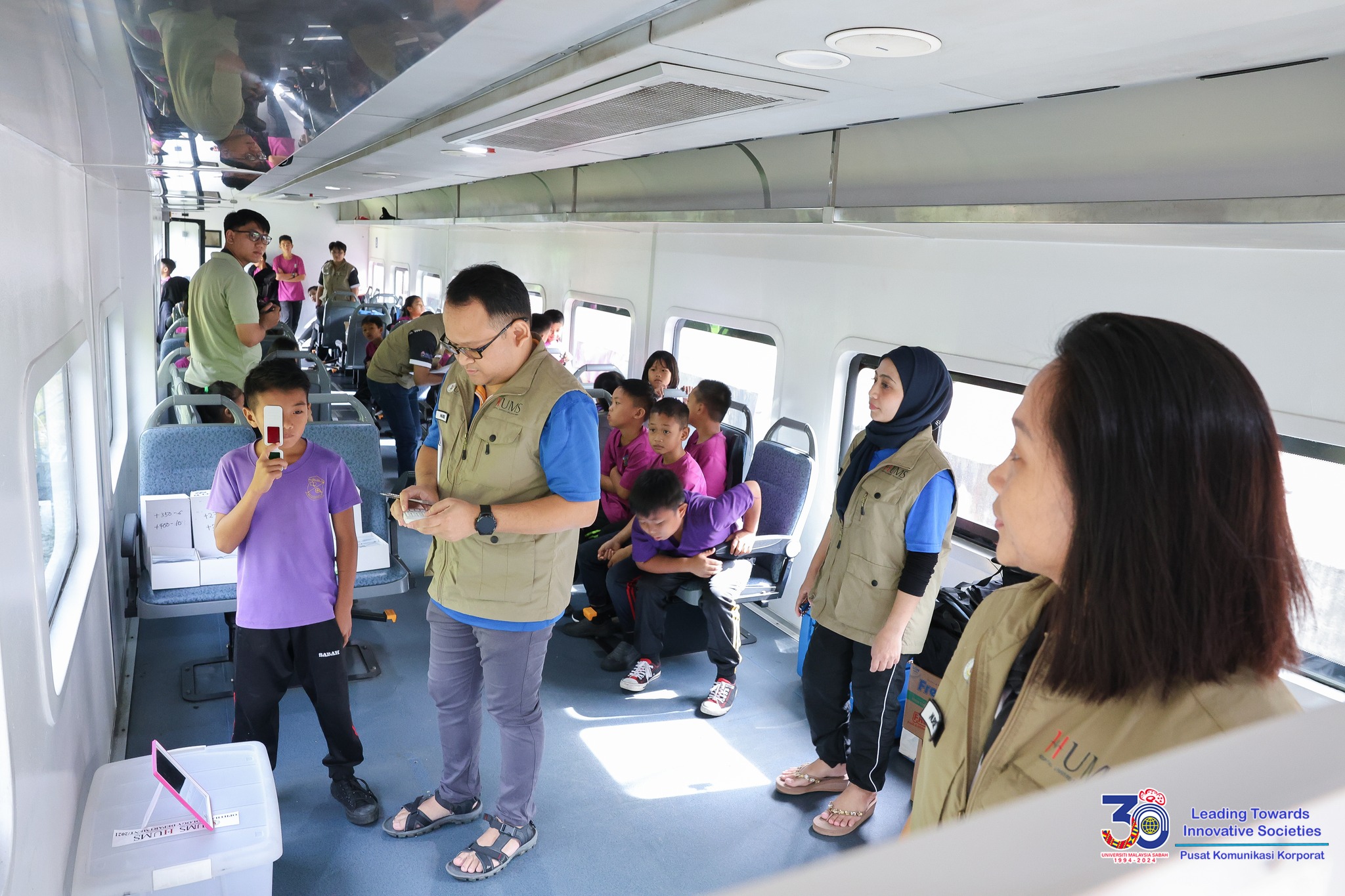
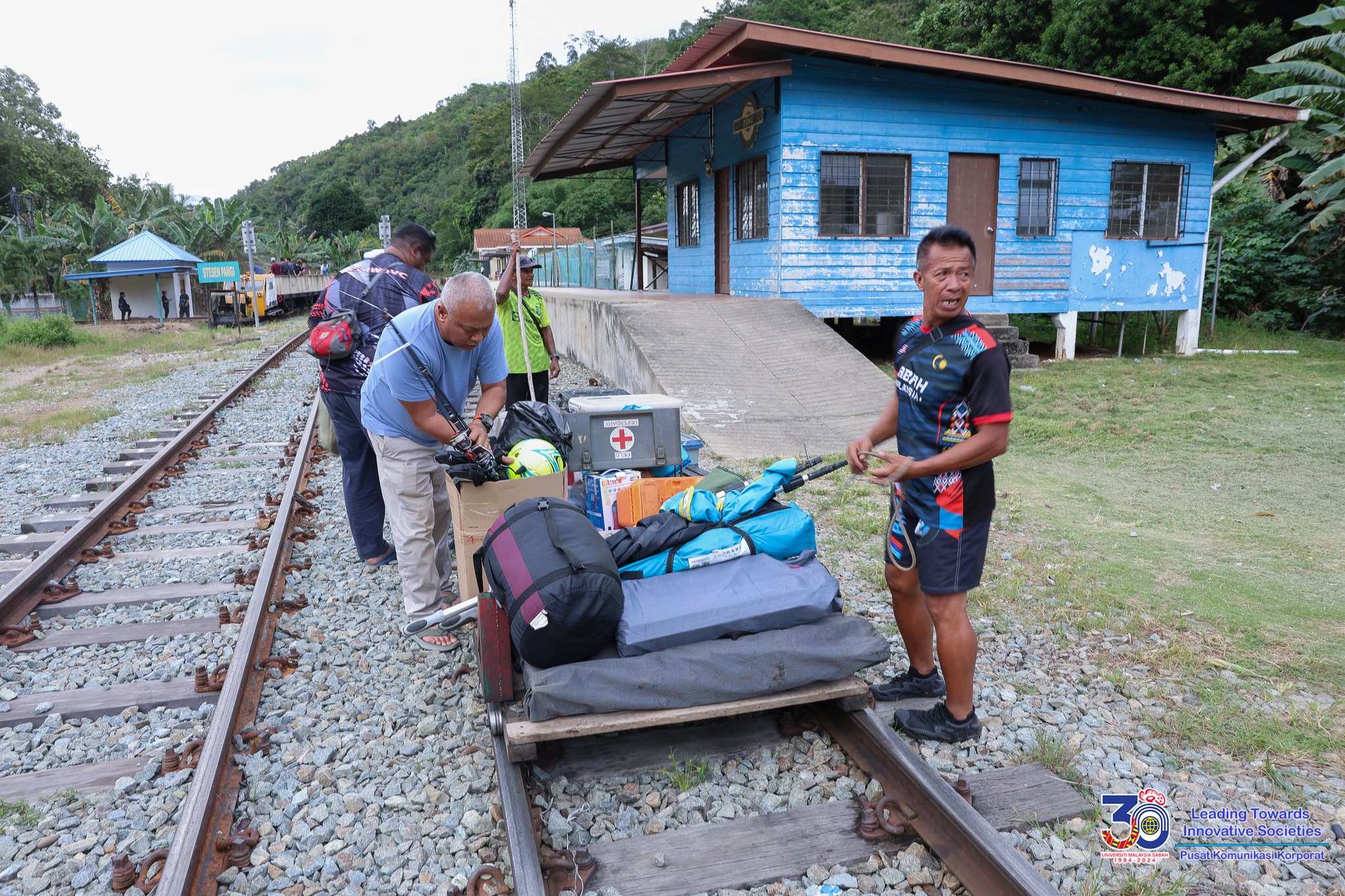 Read More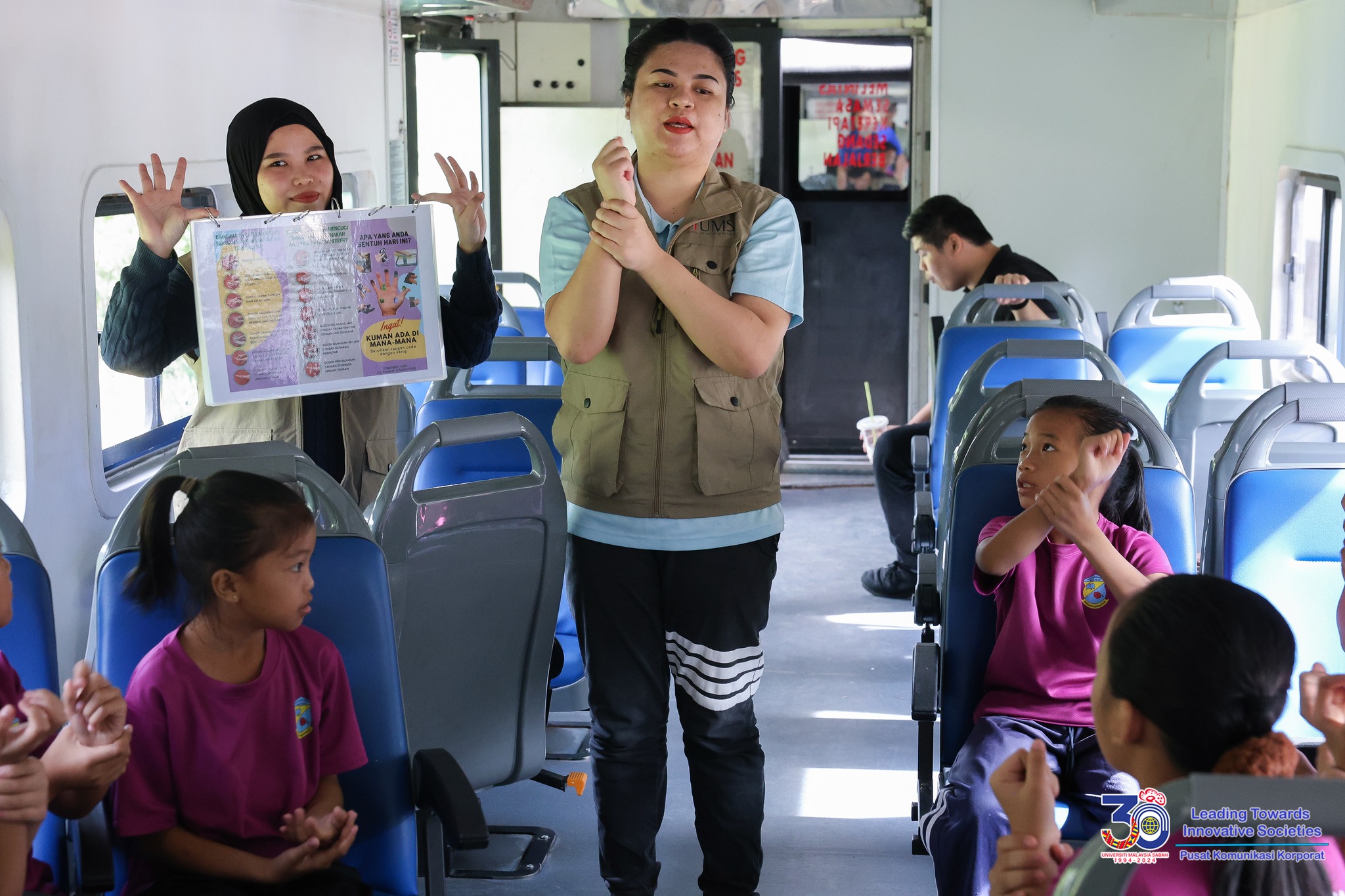
Helping People See, Hear and be Seen
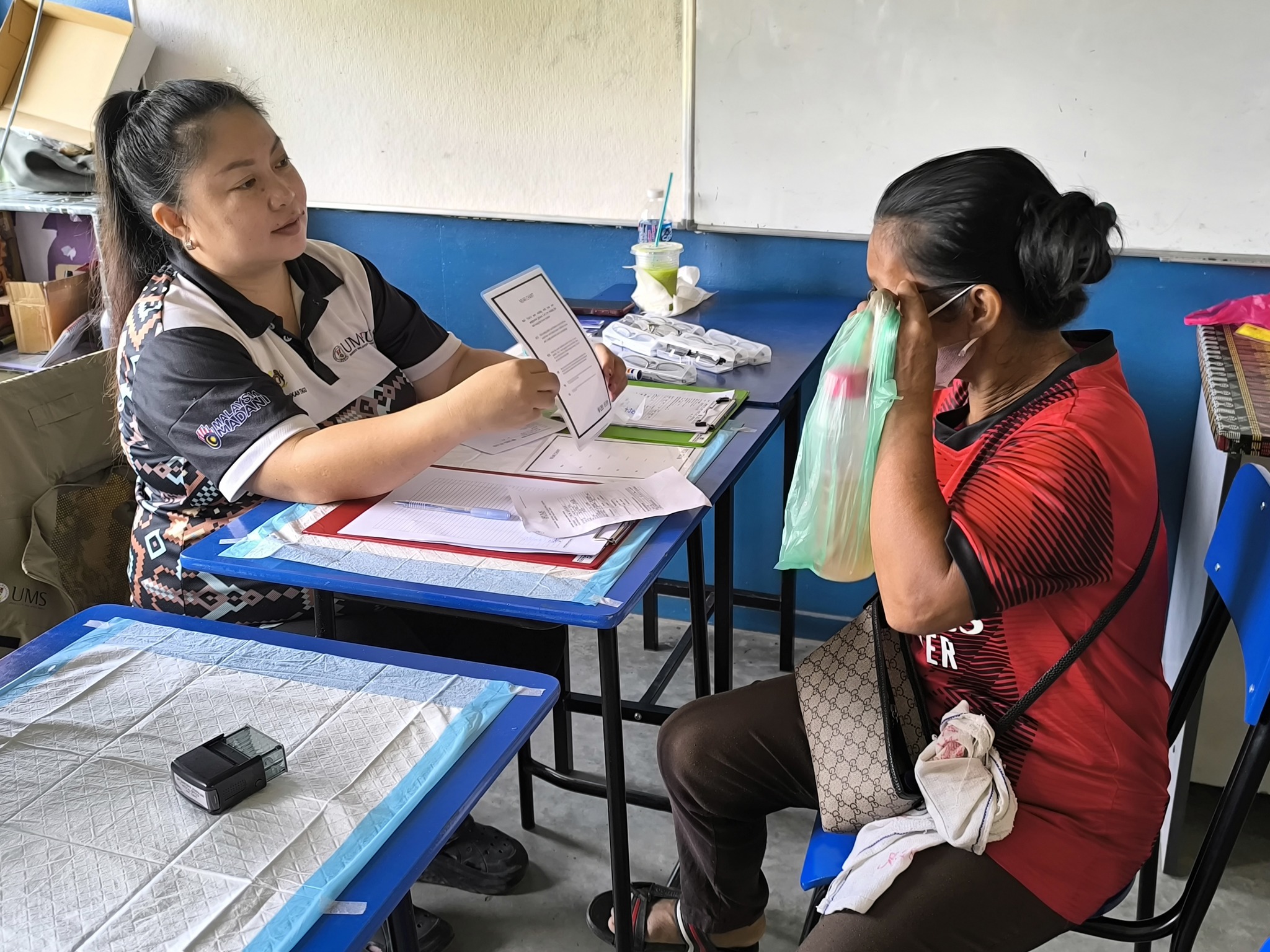
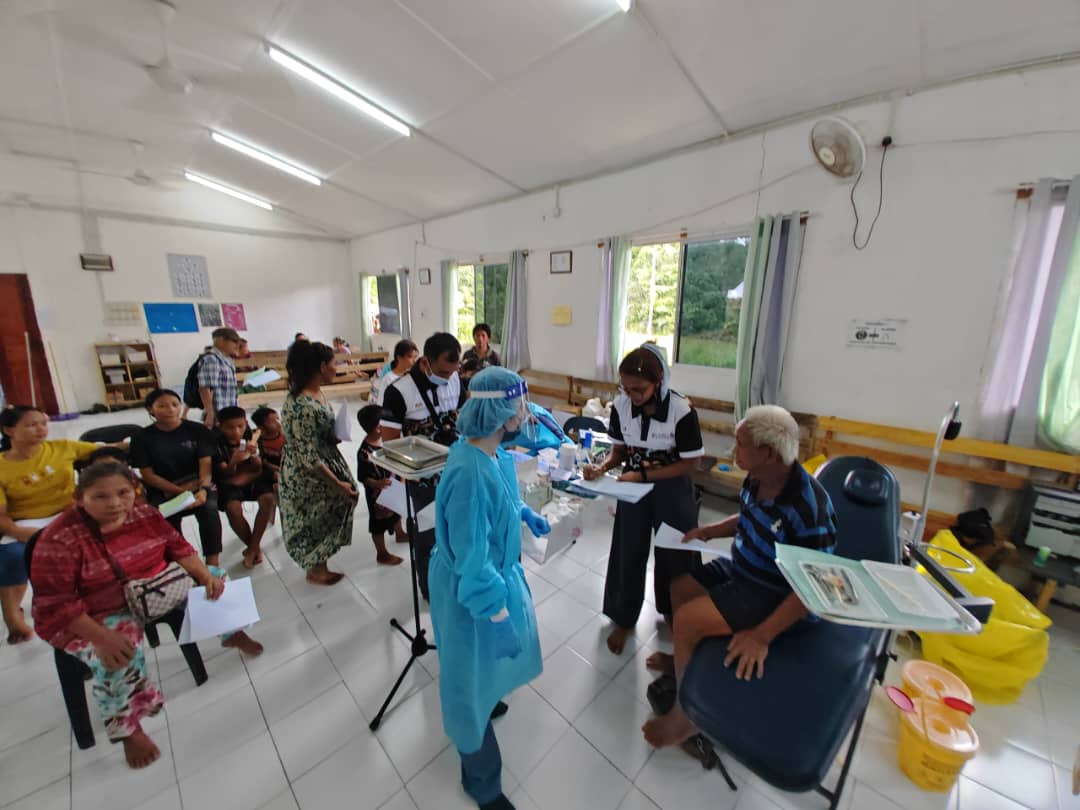
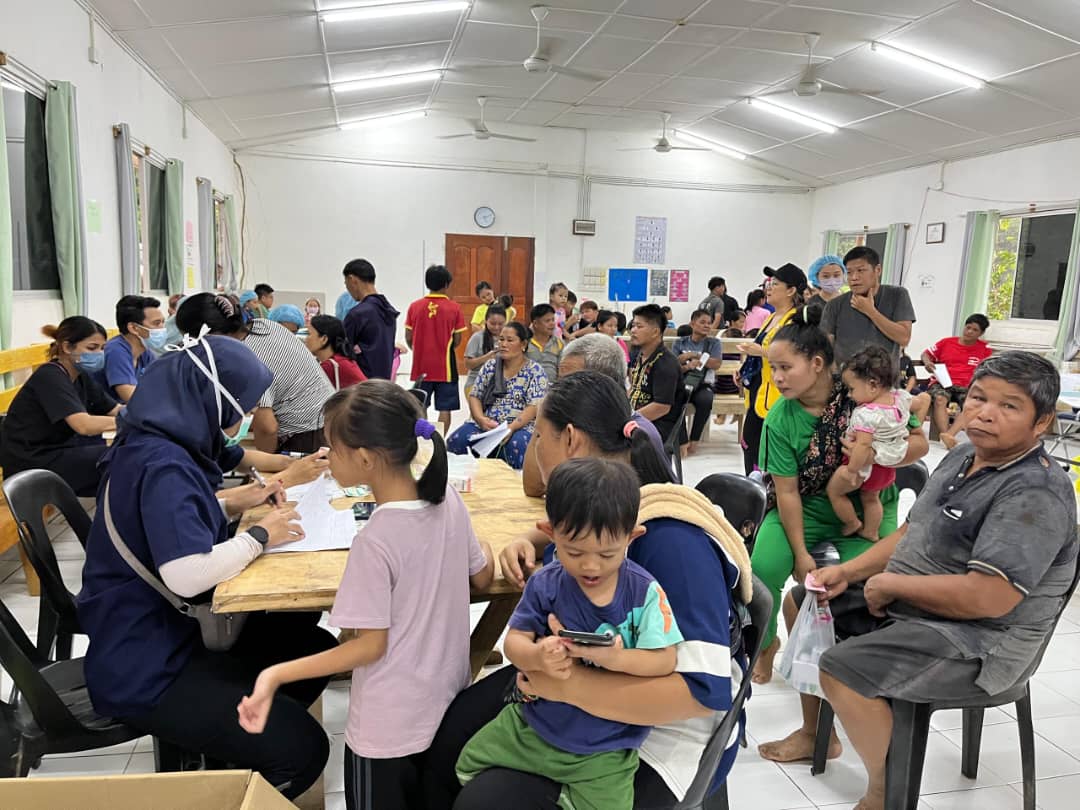
Through the Program Komuniti Sihat, Melihat & Mendengar (KoSiMM), UMS brings care to those who live far from specialist services. On Pulau Mantanani, KoSiMM served 217 island residents and 122 students with eye checks, ear and hearing assessments, general health screening, medical consultations, pharmacy and rehabilitation services. Children sat nervously as they tried on glasses for the first time; older villagers who had long accepted poor sight or hearing were told, “Ini boleh dibantu.”Read More The same compassion travelled inland to Kemabong, Tenom, where another KoSiMM mission reached 174 residents and 128 schoolchildren. Students from KESUMBA UMS taught villagers how to make soap and flowers, while health teams continued seeing patients late into the day. In both places, villagers did not have to travel hours to the city. Instead, UMS brought the city’s expertise – and the heart of a teaching hospital – to their doorstep.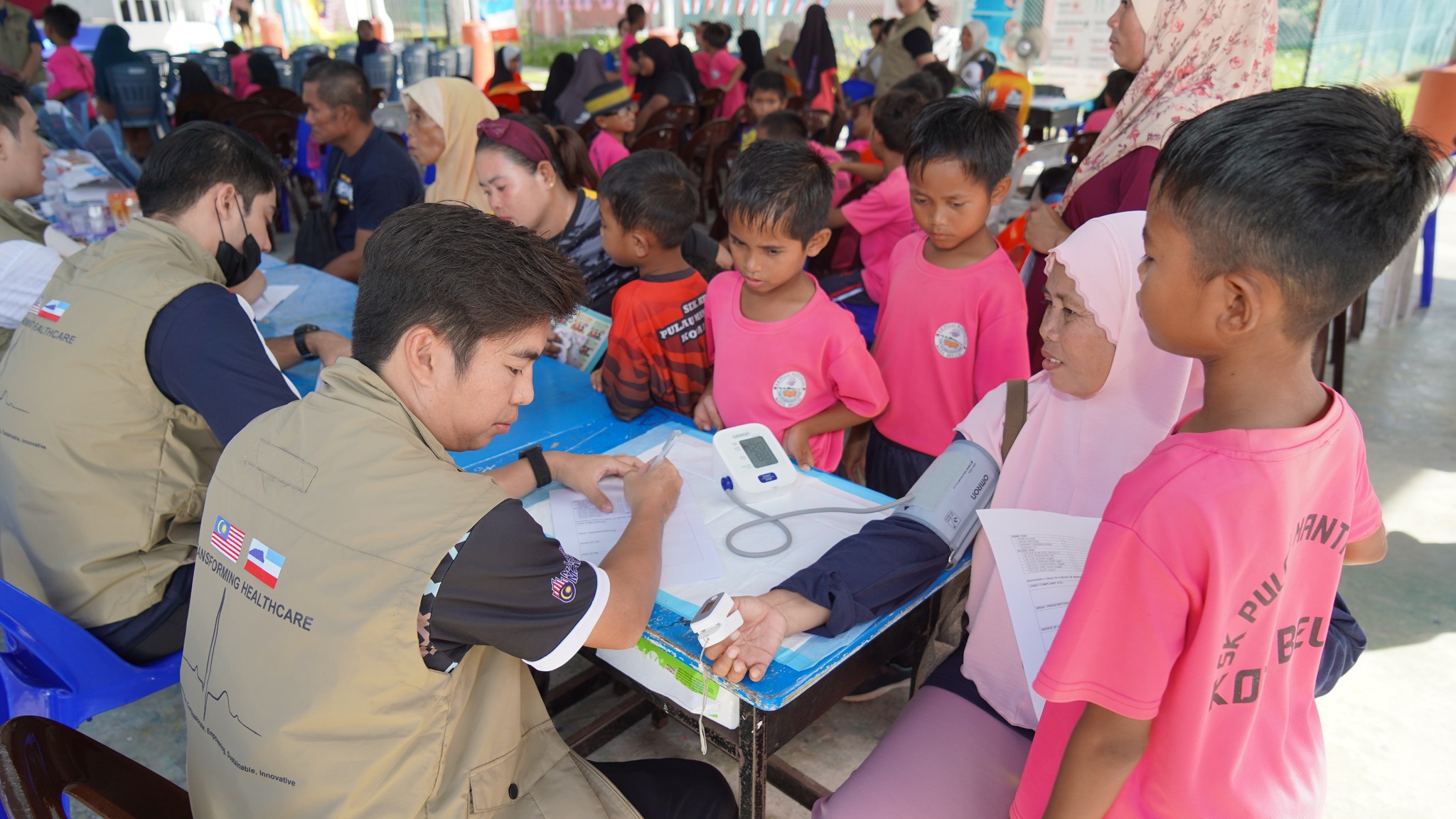
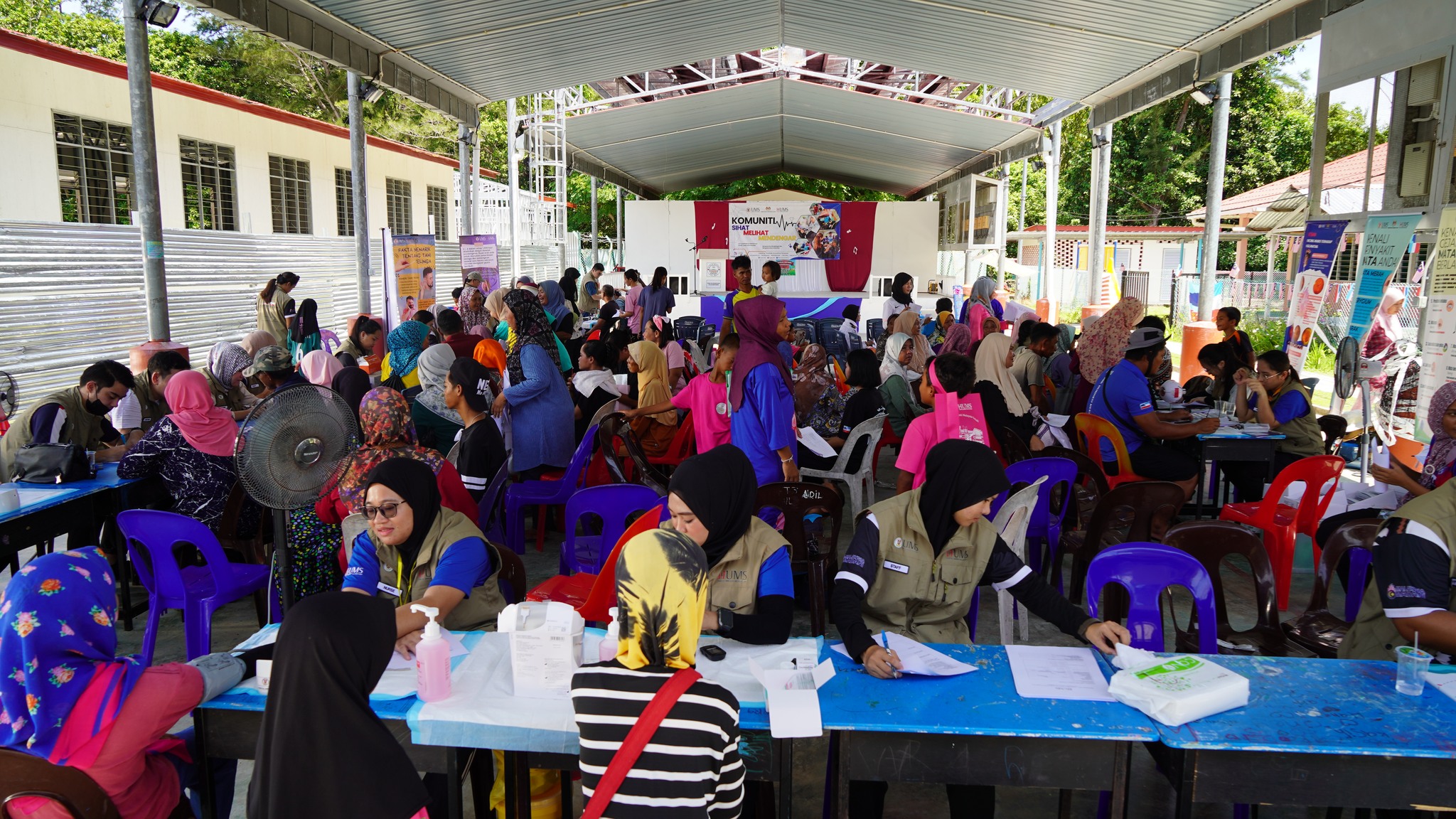
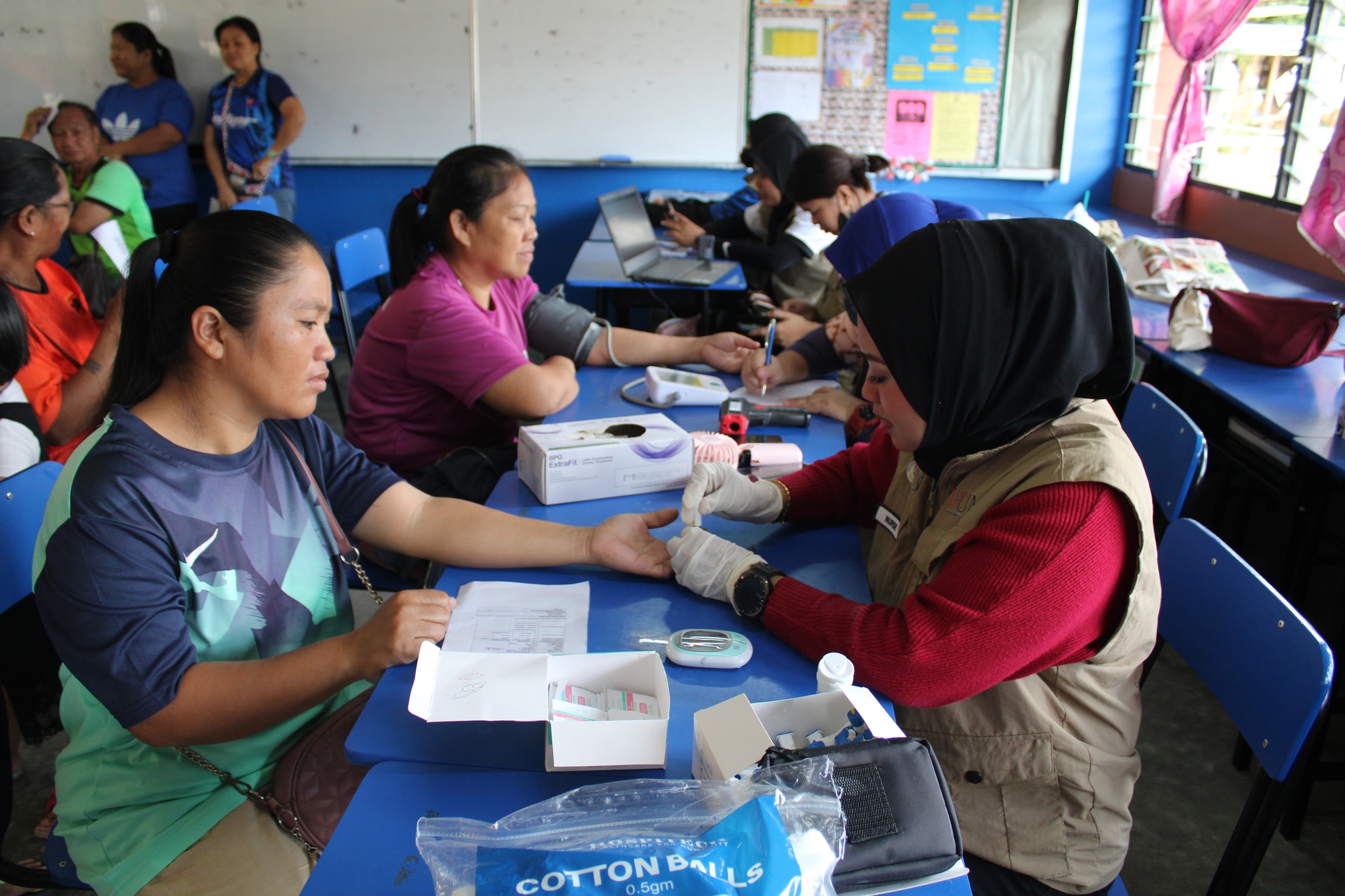
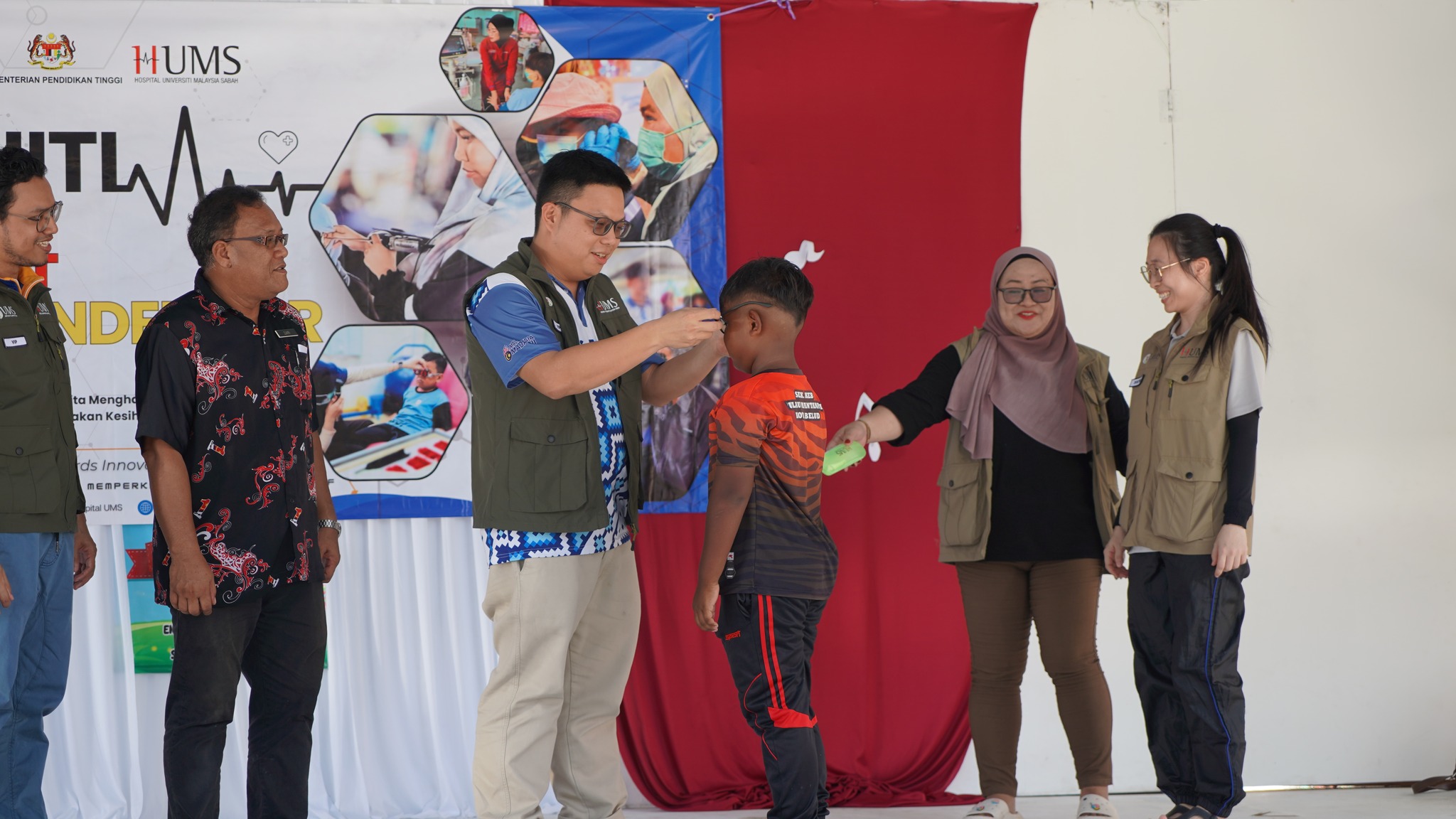 In Kg Layung Maliau, Pitas, HUMS Dental, Medical and Pharmacy teams joined hands with NGOs and professional bodies to run a health camp. Teeth were cleaned, blood pressures checked, medicines explained. In kitchens later that night, parents spoke of “doktor-doktor dari UMS” who sat with them like family.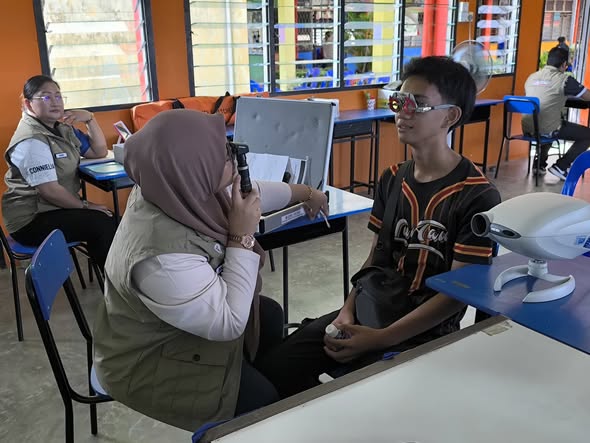
 Read More
Food, Movement and the Joy of a Healthier Life
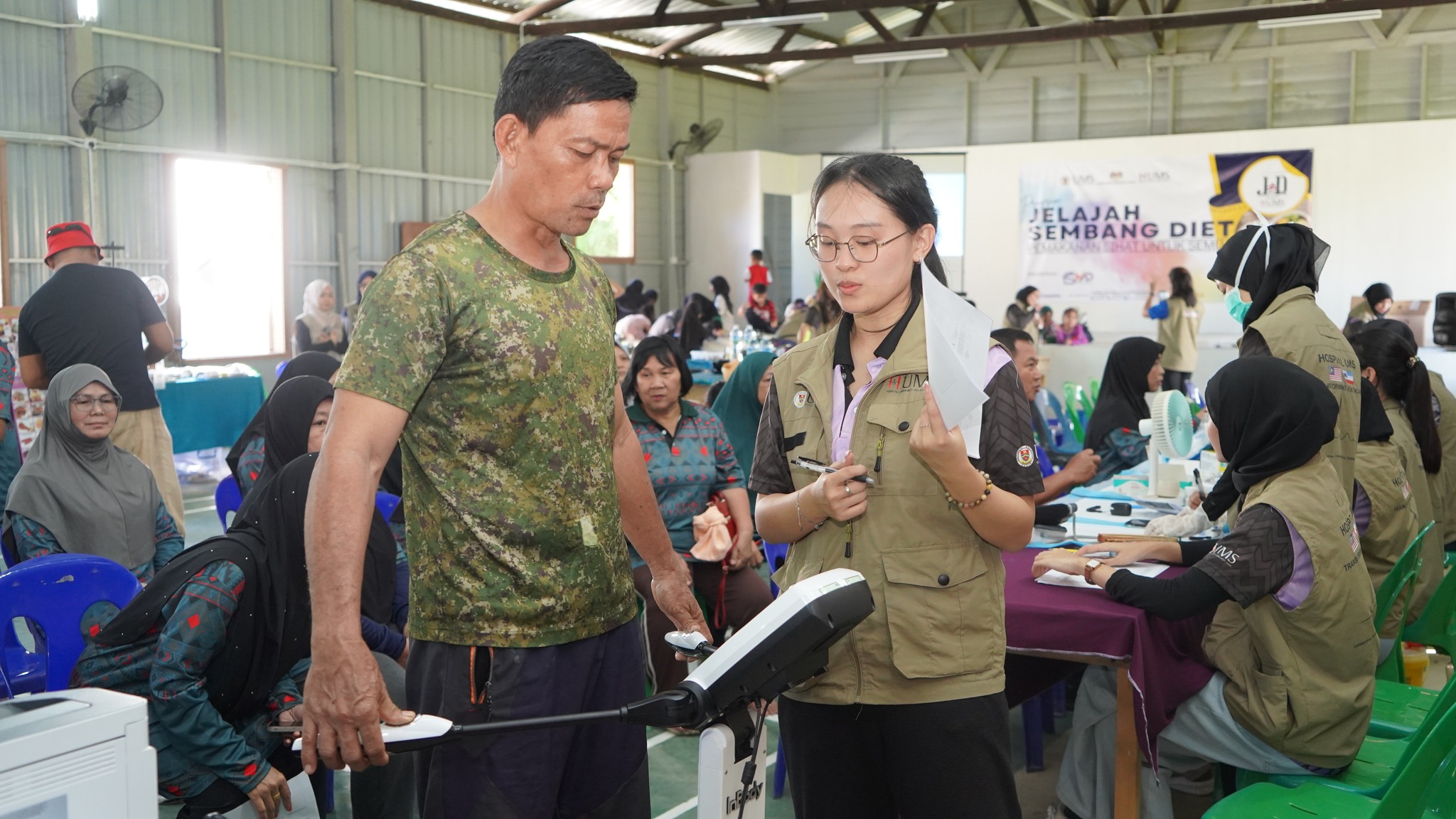
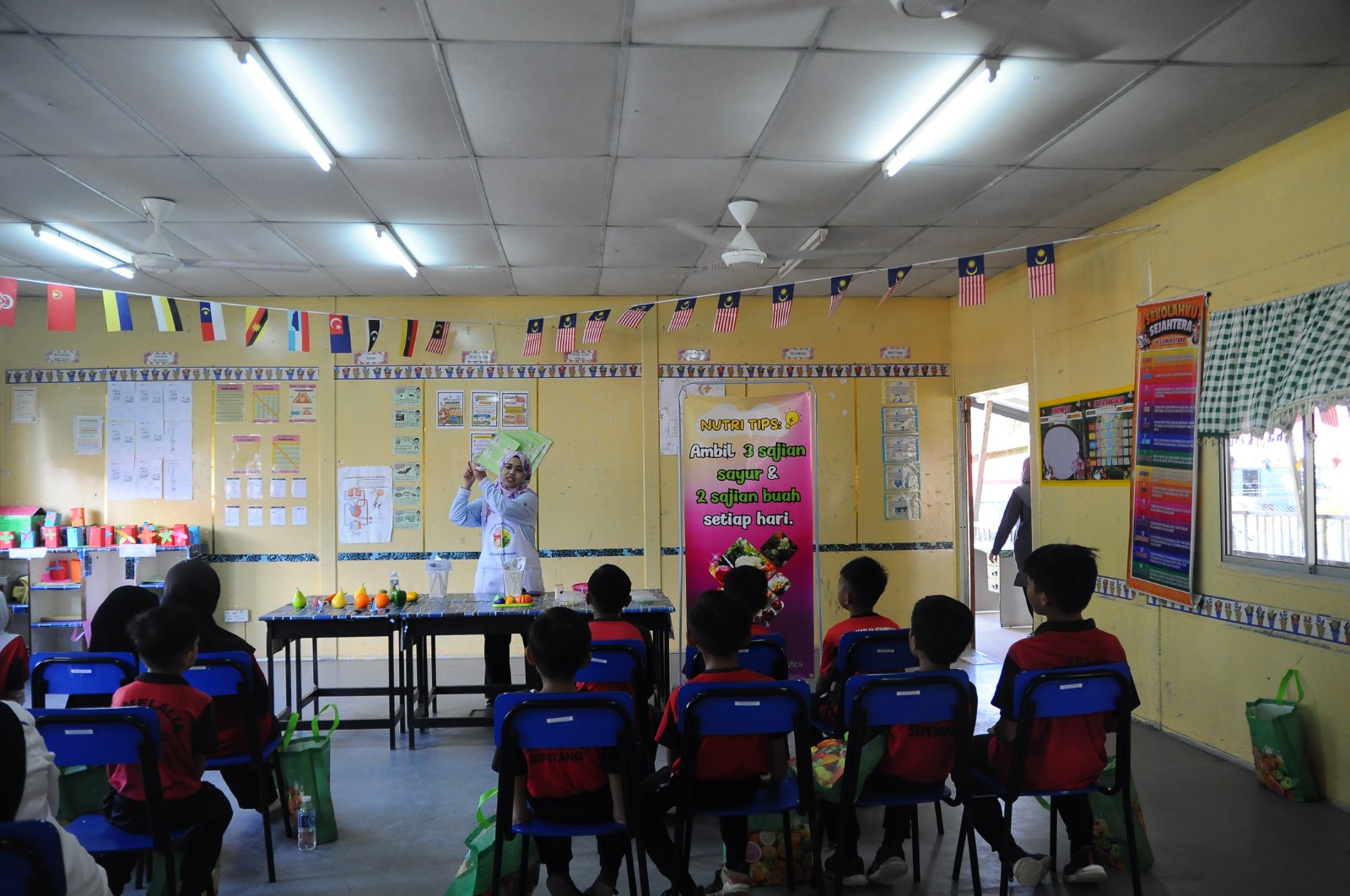
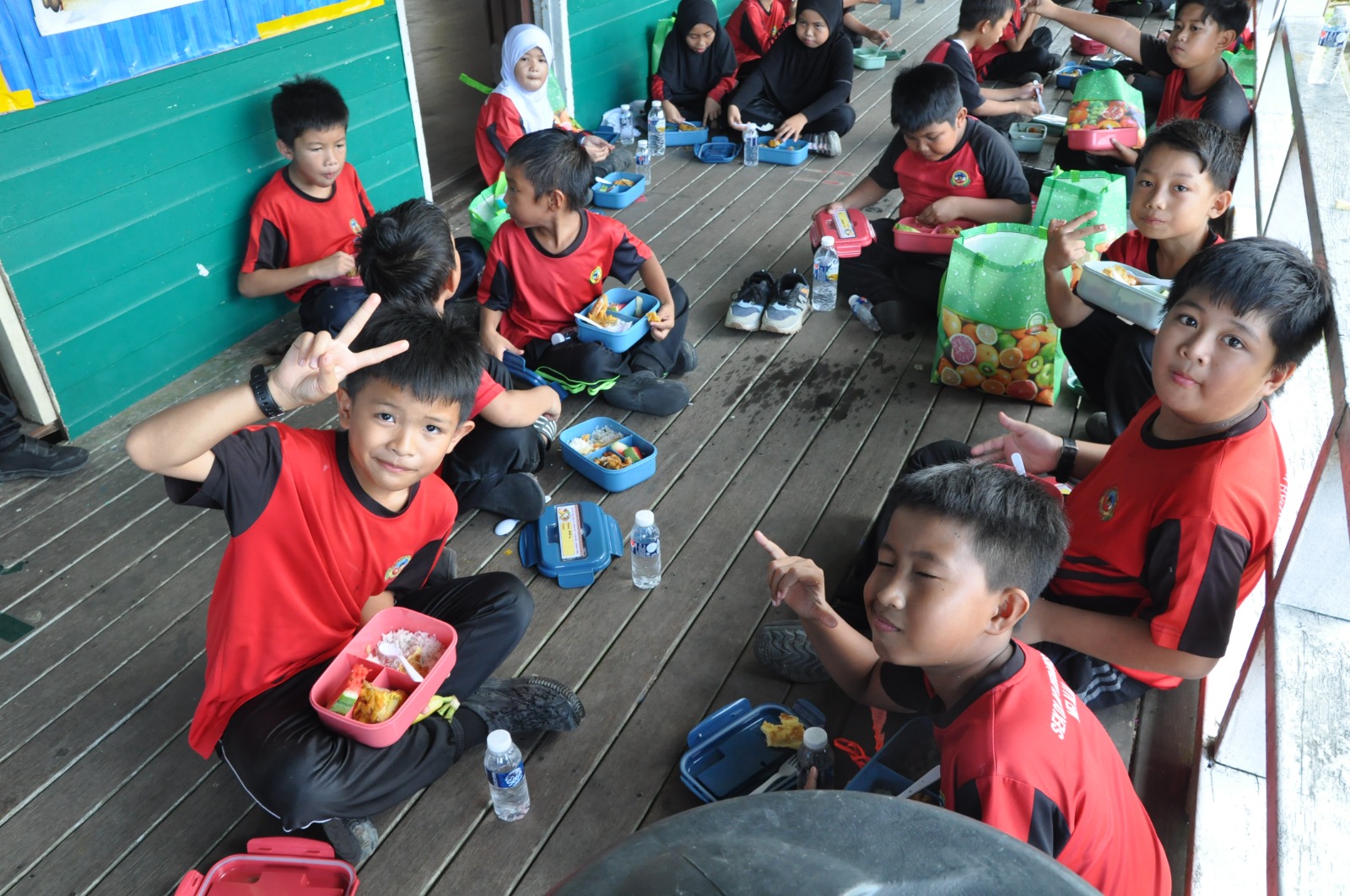
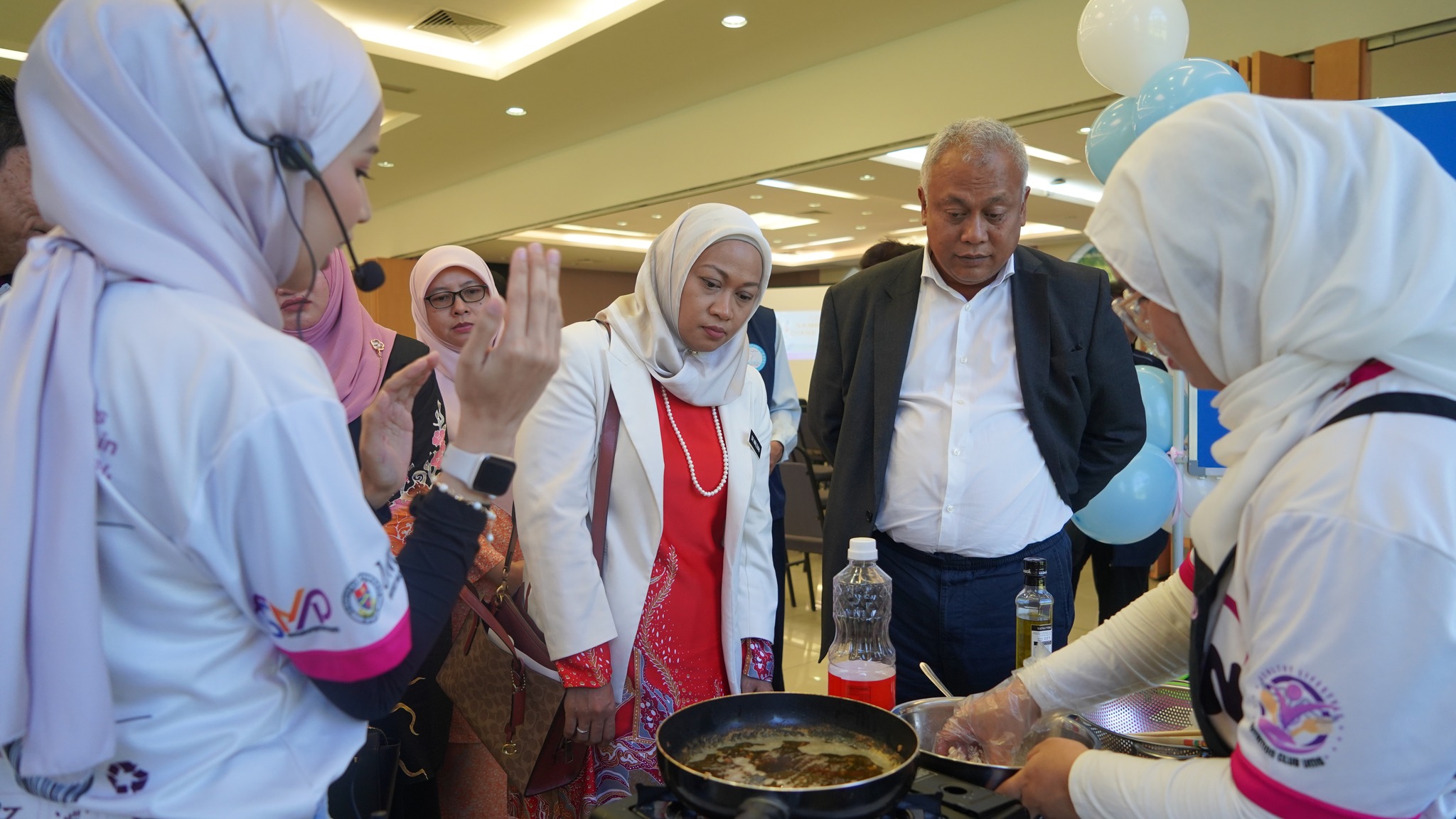
UMS does not only treat disease; it teaches people how to live well. Through Program Jelajah Sembang Diet (JESDIET) in places like Kg Mosolog (Kota Marudu) and Kg Tondulu (Tambunan), communities learn that “pemakanan sihat untuk semua” is possible even in B40 households. There is senamrobik at dawn, free health screening, talks on healthy eating, children’s sukaneka and even healthy cooking competitions where local ingredients are turned into nourishing meals. Free reading glasses are given out so that elders can read, sew and pray more comfortably.Read More At SK Melalia in Sipitang, postgraduate Master of Public Health students organised the “Sajian Sihat, Generasi Hebat” programme. Children walked the Amazing Nutri-Walk Challenge, stopping at stations on healthy food, physical activity, dental care and recycling. In one popular session, pupils learned to assemble bento boxes using the “suku-suku separuh” concept – small fingers carefully arranging rice, vegetables and protein in their containers. Outside, a hydroponic garden stood as a living reminder that healthy food can be grown in school grounds, harvested by children, and eaten at home.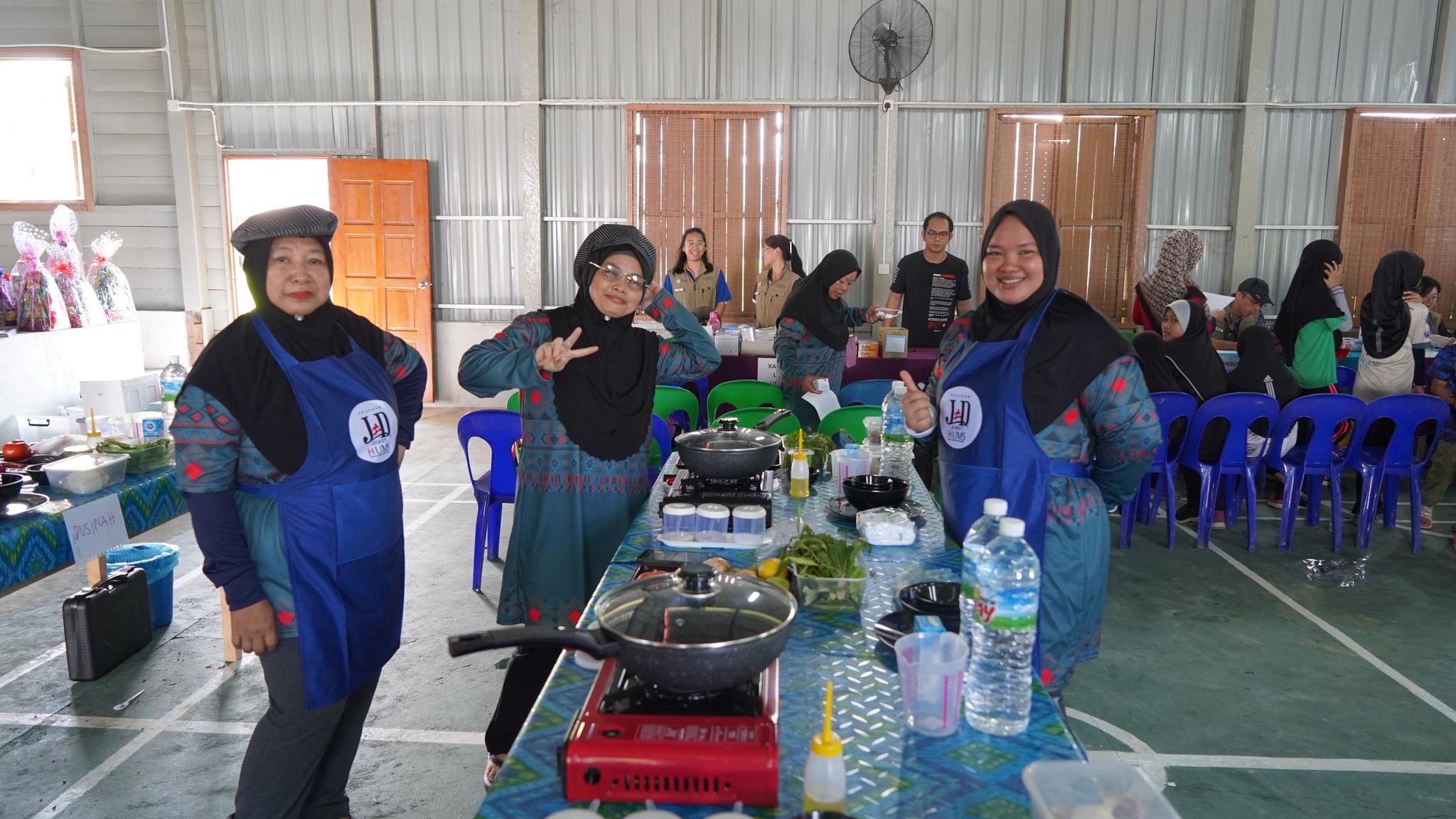
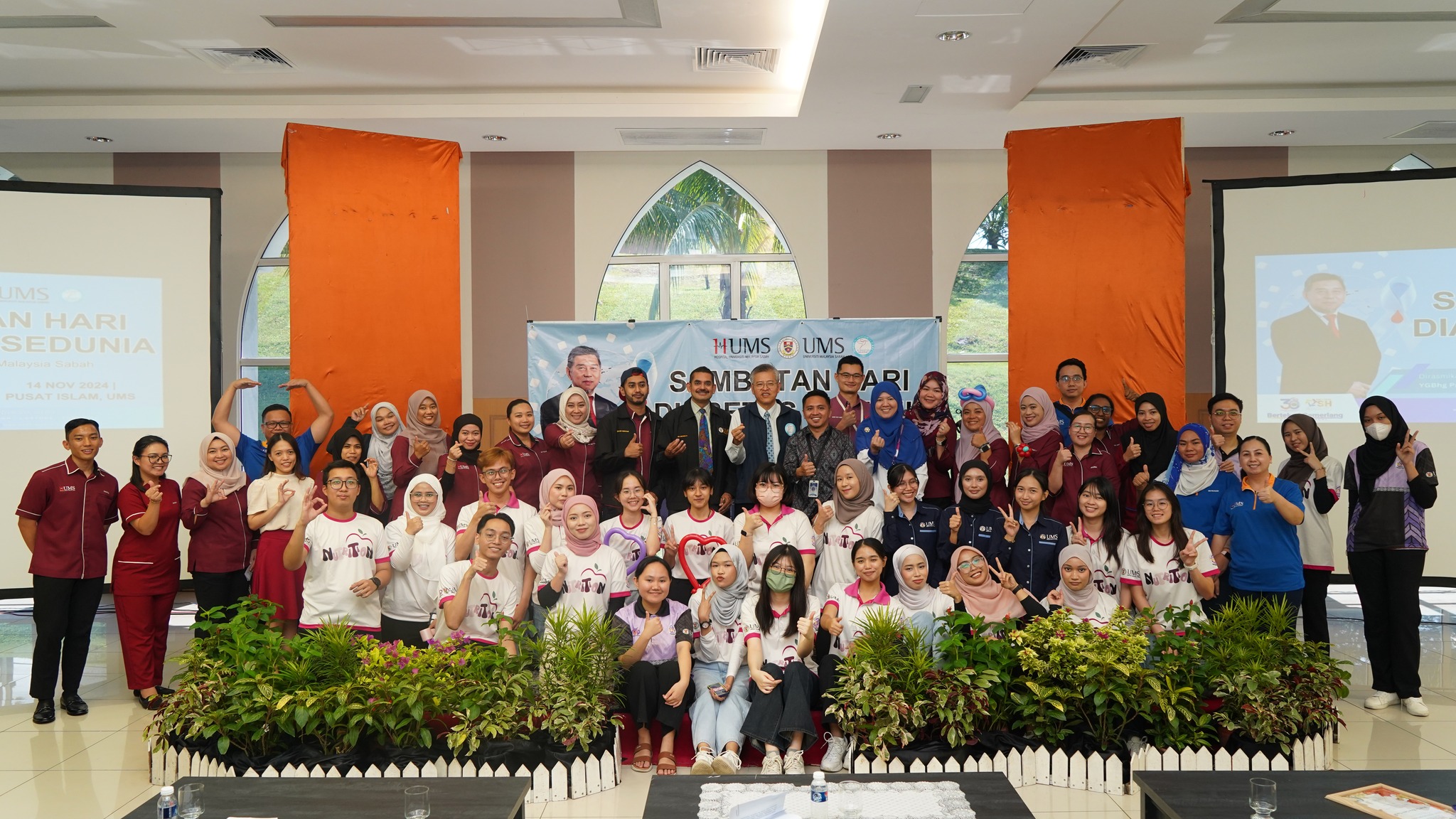
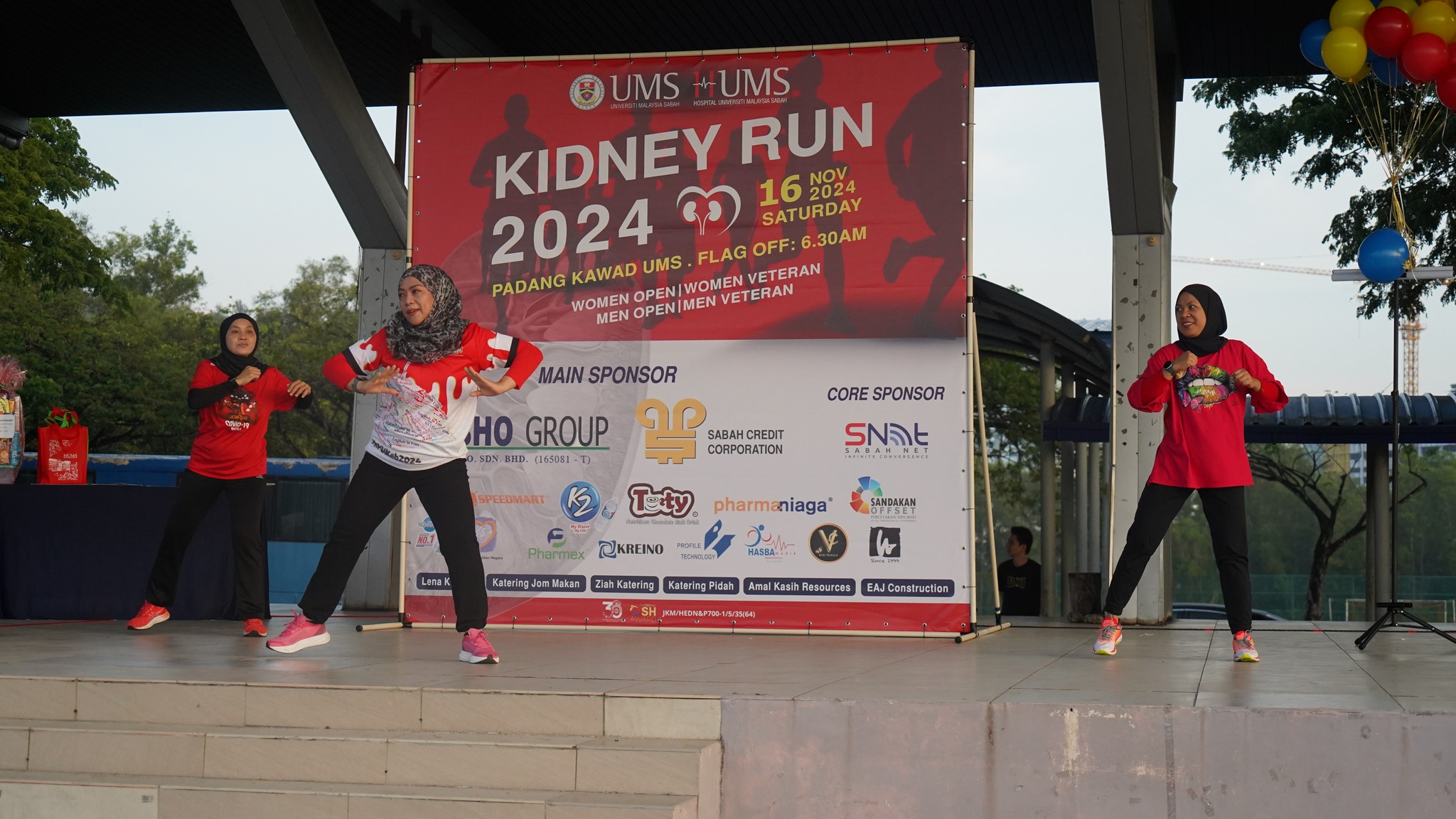
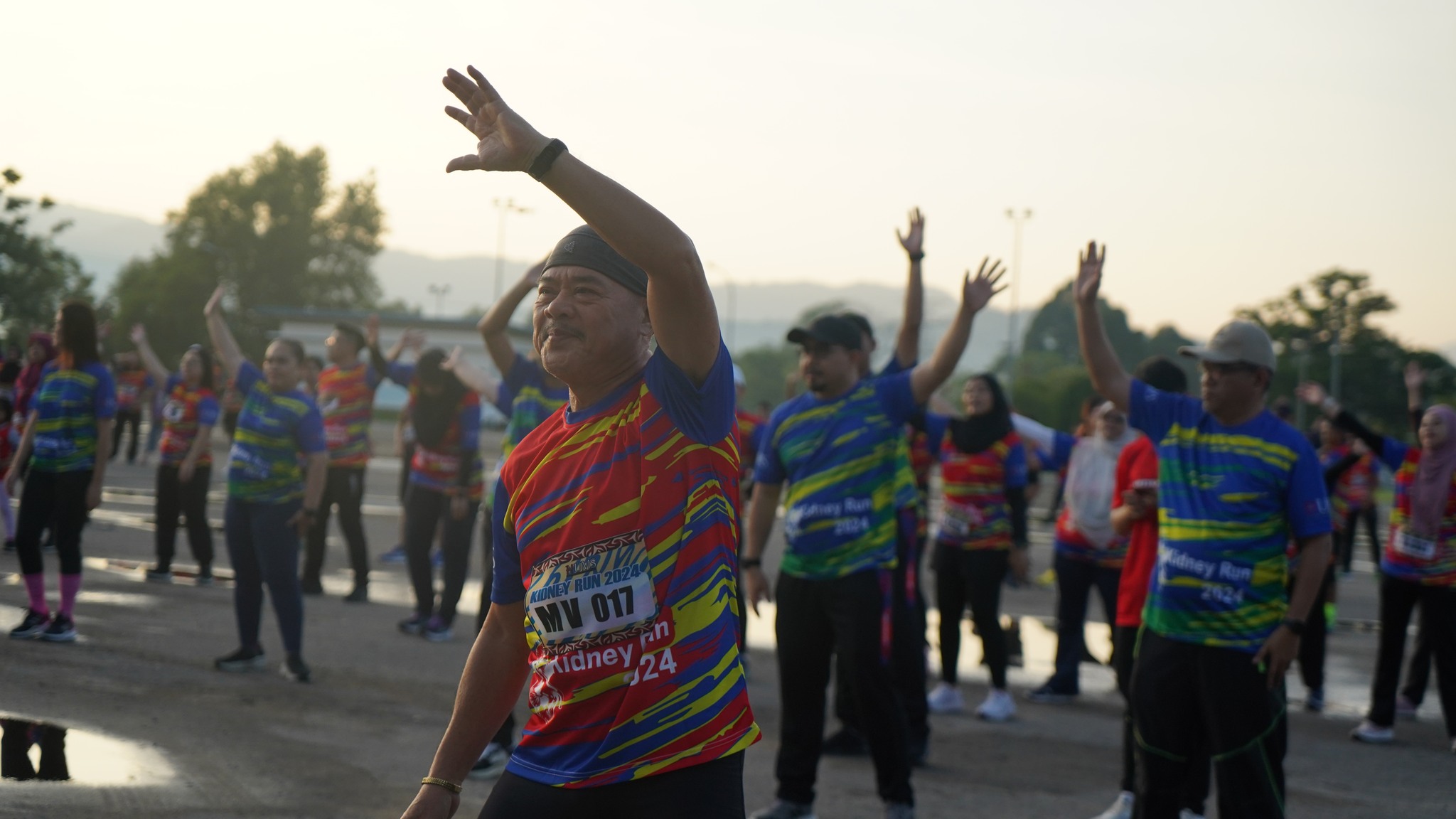
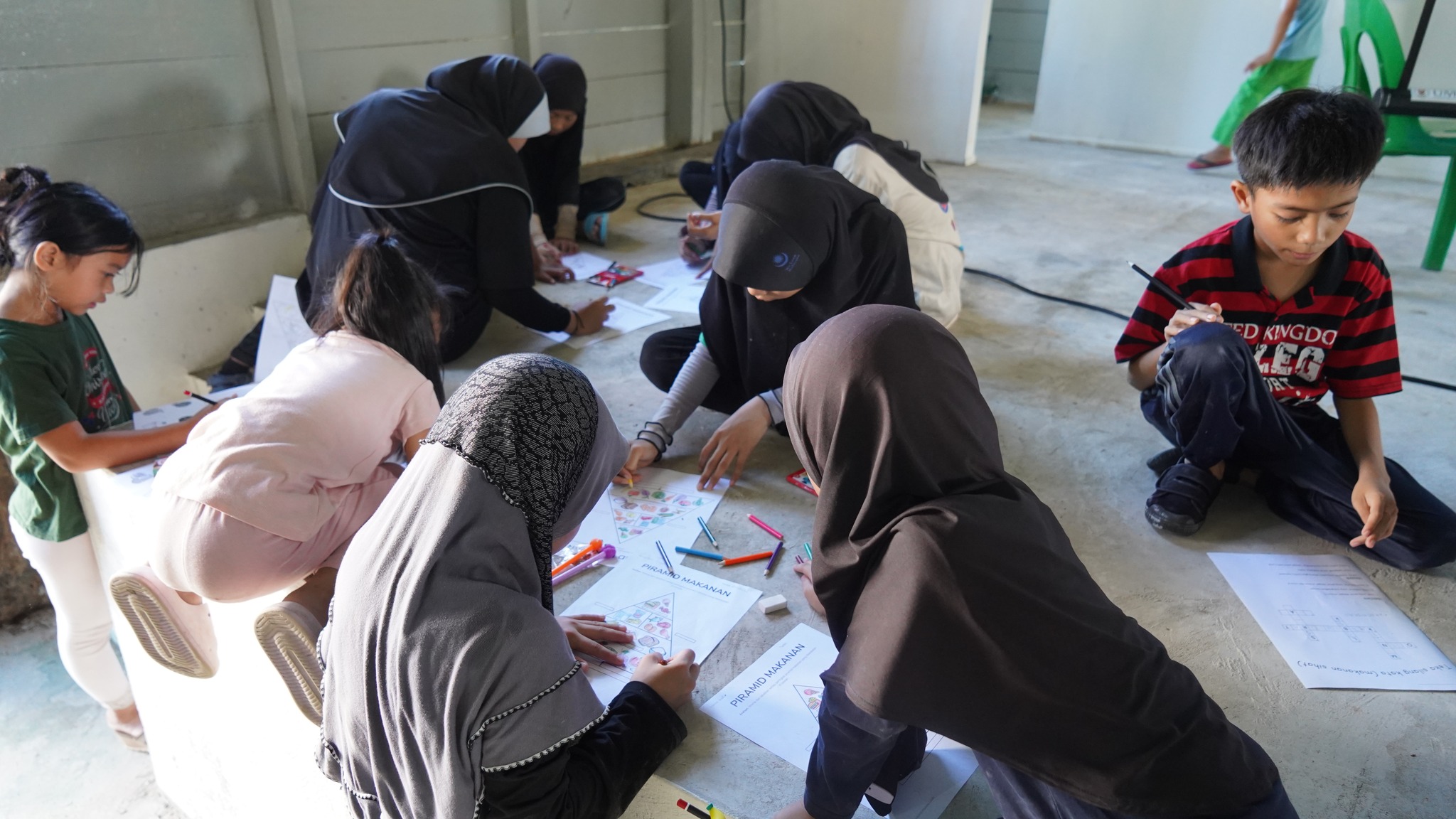 Read More UMS also speaks out on chronic disease. World Diabetes Day at UMS brought education and screening on sugar control and weight. Kidney Run 2024 turned movement into advocacy, reminding participants that every step is a step away from renal disease. At the CSR & Family Day of the UMS–YKN Dialysis Centre, patients and families came together for health talks, screenings and sukaneka – discovering that even in the shadow of chronic illness, there is still room for laughter, community and hope.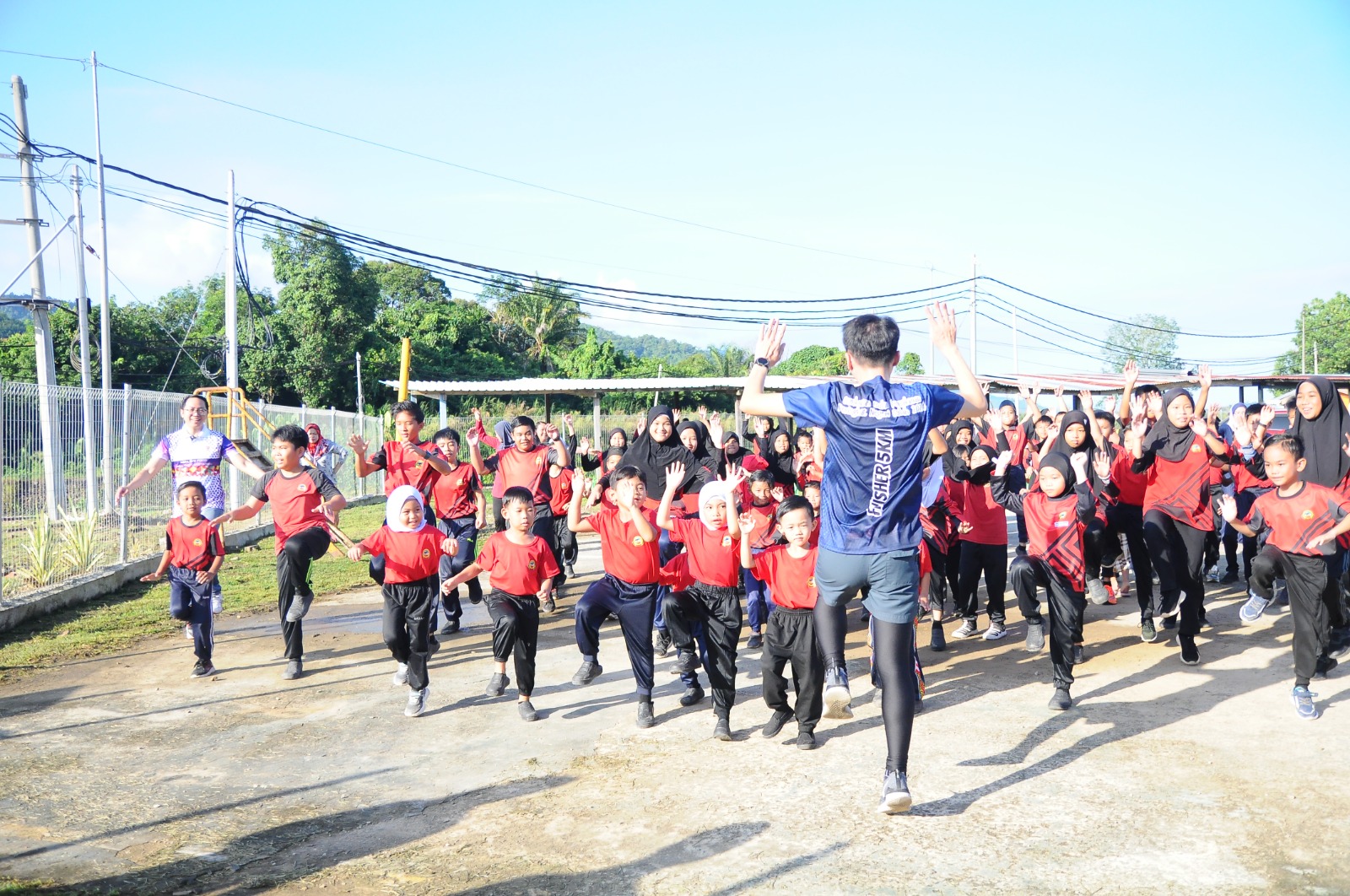
 Read More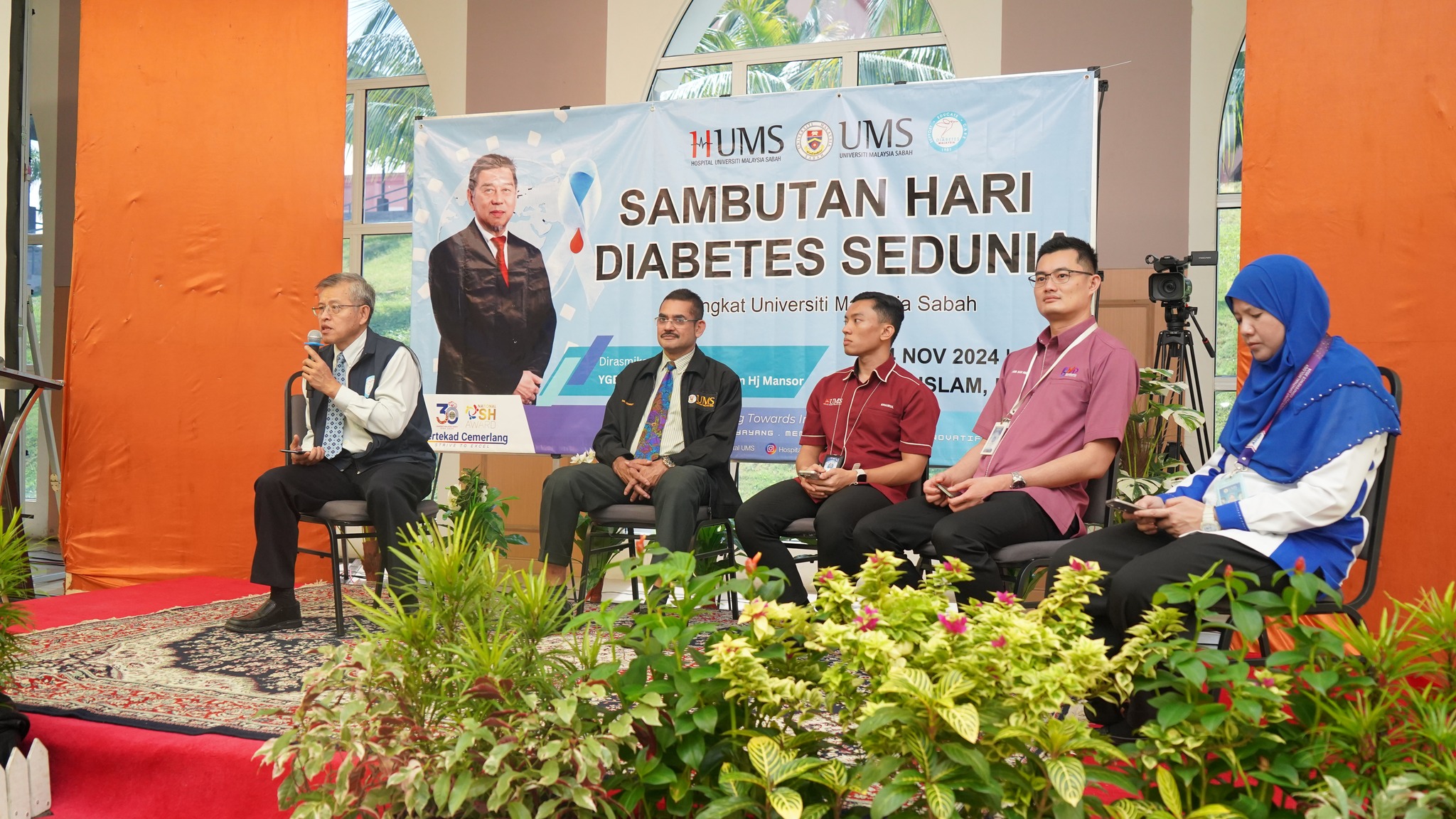
 Read More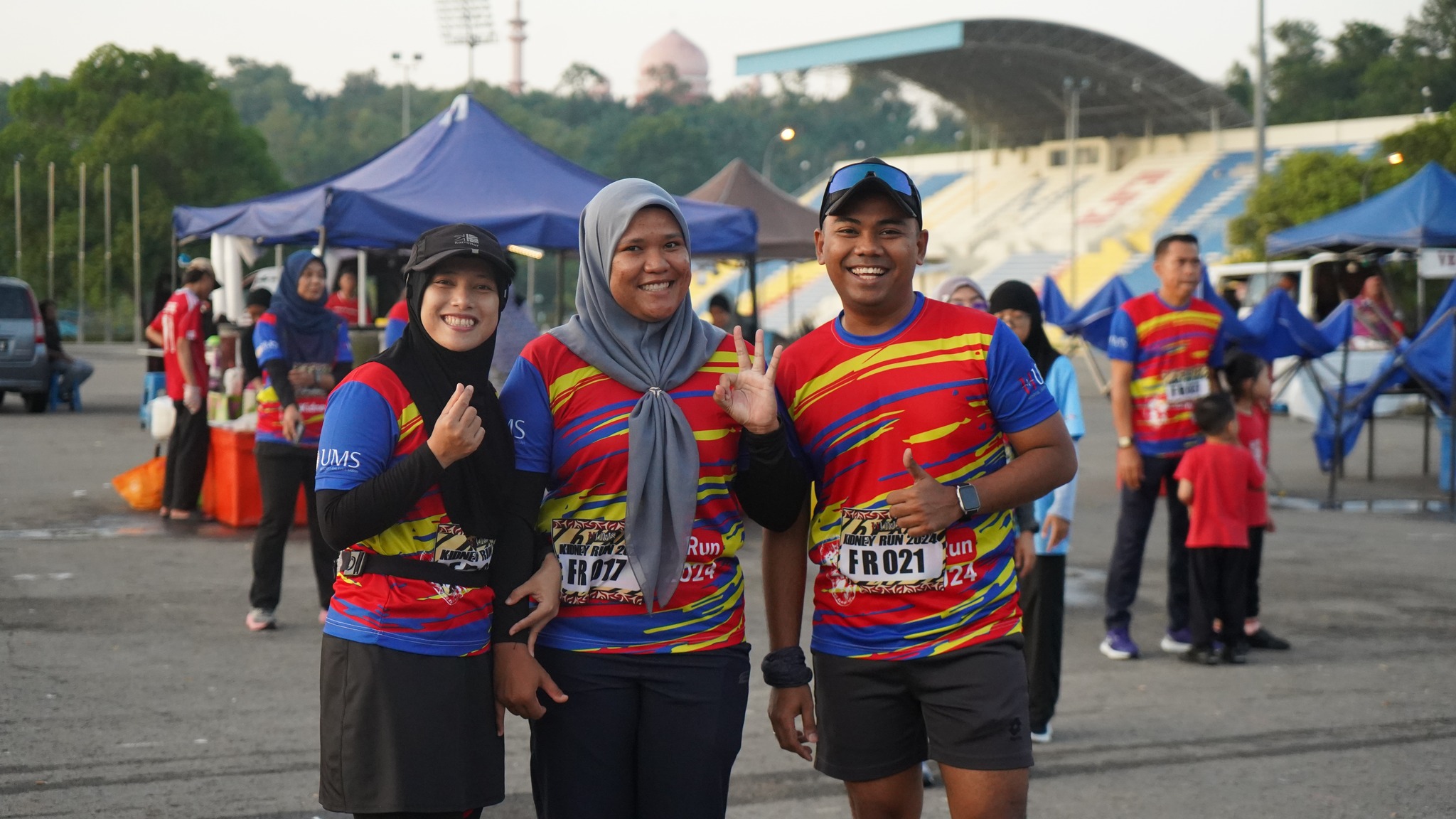
Hygiene, WASH and the Invisible Battles
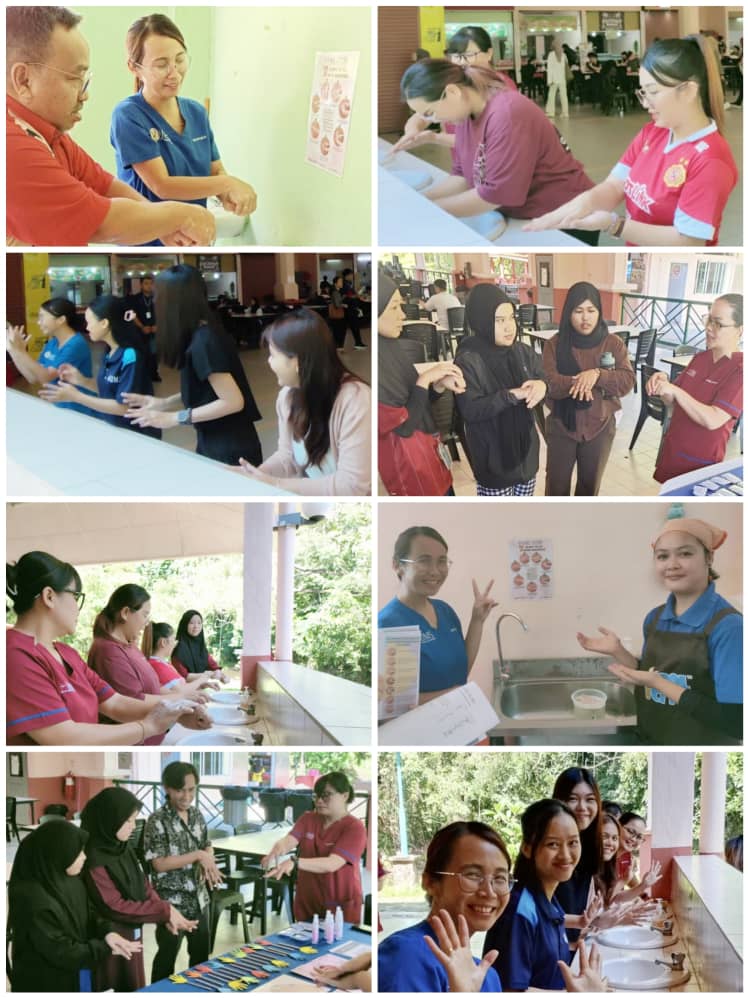
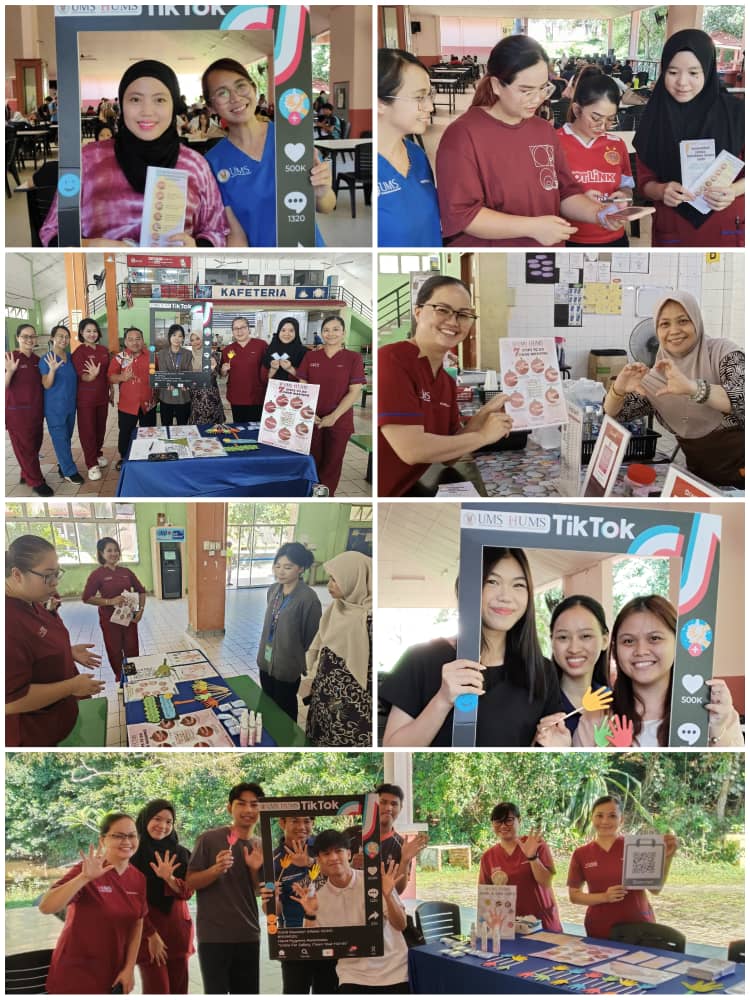
Behind every clean pair of hands is an invisible shield against disease. The HUMS Infection Control Unit took “Global Handwashing Day 2024” on the road, visiting UMS residential colleges to show students that something as simple as sabun dan air can protect entire communities.Read More At SK Bawang, Tamparuli, the AMR–WASH programme by the One Health Student Club helped rural children understand how hygiene and sanitation link to antimicrobial resistance. Through games and interactive sessions, they learned that every time we wash our hands properly or avoid misusing antibiotics, we help protect the future.
Read More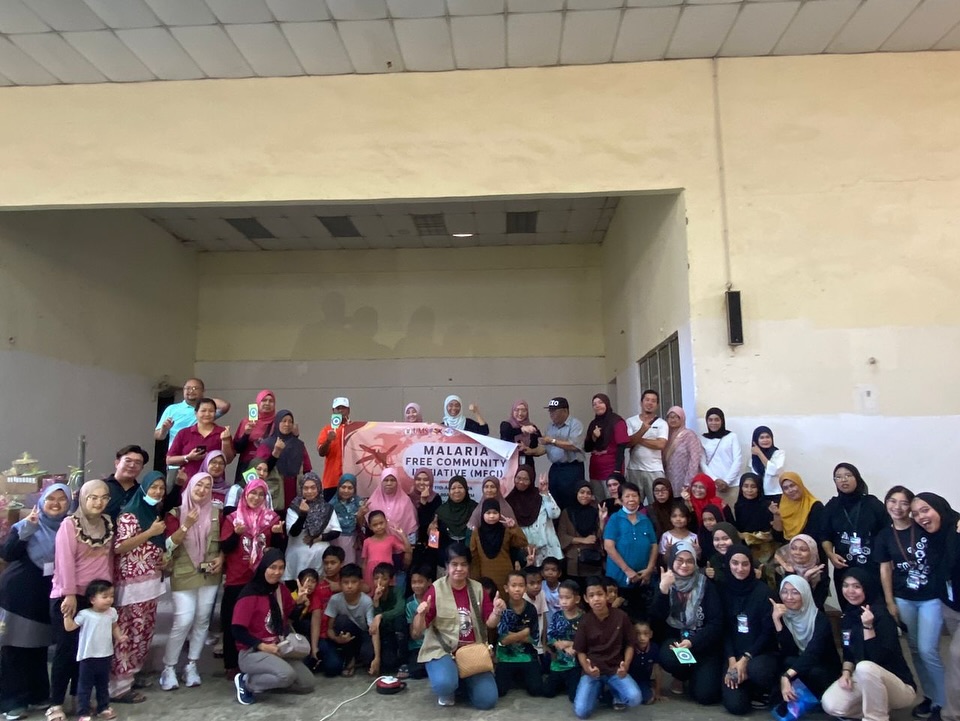
Body, mind and spirit: caring for the whole person
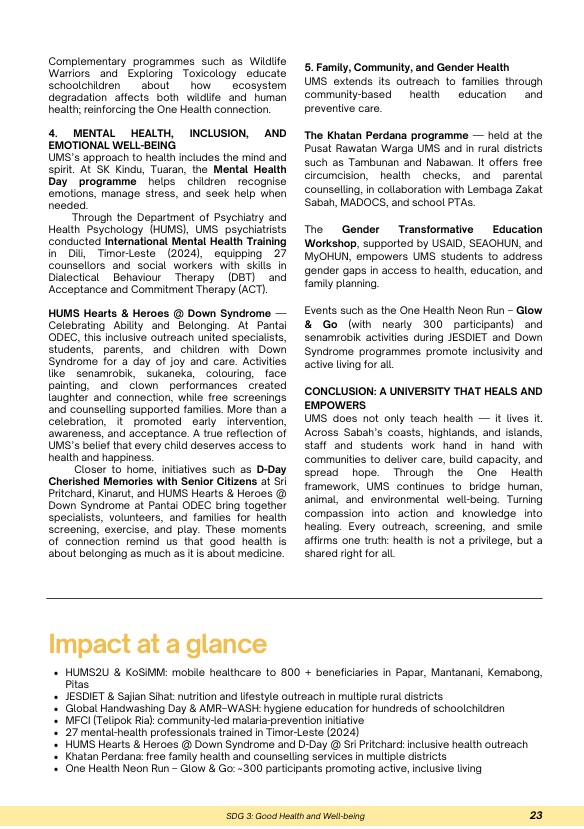
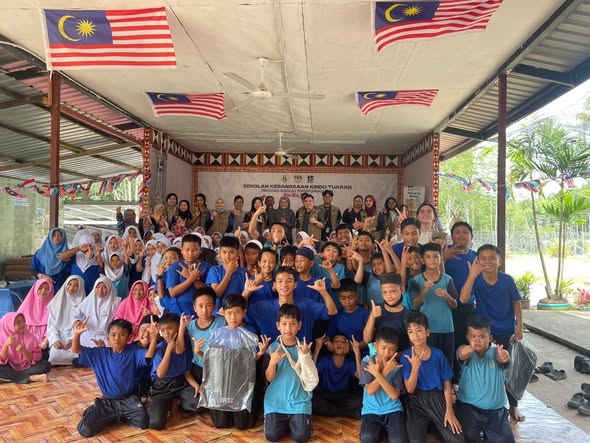
Health at UMS is also about minds and hearts. At SK Kindu, Tuaran, a Mental Health Day programme taught children to recognise emotions, stress and ways to seek help. At an orphanage in Lok Kawi, a school holiday camp blended learning, play and care for asnaf and orphaned children, reminding them that they are seen and valued.Read More Through the Department of Psychiatry & Health Psychology, HUMS went even further – across the sea to Dili, Timor-Leste. There, two psychiatrists from HUMS trained 27 counsellors, psychologists and social workers in Dialectical Behavioural Therapy (DBT) and Acceptance and Commitment Therapy (ACT), with a year of follow-up supervision. The expertise built in Kota Kinabalu is now helping another nation confront suicide, trauma and addiction. This is UMS as a health partner not just for Sabah, but for the region.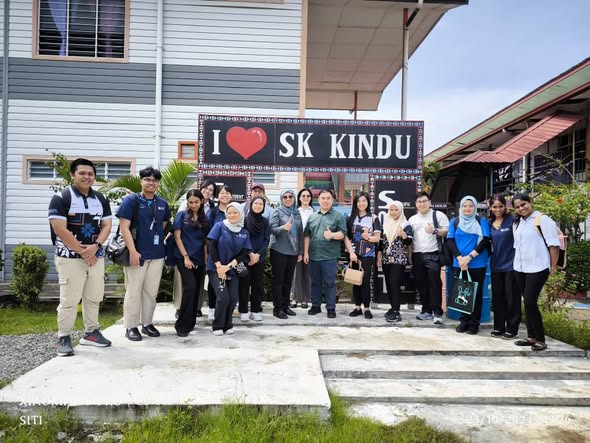
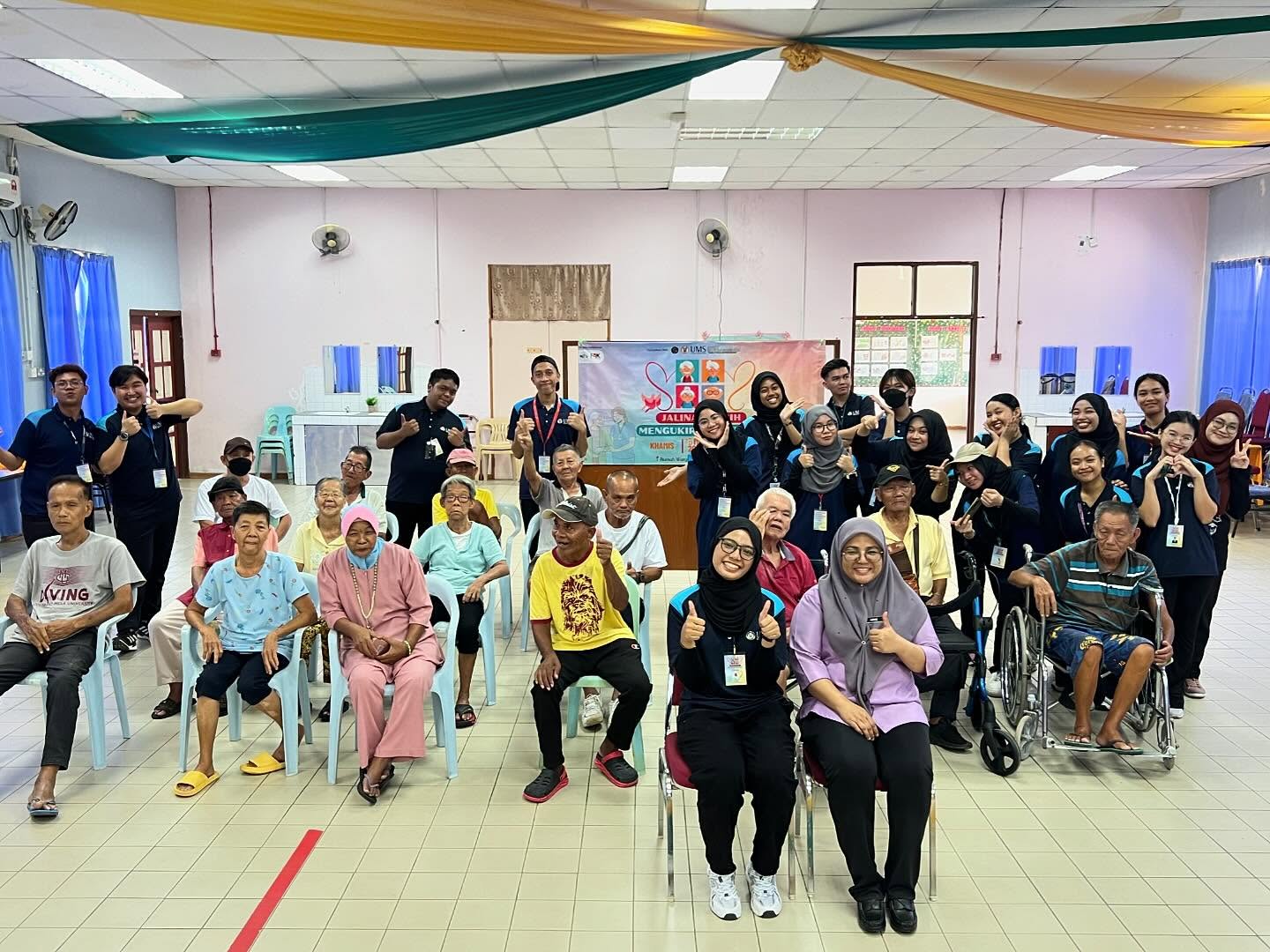
 Read More Closer to home, the One Health Student Club: Cherished Memories with Senior Citizens at Sri Pritchard, Kinarut, brought screenings, tree planting and quiet conversations by the pond. Students sat with the elderly to listen to stories, hold hands, and remind them that ageing should come with dignity, not loneliness.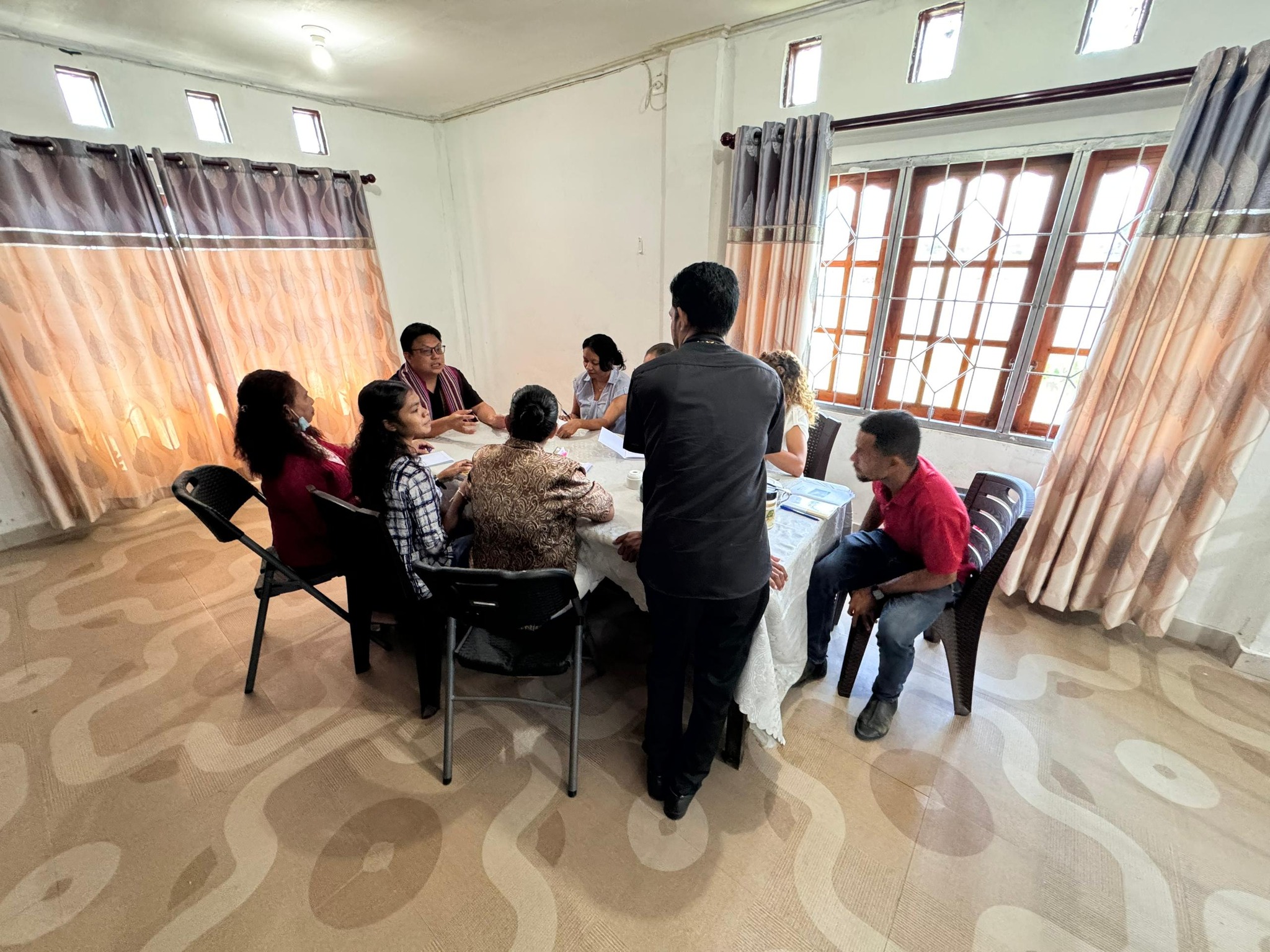
 Read More For families with children with Down Syndrome, “HUMS Hearts & Heroes @ Down Syndrome” at Pantai ODEC offered senamrobik, sukaneka, clowns, face painting, and health promotion tailored to their needs. For a few hours, medical specialists, volunteers, parents and children became one joyful, supportive community on the sand.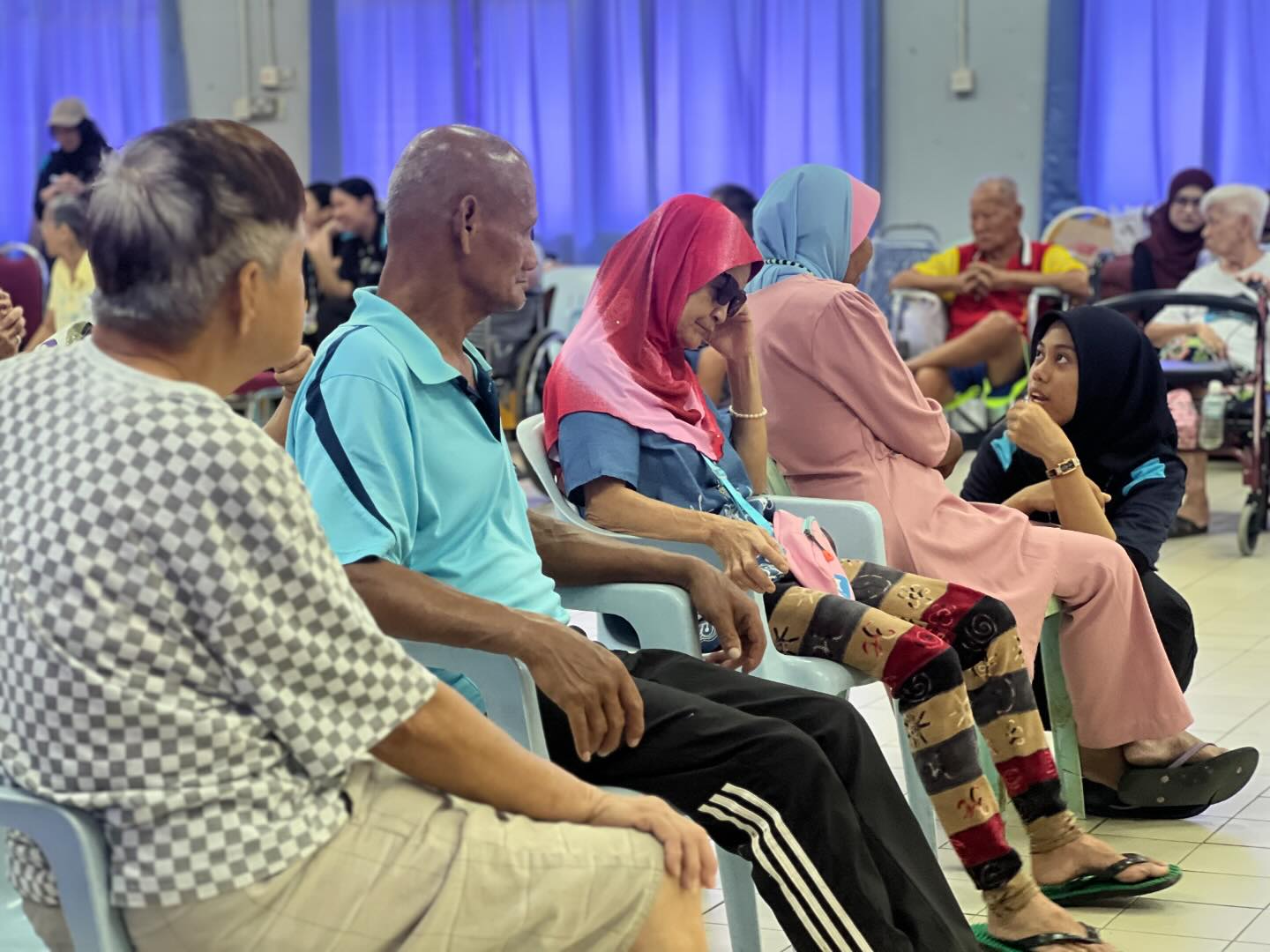
 Read More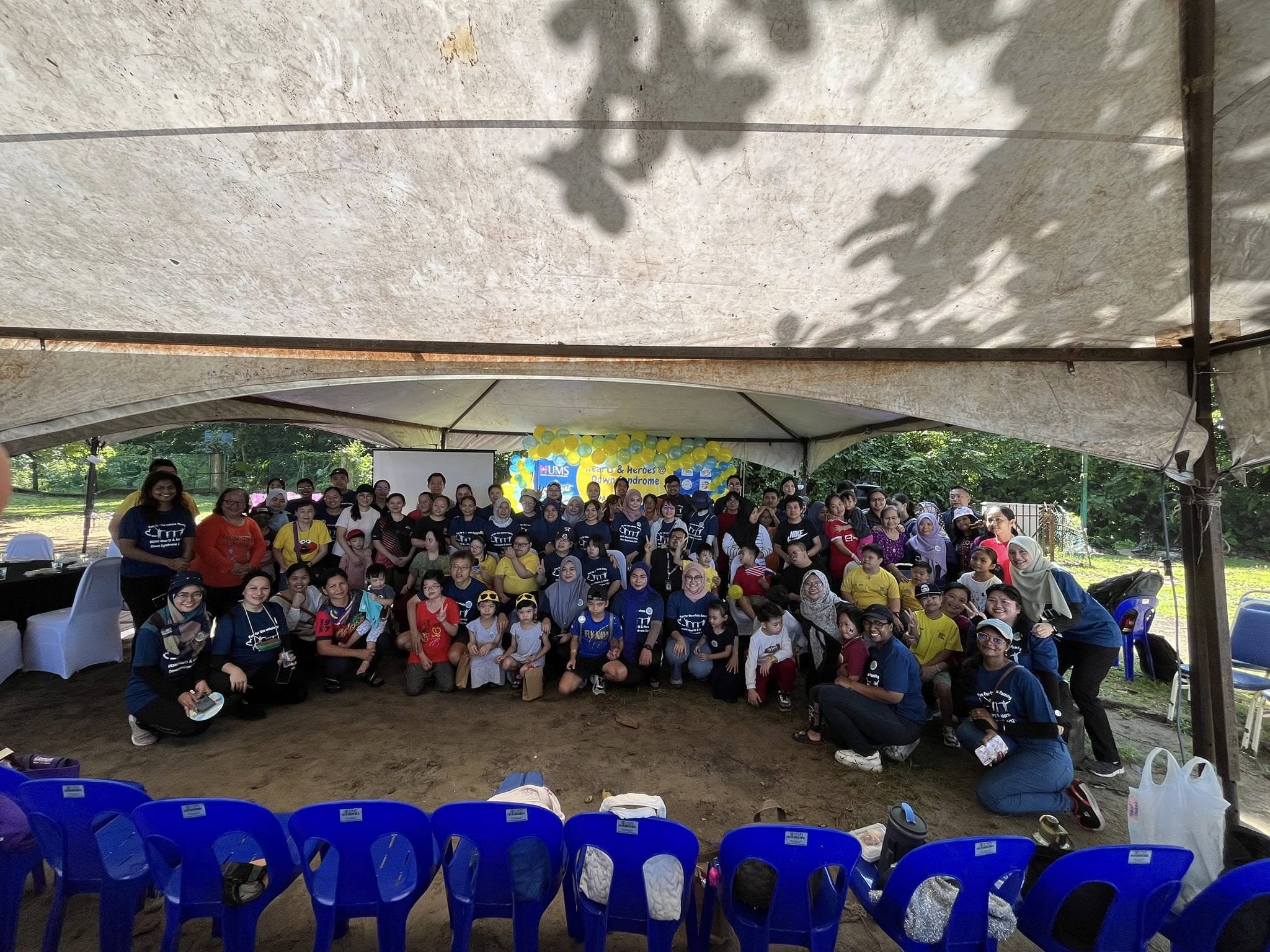
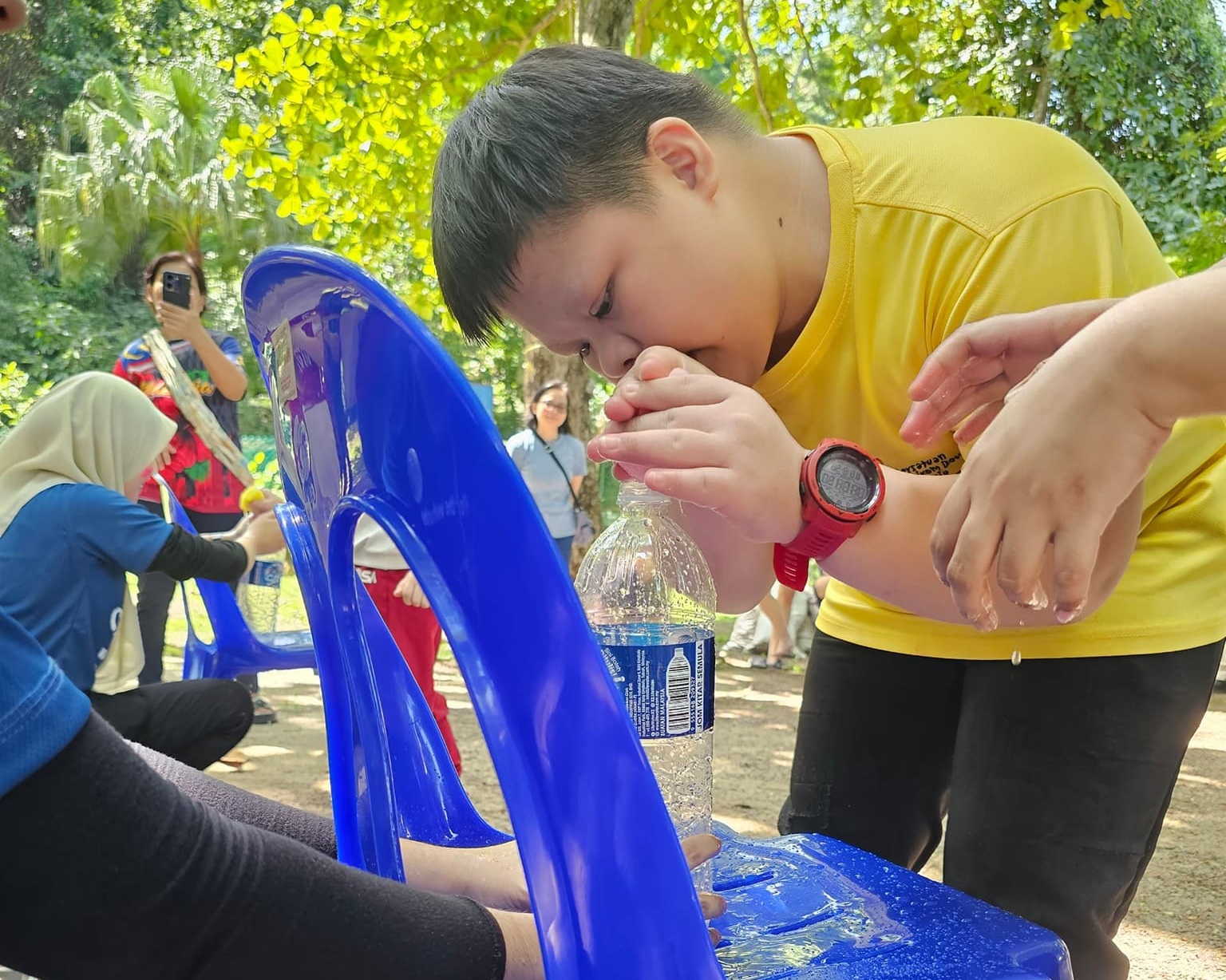
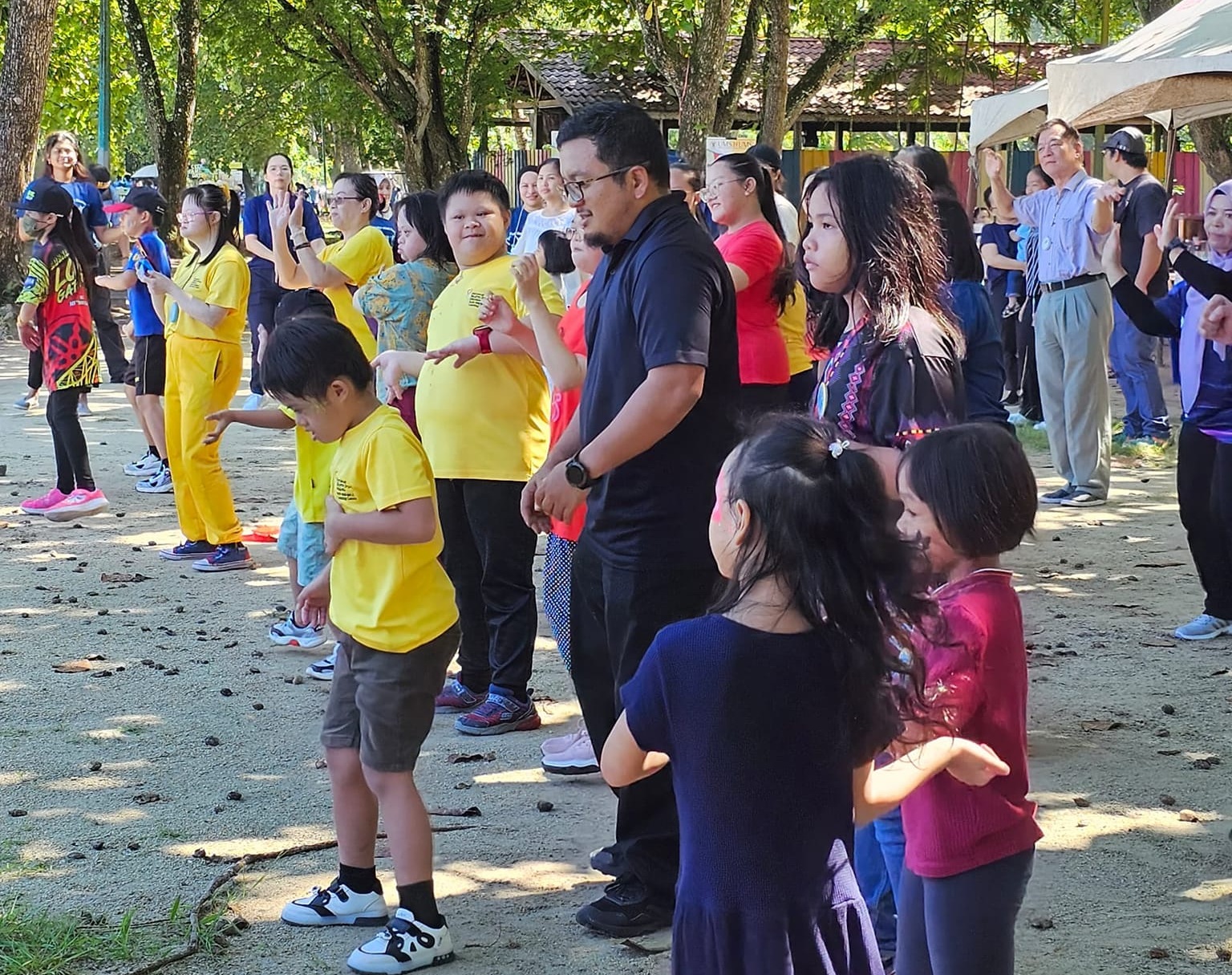
Families, Children and the Promise of a Safer Future
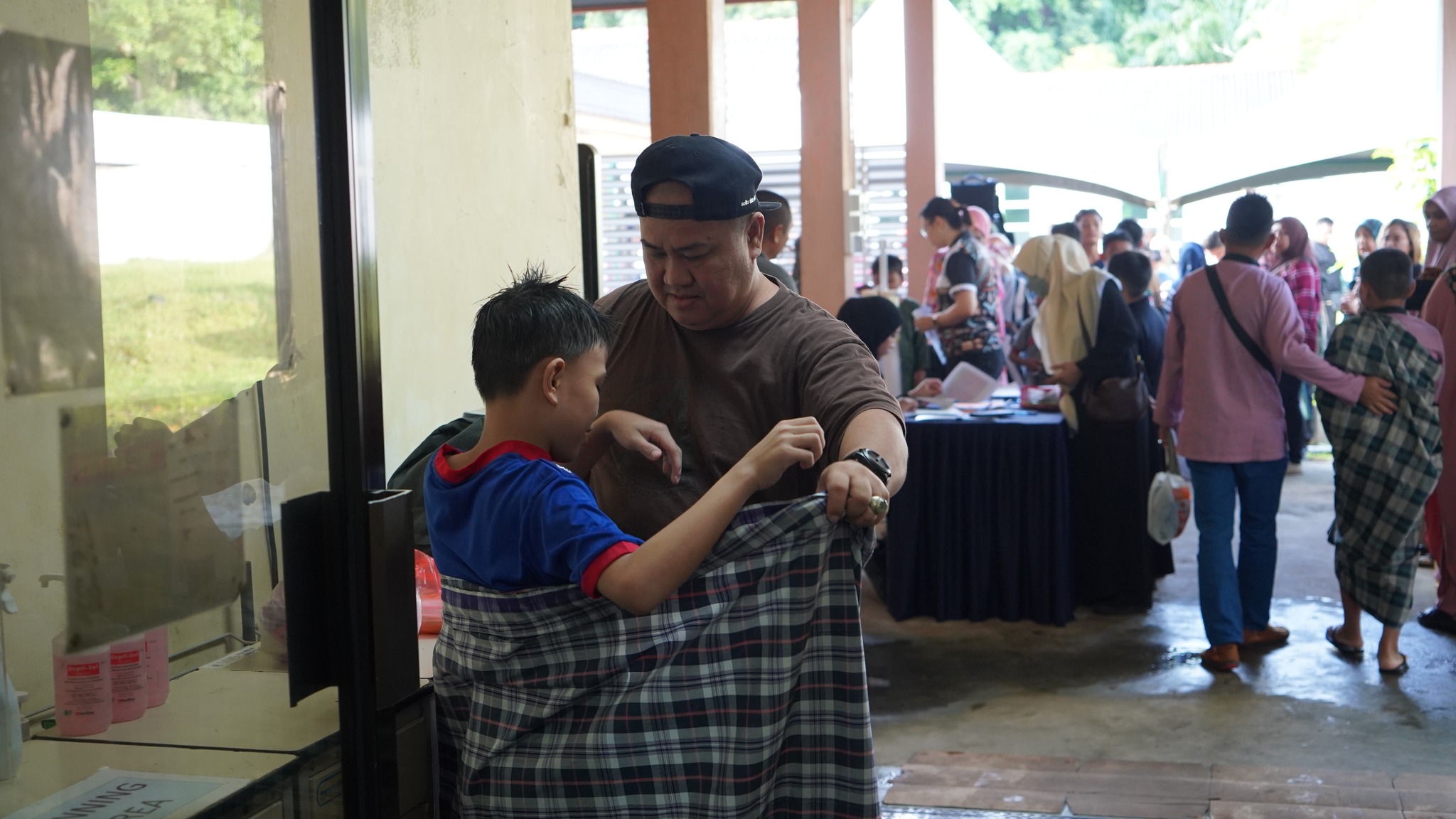
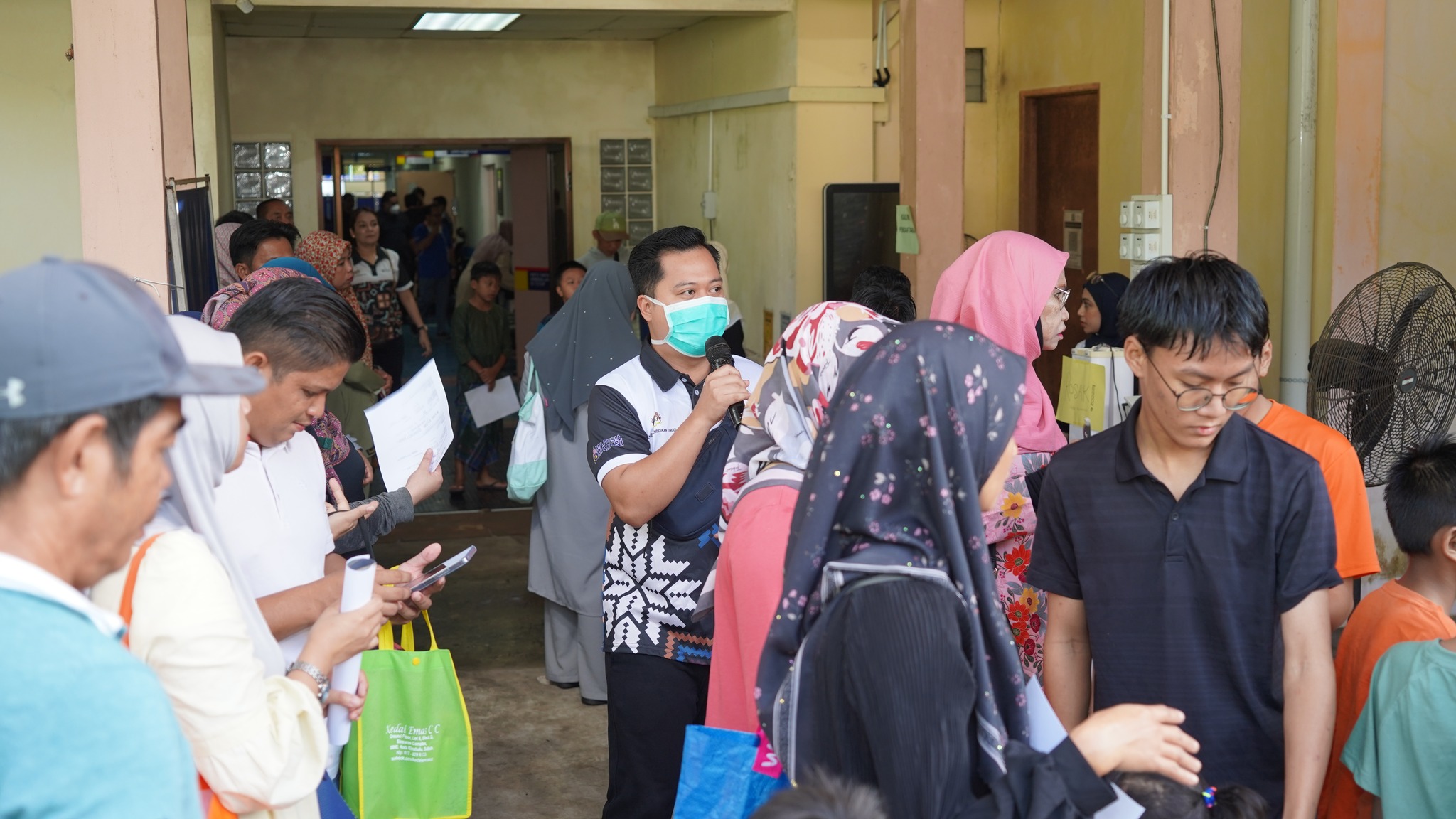
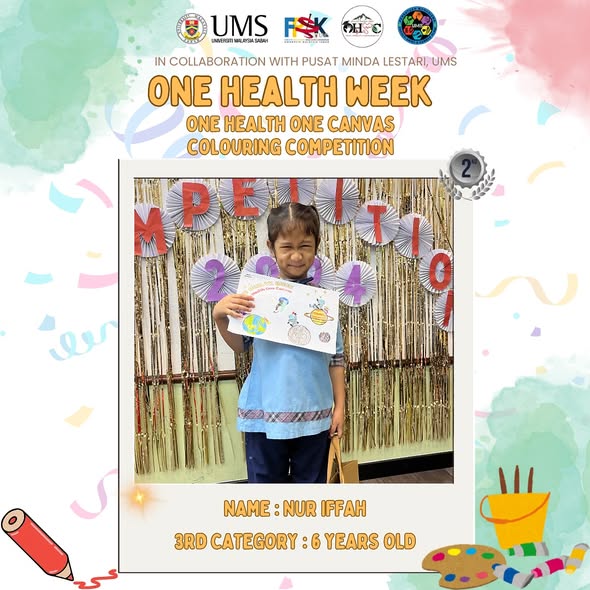
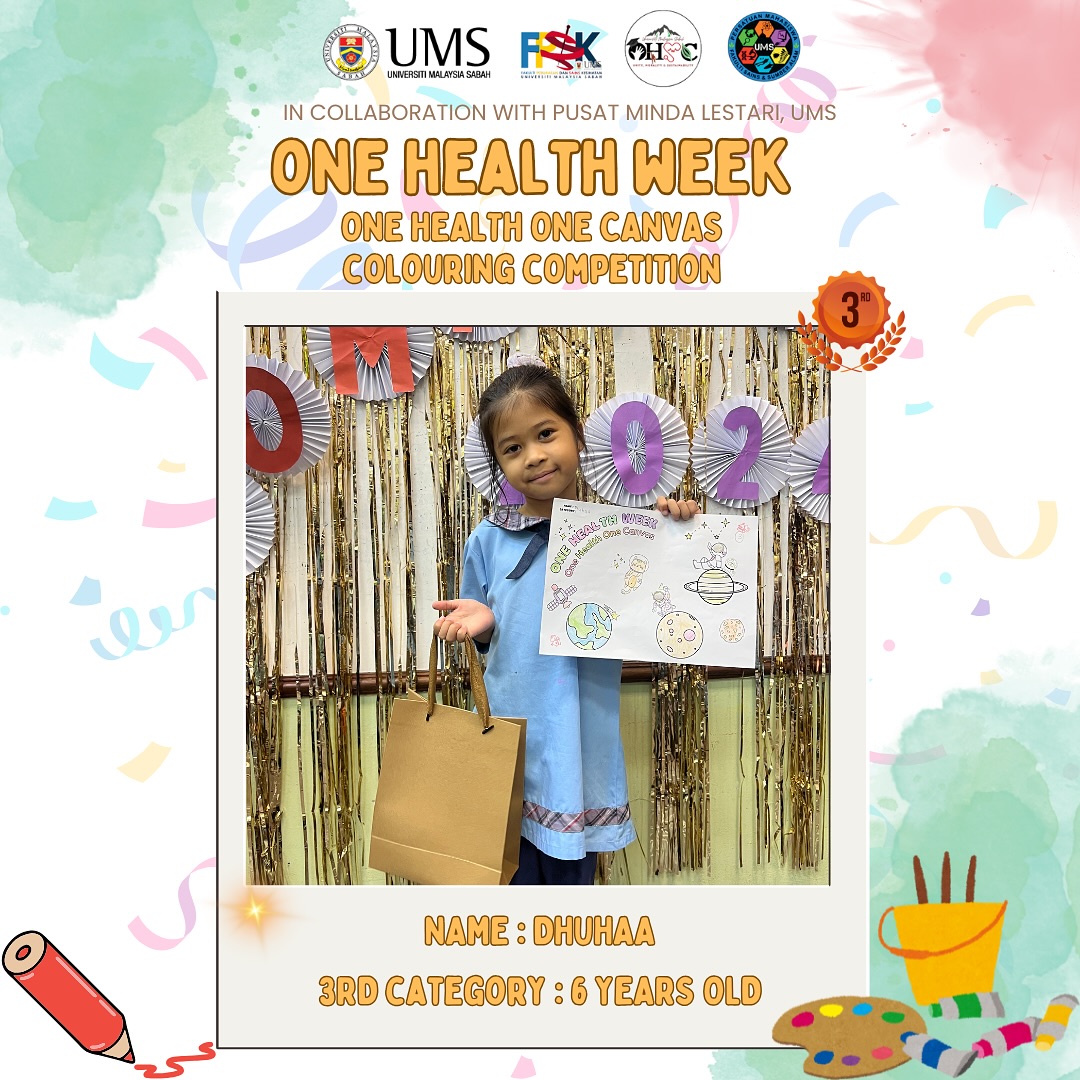
Through Khatan Perdana programmes – both at the Pusat Rawatan Warga UMS and in rural districts like Tambunan and Nabawan – UMS provides free circumcision, screenings and parental counselling on hygiene and reproductive health. Supported by partners such as MADOCS, Lembaga Zakat Sabah, schools and PTAs, these events ease the financial burden on families and provide care that meets both medical and cultural needs. The Gender Transformative Education Workshop attended by UMS students, with the support of USAID, SEAOHUN and MyOHUN, equips young leaders to challenge gender inequalities in access to health, education and family planning. These students carry what they learn into kampung programmes, school activities and future professions.Read More And through it all, children remain at the centre: in colouring contests during One Health Week, in geometry challenges on an island jetty, in happy chaos at sukaneka, in careful steps during a Neon Run, and in the quiet awe of visiting a hospital for the first time.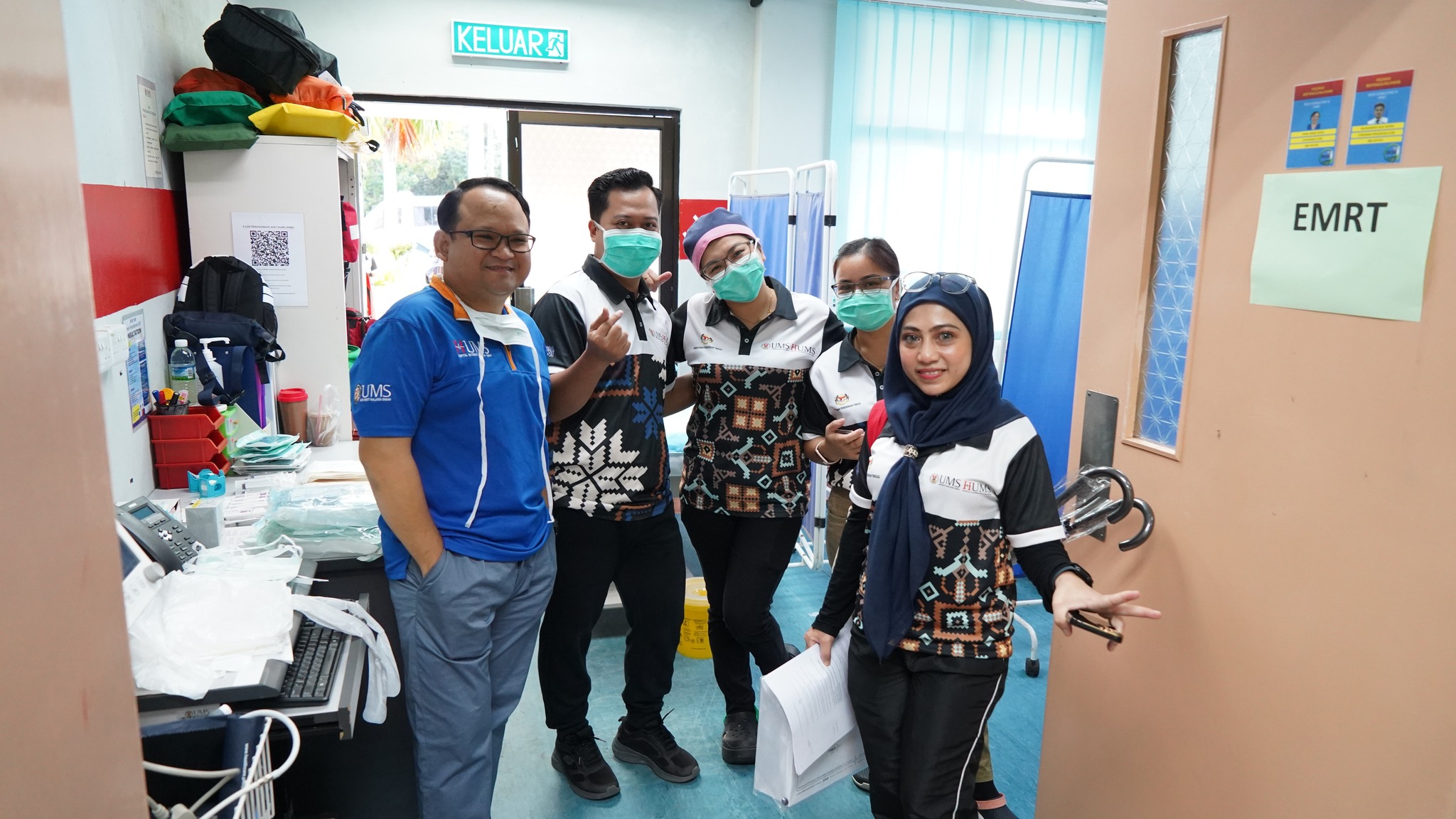
 Read More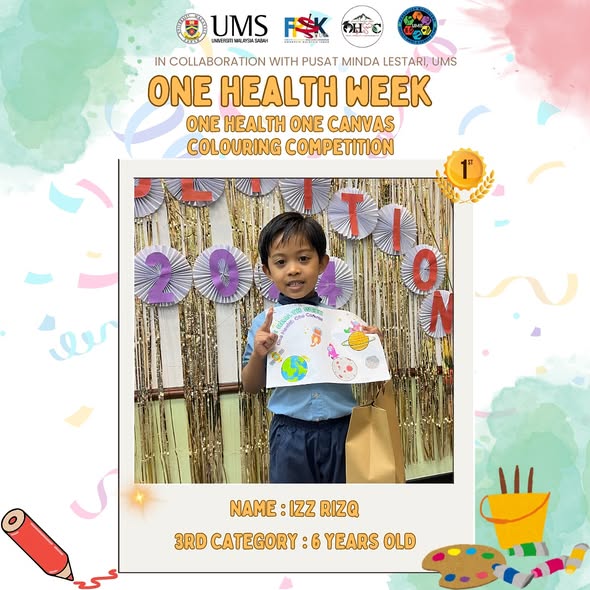
Moving, Running, Glowing Together
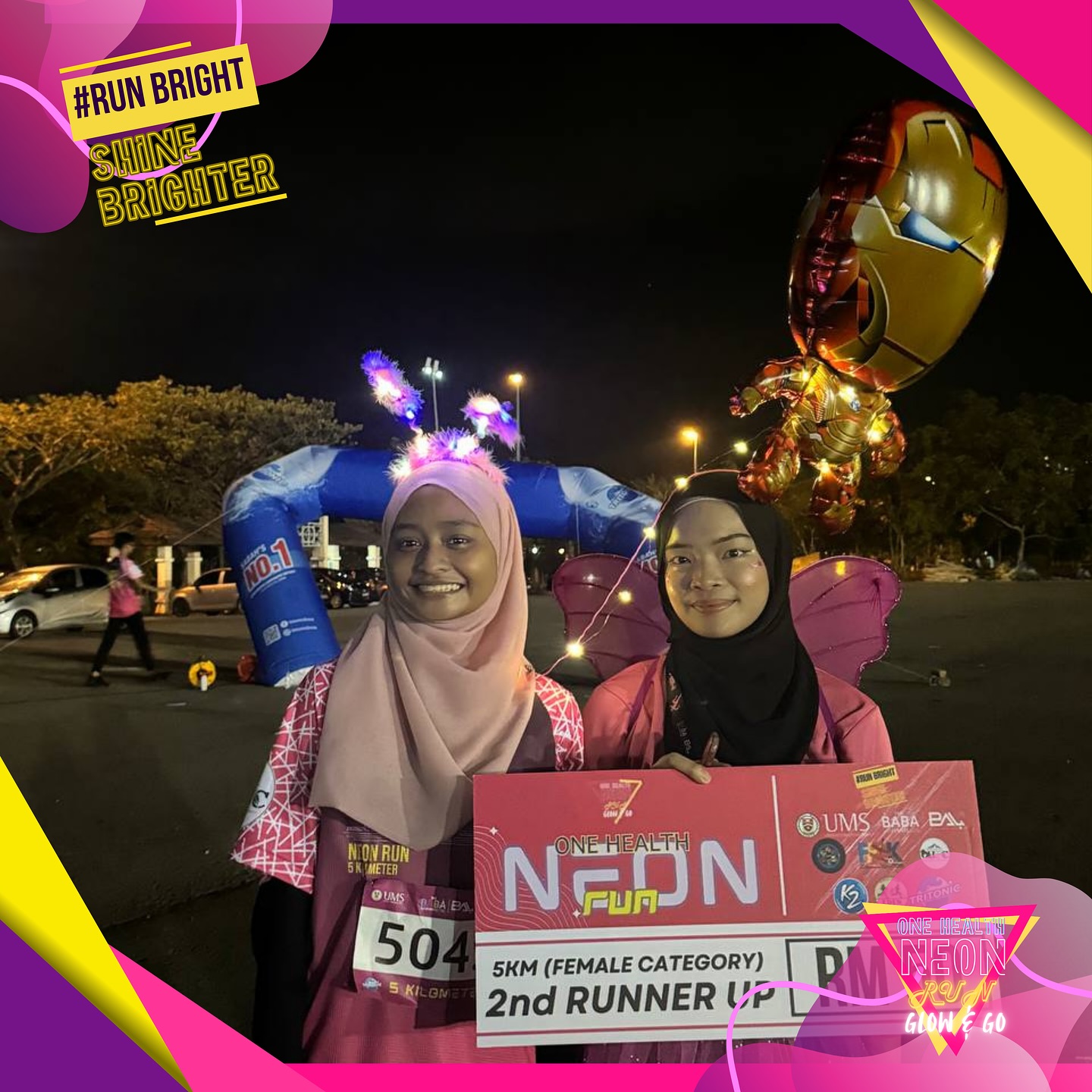
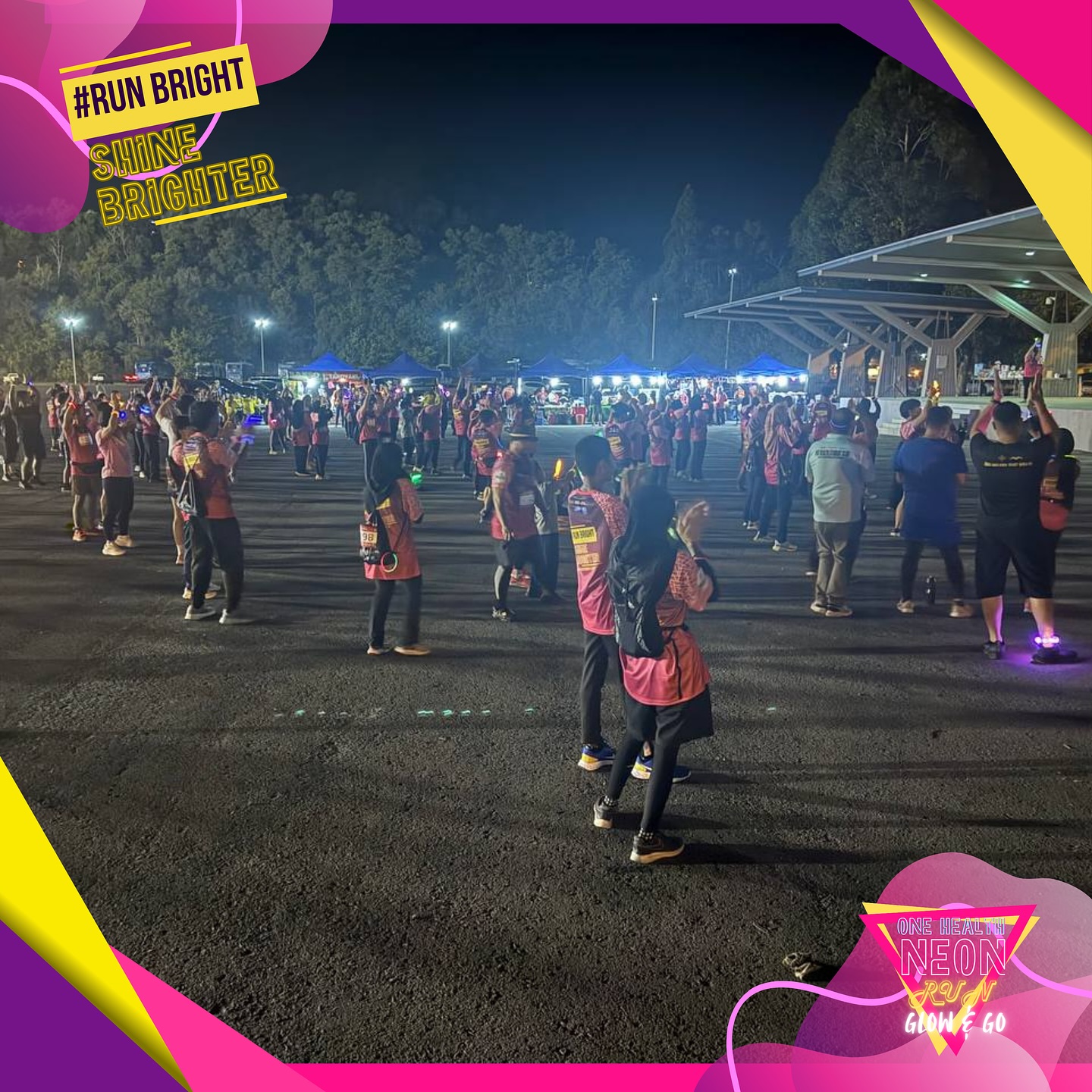
UMS weaves physical activity into the fabric of its health outreach. The One Health Neon Run – Glow & Go brought around 300 participants onto the UMS campus at night for a 5km neon-lit run – a celebration of movement, colour and community spirit. Kidney Run, senamrobik sessions in JESDIET and Down Syndrome events, Nutri-Walk challenges and sukaneka at dialysis family days – all these moments send a simple message: our bodies were made to move, and movement is medicine.Read More
A University that Holds Many Hands at Once
When you stand back and look at all these efforts together – HUMS2U, KoSiMM, JESDIET, Khatan Perdana, mental health programmes, AMR-WASH, Neon Run, dialysis family days, Down Syndrome outreach, senior citizen visits, orphanage camps, international training in Timor-Leste – a picture becomes very clear: UMS does not only teach health; it walks into kampungs, schools, islands, hospitals and homes to live it. Students, clinicians, lecturers, NGOs and government agencies serve side by side. Children learn to wash their hands, elders get their blood pressure checked, parents learn about healthy cooking and family planning, teachers learn how to respond in an emergency, and communities begin to see health not as a privilege, but as a shared right.UMS Mobile Clinics – Bringing Healthcare to the Community
Across Sabah’s winding roads, river crossings, and coastal villages, the Universiti Malaysia Sabah (UMS) Mobile Clinic Bus and Van stand as powerful symbols of hope and humanity. Operated by the Hospital Universiti Malaysia Sabah (HUMS) under the KPT Prihatin Komuniti Sejahtera Initiative, these mobile units bring essential healthcare to remote areas where hospitals are distant and transportation is limited. Each visit transforms healthcare from a distant service into a reachable promise. Equipped with medical, dental, and pharmacy facilities, the UMS Mobile Clinics deliver comprehensive services including general health screening, vaccination, minor treatment, and medication dispensing. Trained medical officers, pharmacists, nurses, and student volunteers work hand-in-hand to provide consultation, preventive care, and health education directly at the community level. Beyond treatment, the clinics foster awareness about hygiene, nutrition, maternal care, mental health, and chronic disease prevention—empowering individuals to take charge of their well-being. More than just vehicles, these mobile clinics embody UMS’s mission to connect compassion with science. Their presence at kampungs, schools, and rural markets has brought relief to the elderly, guidance to mothers, and reassurance to children. Each journey is also an educational platform for UMS medical and nursing students to learn community-based care rooted in empathy, inclusivity, and cultural respect. Through this sustained outreach, UMS is redefining healthcare access in Sabah—bridging distances, uplifting communities, and restoring human dignity. The Mobile Clinics represent more than a service; they are the moving heart of UMS’s commitment to Sustainable Development Goal 3 – Good Health and Well-Being, ensuring that no one is left behind on the road to better health.UMS
Healing Communities, One Journey at a Time
Across Sabah’s rugged highlands, riverine villages, and coastal settlements, the Universiti Malaysia Sabah (UMS) Mobile Clinic Bus and Van travel miles to bring healthcare, compassion, and connection to those who need it most. Operated by the Hospital Universiti Malaysia Sabah (HUMS) under the KPT Prihatin Komuniti Sejahtera Initiative, this moving clinic is more than a vehicle — it is a lifeline that bridges the distance between universities and communities, transforming knowledge into care, since 2022.
Reaching the UnreachedPartnerships that Heal and Sustain
The UMS Mobile Clinic initiative thrives through collaborations with the Ministry of Higher Education (KPT), Ministry of Health (MOH), local district councils, non-governmental organisations (NGOs), and community leaders. Together, they sustain a network of care that extends across Sabah’s interior and coastal zones. This partnership model reflects a whole-of-society approach to sustainability — integrating education, innovation, and compassion. Every visit becomes a shared learning space where the university, government, and citizens work hand-in-hand to advance health equity and community well-being.
Together We Build Brighter FuturesWhen healthcare travels to the people, sustainability becomes real.
the UMS Mobile Clinic Bus and Van bring quality care, compassion, and education to rural communities, turning inclusion and well-being into a living expression of sustainable development.
Hope on Wheels, Health for AllUMS
Moving Hope, Sustaining Lives
Each journey of the UMS Mobile Clinic carries more than medicine — it carries hope, empathy, and purpose. By merging sustainability, innovation, and compassion, this initiative reflects UMS’s vision of a university that serves not only as a centre of learning but also as a driver of social transformation.
Healthcare Without BordersUMS
UMS
Rural Health, Real Impact
Through collaboration between HUMS doctors, students, and local leaders, UMS strengthens rural resilience by providing screenings, health education, and wellness outreach to reduce inequalities in public health.
Wellness for Every VillageUMS
Sustainability in Motion
More than a vehicle, the Mobile Clinic is a living symbol of sustainability — repurposed, community-driven, and powered by compassion to create lasting change in people’s lives..
Hope on WheelsSustainability Through Access.
True sustainability is achieved when quality healthcare reaches every life, regardless of geography or income. The UMS Mobile Clinic Bus and Van embody that vision — moving towards a healthier, more equitable Sabah..
Access. Equity. Sustainability.UMS
Empowering Remote Communities
Every visit is more than medical aid — it is education and empowerment. UMS staff and students teach families how to manage their health, hygiene, and nutrition, fostering long-term community resilience.
Knowledge for Well-beingUMS
SDG 3 Progress Report : Healthy Minds, Healthy Campus: UMS Advancing SDG 3 in 2024
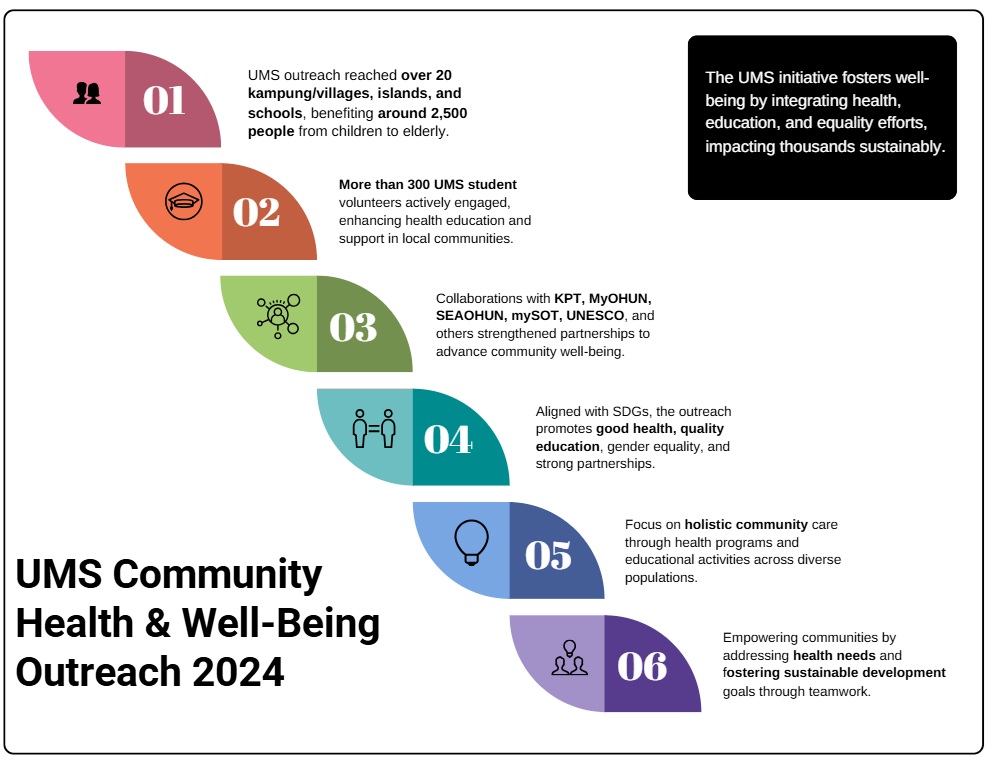
In 2024, Universiti Malaysia Sabah (UMS) strengthened its commitment to SDG 3: Good Health and Well-Being through inclusive health education, preventive care, and community outreach. Over 30 wellness and medical outreach programmes—including KoSiMM, JESDIET, and HUMS2U mobile clinics—served rural populations across Sabah. UMS also advanced mental health support with 189 counselling sessions and 27 awareness programmes, alongside the Smoke-Free Campus Policy promoting a healthy lifestyle. Through partnerships with KKM, MySoT, and KSTI Sabah, UMS integrated health literacy, toxicology education, and youth wellness into its academic and social ecosystem—ensuring holistic health access for students, staff, and communities alike.