

Inclusive Growth for a Poverty-Free Future

UMS - SDG 2 No Hunger
Harvesting Change for a Hunger-Free Future
 HOW WE WORK
End hunger, ensure food security, improve nutrition, and promote sustainable farming
Sustainable Development Goal 2 (SDG 2), Zero Hunger, aims to end hunger, achieve food security, improve nutrition, and promote sustainable agriculture for a fairer and healthier world. Hunger and malnutrition remain global challenges that affect millions, particularly in vulnerable communities where poverty, conflict, and environmental degradation worsen food insecurity.
At Universiti Malaysia Sabah (UMS), the commitment to SDG 2 is reflected in its integrated actions across teaching, operations, and community engagement. The university’s initiatives promote access to nutritious food, reduce food waste, strengthen local food systems, and advance sustainable farming and aquaculture practices that empower both campus and community.Universiti Malaysia Sabah
Sustainable Food Systems and Campus Nutrition
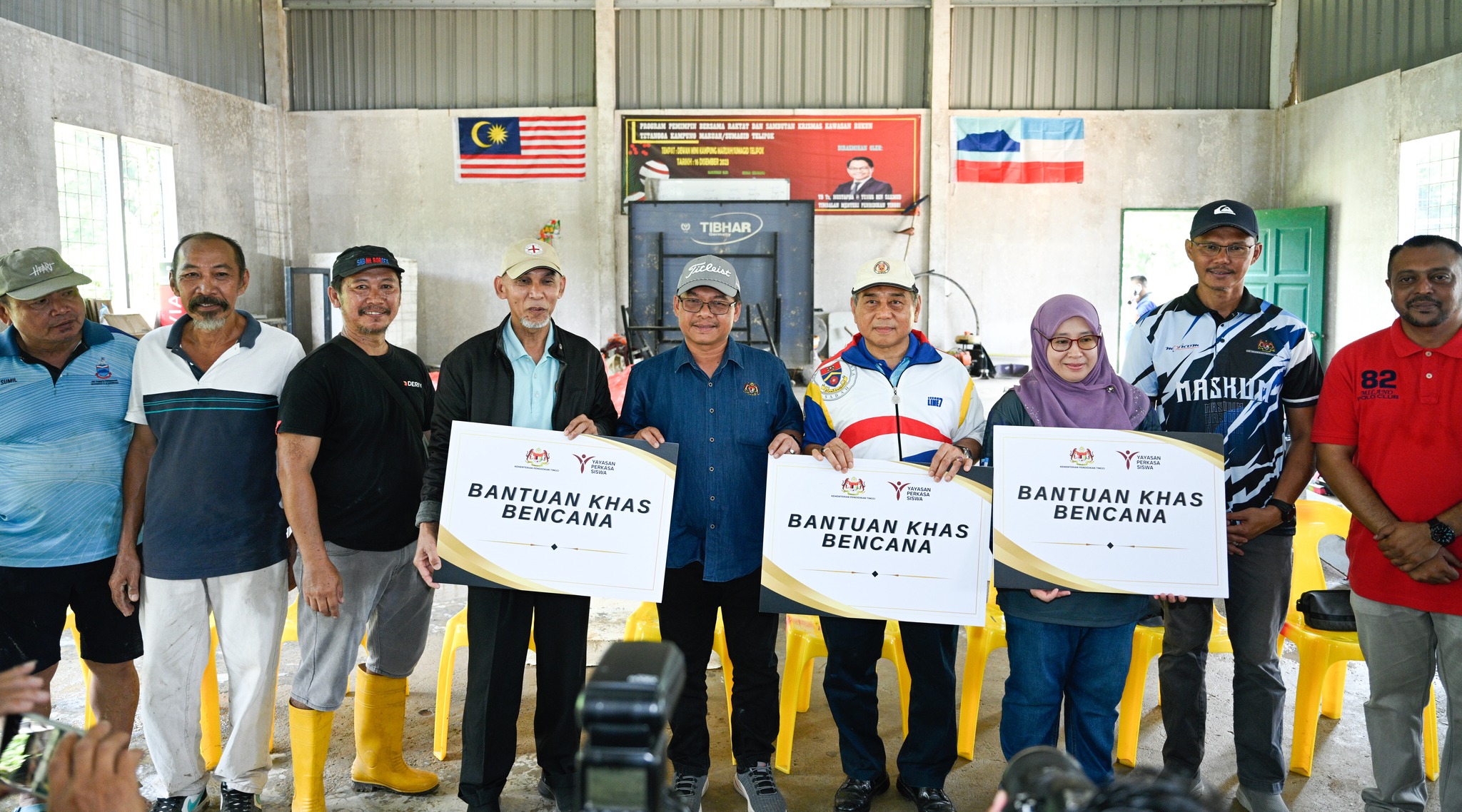
UMS prioritises student well-being by ensuring that financial hardship does not translate into hunger. Through inclusive welfare programmes and food-assistance schemes, the university supports students’ right to adequate nutrition. Recognising that hunger and malnutrition threaten social equity and community well-being, UMS promotes a food ecosystem that is accessible, inclusive, and sustainable — from its dining halls to its community farms.
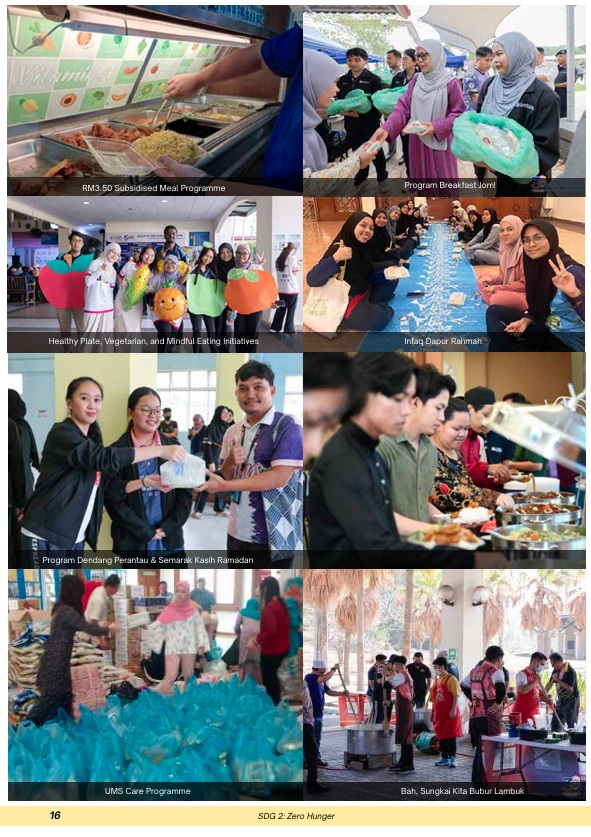
On campus, balanced nutrition is a cornerstone of student welfare. The RM 3.50 Affordable Meal Program ensures every student can access a nutritious meal daily, while the UMS Food Bank supports those facing financial hardship by providing essential food supplies with dignity and confidentiality. Together, these initiatives safeguard student well-being and reinforce the university’s inclusive values.
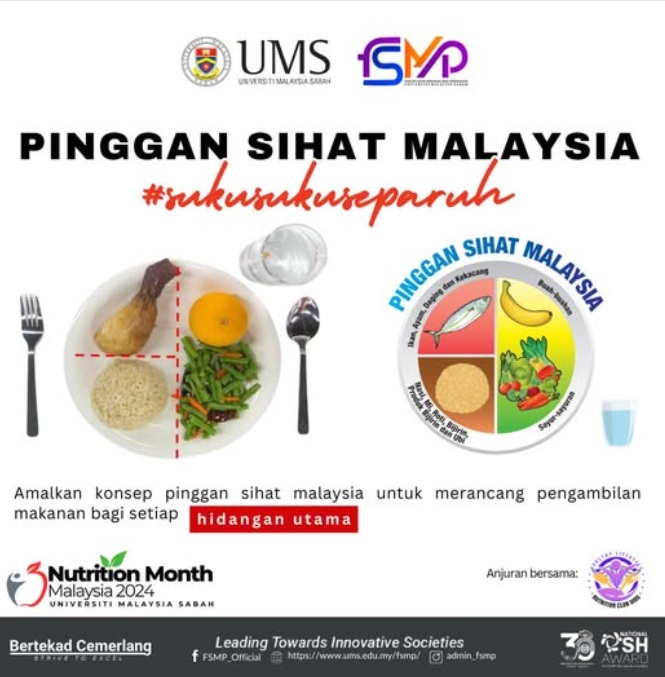
In parallel, the university encourages healthy, plant-based eating through the “Healthy Plate Malaysia” campaign and by offering vegetarian and vegan options in most cafeterias. These initiatives raise awareness of the environmental footprint of food choices and support behavioural change toward more sustainable diets.
i. Food Bank Program
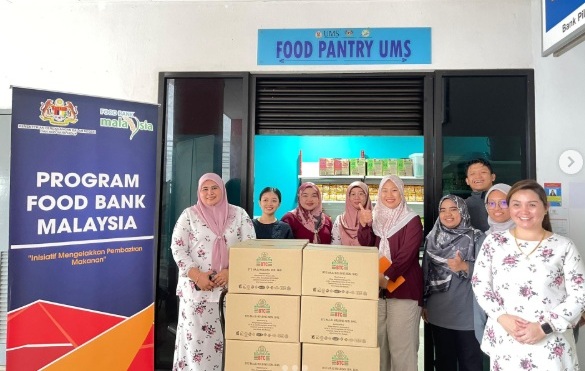
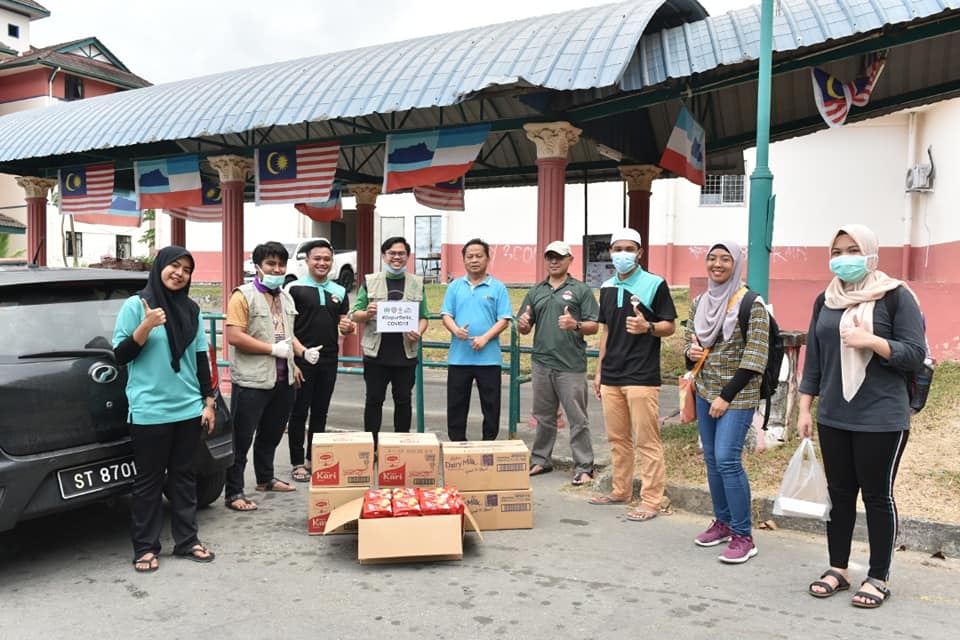
The Universiti Malaysia Sabah (UMS) Food Bank is a vital welfare initiative aimed at reducing food insecurity among students across all campuses. Managed by the Department of Student Affairs (HEP), the program provides essential food supplies to students facing financial hardship, ensuring that they can continue their studies without the stress of hunger or limited food access. Beyond the university level, faculties and academic centres at UMS also play an active role by establishing their own designated Food Bank stations to support students within their respective areas. These faculty-level food banks serve as convenient access points where students can collect food items and necessities, fostering a stronger sense of community care and shared responsibility. Applications for assistance are handled through an inclusive and confidential process available via the UMS website, ensuring that aid is accessible and dignified for all. Through this collective effort, the UMS Food Bank strengthens food security across the university ecosystem, promotes compassion among students and staff, and demonstrates UMS’s continued commitment to Sustainable Development Goal 2 (Zero Hunger) — ensuring that no student is left behind.Explore More on Campus Food Bank Stations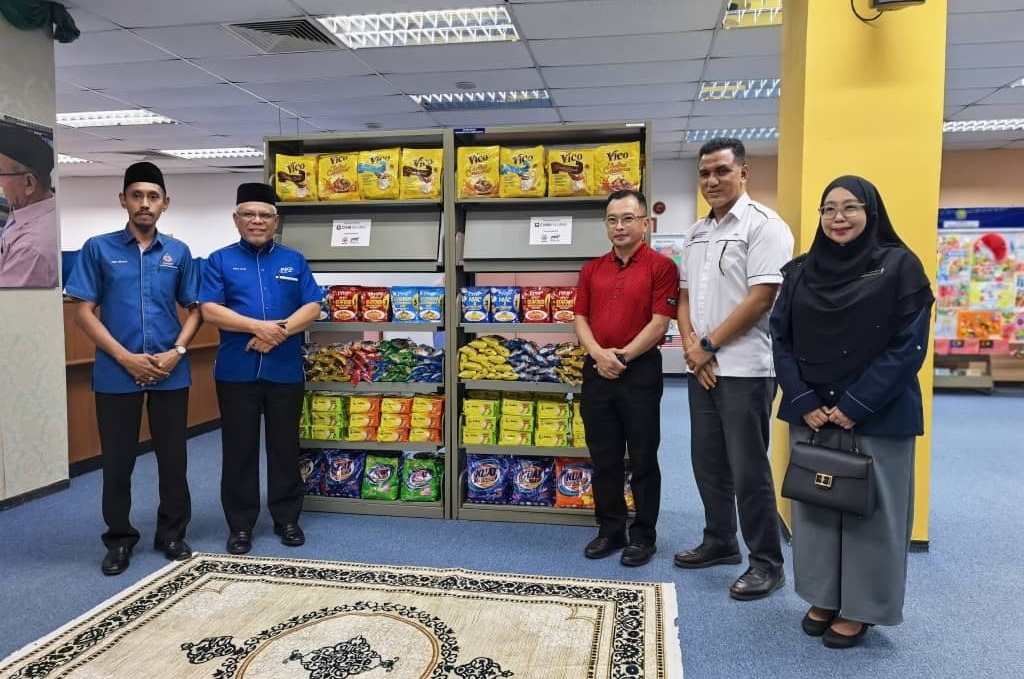
ii. Affordable and Nutritious Campus Meals
In addition to the Food Bank initiative, Universiti Malaysia Sabah (UMS) provides affordable and nutritious meals to ensure that every student has access to balanced daily nutrition. Through the RM3.50 Subsidized Meal Program (below USD 1), UMS collaborates with campus cafeteria operators to offer wholesome meals that include rice, protein, and vegetables, promoting healthier eating habits among students. The program not only reduces food insecurity but also supports student well-being and academic performance by making nutritious food easily available across residential colleges and faculty cafeterias. Regular inspections are conducted to maintaimakanan sihat n food quality, hygiene, and price control, reinforcing UMS’s commitment to a sustainable and equitable campus food ecosystem aligned with Sustainable Development Goal 2 (Zero Hunger).Read More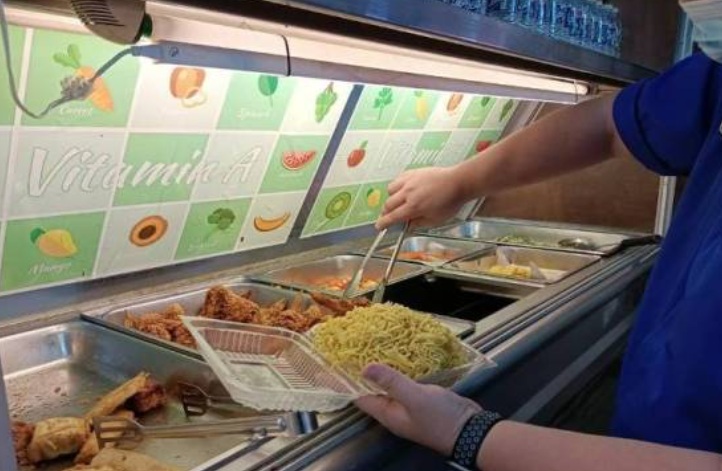
iii. Vegetarian and Healthy Meal Options
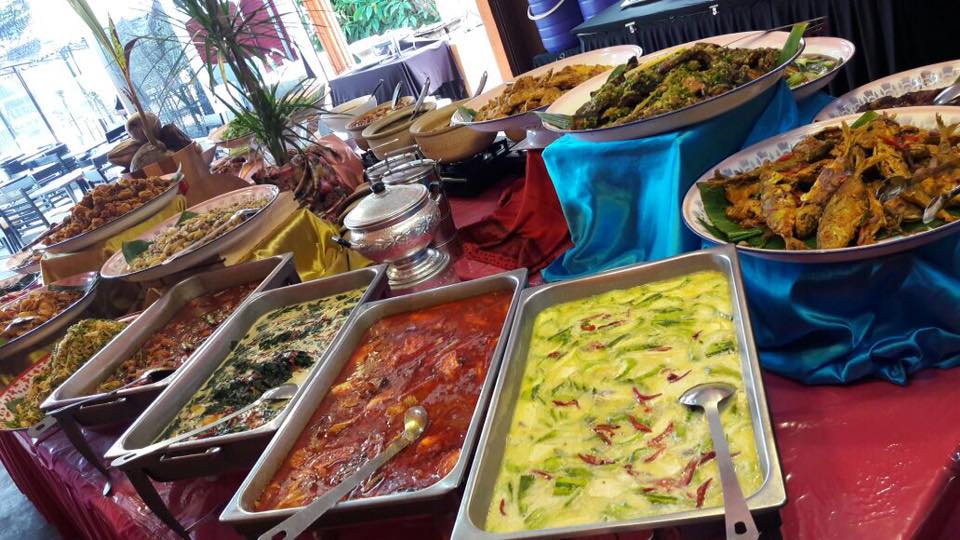
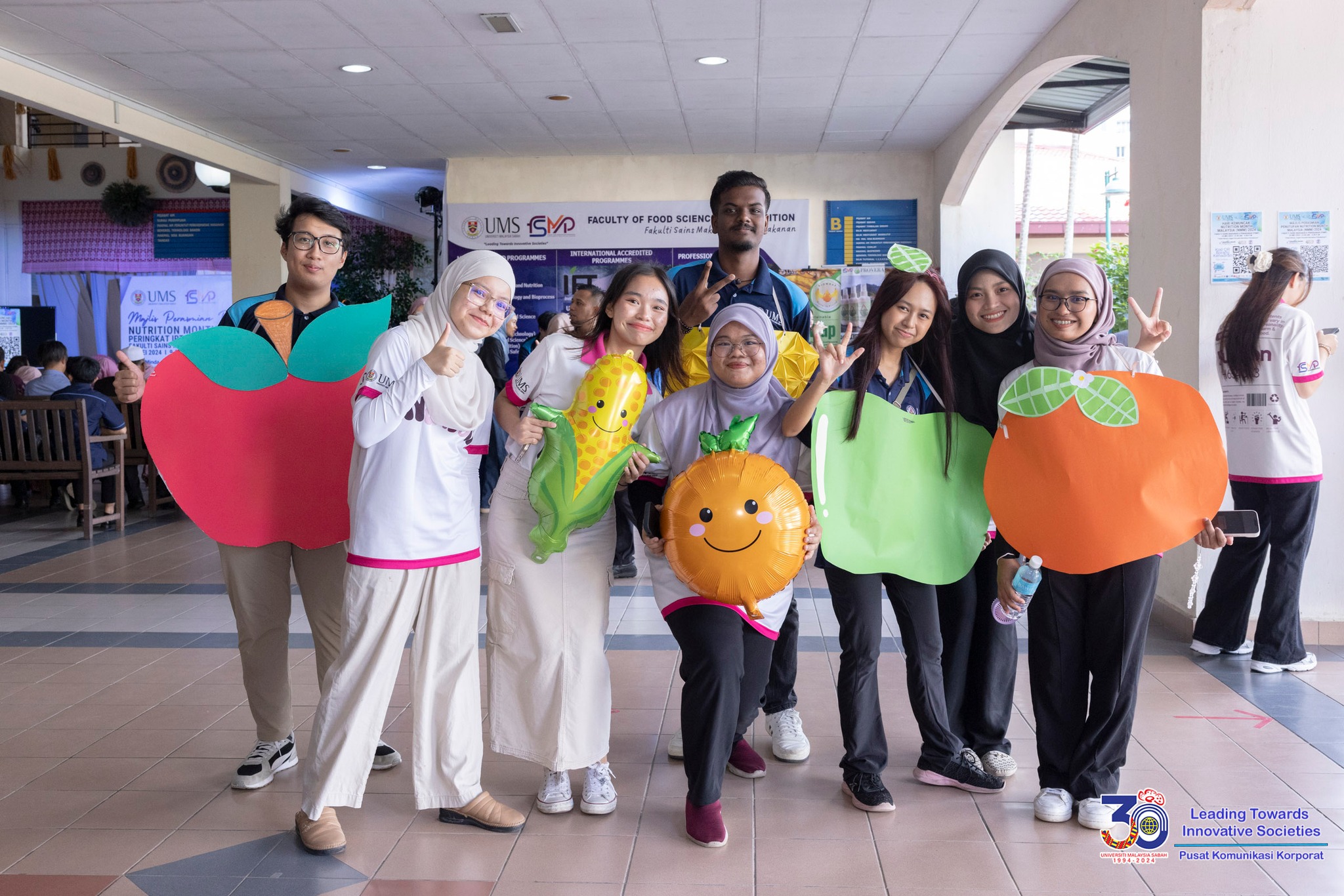
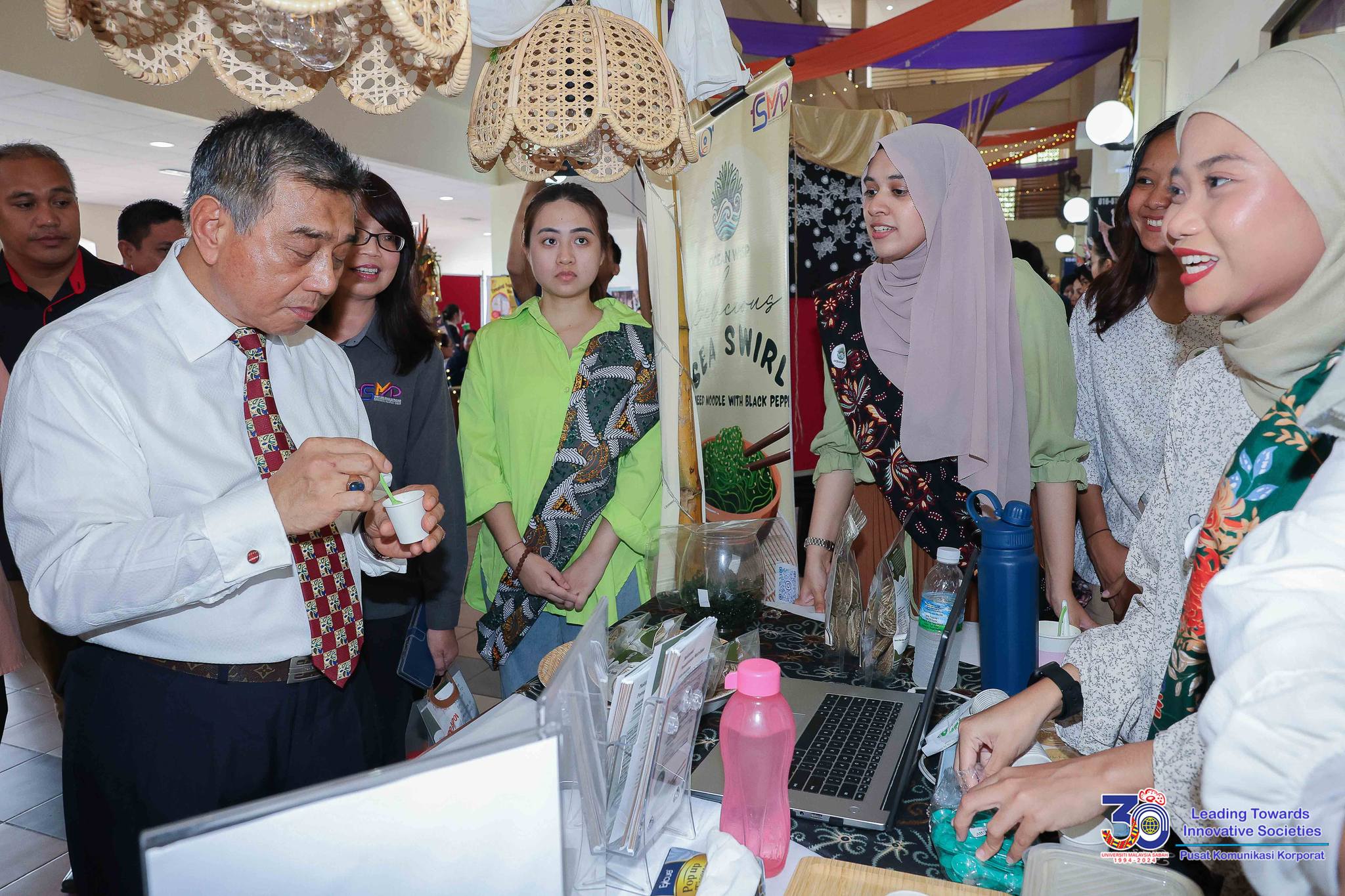
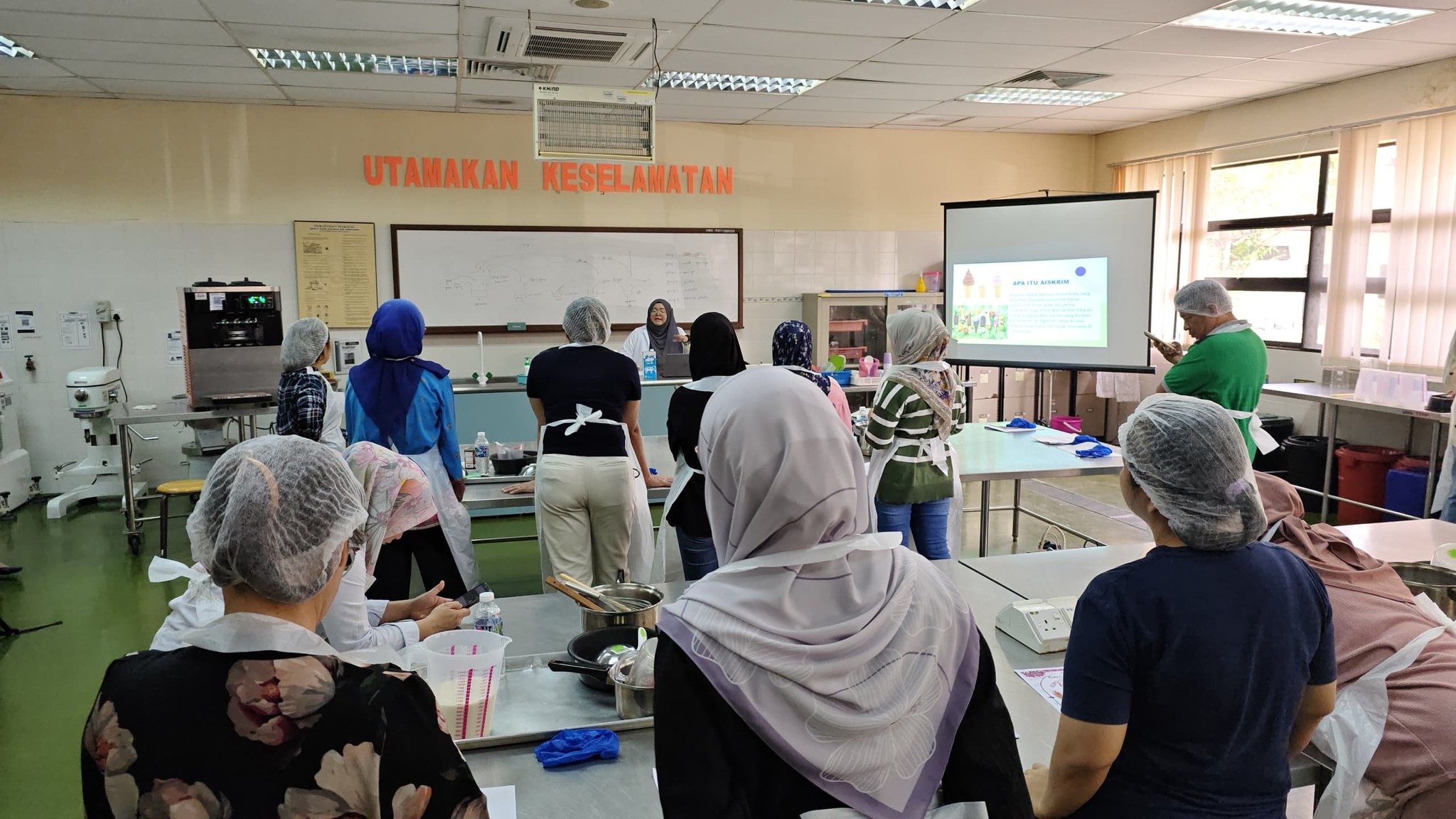
Several cafeterias at Universiti Malaysia Sabah (UMS) — including Dewan Makan Kolej E, Kafetaria FSSK, and Kafetaria BMRI — serve vegetarian and vegan meal sets daily, offering nutritious and environmentally friendly food choices for students and staff. The “Healthy Plate Malaysia” campaign, led by the Faculty of Food Science and Nutrition (FSMP), further promotes balanced, low-sodium, and plant-based diets to encourage mindful eating habits and better lifestyle practices across the campus. In conjunction with this, UMS also celebrates Nutrition Month Malaysia, featuring exhibitions, health talks, cooking demonstrations, and educational activities to raise awareness about the importance of balanced nutrition and disease prevention. Together, these initiatives nurture a sustainable and health-conscious campus food culture, reinforcing UMS’s commitment to promoting well-being and responsible food choices among its community members.
 Read More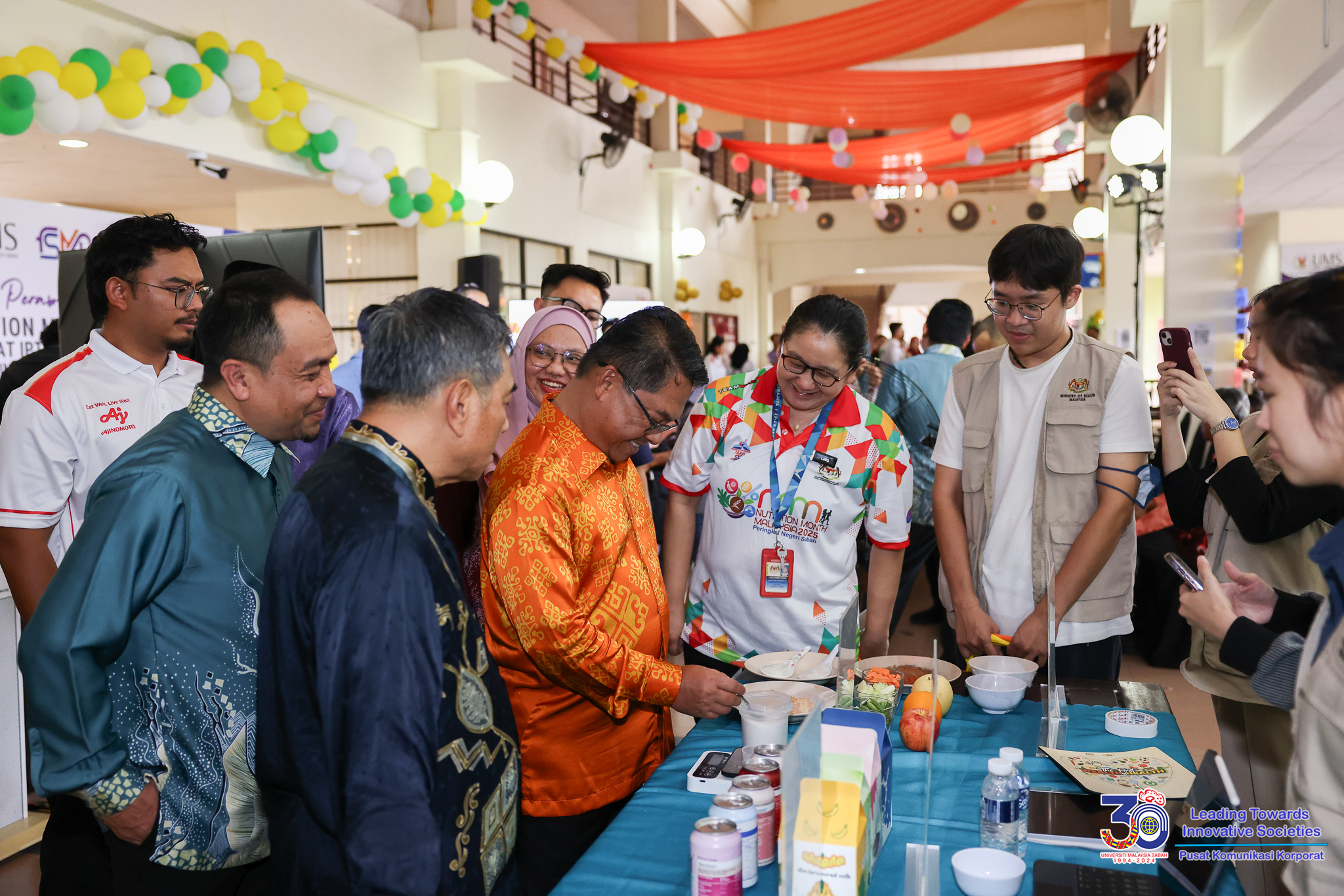
iv. Food Safety and Nutrition Grading at UMS
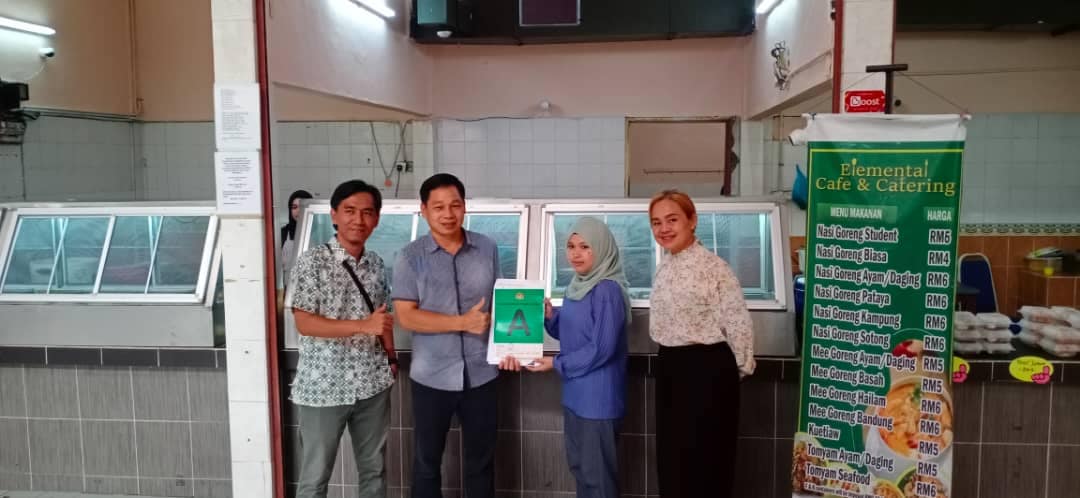
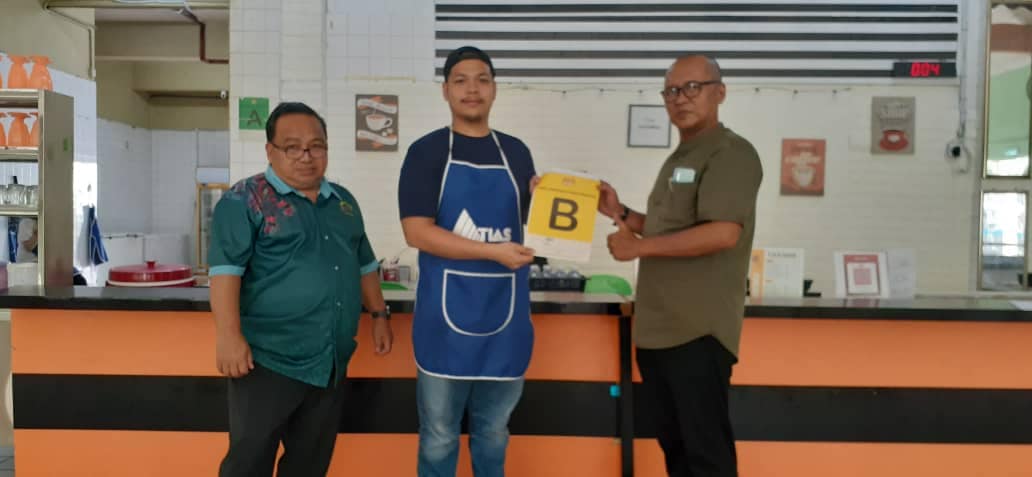
Universiti Malaysia Sabah (UMS) upholds high standards of food safety and nutrition through the implementation of food grading and quality monitoring practices across all campus cafeterias and food outlets. In alignment with Malaysia’s national food hygiene grading system (A, B, C), local health authorities conduct regular inspections to ensure compliance with sanitation, food handling, and facility maintenance requirements. Beyond hygiene, UMS also promotes awareness of nutritional food grading, supporting national efforts to classify food products based on their health value — encouraging the selection of wholesome, balanced meals while discouraging excessive intake of high-fat or high-sugar foods. These initiatives ensure that the campus food ecosystem remains safe, nutritious, and transparent, empowering students and staff to make informed and healthy dietary choices that contribute to overall well-being and a sustainable lifestyle.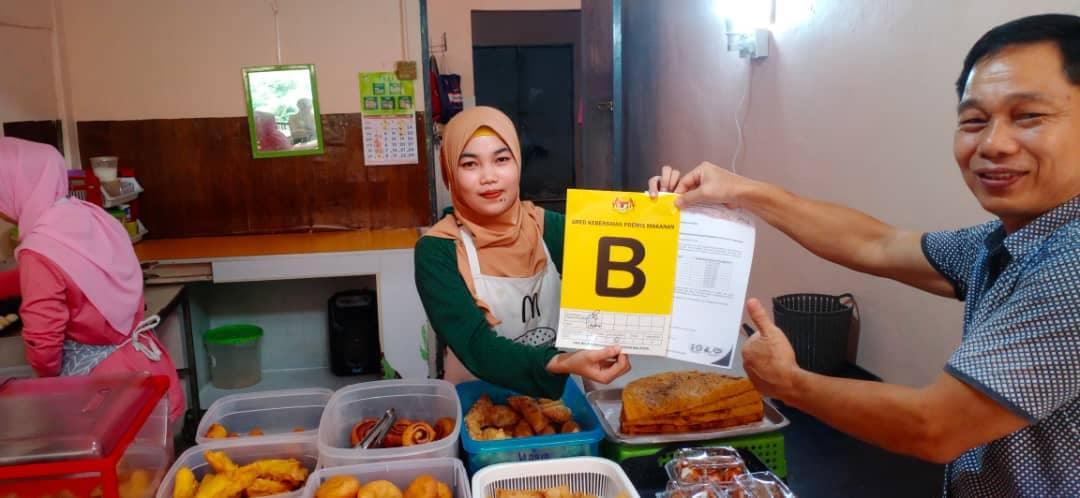
v. Financial & Meal Assistance Programme
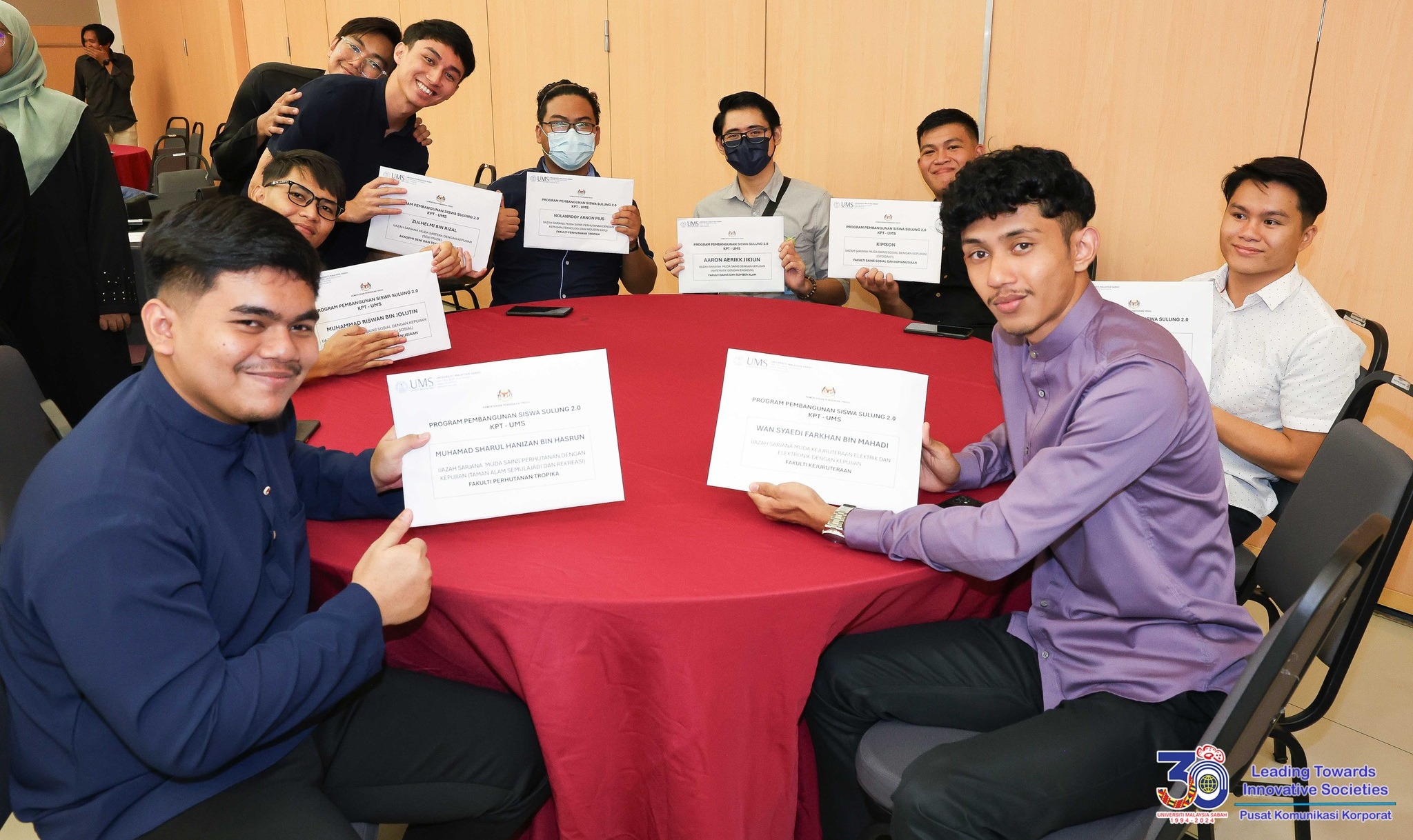
The Program Siswa Sulung UMS is a flagship initiative that supports first-generation university students from B40 households, ensuring equitable access to higher education. This programme reflects UMS’s commitment to social mobility by helping students who are the first in their families to pursue tertiary studies, enabling them to focus on their academic success without financial burden. Complementing this, the Bantuan Pendidikan Awal (BPA) provides RM1,000 in early education aid to students facing financial hardship or those with special needs. This targeted assistance helps ease the transition into university life and ensures that every student has the basic resources to begin their studies with confidence. In addition, emergency relief and meal-voucher programmes are made available for students in immediate need, allowing them to meet their daily dietary and living requirements. Collectively, these initiatives strengthen UMS’s inclusive support ecosystem and reaffirm its dedication to achieving Sustainable Development Goal 2 (Zero Hunger) by ensuring no student is left behind.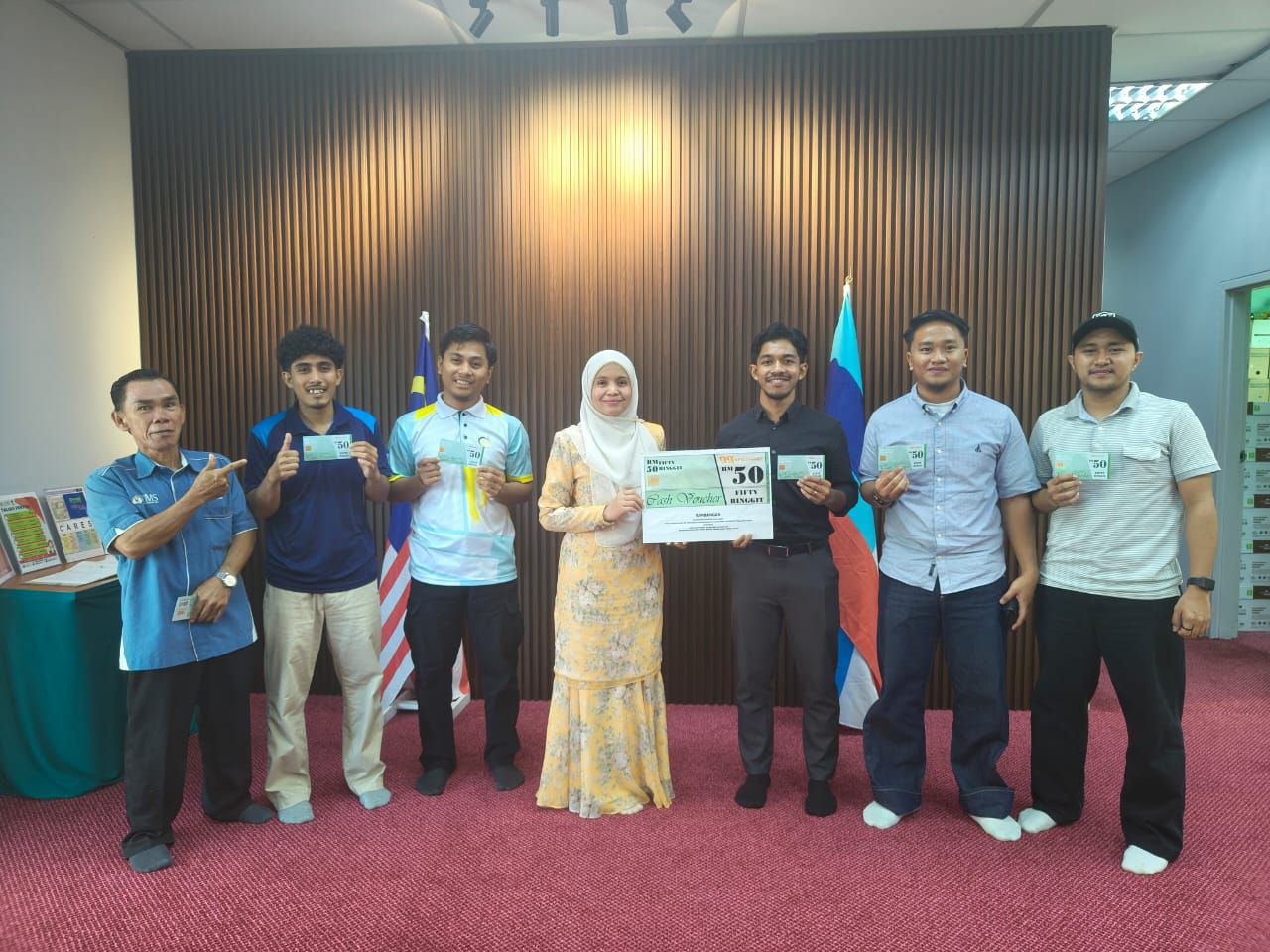
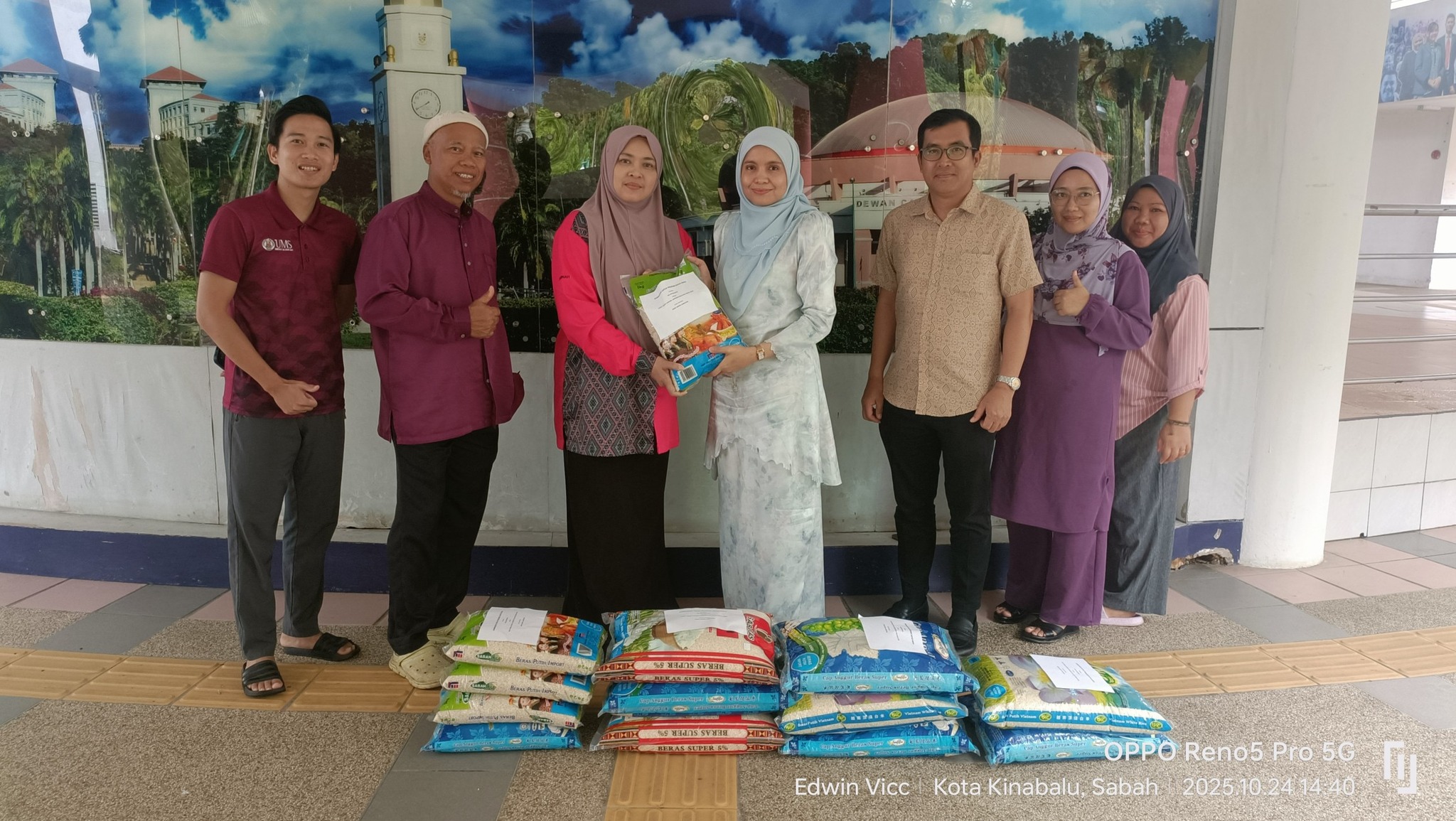
vi. Bantuan Ehsan UMS
The Bantuan Ehsan UMS is a welfare assistance initiative that provides emergency financial and food support to students experiencing sudden economic hardship. This programme ensures that students affected by unforeseen circumstances — such as family income disruption, emergencies, or health-related issues — continue their studies without interruption. The assistance covers daily meals, essential supplies, and short-term living expenses, helping students maintain stability and focus on their academic responsibilities. Administered by the Department of Student Affairs (HEP), Bantuan Ehsan UMS operates through a transparent, needs-based application process, ensuring fair access and immediate relief for those in genuine need. Through this initiative, UMS reinforces its commitment to student welfare and inclusivity, ensuring that no student is left behind.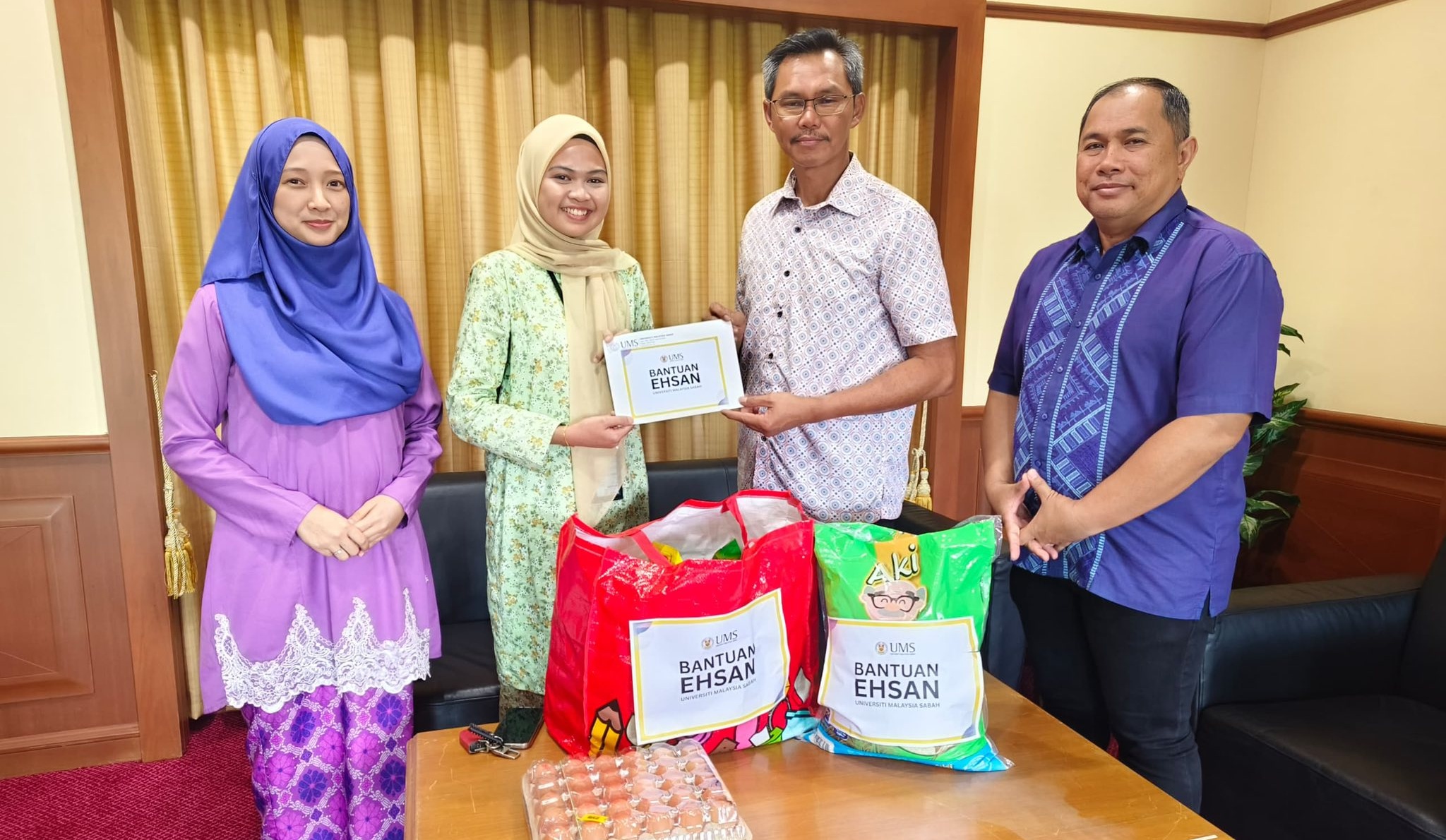
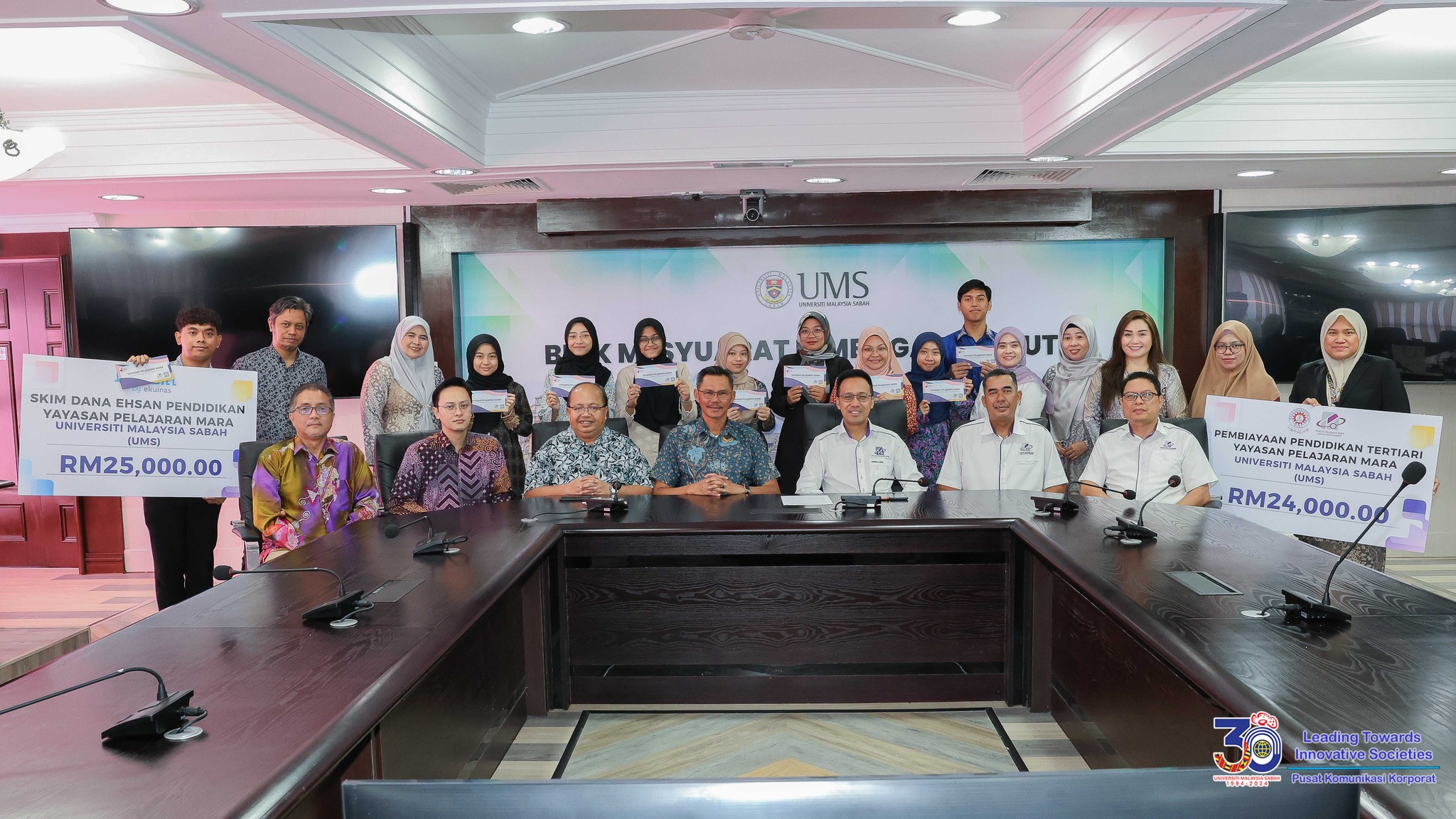
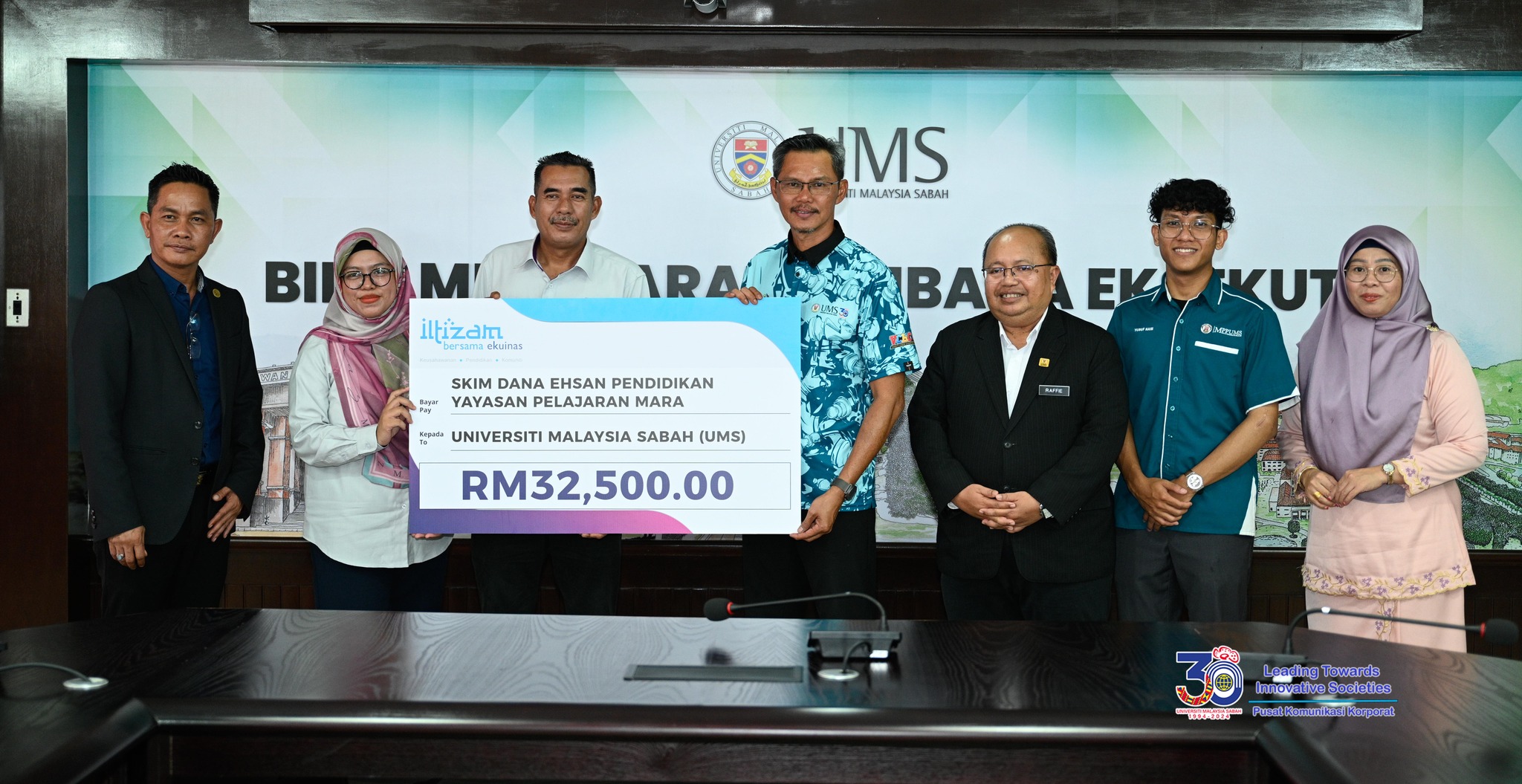
vii. MENITI Kasih Programme
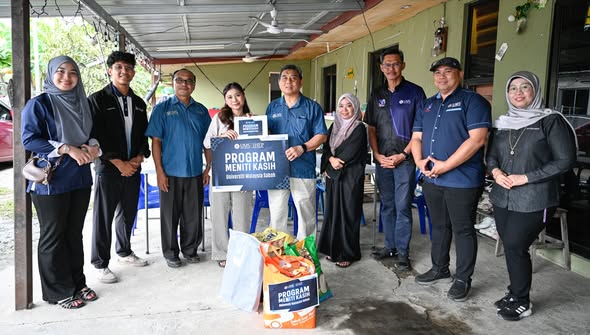
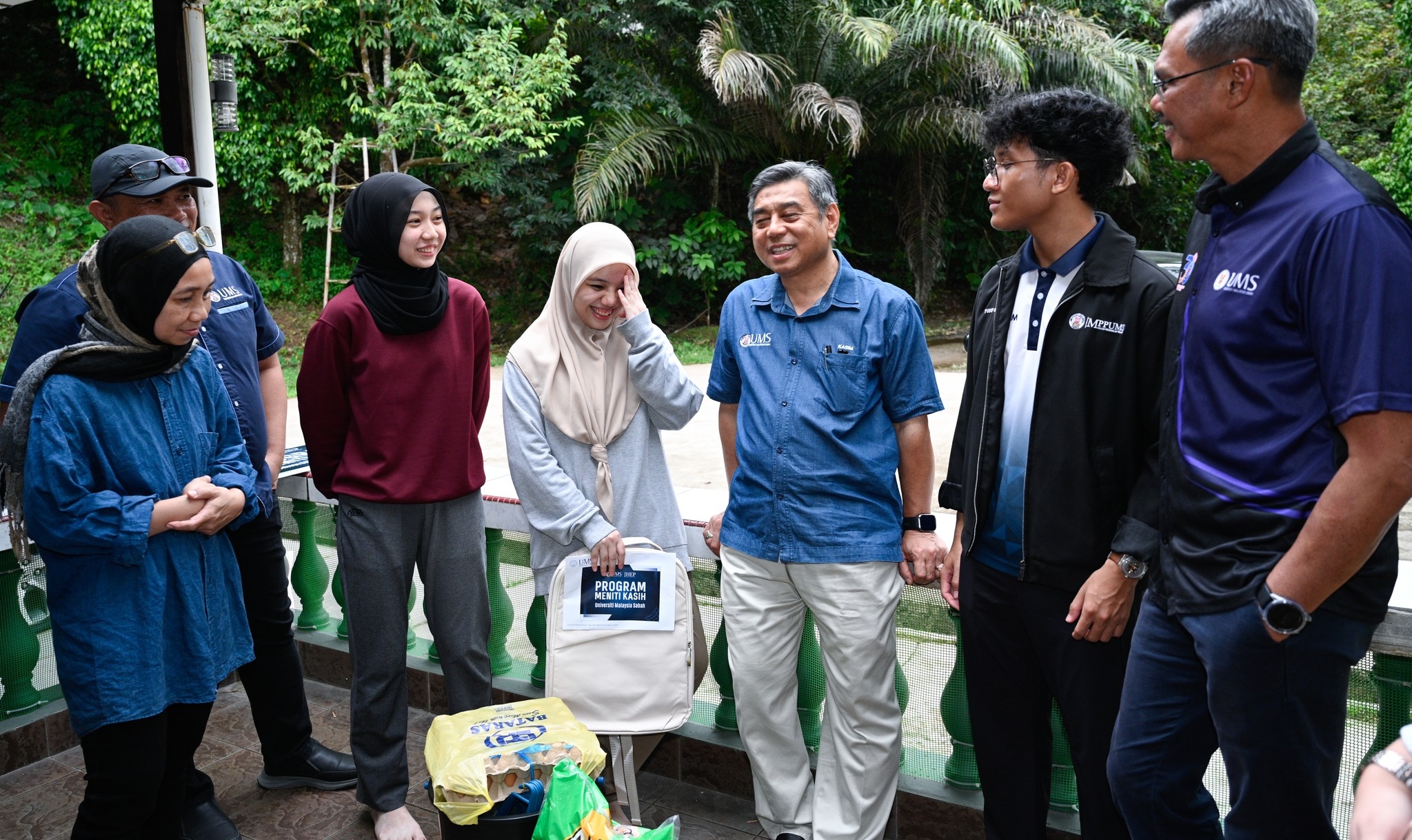
Launched in 2019, the UMS Program MENITI Kasih provides a second-chance pathway for Sabah students from disadvantaged backgrounds who initially did not receive offers from Public Universities (UA). Working through the UPUOnline system, UMS collaborates with the Ministry of Higher Education to identify and enrol eligible (Bottom 40% Income Group) learners. The programme provides preparatory guidance, academic bridging, and socio-emotional support, enabling these students to realise their aspirations. By transforming “missed opportunities” into “new beginnings,” MENITI has become a cornerstone of UMS’s efforts to expand inclusive education and disrupt cycles of educational and economic deprivation.Read More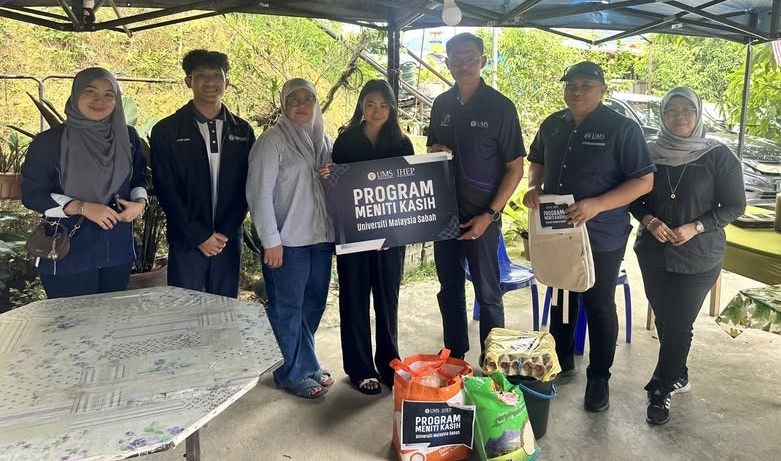
viii. Program Breakfast Jom
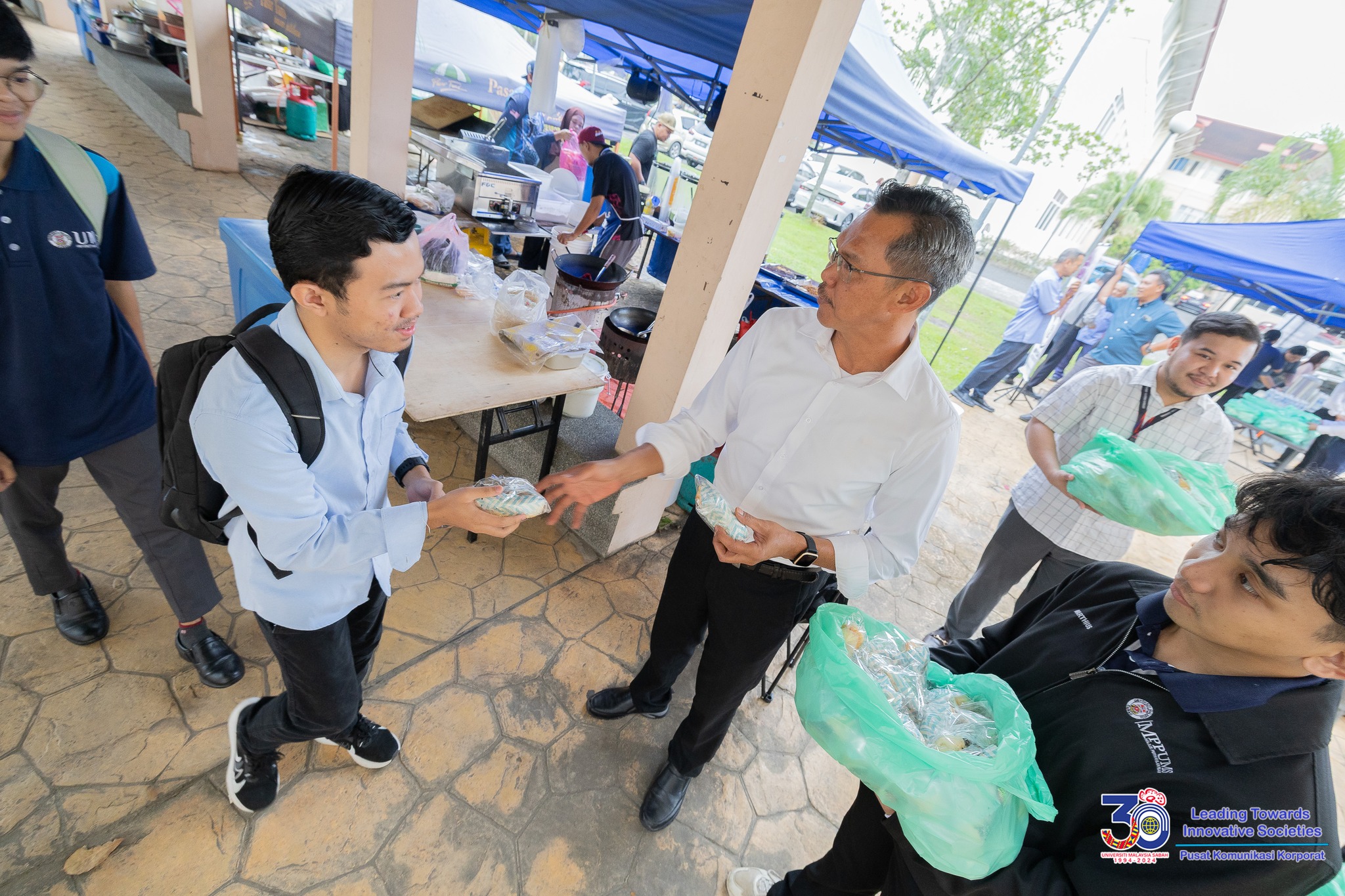
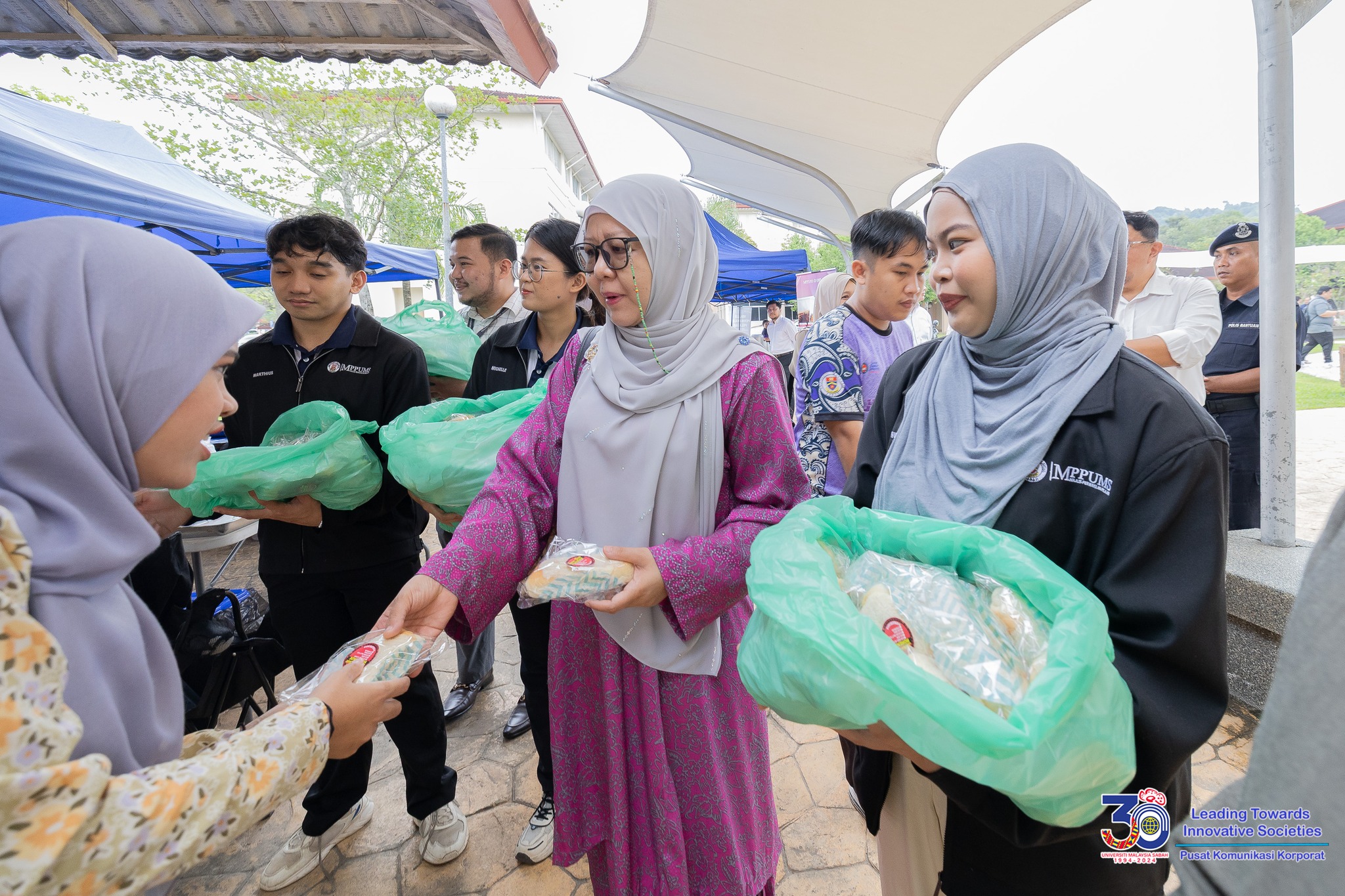
The Program Breakfast Jom! at Universiti Malaysia Sabah (UMS) demonstrates the university’s strong commitment to student well-being and equitable access to nutrition. Organised by the Department of Student Affairs (JHEP) in collaboration with the Student Representative Council (MPP), the programme provides free breakfast meals to students at the main campus, branch campuses, and the Faculty of Sustainable Agriculture throughout the examination week. Building on the success of its first edition, this initiative focuses on students from low-income and vulnerable groups, ensuring that every learner begins their day with energy and focus. By addressing nutritional needs and promoting academic performance, the programme reflects UMS’s commitment to fostering a caring and sustainable campus ecosystem that prioritises health, inclusivity, and student success — advancing the broader goals of food security, social equity, and well-being.Read More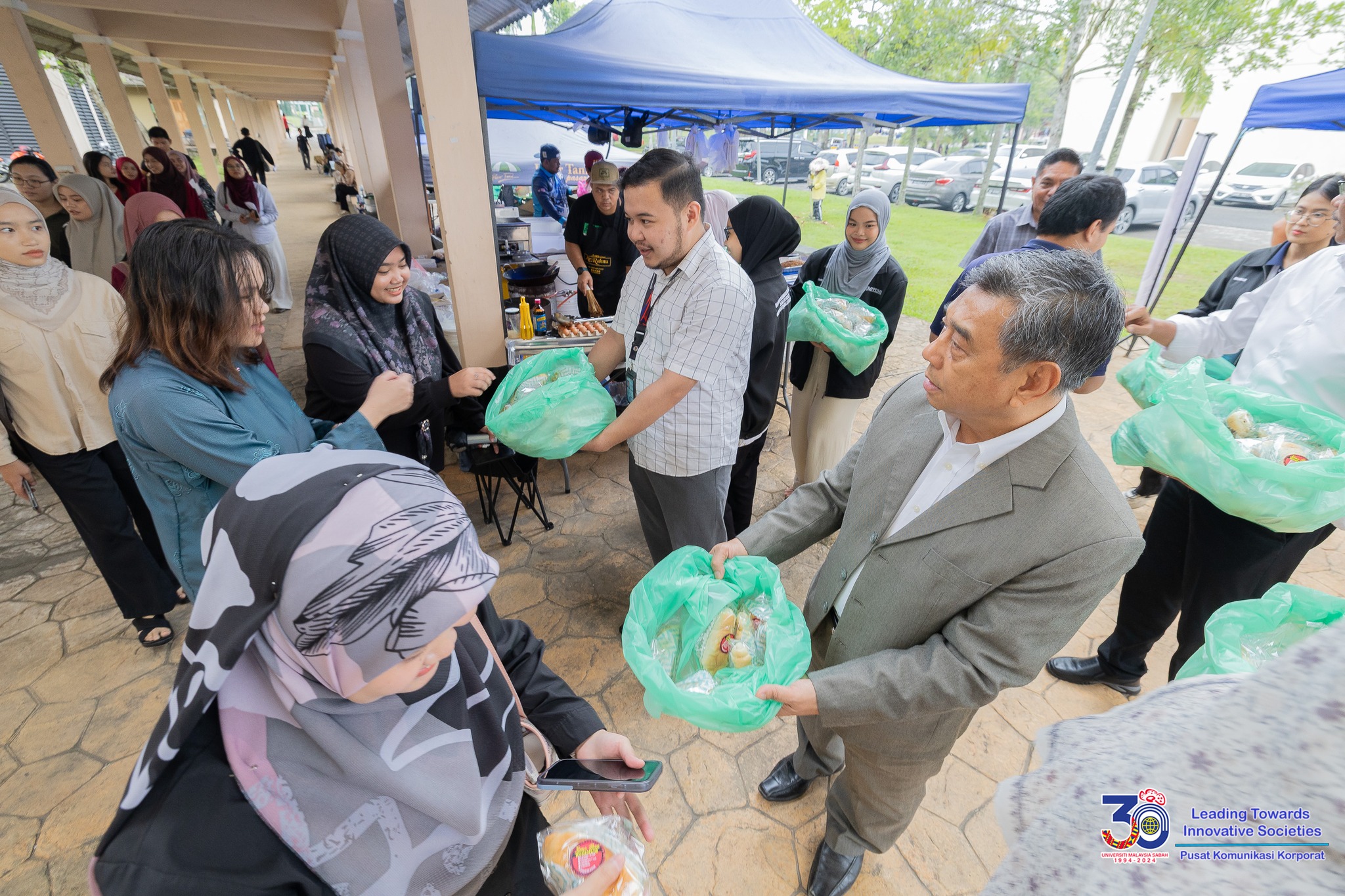
ix. Infaq Dapur Rahmah Campaign – UMS Mosque Caring for Campus Food Security
The Infaq Dapur Rahmah Campaign, initiated by the UMS Mosque (PIUMS), invites members of the university community to contribute through monthly salary deductions to support students and congregants in need. The collected funds are used to sustain various welfare and food-sharing programmes, including Ramadan Iftar meals, Monday and Thursday communal breaking fasts, free meal coupons, and Infaq Anjung Rahmah food packs distributed to underprivileged students and participants of religious classes. This initiative reflects UMS’s holistic approach to food security, compassion, and community welfare, ensuring that every student—regardless of background—has access to nutritious meals and support networks. By integrating faith-driven generosity with social responsibility, the Infaq Dapur Rahmah Campaign strengthens UMS’s commitment to a sustainable and caring campus ecosystem, in line with the principles of Zero Hunger (SDG 2) and inclusive well-being.Read More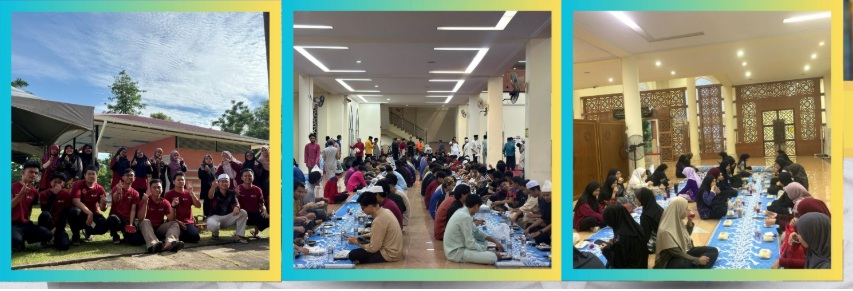
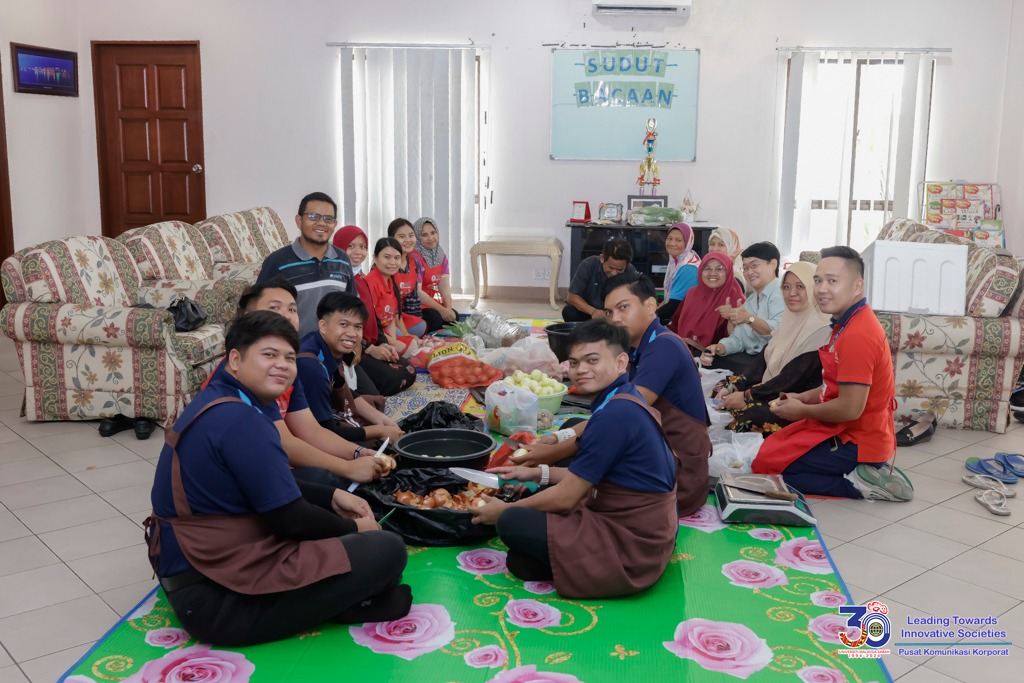
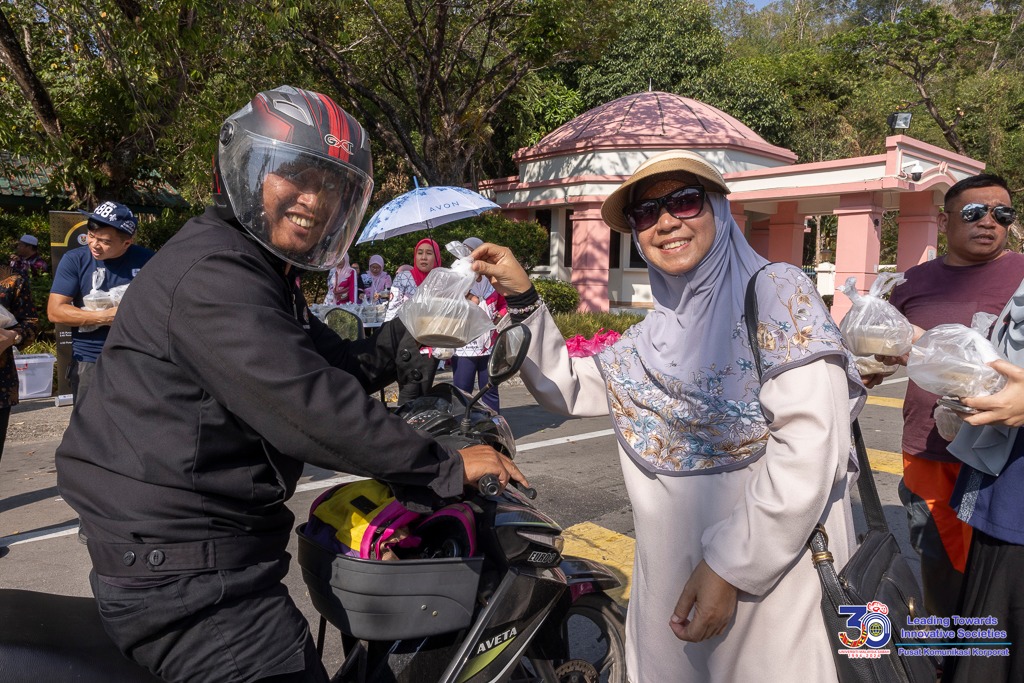
x. Program 'Bah, Sungkai Kita Bubur Lambuk'
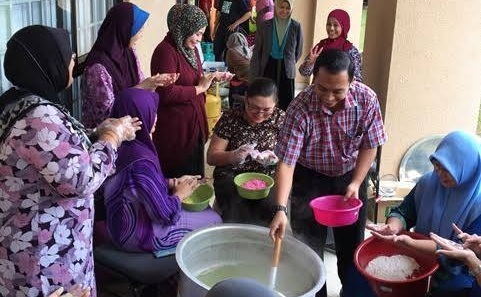
With the ‘Bah, Sungkai Kita Bubur Lambuk’ programme, UMS turns an act of communal sharing into a tangible expression of Zero Hunger (SDG 2). By preparing and distributing thousands of nourishing meals each year during Ramadan, UMS ensures that students, staff and neighbours share in both spiritual and physical nourishment. The initiative not only mitigates food access concerns during the breaking-fast time but also embodies a culture of care, inclusion and responsible food practice on campus.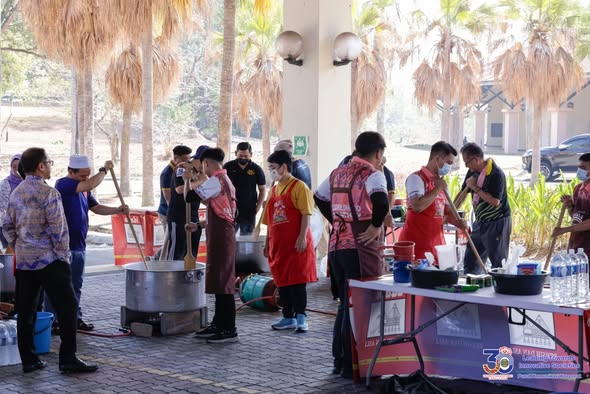
-
xi. Program Dendang Perantau
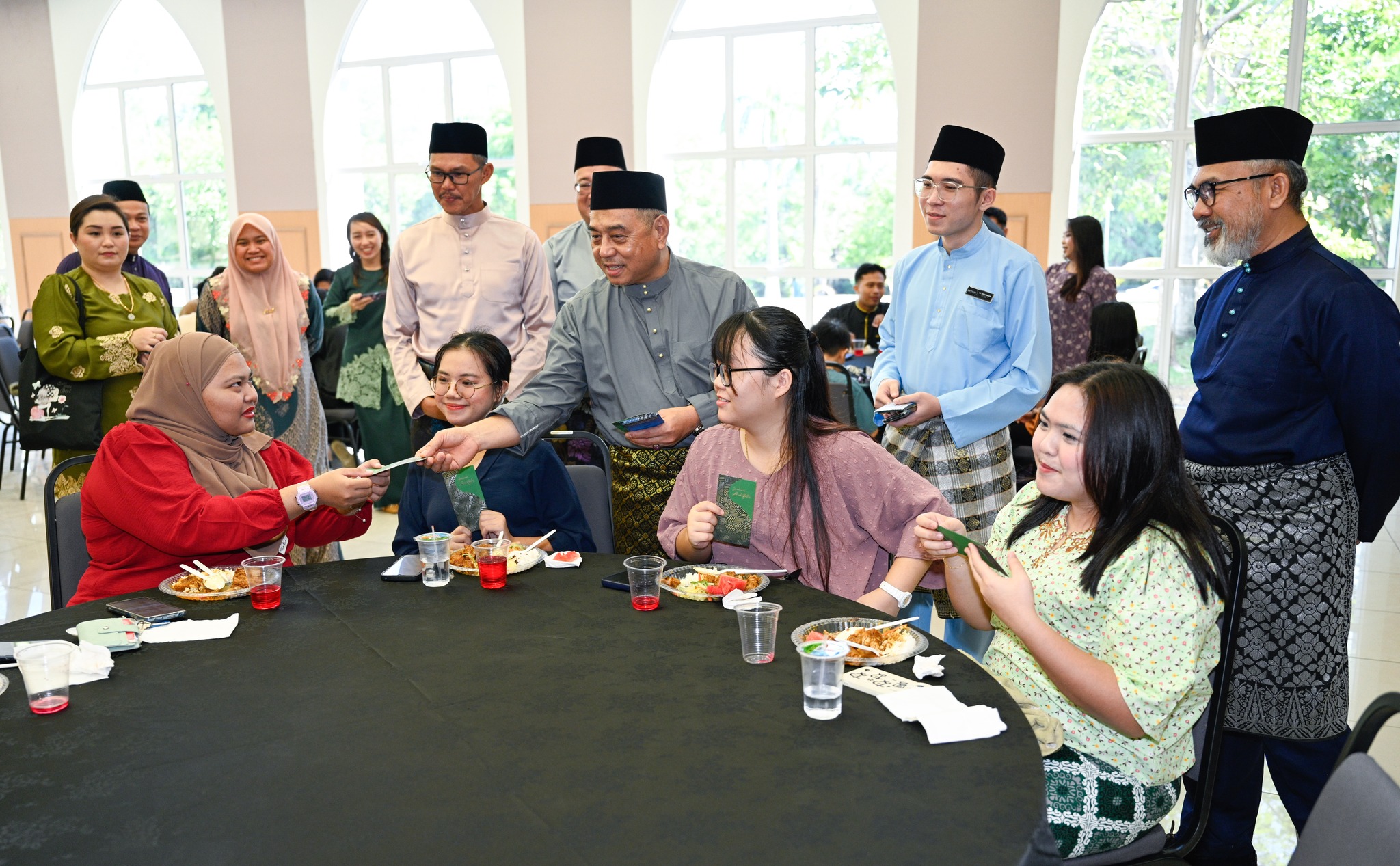
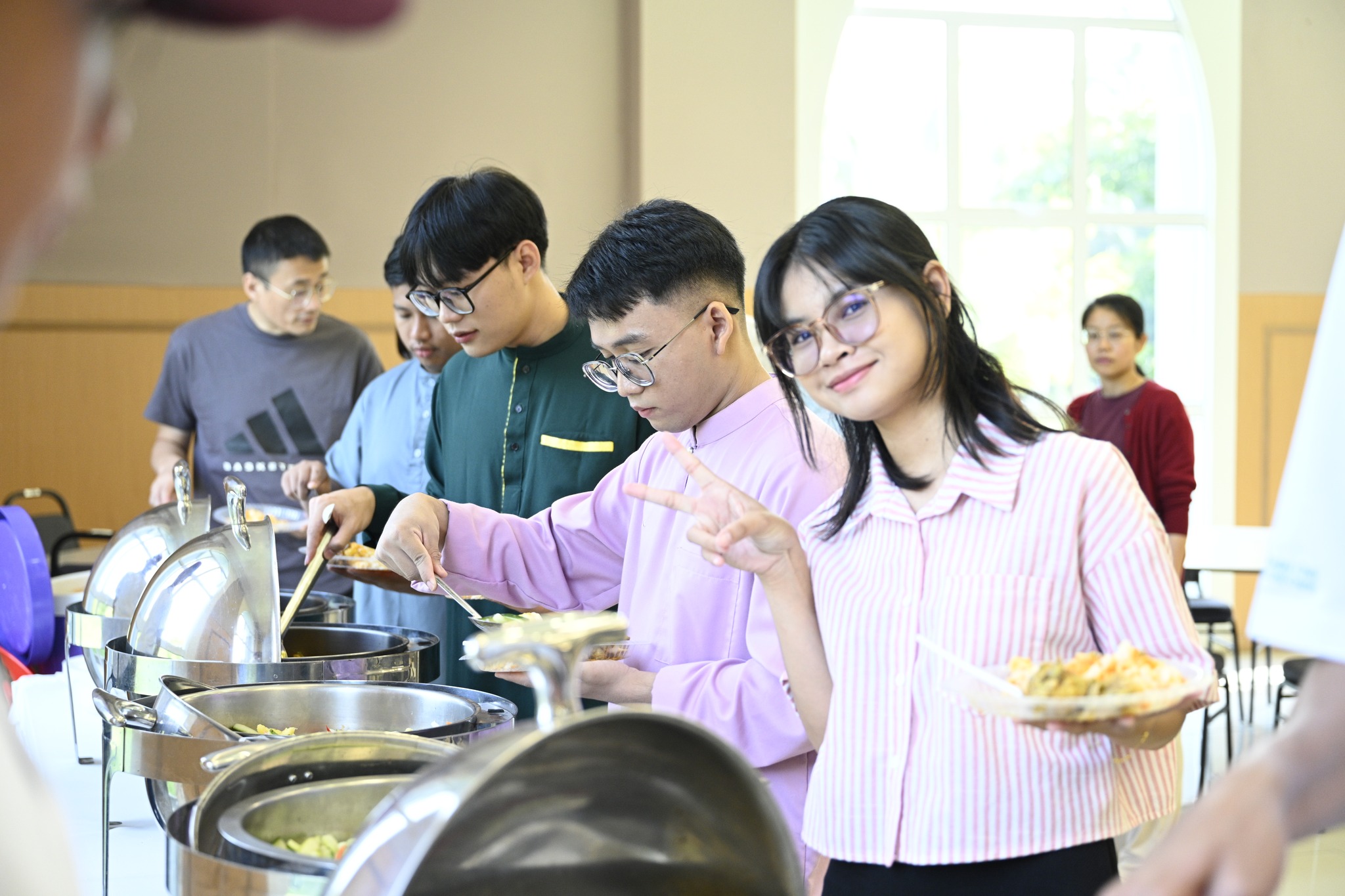
The Program Dendang Perantau UMS 2025 reflects Universiti Malaysia Sabah’s compassion and inclusivity in ensuring that no student is left behind, especially during festive seasons. Held in conjunction with Hari Raya Aidilfitri, the event brings together students—both local and international—who remain on campus, providing them with shared festive meals and duit raya contributions. Graced by the Chancellor, Tun Datuk Seri Panglima (Dr.) Haji Juhar Bin Datuk Haji Mahiruddin, and top university leaders, the programme embodies the spirit of community care and food sharing. By fostering social well-being and ensuring food accessibility for students away from home, Program Dendang Perantau advances Sustainable Development Goal 2 (Zero Hunger) through acts of generosity that nourish both body and spirit.Read More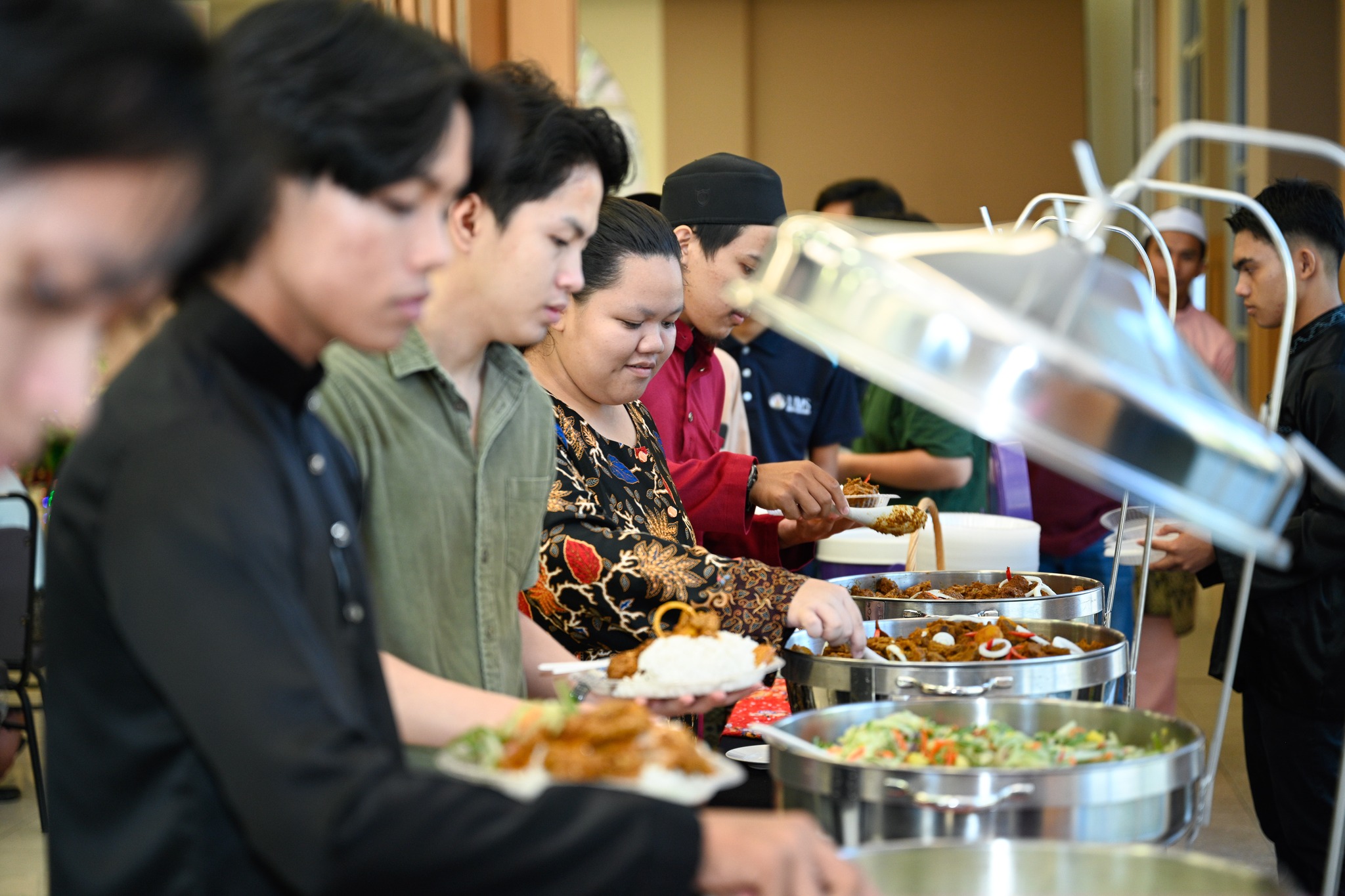
xii. Program Semarak Kasih Ramadan
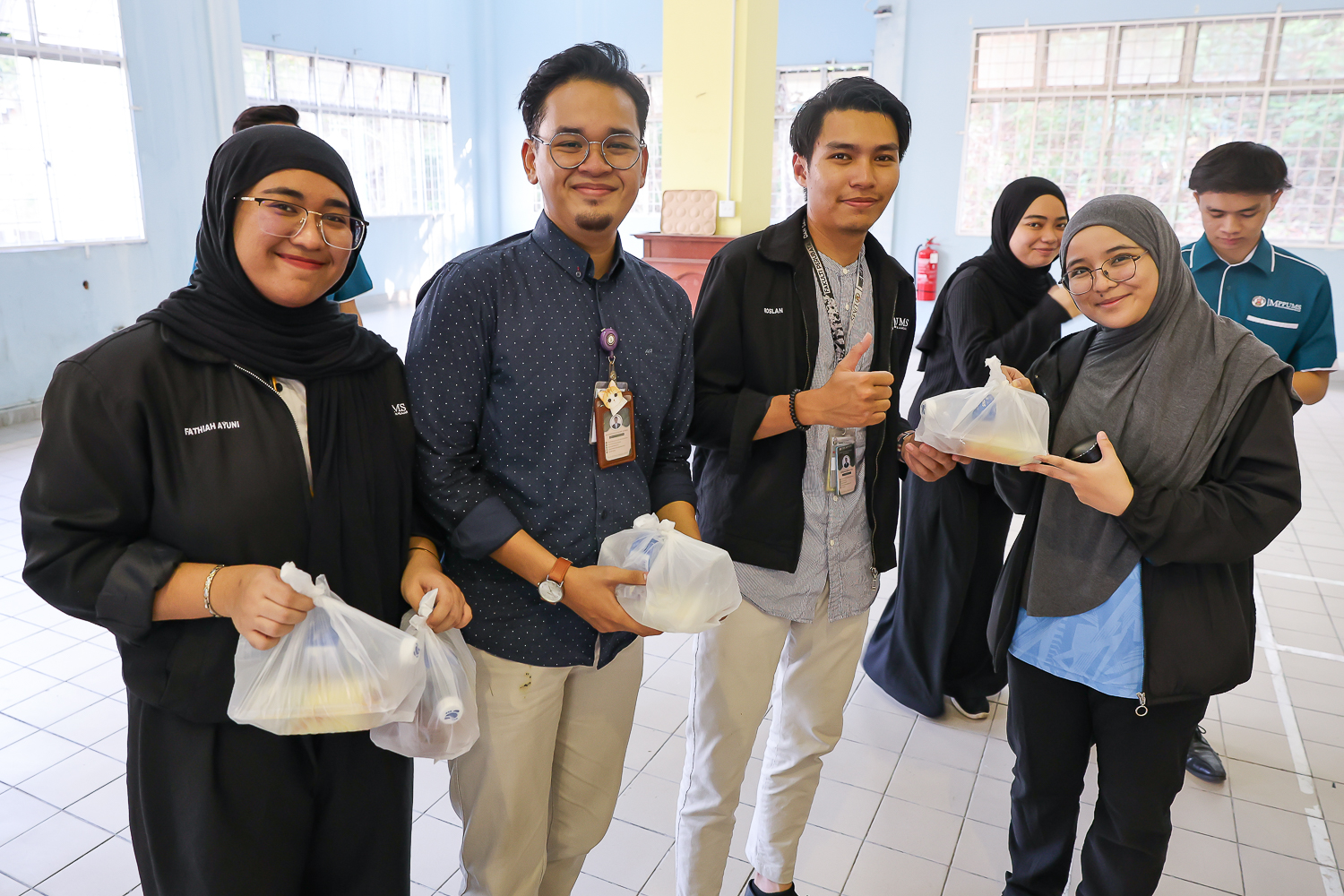
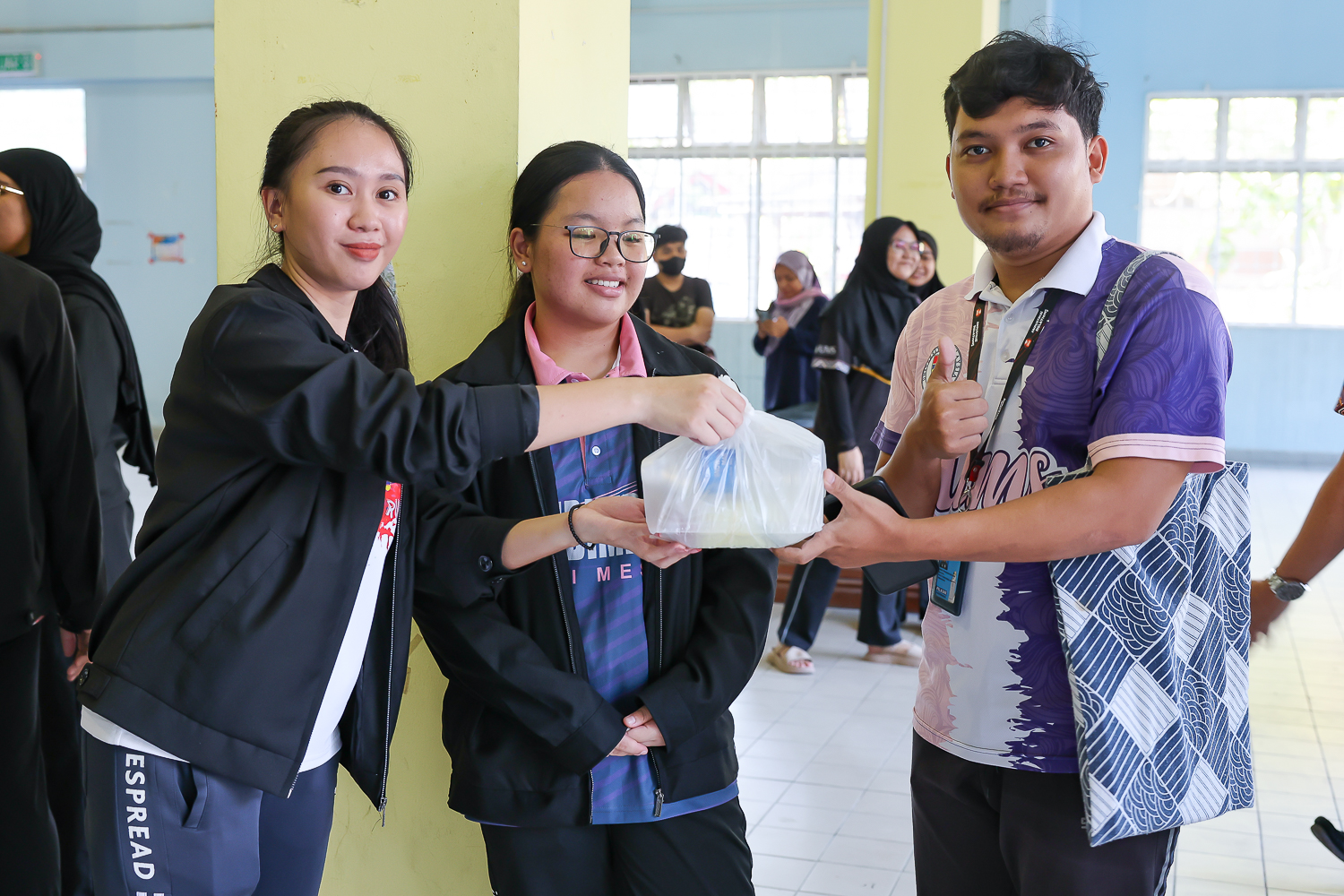
The Program Semarak Kasih Ramadan at Universiti Malaysia Sabah (UMS) embodies the spirit of compassion and food sharing during the holy month of Ramadan. Led by Naib Canselor Prof. Datuk Dr. Kasim Hj. Mansor, together with Encik Mohd Raffie Hj. Janau (Head of the Department of Student Affairs) and members of the Student Representative Council (MPP), the programme involved distributing juadah berbuka puasa to students and campus security staff. This meaningful gesture not only provided nutritious meals but also strengthened bonds of unity and care within the UMS community.Read More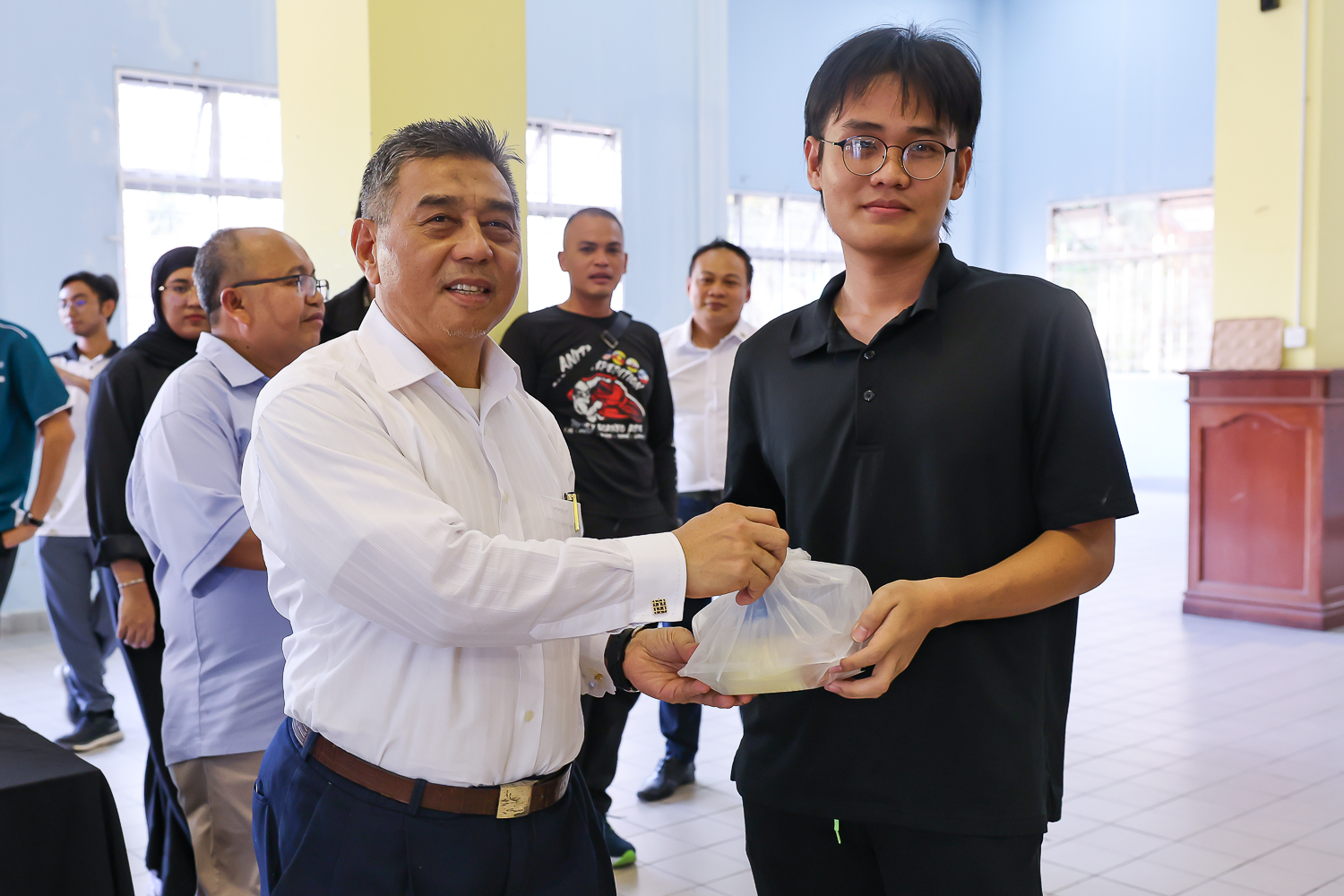
xiii. Student Welfare Monitoring & Outreach
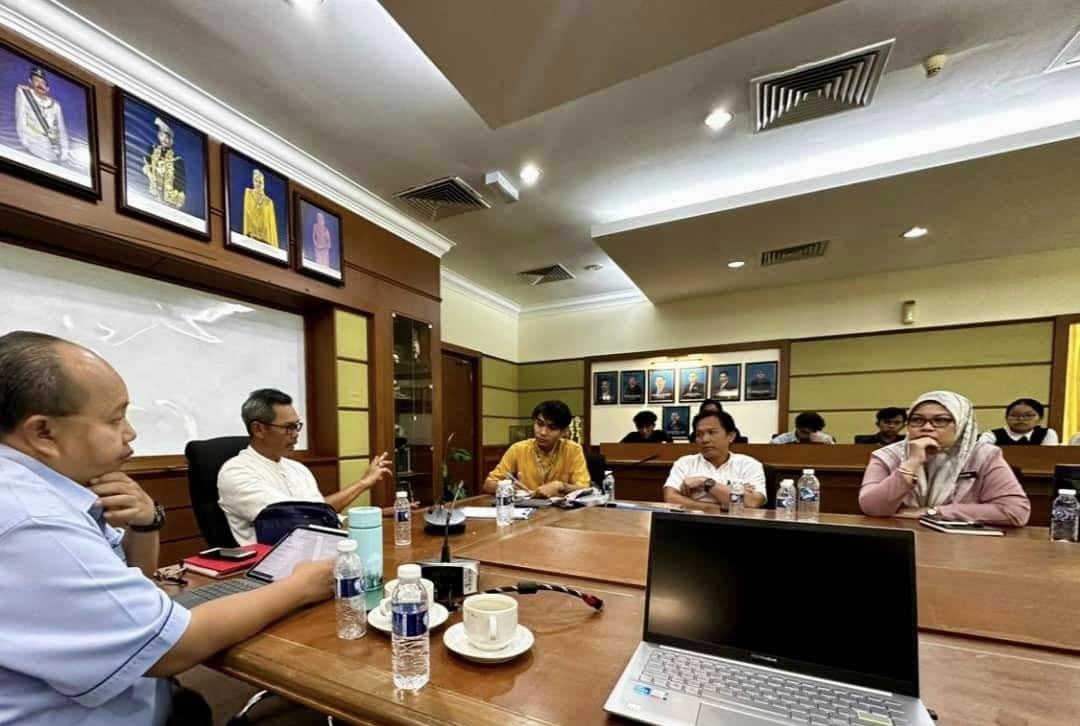
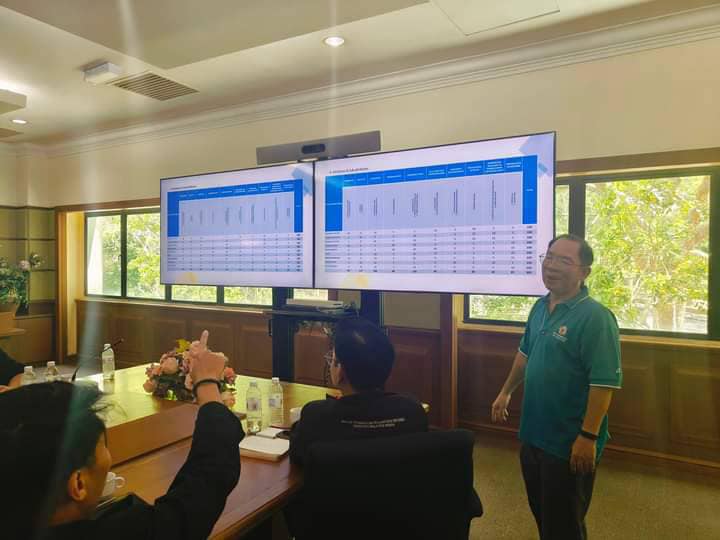
Through its Student Welfare Monitoring & Outreach initiative, Universiti Malaysia Sabah (UMS) ensures that student well-being and food security remain central to its campus sustainability agenda. Regular surveys on living costs, nutrition, and access to meals provide data-driven insights for planning and improving welfare programmes. These findings guide initiatives such as food aid, meal vouchers, and emergency assistance, helping to alleviate financial and food-related challenges faced by students. Proactive intervention systems allow UMS to identify and support at-risk individuals early, reinforcing a caring campus culture that upholds equitable access to basic needs and a conducive environment for academic success.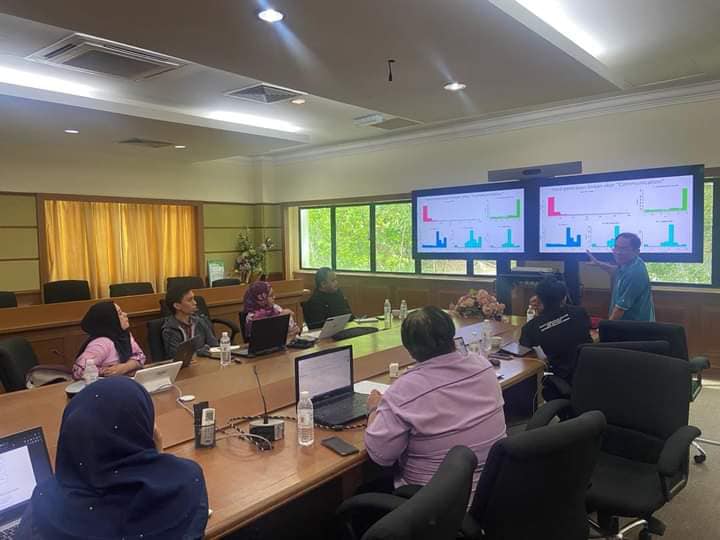
xiv. Food Support for Staff in Need
Universiti Malaysia Sabah (UMS) ensures that staff welfare and food security are prioritised through inclusive and compassionate support systems. The UMS Care Programme provides emergency food and financial aid to staff affected by unexpected crises such as illness, disasters, or family hardship. Complementing this, faculty- and institute-level food pantries under initiatives such as KEKAUMAS (Kebajikan Kakitangan UMS) and KESUMBA (Kelab Sukan dan Kebajikan Universiti Malaysia Sabah) offer accessible food and daily essentials to employees in need, promoting a culture of care and mutual support. In addition, staff financial assistance schemes are available for those facing temporary financial strain, allowing salary advances or welfare grants to help cover essential expenses. Together, these initiatives demonstrate UMS’s strong commitment to ensuring that no staff member faces hunger or hardship, while fostering a resilient and compassionate campus community rooted in social well-being and sustainability values.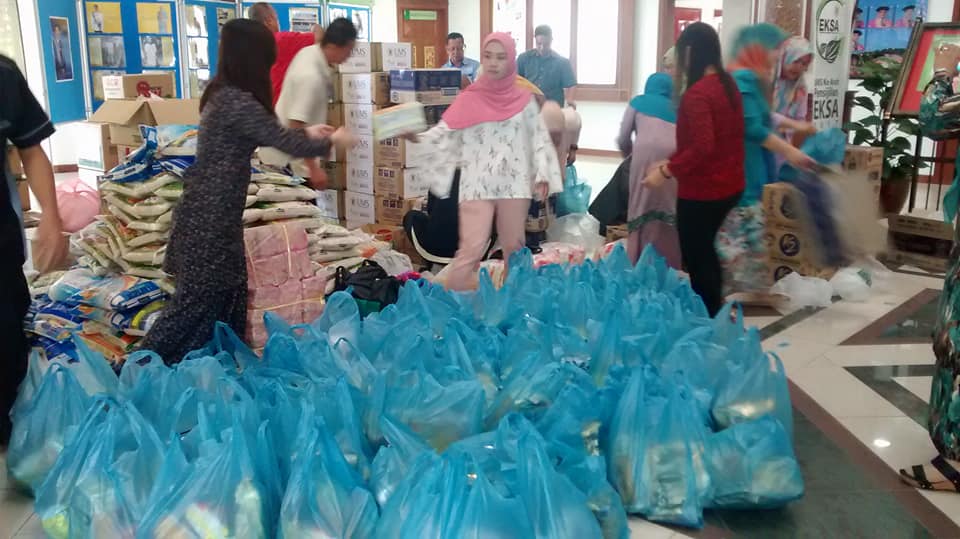
Universiti Malaysia Sabah
Community Outreach & Capacity Building
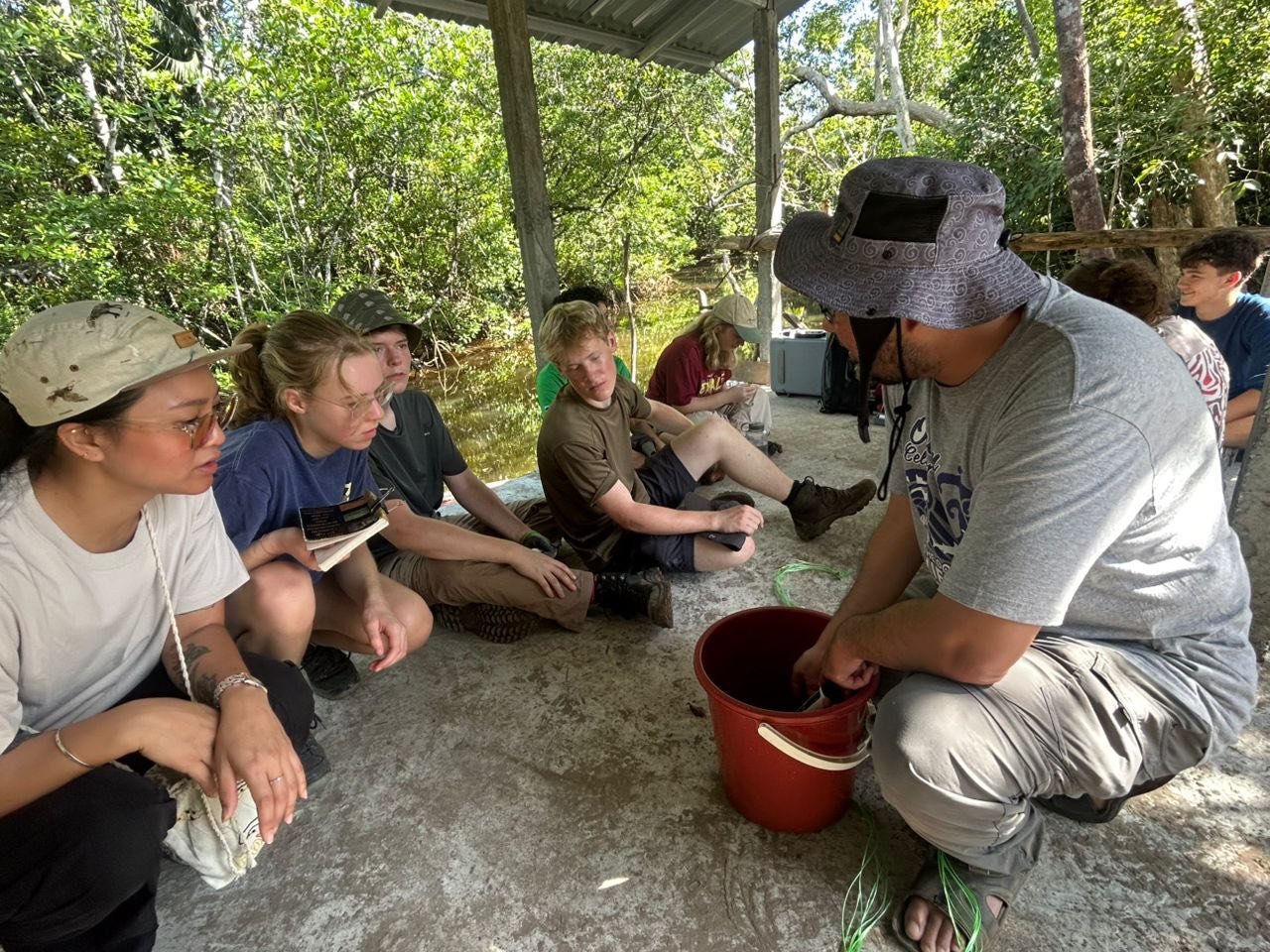
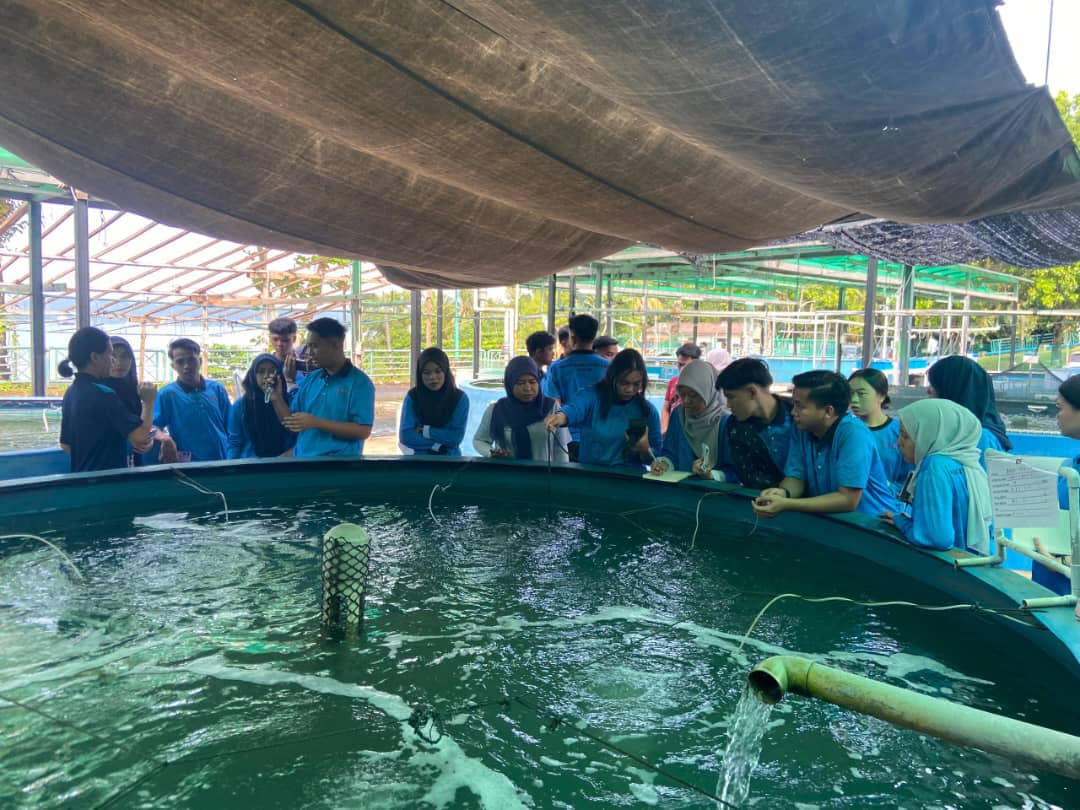
Universiti Malaysia Sabah (UMS) extends its food-security mission well beyond campus boundaries through community-based education, volunteerism and strategic partnerships that uplift rural and coastal populations. UMS designs and implements training programmes in collaboration with local councils, NGOs and schools on home-gardening, urban-farming and nutrition awareness — empowering households to grow and diversify their own food supply, strengthen dietary variety and enhance long-term resilience. Universiti Malaysia Sabah (UMS) plays a leading role in strengthening food security and sustainable agriculture across Sabah through its faculties, research institutes, and community engagement centres. Guided by the university’s sustainability framework, UMS organises continuous training sessions, workshops, and Knowledge Transfer Programme (KTP) activities to empower local farmers, aquaculture entrepreneurs, and smallholders with practical knowledge and climate-smart techniques. These initiatives—covering sustainable crop management, organic farming, and soil and water conservation—equip rural communities with adaptive skills to maintain productivity and environmental balance in changing conditions. Through these programmes, UMS transforms education into hands-on action, promoting inclusive growth, ecological awareness, and long-term community resilience.
Community-Based Food & Nutrition Projects
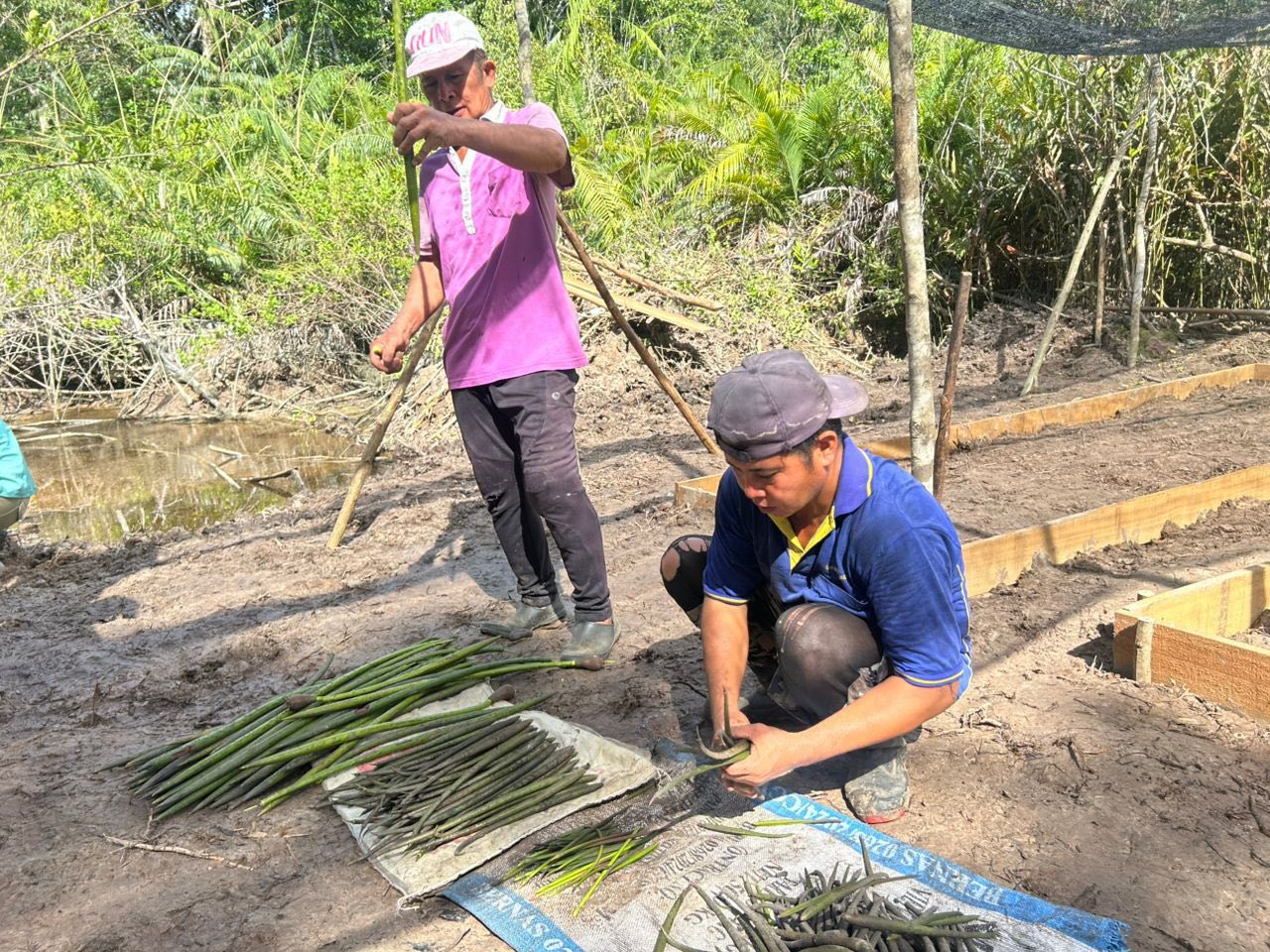
UMS strengthens its commitment to SDG 2 (Zero Hunger) through community-based food and nutrition projects that empower local families to achieve self-reliance and dietary well-being. In collaboration with local councils, NGOs, and schools, UMS conducts training programmes on home gardening, urban farming, and nutrition awareness, focusing on sustainable methods suitable for both urban and rural settings. These initiatives equip households with the skills to cultivate vegetables, herbs, and protein sources using minimal land and water resources — promoting food independence and climate-resilient production practices.Through these hands-on projects, UMS enables communities to grow and diversify their own food supply, thereby improving dietary diversity and enhancing household resilience against food-price shocks and supply-chain disruptions. Such community-based approaches reflect national efforts encouraging sustainable local food production, as highlighted by successful community-garden programmes across Malaysia that provide affordable, fresh produce to low-income groups.
By combining education, research, and social engagement, UMS’s outreach initiatives not only alleviate food insecurity but also cultivate environmental awareness and social inclusion — reinforcing the university’s role as a catalyst for grassroots food security and nutritional sustainability in Sabah and beyond.
Program Highlight
Smart Hydroponics for Sustainable Agriculture (BAKAT Programme)
-
Greener Growth, Smarter Harvests.
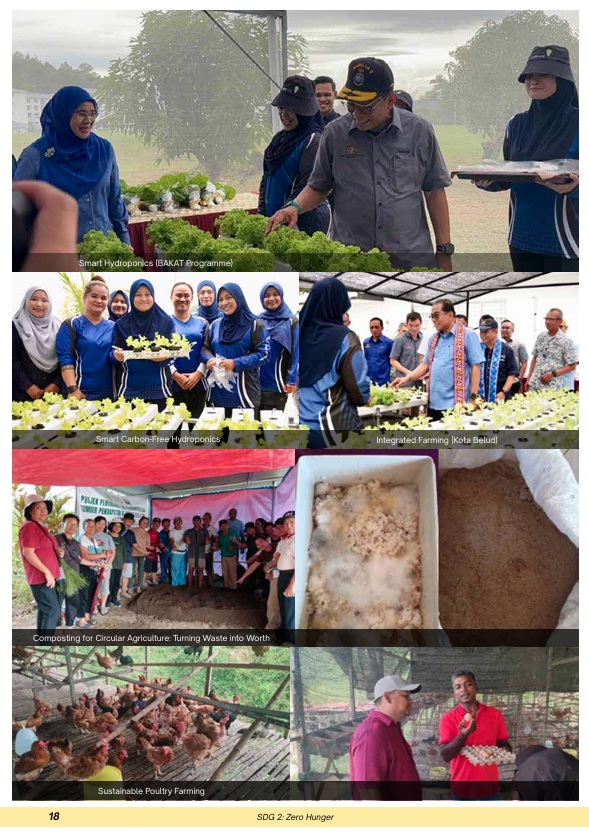
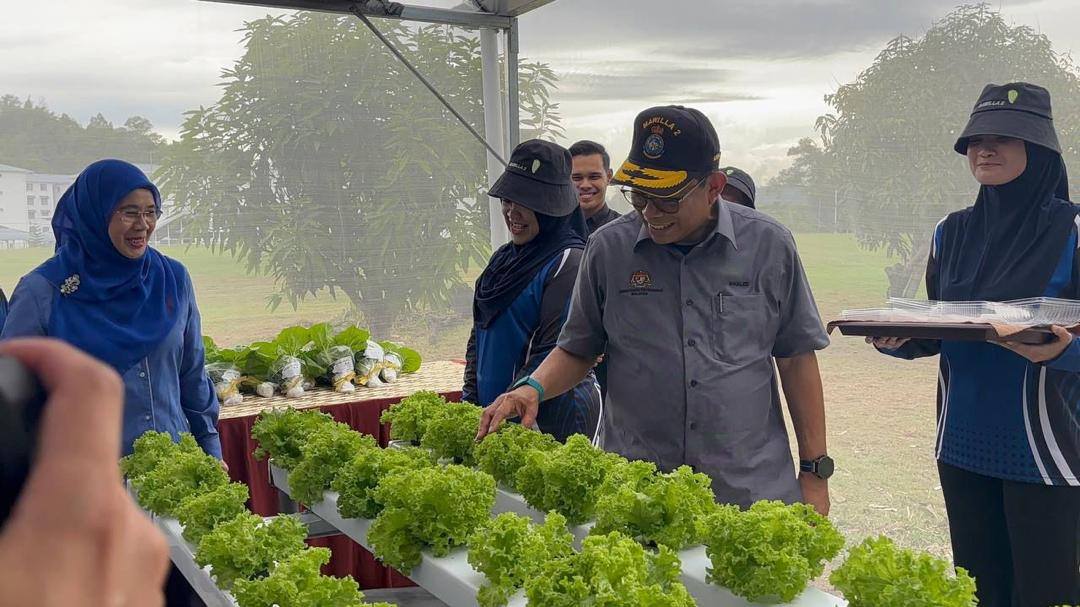
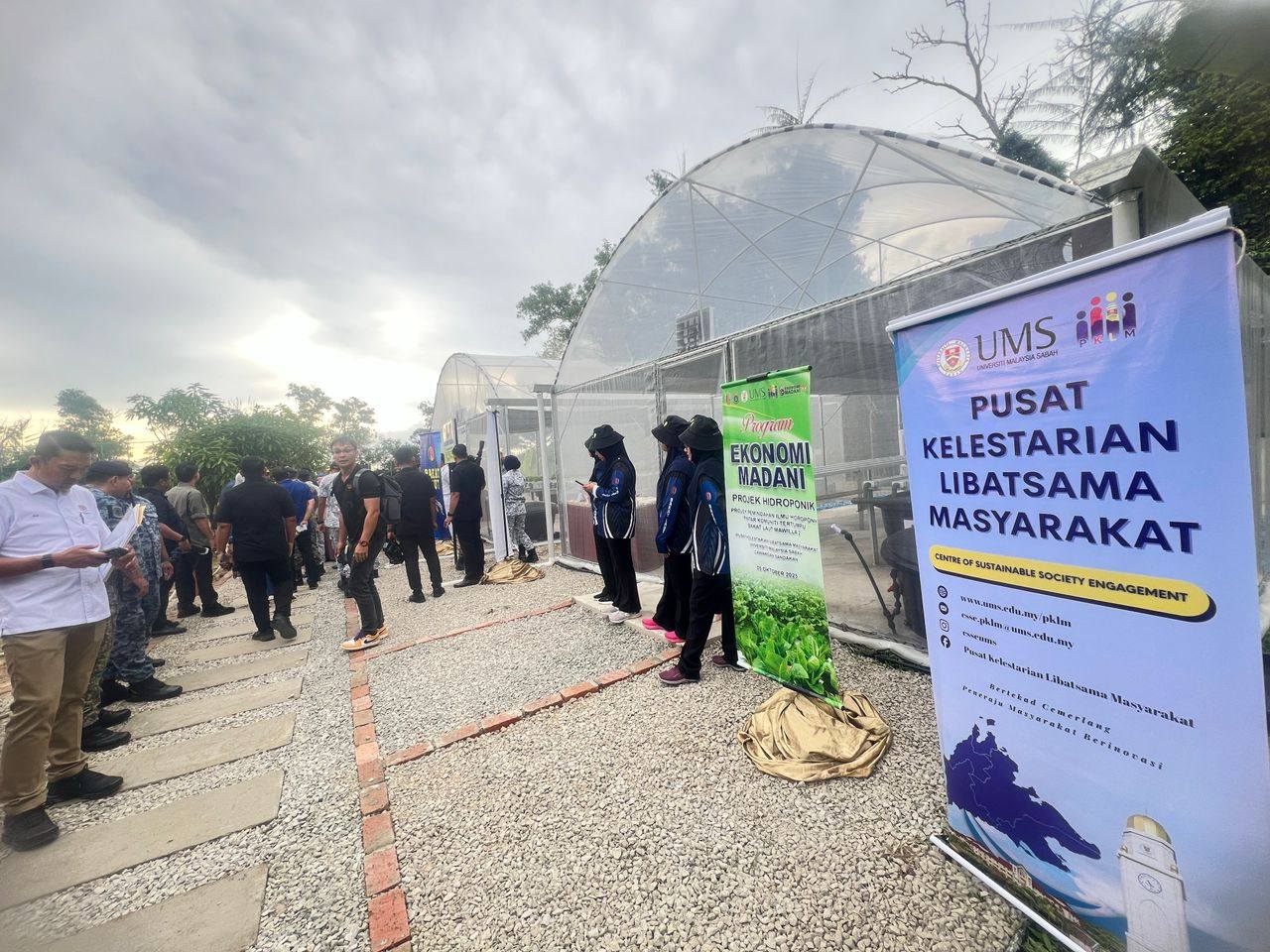
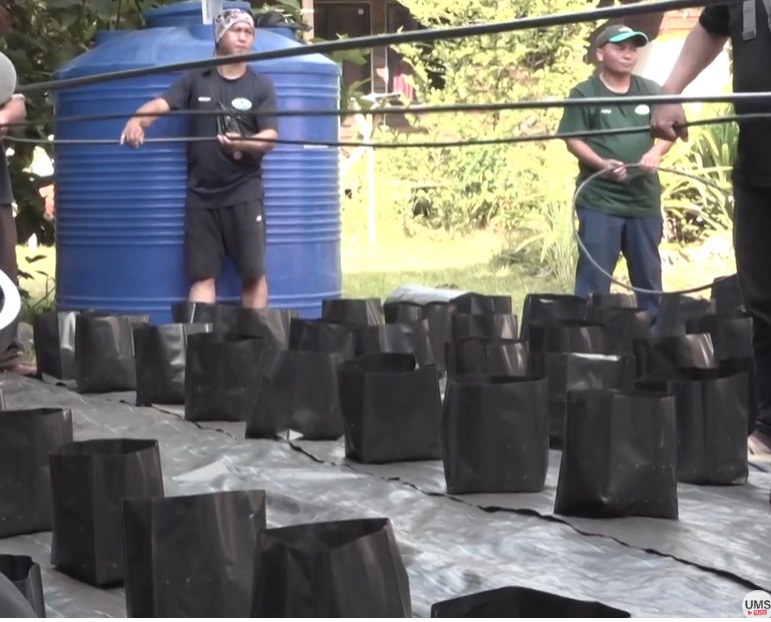
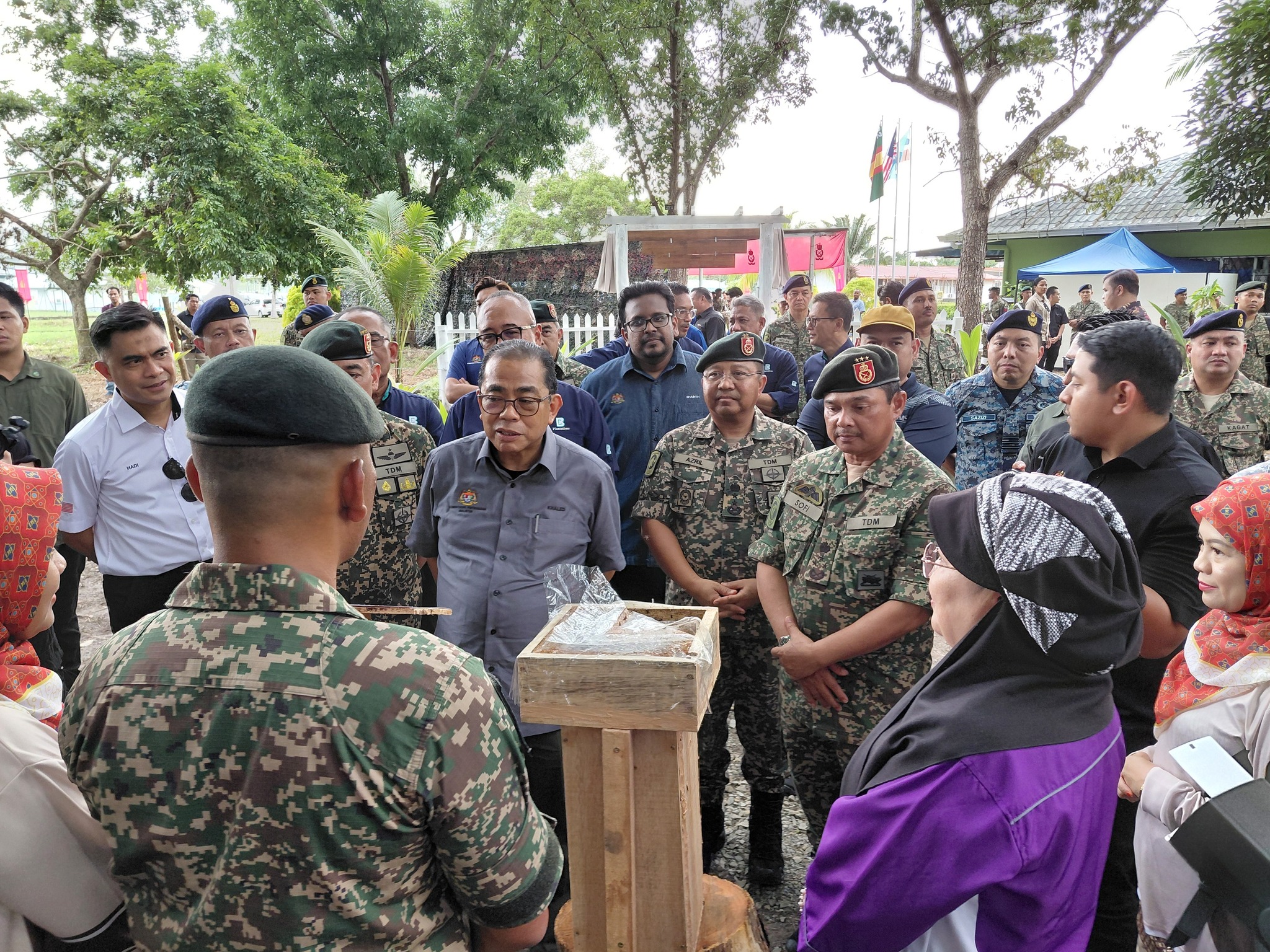
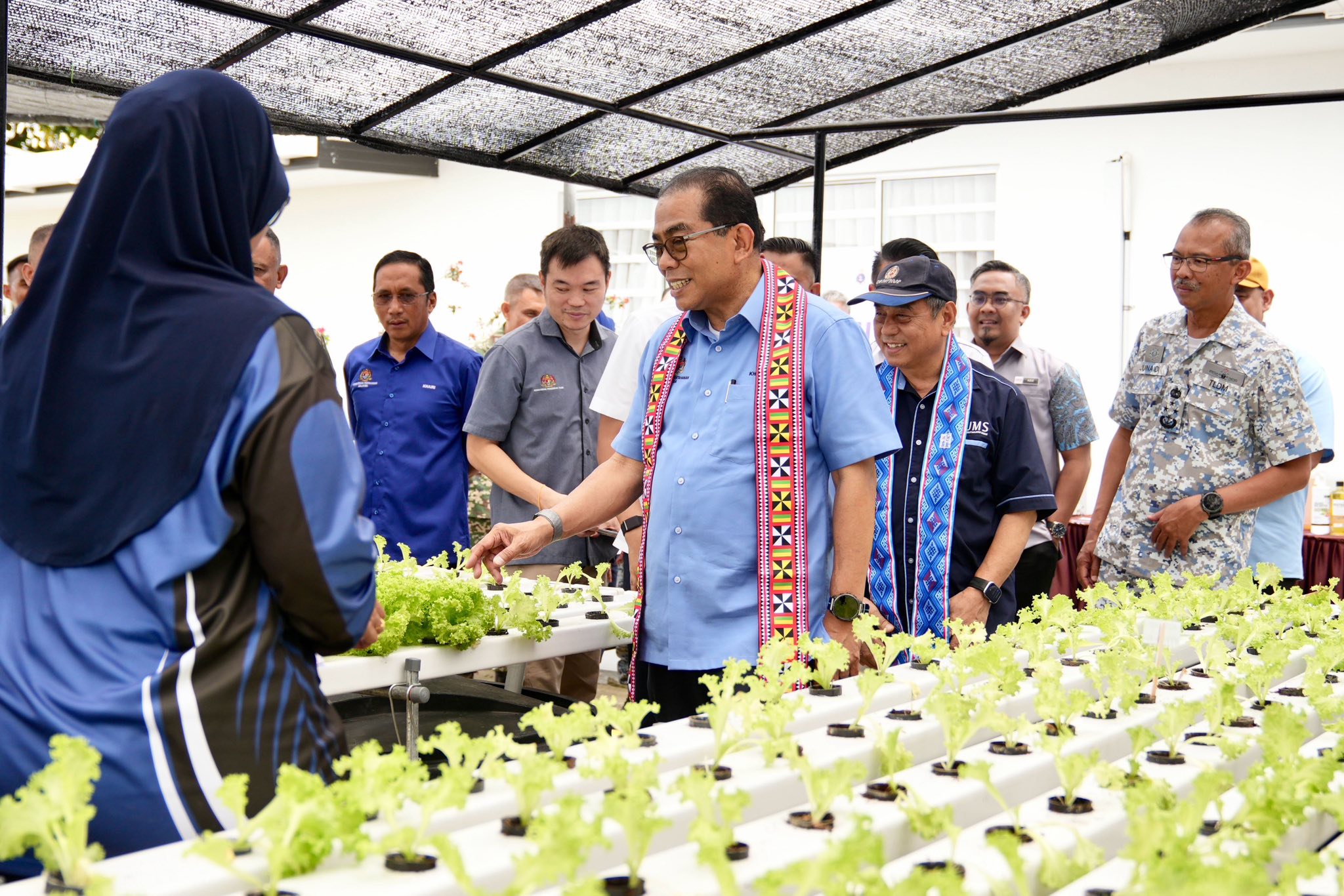
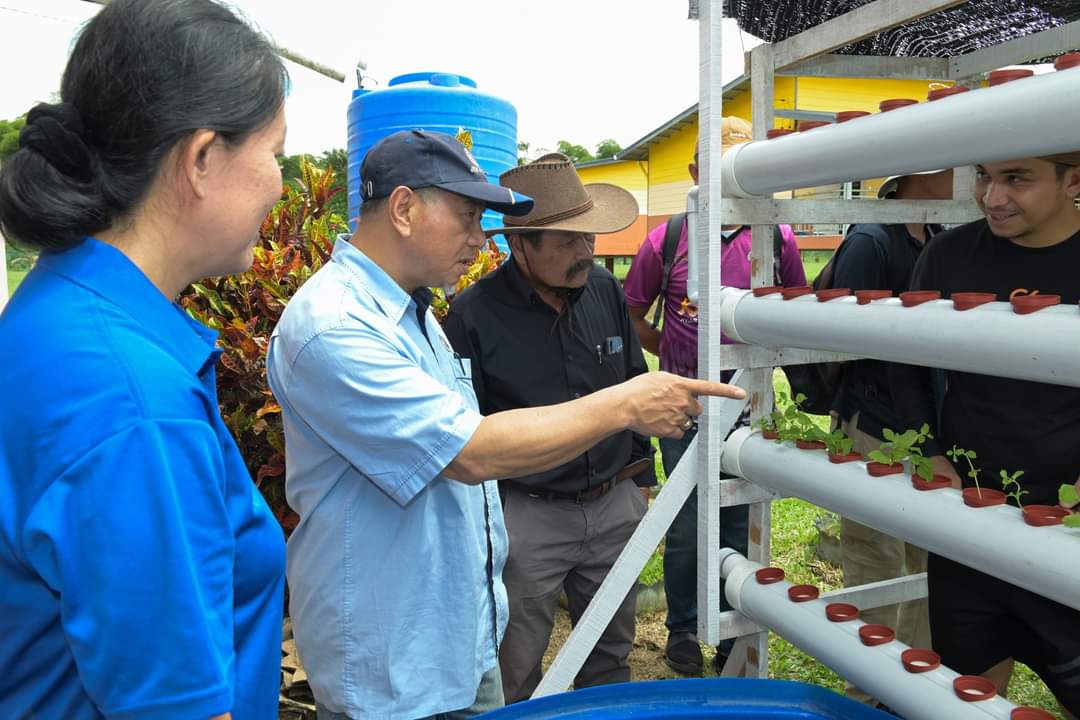
The Smart Hydroponics Community Project stands as a model of innovation, partnership, and sustainable empowerment in action. Officially launched and inaugurated during the Program Ekonomi MADANI visit by YB Dato’ Seri Haji Mohamed Khaled bin Nordin, Minister of Defence, at the Rumah Keluarga Angkatan Tentera (RKAT), Markas Wilayah Laut 2 (MAWILLA 2), Sandakan, the project reflects a new chapter of collaboration between Universiti Malaysia Sabah (UMS) and the Ministry of Defence.
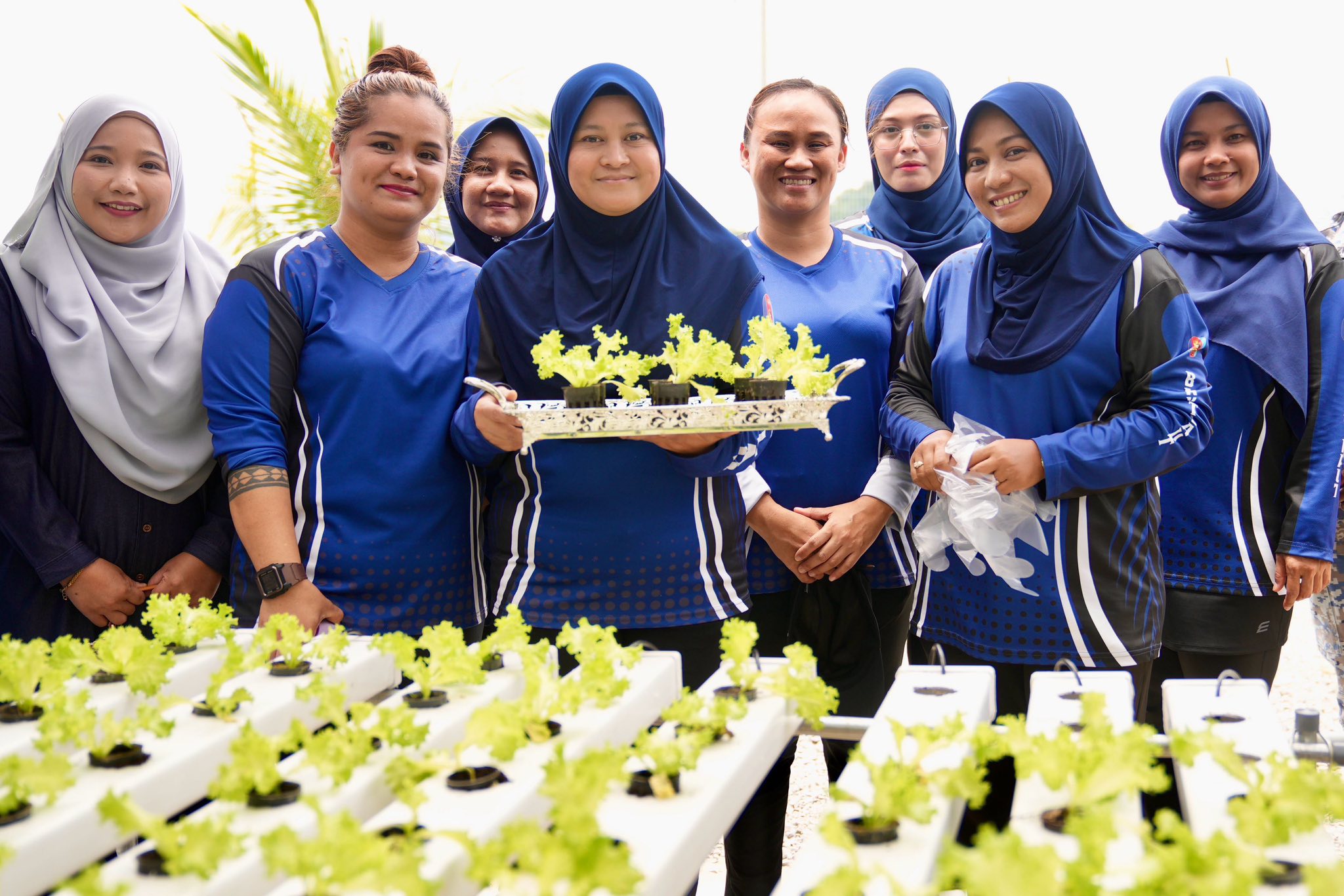
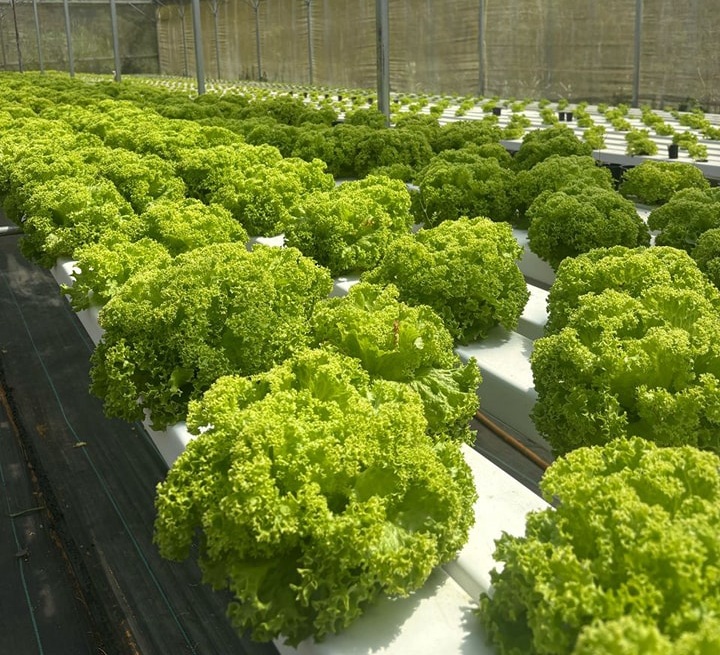
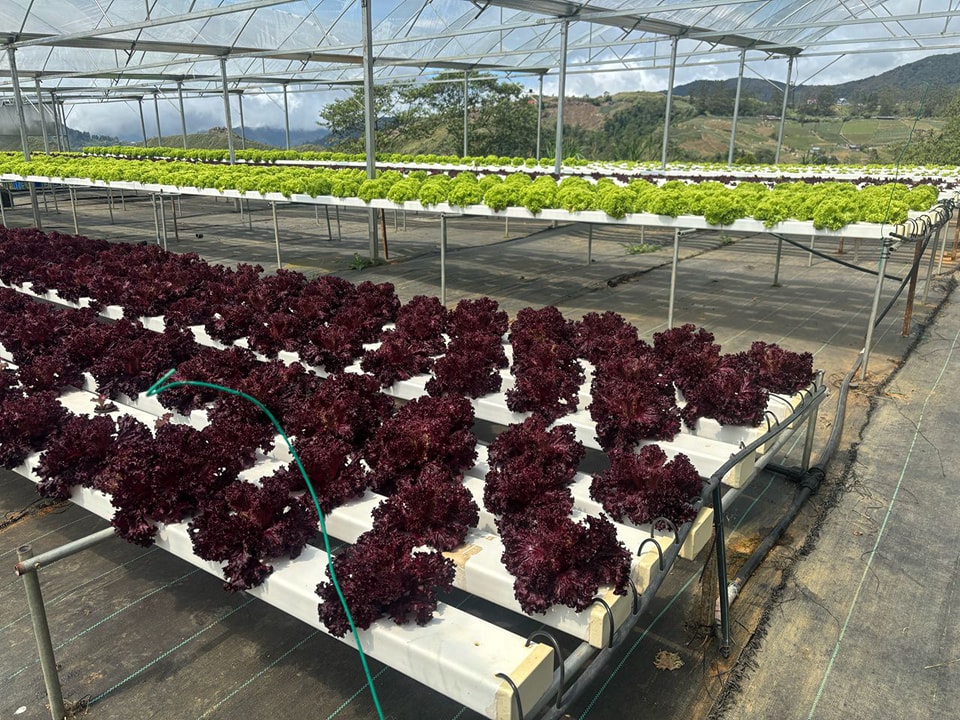
Coordinated by the Pusat Kelestarian Libatsama Masyarakat (PKLM) and led by Assoc. Prof. Dr. Abd. Aziz bin Rekan, the project is implemented through the Faculty of Sustainable Agriculture (UMS Sandakan Campus) under the guidance of Dr. Siti Suliza binti Salamat, who heads the Smart Hydroponics initiative. This transformative effort introduces BAKAT members and local youth to hydroponic farming systems that save water, space, and energy — equipping them with modern, climate-smart agricultural skills that generate income and reduce food dependency.
More than a technology transfer, the project nurtures self-reliance, confidence, and unity among the Badan Kebajikan Keluarga Angkatan Tentera (BAKAT), MAWILLA 2 community. Each hydroponic harvest symbolizes a step toward food security, sustainable living, and inter-agency collaboration that embodies the nation’s Ekonomi MADANI vision — people-centered, innovative, and future-ready.
Komuniti Tertumpu Bombon, Kg. Marakau Ranau – DaMaI Initiative
-
From Nature to Nurture.
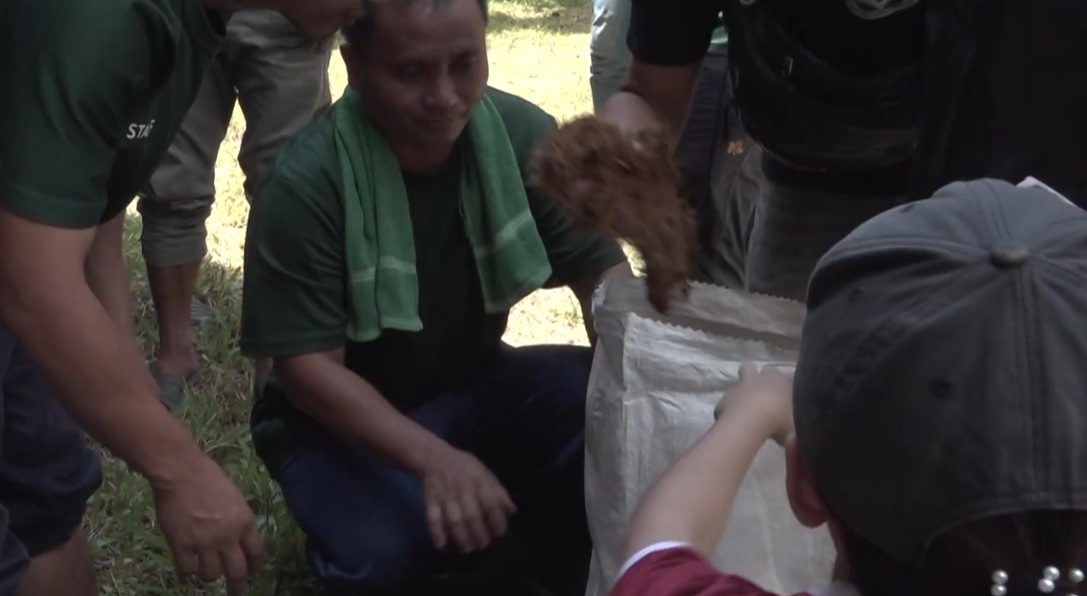
Nestled in the cool highlands of Ranau, the DaMaI (Dana Amanah Malaysia Madani) Initiative empowers villagers of Kg. Marakau Bombon to transform their environment into a living classroom for sustainability. Through eco-tourism, agro-based entrepreneurship, and community cooperatives, the project weaves livelihoods with stewardship of nature.
Here, every seed planted, every trail preserved, and every visitor welcomed contributes to both income resilience and biodiversity conservation, ensuring that progress never comes at the expense of the environment.
-
Community
Bombon, Kg. Marakau Ranau
-
+
Google Map
Kelulut Honey Entrepreneurship for Green Income (BAKAT Programme)
-
Sweet Sustainability, Shared Prosperity.
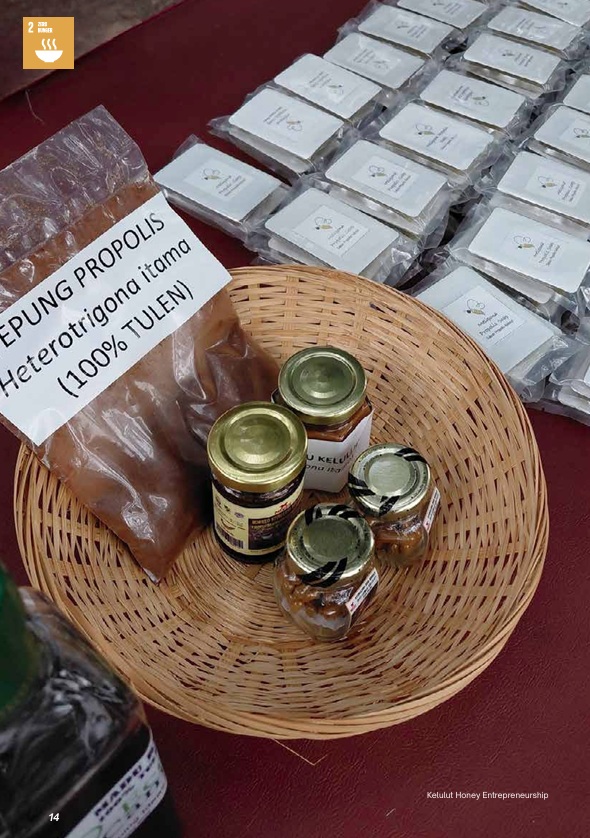
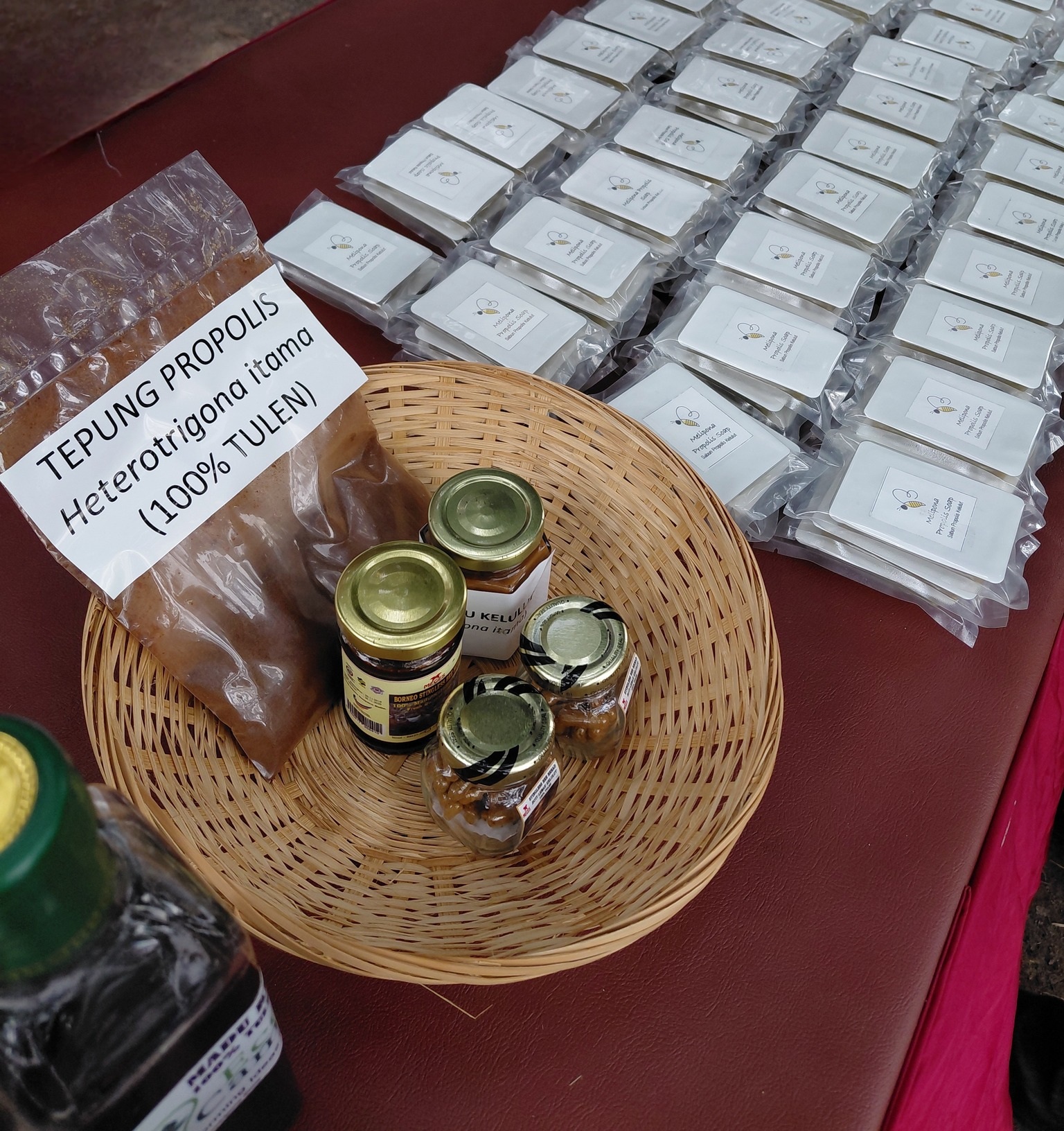
Amid Sabah’s rich tropical landscape, the Kelulut Honey Entrepreneurship Project under the Program Ekonomi MADANI turns nature’s smallest workers into agents of sustainability and empowerment. Coordinated by the Pusat Kelestarian Libatsama Masyarakat (PKLM) in collaboration with Universiti Malaysia Sabah (UMS), the initiative equips Badan Kebajikan Keluarga Angkatan Tentera (BAKAT) members, women, and youth with the knowledge and skills to cultivate kelulut (stingless bee) colonies, harvest pure honey, and develop value-added eco-products such as soaps, balms, and health supplements.
Guided by experts from UMS’s Faculty of Sustainable Agriculture (UMS Sandakan Campus), the project integrates entrepreneurship with ecological stewardship — encouraging communities to protect pollinators that are vital for biodiversity and food systems. Beyond economic gains, participants develop an appreciation for the delicate harmony between human livelihood and the natural environment, forming the heart of a growing green micro-economy.
The Kelulut Project represents more than income generation — it’s a symbol of resilience, creativity, and care for the planet. Every drop of honey produced tells a story of community empowerment, environmental awareness, and the sustainable spirit of Sabah’s people.
Smart Carbon-Free Hydroponics Project (BAKAT Programme)
-
Empowering Communities, Growing Futures.
The Smart Carbon-Free Hydroponics Project, an innovative entrepreneurship initiative under the Program Ekonomi MADANI, was developed through collaboration between the Badan Kebajikan Keluarga Angkatan Tentera (BAKAT) and Universiti Malaysia Sabah (UMS) via the Knowledge Transfer Programme (KTP).
This project empowers communities to embrace modern, sustainable agriculture by introducing automated hydroponic systems that use minimal water, land, and energy. Through comprehensive hands-on training led by experts from UMS’s Faculty of Sustainable Agriculture, participants gain technical knowledge, business acumen, and environmental awareness — transforming small urban spaces into productive, eco-friendly gardens.
Beyond cultivating crops, the initiative cultivates confidence, innovation, and resilience among families and youth. It enhances household food security, creates opportunities for supplementary income, and fosters a culture of sustainability and self-reliance within the armed forces community. As a model of inclusive progress, the project embodies the MADANI values of care, partnership, and shared prosperity — proving that when knowledge is transferred with purpose, communities thrive together.
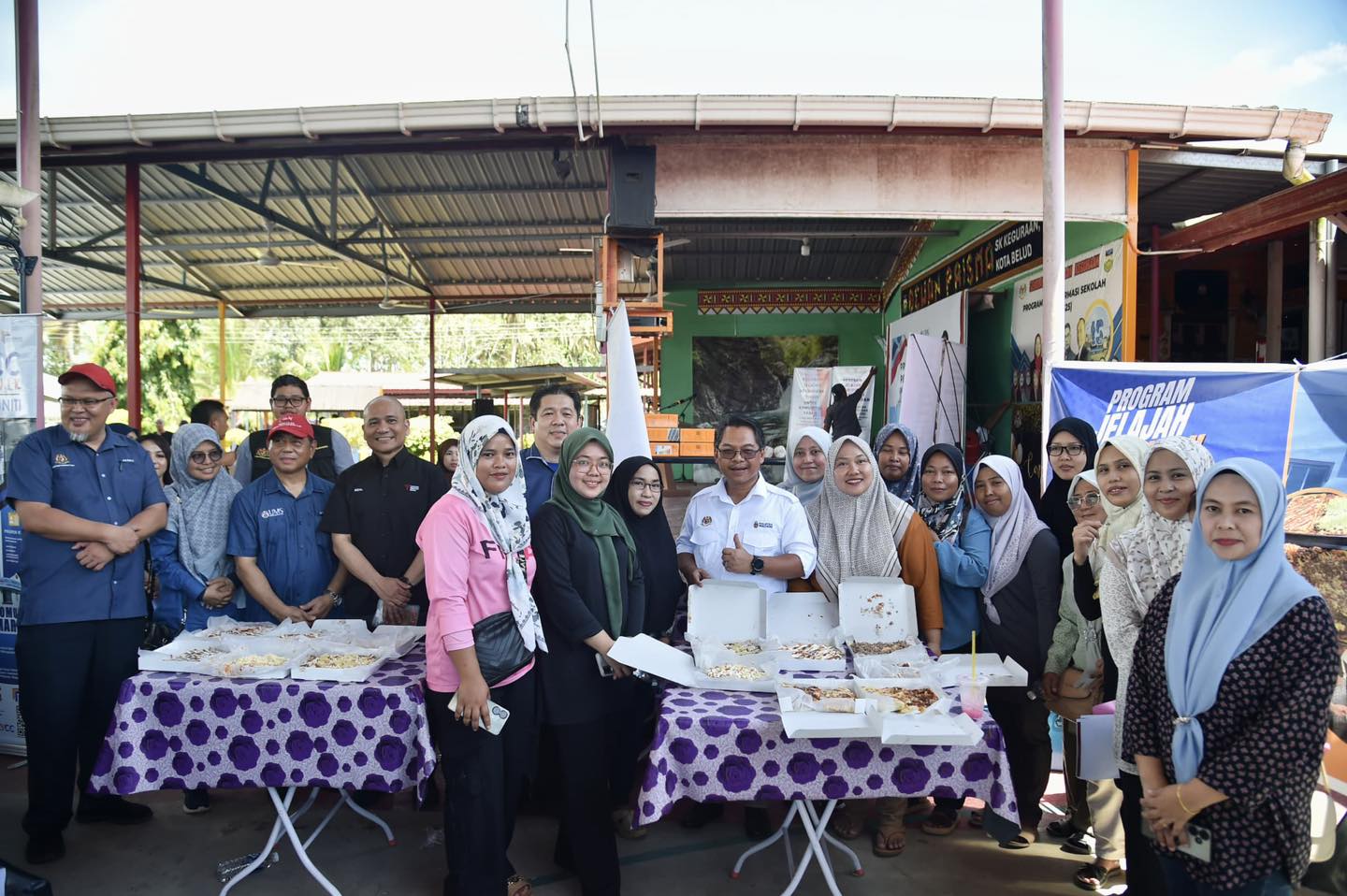
Fertigation, Mushroom Cultivation & Solar Energy Integration
-
Smart Skills, Sustainable Futures.
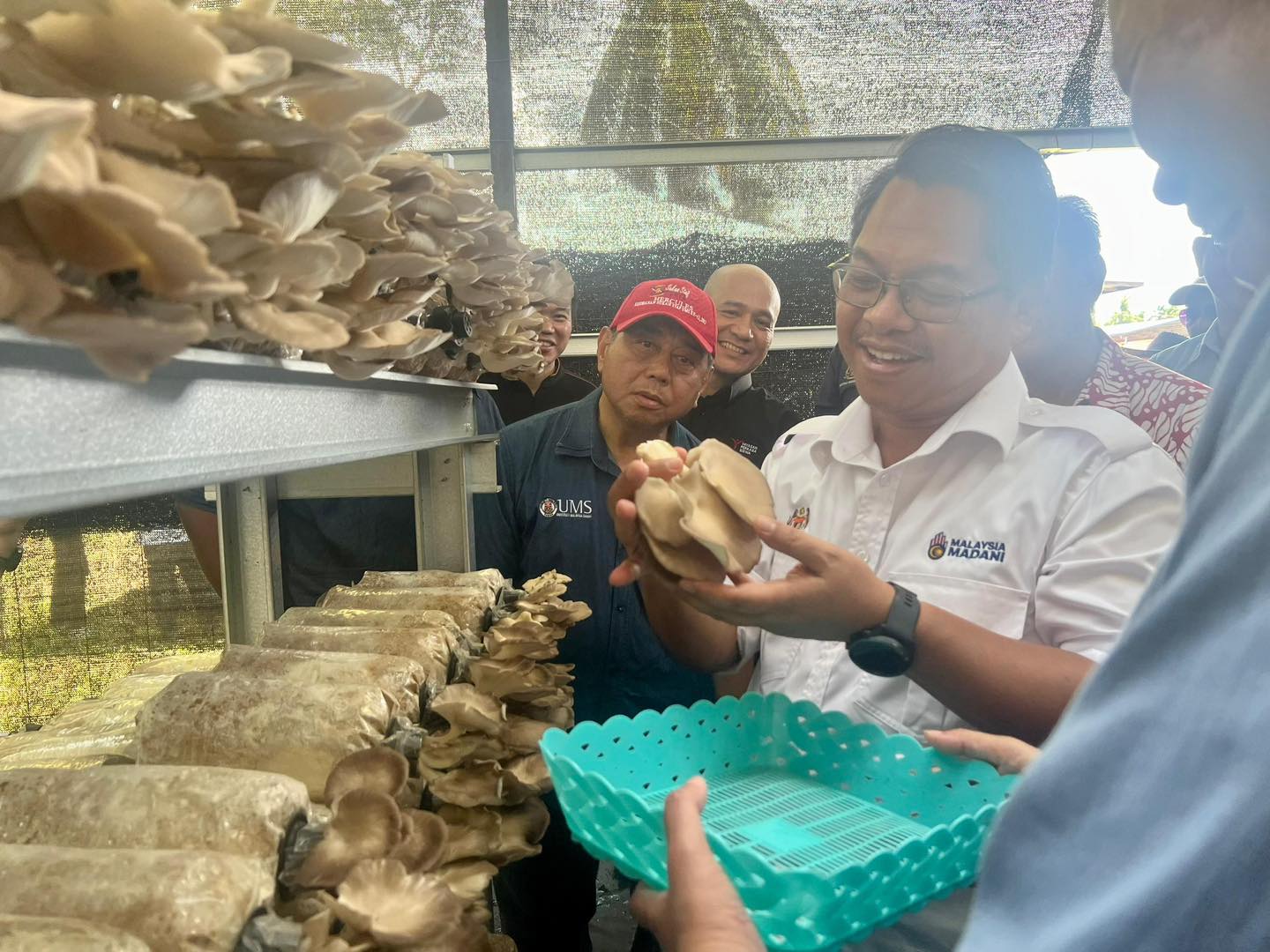
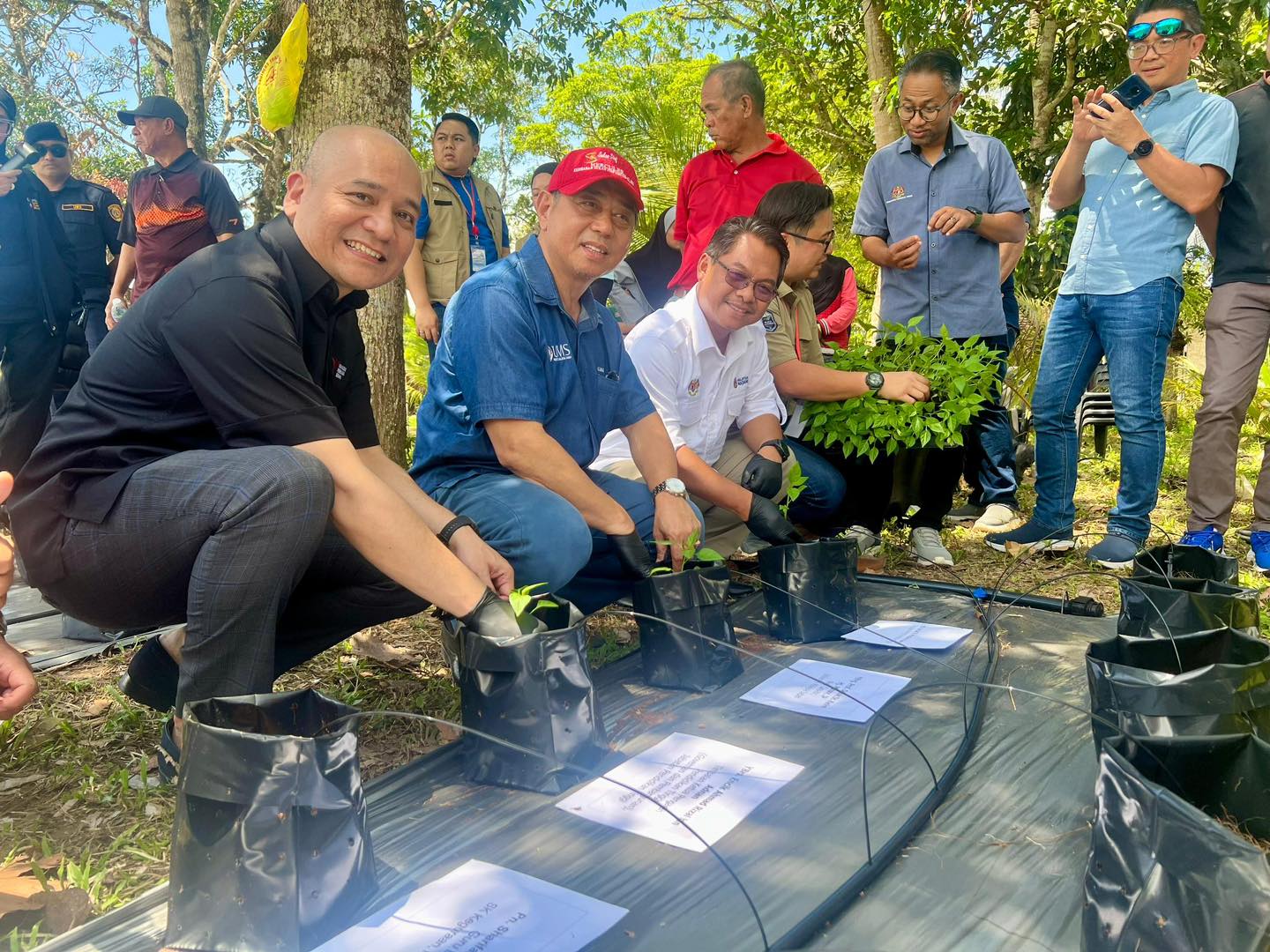
The Fertigation, Mushroom Cultivation & Solar Energy Integration Project is one of Universiti Malaysia Sabah’s most comprehensive community knowledge-transfer initiatives — designed to empower rural communities through a combination of agricultural innovation, renewable energy, and food entrepreneurship. Spearheaded by the Pusat Kelestarian Libatsama Masyarakat (PKLM UMS), this project equips participants with practical, future-ready skills that link sustainability with self-sufficiency.
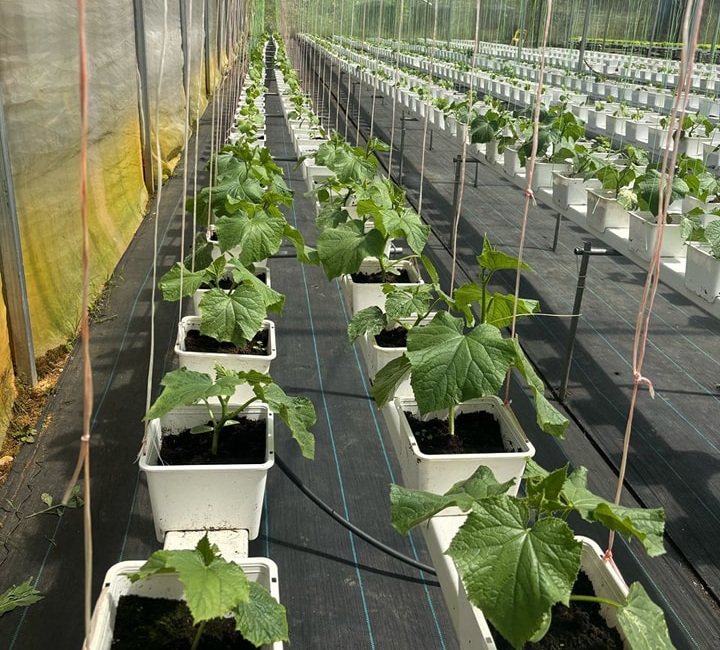
Through hands-on training, villagers and youth learn how to apply fertigation technology — a smart irrigation system that delivers water and nutrients directly to crops, reducing waste and improving yields. Alongside this, participants gain expertise in mushroom cultivation using eco-friendly methods that recycle organic materials such as sawdust or paddy husks, turning agricultural by-products into profitable resources. Complementing these efforts, the project also introduces solar-energy installation workshops, helping communities reduce dependence on non-renewable electricity while lowering operational costs for small enterprises.
Beyond farming and energy, the initiative encourages local food innovation, guiding participants to create value-added products such as yellow noodles and pizza talam using locally sourced ingredients. These activities promote food security, circular economy principles, and low-carbon lifestyles, while strengthening community entrepreneurship.
At its heart, the project represents UMS’s belief that sustainability begins with skill — that by empowering people with knowledge, innovation, and green technology, we build communities that can grow, adapt, and sustain themselves for generations.
-
Community
SK Keguraan, Kota Belud
-
+
Google Map
Composting for Circular Agriculture
-
Turning Waste into Worth.
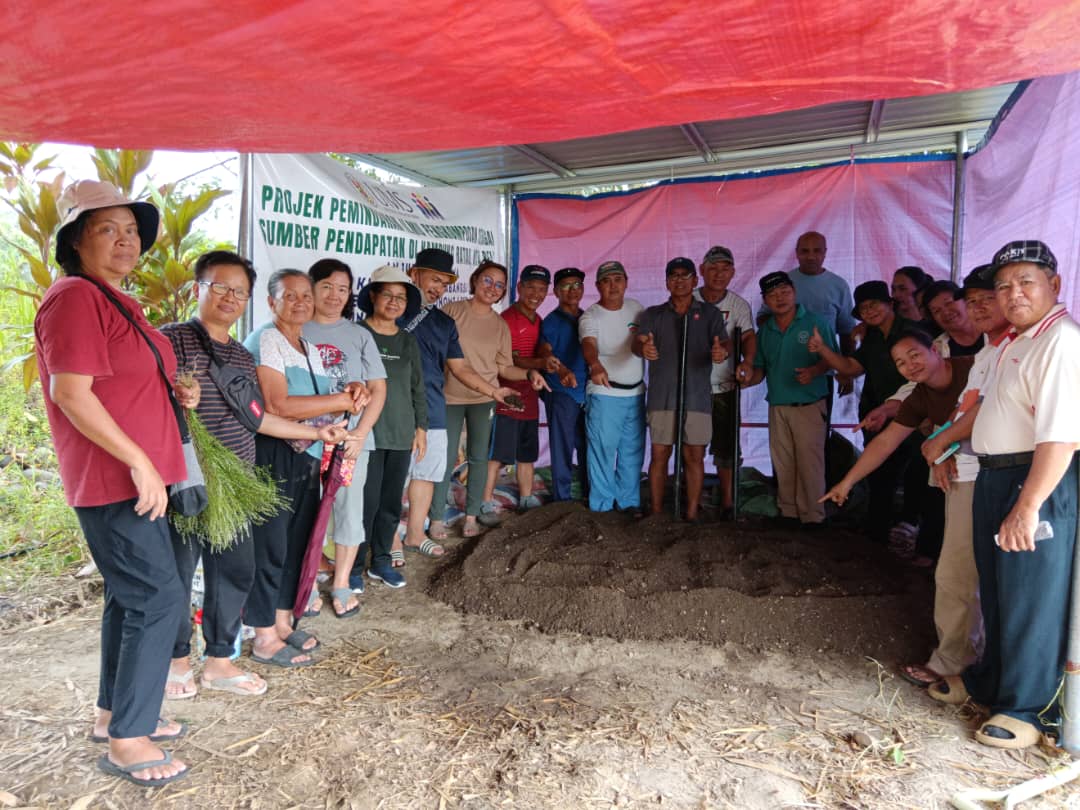
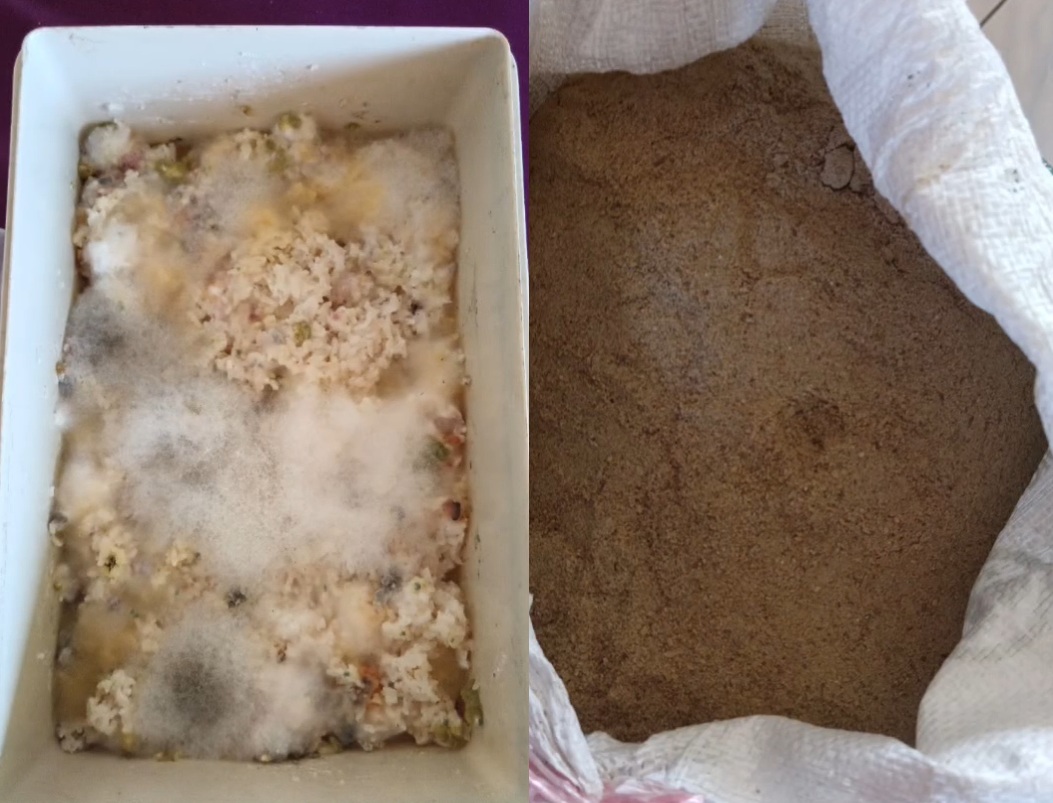
The Composting Knowledge-Transfer Project in Kg. Ratau, Kota Belud, empowers local farmers and families to transform their everyday organic waste into a valuable resource — nutrient-rich natural fertilizer. Led by Universiti Malaysia Sabah (UMS) through the Pusat Kelestarian Libatsama Masyarakat (PKLM), the project teaches participants practical composting methods using household and agricultural residues such as food scraps, leaves, and crop waste. This initiative not only reduces the community’s dependence on chemical fertilizers but also helps to restore soil health, improve productivity, and encourage more sustainable farming systems rooted in circular economy principles.
Beyond its technical outcomes, the project cultivates a mindset of environmental stewardship and shared responsibility. Each compost bin becomes a classroom of change — where villagers learn that even waste holds potential when guided by knowledge and care. The process symbolizes regeneration and resilience: turning what was once discarded into new growth, bridging scarcity with innovation, and nurturing a zero-waste culture that supports climate-smart agriculture. The Kg. Ratau community now stands as an inspiring example of how small rural actions can ripple into a larger movement for sustainability and ecological balance.
-
Community
Kg. Ratau, Kota Belud
-
+
Google Map
Bagang Bilis & Aquatic Entrepreneurship
-
Sustaining Seas, Empowering Shores.
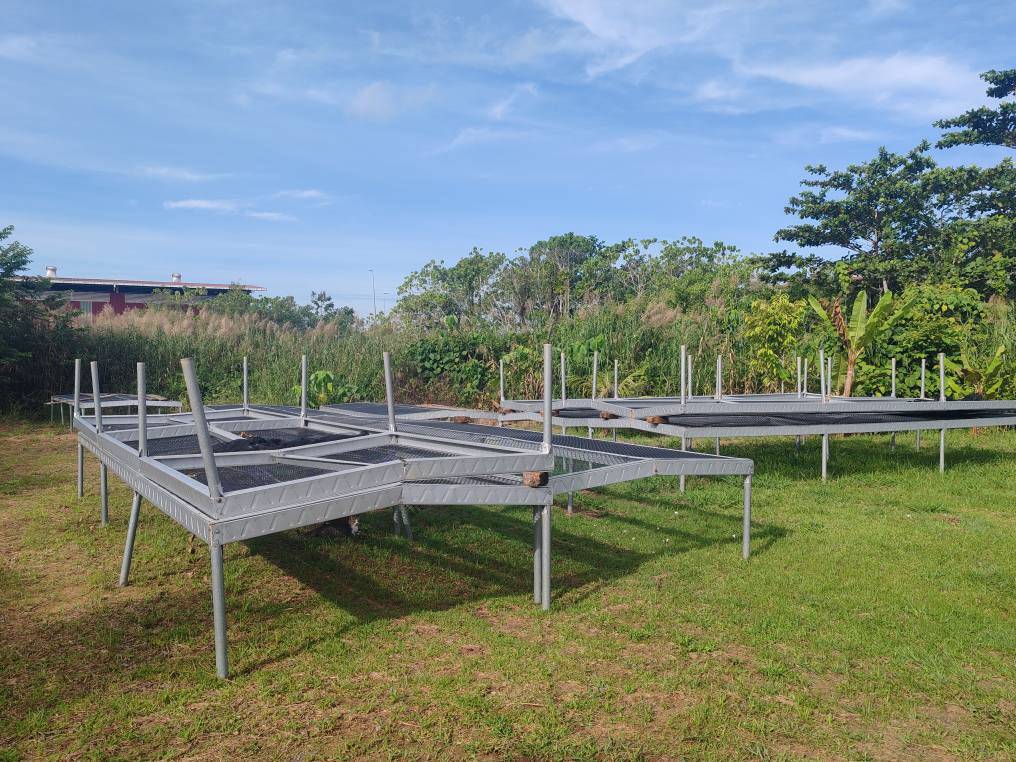
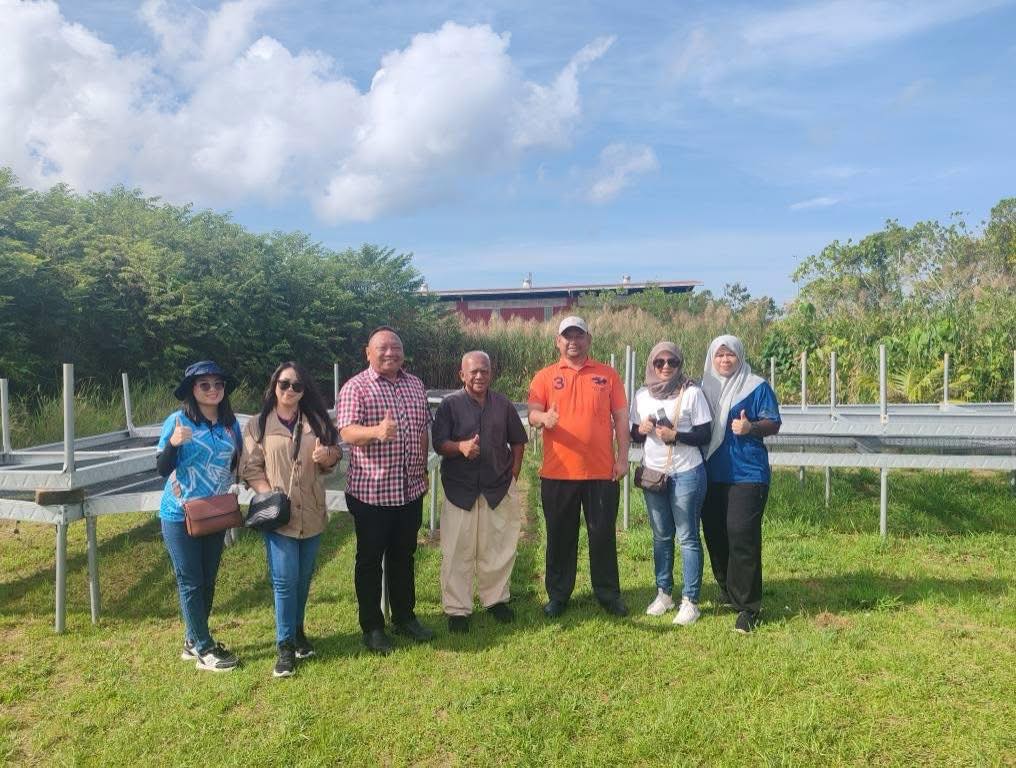
The Bagang Anchovy Fishing and Processing Project in Kg. Rancha-Rancha Darat, Labuan, stands as a shining example of how traditional livelihoods can evolve through innovation and knowledge transfer. Led by Assoc. Prof. Dr. Geoffrey Harvey Tanakinjal with project members Liew Anak Lubang, Abdul Kamal Bin Char, and Joehan Johan William, this initiative empowers the local fishing community under the guidance of Pusat Kelestarian Libatsama Masyarakat (PKLM UMS).
Through the Knowledge Transfer Programme (KTP), fishers were trained in modern bagang fishing techniques, anchovy (bilis) processing, and product value enhancement. The project introduced significant innovations, including a pulley-based lifting system and modern drying platforms that ensure cleaner, faster, and more hygienic processing. These improvements safeguard products from contamination by dust, insects, and animals while increasing efficiency and product quality. The fishers now market both fresh anchovies (RM5/kg) and dried anchovies (RM20/kg), generating an average gross income of RM15,000 per month, with net earnings of RM7,000, despite operating only during the fishing season.
Beyond economic success, the project revives coastal traditions while embracing sustainability — balancing productivity with respect for the sea. It has elevated the livelihoods of Kampung Rancha-Rancha Darat’s fishing families, strengthened community unity, and demonstrated how innovation and local wisdom can coexist harmoniously. The initiative is a true reflection of UMS’s mission to nurture sustainable, inclusive, and ocean-conscious communities.
-
Community
Kg. Rancha-Rancha Darat, Labuan
-
+
Google Map
Traditional Bread and Local Pastries Entrepreneurship Project
-
From Local Taste to Lasting Prosperity.
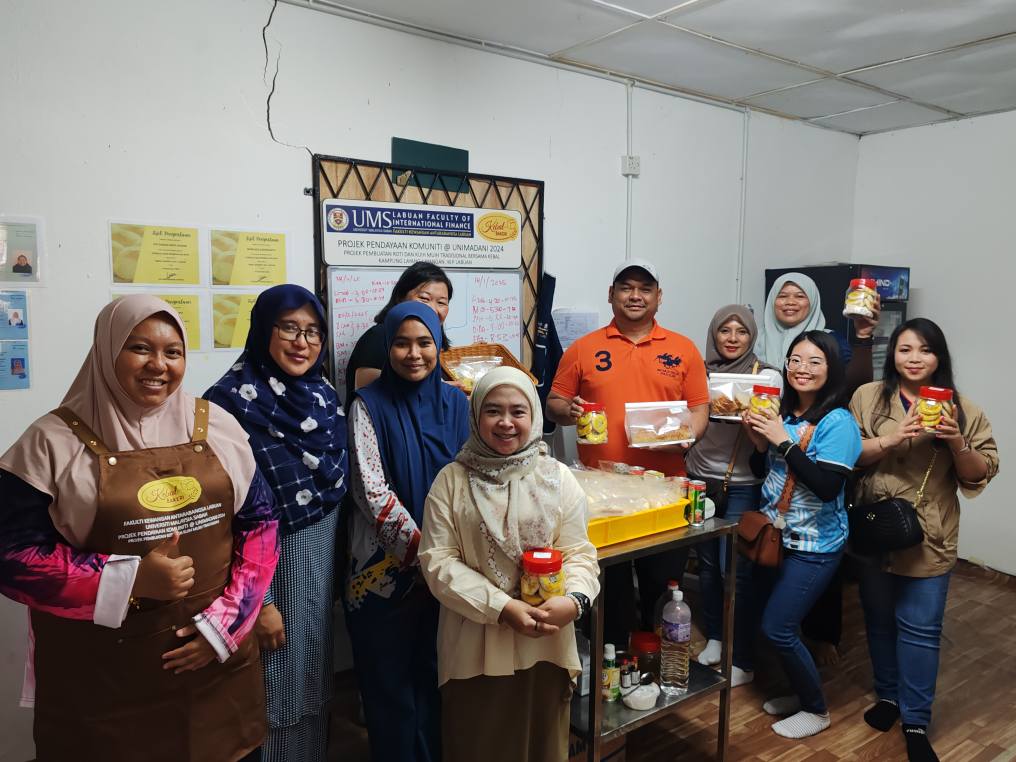
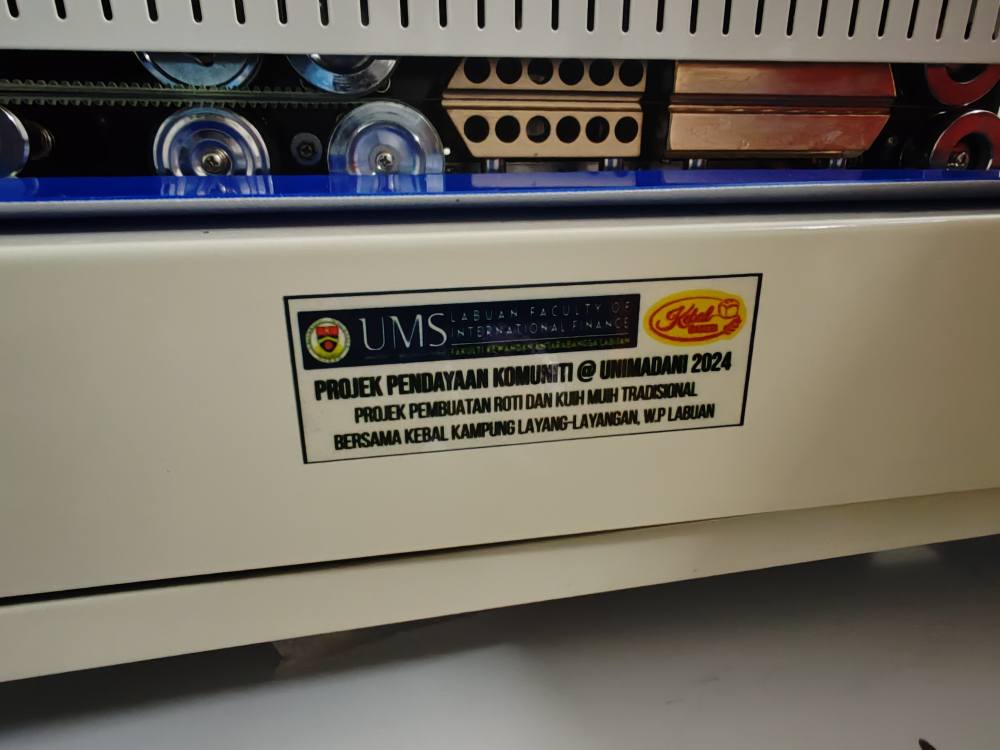
The Traditional Bread and Local Pastries Entrepreneurship Project in Labuan exemplifies how local creativity, innovation, and community spirit can drive sustainable economic growth. Spearheaded by Dr. Suzilah binti Sidek together with Dr. Sharinah binti Puasa, Dr. Emily Yapp Hon Tshin, and Dr. Nazarina Jamil, this project was implemented under the Program Pendayaan Komuniti @ UniMADANI 2024, funded by the Ministry of Finance Malaysia and coordinated by the Pusat Kelestarian Libatsama Masyarakat (UMS).
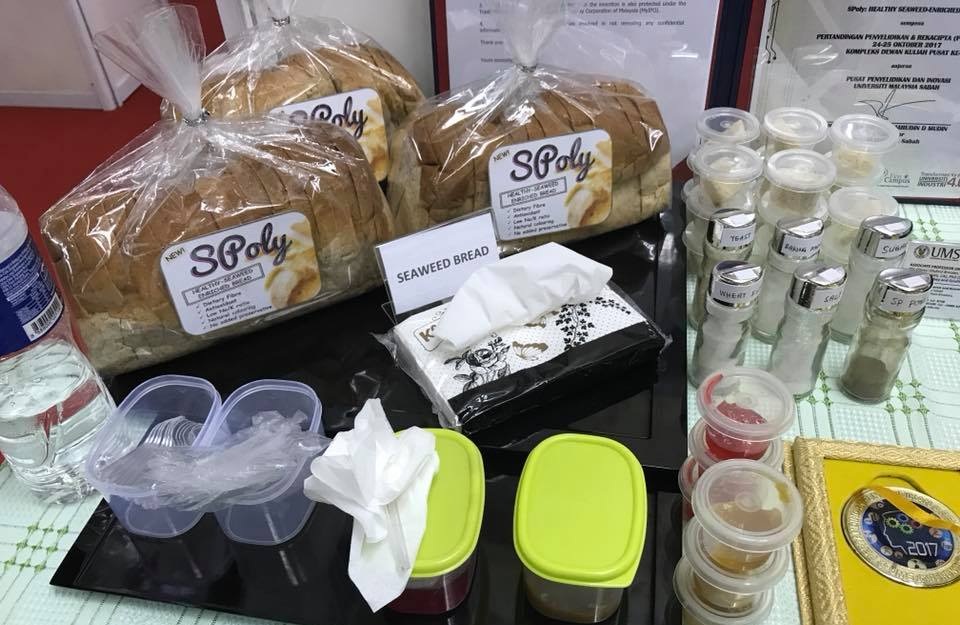
Working with the Kelab Belia Anak Layangan (KEBAL) community, fifteen active participants received hands-on training in the art and business of traditional pastry-making. The project introduced healthier and innovative products such as sourdough, tausa piang, pandan buns, and buttermilk buns, achieving an impressive average monthly revenue of RM1,900. Particularly, the sourdough bread, one of only two of its kind produced in Labuan, has become a community favourite due to its low production cost, higher market value, and nutritional benefits.
Beyond baking, the project integrates technology and innovation by introducing automated labelling and packaging machines, enhancing both efficiency and product quality. With expanding sales reaching even Peninsular Malaysia, orders now average 300 units per batch, up to twice a week. Participants have also diversified income streams through baking courses and ingredient sales, turning their passion into a sustainable micro-enterprise model.
This initiative not only boosts income but also builds confidence, skills, and identity among the Labuan youth and families involved — a clear testament to the power of knowledge transfer in shaping resilient and self-sustaining communities.
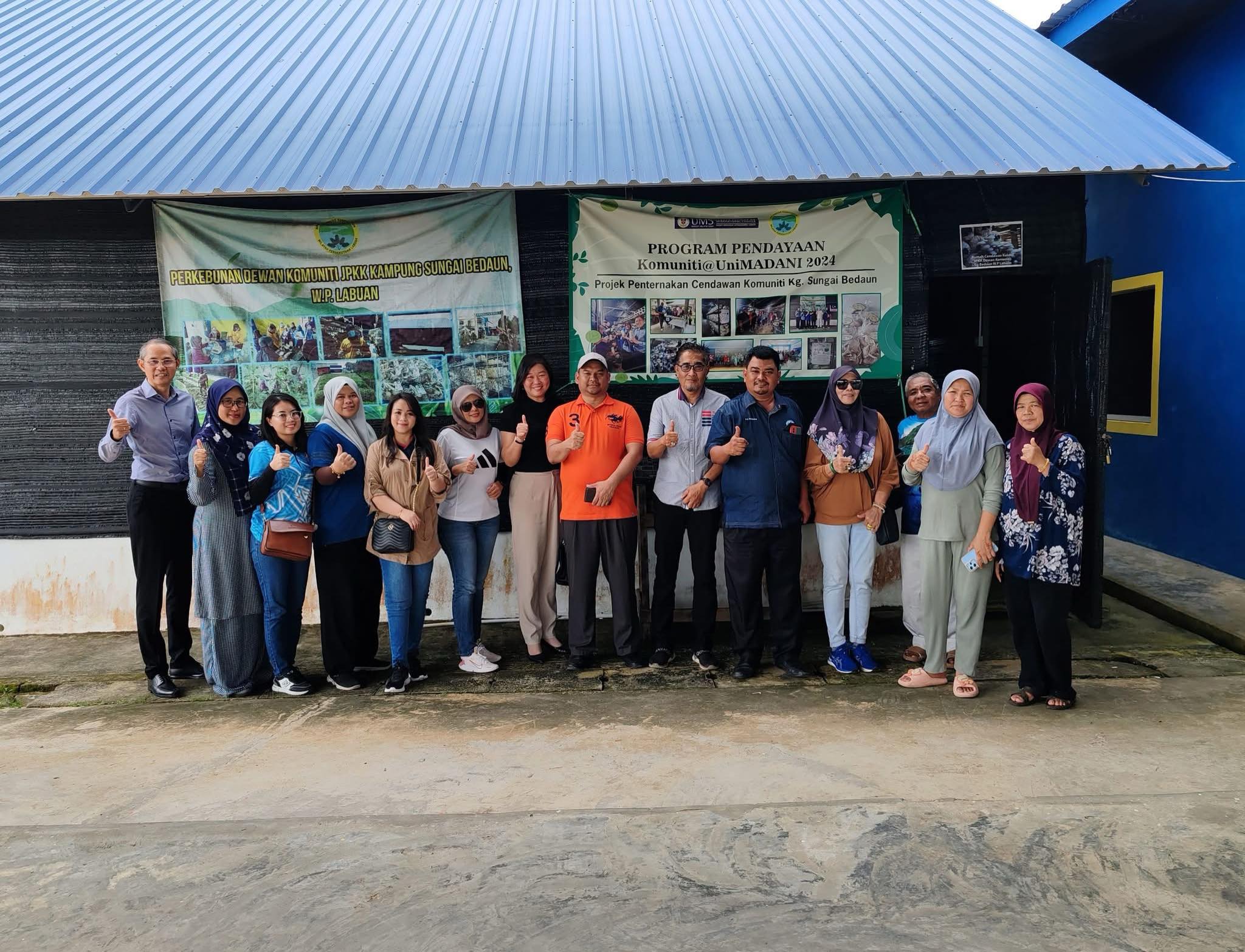
Mushroom Cultivation Project
-
Cultivating Growth, Harvesting Hope.
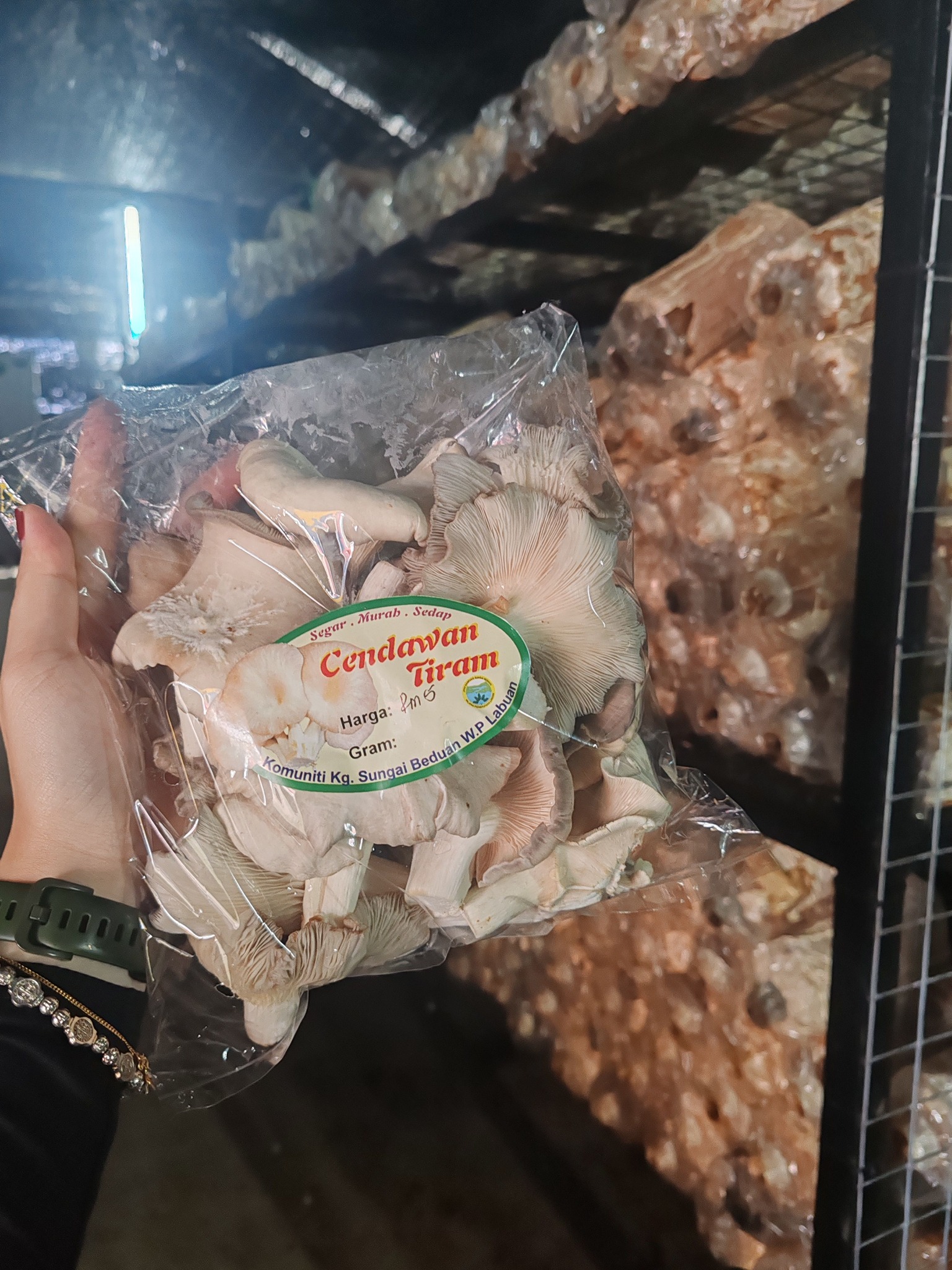
The Mushroom Cultivation Project in Kg. Sungai Bedaun, Labuan, exemplifies how knowledge transfer can transform small communities into sustainable, income-generating ecosystems. Implemented under the Program Pendayaan Komuniti @ UniMADANI 2024, funded by the Ministry of Finance Malaysia, and led by Dr. Emily Yapp Hon Tshin from the Faculty of International Finance Labuan (FKAL) alongside Dr. Nazarina Jamil, Dr. Sharinah Puasa, and Assoc. Prof. Lee Hock Ann, this initiative brought together innovation, community participation, and environmental awareness.
The project introduced modern mushroom farming techniques using 1,500 cultivation blocks integrated with automatic irrigation systems, block-stacking methods for efficient space use, and lime-layered caps to simplify operations compared to traditional methods. Infrastructure upgrades — including water tanks, chillers, pumps, and packaging equipment — helped maintain product quality and streamline operations. In just three months, the project produced 150 kg of fresh mushrooms, generating RM3,000 in revenue per season, with two harvests expected annually.
Beyond the numbers, the project’s heart lies in empowering 15 community members with practical agricultural and marketing skills. The combination of attractive packaging and digital promotion has expanded the market reach and improved local demand. By blending modern agrotechnology with community entrepreneurship, the initiative not only enhanced local income but also built a foundation for resilient, climate-smart rural economies that can thrive sustainably across generations.
-
Community
Kg. Sungai Bedaun, Labuan
-
+
Google Map
Sustainable Poultry Farming
-
Nurturing Livelihoods, Sustaining Growth.
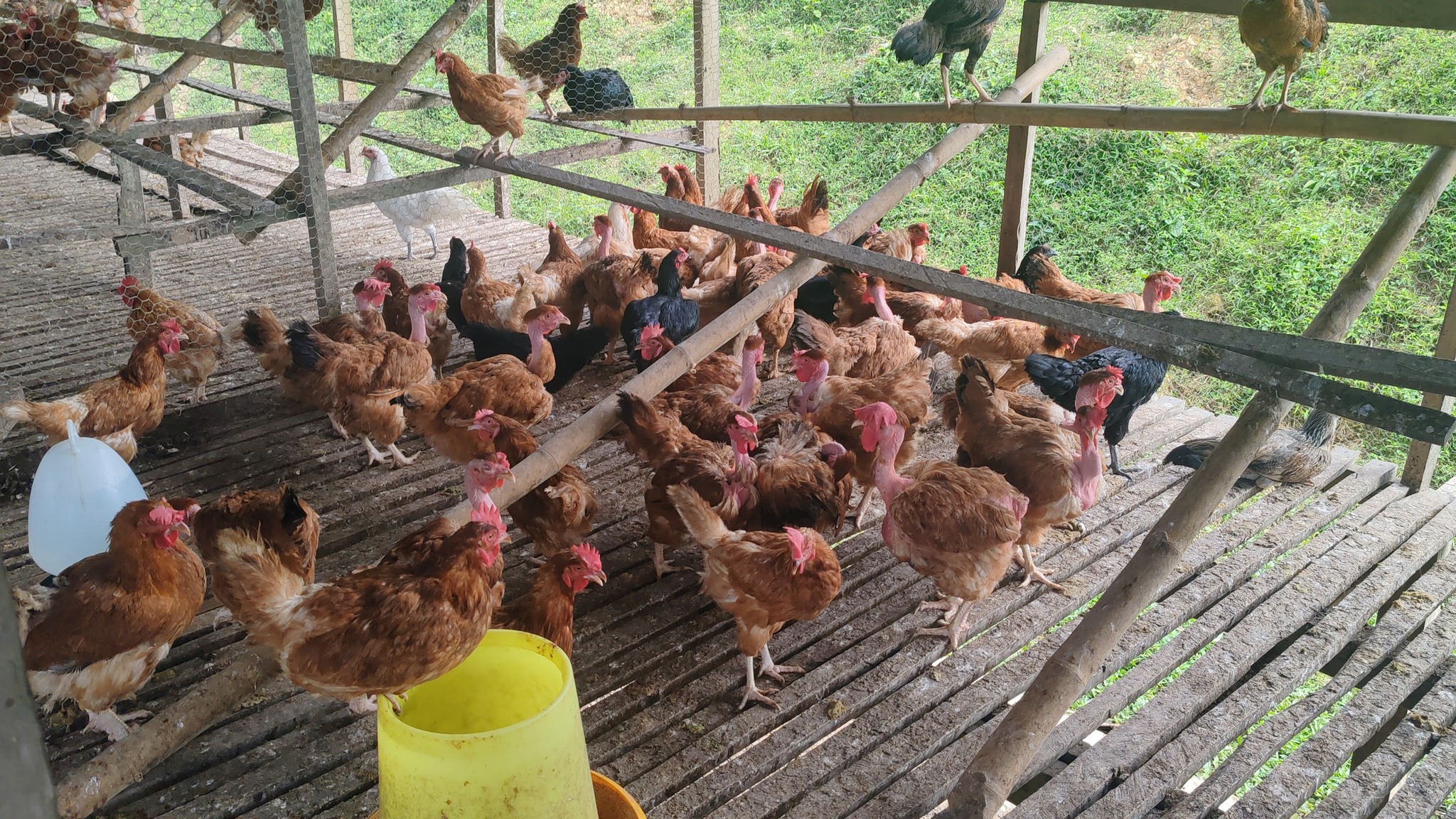
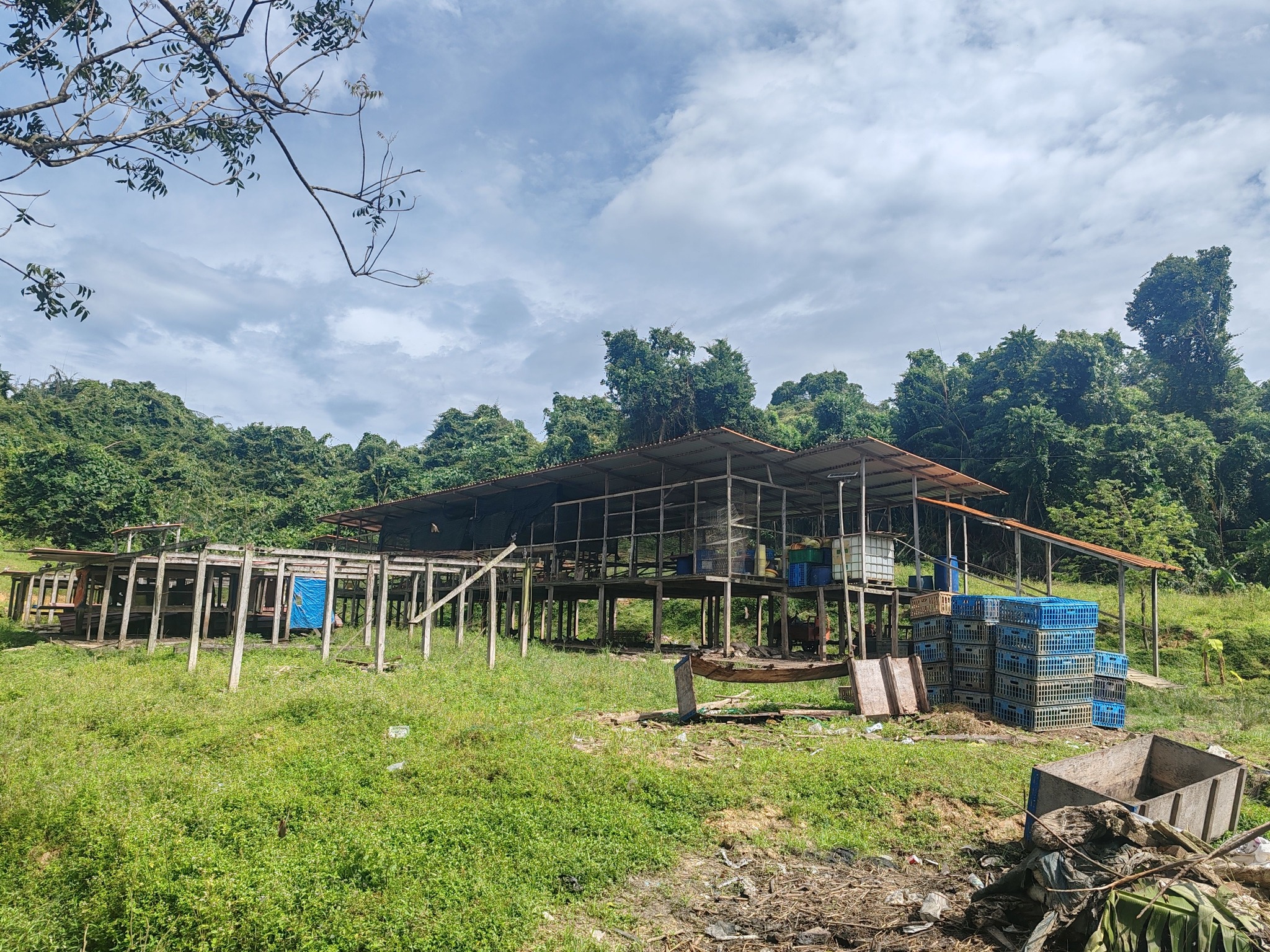
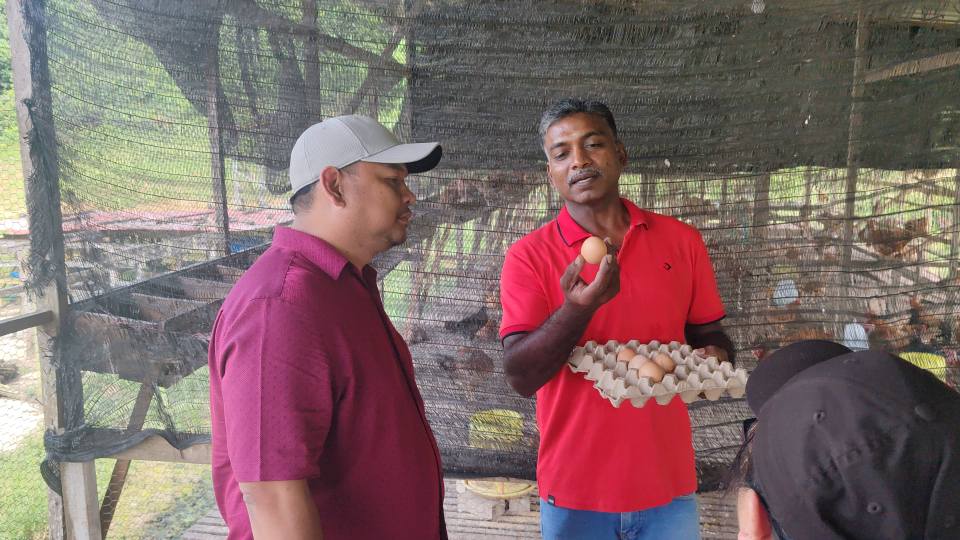
The Layer Chicken Farming Knowledge-Transfer Project in Kg. Bukit Kuda, Labuan, demonstrates how collaboration between academia and local communities can foster sustainable rural entrepreneurship. Implemented by the Faculty of International Finance Labuan (FKAL) under the Pusat Kelestarian Libatsama Masyarakat (PKLM UMS), and funded by the Program Pendayaan Uni@MADANI 2024 from the Ministry of Finance Malaysia, this RM10,000 initiative has successfully empowered 20 active participants from the Northern Labuan Farmers’ Association to strengthen their economic resilience through sustainable poultry farming.
Led by Dr. Ooi Ai Yee (FKAL) with En. Sittha as the community leader, the project has expanded its flock from 100 to 130 chickens, producing 90–120 eggs daily. Innovation lies at the heart of its success — participants have formulated nutritious, low-cost chicken feed from local ingredients and adopted organic waste recycling by turning chicken manure into fertilizer for multi-livestock farms involving goats, cattle, deer, and quail. These efforts have reduced production costs while promoting zero-waste agricultural practices and integrated farm management.
Supported by Assoc. Prof. Dr. Geoffrey Harvey Tanakinjal, Dr. Siti Nur Aqilah Ab Wahab, and Minah Anak Japang, the project team provided expertise in microfinance management, vaccination programs, and training module development. Strategic collaboration with the Department of Veterinary Services Labuan and Sabah Prisons Department further enhanced animal health, logistics, and technical support. During the monitoring visit by Ts. Dr. Ag Sufiyan Abd Hamid, Director of PKLM, on 24 February 2025, the initiative was praised as a model of effective university–community collaboration, blending academic knowledge with grassroots innovation.
With plans to expand its chicken coops and digitalize its financial management, the project continues to evolve as a beacon of sustainable social enterprise, proving that when knowledge meets community, prosperity grows from the ground up.
-
Community
Kg. Bukit Kuda, Labuan
-
+
Google Map
Trans Borneo 2023 Knowledge Transfer Program
-
Cultivating Growth, Harvesting Hope.
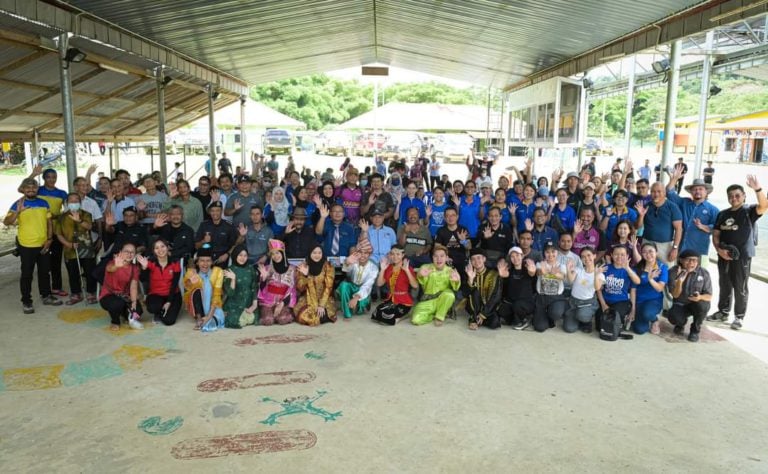
Under the Ministry of Higher Education’s Knowledge Transfer Initiative (KRIS), Universiti Malaysia Sabah (UMS) spearheaded ten multidisciplinary community projects in Kampung Long Pasia, Sipitang—a remote highland village located near the Sabah–Sarawak border. The programme mobilised over 90 UMS academics, researchers, and students, working directly with more than 200 local residents across sectors such as health education, aquaculture, smart solar e-Desa systems, ICT literacy, composting, and biodiversity conservation.
By integrating scientific expertise with local wisdom, the initiative enhanced livelihood opportunities through sustainable fish-farming, organic fertiliser production, and eco-tourism potential, while also improving access to clean energy and digital communication. Environmental awareness campaigns and health outreach activities strengthened community wellbeing and self-reliance, especially among women and youth.
Through this holistic approach, the Long Pasia community gained both economic resilience and ecological literacy, reducing dependency on external aid and vulnerability to socio-economic and environmental shocks. The project exemplifies UMS’s model of community-based sustainability, where education and technology become enablers for rural transformation
-
Community
Kampung Long Pasia,Sipitang
-
+
Google Map
Smart Hydroponics for Sustainable Agriculture (BAKAT Programme)
-
Greener Growth, Smarter Harvests.
The Smart Hydroponics Community Project stands as a model of innovation, partnership, and sustainable empowerment in action. Officially launched and inaugurated during the Program Ekonomi MADANI visit by YB Dato’ Seri Haji Mohamed Khaled bin Nordin, Minister of Defence, at the Rumah Keluarga Angkatan Tentera (RKAT), Markas Wilayah Laut 2 (MAWILLA 2), Sandakan, the project reflects a new chapter of collaboration between Universiti Malaysia Sabah (UMS) and the Ministry of Defence. Coordinated by the Pusat Kelestarian Libatsama Masyarakat (PKLM) and led by Assoc. Prof. Dr. Abd. Aziz bin Rekan, the project is implemented through the Faculty of Sustainable Agriculture (UMS Sandakan Campus) under the guidance of Dr. Siti Suliza binti Salamat, who heads the Smart Hydroponics initiative. This transformative effort introduces BAKAT members and local youth to hydroponic farming systems that save water, space, and energy — equipping them with modern, climate-smart agricultural skills that generate income and reduce food dependency. More than a technology transfer, the project nurtures self-reliance, confidence, and unity among the Badan Kebajikan Keluarga Angkatan Tentera (BAKAT), MAWILLA 2 community. Each hydroponic harvest symbolizes a step toward food security, sustainable living, and inter-agency collaboration that embodies the nation’s Ekonomi MADANI vision — people-centered, innovative, and future-ready.
Komuniti Tertumpu Bombon, Kg. Marakau Ranau – DaMaI Initiative
-
From Nature to Nurture.
Nestled in the cool highlands of Ranau, the DaMaI (Dana Amanah Malaysia Madani) Initiative empowers villagers of Kg. Marakau Bombon to transform their environment into a living classroom for sustainability. Through eco-tourism, agro-based entrepreneurship, and community cooperatives, the project weaves livelihoods with stewardship of nature. Here, every seed planted, every trail preserved, and every visitor welcomed contributes to both income resilience and biodiversity conservation, ensuring that progress never comes at the expense of the environment.
-
Community
Bombon, Kg. Marakau Ranau - + Google Map
Kelulut Honey Entrepreneurship for Green Income (BAKAT Programme)
-
Sweet Sustainability, Shared Prosperity.
Amid Sabah’s rich tropical landscape, the Kelulut Honey Entrepreneurship Project under the Program Ekonomi MADANI turns nature’s smallest workers into agents of sustainability and empowerment. Coordinated by the Pusat Kelestarian Libatsama Masyarakat (PKLM) in collaboration with Universiti Malaysia Sabah (UMS), the initiative equips Badan Kebajikan Keluarga Angkatan Tentera (BAKAT) members, women, and youth with the knowledge and skills to cultivate kelulut (stingless bee) colonies, harvest pure honey, and develop value-added eco-products such as soaps, balms, and health supplements. Guided by experts from UMS’s Faculty of Sustainable Agriculture (UMS Sandakan Campus), the project integrates entrepreneurship with ecological stewardship — encouraging communities to protect pollinators that are vital for biodiversity and food systems. Beyond economic gains, participants develop an appreciation for the delicate harmony between human livelihood and the natural environment, forming the heart of a growing green micro-economy. The Kelulut Project represents more than income generation — it’s a symbol of resilience, creativity, and care for the planet. Every drop of honey produced tells a story of community empowerment, environmental awareness, and the sustainable spirit of Sabah’s people.
Smart Carbon-Free Hydroponics Project (BAKAT Programme)
-
Empowering Communities, Growing Futures.
The Smart Carbon-Free Hydroponics Project, an innovative entrepreneurship initiative under the Program Ekonomi MADANI, was developed through collaboration between the Badan Kebajikan Keluarga Angkatan Tentera (BAKAT) and Universiti Malaysia Sabah (UMS) via the Knowledge Transfer Programme (KTP). This project empowers communities to embrace modern, sustainable agriculture by introducing automated hydroponic systems that use minimal water, land, and energy. Through comprehensive hands-on training led by experts from UMS’s Faculty of Sustainable Agriculture, participants gain technical knowledge, business acumen, and environmental awareness — transforming small urban spaces into productive, eco-friendly gardens. Beyond cultivating crops, the initiative cultivates confidence, innovation, and resilience among families and youth. It enhances household food security, creates opportunities for supplementary income, and fosters a culture of sustainability and self-reliance within the armed forces community. As a model of inclusive progress, the project embodies the MADANI values of care, partnership, and shared prosperity — proving that when knowledge is transferred with purpose, communities thrive together.
Fertigation, Mushroom Cultivation & Solar Energy Integration
-
Smart Skills, Sustainable Futures.
The Fertigation, Mushroom Cultivation & Solar Energy Integration Project is one of Universiti Malaysia Sabah’s most comprehensive community knowledge-transfer initiatives — designed to empower rural communities through a combination of agricultural innovation, renewable energy, and food entrepreneurship. Spearheaded by the Pusat Kelestarian Libatsama Masyarakat (PKLM UMS), this project equips participants with practical, future-ready skills that link sustainability with self-sufficiency. Through hands-on training, villagers and youth learn how to apply fertigation technology — a smart irrigation system that delivers water and nutrients directly to crops, reducing waste and improving yields. Alongside this, participants gain expertise in mushroom cultivation using eco-friendly methods that recycle organic materials such as sawdust or paddy husks, turning agricultural by-products into profitable resources. Complementing these efforts, the project also introduces solar-energy installation workshops, helping communities reduce dependence on non-renewable electricity while lowering operational costs for small enterprises. Beyond farming and energy, the initiative encourages local food innovation, guiding participants to create value-added products such as yellow noodles and pizza talam using locally sourced ingredients. These activities promote food security, circular economy principles, and low-carbon lifestyles, while strengthening community entrepreneurship. At its heart, the project represents UMS’s belief that sustainability begins with skill — that by empowering people with knowledge, innovation, and green technology, we build communities that can grow, adapt, and sustain themselves for generations.
-
Community
SK Keguraan, Kota Belud - + Google Map
Composting for Circular Agriculture
-
Turning Waste into Worth.
The Composting Knowledge-Transfer Project in Kg. Ratau, Kota Belud, empowers local farmers and families to transform their everyday organic waste into a valuable resource — nutrient-rich natural fertilizer. Led by Universiti Malaysia Sabah (UMS) through the Pusat Kelestarian Libatsama Masyarakat (PKLM), the project teaches participants practical composting methods using household and agricultural residues such as food scraps, leaves, and crop waste. This initiative not only reduces the community’s dependence on chemical fertilizers but also helps to restore soil health, improve productivity, and encourage more sustainable farming systems rooted in circular economy principles. Beyond its technical outcomes, the project cultivates a mindset of environmental stewardship and shared responsibility. Each compost bin becomes a classroom of change — where villagers learn that even waste holds potential when guided by knowledge and care. The process symbolizes regeneration and resilience: turning what was once discarded into new growth, bridging scarcity with innovation, and nurturing a zero-waste culture that supports climate-smart agriculture. The Kg. Ratau community now stands as an inspiring example of how small rural actions can ripple into a larger movement for sustainability and ecological balance.
-
Community
Kg. Ratau, Kota Belud - + Google Map
Bagang Bilis & Aquatic Entrepreneurship
-
Sustaining Seas, Empowering Shores.
The Bagang Anchovy Fishing and Processing Project in Kg. Rancha-Rancha Darat, Labuan, stands as a shining example of how traditional livelihoods can evolve through innovation and knowledge transfer. Led by Assoc. Prof. Dr. Geoffrey Harvey Tanakinjal with project members Liew Anak Lubang, Abdul Kamal Bin Char, and Joehan Johan William, this initiative empowers the local fishing community under the guidance of Pusat Kelestarian Libatsama Masyarakat (PKLM UMS). Through the Knowledge Transfer Programme (KTP), fishers were trained in modern bagang fishing techniques, anchovy (bilis) processing, and product value enhancement. The project introduced significant innovations, including a pulley-based lifting system and modern drying platforms that ensure cleaner, faster, and more hygienic processing. These improvements safeguard products from contamination by dust, insects, and animals while increasing efficiency and product quality. The fishers now market both fresh anchovies (RM5/kg) and dried anchovies (RM20/kg), generating an average gross income of RM15,000 per month, with net earnings of RM7,000, despite operating only during the fishing season. Beyond economic success, the project revives coastal traditions while embracing sustainability — balancing productivity with respect for the sea. It has elevated the livelihoods of Kampung Rancha-Rancha Darat’s fishing families, strengthened community unity, and demonstrated how innovation and local wisdom can coexist harmoniously. The initiative is a true reflection of UMS’s mission to nurture sustainable, inclusive, and ocean-conscious communities.
-
Community
Kg. Rancha-Rancha Darat, Labuan - + Google Map
Traditional Bread and Local Pastries Entrepreneurship Project
-
From Local Taste to Lasting Prosperity.
The Traditional Bread and Local Pastries Entrepreneurship Project in Labuan exemplifies how local creativity, innovation, and community spirit can drive sustainable economic growth. Spearheaded by Dr. Suzilah binti Sidek together with Dr. Sharinah binti Puasa, Dr. Emily Yapp Hon Tshin, and Dr. Nazarina Jamil, this project was implemented under the Program Pendayaan Komuniti @ UniMADANI 2024, funded by the Ministry of Finance Malaysia and coordinated by the Pusat Kelestarian Libatsama Masyarakat (UMS). Working with the Kelab Belia Anak Layangan (KEBAL) community, fifteen active participants received hands-on training in the art and business of traditional pastry-making. The project introduced healthier and innovative products such as sourdough, tausa piang, pandan buns, and buttermilk buns, achieving an impressive average monthly revenue of RM1,900. Particularly, the sourdough bread, one of only two of its kind produced in Labuan, has become a community favourite due to its low production cost, higher market value, and nutritional benefits. Beyond baking, the project integrates technology and innovation by introducing automated labelling and packaging machines, enhancing both efficiency and product quality. With expanding sales reaching even Peninsular Malaysia, orders now average 300 units per batch, up to twice a week. Participants have also diversified income streams through baking courses and ingredient sales, turning their passion into a sustainable micro-enterprise model. This initiative not only boosts income but also builds confidence, skills, and identity among the Labuan youth and families involved — a clear testament to the power of knowledge transfer in shaping resilient and self-sustaining communities.
Mushroom Cultivation Project
-
Cultivating Growth, Harvesting Hope.
The Mushroom Cultivation Project in Kg. Sungai Bedaun, Labuan, exemplifies how knowledge transfer can transform small communities into sustainable, income-generating ecosystems. Implemented under the Program Pendayaan Komuniti @ UniMADANI 2024, funded by the Ministry of Finance Malaysia, and led by Dr. Emily Yapp Hon Tshin from the Faculty of International Finance Labuan (FKAL) alongside Dr. Nazarina Jamil, Dr. Sharinah Puasa, and Assoc. Prof. Lee Hock Ann, this initiative brought together innovation, community participation, and environmental awareness. The project introduced modern mushroom farming techniques using 1,500 cultivation blocks integrated with automatic irrigation systems, block-stacking methods for efficient space use, and lime-layered caps to simplify operations compared to traditional methods. Infrastructure upgrades — including water tanks, chillers, pumps, and packaging equipment — helped maintain product quality and streamline operations. In just three months, the project produced 150 kg of fresh mushrooms, generating RM3,000 in revenue per season, with two harvests expected annually. Beyond the numbers, the project’s heart lies in empowering 15 community members with practical agricultural and marketing skills. The combination of attractive packaging and digital promotion has expanded the market reach and improved local demand. By blending modern agrotechnology with community entrepreneurship, the initiative not only enhanced local income but also built a foundation for resilient, climate-smart rural economies that can thrive sustainably across generations.
-
Community
Kg. Sungai Bedaun, Labuan - + Google Map
Sustainable Poultry Farming
-
Nurturing Livelihoods, Sustaining Growth.
The Layer Chicken Farming Knowledge-Transfer Project in Kg. Bukit Kuda, Labuan, demonstrates how collaboration between academia and local communities can foster sustainable rural entrepreneurship. Implemented by the Faculty of International Finance Labuan (FKAL) under the Pusat Kelestarian Libatsama Masyarakat (PKLM UMS), and funded by the Program Pendayaan Uni@MADANI 2024 from the Ministry of Finance Malaysia, this RM10,000 initiative has successfully empowered 20 active participants from the Northern Labuan Farmers’ Association to strengthen their economic resilience through sustainable poultry farming. Led by Dr. Ooi Ai Yee (FKAL) with En. Sittha as the community leader, the project has expanded its flock from 100 to 130 chickens, producing 90–120 eggs daily. Innovation lies at the heart of its success — participants have formulated nutritious, low-cost chicken feed from local ingredients and adopted organic waste recycling by turning chicken manure into fertilizer for multi-livestock farms involving goats, cattle, deer, and quail. These efforts have reduced production costs while promoting zero-waste agricultural practices and integrated farm management. Supported by Assoc. Prof. Dr. Geoffrey Harvey Tanakinjal, Dr. Siti Nur Aqilah Ab Wahab, and Minah Anak Japang, the project team provided expertise in microfinance management, vaccination programs, and training module development. Strategic collaboration with the Department of Veterinary Services Labuan and Sabah Prisons Department further enhanced animal health, logistics, and technical support. During the monitoring visit by Ts. Dr. Ag Sufiyan Abd Hamid, Director of PKLM, on 24 February 2025, the initiative was praised as a model of effective university–community collaboration, blending academic knowledge with grassroots innovation. With plans to expand its chicken coops and digitalize its financial management, the project continues to evolve as a beacon of sustainable social enterprise, proving that when knowledge meets community, prosperity grows from the ground up.
-
Community
Kg. Bukit Kuda, Labuan - + Google Map
Trans Borneo 2023 Knowledge Transfer Program
-
Cultivating Growth, Harvesting Hope.
Under the Ministry of Higher Education’s Knowledge Transfer Initiative (KRIS), Universiti Malaysia Sabah (UMS) spearheaded ten multidisciplinary community projects in Kampung Long Pasia, Sipitang—a remote highland village located near the Sabah–Sarawak border. The programme mobilised over 90 UMS academics, researchers, and students, working directly with more than 200 local residents across sectors such as health education, aquaculture, smart solar e-Desa systems, ICT literacy, composting, and biodiversity conservation. By integrating scientific expertise with local wisdom, the initiative enhanced livelihood opportunities through sustainable fish-farming, organic fertiliser production, and eco-tourism potential, while also improving access to clean energy and digital communication. Environmental awareness campaigns and health outreach activities strengthened community wellbeing and self-reliance, especially among women and youth. Through this holistic approach, the Long Pasia community gained both economic resilience and ecological literacy, reducing dependency on external aid and vulnerability to socio-economic and environmental shocks. The project exemplifies UMS’s model of community-based sustainability, where education and technology become enablers for rural transformation
-
Community
Kampung Long Pasia,Sipitang - + Google Map
Universiti Malaysia Sabah
Sustainable Food Systems, Research & Innovation
Universiti Malaysia Sabah (UMS) plays a pivotal role in advancing food and nutrition security across Sabah and the wider Borneo region through sustainable agriculture, aquaculture innovation, and circular food-system research. As a leading EcoCampus in Malaysia, UMS integrates science, technology, and local wisdom to ensure that food systems are productive, inclusive, and resilient to climate change.
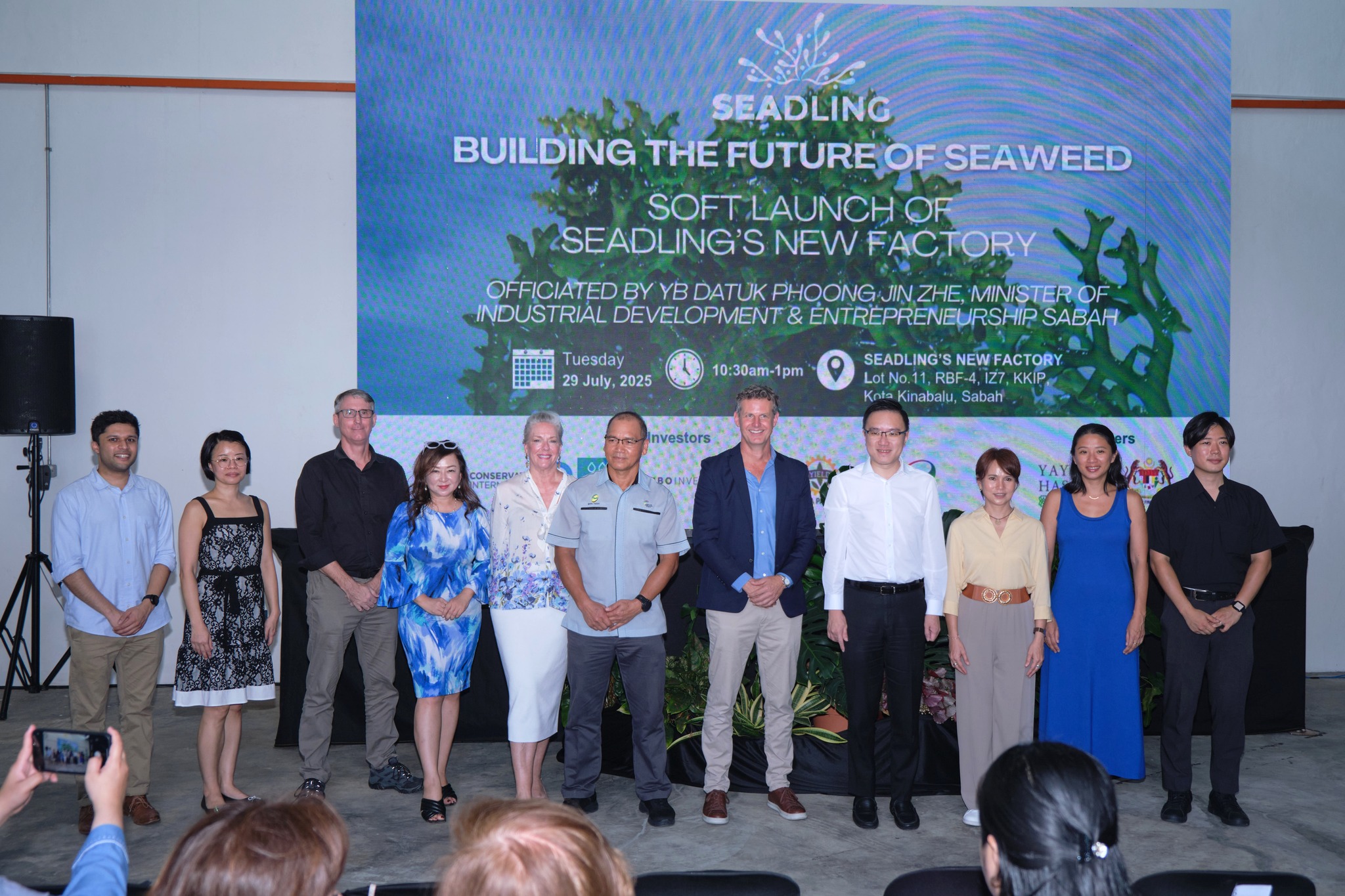
UMS’s leadership in seaweed bioeconomy research positions Sabah as a regional hub for climate-adaptive aquaculture. Studies led by BMRI explore seaweed as a sustainable, low-carbon, and nutrient-rich food source, advancing innovations in genetics, cultivation, and processing to support coastal livelihoods and nutrition security. Collaborative initiatives such as the WWF–UMS Scientific Expedition in Liwagu have further enhanced marine biodiversity research and sustainable food-resource management.
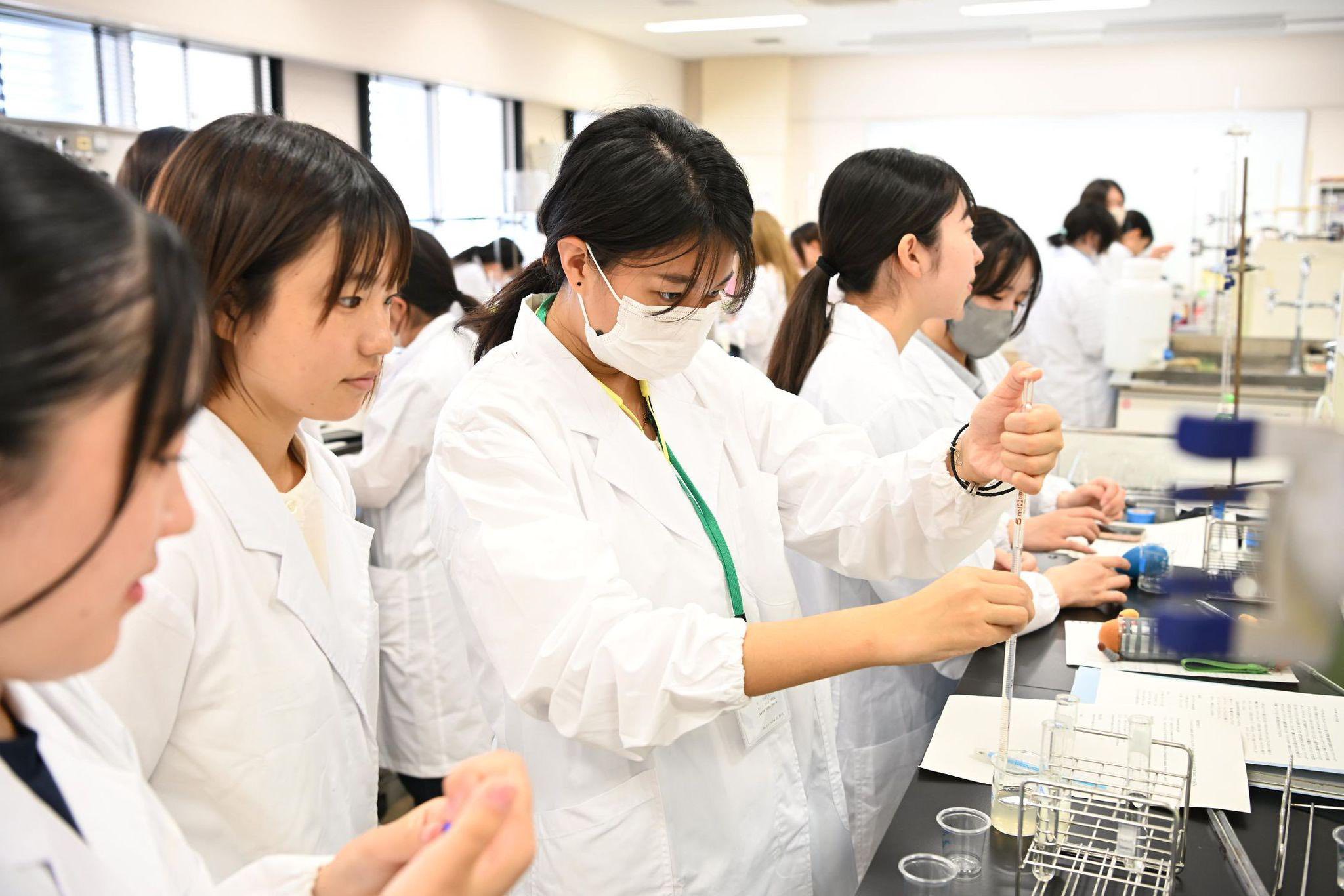
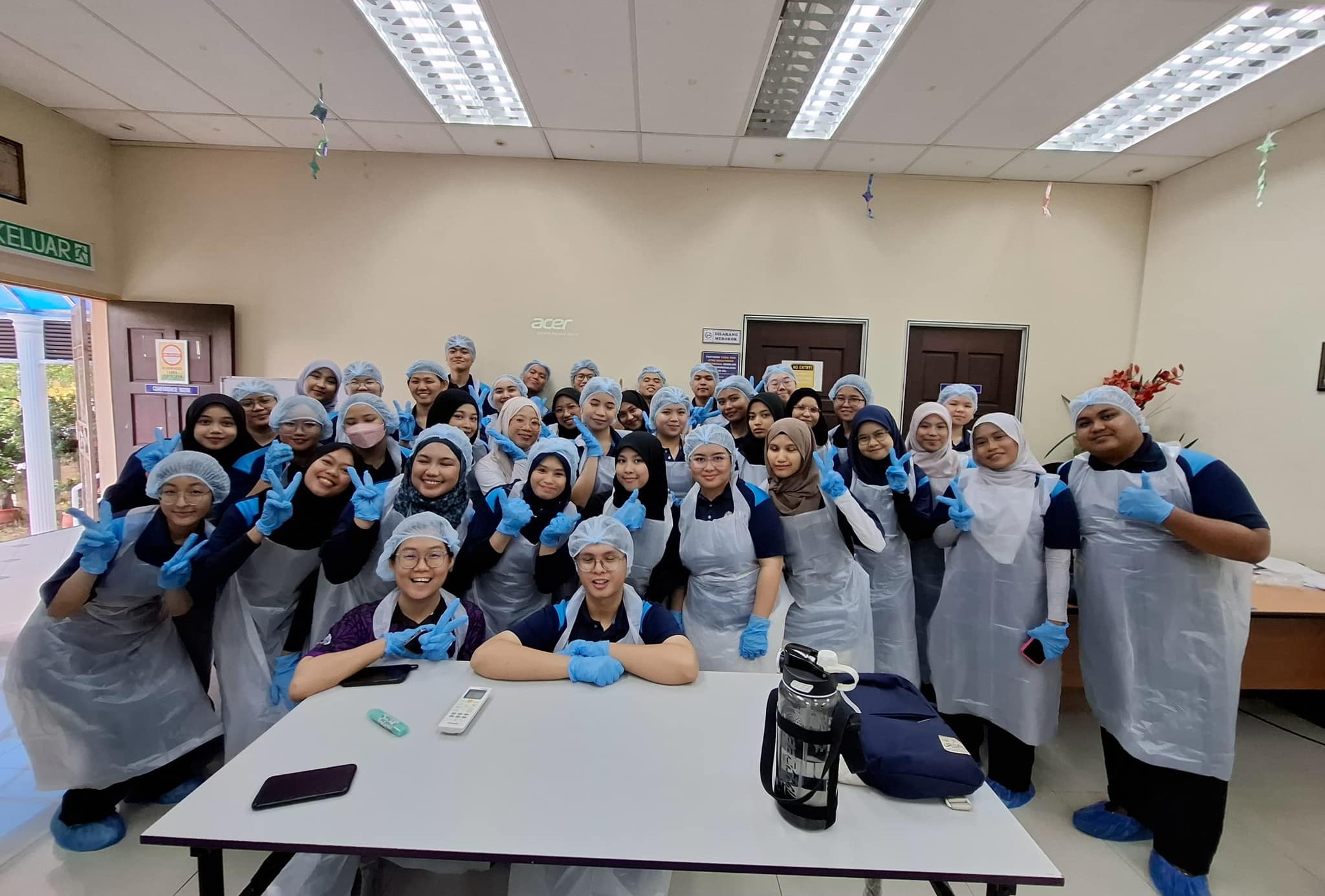
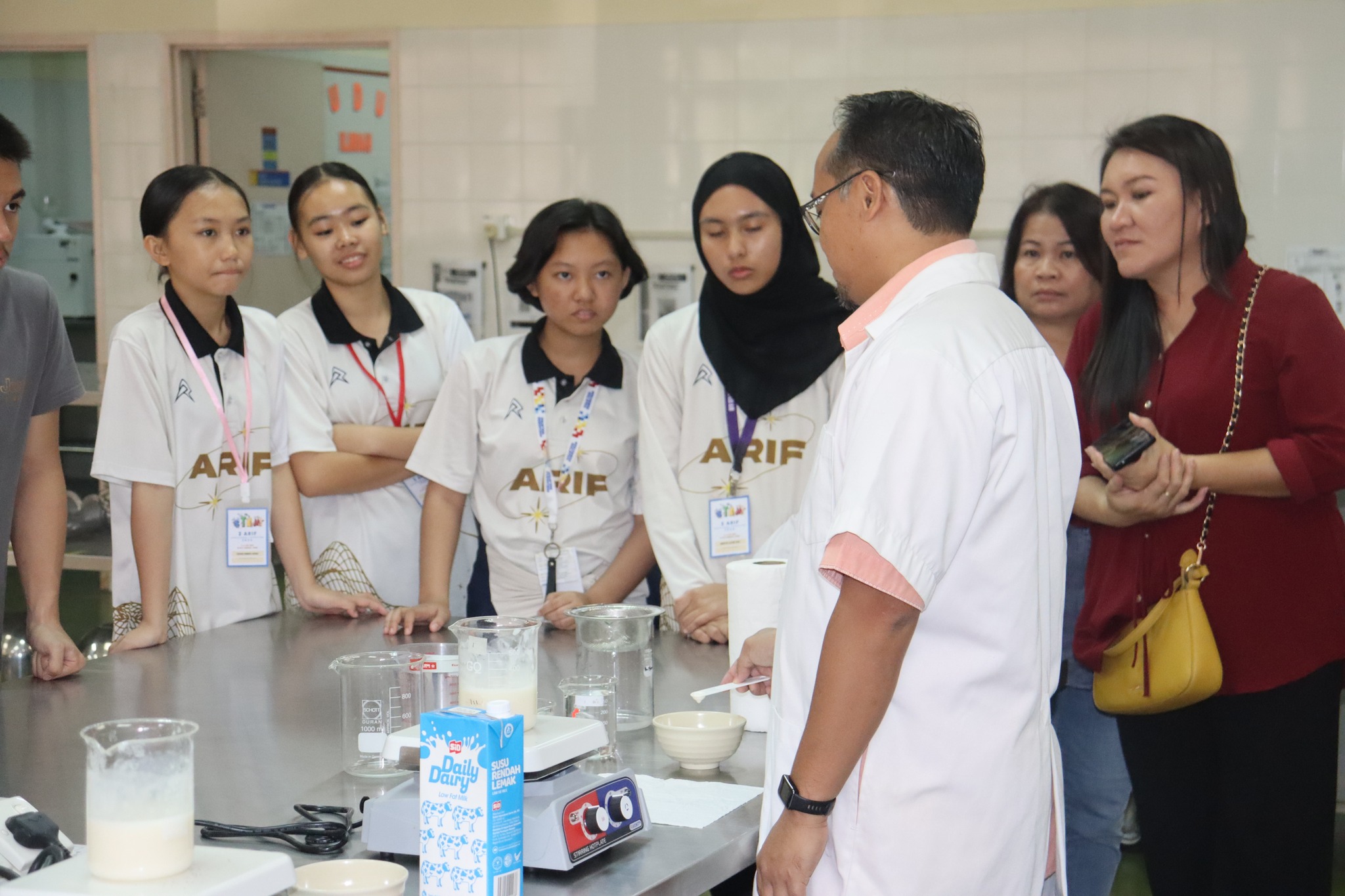
In partnership with WorldFish and UNEP/UN-Habitat, UMS contributes to global programmes such as the Climate-Adaptive, Inclusive Aquaculture (CAINA) initiative, which promotes equitable and environmentally sustainable aquaculture practices across Southeast Asia. Complementing these efforts, the Faculty of Food Science & Nutrition leads impactful research in food innovation, microbial safety, and nutrition policy, generating evidence-based interventions to improve community dietary health and ensure safe, sustainable food systems for Sabah and beyond. Read More
SDG 2 Progress Report : UMS Advancing SDG 2: Strengthening Food Security and Sustainable Agriculture
Universiti Malaysia Sabah (UMS) continues to advance Sustainable Development Goal 2 (Zero Hunger) through its integrated approach to food security, sustainable agriculture, and community capacity building. By leveraging its expertise across faculties and research institutes, UMS strengthens Sabah’s agricultural resilience through education, innovation, and technology transfer that directly benefit smallholders, farmers, and coastal communities. The university’s efforts are captured annually in its SDG 2 Progress Report, which documents year-on-year improvements in agricultural productivity, farmer participation, and rural livelihood outcomes.
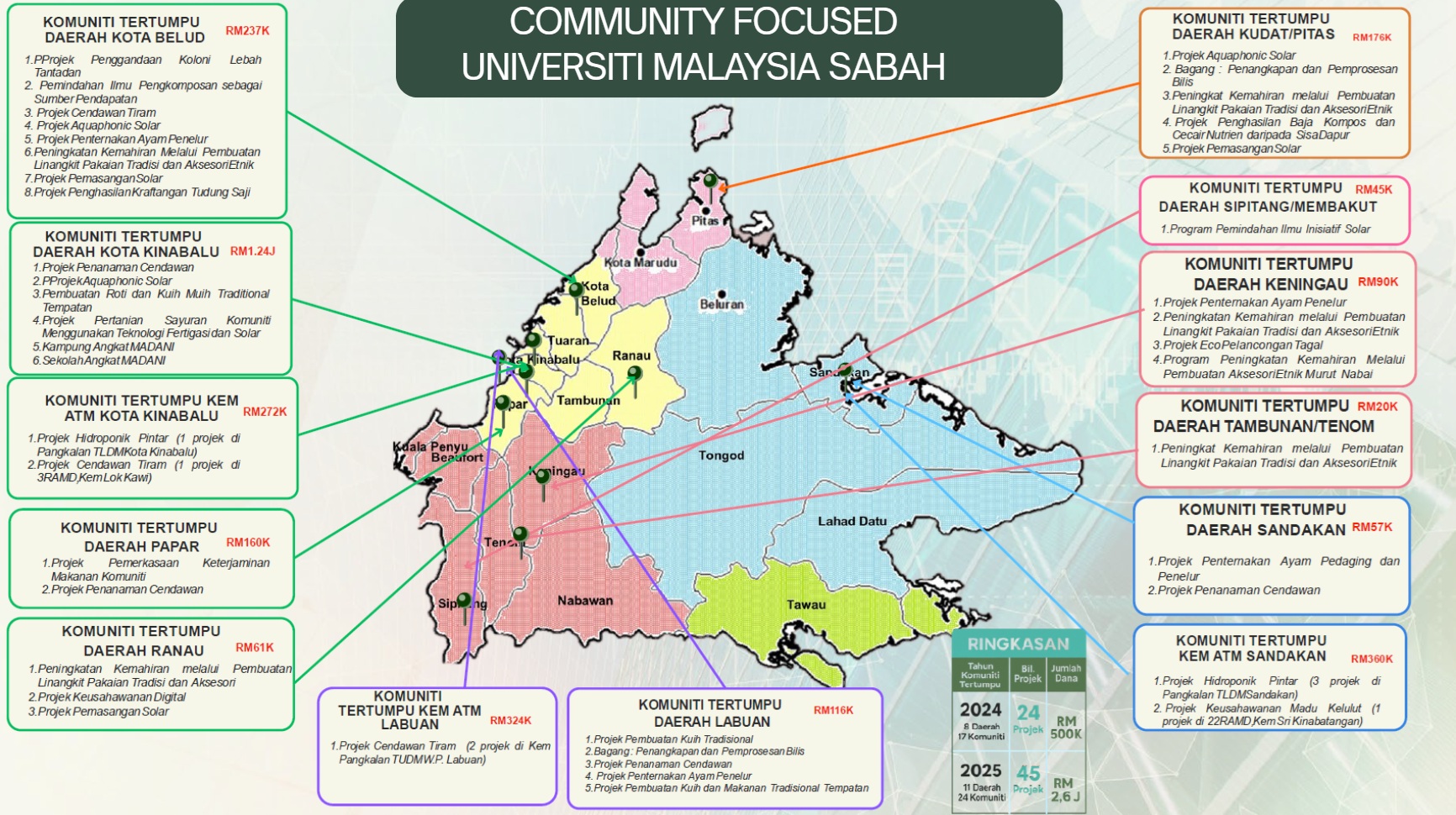
Through the Borneo Marine Research Institute (BMRI), UMS drives innovation in aquaculture and coastal food production, leading initiatives such as “Sustainability & Quality of Grouper Production from Seed to Fillet” and seaweed cultivation projects that enhance local food supply chains while promoting eco-friendly aquaculture. In parallel, the Centre of Sustainable Society Engagement (Pusat Kelestarian Libatsama Masyarakat, PKLM) has expanded its community-based programmes to empower rural farmers and entrepreneurs. In 2024 alone, PKLM successfully implemented 24 food and livelihood projects across 8 districts, engaging 17 local communities with an investment of RM 500,000. Building upon this success, the 2025 SDG 2 Report records major expansion—reaching 11 districts, 24 communities, and implementing 45 projects with a total allocation of RM 2.6 million.
These projects encompass sustainable crop cultivation, organic farming, aquaculture technology training, and value-added food processing, supported by continuous Knowledge Transfer Programme (KTP) workshops. Outcomes include higher yields, reduced post-harvest losses, improved income stability, and stronger food self-sufficiency across rural Sabah. Together, these achievements demonstrate UMS’s leadership in transforming education and research into practical, community-driven solutions that secure food sovereignty, environmental balance, and economic resilience—building a future where every community in Sabah can thrive sustainably.