


Innovation isn’t just progress—it’s survival.

UMS - SDG 9 Industry, Innovation and Infrastructure
Bridging science and society to build what matters

 Universities as Engines of Sustainable Innovation
Build resilient infrastructure, promote inclusive and sustainable industrialization, and foster innovation
Universities play a crucial role in shaping societies, not just through education, but by influencing policy, guiding innovation, and driving sustainable change. SDG 9—focused on building resilient infrastructure, fostering innovation, and promoting inclusive industrialization—is a goal that directly connects to the core missions of institutions like Universiti Malaysia Sabah (UMS). As a public university in East Malaysia, UMS is uniquely positioned to address this goal within a regional context marked by biodiversity, indigenous heritage, and development disparities. UMS’s role in advancing SDG 9 is multifaceted. It serves as a research institution that generates knowledge for sustainable industrial practices, as a training ground for engineers and innovators, and as a partner to government and civil society in infrastructure planning. UMS’s research centers, like the Institute for Tropical Biology and Conservation, not only conduct ecological studies but also develop sustainable technologies applicable to rural development and industry. The university thus acts as a bridge between science and society, translating theoretical knowledge into tangible solutions. The integration of SDG 9 into UMS’s strategic planning also reflects a broader institutional commitment to the United Nations 2030 Agenda. This includes embedding sustainability within research funding criteria, academic programs, and student innovation initiatives. For example, UMS’s support for interdisciplinary programs in engineering, economics, and environmental science promotes holistic problem-solving skills aligned with the needs of the Fourth Industrial Revolution and the green economy. Ultimately, the impact of UMS’s alignment with SDG 9 is evident in its community partnerships, research outputs, and growing reputation as a regional innovation leader. By actively supporting inclusive infrastructure, innovation ecosystems, and knowledge-driven industrial policies, UMS contributes to national development and sustainable progress in Borneo.
Building the Future, Brick by Green Brick
Institutional Commitment & Leadership
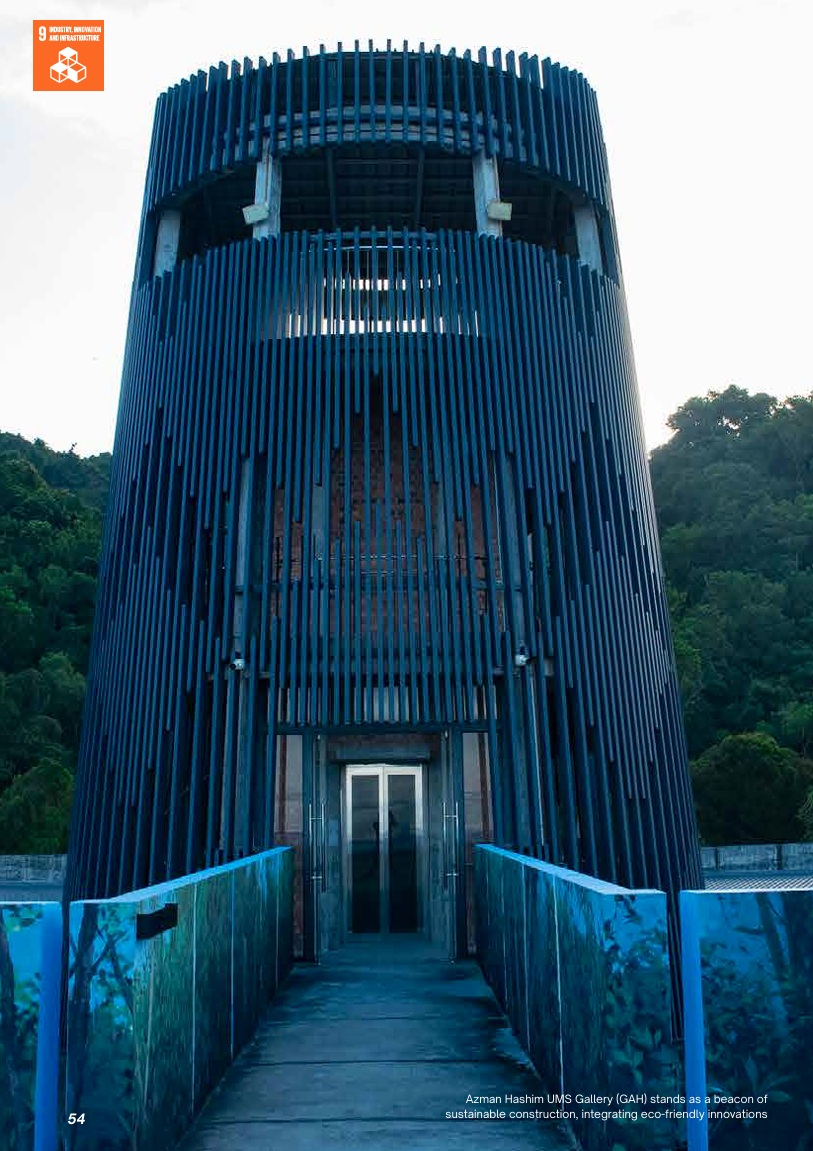
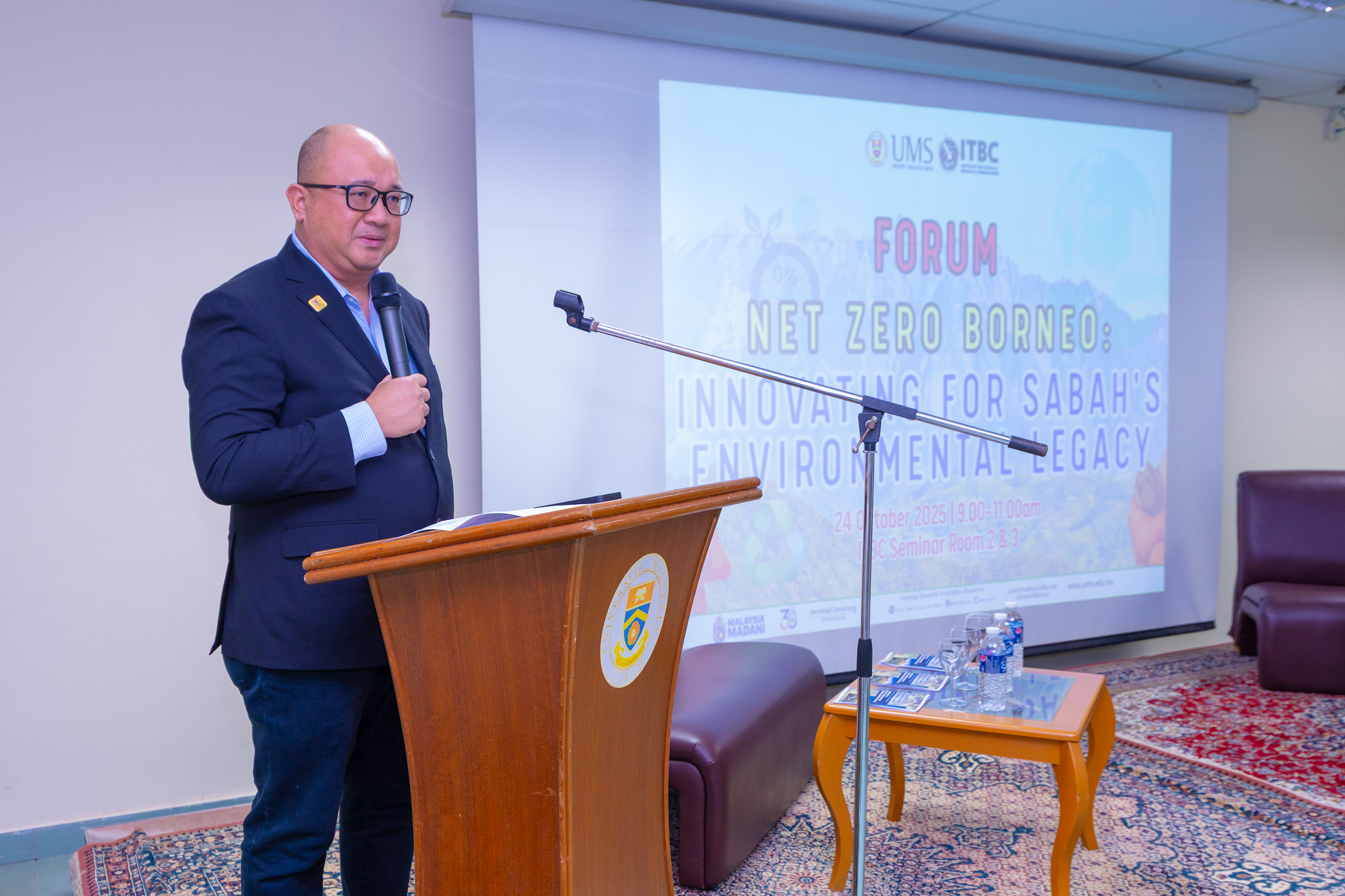
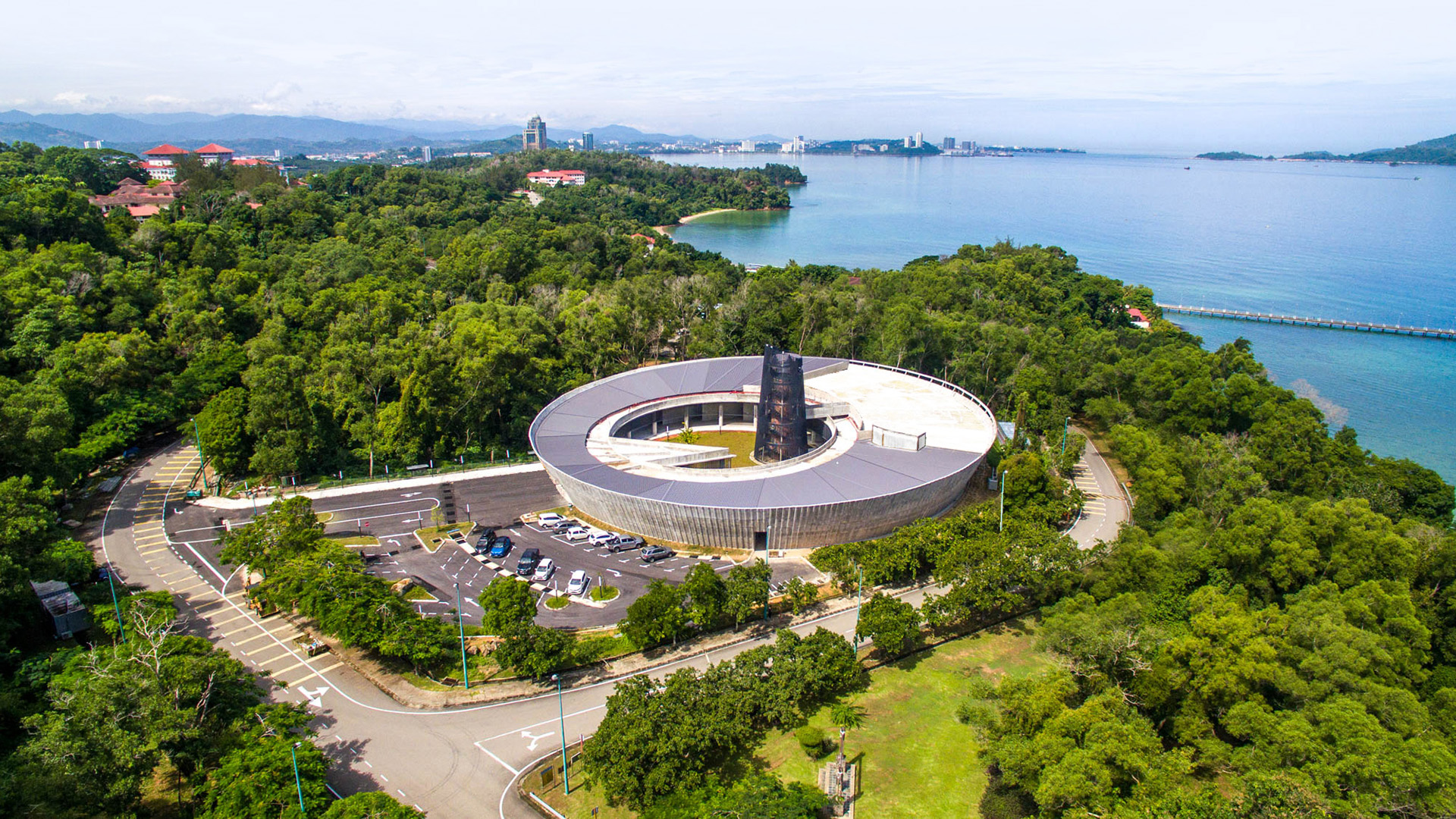
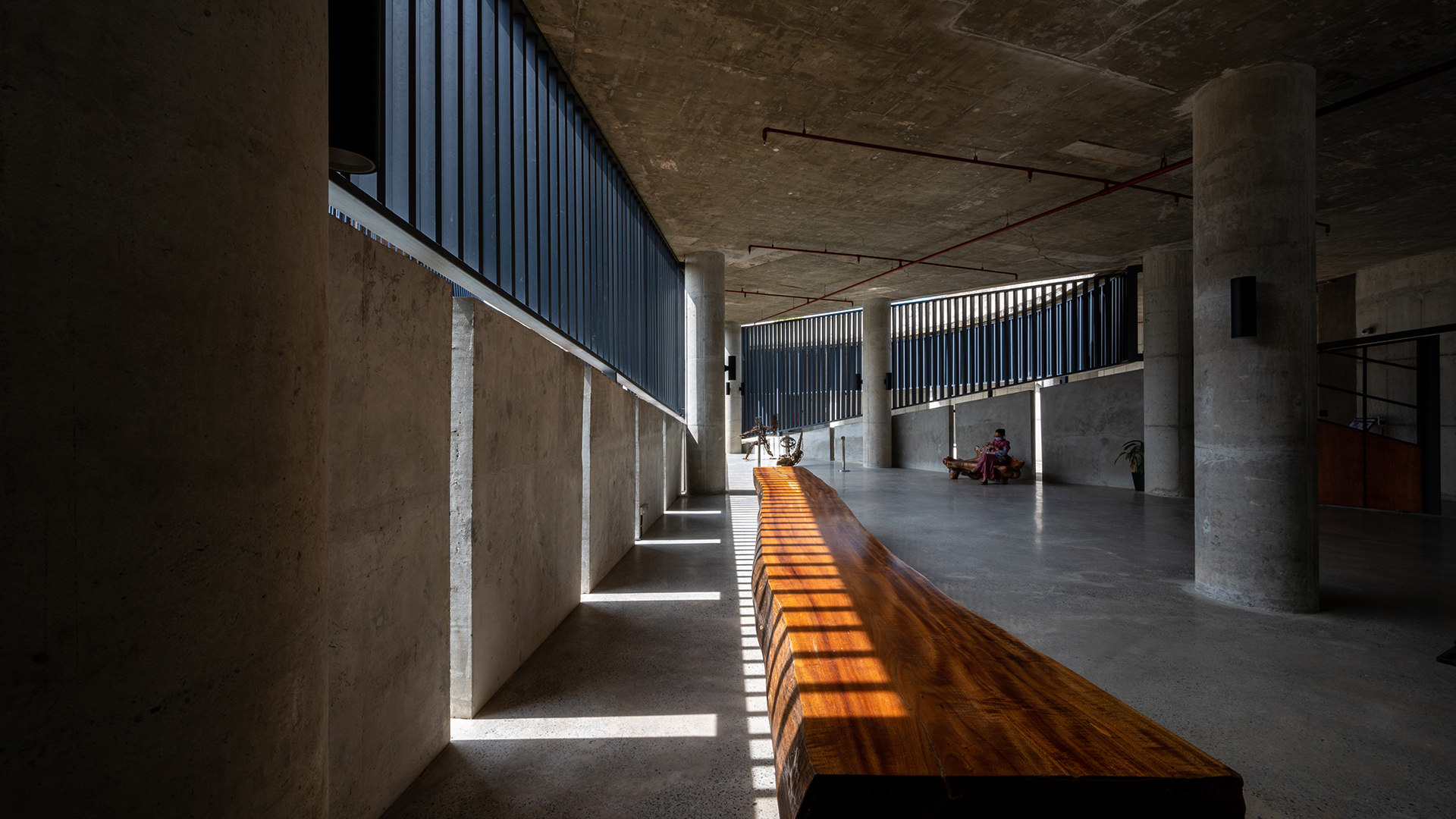
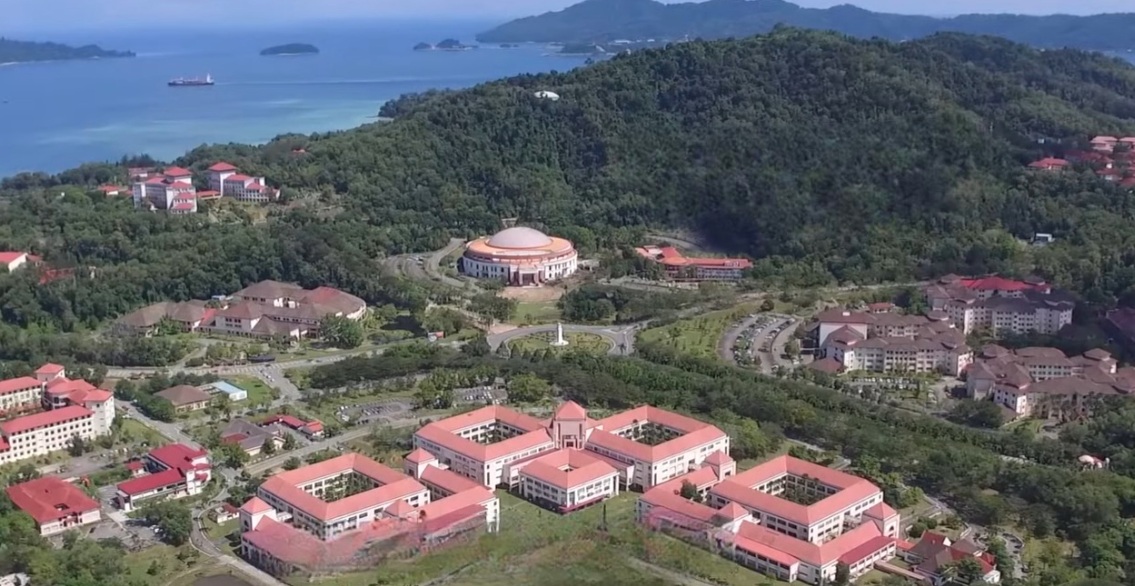
UMS has made significant strides in enhancing the sustainability and resilience of its infrastructure. With its main campus situated on a coastal site in Kota Kinabalu, surrounded by marine biodiversity and tropical forests, the university recognizes the importance of harmonizing development with ecological stewardship. As such, UMS has prioritized green infrastructure in both new construction and campus retrofitting efforts.
From Labs to Lives: Innovations That Matter
Driving Research, Innovation, and Commercialization
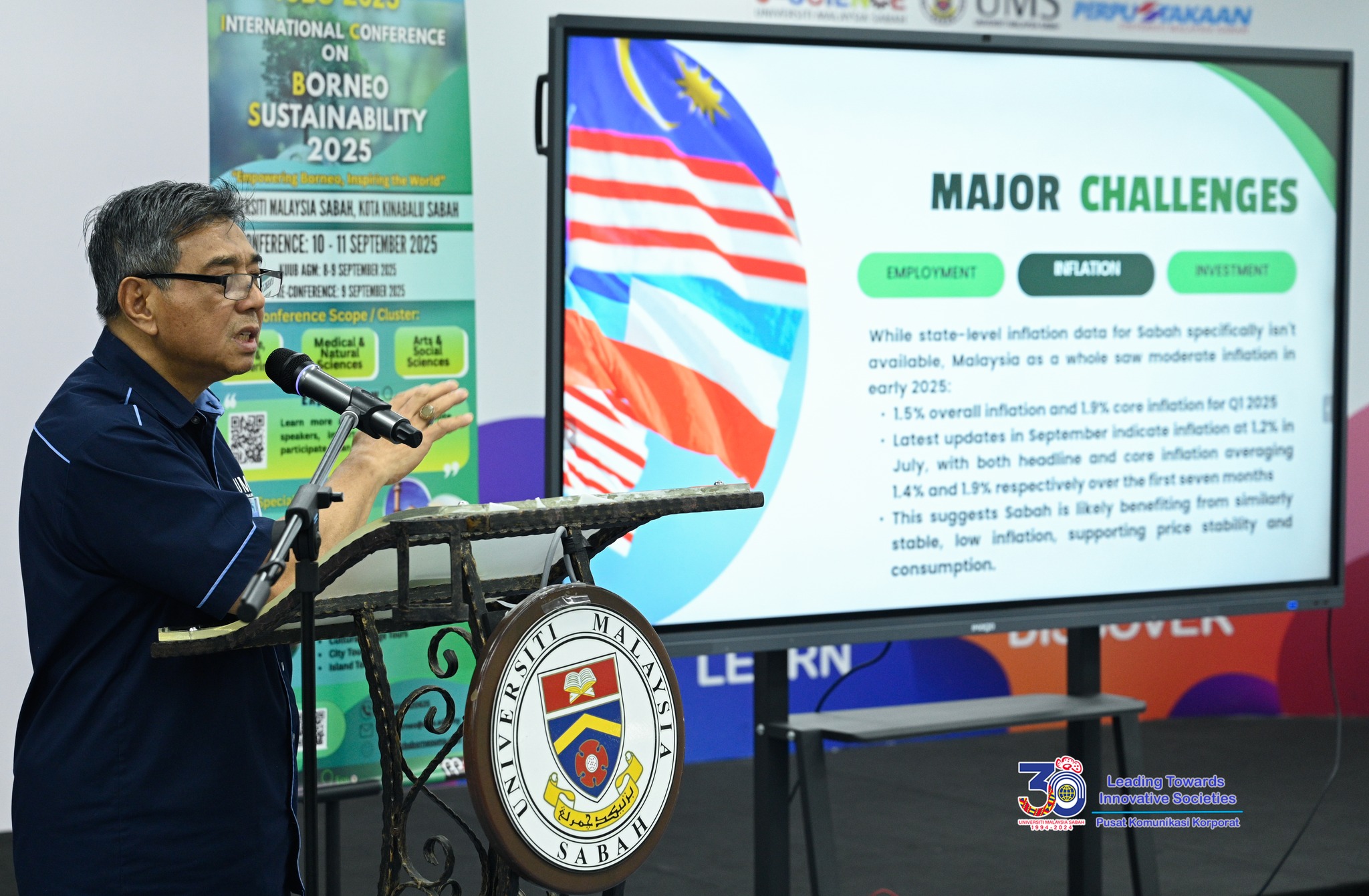
Research and innovation are at the heart of UMS’s contribution to SDG 9. The university has strategically invested in research centers and facilities focused on generating solutions to regional and national challenges in sustainable development. Through funding from the Ministry of Higher Education and international partners, UMS researchers tackle issues ranging from renewable energy and sustainable agriculture to marine pollution and climate adaptation. One exemplary area is bioenergy innovation. UMS researchers have developed a method to convert palm oil waste—a major byproduct in Sabah—into biofuel and biodegradable materials. This not only provides an environmentally friendly alternative to fossil fuels but also adds value to agricultural residues, thus promoting circular economy models. In marine biotechnology, UMS has pioneered aquaculture solutions that improve food security while minimizing ecological damage through zero-discharge systems. To translate these research breakthroughs into societal benefits, UMS has established the Innovation & Commercialisation Management Centre (Pusat Pengurusan Inovasi dan Pengkomersialanm, PPIP) . PPIP assists researchers in filing patents, developing prototypes, and engaging with industrial partners. Over the past few years, UMS has registered multiple patents in areas such as environmental monitoring sensors, organic pest control, and indigenous herbal formulations. Many of these have potential for commercialization, contributing to economic diversification in Sabah. The impact of this innovation ecosystem is measurable and expanding. Students are more engaged in innovation projects, industries are more willing to collaborate with academia, and communities benefit from locally developed technologies. UMS not only contributes to Malaysia’s knowledge economy but also ensures that research serves social and environmental purposes.
Empowering Local Hands with Global Tools
Promoting Inclusive and Sustainable Industrialization
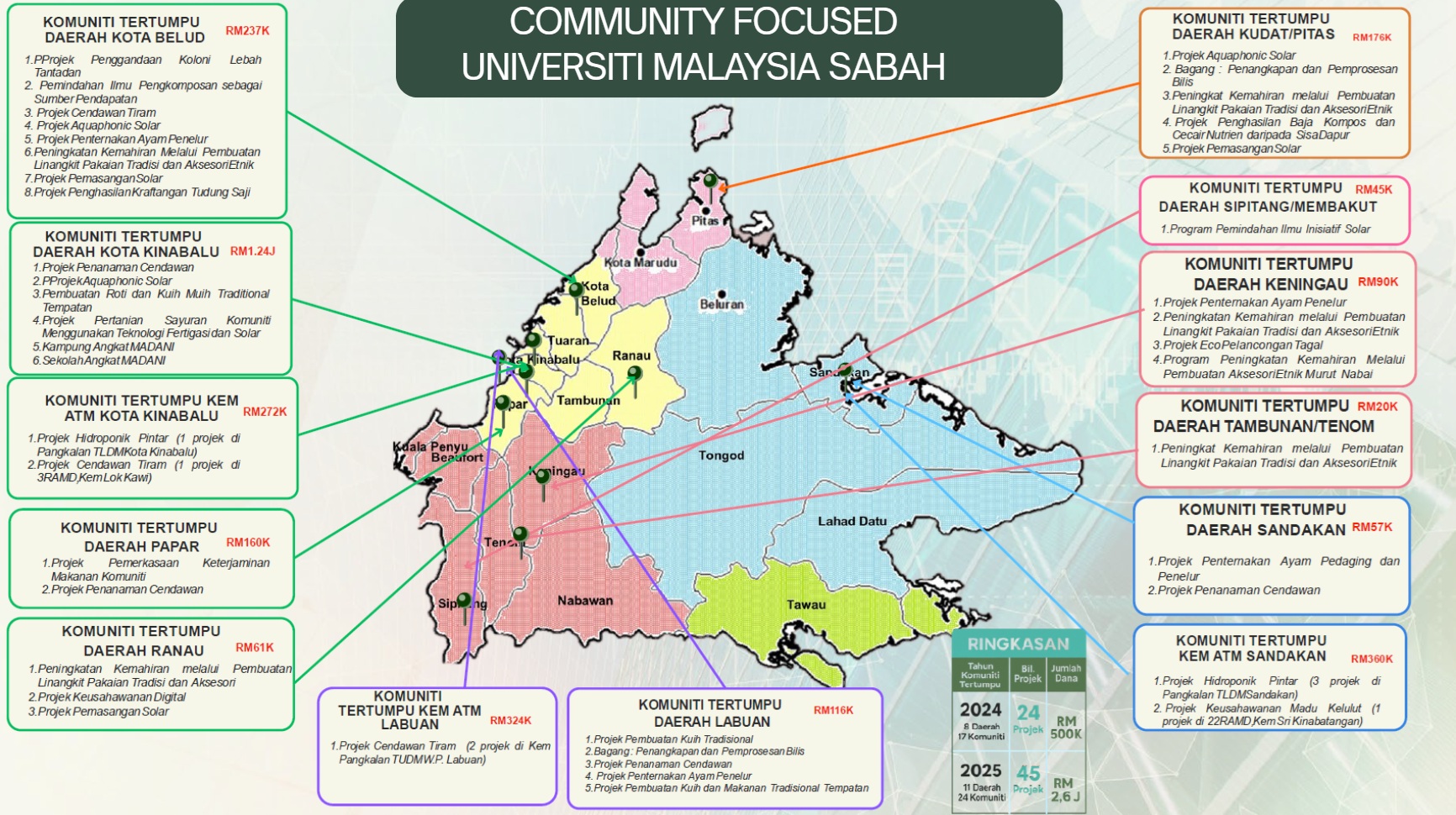
UMS’s vision for industrialization is deeply rooted in inclusivity and sustainability. In Sabah, where a significant portion of the population resides in rural and indigenous communities, traditional industrial models can exacerbate inequality and environmental degradation. UMS addresses this by promoting community-centered industrial development that leverages local knowledge and sustainable practices. One example is UMS’s collaboration with indigenous communities in the interior of Sabah to improve craft-based cottage industries. Researchers and students work with artisans to modernize production processes using sustainable materials and offer training in e-commerce and branding. This approach helps preserve cultural heritage while opening up new income streams for marginalized communities. In agriculture, UMS supports rural farmers through the introduction of small-scale processing units, solar-powered irrigation systems, and training in climate-smart farming practices. These innovations increase productivity, reduce post-harvest losses, and contribute to rural food security. Furthermore, by deploying renewable energy technologies in remote areas, UMS reduces dependency on diesel-based energy and enhances local resilience. The university also plays a vital role in preparing the rural workforce for Industry 4.0. Through workshops, mobile innovation labs, and community innovation hubs, UMS introduces youth and women to digital tools such as drones, IoT sensors, and traceability software for agriculture. These efforts bridge the digital divide and democratize access to industrial opportunities. The long-term impact is evident in the improved livelihoods, increased community resilience, and higher participation of rural populations in regional value chains. UMS’s inclusive industrialization strategy is a blueprint for universities working in diverse and under-resourced settings.
Together We Innovate, Together We Build
Enhancing University-Industry-Government-Civil Society Partnerships
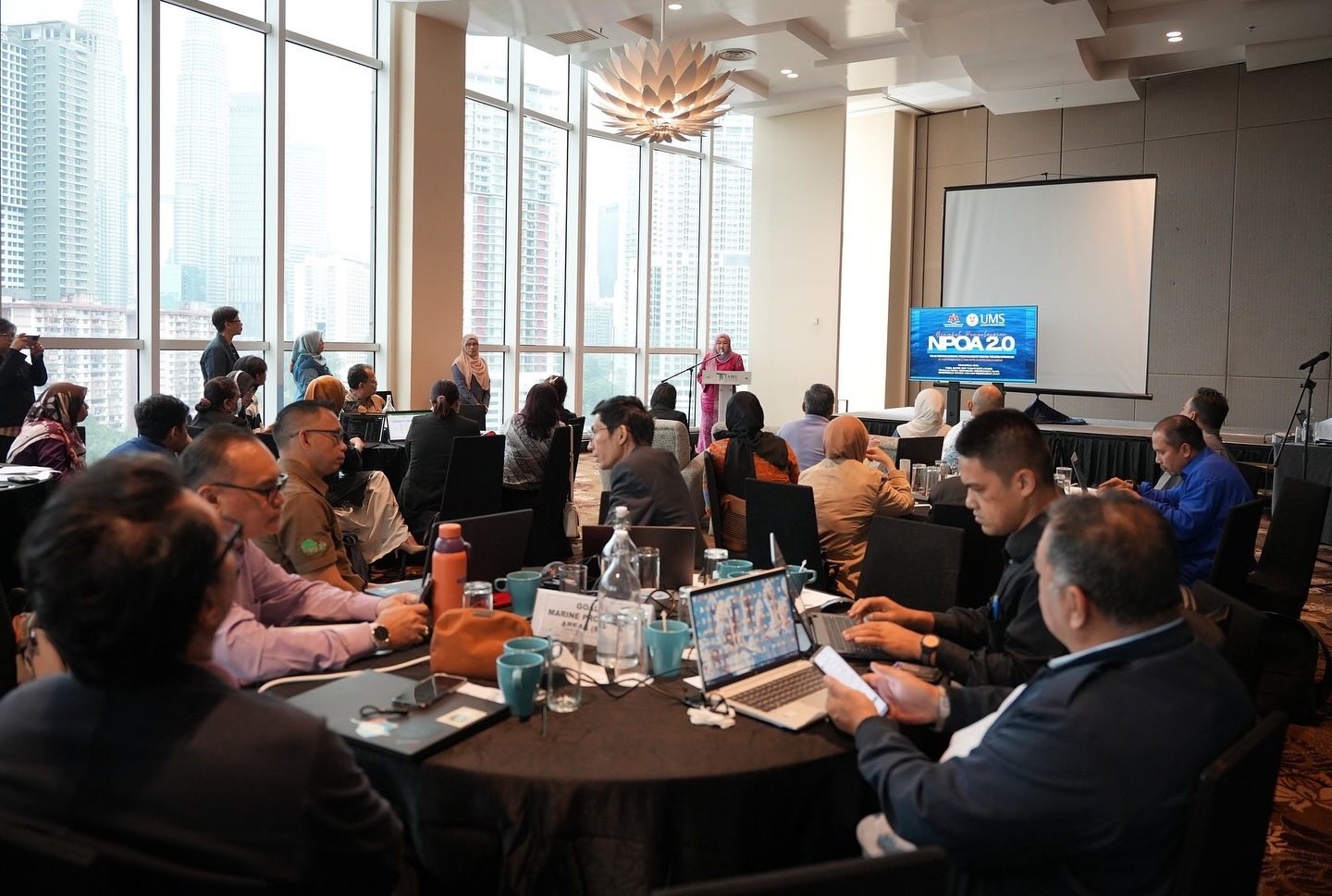
Collaboration is the cornerstone of effective innovation ecosystems, and UMS actively cultivates partnerships across sectors to amplify its impact under SDG 9. By aligning the strengths of academia, industry, government, and civil society, UMS fosters holistic development outcomes that no single stakeholder could achieve alone. With industry partners such as Shell, Petronas, and Sabah Economic Development Corporation (SEDCO), UMS engages in applied research projects, particularly in energy, forestry, and agriculture. These collaborations support student internships, industrial research funding, and joint pilot projects. For example, UMS and Sabah Softwoods have partnered on reforestation research using native species and drone technology, blending ecological conservation with timber productivity. UMS also plays an advisory role in government planning. Faculty members contribute expertise to regional development councils, infrastructure zoning bodies, and environmental policy task forces. UMS’s research has influenced coastal development guidelines and renewable energy roadmaps in Sabah. Its input ensures that development is informed by scientific evidence and local data. Civil society partnerships are facilitated through programs like Desa Lestari and UMS Komuniti. These initiatives bring together researchers, students, and local leaders to co-design projects based on community priorities. Whether building a micro-hydro power system or launching a bamboo processing center, these collaborations are grounded in mutual respect and shared responsibility. The impact of these multi-stakeholder partnerships is transformative. They not only expand UMS’s reach and effectiveness but also foster trust and long-term collaboration. Such partnerships ensure that innovation is embedded in real-world contexts and that solutions are locally accepted and sustainable.
Nurturing Innovators, Not Just Graduates
Education for Innovation and Infrastructure Development
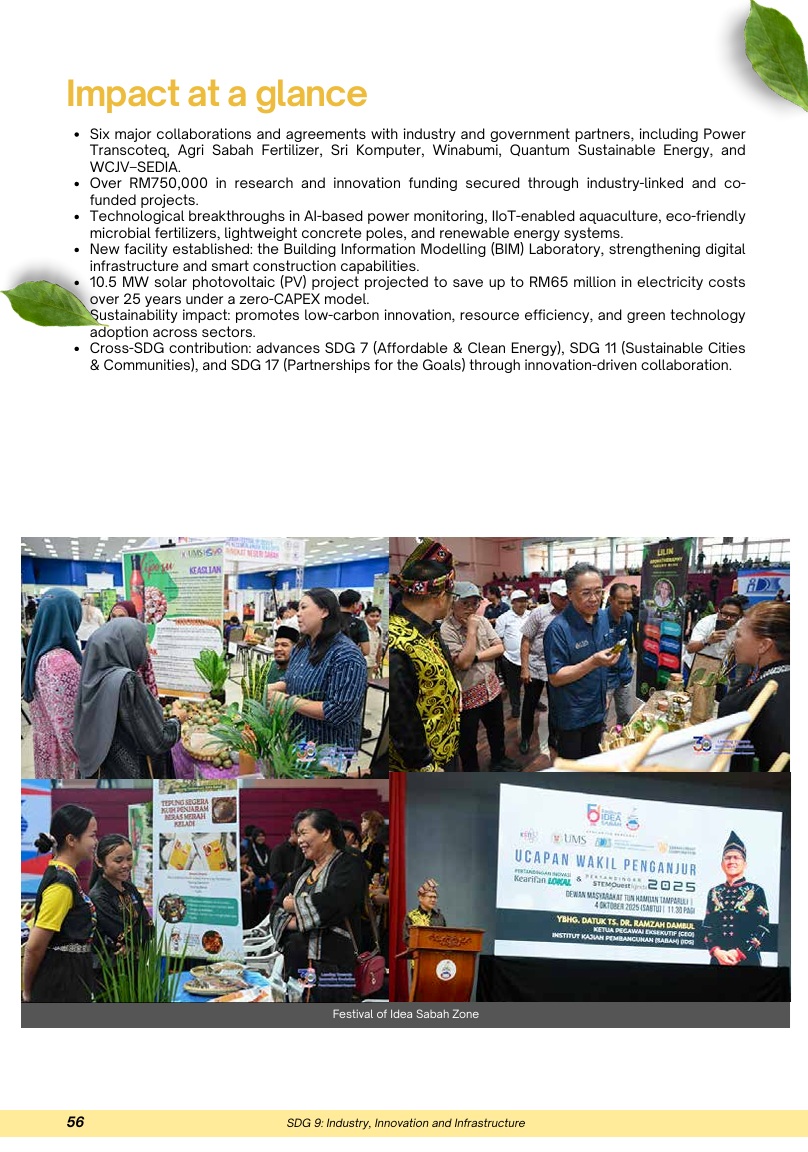
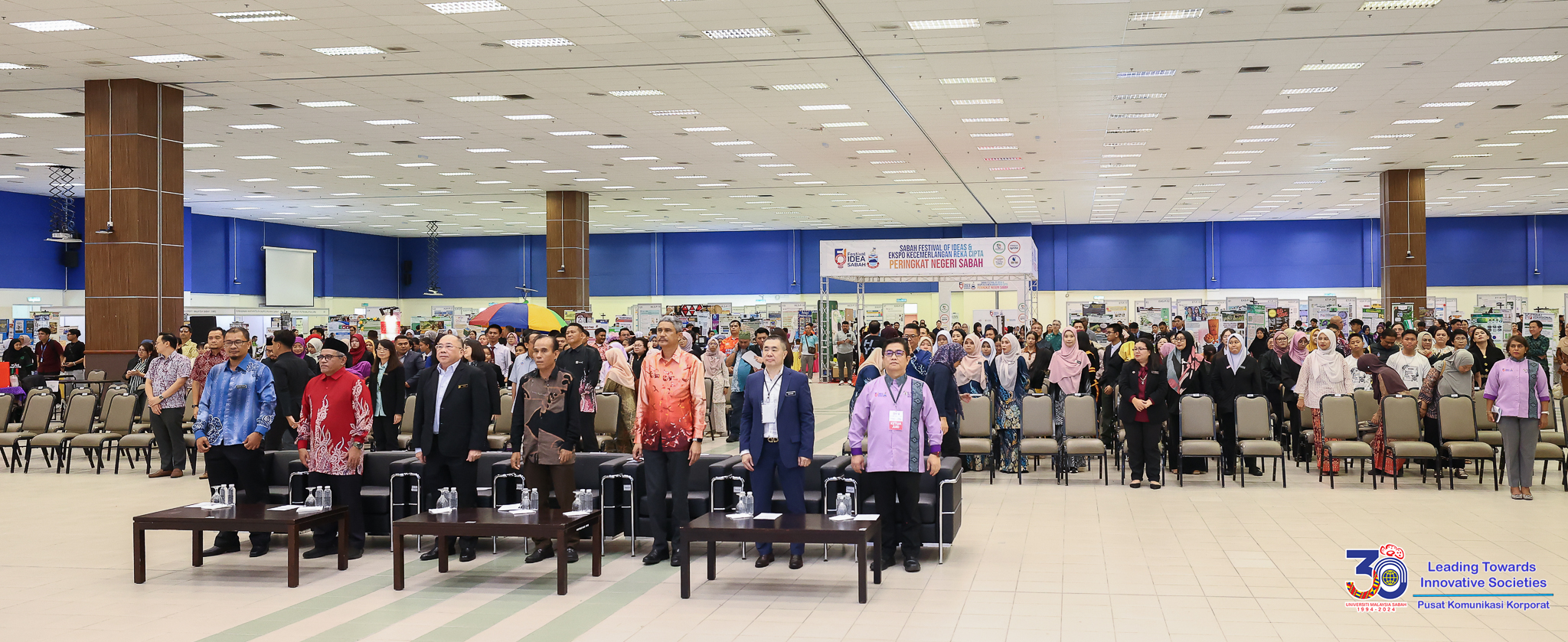
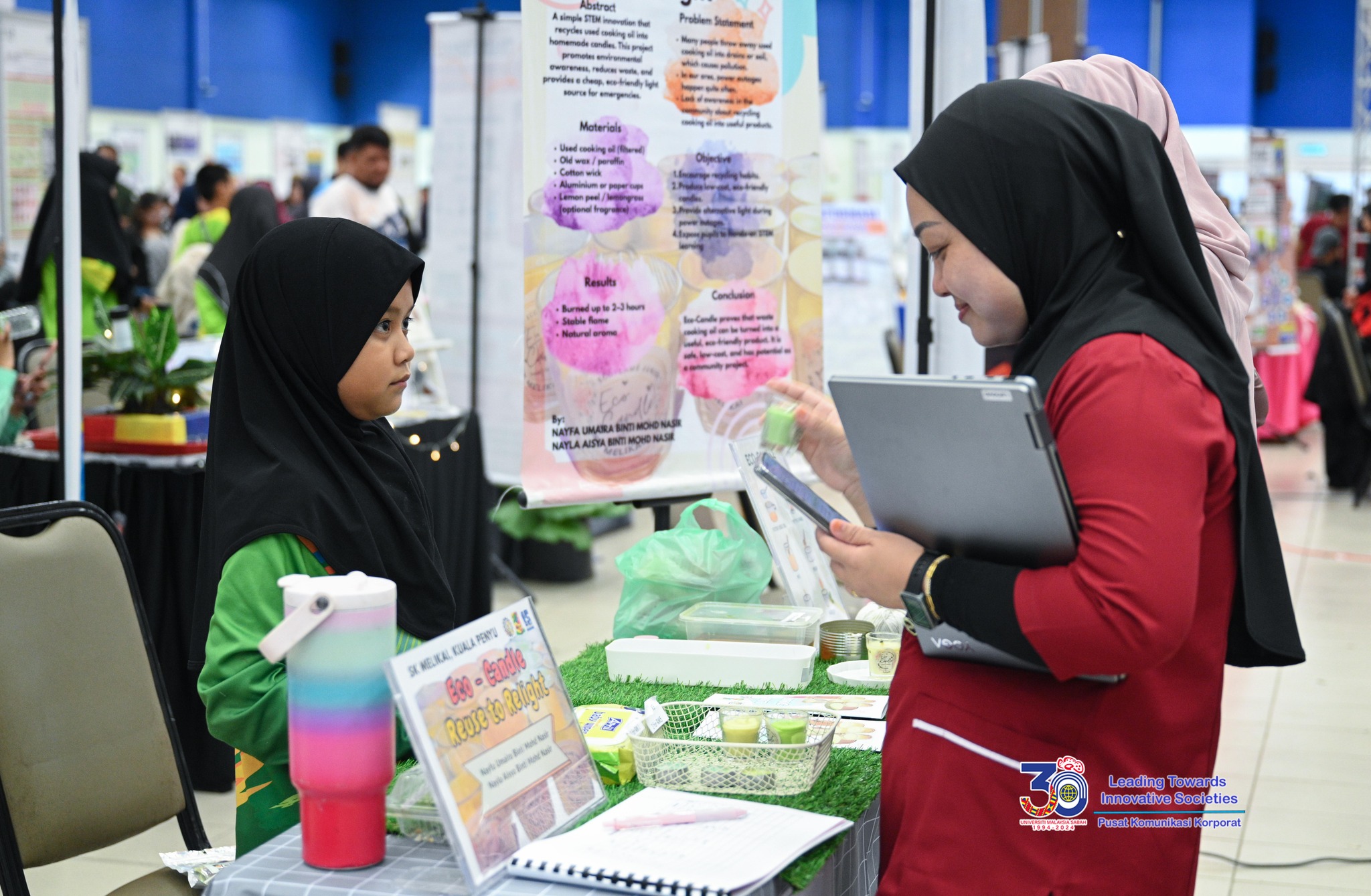
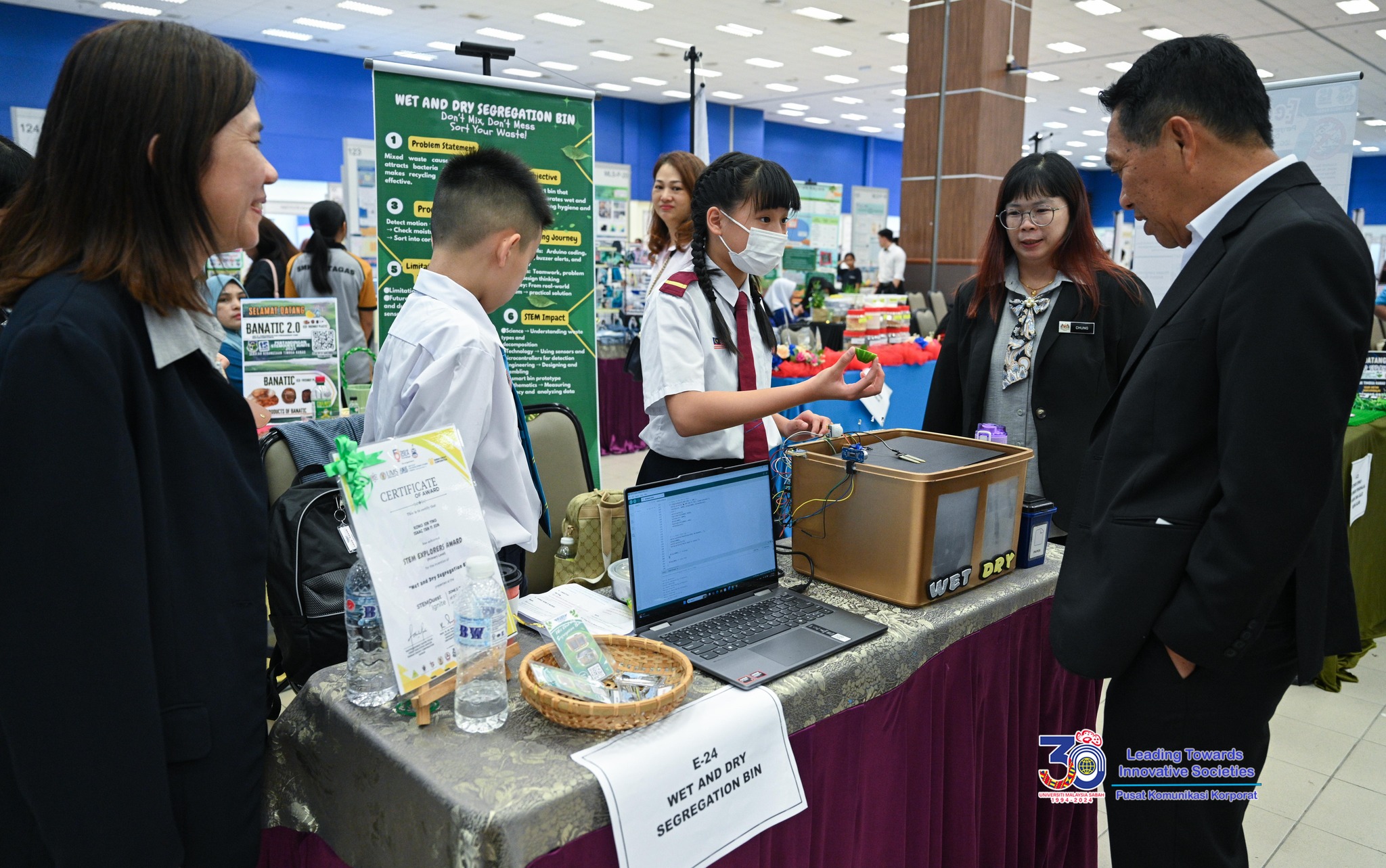
Education is the foundation upon which innovation and infrastructure development are built. UMS takes this responsibility seriously by embedding sustainability and innovation into its curriculum, pedagogy, and student experiences. Through targeted academic programs, skills training, and extracurricular activities, UMS equips students to become future-ready innovators. The university offers a range of undergraduate and postgraduate programs aligned with SDG 9. These include Bachelor of Civil Engineering with an environmental focus, Master in Renewable Energy, and PhD programs in Technopreneurship. These programs combine rigorous academic content with fieldwork, internships, and problem-based learning. Students learn not only technical skills but also systems thinking and ethical reasoning. In addition to formal education, UMS supports Technical and Vocational Education and Training (TVET) to address skill gaps in sustainable infrastructure and industry. Community colleges affiliated with UMS run short courses on topics like solar panel installation, green building certification, and water system design. These programs are especially impactful in rural Sabah, where skilled labor is often lacking. UMS also nurtures student creativity through platforms Festival of Idea Sabah Zone. These competitions challenge students to develop prototypes addressing real-world problems. Winners receive incubation support, funding, and mentorship from faculty and industry experts. The cumulative impact is the creation of a talent pipeline that can drive Malaysia’s transition toward a green and knowledge-based economy. UMS graduates are not just job-seekers—they are changemakers equipped to build sustainable infrastructure and catalyze inclusive innovation.
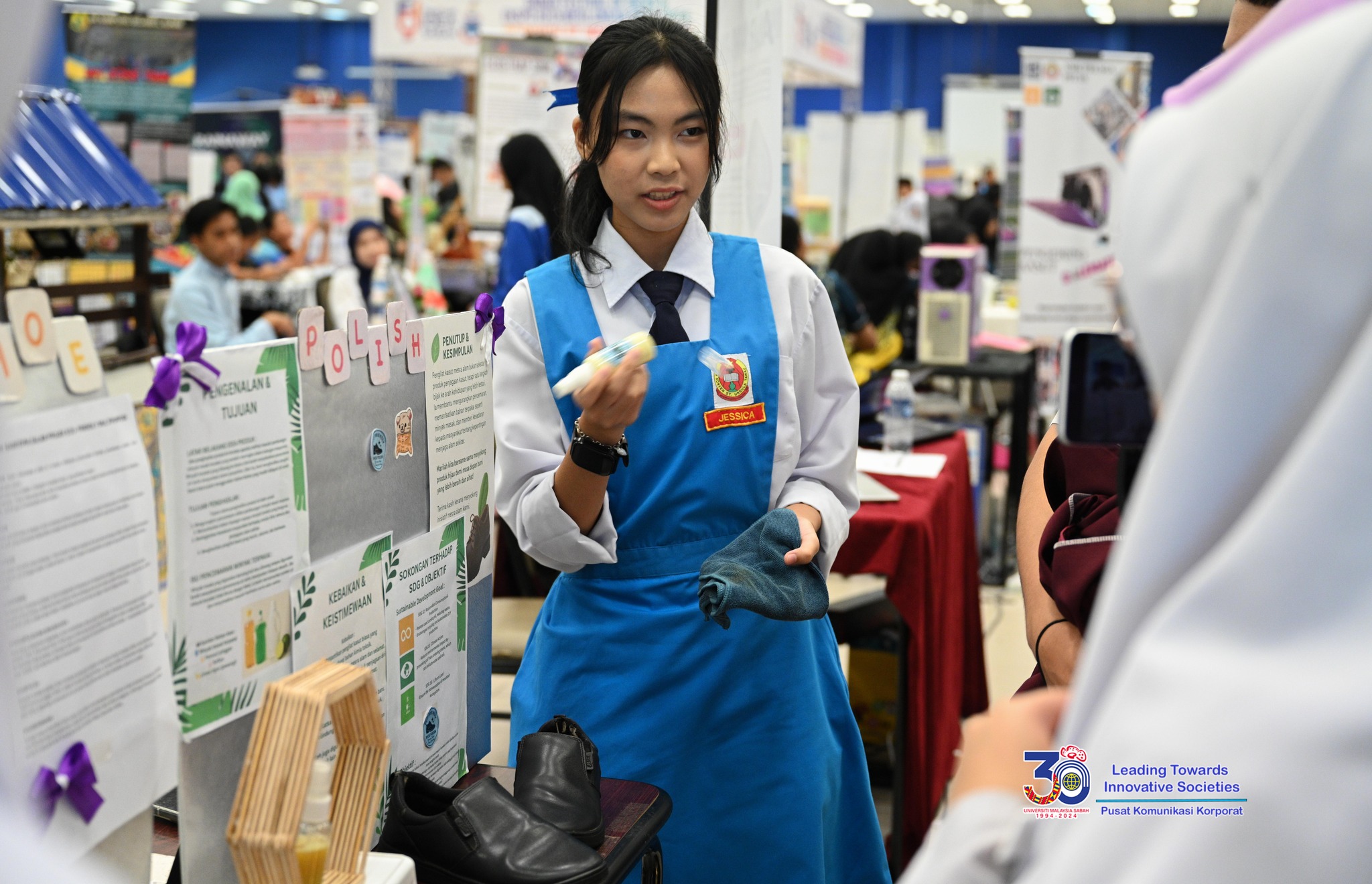
SDG 9 Progress Report : Powering Change: Advancing Clean Energy Access, Innovation, and Education Across Borneo in 2024
In 2024, Universiti Malaysia Sabah (UMS) strengthened its commitment to SDG 9 by advancing sustainable infrastructure, research innovation, and inclusive industrial development across Sabah. UMS continued to enhance its green campus features through energy-efficient buildings, smart digital systems, and eco-sensitive design, establishing the university as a model for resilient and sustainable infrastructure in the region.
Research and innovation remained a core driver of SDG 9 progress. UMS expanded its work in renewable energy, sustainable agriculture, aquaculture technology, and circular economy solutions—such as transforming palm oil waste into biofuel and biodegradable materials. Through the Innovation & Commercialisation Management Centre (PPIP), UMS supported patents, prototypes, and industry partnerships that translate research into real-world applications.
UMS also prioritised inclusive industrialisation by empowering rural and indigenous communities with technology, skills training, and microenterprise support. Programmes such as cottage industry modernisation, aquaculture innovation, sustainable agriculture training, and digital literacy initiatives enhanced local economic resilience and improved livelihood opportunities.
At the educational level, UMS embedded innovation-thinking, sustainability, and industry relevance into its curricula, complementing this with TVET-based community programmes and student innovation competitions. These initiatives cultivate future-ready graduates capable of driving sustainable infrastructure and green economic growth.
Through strong multi-stakeholder collaborations with industry, government, and civil society, UMS advanced regional development agendas and fostered joint innovation projects aligned with Sabah’s socio-economic needs. Collectively, these efforts position UMS as a catalyst for sustainable development—bridging research, community empowerment, and infrastructure solutions to support long-term economic growth for Sabah and beyond.