


Leading with Equity, Governing with Balance


UMS - SDG 5 Gender Equality
Strengthens UMS’s role as a Gender-Responsive University.

 HOW WE WORK
Where Equity Leads, Balance Sustains
At Universiti Malaysia Sabah (UMS), gender equality is not an aspiration — it is a lived commitment that shapes leadership, research, and community transformation.
UMS believes that empowering women is essential to achieving institutional excellence, sustainable development, and social justice. From the classroom to the boardroom, from laboratories to living labs, women at UMS lead with integrity, compassion, and vision — embodying the values of inclusivity that define the Brain of Borneo.
Universiti Malaysia Sabah
Institutional Commitment & Leadership
Universiti Malaysia Sabah (UMS) recognises that gender equality is fundamental to institutional excellence and sustainable progress. Guided by the principles of inclusivity and shared leadership, UMS strives to create a campus environment where women and men contribute equally to decision-making, academic innovation, and community development. The university’s policies and initiatives ensure that gender perspectives are integrated into governance structures, leadership training, and social engagement — reflecting its belief that true sustainability begins with equitable participation and balanced representation.
- i. Gender-Balanced Leadership
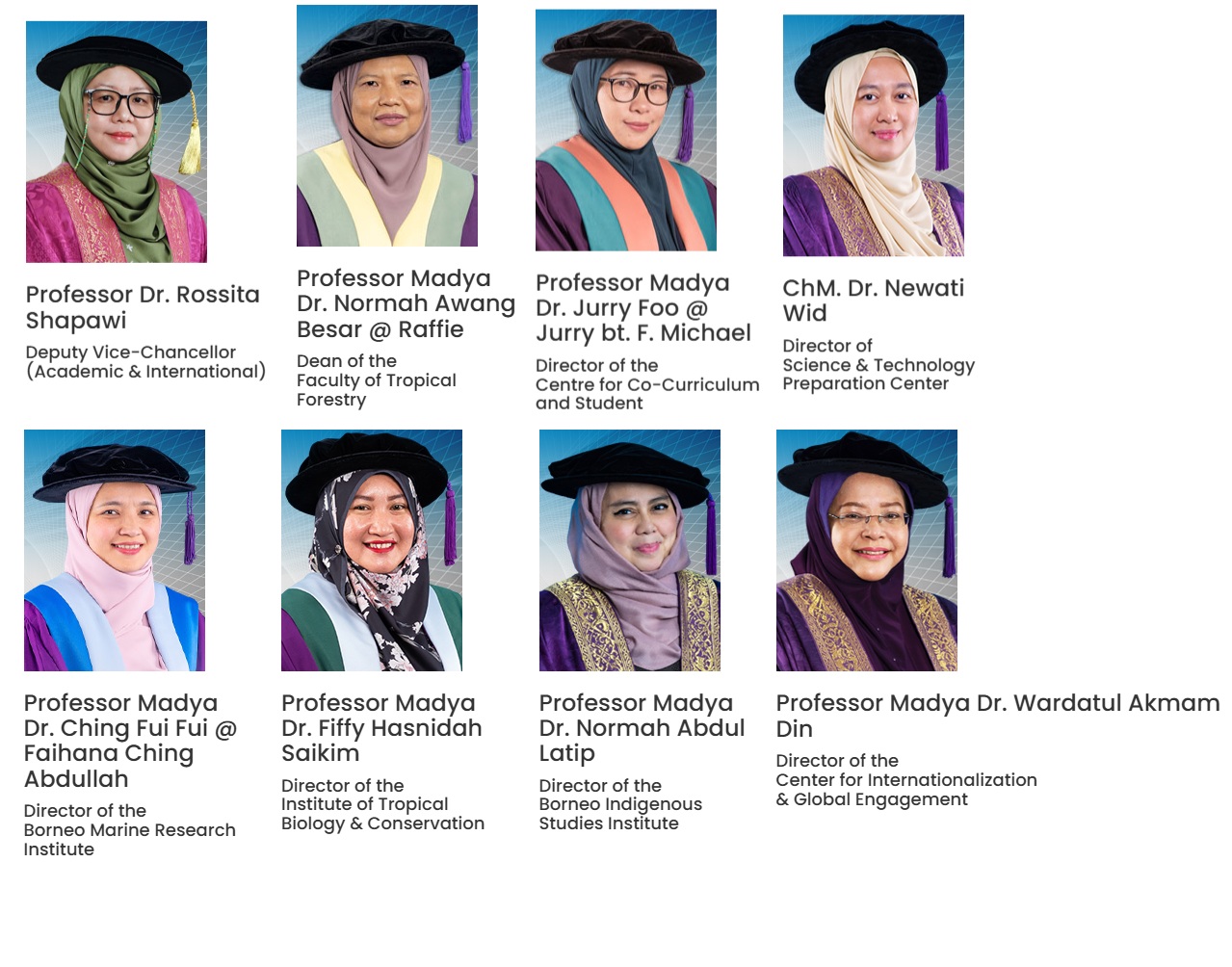
UMS promotes gender-balanced representation at all levels of decision-making, leadership, and governance. Women serve as deans, directors, research leaders, and senior administrators across faculties, institutes, and centres — actively contributing to the formulation of university policies, strategic planning, and research management.
In alignment with the Kementerian Pendidikan Tinggi (KPT) Performance Indicator PS1c, which stipulates that each public university must maintain a minimum talent-pool ratio of 12 profiled individuals with at least 30 % women (a 1:3 succession-planning ratio per strategic position), UMS has achieved 100 % compliance with this national benchmark.
This accomplishment reflects the university’s strong institutional culture of inclusivity and its ongoing commitment to cultivating women leaders in academia and administration. Through transparent governance and gender-responsive succession planning, UMS continues to embed equity, empathy, and balance at the heart of sustainable university development.
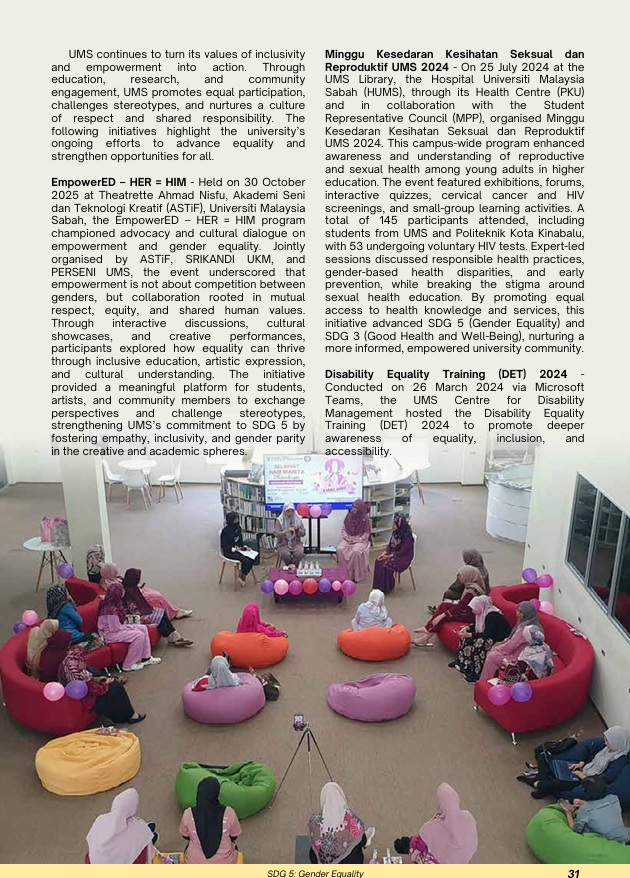
- ii. Establishment of KESUMBA UMS
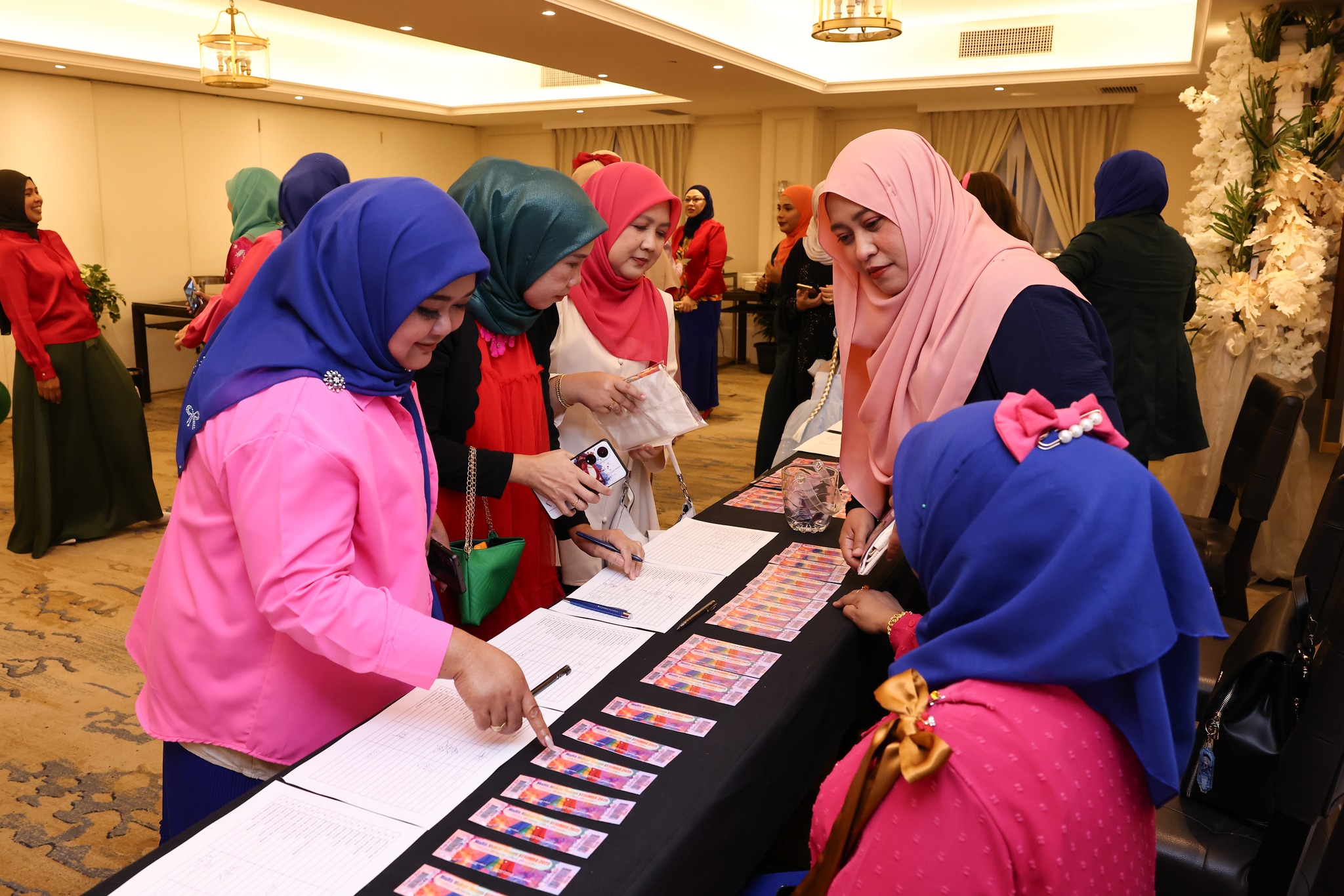
he Kelab Suri Rumah dan Staf Wanita Universiti Malaysia Sabah (KESUMBA UMS), officially established on 19 October 1996, stands as a testament to UMS’s long-standing institutional commitment to women’s empowerment, health, and social well-being.
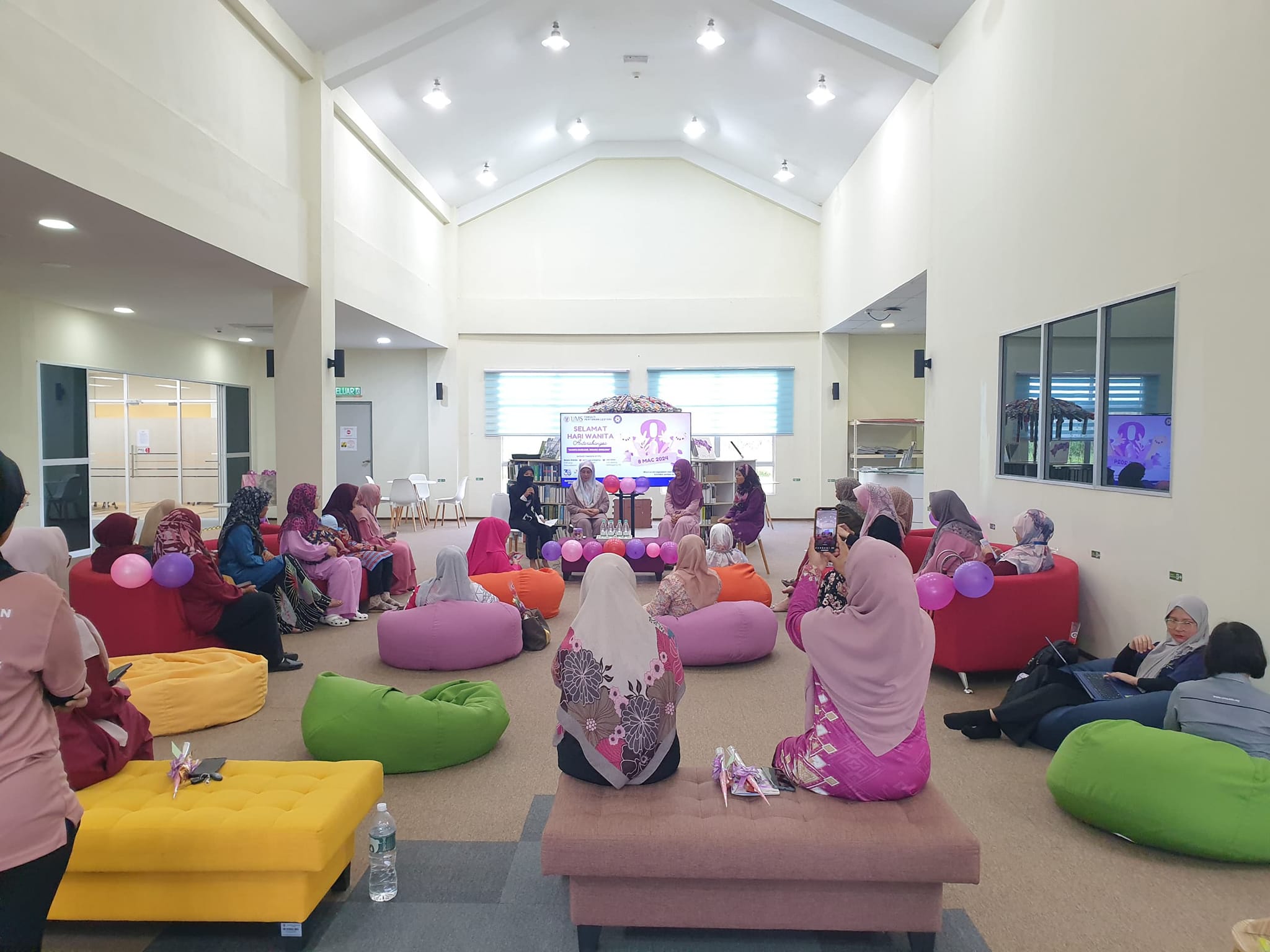
KESUMBA serves as a dynamic platform that brings together female academic and administrative staff, spouses of UMS personnel, and women-affiliated stakeholders under one cohesive network. Through this inclusive membership, the club nurtures solidarity and shared purpose among women in the UMS community.
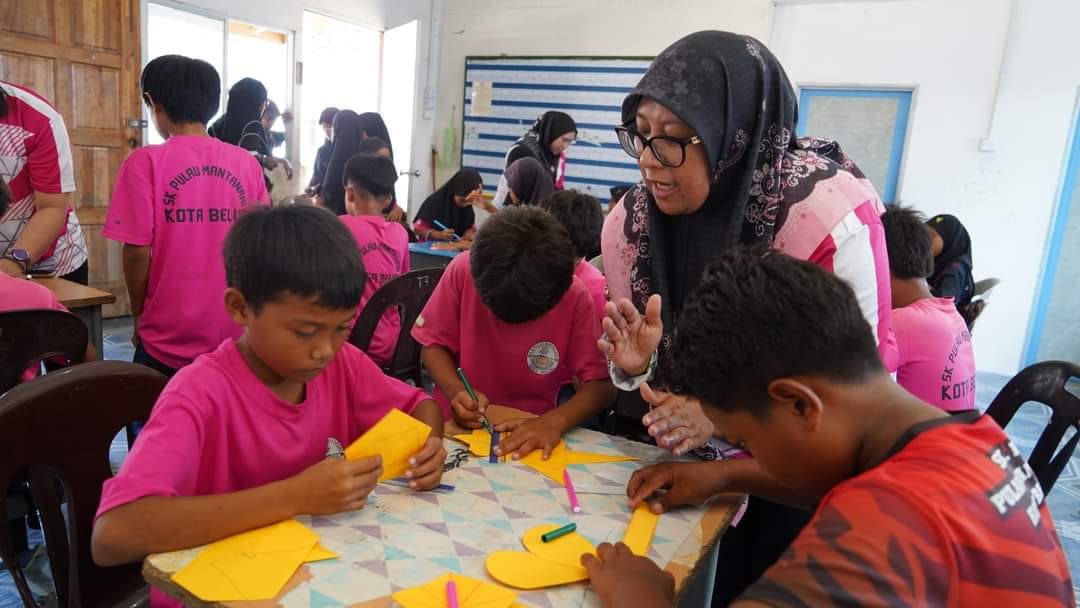
Beyond its social and welfare role, KESUMBA UMS functions as a strategic catalyst for leadership development, health advocacy, and community outreach. Its programmes encompass professional-skills workshops, entrepreneurship and financial-literacy courses, reproductive-health awareness, and charitable engagements benefiting vulnerable groups across Sabah.
The club’s activities—regularly featured on KESUMBA UMS Facebook —highlight the university’s dedication to creating a healthy, inclusive, and supportive environment where women can thrive personally and professionally. In doing so, KESUMBA UMS strengthens the social fabric of the university and amplifies UMS’s reputation as a gender-responsive and family-friendly institution.
Read More
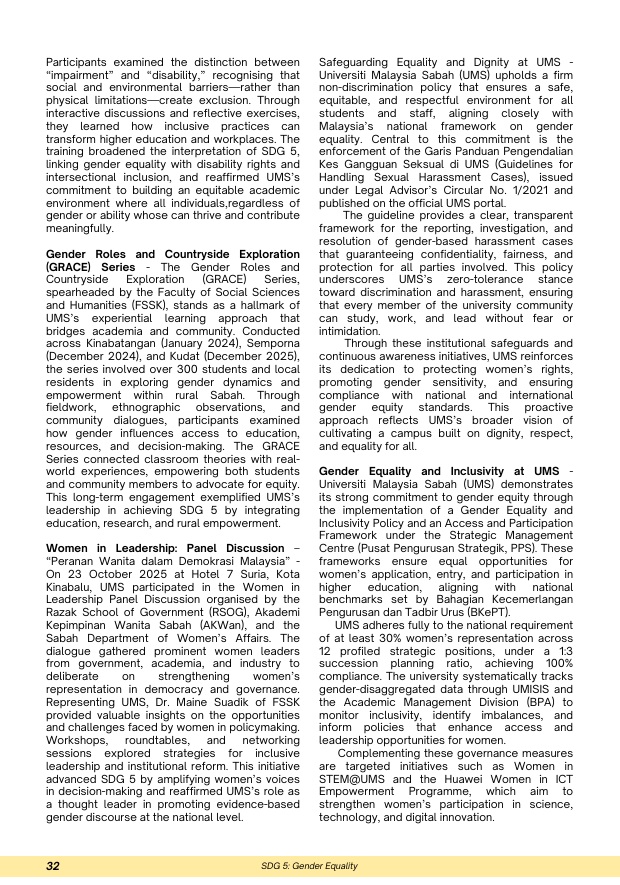
- iii. Family-Friendly Campus Support: Pusat Minda Lestari UMS
UMS demonstrates its commitment to gender equality not only through leadership and empowerment programmes but also by creating a supportive ecosystem that enables women to balance career, study, and family responsibilities.
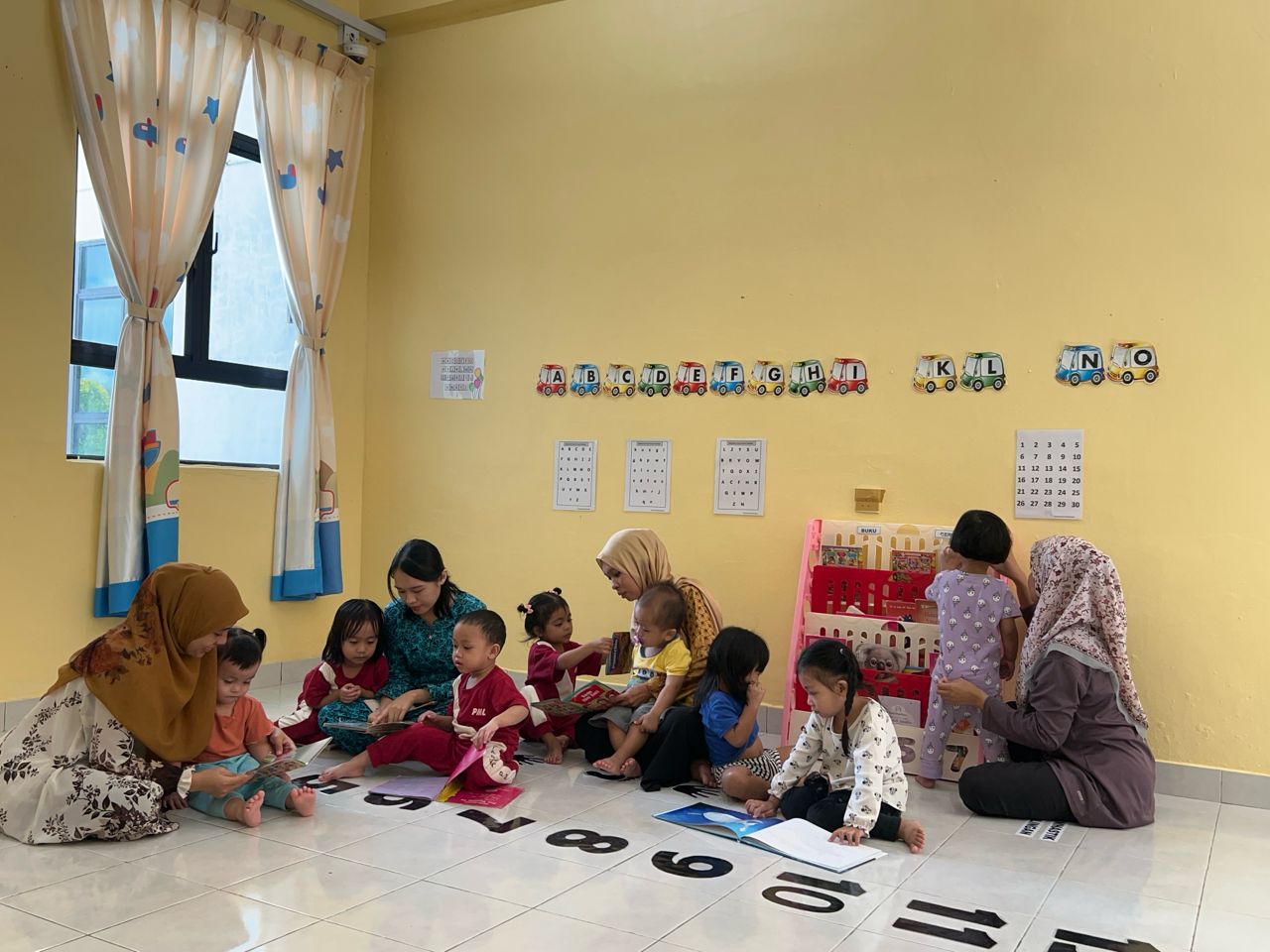
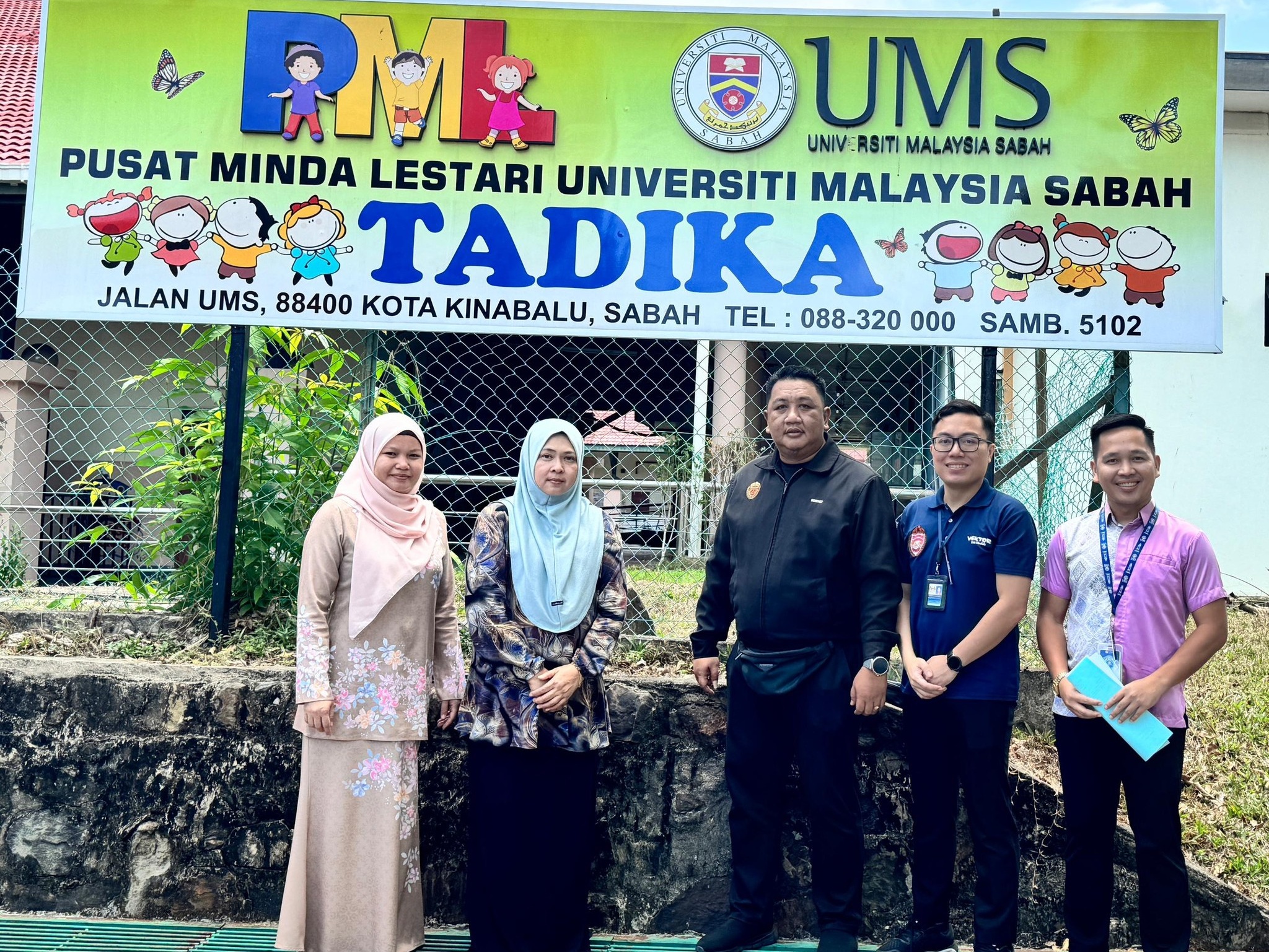
The Pusat Minda Lestari (PML) — UMS’s on-campus childcare and early-childhood education centre — provides reliable, affordable, and safe daycare services for the children of university staff and students. Operated under the Pusat Pengurusan Strategik (PPS) and aligned with the Healthy University and Family-Friendly Campus Policy, PLM serves as a model for institutional support that empowers working mothers and fathers alike.
Key support features include:
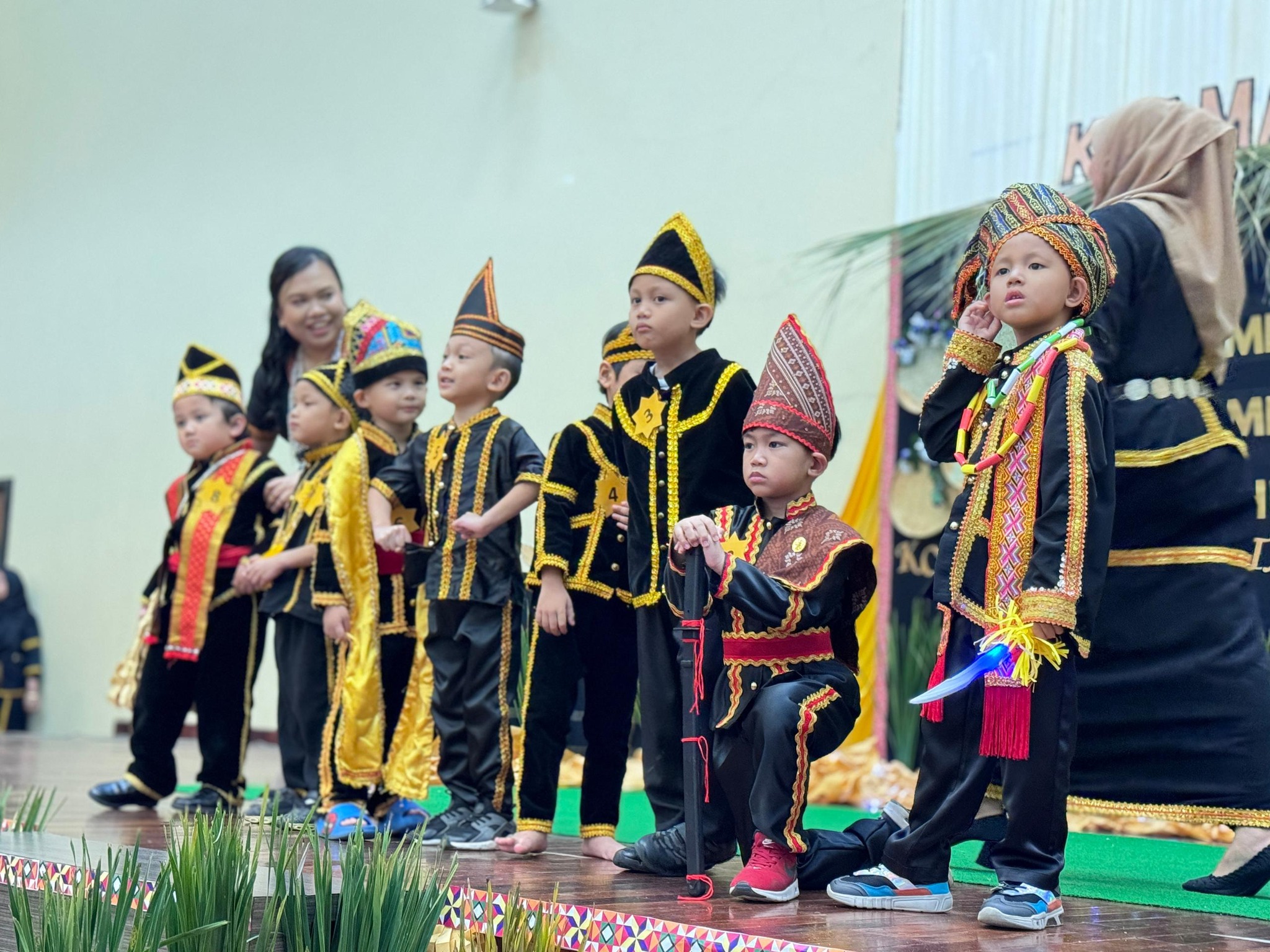
- - Childcare and Early Education : PLM offers structured daily care and preschool learning activities for children aged between infants and six years old, managed by qualified caregivers and certified early-childhood educators.
- - Support for Nursing Mothers: Dedicated lactation rooms and flexible scheduling ensure that mothers can continue breastfeeding and expressing milk comfortably during working hours.
- - Work–Life Balance Programmes: Workshops and awareness sessions on parenting, child nutrition, and mental well-being are regularly held in collaboration with KESUMBA UMS and the Health Promotion and Wellness Unit. Read More
- iv. Family Care and Maternity Support: Sustaining Work–Life Balance
Universiti Malaysia Sabah (UMS) ensures that gender equality extends beyond representation to include practical support systems that enable women to balance family, health, and career aspirations. Guided by the Public Service Department (JPA) “Kemudahan Cuti” Circular PP SM 106
, UMS provides a comprehensive suite of family-care benefits in line with national standards for public universities.
Eligible female staff are entitled to up to 90 days of fully paid maternity leave for each confinement. Upon returning to duty, mothers are granted an additional five-month period during which they may leave work one hour earlier each day to support post-natal recovery and breastfeeding routines.
UMS further enhances inclusivity through flexible working arrangements, including Work-From-Home (WFH) and adjusted schedules for parents or caregivers. These arrangements are implemented under the university’s internal Flexible Work Scheme (Skim Kerja Fleksibel), reflecting UMS’s trust-based, outcomes-oriented culture that values productivity and well-being equally.
Complementing these policies, UMS also offers Cuti Menjaga Anak (CMA) (Child-Care Leave) for parents who need extended time to care for young children, and spousal support leave to encourage shared family responsibilities. Together, these provisions ensure that UMS remains a family-friendly and gender-responsive institution, where no staff member must choose between professional advancement and family care.
By embedding flexibility, empathy, and equality into workplace design, UMS strengthens its role as a model sustainable university — advancing SDG 5 (Gender Equality) and SDG 3 (Good Health and Well-Being) through inclusive governance and human-centred policies. Read MoreSDG 5 Progress Report: Empowering Women and Advancing Gender Equality at UMS in 2024
In 2024, Universiti Malaysia Sabah (UMS) advanced its commitment to SDG 5: Gender Equality by strengthening women’s empowerment initiatives, promoting inclusive participation, and embedding gender-sensitive practices across its academic and community ecosystem. UMS continued to ensure equitable access to education through strong female student representation, with women comprising more than half of enrolment and graduation figures across key faculties, including STEM fields. Through inclusive policies, targeted empowerment programmes, and strong institutional commitment, UMS continues to foster a gender-equitable campus where women and girls can thrive, participate fully, and lead in shaping a sustainable and just future.