UMS Interdisciplinary Research Success Framework
Measuring collaboration, impact, and real-world outcomes across disciplines
Universiti Malaysia Sabah (UMS) adopts a structured and evidence-based approach to measure the success of interdisciplinary science research across applicable disciplines. The university assesses research performance through a combination of cross-disciplinary and global collaboration indicators, institutional research ecosystem monitoring, research output reporting, and societal impact evaluation.
Collaboration Across Disciplines and Global Partnerships
UMS promotes interdisciplinary research through collaboration among faculties, research institutes, and external partners. Research success is measured not only by academic output, but also by the strength of cross-disciplinary collaboration and global research partnerships. These collaborations enable the integration of expertise from multiple fields to address complex scientific, environmental, technological, and societal challenges.
UMS’s research ecosystem explicitly integrates multiple domains—such as marine science, biodiversity, engineering, health sciences, and socio-economic development—through interdisciplinary collaboration and international partnerships. This is evidenced by institutional initiatives and research platforms that bring together diverse disciplines to support sustainability, innovation, and community-focused solutions.
In addition, UMS actively collaborates with global organisations and partners, including initiatives related to climate action, biodiversity conservation, and sustainable development, further strengthening its interdisciplinary and international research profile.
Research Output & Interdisciplinary Productivity
UMS evaluates interdisciplinary research through:
-
Scopus/WoS indexed publications across multiple subject areas
- i. Cross-disciplinary co-authorship analysis (multi-faculty and multi-field research)
- ii. Growth trends in interdisciplinary publications
- iii. These indicators are systematically monitored through institutional reporting systems and bibliometric analysis.
Read More
Research Impact & Quality Measurement
To assess research quality and influence, UMS uses:
-
- i. Citation metrics and high-impact publications
- ii. Field-based research evaluation (e.g., sustainability, biodiversity, health)
- iii. Identification of emerging interdisciplinary themes
- iv. This ensures that interdisciplinary research is not only produced but also globally impactful.
Read More
Research Impact & Quality Measurement
To assess research quality and influence, UMS uses:
-
- i. Citation metrics and high-impact publications
- ii. Field-based research evaluation (e.g., sustainability, biodiversity, health)
- iii. Identification of emerging interdisciplinary themes
- iv. This ensures that interdisciplinary research is not only produced but also globally impactful.
Read More
Collaboration & Interdisciplinary Integration
UMS measures the strength of interdisciplinary research through:
-
- i. Cross-faculty and cross-institute collaboration networks
- ii. International and industry research partnerships
- iii. Participation in global initiatives (e.g., sustainability, climate action, biodiversity)
- iv. These collaborations demonstrate integration across:
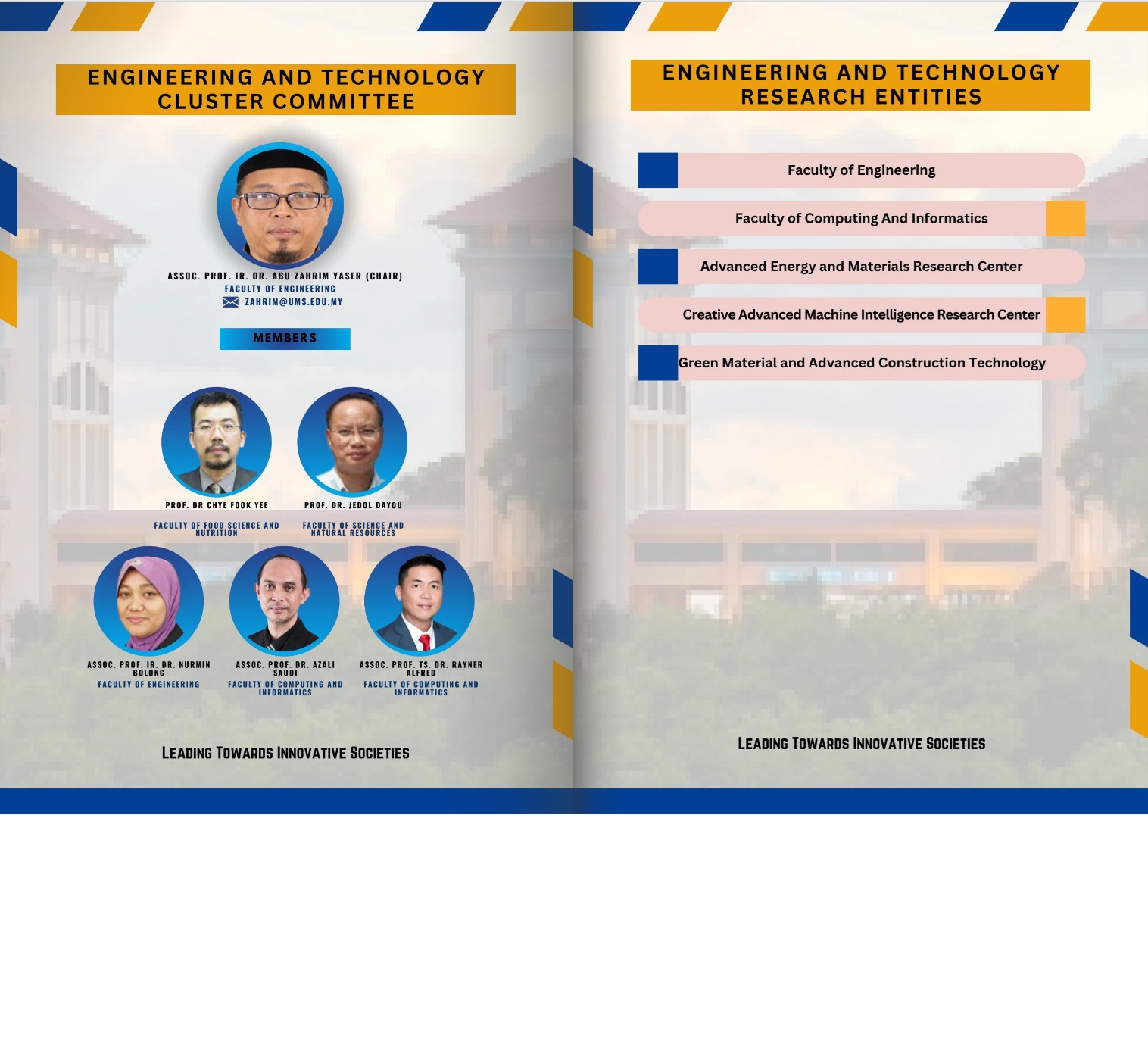
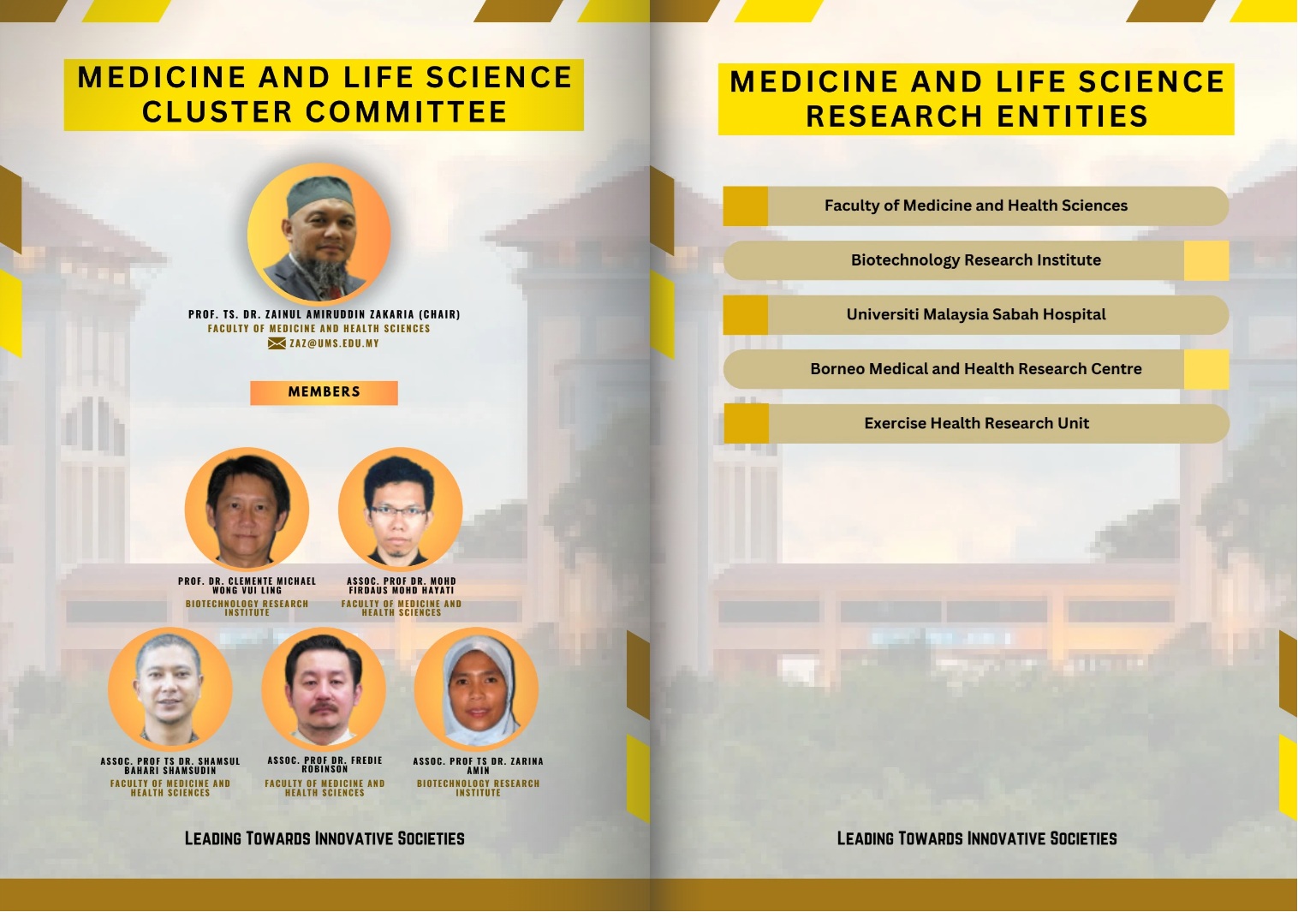
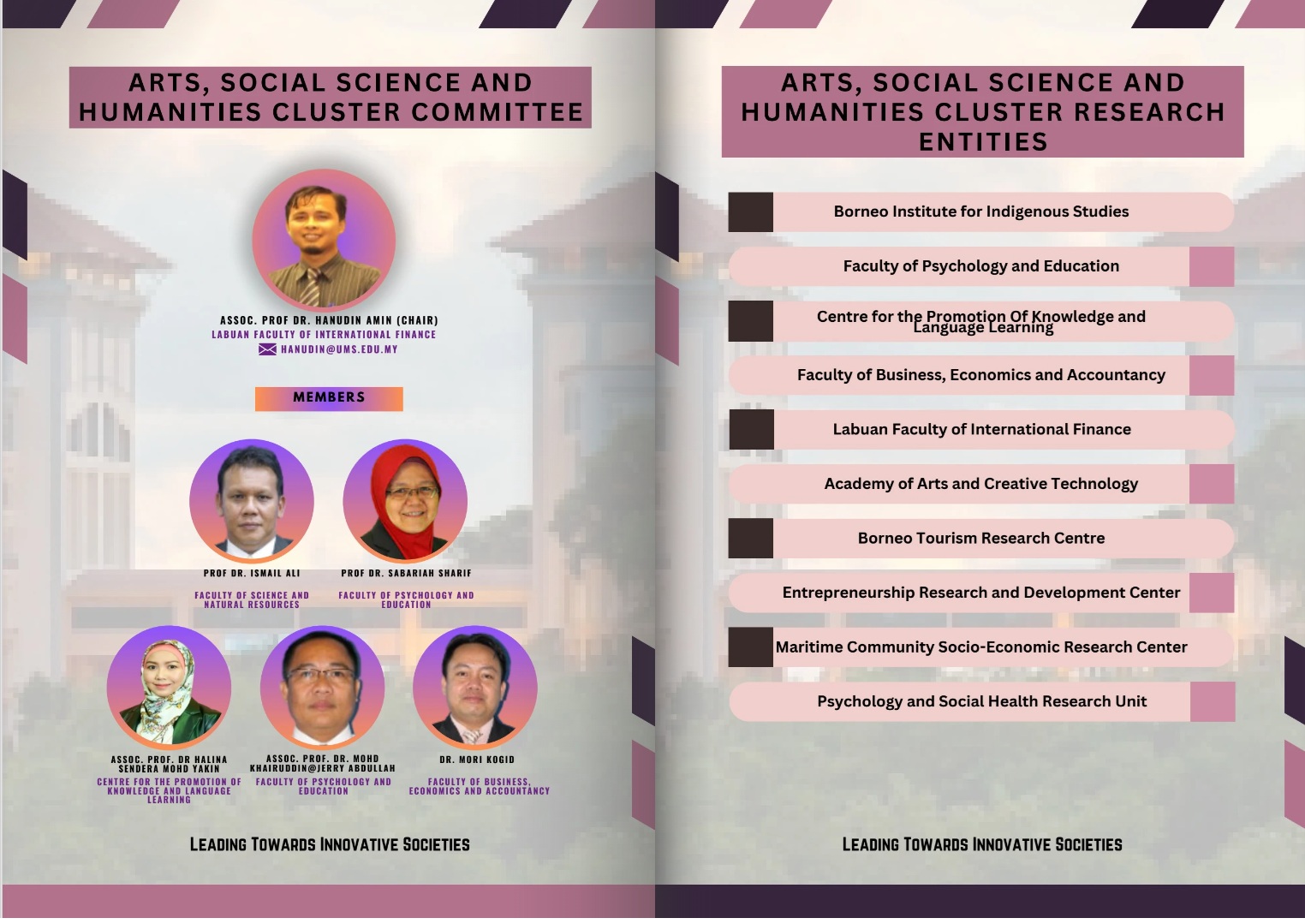
- Engineering + Environmental Science + Health + Social Sciences
Read More
Research Ecosystem & Institutional Structures
UMS measures the strength of interdisciplinary research through:
-
- i. Research Groups (RG)
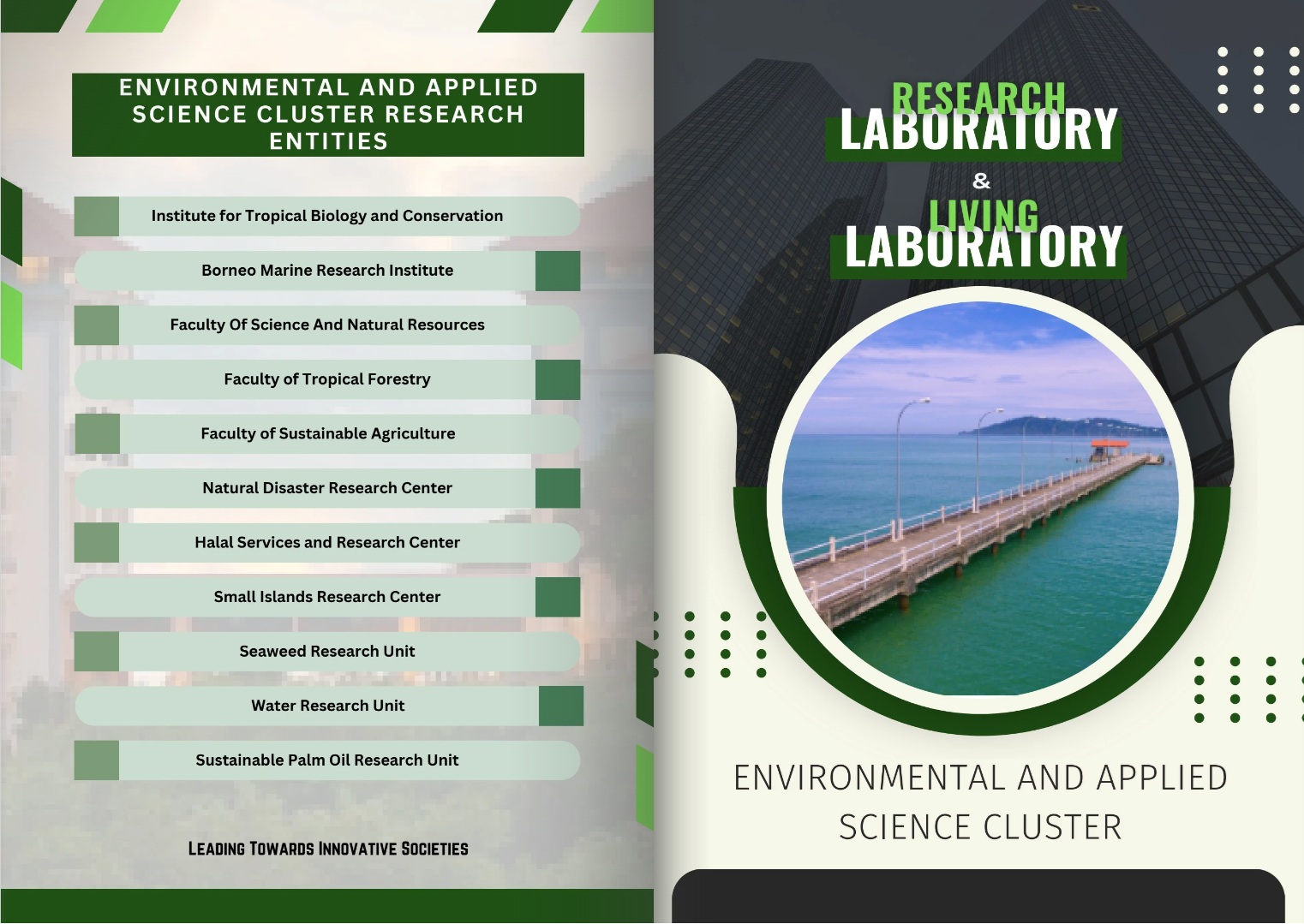
- ii. Research Laboratories (RL/RRL)
- iii.Living Labs (LL/RLL)
- iv. These collaborations demonstrate integration across:
These platforms enable cross-disciplinary collaboration by bringing together researchers from diverse fields, support applied and translational research that bridges theory and practice, and facilitate the integration of science, technology, and society to address complex real-world challenges.
Read More
Physical Facilities for Interdisciplinary Research at UMS
UMS provides dedicated physical facilities that support interdisciplinary science research teams across multiple disciplines.
UMS has established a network of specialised research institutes, laboratories, and field-based facilities that bring together researchers from diverse academic backgrounds to collaborate on complex research challenges. Key facilities include:
- i. Centre of Instrumentation and Science Services (CISS)
Offers high-end scientific instruments and specialized labs for multidisciplinary research.
- ii. Borneo Marine Research Institute (BMRI)
Supporting interdisciplinary work in marine science, aquaculture, climate studies, and environmental management
- iii. Biotechnology Research Institute (BRI)
Integrating molecular biology, health sciences, and industrial biotechnology
- iv.Institute for Tropical Biology and Conservation (ITBC)
Combining biodiversity, ecology, conservation science, and environmental policy
- v. Borneo Institute for Indigenous Studies (BorIIS)
Bridging social sciences, cultural studies, sustainability, and community-based research
These facilities are complemented by advanced research laboratories (RL/RRL), shared instrumentation, and field-based living laboratories, enabling:
- i. Cross-disciplinary collaboration in shared physical spaces
- ii. Access to specialised equipment and research infrastructure
- iii. Integration of laboratory, field, and community-based research
In addition, UMS utilises its campus, natural ecosystems, and Living Labs as extended research environments, supporting interdisciplinary teams working on sustainability, climate action, biodiversity, and socio-economic development.
Read More



 Integrating Disciplines, Advancing Impact